Luang Prabang Old Town: temples, alms and visit planning
Photo: CJ / Unsplash
Contents
- 1. Choose your old-town plan
- 2. Understand the living heritage
- 3. Walk the peninsula and visit temples
- 4. Observe Sai Bat respectfully
- 5. Palace museum and Phousi
- 6. Night market and local food
- 7. Arrange arrival and onward travel
- 8. Choose one excursion
- 9. Budget and practical preparation
- 10. Sources and background
- 11. Frequently Asked Questions
Choose your old-town plan
Give Luang Prabang 2 full days: temples and the former Royal Palace by day, a walk by the river as the light softens, the night market in the evening. Add a third day if you want an excursion. Check the map before you book a room, because not every hotel with a Luang Prabang address sits on the old-town peninsula.
Things to Do
Offers are only loaded from GetYourGuide after you click. GetYourGuide can then process your IP address and set cookies. Privacy Policy
GetYourGuide partner offers. GoAsia may earn a commission if you book through these offers. Check whether tickets or transfers are included, and follow the attraction's official booking and admission rules.
Understand the living heritage
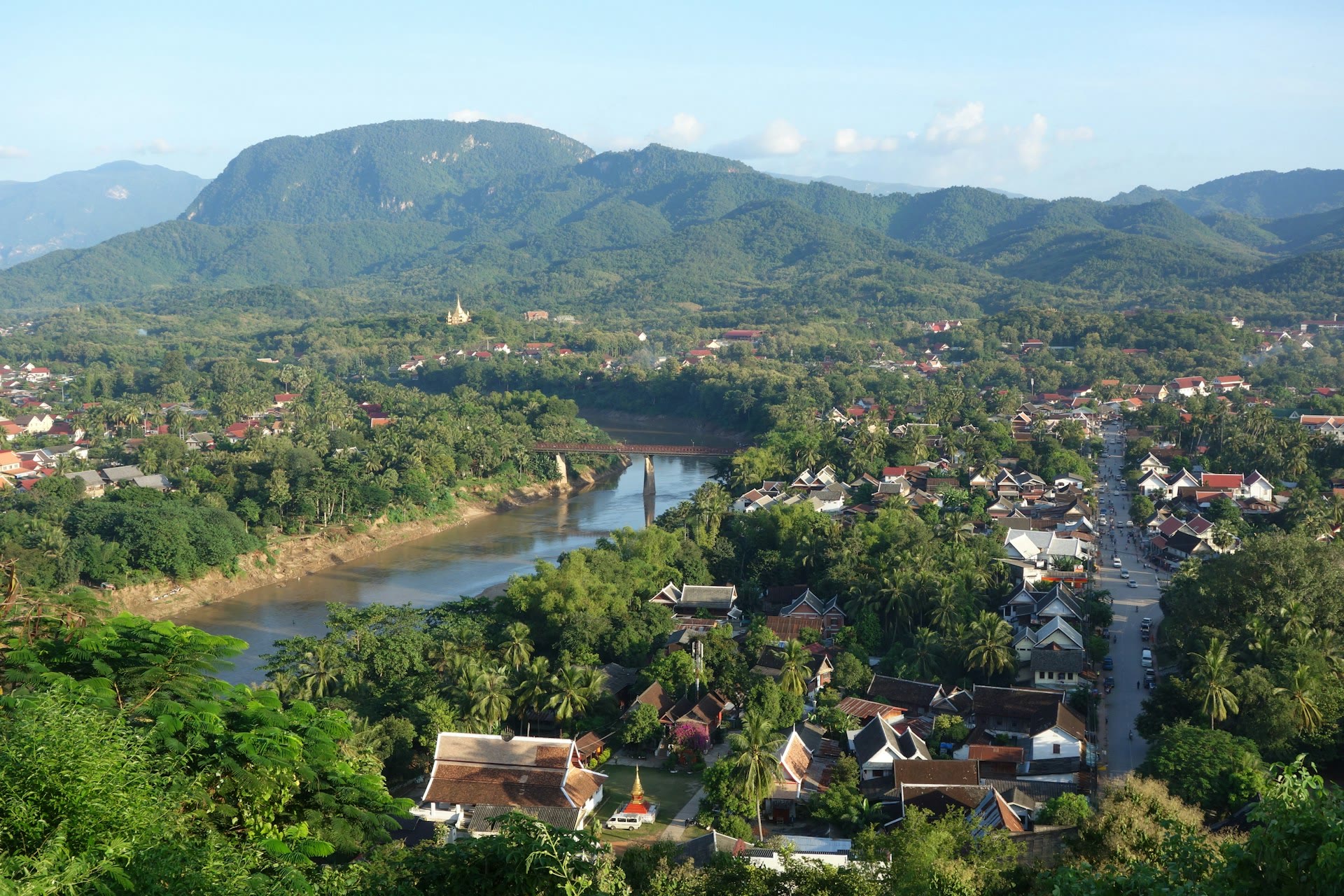
The old town sits on a peninsula between the Mekong and the Nam Khan. Traditional Lao temples and houses stand beside brick colonial buildings from the 19th and 20th centuries, many with wooden balconies, along the main street and the riverfront.[1] UNESCO lists the town as World Heritage for this blend of Lao and European colonial architecture.[1]
Monks still live and pray in these temples. Treat doorways and ceremonies as part of daily life, not as sights.
Walk the peninsula and visit temples
Start at the former Royal Palace and Wat Mai, follow Sisavangvong Road and Sakkaline Road towards Wat Xieng Thong, and return along the river. Break the walk into sections with rests and separate paid visits. Ask before you enter residential or religious spaces.
Wat Xieng Thong dates from the 16th century and has the most complex structures of all the pagodas in town.[1] Its sweeping tiered roof and colourful glass mosaics make it the temple to see first, and the morning is the best time for photos. It is open daily from 06:00 to 18:00, and entry costs LAK 30,000 for foreign visitors. Cover your shoulders and knees, and take off hats and shoes.[2] Other temples set their own fees and rules, so follow the signs and the staff.
Observe Sai Bat respectfully
Sai Bat is a religious food offering, not a performance. The monks walk the streets at around 05:30 to 06:30 from March to October and at 06:00 to 07:00 from November to February.[3] The main procession passes Wat Xieng Thong, the primary school and the National Museum. Most visitors watch on Sakkaline Road, which can be crowded; a quieter street gives a more authentic view.[3]
Watch in silence, cover your shoulders, chest and legs, switch off the flash, never touch the monks and keep at least 5 metres away. If you want to give food, buy sticky rice at the local market that morning, and never block the procession.[3]
Palace museum and Phousi
The former Royal Palace is now the National Museum. This "golden palace" mixes French beaux-arts style with Lao architecture.[4] It is open daily from 08:00 to 11:30 and from 13:30 to 16:00, and the ticket counters close at 11:00 and 15:30. Entry costs LAK 60,000 for foreign visitors and LAK 10,000 for Lao visitors. The museum closes for cleaning on the Thursday at the end of each month.[4] Follow the museum's own rules on photography and bags.
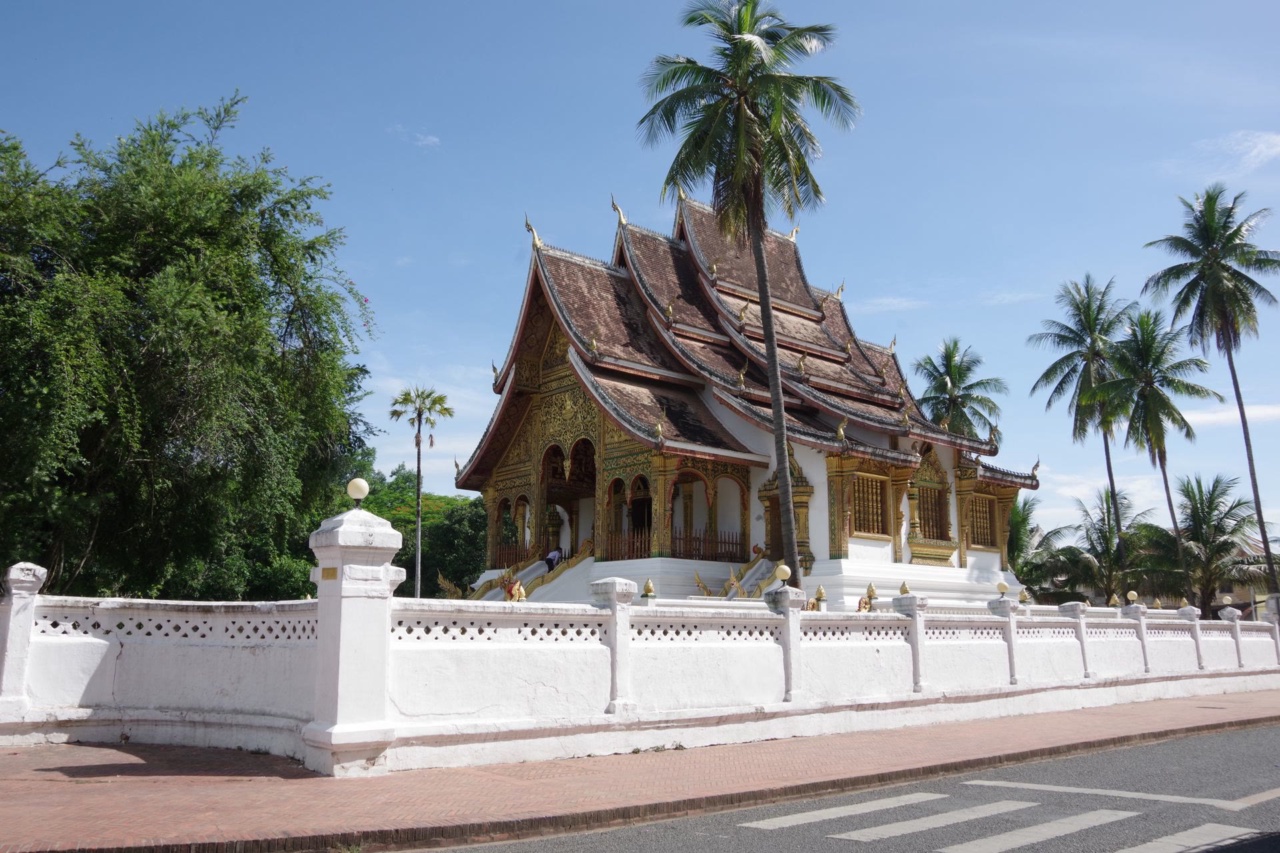
Phousi rises in the middle of town. From the entrance in front of the National Museum, 328 steps lead to the Chomsi stupa and a view over the Mekong and the rooftops that is best at sunset. The hill is open daily from 06:00 to 18:00, depending on the season, and entry costs LAK 30,000 for foreign visitors. The summit is a sacred site: dress modestly and leave the alcohol behind.[5]
Night market and local food
The night market runs daily from 17:00 to about 22:00 along Sisavangvong Road, from the tourist office towards the Royal Palace Museum. A few hundred metres of road close to traffic every evening.[6] Around 250 vendors sell textiles, ceramics, paintings, coffee and tea, quilts, silver, bags and even cutlery made from recycled bombs.[6] Ask where and how an item was made, and agree a price politely.
Between the stalls and in the side lanes you find sticky rice, grilled chicken, papaya salad, steamed fish in banana leaf and baguettes left over from the French era.[6] Try Or Lam, the traditional Luang Prabang stew, and Khaipen, a snack made from freshwater green algae.[7] Ask about the ingredients and the spice before you order, especially if you have dietary needs.
Arrange arrival and onward travel
The Lao-China Railway station is in Phik Village, about 15 km or 30 minutes from the city.[8] The line runs 422.4 km from Boten to Vientiane through Luang Prabang, and the multilingual LCR Ticket app lets you book and manage your journey online.[9] From the airport, 4 km from the centre, a flat-rate taxi costs LAK 50,000 per group, and tuk-tuks may not pick up passengers there.[8]
Plan the whole trip from door to door: your train, flight, bus or boat, its terminal and the transfer to your accommodation. A fast rail segment does not mean a short journey. When you get a vehicle quote, ask whether the price is per person or per vehicle and whether waiting, the return and extra stops are included.
Choose one excursion
Pick one outing at a time: Kuang Si, a boat trip to the Pak Ou caves, or a Mekong crossing towards Chomphet. Ask the provider about the landing point, tickets and the return. A river cruise is not the same as the slow boat between towns. Vang Vieng and Vientiane need a booked onward connection.
Budget and practical preparation
Check the forecast and any river or road disruption before you fix your dates. Budget rooms, entry fees, meals, transfers and excursions separately in LAK, and confirm card acceptance and ATM fees with the business or your bank. Leave time between connections, and check traffic and hills before you hire a bicycle.
Sources and background
Numbers in the text such as [1] refer to these sources.
- [1] UNESCO World Heritage Centre: Town of Luang Prabang. Retrieved October 22, 2026.
- [2] Luang Prabang provincial tourism office: Wat Xiengthong: opening hours, fee and etiquette. Retrieved October 22, 2026.
- [3] Luang Prabang provincial tourism office: Morning Alms (Sai Bat): times and etiquette. Retrieved October 22, 2026.
- [4] Luang Prabang provincial tourism office: National Museum: history, opening hours and fees. Retrieved October 22, 2026.
- [5] Luang Prabang provincial tourism office: Phou Si Mountain: steps, opening hours and fee. Retrieved October 22, 2026.
- [6] Luang Prabang provincial tourism office: Night Market: location, hours and goods. Retrieved October 22, 2026.
- [7] Luang Prabang provincial tourism office: Luang Prabang Cuisine. Retrieved October 22, 2026.
- [8] Luang Prabang provincial tourism office: Access: airport, bus, boat and Lao-China Railway station. Retrieved October 22, 2026.
- [9] KPL, Lao News Agency: Lao-China Railway Drives Transformation, Strengthens Regional Connectivity. Retrieved October 22, 2026.
Frequently Asked Questions
The old town sits on a peninsula between the Mekong and the Nam Khan. Lao temples and houses stand beside brick colonial buildings from the 19th and 20th centuries, and UNESCO lists the town as World Heritage for this blend. Monks still live and pray in the temples.
Wat Xieng Thong and Phousi each cost LAK 30,000 for foreign visitors. The National Museum costs LAK 60,000 for foreign visitors and LAK 10,000 for Lao visitors. Budget rooms, meals, transfers and excursions separately in LAK.
The Lao-China Railway station is in Phik Village, about 15 km or 30 minutes from the city, and the LCR Ticket app handles bookings. From the airport, a flat-rate taxi costs LAK 50,000 per group. Plan the journey door to door, including the transfer to your accommodation.
Watch in silence from at least 5 metres away, cover your shoulders, chest and legs, switch off the flash and never touch the monks. The monks walk from around 05:30 to 06:30 from March to October and from 06:00 to 07:00 from November to February.
Check the forecast and any river or road disruption before you fix your dates. Come in the morning for Sai Bat and Wat Xieng Thong, and in the late afternoon for Phousi at sunset and the night market.
2 full days cover the temples, the museum, the river walks and the night market. Add a third day for an excursion.
The market runs daily from 17:00 to about 22:00 along Sisavangvong Road with around 250 vendors selling textiles, ceramics, paintings, coffee and tea, silver and bags. Street food includes sticky rice, grilled chicken, papaya salad and steamed fish in banana leaf.
Pick one outing at a time: Kuang Si, a boat trip to the Pak Ou caves, or a Mekong crossing towards Chomphet. Vang Vieng and Vientiane need a booked onward connection.