Pak Ou Caves: Thousands of Buddha Statues on the Mekong River
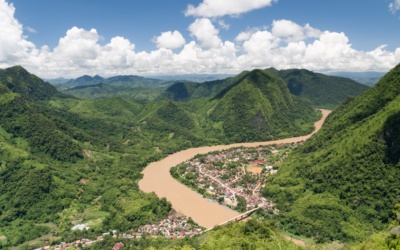
At the point where the Nam Ou River flows into the Mekong, 25 kilometers upstream from Luang Prabang, two limestone caves have been stuffed with thousands of Buddha statues over hundreds of years. The Pak Ou Caves (Tham Ting and Tham Theung) are one of the most important pilgrimage sites in Laos, where devout Buddhists have brought Buddha images of every size and material as offerings, and the accumulation of centuries of devotion fills every ledge, niche, and shelf inside the caves.
For most visitors, the caves are only half the experience. The two-hour boat journey up the Mekong from Luang Prabang is a destination in itself, passing through a corridor of forested limestone hills, riverside villages, and the kind of unhurried river scenery that defines travel in Laos. Most boat trips include a stop at Ban Xang Hai, the so-called whisky village, where locals produce and sell Lao Lao rice whisky. The entire outing makes for a relaxed half-day trip and one of the classic excursions from Luang Prabang.
The Two Caves
Tham Ting (Lower Cave)
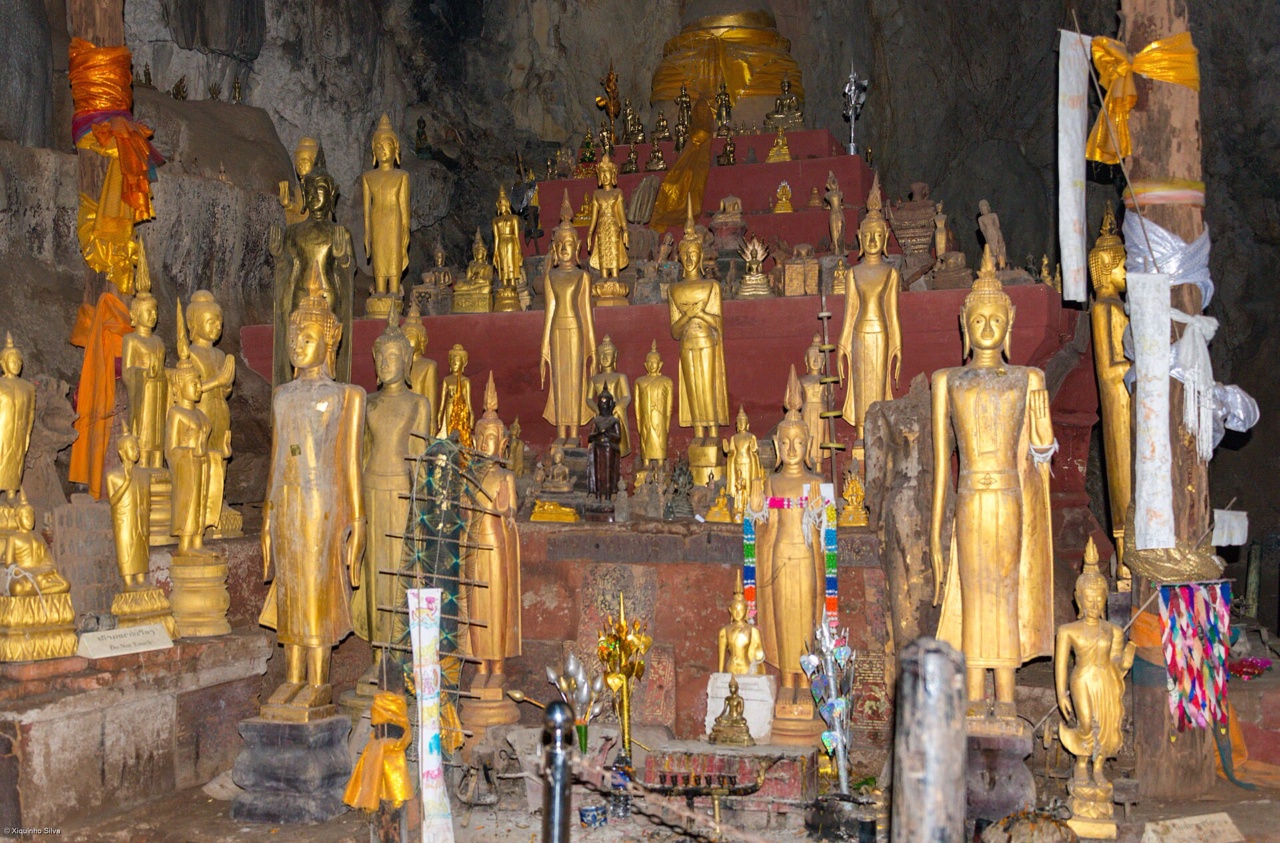
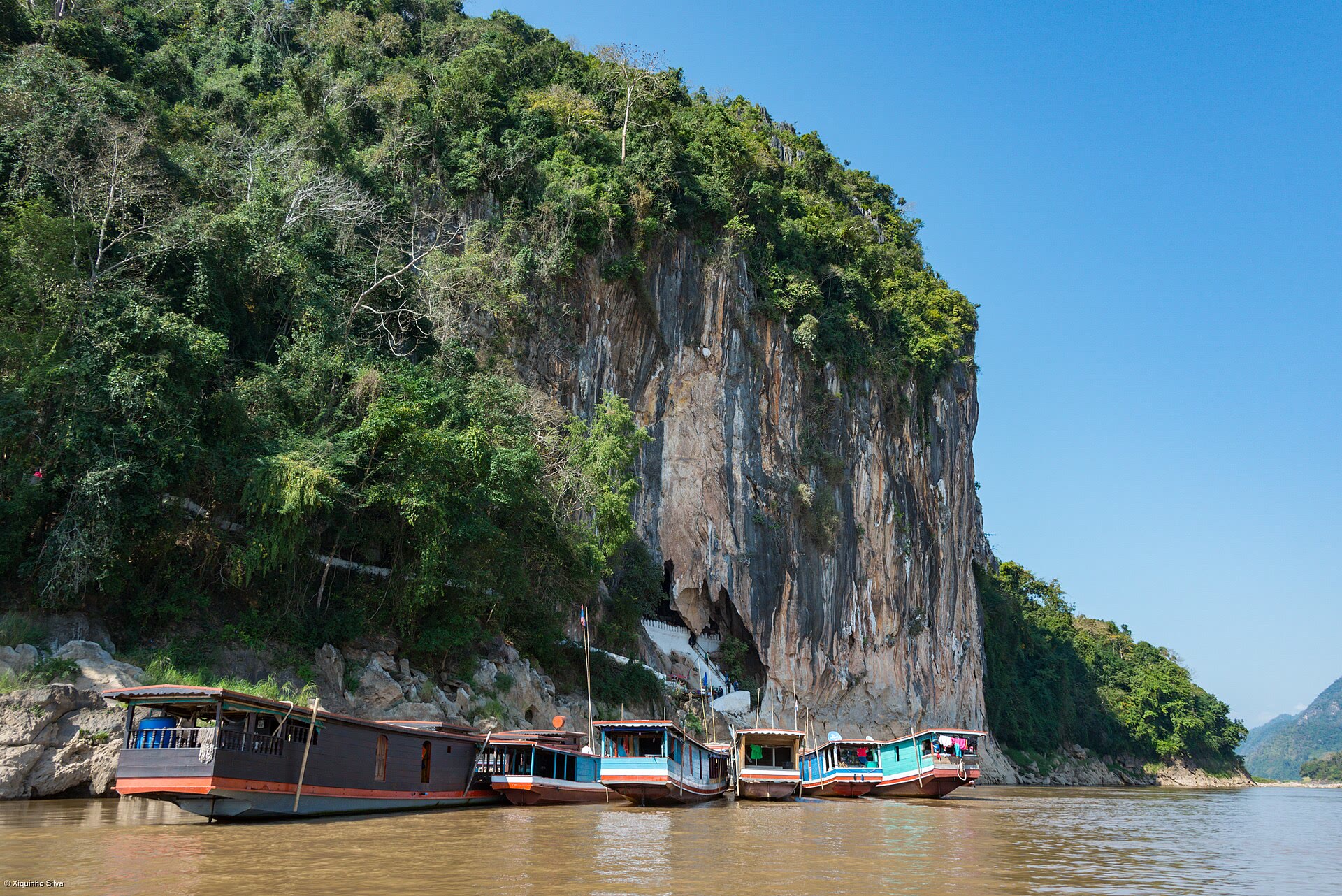
Tham Ting is the cave you see first when arriving by boat. Set into the limestone cliff face directly above the river, its wide mouth opens onto a shallow chamber flooded with natural light. Inside, approximately 2,500 Buddha statues line every available surface. The statues range from tiny palm-sized figures to seated Buddhas over a meter tall, made from wood, bronze, stone, and plaster. Some are gilded and well-preserved; others are weathered and crumbling, their paint faded to bare wood.
The effect of so many Buddhas packed into a single space is striking. Some face outward as if watching the river; others are turned inward in meditation. The oldest statues are believed to date back several centuries, though new offerings continue to appear. Locals bring statues here particularly during Lao New Year (Pi Mai) in April, when the caves become a major pilgrimage destination.
Tham Ting is small enough to explore in about 15-20 minutes. The floor is uneven rock, so watch your footing, and be respectful of the statues, which are religious offerings rather than decorative displays.
Tham Theung (Upper Cave)
A second staircase from the landing area climbs about 10 minutes up the hillside to Tham Theung, the upper cave. A large gold-plated seated Buddha greets you at the entrance, and inside the cave extends deeper into the mountain than the lower one. Around 1,500 additional Buddha statues fill the interior, though the cave is more spacious and less densely packed than Tham Ting.
Tham Theung is darker, and you will need a flashlight or phone torch to see the statues in the deeper sections. The atmosphere is more solemn and meditative than the busy lower cave. Fewer visitors bother with the climb, so you may have sections of the upper cave to yourself, which makes it worth the effort.
Things to Do
The Boat Journey
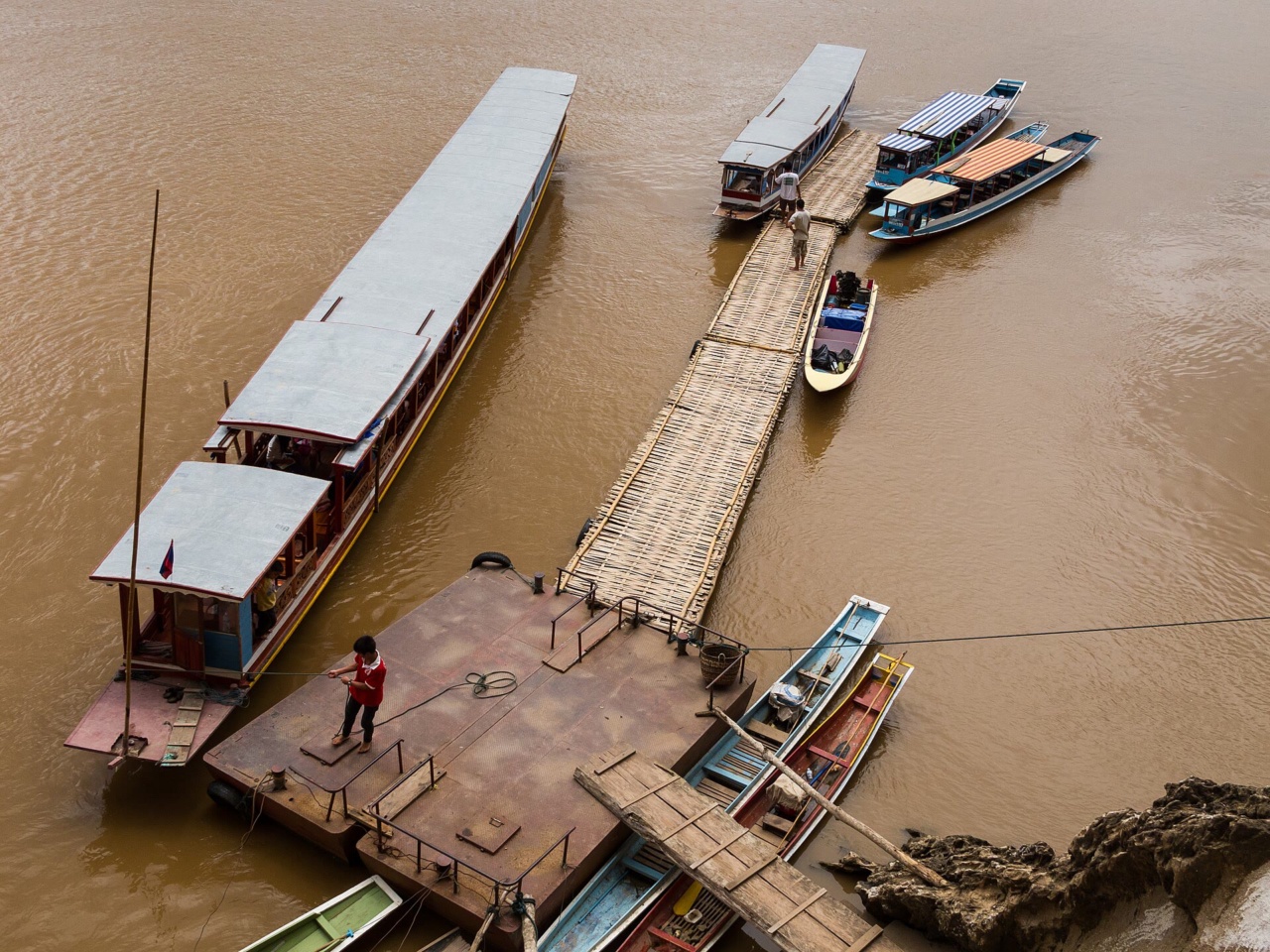
The Mekong boat ride from Luang Prabang to Pak Ou is one of the most enjoyable parts of the trip. Heading upstream, the journey takes about two hours at a leisurely pace. The return downstream is faster, around 1-1.5 hours, carried by the current.
The scenery along the way is classic Mekong: steep green hills rising from the water, small fishing villages with stilt houses, children waving from the banks, and the occasional longboat loaded with goods heading to market. The boat passes through a stretch where the river narrows between high limestone cliffs, creating a dramatic natural corridor. In the early morning, mist often hangs over the water, adding to the atmosphere.
Most boats are traditional wooden longboats with bench seating and a roof for shade. They are not luxurious but are perfectly comfortable for the journey. Some operators offer cushioned seating or newer boats at higher prices.
Getting There: Transport Options
| Option | Cost | Duration (one way) | Notes |
|---|---|---|---|
| Shared longboat | 65,000-75,000 LAK per person | 2 hours upstream | Departs 8:30 AM from the Mekong boat dock near the old town peninsula tip. Return around 2-3 PM. |
| Private longboat | 400,000-500,000 LAK (whole boat) | 2 hours upstream | Flexible departure time. Can accommodate 4-6 people, making it reasonable when shared. |
| Tuk-tuk by road | 200,000 LAK (negotiable) | 1 hour | Faster but misses the river scenery. Road is paved but winding. |
| Guided tour | 150,000-250,000 LAK per person | Half day | Includes boat, entrance fee, guide, and whisky village stop. Bookable from any agency in town. |
Ban Xang Hai: The Whisky Village
Almost every boat trip to Pak Ou includes a stop at Ban Xang Hai, a small riverside village about halfway between Luang Prabang and the caves. The village is known for producing Lao Lao, a potent rice whisky that is the traditional spirit of Laos. Rows of jars and bottles line the riverbank, and vendors offer free tastings of plain Lao Lao as well as versions infused with herbs, honey, scorpions, and other ingredients.
Be honest about what this stop is: it is a tourist stop, and boat operators receive commissions for bringing visitors. That said, the whisky is genuinely produced here, the tastings are free, and a bottle of Lao Lao makes a memorable (and very affordable) souvenir at 10,000-30,000 LAK per bottle. There is no obligation to buy anything. The village itself is pleasant enough for a 15-20 minute wander, with a few textile stalls and snack vendors alongside the whisky sellers.
What to Expect: An Honest Assessment
The Pak Ou Caves are one of the most popular excursions from Luang Prabang, and it is worth setting realistic expectations. The caves themselves are relatively small and can feel underwhelming if you are expecting the scale of places like the caves at Gunung Mulu or Phong Nha. The Buddha statues are fascinating as a cultural phenomenon, but the visit to the caves takes only 30-45 minutes.
The real value of the trip is the complete experience: the Mekong boat journey, the river scenery, the whisky village stop, and the cultural significance of the caves as a living pilgrimage site. Travelers who approach it as a half-day river excursion rather than a cave exploration trip tend to enjoy it most. The scenery is genuinely beautiful, the pace is perfectly Lao, and spending a morning on the Mekong is never wasted time.
If the caves alone feel insufficient, consider combining the trip with a visit to the Kuang Si Waterfalls in the afternoon for a full day of Luang Prabang's two most popular excursions. For more itinerary ideas for Luang Prabang and Laos, check out GoAsia.cc.
Practical Tips for Visiting Pak Ou Caves
- The caves are open daily from 8 AM to 5 PM. The entrance fee is 20,000 LAK (about $1), payable in cash at the landing.
- Shared boats depart at 8:30 AM from the boat dock on the Mekong side of the old town peninsula. Arrive 15 minutes early to secure a seat. The round trip including cave time takes about 5-6 hours, returning to Luang Prabang around 2-3 PM.
- Bring a flashlight or ensure your phone has enough battery for the torch function. The upper cave (Tham Theung) is dark inside, and there is no artificial lighting.
- Wear comfortable shoes. The stairs to the upper cave are steep and can be slippery, especially after rain. Flip-flops are fine for the lower cave but not ideal for climbing.
- Bring water, snacks, and sunscreen for the boat ride. Most boats have a roof for shade but the reflection off the water can still burn. Some boats sell drinks and snacks on board at inflated prices.
- The boat ride is more scenic in the morning when mist hovers over the river. Afternoon light is harsher and less atmospheric.
- Dress modestly as this is a sacred Buddhist site. Cover shoulders and knees, especially when entering the caves.
- During Lao New Year (mid-April), the caves are extremely busy with local pilgrims. This is culturally fascinating but means large crowds and potentially long waits for boats.
Frequently Asked Questions
The caves themselves are small and can be seen in 30-45 minutes, so manage expectations if you are expecting large cave systems. The real value is the complete half-day experience: the two-hour Mekong boat journey through beautiful scenery, the whisky village stop, and the cultural significance of thousands of Buddha statues accumulated over centuries. As a river excursion, it is one of Luang Prabang's essential experiences.
A shared longboat costs 65,000-75,000 LAK per person for the round trip. The cave entrance fee is 20,000 LAK. A guided tour including boat, entrance, and guide costs 150,000-250,000 LAK per person. A private boat for the whole vessel costs 400,000-500,000 LAK, which can be split among 4-6 passengers. Budget around 100,000-150,000 LAK total for the DIY approach.
The most popular and scenic option is the shared longboat departing at 8:30 AM from the Mekong boat dock near the old town peninsula. The upstream journey takes about two hours. You can also hire a private boat for more flexibility, take a tuk-tuk by road (one hour), or book a guided tour through any agency in Luang Prabang.
The complete round trip by boat takes 5-6 hours: two hours upstream, 30-45 minutes at the caves, 15-20 minutes at the whisky village, and 1-1.5 hours downstream. Most shared boats return to Luang Prabang between 2 and 3 PM. By tuk-tuk, the entire trip can be done in 3-4 hours.
Ban Xang Hai is a riverside village where locals produce Lao Lao, a traditional rice whisky. Boat operators stop here for 15-20 minutes, and vendors offer free tastings of plain and flavored varieties. It is a tourist-oriented stop and there is no obligation to buy, but the whisky is genuine and bottles cost only 10,000-30,000 LAK, making them affordable souvenirs.
Tham Ting (lower cave) is right at the river level, naturally lit, and packed with about 2,500 Buddha statues in a shallow but dramatic chamber. Tham Theung (upper cave) requires a 10-minute climb, is darker and deeper, and holds about 1,500 statues in a more spacious setting. The upper cave is less visited and more atmospheric, so it is worth the extra effort.
The dry season from November to May offers the best conditions, with clear skies and calm river waters. The boat journey is most scenic in the early morning when mist lingers on the Mekong. Avoid mid-April during Lao New Year when the caves are packed with pilgrims. During the rainy season, the river level rises and the boat ride may feel different, but the caves remain accessible.