

Contents
Leaving the dramatic limestone karsts of Nong Khiaw for the relaxed riverside capital of Vientiane marks a transition from the rugged highlands of northern Laos to the country's political and culinary heart. While the distance is significant, the journey reveals the changing face of Laotian infrastructure, moving from winding mountain roads to the modern efficiency of the high-speed rail network that has recently transformed travel in the region.
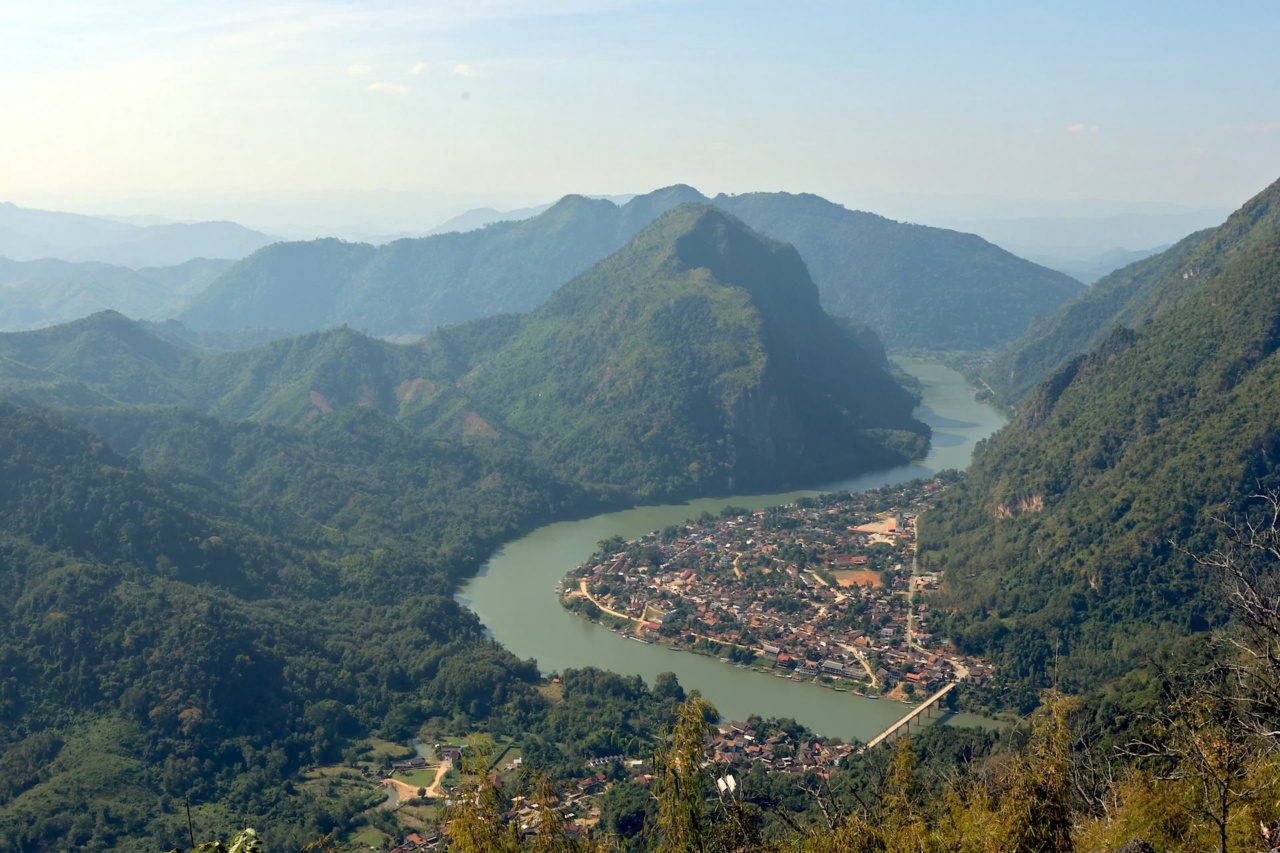
The choice for this route typically boils down to a trade-off between speed and budget. You can opt for a long, winding journey by road that captures the raw beauty of the countryside, or choose a multi-modal connection that utilizes the sleek new train system. Whichever path you choose, the transition from the quiet Nam Ou River to the bustling Mekong banks is a quintessential Laos experience.
Nong Khiaw to Vientiane by Train
The Lao section of the Laos-China Railway runs 422.4 km from Boten to Vientiane and is designed for speeds of up to 160 km/h.[1] Nong Khiaw itself is not on the line, so booking platforms sell this option as a combined ticket: a taxi from Nong Khiaw, a hard-seat train ticket and a final van transfer. It costs about $49 and takes about 10 hours 30 minutes (October 2026).[2]
The Multi-Modal Experience
The first leg of the journey takes you by taxi from Nong Khiaw to the railway, where you board the train, and a van takes you on the last stretch into Vientiane. Train tickets can also be booked on your own in the LCR Ticket app, which has multilingual support.[1] You can book the coordinated combination through GoAsia.cc to make sure your transfers are timed correctly with the rail departures.
Nong Khiaw to Vientiane by Van
For those looking to save money or those who prefer a single mode of transport without switching vehicles, the direct minivan is the traditional choice. Booking platforms list it at about $28, significantly cheaper than the train-based option, but the journey takes about 14 hours (October 2026).[2] That requires much more physical endurance on the steep and often bumpy roads of northern Laos.
The minivans used on this route are typical for Southeast Asia. They are compact, and luggage is stowed in the back. While the duration is long, the van provides a more intimate look at local life as you pass through remote villages and mountain markets. It is a rugged experience, but for budget travelers, it remains the most cost-effective way to cover the distance.
Comparing Your Options
| Mode | Price (USD) | Duration | Comfort |
|---|---|---|---|
| Train (Combined) | $49 | 10h 30min | High[2] |
| Minivan | $28 | 14h | Moderate[2] |
Tips for Traveling from Nong Khiaw to Vientiane
- Book in Advance: Train seats can sell out on busy days, so secure your tickets at least a few days before your planned departure.
- Prepare for the Road: If you choose the minivan, be aware that the road from Nong Khiaw involves many sharp turns. If you are prone to motion sickness, it is wise to take medication before the journey begins.
- Pack Snacks and Water: The van makes stops at local roadside stations for food and restroom breaks, but the options can be limited. Bringing your own supplies is highly recommended for a 14-hour trip.
- Station Transfers: Check where the final van transfer drops you. If it ends outside central Vientiane, be prepared to negotiate a tuk-tuk fare to the Mekong riverside.
Timetable
| Train Nong Khiaw - Vientiane $ 48.36 10h 30m | |
|
|
| Van Nong Khiaw - Vientiane $ 27.57 14h | |
|
Frequently Asked Questions
Use the booking tool on this page to compare the transport options currently available from Nong Khiaw to Vientiane, including current prices and schedules.
The minivan is the most affordable option, costing about $28 for the entire journey according to booking platforms. This is significantly cheaper than the combined train and taxi service.
The fastest way is the combined taxi and train service, which takes approximately 10 hours and 30 minutes. This is nearly four hours faster than taking a direct minivan.
The journey takes about 10 hours and 30 minutes if you use the train-based connection, or about 14 hours if you travel by direct minivan.
Parts of the line run through mountains, so you will spend some time in tunnels. The large windows of the modern trains give you a good view of the valleys in between.
Yes, drivers typically stop at local service stations where you can use the restroom and purchase local snacks, noodle soups, or cold drinks. How often they stop varies.
For the train portion, a physical ticket or a specific QR code may be required. It is best to follow the specific instructions provided by GoAsia.cc after booking, as some operators require a paper exchange at the station.
Sources and background
Numbers in the text such as [1] refer to these sources.
- [1] Lao National News Agency (KPL): Lao-China Railway Drives Transformation, Strengthens Regional Connectivity. Retrieved October 15, 2026.
- [2] 12Go: 12Go timetable Nong Khiaw - Vientiane. Retrieved October 15, 2026.
Guide prices and journey times are indicative, not live quotes. A booked package may include transfers and waiting time as well as the main journey. Check the selected offer, pickup point and current conditions before booking.