

Contents
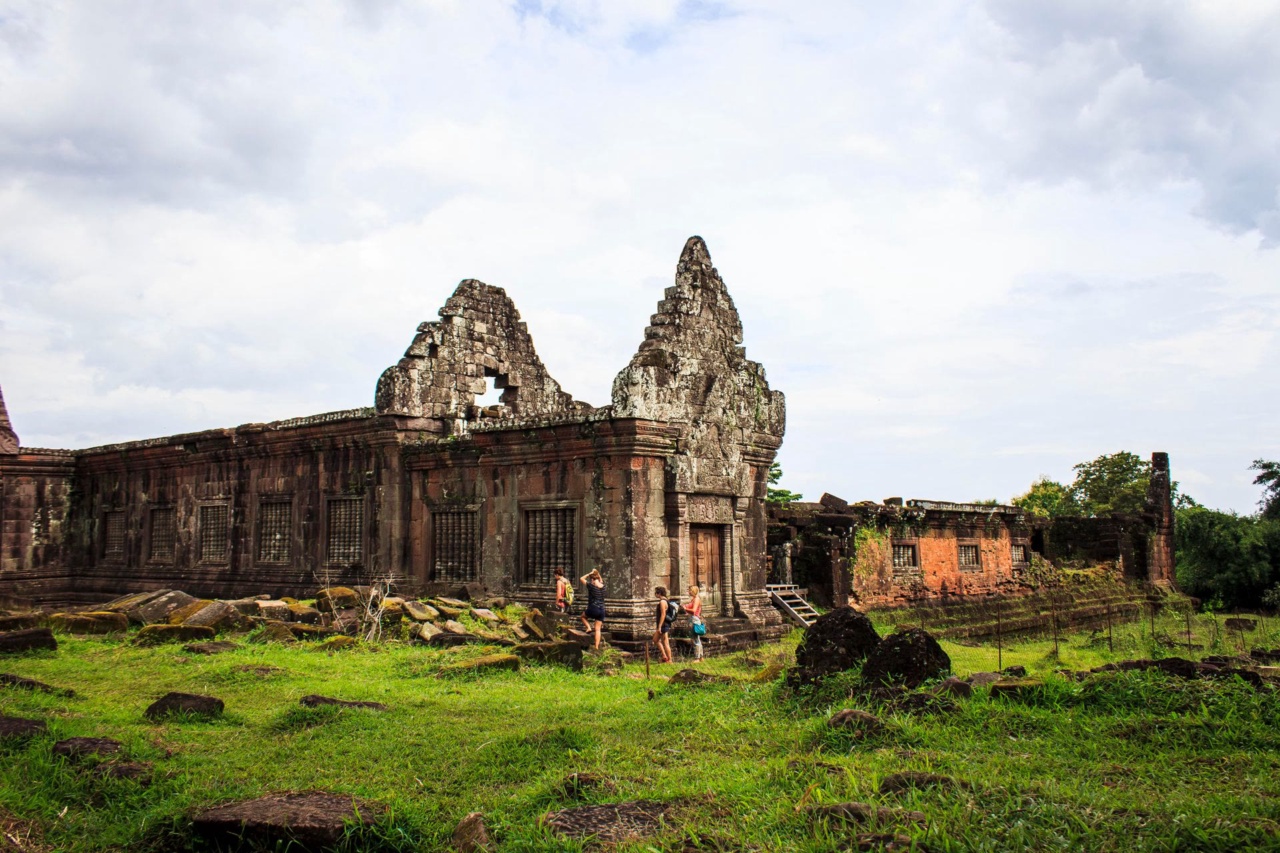
Champassak lies on the Mekong in southern Laos, about 500 km southeast of Vientiane.[1] The nearby Vat Phou temple complex is part of a UNESCO World Heritage cultural landscape, whose monuments were built between the 5th and 15th centuries and are mainly associated with the Khmer Empire.[1] The trip is long, and most travelers take an overnight bus.
Vientiane to Champassak by Bus
Booking platforms list a through ticket on a sleeping bus plus minivan, with one variant that adds a ferry crossing, taking about 14 hours 30 minutes to 15 hours 50 minutes for about $38 to $39 (October 2026).[2]
You can also travel in two steps. Vientiane's Southern Bus Terminal runs more than 60 daily trips to the southern provinces, with the first buses leaving at 04:00 and the last around 21:00 to 22:00.[3] Fares to Pakse, unchanged since October 2023 as of April 2025, are 270,000 LAK regular, 300,000 LAK VIP2 and 320,000 LAK VIP1.[3] From Pakse, continue to Champassak by van (see our Pakse to Champassak guide).
The long stretch runs on National Road 13. The UK government notes that roads in Laos are often in poor condition and that vehicles at night often lack lights, so an overnight bus has risks you should weigh.[4]
Comparing Your Options
| Mode | Price | Duration |
|---|---|---|
| Sleeping bus and minivan, optionally with ferry | About $38 to $39[2] | 14h 30min to 15h 50min[2] |
Tips for Traveling from Vientiane to Champassak
- Sleep kit: Bring earplugs, an eye mask and a light jacket, because night buses can be cold.
- Book in advance: In the high season, from November to February, book a few days ahead.
- Valuables: Keep your passport, money and electronics in a small bag with you instead of in the luggage hold.
- Arrival: Champassak is a small, spread-out town. Tell the driver the name of your guesthouse.
Timetable
| Bus Vientiane - Champassak $ 37.66–38.55 14h 30m – 15h 50m | |
|
Frequently Asked Questions
Use the booking tool on this page to compare the transport options currently available from Vientiane to Champassak, including current prices and schedules.
Public buses from Vientiane's Southern Bus Terminal to Pakse cost 270,000 to 320,000 LAK by class (as of April 2025), and you then continue to Champassak by van. A through ticket on booking platforms costs about $38 to $39 (October 2026).
The through ticket with a sleeping bus and a minivan is listed at about 14 hours 30 minutes.
Booking platforms list 14 hours 30 minutes to 15 hours 50 minutes (October 2026).
One listed variant of the through ticket includes a ferry across the Mekong. Ask at booking which version you are buying and where the crossing is.
Yes. The Vat Phou temple complex is part of the Champasak cultural landscape, a UNESCO World Heritage property on the Mekong.
Sources and background
Numbers in the text such as [1] refer to these sources.
- [1] UNESCO World Heritage Centre: Vat Phou and Associated Ancient Settlements within the Champasak Cultural Landscape. Retrieved October 15, 2026.
- [2] 12Go: 12Go Timetable Vientiane to Champassak. Retrieved October 15, 2026.
- [3] Lao National News Agency (KPL): Southern Bus Terminal Fully Prepared for Lao New Year 2025 Travel Rush. Retrieved October 15, 2026.
- [4] UK Foreign, Commonwealth & Development Office (FCDO): Laos travel advice: Safety and security. Retrieved October 15, 2026.
Guide prices and journey times are indicative, not live quotes. A booked package may include transfers and waiting time as well as the main journey. Check the selected offer, pickup point and current conditions before booking.