
Contents
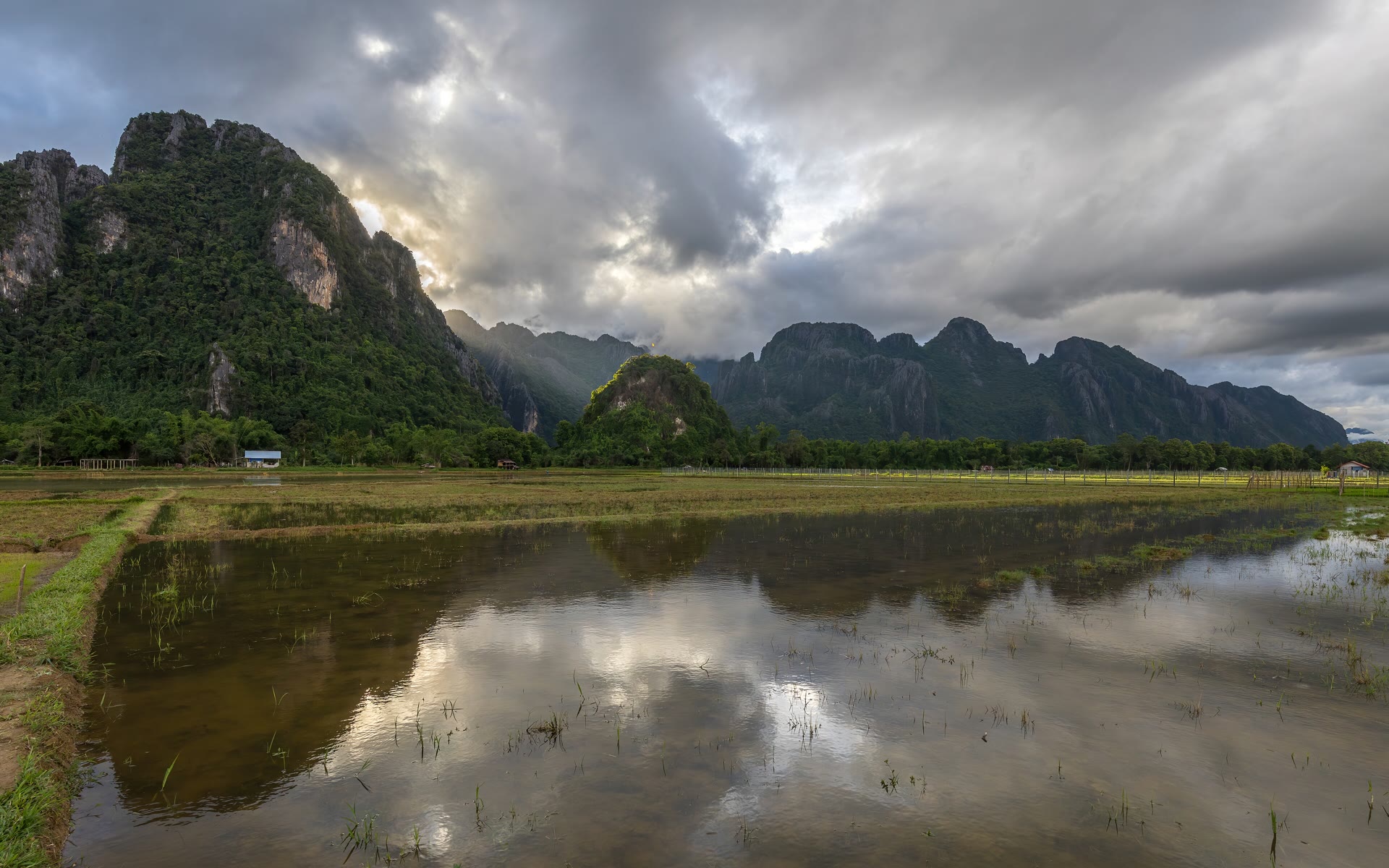
Leaving behind the rugged mountains and trading hubs of northern Laos for the karst landscapes of Vang Vieng used to involve a grueling day-long journey on winding, pothole-riddled roads. Today, the landscape of Lao travel has been completely transformed. The rugged northern terrain that once dictated a slow pace is now bypassed by an engineering marvel that cuts through the mountains, allowing you to swap the quiet charm of Oudomxay for the riverside bars and lagoons of Vang Vieng in less time than it takes to finish a long lunch.
This route is a favorite for those looping through the country, moving from the Luang Namtha trekking regions toward the adventure capital of the south. The journey is defined by dramatic transitions, as you move from the high-altitude atmosphere of Muang Xai (Oudomxay) down toward the iconic limestone peaks that frame the Nam Song River. With the modern rail infrastructure now in place, this trip is no longer an endurance test but a scenic highlight of any Southeast Asian itinerary.
Oudomxay to Vang Vieng by Train
The high-speed rail link is the definitive way to cover this distance. Operated by the Laos-China Railway, these sleek, modern trains have replaced the old bus routes as the primary choice for both locals and international visitors. The station in Oudomxay is a grand, modern structure located a short distance from the town center, and arriving here feels like stepping into a different era compared to the dusty streets of the north. You can easily book your tickets for this route on GoAsia.cc to ensure you have a reserved seat before arriving at the station.
The ride itself is incredibly smooth. For much of the journey, you will be darting in and out of tunnels carved through the limestone mountains. When the train emerges into the light, you are treated to flashes of deep green valleys, remote stilt-house villages, and glimpses of the Mekong River. The efficiency of the service is impressive, with the journey taking between 1 hour 38 minutes and 2 hours 43 minutes depending on the specific service you select.
Second Class Seat
The Second Class option is the most popular choice for travelers. These carriages are arranged in a 2-3 seating configuration. The seats are padded, comfortable, and offer plenty of legroom, even for taller passengers. Large windows provide excellent views of the passing Lao countryside. At a price point of approximately $23 to $24, it offers exceptional value for money. The air conditioning is usually quite strong, so having a light sweater or jacket in your daypack is a wise move. This class is clean, well-maintained, and perfectly adequate for a journey of this duration.
First Class Seat
For those looking for a bit more personal space and a quieter environment, First Class seats are available on select departures. These carriages feature a 2-2 seating arrangement, meaning wider seats and more elbow room. The price for First Class is approximately $39. While the journey is short, the added comfort is a nice luxury, especially if you have been spending the last few days trekking in the northern hills. The First Class experience feels very much like a premium airline cabin, with tray tables and adjustable headrests.
Comparing Your Options
| Mode | Price (USD) | Duration | Comfort |
|---|---|---|---|
| Train (Second Class) | $23 | 1h 38m - 2h 43m | High |
| Train (First Class) | $39 | 1h 38m - 2h 43m | Excellent |
Tips for Traveling from Oudomxay to Vang Vieng
- Book in Advance: The train is extremely popular and often sells out several days in advance, especially during peak travel seasons or around Lao festivals. Do not wait until you arrive at the station to buy your ticket.
- Arrive Early: Station security in Laos is similar to airport security. You will need to go through luggage scanning and ticket checks. Aim to be at the Oudomxay station at least 60 minutes before your departure.
- Keep Your Ticket: You will need to show your ticket both to enter the platform and to exit the station upon arrival in Vang Vieng. Do not throw it away during the ride.
- Luggage Restrictions: While there is space for bags, try to keep your luggage manageable. There are weight and size limits enforced at the station, though they are generally reasonable for most backpackers and suitcase travelers.
- Food and Drink: There is limited food service on the train, usually consisting of snacks and bottled water. It is a good idea to eat before you board or bring some local fruit from the Oudomxay market for the trip.
- Transport from Vang Vieng Station: The train station in Vang Vieng is located a few kilometers outside the main town area. When you arrive, there will be a fleet of shared jumbo (tuk-tuks) and vans waiting to take passengers to the town center or specific hotels for a fixed fee.
Timetable
| Train Oudomxay - Vang Vieng $ 22.03–36.96 1h 38m – 2h 43m | |
|
Frequently Asked Questions
Use the booking tool on this page to compare the transport options currently available from Oudomxay to Vang Vieng, including current prices and schedules.
The cheapest way to travel this route is by booking a Second Class seat on the train, which costs approximately $23. This provides a very comfortable and efficient experience at a budget-friendly price.
The train is the fastest option by far, with the quickest services completing the journey in just 1 hour and 38 minutes. This is significantly faster than any road transport could ever manage through the mountainous terrain.
Depending on the specific train service you choose, the journey takes between 1 hour 38 minutes and 2 hours 43 minutes. Most high-speed services lean toward the shorter end of that duration.
No, there are no sleeper trains on this route. Because the journey is so short, all services consist of seated carriages, including First Class and Second Class options.
The facilities at the station are somewhat basic but usually include a small shop selling water, crackers, and instant noodles. For a proper meal, it is best to eat in Oudomxay town before heading to the station.
Yes, it is very scenic, though you will spend a fair amount of time in tunnels. When outside, you will see stunning views of the Lao mountains and rural landscapes that were previously very difficult for travelers to access.
Guide prices and journey times are indicative, not live quotes. A booked package may include transfers and waiting time as well as the main journey. Check the selected offer, pickup point and current conditions before booking.