Mirissa whale watching: decide if the boat trip fits your plans
Photo: Dirk / Pexels
Contents
- 1. Season and sightings: do not book a percentage
- 2. Costs: compare a named offer, not a market-wide rate
- 3. Meeting point, departure and a realistic return
- 4. Seasickness: get individual advice before departure
- 5. Wildlife treatment: check behaviour, not only a label
- 6. Cancellation and no sightings are different cases
- 7. Make room for the trip without overloading the day
- 8. Sources and background
- 9. Frequently Asked Questions
Whale watching in Mirissa is a morning on the open Indian Ocean, and nobody can promise you a blue whale. Choose it if you are happy to spend several hours at sea even when the whales stay hidden. If you need a short activity, a fixed return time or a guaranteed animal encounter, pick something else.
Stay near Mirissa the night before, keep the day after flexible and book a confirmed departure instead of squeezing the tour in before a flight or onward connection. What matters is the operator, the date, the sea conditions, the meeting place and the cancellation terms, not just the lowest headline price.
Season and sightings: do not book a percentage
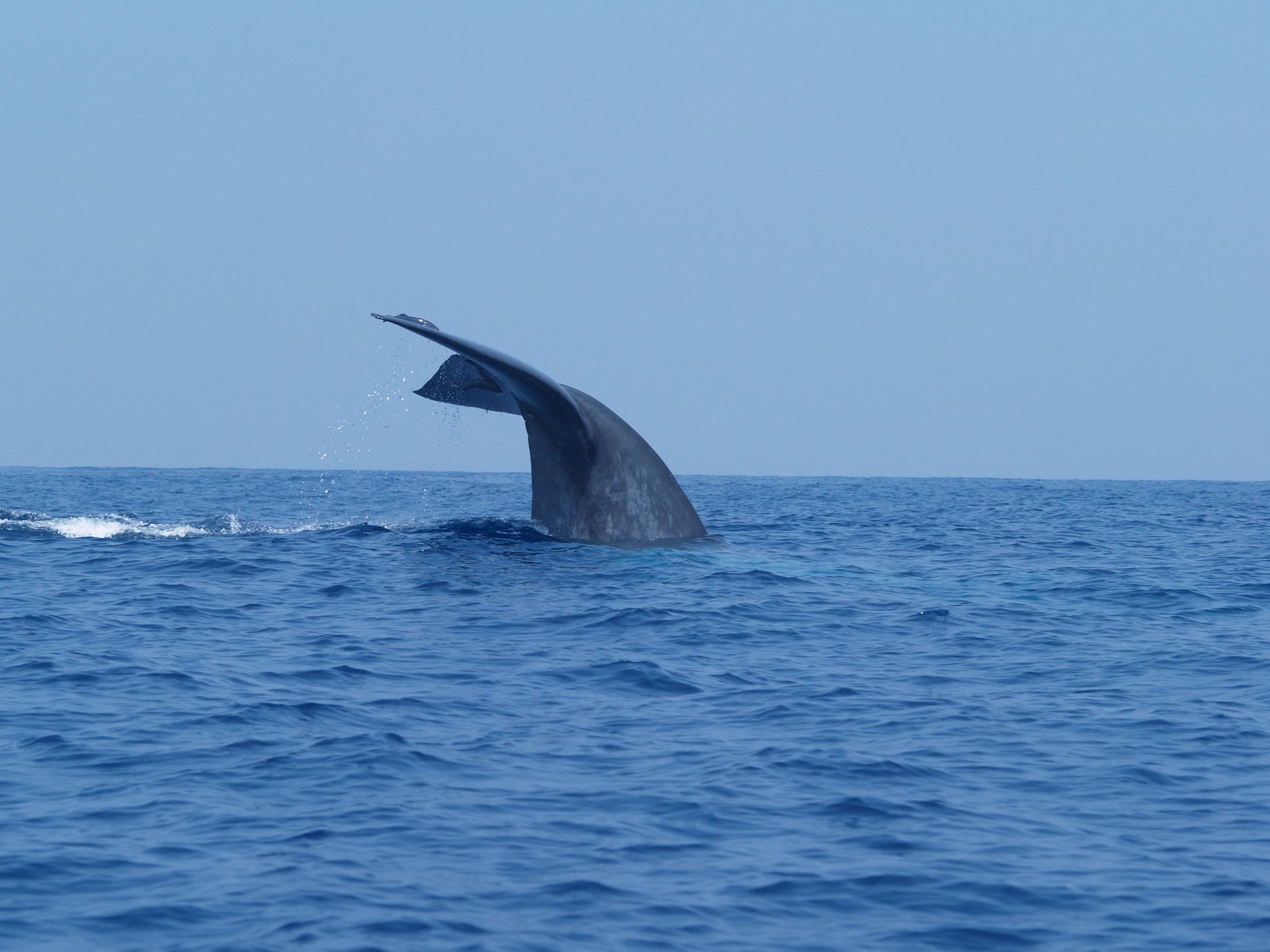
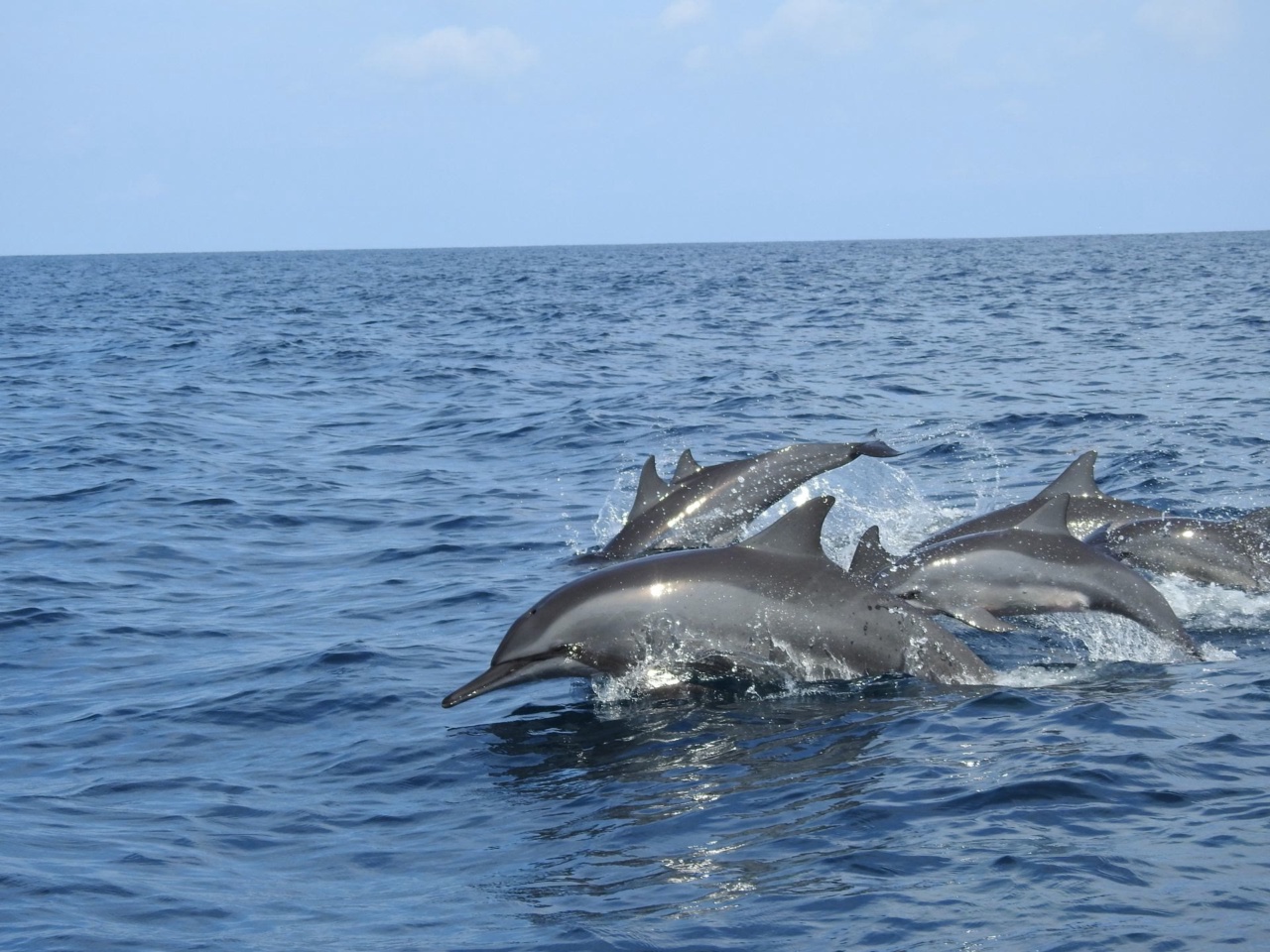
The main whale-watching season around Mirissa runs from November to April. Boats head out eight to ten nautical miles from the harbour, where blue whales, Bryde's whales, sperm whales, fin whales and several dolphin species are seen.[1]
Operators set their own calendars. Raja and the Whales sails from November to the end of April or early May and offers August to October trips if the weather and sea allow and at least ten passengers book. It runs no trips in May, June and July, the worst of the monsoon.[2] Confirm your exact date with the company.
No percentage is worth quoting: sightings vary with the animals and the sea. Seeing dolphins is not the same as seeing a blue whale, and no sighting is guaranteed.
Things to Do
Offers are only loaded from GetYourGuide after you click. GetYourGuide can then process your IP address and set cookies. Privacy Policy
GetYourGuide partner offers. GoAsia may earn a commission if you book through these offers. Check whether tickets or transfers are included, and follow the attraction's official booking and admission rules.
Costs: compare a named offer, not a market-wide rate
| Raja and the Whales | Price | Note |
|---|---|---|
| Age 12 or older | LKR 20,000 per person[2] | Published tour rate |
| Age 5 to 11.99 | LKR 10,000 per child[2] | Ask whether the boat suits young children |
| Under age 5 | Free[2] | Free tickets do not replace safety advice |
| Other operators and private charters | Ask for the total quote | Clarify per person versus per boat, taxes and exclusions |
This is one operator's price list, checked on 22 October 2026, not a survey of every Mirissa company. Government fees and taxes, pickup from anywhere in Mirissa and within 6 km, a full breakfast with vegetarian or vegan options, water, juice and snacks, and photographs sent by email are included.[2] Compare the final amount in Sri Lankan rupees before you accept a converted price or optional extras.
Ask each company about the boat, passenger numbers, lifejackets in the sizes your group needs, the crew briefing, shade, toilets and help with boarding. A cheaper ticket or a hotel's recommendation says little about safety by itself, so ask.
Meeting point, departure and a realistic return
| Raja's schedule | What it means for the trip |
|---|---|
| 06:00 check-in at its office on the road just outside the harbour[2] | Office check-in, hotel pickup and boarding are three different moments |
| 06:30 departure[2] | Get the meeting pin and any pickup time in writing |
| Two to eight hours at sea, four to five on average[2] | The return time is not fixed, and other operators differ |
| No return to the harbour on request[2] | Seasickness, hotel checkout or a flight do not shorten the trip; discuss your needs before booking |
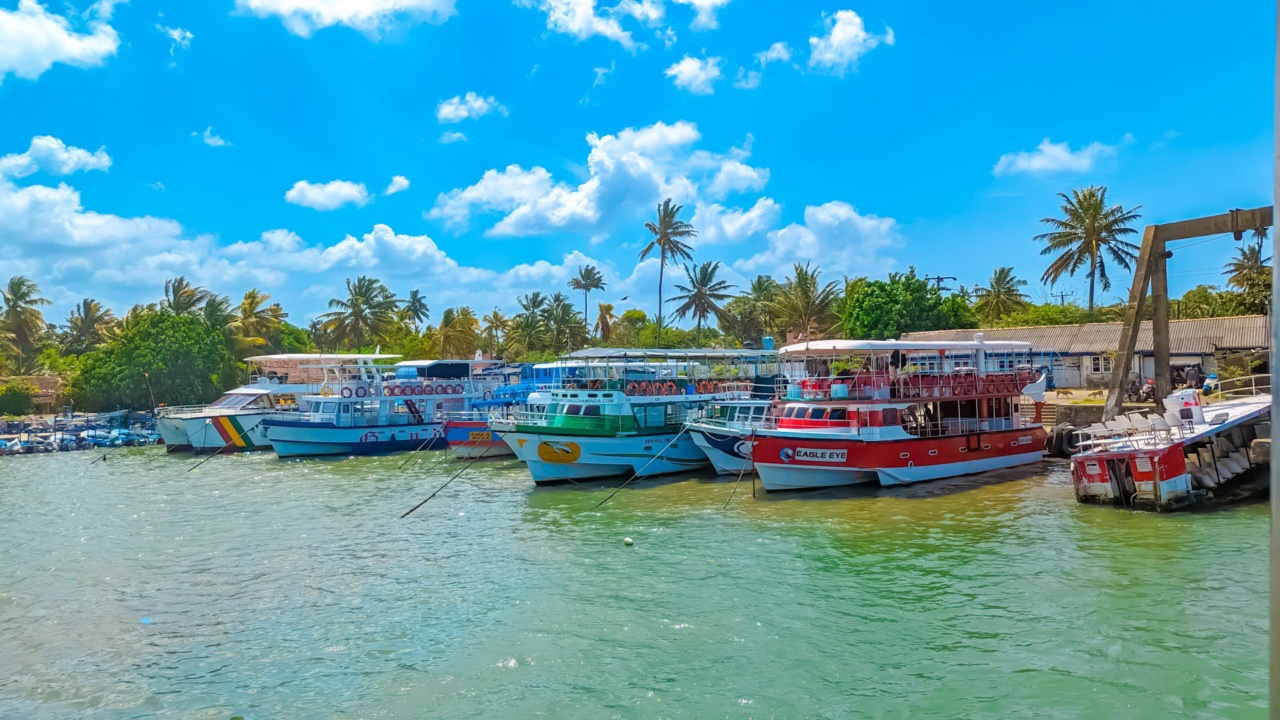
Save the operator's office location and meeting instructions, not just a pin on Mirissa beach. A missed pickup or a walk to the wrong harbour gate can cost you the early departure. Arrange how to reach the right check-in point and how to get back to your hotel. Do not build a late-morning train, hotel checkout or flight around the average duration.
By train, Mirissa, Weligama and Matara are separate stations on the Coast Line.[3] Weligama is not the only station near Mirissa. Pick a service that stops where you want to get off, then arrange the transfer to the meeting point. From Ella, check the full connections rather than assuming a direct train to Mirissa.
Seasickness: get individual advice before departure
To reduce motion sickness, sit in the middle of a boat, look at a fixed point such as the horizon, breathe fresh air if you can, and avoid reading or using screens, watching rolling waves, heavy or spicy meals and alcohol shortly before or during travel.[4] Ask the crew where you can sit safely, and stay in a safe seat.
Ask a pharmacist about a remedy for you or your child. Dissolvable tablets are available for children, and patches suit adults and children over 10.[4] Follow the medicine's instructions and professional advice. If a long, non-stop boat trip does not suit your circumstances, choose another activity.
Bring sun protection and drinking water, and protect your belongings from spray. If mobility matters, ask the operator about boarding steps, toilet access and seating.
Wildlife treatment: check behaviour, not only a label
Raja's approaching guidelines tell its boats to slow to under 7 knots within 400 metres of the nearest whale and to avoid abrupt course changes. They approach and leave from the side, parallel to the animals' direction, never from the front or from behind, and never come closer than 100 metres. Nobody swims with, touches or feeds the wildlife.[5] Ask any company how it avoids chasing, surrounding or blocking animals, and do not ask the crew to go closer for a photograph.
Words such as responsible or ethical are not a certification. Judge the specific policy and what the crew does on the day. Do not book expecting to swim with a whale: Raja does not offer snorkelling or diving with whales or dolphins.[2]
Cancellation and no sightings are different cases
Read the operator's refund policy before you pay. Raja's policy separates a cancelled departure from a completed tour without sightings: no refund is due solely because no animals were seen, provided the tour operated as reasonably practicable.[6]
Under the policy dated 31 July 2026, cancelling at least 48 hours ahead returns the tour fare, less any non-refundable third-party fees. Cancelling later and no-shows get no refund. If the operator cancels before departure and you do not accept an alternative date, you get a full refund or a free reschedule. After an early return for safety reasons, the operator decides on a full, partial or no refund.[6] Get written confirmation of your booking and payment.
Make room for the trip without overloading the day
Confirm the departure and sea conditions, book for the actual number of passengers, save the check-in pin and keep the afternoon free. If the boat cannot sail, or the conditions do not suit you, have a land-based plan ready instead of searching for any boat willing to go.
Use the Sri Lanka travel overview for the wider itinerary. A night on the coast before an early start is simpler than an overnight connection. The reward is watching wild animals on their terms, with the time and cost clear before you pay.
Sources and background
Numbers in the text such as [1] refer to these sources.
- [1] Sri Lanka Tourism: Sri Lanka Tourism: whale watching around Mirissa and the seasonal overview. Retrieved October 22, 2026.
- [2] Raja and the Whales: Raja and the Whales: published tour rates, meeting point, seasons and duration. Retrieved October 22, 2026.
- [3] Sri Lanka Railways: Sri Lanka Railways: Coast Line stations, including Mirissa and Weligama. Retrieved October 22, 2026.
- [4] NHS: NHS: motion sickness and pharmacist advice. Retrieved October 22, 2026.
- [5] Raja and the Whales: Raja and the Whales: published marine wildlife approaching guidelines. Retrieved October 22, 2026.
- [6] Raja and the Whales: Raja and the Whales: cancellation, wildlife sightings and refund conditions. Retrieved October 22, 2026.
Frequently Asked Questions
The main season runs from November to April. Individual operators have their own calendars: Raja and the Whales also sails from August to October if the weather and sea allow and at least ten passengers book. Confirm the exact date and sea conditions with your operator.
No. Wildlife sightings, including blue whales, cannot be guaranteed. Book only if the open-ocean outing is worthwhile to you even without a whale.
Raja and the Whales charges LKR 20,000 per person aged 12 or older and LKR 10,000 for ages 5 to 11.99. Children under 5 are free. Other operators set their own prices, so compare the final fare, taxes and inclusions.
Raja and the Whales checks in at 06:00 at its office just outside the harbour and departs at 06:30. Trips last two to eight hours, four to five on average, and the boat does not return early on request. Do not plan a tight onward connection.
Ask a pharmacist which medicine suits you or your child, and follow its instructions. The NHS advises sitting in the middle of the boat, looking at the horizon, breathing fresh air and avoiding screens, heavy meals and alcohol.
With Raja and the Whales, no refund is due solely because no animals were seen. If the operator cancels before departure, you get a full refund or a free reschedule. Customer cancellations need at least 48 hours' notice for a refund.
Mirissa, Weligama and Matara are separate stations on the Coast Line. Choose a train that stops where you want to get off, then arrange the transfer to your operator's meeting point.