Galle Fort: plan a walk, a museum and your onward trip
Photo: Ceylon Frames / Pexels
Contents
Visit Galle Fort for a walk through a living historic town, then add one focus: a museum, a meal or an hour on the ramparts. A half-day is enough for a relaxed first visit. A beach outing or an onward journey needs its own time.
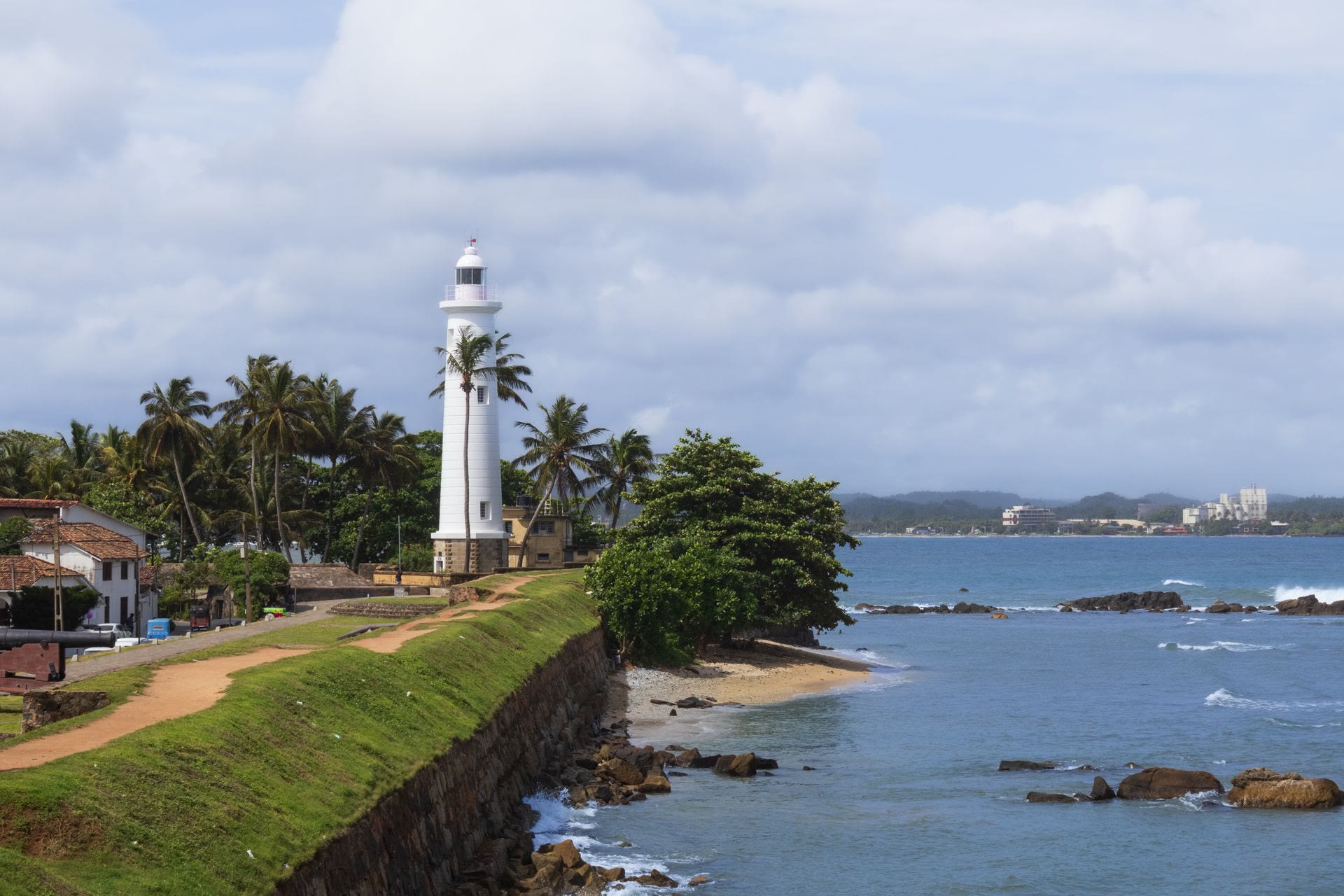
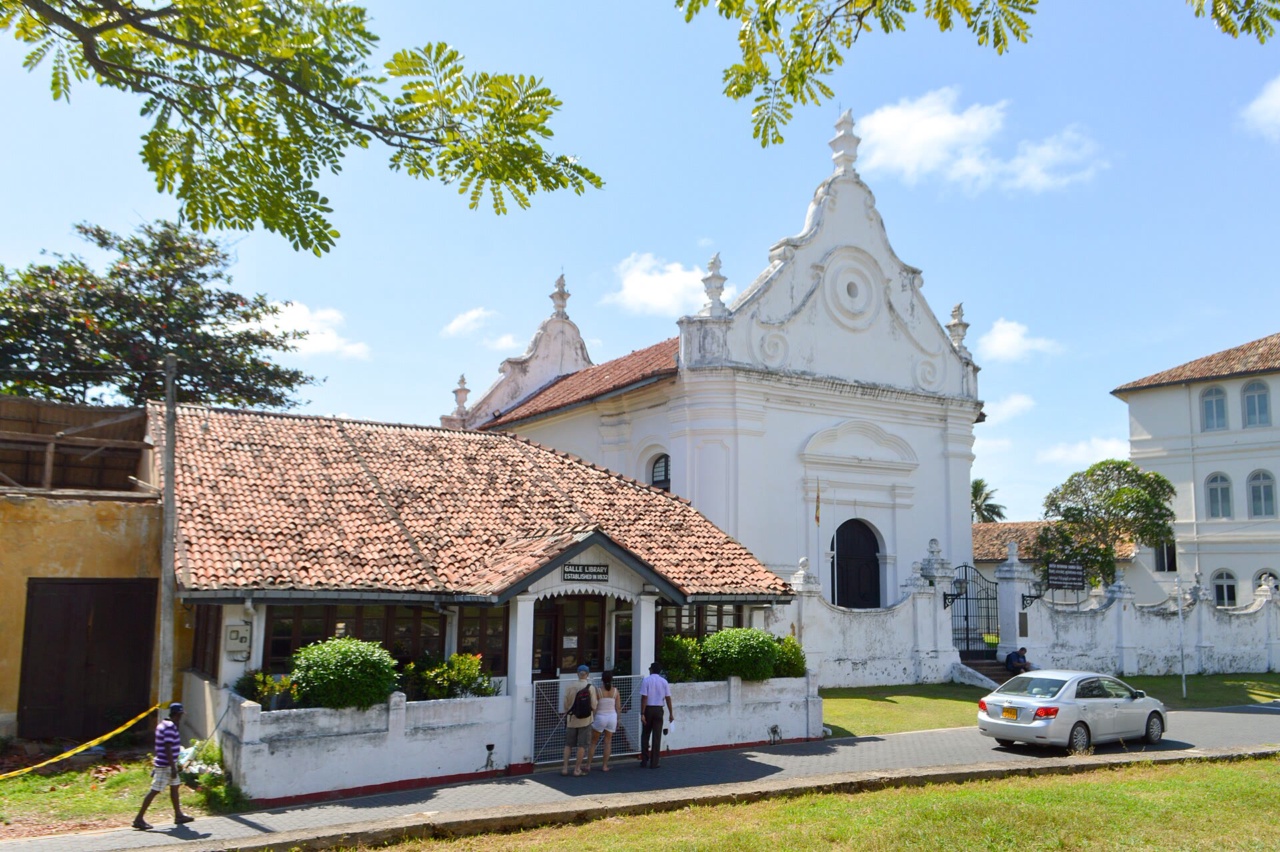
Founded by the Portuguese in the 16th century, the town reached its height in the 18th century under Dutch rule. UNESCO's description calls it the best representation of a fortified city built by Europeans in South Asia, where European planning meets South Asian building traditions.[1] The Dutch street grid, rows of houses with their narrow ends to the street, verandas shaded by deep roofs on slim columns and inner courtyards give the lanes their character. The ramparts follow the rock outcrops of the promontory instead of a textbook geometry.[1] People still live and work here, so a house facade is not an invitation to walk in.
Build a walk around your interests
| Your priority | Suggested focus | Allow for |
|---|---|---|
| Architecture and streets | Walk the old town, pausing at verandas and the ramparts | Heat, shade and rests |
| Maritime history | The Maritime Archaeology Museum above the Old Gate | Admission and time inside |
| A short first visit | A few landmarks instead of a full circuit | Refreshments and the return journey |
| A longer stay | A walk combined with dinner or a night in the fort | Your lodging and onward plan |
Start in the part of the fort nearest your arrival, then walk a few streets and climb onto an open section of the ramparts. Leave the next stop optional if heat or rain slows you down.
Sri Lanka Tourism names the lighthouse, the Dutch Reformed Church, the Old Dutch Market and Flag Rock among the sights of Galle.[2] Pick what interests you rather than ticking off a list. Check worship arrangements before entering a religious building, and ask before photographing people. Stay within permitted areas, keep back from exposed edges and do not copy the cliff jumpers; rain, waves and wind can make a viewpoint unsuitable. Keep paths clear for residents.
Things to Do
Offers are only loaded from GetYourGuide after you click. GetYourGuide can then process your IP address and set cookies. Privacy Policy
GetYourGuide partner offers. GoAsia may earn a commission if you book through these offers. Check whether tickets or transfers are included, and follow the attraction's official booking and admission rules.
Choose the right museum and check its ticket
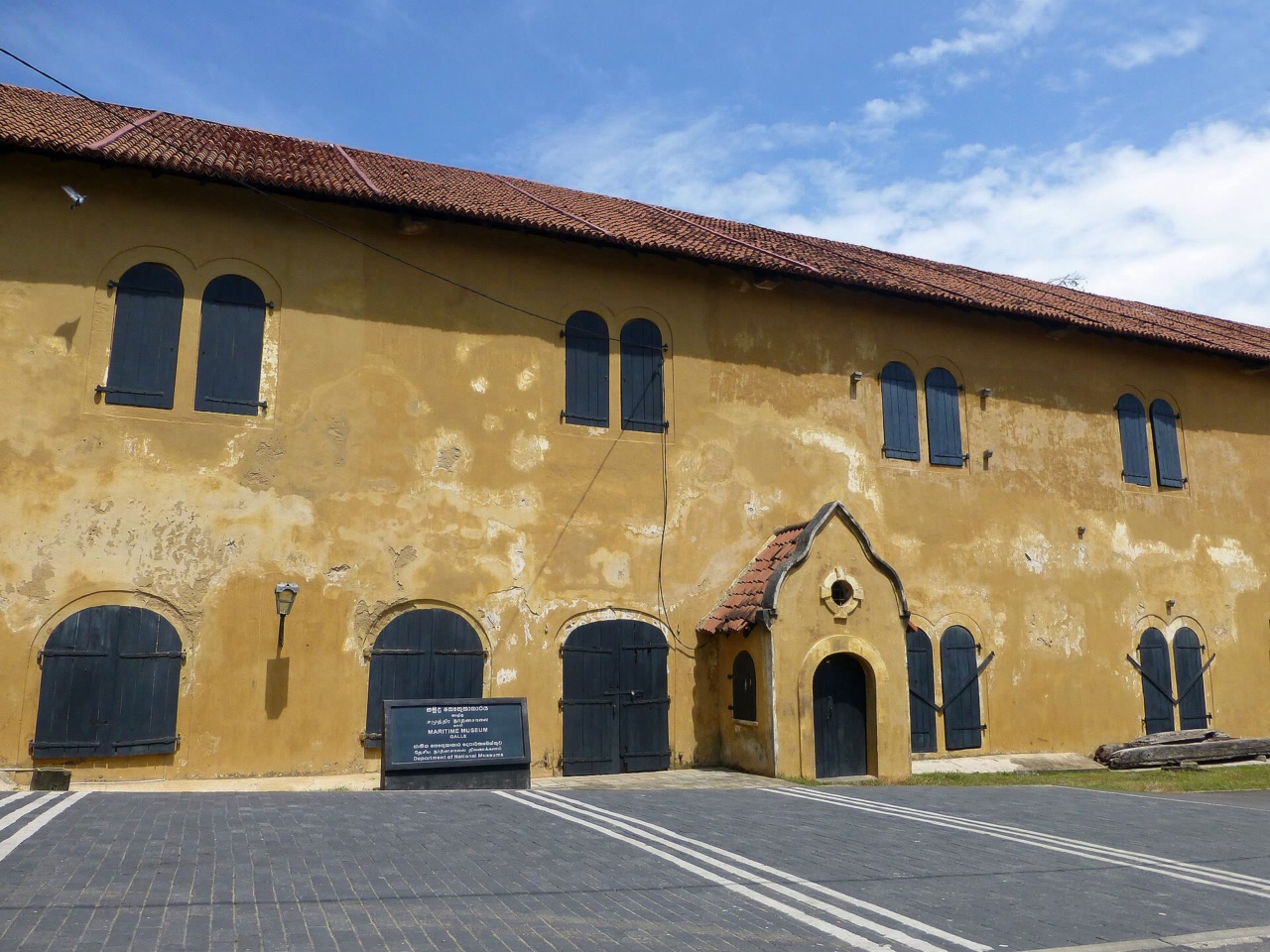
The Maritime Archaeology Museum sits in a Dutch warehouse built in 1671 above the Old Gate, partly built into the thickness of the rampart. Four galleries cover Sri Lanka's maritime trade, finds from Dutch shipwrecks such as the Avondster (1659) and the Hercules (1661), Dutch East India Company porcelain, traditional boats and the life of the southern fishing communities, plus marine ecosystems.[3] It adds context to the street walk.
| CCF listing | Full ticket | Half ticket |
|---|---|---|
| Galle (Museum) | 6 USD or 2,016 LKR | 3 USD or 1,008 LKR[4] |
The Central Cultural Fund's price table, updated on 14 October 2026, includes 18% VAT and converts at 336 LKR per USD.[4] The ticket covers this museum, not the fort as a whole, a church or a private collection.
Use the local heritage information service
The Galle Heritage Foundation's Information Center on Baladaksha Mawatha shows models, illustrations and audio-visual presentations about the fort. Guides can be arranged on request, guide books and brochures are on sale, and visitor toilets are available. It is open 09:00 to 16:30 on weekdays except government holidays.[5]
Plan arrival and the return journey
From Colombo, the coastal railway line runs along the shore to Galle, 114 km from Colombo Fort. A third-class ticket costs 240 LKR, second class 500 LKR and first class 950 LKR.[6] Buses and the Southern Expressway are the other ways in. For a car, agree pickup, passengers, luggage, tolls and waiting in a written quote, and say whether the price is for the whole vehicle. Build in time for the transfer into the old town and a buffer before any flight.
Weather and a separate south-coast outing
Carry water and sun or rain protection, and walk in the cooler hours. The Department of Meteorology publishes forecasts and warnings.
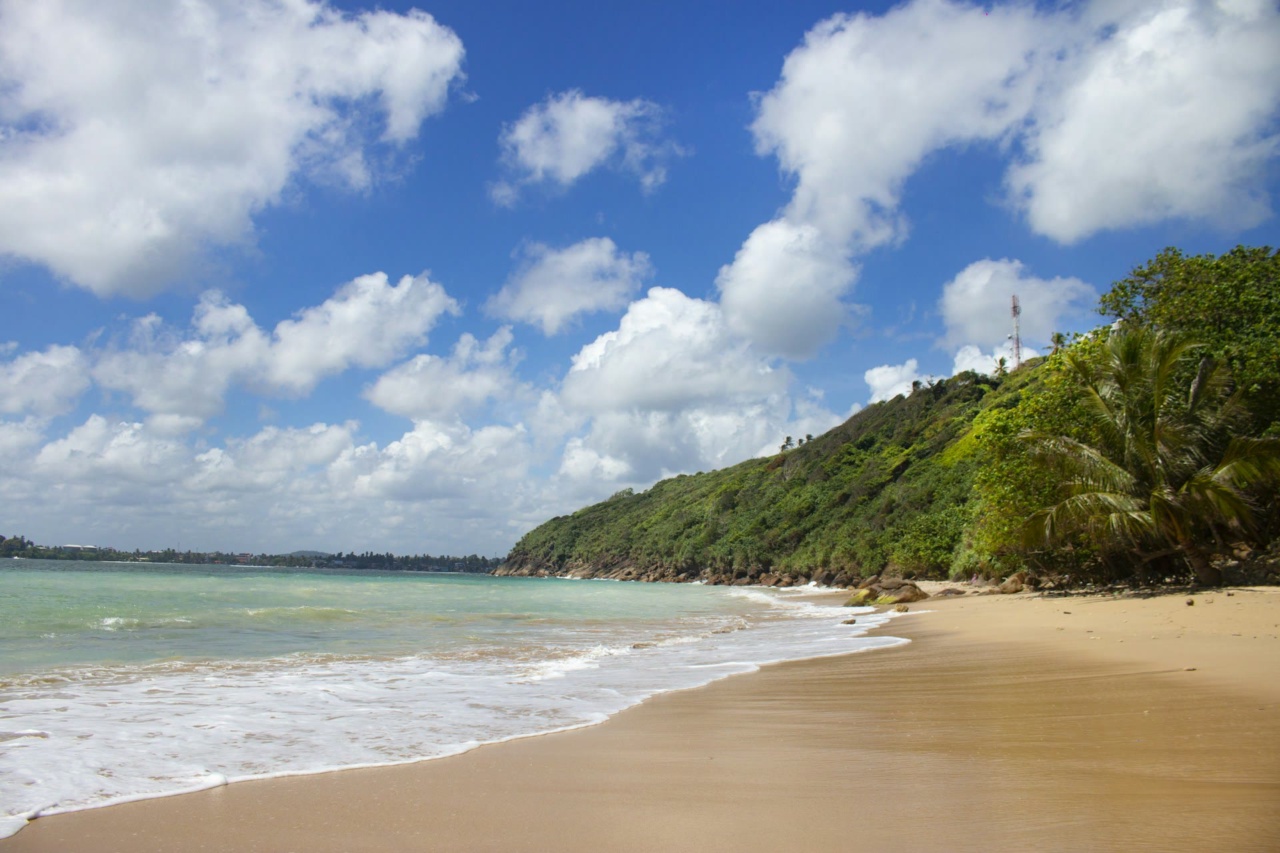
Unawatuna and Jungle Beach are among the beaches near Galle, and whale watching leaves from Mirissa.[2] Treat a beach, boat trip or surfing lesson as a separate outing with its own transfer, and ask the operator about weather decisions and cancellations. Our Sri Lanka travel overview and Mirissa whale-watching guide help with the wider trip.
Sources and background
Numbers in the text such as [1] refer to these sources.
- [1] UNESCO World Heritage Centre: Old Town of Galle and its Fortifications. Retrieved October 22, 2026.
- [2] Sri Lanka Tourism Promotion Bureau: Galle Port and local attractions. Retrieved October 22, 2026.
- [3] Central Cultural Fund: Galle Maritime Archaeology Museum. Retrieved October 22, 2026.
- [4] Central Cultural Fund: Published site and museum ticket prices. Retrieved October 22, 2026.
- [5] Galle Heritage Foundation: Heritage Information Center. Retrieved October 22, 2026.
- [6] Sri Lanka Railways: Colombo Fort - Passenger Ticket Rates. Retrieved October 17, 2026.
Frequently Asked Questions
The fort is a living historic town, not one museum, so there is no single ticket. The Central Cultural Fund ticket of 6 USD or 2,016 LKR covers the Maritime Archaeology Museum. Streets and ramparts are open to walk, and churches or private venues have their own rules.
A full ticket costs 6 USD or 2,016 LKR and a half ticket 3 USD or 1,008 LKR, including 18% VAT, according to the CCF table updated on 14 October 2026.
A relaxed half-day covers a first walk plus one focus such as the museum or a meal, not counting arrival and onward travel. Add time for several venues or a separate beach outing.
The coastal railway line runs from Colombo Fort to Galle, 114 km, with third class at 240 LKR, second at 500 LKR and first at 950 LKR. Buses and the Southern Expressway are the alternatives. For a car, get a written quote for the whole vehicle.
A room inside the fort suits a trip centred on the old town. Another location can make onward transport or a beach stay easier. Compare the exact address, cooling, luggage access, cancellation terms and total price.
The Galle Heritage Foundation Information Center on Baladaksha Mawatha has displays, publications for sale, toilets and guides on request. It is open 09:00 to 16:30 on weekdays except government holidays.
Yes, as a separate outing. Unawatuna and Jungle Beach are near Galle, and whale watching leaves from Mirissa. Allow transfer time and ask the operator about weather and cancellations.