Unawatuna Beach: planning your stay near Galle
Contents
Choose Unawatuna for a beach stay with Galle on the doorstep: swim when the sea allows, snorkel over the reef with a qualified guide and spend another day inside the Fort. Decide first what matters most, sand time, water activities or a base for day trips, because sea conditions change through the year.
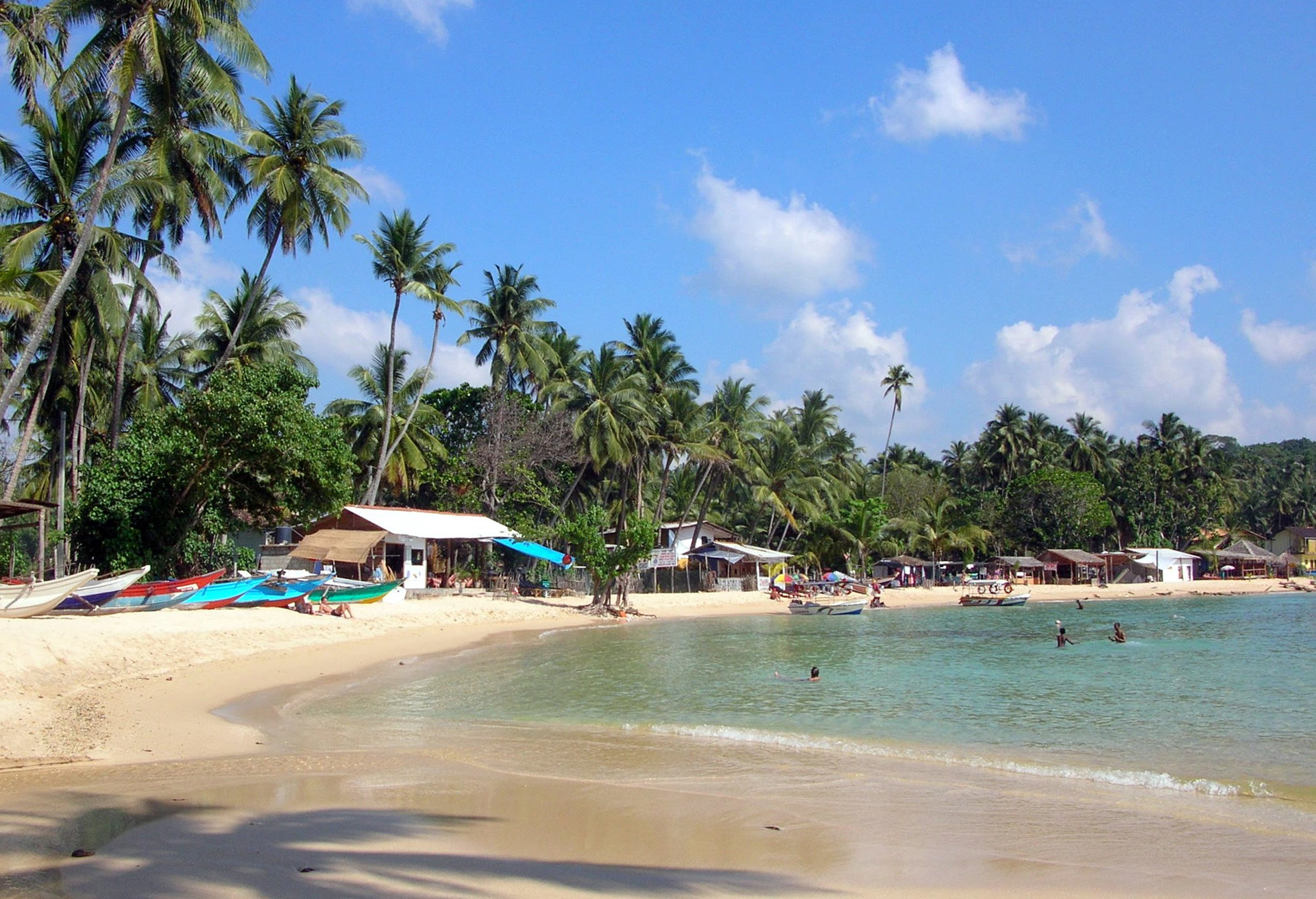
Unawatuna lies about 5 km southeast of Galle.[1] Its bay, reefs and marine life are the draw, but the sea is the thing to read before you plan anything else. See Sri Lanka Tourism for the area overview.
Which kind of visit suits you?
| Your priority | A practical choice | Ask or check |
|---|---|---|
| A beach break with children | Pick accommodation with easy sand access, shade and a comfortable stay on land. | Sea conditions on the day and who supervises swimming. |
| Snorkeling or diving | Book a specific site with a qualified provider. | Experience requirements, equipment, instruction, cancellation and the activity area. |
| Beach and Galle | Treat them as two separate parts of the day. | Pickup points, transfers and the return. |
A good day here does not depend on the water. A meal, time on the sand and a walk through Galle all work when the sea is rough or the turtles stay away.
When you compare rooms, look at the real location rather than the label “beachfront”. Ask about access to the sand, noise, steps, air conditioning, meals and the total for your dates. A room near Galle and a room on the beach suit different priorities.
Things to Do
Offers are only loaded from GetYourGuide after you click. GetYourGuide can then process your IP address and set cookies. Privacy Policy
GetYourGuide partner offers. GoAsia may earn a commission if you book through these offers. Check whether tickets or transfers are included, and follow the attraction's official booking and admission rules.
Read the sea before you swim
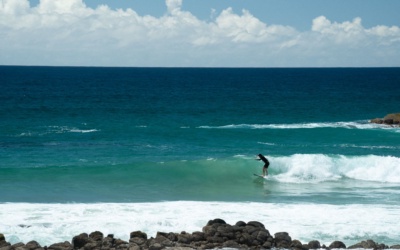
No beach is safe every day, and no end of the bay is safe permanently. Check the actual sea, posted restrictions and the advice of staff before you enter the water, and do not trust a calm-looking patch.
The Sri Lanka Coast Guard runs a national life-saving service, so ask on arrival whether trained help is on your stretch of beach and what rules apply.[2] The Department of Meteorology publishes current forecasts and warnings.[3]
For snorkeling or diving, go with a guide or instructor who knows the day’s conditions. Confirm the equipment, the agreed area and what happens if the sea is unsuitable.
Turtles, conservation and Rumassala
Marine wildlife is part of Unawatuna’s appeal, but sightings are never guaranteed.[1] Do not touch, feed, chase or crowd animals, and never enter water you have not checked just because someone promises a turtle.
The Sri Lanka Coast Guard lists Unawatuna among its turtle hatchery locations.[4] A hatchery is a conservation project, not a wild encounter. If someone offers paid handling or releases, think twice before joining.
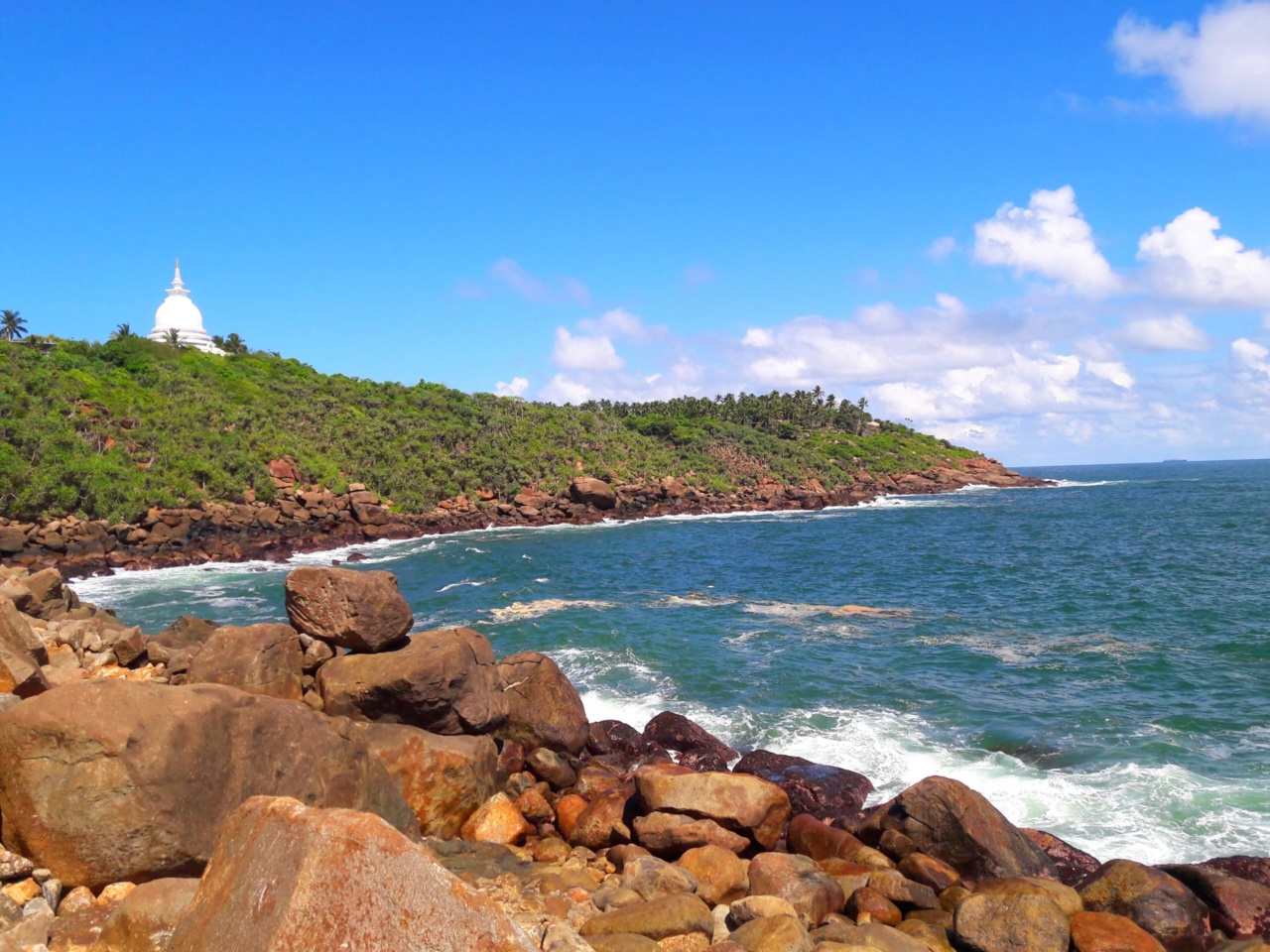
Rumassala, the wooded headland above the bay, is linked in tradition to the Ramayana: Hanuman carried a mountain across the sky and a piece fell here.[1] Walk up for the sea views and the Japanese Peace Pagoda, and ask locally which approach is open.
Work out the whole cost
Ask for a total in a stated currency, and note whether it is per person, per vehicle or per room. A low starting price only compares with a package once you know what it includes.
| Expense | What to clarify |
|---|---|
| Lounger or equipment | Duration, deposit, condition and any food-purchase requirement. |
| Water activity | Instruction, equipment, boat transfer if needed, taxes and cancellation. |
| Transport | Whole vehicle or each passenger, luggage, waiting and return. |
| Accommodation | Room or bed, taxes, meals and cancellation. |
Choose restaurants from current menus and ask for the total before you order, especially if a lounger comes with the meal.
Arrival and separate excursions
By public transport, check the service for your date and origin, where it arrives and how you cover the last leg to your accommodation. Train times are on the Sri Lanka Railways site.
From the airport, Colombo or the hill country, compare dated options including the way to the departure point, changes and waiting. With a driver, name your accommodation, passengers and luggage, and agree what waiting time is included before you accept a price.
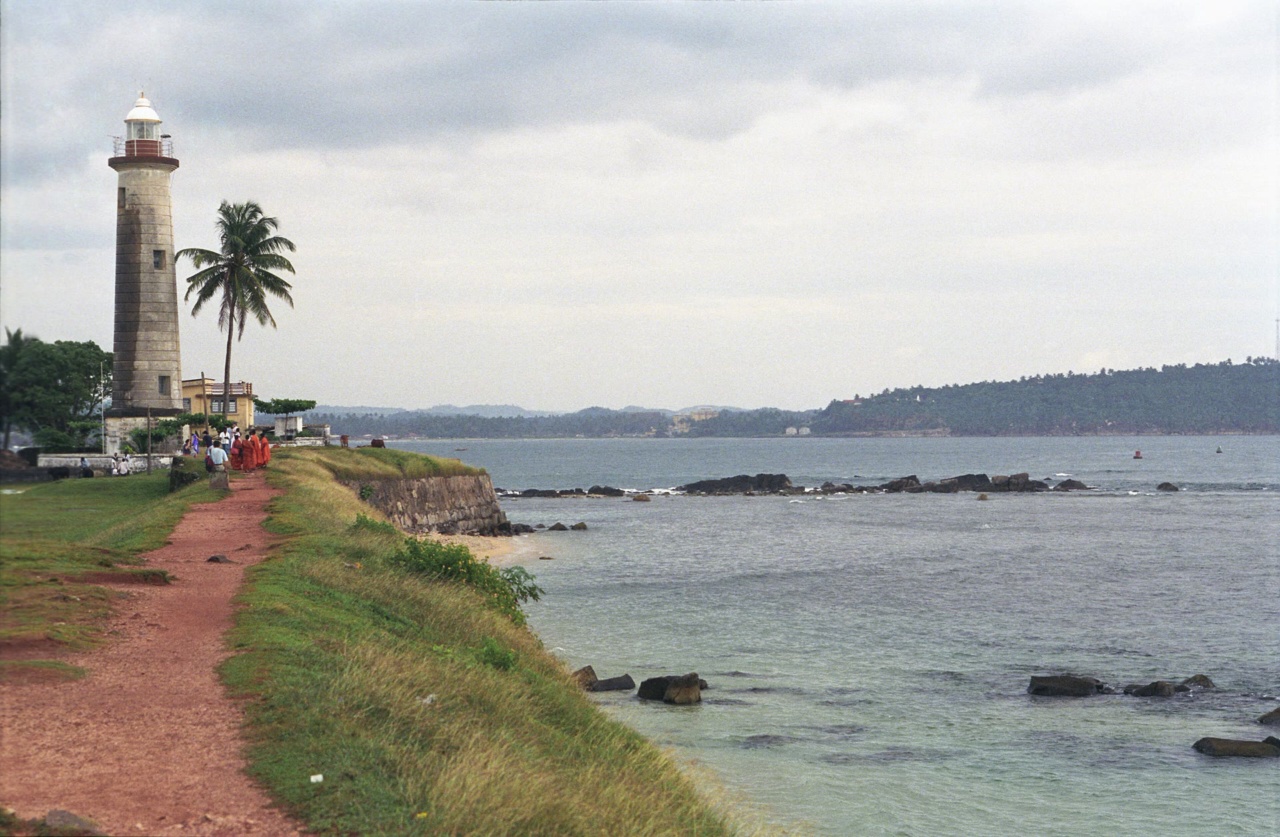
Visit Galle with our Galle Fort guide, as a trip of its own. Jungle Beach is another separate outing: ask locally about the route and the water before you set off.
Before you book
- Keep a land plan: Do not make your stay depend on daily swimming or a turtle sighting.
- Check the current sea: Follow local restrictions and trained activity staff.
- Get the full quote: Room, transport, equipment, meals and activities, itemised.
- Respect wildlife: Do not touch, feed or chase animals.
- Get trained help after an injury: See lifeguards or a medical provider rather than using a home remedy.
- Fix the return: Agree pickup point, time, luggage and your next connection.
Use Sri Lanka travel information to connect Unawatuna with the rest of your trip.
Sources and background
Numbers in the text such as [1] refer to these sources.
- [1] Sri Lanka Tourism Promotion Bureau: Unawatuna: coastal setting and Rumassala tradition. Retrieved October 15, 2026.
- [2] Sri Lanka Coast Guard: Life-saving service: scope and dated rescue statistics. Retrieved October 15, 2026.
- [3] Department of Meteorology, Sri Lanka: Current forecasts and weather warnings. Retrieved October 15, 2026.
- [4] Sri Lanka Coast Guard: Turtle conservation programme and listed hatcheries. Retrieved October 15, 2026.
- [5] Sri Lanka Railways: Train schedule service upgrade notice. Retrieved October 15, 2026.
Frequently Asked Questions
Conditions change through the year and from day to day. Check the current sea, posted restrictions and the advice of trained staff before you swim, and do not rely on calm-looking water.
Ask for a dated price for meals, equipment, activities and transport in a stated currency. Check whether it is per person or per vehicle, what the duration and deposit are, and whether taxes and the return are included.
Check a service for your origin and date, where it arrives and how you cover the last leg to your accommodation. With a driver, agree the whole-vehicle price, luggage and waiting time.
Sightings are never guaranteed. The Sri Lanka Coast Guard lists Unawatuna among its turtle hatchery locations, which is a conservation project, not a wild encounter. Do not touch, feed or chase turtles.
Pick flexible dates and check weather and sea advice before any water activity. Ask about cancellation and alternatives in case the sea is unsuitable.
Ask locally about the permitted route and current access. Do not assume snorkeling there is better than at the main beach.
Yes, as two separate stops with a planned transfer and return. Unawatuna is about 5 km southeast of Galle, which is not the same as the distance between your hotel and the Fort.