Sagada Hanging Coffins: Visiting the Philippines' Most Extraordinary Burial Tradition

Sagada Hanging Coffins: Visiting the Philippines' Most Extraordinary Burial Tradition

Last updated: March 19, 2026

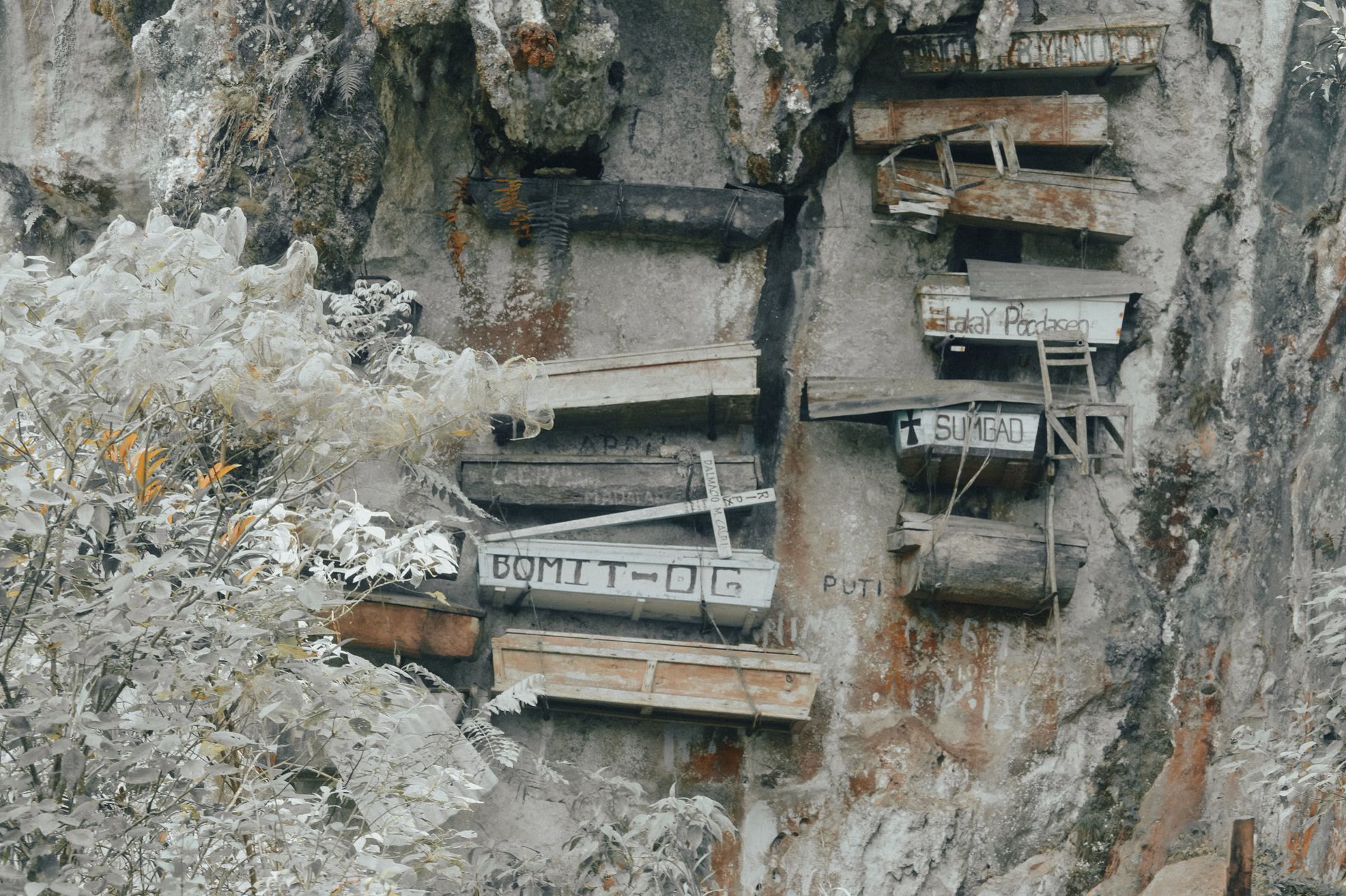
For over two thousand years, the Igorot people of Sagada have been placing their dead in wooden coffins nailed to the faces of limestone cliffs rather than burying them underground. The belief is that elevating the dead brings them closer to their ancestral spirits, and that the higher the coffin, the greater the respect shown to the deceased. Walking beneath these weathered coffins, some centuries old, suspended against jagged rock faces in the cool mountain air, is one of the most singular experiences in the Philippines.

Sagada sits at roughly 1,500 meters elevation in the Cordillera Mountains of Mountain Province, about 275 kilometers north of Manila. The town has become a traveler favorite not only for the hanging coffins but for its dramatic caves, misty rice terraces, and a pace of life that feels worlds away from the rest of the Philippines. The journey to reach Sagada is long and winding, but that remoteness is part of its appeal - this is a place that rewards those willing to make the effort.

This guide covers the hanging coffins, the spectacular cave systems, other things to do in Sagada, and the practical details of getting there and planning your stay.

The Hanging Coffins

Sagada has several hanging coffin sites, but the two most accessible are the Echo Valley coffins and the coffins inside Lumiang Burial Cave.

Echo Valley Hanging Coffins

The most visited site, Echo Valley offers a clear view of coffins attached to a limestone cliff face across a small valley. The trail starts near St. Mary's Episcopal Church in the town center and takes about 15 to 20 minutes on foot. The path descends through pine forest and past a small cemetery before reaching the viewpoint.

From the viewpoint, you can see dozens of coffins in various states of preservation - some relatively recent, others centuries old and weathered to near-disintegration. The practice continues to this day, though it is now rare and reserved for elderly community members who have earned the honor. A guide is required for the Echo Valley trail, and the fee is PHP 200 to 300 for a small group.

Lumiang Burial Cave

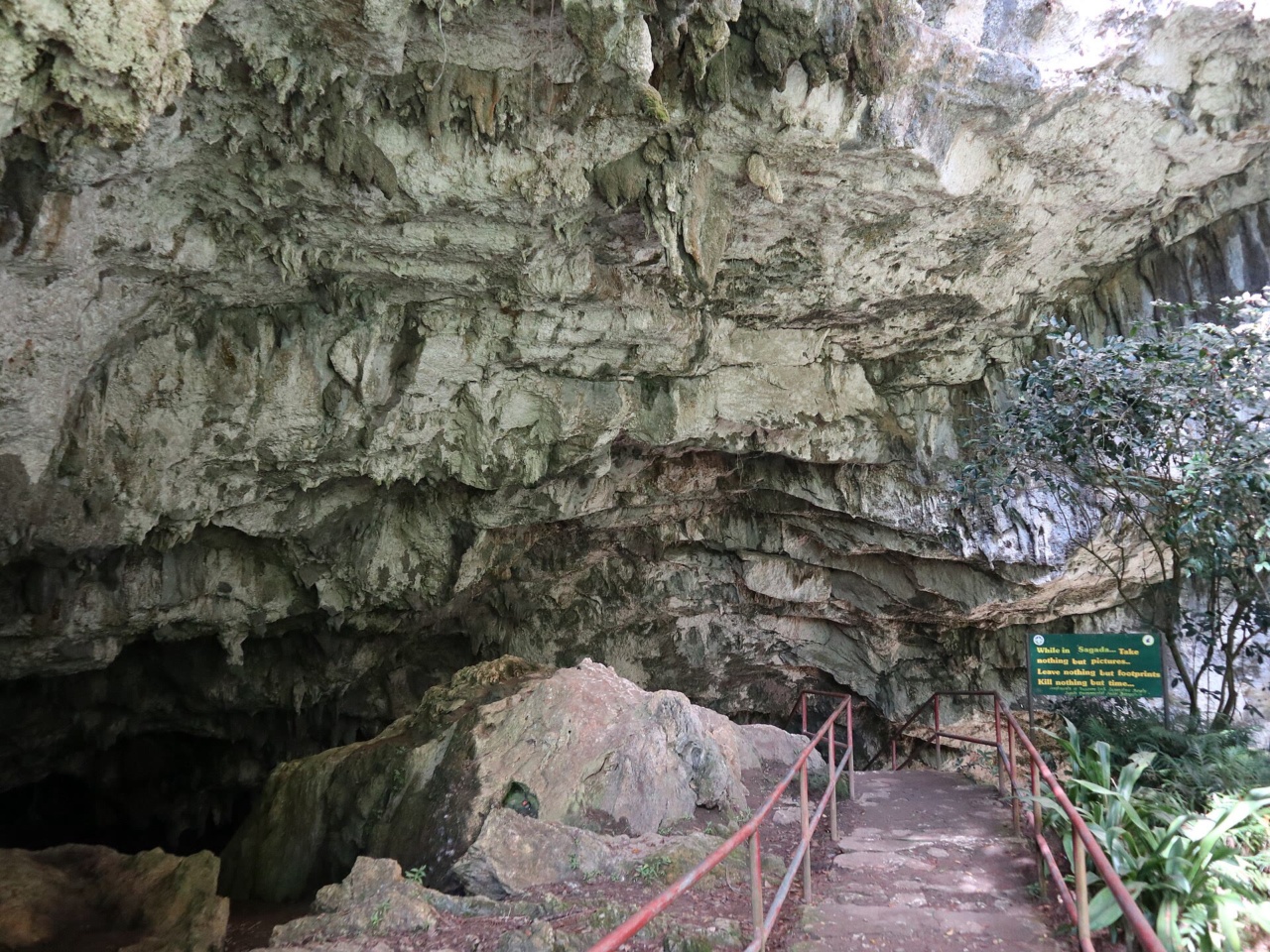
Lumiang Cave serves as both a burial site and the entrance to the famous Cave Connection route. At the cave mouth, over 100 ancient coffins are stacked along the walls, some piled several deep. Unlike the Echo Valley coffins that are viewed from a distance, here you stand just meters away from the wooden caskets, many carved with lizard motifs that the Igorot believed would guide the spirits of the dead.

The coffins at Lumiang are estimated to be hundreds of years old, with some potentially dating back over a thousand years. Photography is allowed but touching the coffins is strictly forbidden. A guide is required and costs PHP 200 to 300 for the visit to the cave entrance alone.

Sugong Hanging Coffins

A less-visited site about 30 minutes from town, the Sugong coffins are mounted on a cliff face above the Sumaguing River. Fewer tourists make it here, offering a quieter and arguably more atmospheric experience. The trail is steeper and less maintained, so sturdy footwear is essential.

Things to Do

The Cave Systems

Sagada's limestone landscape is riddled with caves, and exploring them is a highlight of any visit. The two main caves can be visited separately or combined in the famous Cave Connection route.

Sumaguing Cave

The largest and most popular cave in Sagada, Sumaguing (also called Big Cave) features massive chambers, towering stalactites and stalagmites, underground pools, and rock formations with names like the Rice Terraces, King's Curtain, and the Wedding Cake. The guided tour takes about 1.5 to 2 hours and involves climbing, squeezing through narrow passages, and wading through cold underground streams.

No specialized equipment is needed, but expect to get wet and muddy. Guides provide gas lanterns for lighting, which creates a much more atmospheric experience than flashlights. The guide fee for Sumaguing Cave is about PHP 500 for a group of up to four people. Wear shoes with good grip - the rocks are slippery - and bring a change of clothes for afterward.

Lumiang-Sumaguing Cave Connection

The Cave Connection links Lumiang Burial Cave to Sumaguing Cave through a narrow underground passage. This is Sagada's most adventurous activity, taking 3 to 4 hours of climbing, crawling, rappelling on ropes, and swimming through underground pools. The route passes through tight squeezes where larger-framed visitors may struggle, and several vertical sections require rope assistance from your guide.

Cave ActivityDurationGuide Fee (per group)Difficulty
Sumaguing Cave only1.5 - 2 hoursPHP 500 (up to 4 pax)Moderate
Lumiang Cave entrance only30 - 45 minPHP 200 - 300Easy
Cave Connection (Lumiang to Sumaguing)3 - 4 hoursPHP 800 - 1,500Challenging
Echo Valley coffins1 hourPHP 200 - 300Easy

The Cave Connection is not recommended for people with claustrophobia or limited mobility. That said, it requires no technical climbing experience - your guide handles the ropes and helps you through every section. It is a genuinely thrilling adventure that most visitors rank as the highlight of their Sagada trip.

Other Things to Do in Sagada

Kiltepan Viewpoint (Sunrise)

The famous sea of clouds viewpoint, Kiltepan Peak is a 15-minute drive from town. On clear mornings, a blanket of clouds fills the valley below while the sun rises over the Cordillera peaks. The spectacle is weather-dependent - it occurs most frequently between November and February. Jeepneys to Kiltepan leave the town center around 5:00 AM, or you can hire a private vehicle for about PHP 300 to 500.

Bomod-Ok Falls (Big Falls)

A beautiful 60-meter waterfall reached by a 45-minute to 1-hour hike through rice terraces and Igorot villages. The trail descends steeply, so the return climb is demanding. The pool at the base is deep enough for swimming and refreshingly cold. A guide is required and costs PHP 300 to 400 per group. The hike through the terraces is nearly as impressive as the waterfall itself.

Sagada Pottery

A small workshop where you can watch local artisans create traditional pottery and try your hand at the wheel. Sessions cost around PHP 150 and are a relaxing break between more strenuous activities.

Lake Danum

A serene mountain lake about 20 minutes from town, surrounded by pine forest. It is a peaceful spot for a quiet walk and offers a different perspective on Sagada's landscape away from the caves and cliffs.

Getting to Sagada

Sagada is remote, and reaching it requires patience. There are no airports or train stations nearby - the only access is by road through the Cordillera Mountains.

From Manila

The most common route goes through Baguio:

  1. Manila to Baguio: Overnight buses from terminals in Cubao and Pasay take 5 to 7 hours. Victory Liner, Genesis, and Joy Bus are popular operators. Fares range from PHP 500 to 800 depending on the bus class.
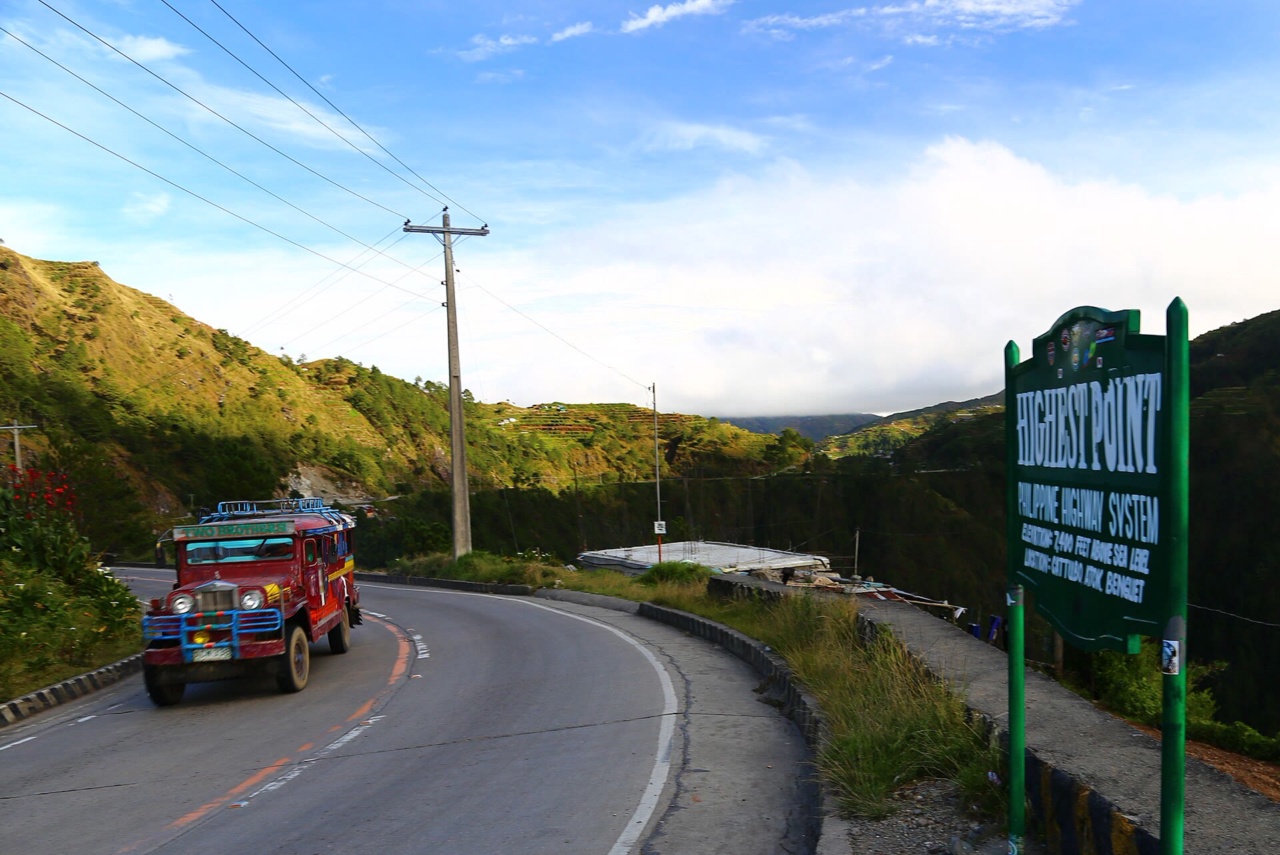
  2. Baguio to Sagada: Coda Lines and GL Trans operate daily buses from Baguio to Sagada, departing early morning (typically 5:30 AM, 6:30 AM, and sometimes 1:00 PM). The journey takes 5 to 6 hours on a winding mountain road with stunning views. Fare is about PHP 250 to 350.

Total travel time from Manila is 10 to 13 hours with transfers. Leaving Manila on an overnight bus and connecting in Baguio the same morning is the most efficient approach.

From Banaue

If you are combining Sagada with the Banaue Rice Terraces, jeepneys and vans run between the two towns daily, taking about 2 to 3 hours. The road is unpaved in sections and passes through dramatic mountain scenery. Departures are typically in the morning, and the fare is around PHP 200. For route connections across the Philippines, GoAsia.cc has useful travel guides.

Registration Requirement

All visitors to Sagada must register at the Municipal Tourism Office near the town center upon arrival. This is mandatory. The registration fee is PHP 50, and guides for all activities are arranged through this office. You cannot visit the hanging coffins, caves, or most other sites without a registered local guide.

Where to Stay

Sagada has a good range of budget and mid-range accommodation, mostly family-run guesthouses and small inns:

  • Budget (PHP 300 - 800/night): Simple rooms with shared bathrooms in the town center. St. Joseph Resthouse and Sagada Homestay are popular choices.
  • Mid-range (PHP 1,000 - 3,000/night): Private rooms with hot water and thicker blankets - important at Sagada's altitude where temperatures can drop to 10 degrees Celsius at night. Misty Lodge and Ganduyan Inn offer comfortable stays.
  • Unique stays (PHP 1,500 - 4,000/night): A few lodges offer rooms with valley views and fireplaces for the cool mountain evenings.

Two to three nights is the sweet spot for Sagada. This allows time for the Cave Connection, the hanging coffins, a sunrise at Kiltepan, and the waterfall hike without feeling rushed.

Practical Tips for Visiting Sagada

  • Bring warm clothing. Sagada is one of the coldest places in the Philippines, especially between November and February when temperatures drop to 5 to 10 degrees Celsius at night. Layers, a fleece jacket, and warm socks are essential.
  • Register at the tourism office first. This is not optional. All guides are booked through the municipal office, and you need your registration slip for every activity. Arrive early in the morning to avoid queues and secure your preferred schedule.
  • Bring old clothes for the caves. You will get muddy, wet, and scraped. Wear clothes you do not mind ruining, and bring a complete change for afterward. Leave valuables at your guesthouse.
  • Carry cash. Sagada has very limited ATM access, and the single machine frequently runs out of money, especially on weekends. Withdraw enough cash in Baguio or Manila to cover your entire stay.
  • Respect the burial sites. The hanging coffins are active cultural heritage, not museum displays. Do not touch, move, or sit on any coffin. Some visitors have been asked to leave for disrespectful behavior. Treat these sites as you would a cemetery.
  • Book the Cave Connection early. During peak season (Holy Week, Christmas, long weekends), guides fill up quickly. Register and book your cave tour as early as possible on the day you plan to do it.
  • Try the local coffee. Sagada grows its own Arabica coffee, and several small cafes in town serve locally roasted brews. The Sagada Brew and Yoghurt House are local institutions worth visiting.
  • Be prepared for motion sickness. The road from Baguio to Sagada involves endless switchbacks along cliff edges. If you are prone to car sickness, take medication before the bus ride and sit near the front.

Frequently Asked Questions

What are the Sagada hanging coffins and why are they there?

The hanging coffins are part of an ancient Igorot burial tradition dating back over two thousand years. The deceased are placed in carved wooden coffins and nailed to limestone cliff faces or placed inside cave entrances. The Igorot believe that elevating the dead brings them closer to ancestral spirits. The practice continues in rare cases today for respected elderly community members.

How much does it cost to visit the hanging coffins and caves in Sagada?

Visiting the Echo Valley hanging coffins costs PHP 200 to 300 for a guide. Sumaguing Cave is PHP 500 per group of up to four. The Cave Connection costs PHP 800 to 1,500 per group. There is also a mandatory PHP 50 tourism registration fee upon arrival. Budget roughly PHP 1,500 to 2,000 per person for all major activities over two days.

How do I get to Sagada from Manila?

Take an overnight bus from Manila to Baguio (5 to 7 hours, PHP 500-800), then a morning bus from Baguio to Sagada (5 to 6 hours, PHP 250-350). Coda Lines and GL Trans operate the Baguio-Sagada route with departures around 5:30 AM and 6:30 AM. Total travel time is 10 to 13 hours with the transfer in Baguio.

Do I need a guide for the hanging coffins and caves?

Yes, a registered local guide is mandatory for all major sites in Sagada, including the hanging coffins, caves, and waterfalls. Guides are arranged exclusively through the Municipal Tourism Office where you register upon arrival. You cannot visit these sites independently, and the requirement supports the local community.

How difficult is the Lumiang-Sumaguing Cave Connection?

The Cave Connection is physically demanding, involving 3 to 4 hours of climbing, crawling through tight passages, rappelling with ropes, and wading through cold underground pools. No technical experience is required as your guide assists at every section. It is not suitable for those with claustrophobia, back problems, or limited mobility, but most reasonably fit travelers manage it.

When is the best time to visit Sagada?

November to February offers the best combination of cool weather, clear mornings for the Kiltepan sunrise sea of clouds, and dry conditions for cave exploration. March to May is warmer but still dry. The wet season from June to October makes cave activities riskier due to flooding, and the road from Baguio can be affected by landslides.

How many days should I spend in Sagada?

Two to three nights is ideal. This gives you time for the Cave Connection, the hanging coffins at Echo Valley and Lumiang, a sunrise at Kiltepan viewpoint, and the Bomod-Ok Falls hike. One night is too rushed given the long travel time to reach Sagada, while four nights is only needed if you want a very relaxed pace or plan to explore lesser-known trails.

Is there mobile signal and WiFi in Sagada?

Mobile signal is limited in Sagada. Globe has the best coverage, while Smart works in some areas. WiFi is available at some guesthouses and cafes but tends to be slow. Consider this a chance to disconnect. Download offline maps and entertainment before arriving, and let people know you may be unreachable for a few days.