Sigiriya Lion Rock: tickets, climb and visit planning
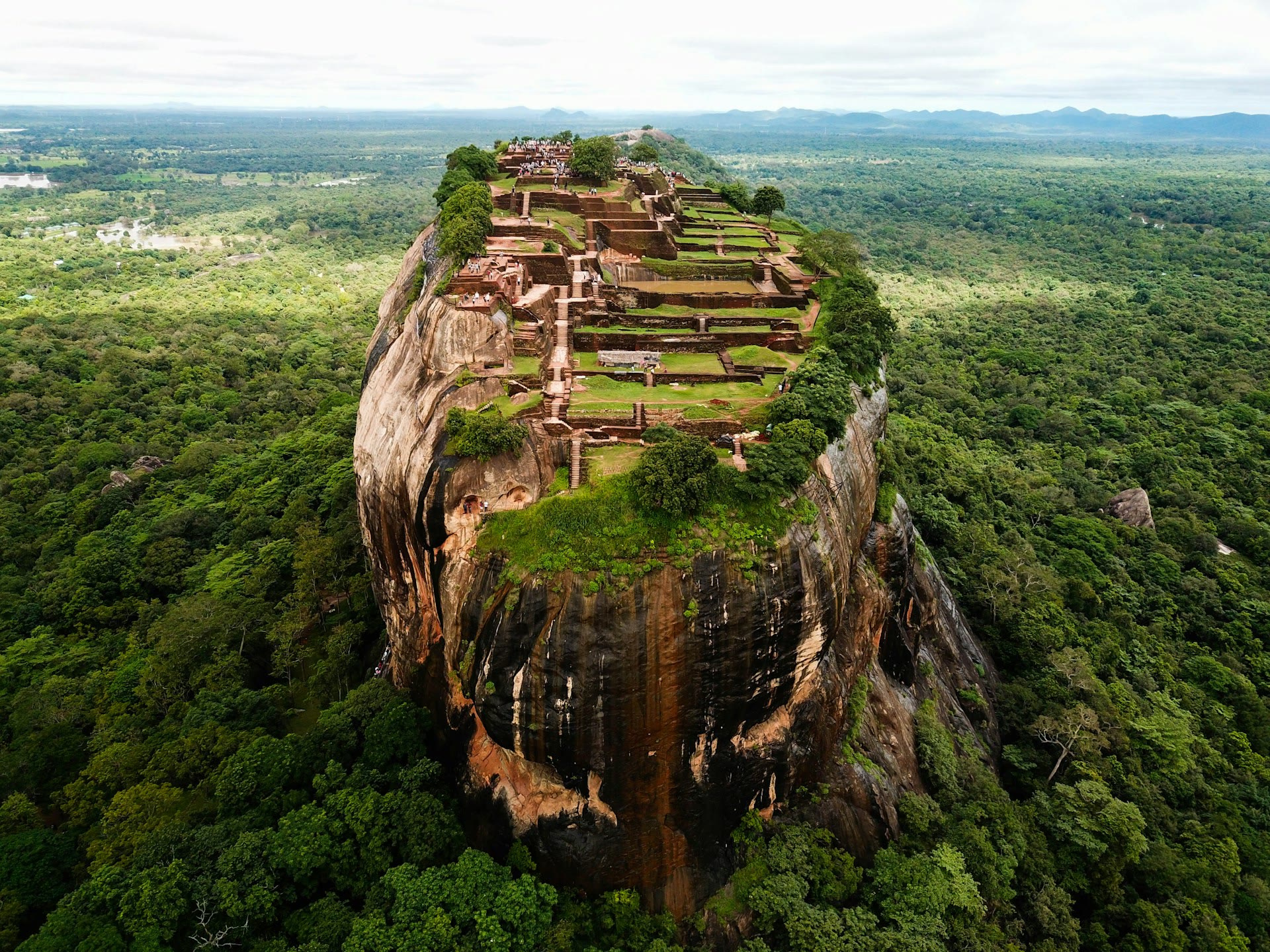
Photo: Dylan Shaw / Unsplash
Contents
- 1. Decide what you want to visit
- 2. History beyond the summit view
- 3. Gardens, paintings and the Mirror Wall
- 4. Plan the ascent
- 5. Ticket price and inclusions
- 6. Opening hours
- 7. Use the official booking channel
- 8. Getting there and choosing a base
- 9. Additional visits and site rules
- 10. Sources and background
- 11. Frequently Asked Questions
Decide what you want to visit
Sigiriya is worth the trip for the setting as much as for the view. The water gardens at the base, the paintings and the Mirror Wall on the rock and the palace remains on the summit are four different parts of one visit. If steep stairs or heights are hard for you, ask about the sections you can reach before you buy a ticket. Allow about three hours for the whole visit with pauses.
Things to Do
Offers are only loaded from GetYourGuide after you click. GetYourGuide can then process your IP address and set cookies. Privacy Policy
GetYourGuide partner offers. GoAsia may earn a commission if you book through these offers. Check whether tickets or transfers are included, and follow the attraction's official booking and admission rules.
History beyond the summit view
King Kashyapa I ruled from 477 to 495 CE. He seized the throne by murdering his father, King Dhatusena, then feared revenge from his half-brother Moggallana and abandoned Anuradhapura to build an impregnable palace on the rock.[1] When Moggallana returned with an army in 495, Kashyapa came down to meet him in battle and took his own life in defeat.[1] Sigiriya then passed to Buddhist monks, who kept a monastery here until the 14th century, after which the jungle reclaimed it.[1] The rock rises about 200 metres above the plains.[1]
Gardens, paintings and the Mirror Wall
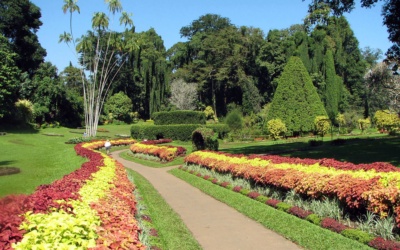
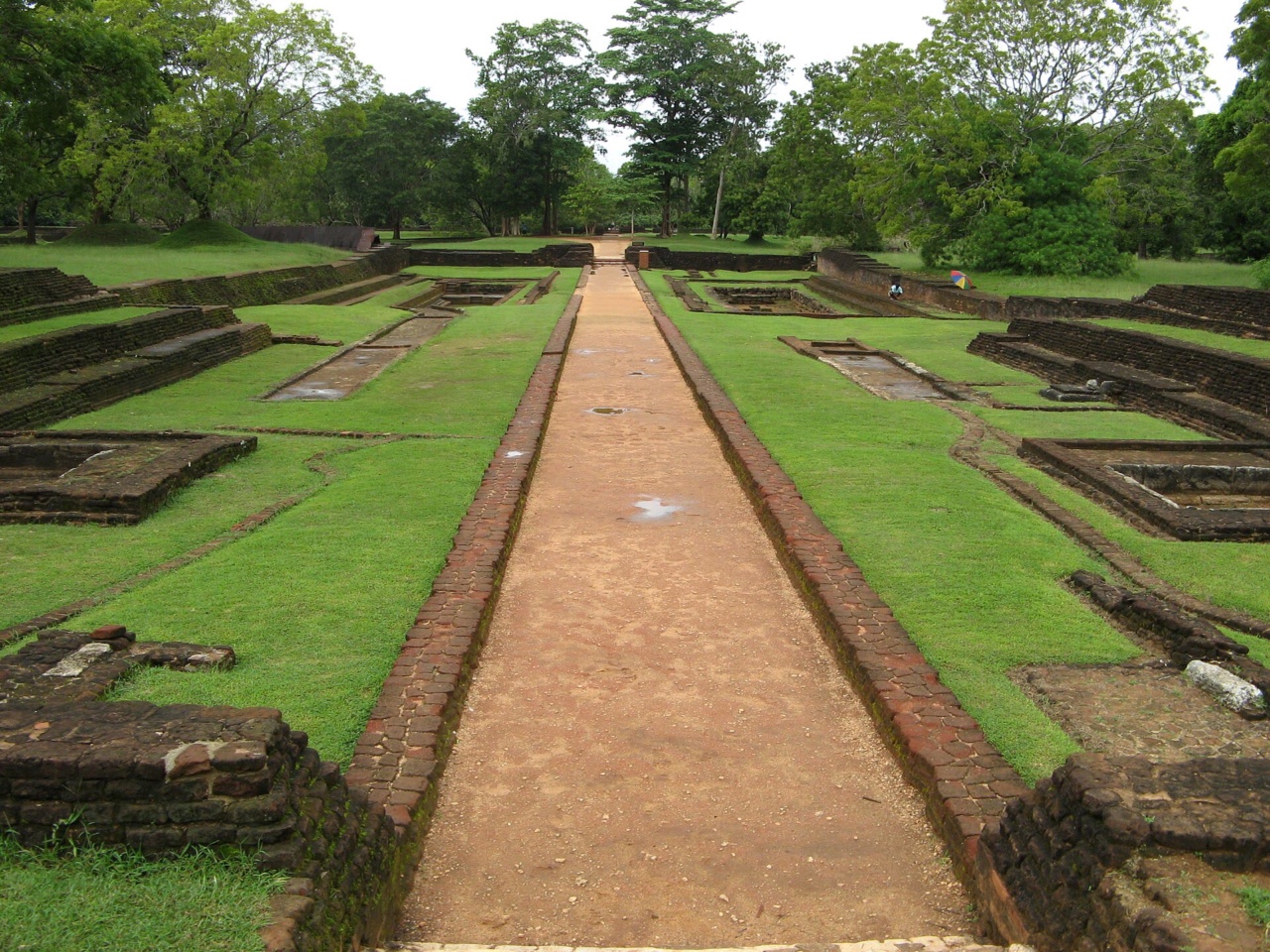
Take the site in stages. The western precinct holds three kinds of garden: symmetrical water gardens with pools and channels, a boulder garden where brick buildings and meditation platforms are built into huge natural boulders, and terraced gardens linked by stairways. The underground water system still feeds fountains in the rainy season.[1] On the rock, the lion's paws, each about 3 metres long, mark the old gateway to the summit.[1] On top, foundations, water tanks and the carved stone throne platform show how the palace was laid out.[1]
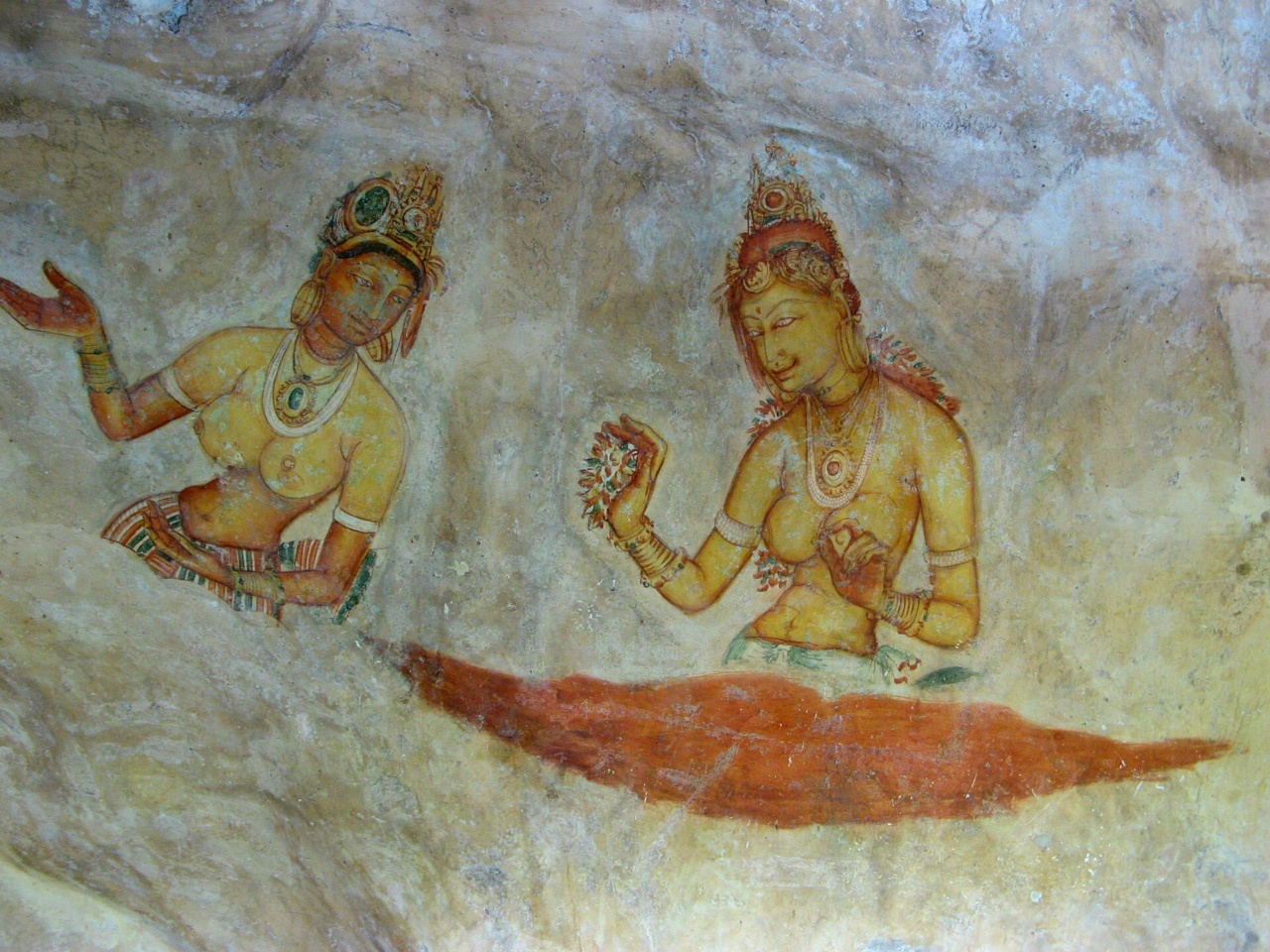
Halfway up, 22 paintings of the "Sigiriya Maidens" survive in a shallow rock shelter, and scholars still debate whether they show celestial nymphs, queens or goddesses.[1] Below them runs the Mirror Wall, once polished to a shine. Visitors scratched poems and reflections into it between the 6th and 14th centuries, and more than 1,800 inscriptions have been documented.[1] Do not touch the paintings or write on the wall.
Plan the ascent
The climb involves about 1,200 steps and steep staircases and takes 1.5 to 2 hours.[1] The gardens, museum, queues and descent come on top of that. Wear comfortable shoes, carry water and take breaks. Early morning or late afternoon brings cooler air and better light.[1]
Ticket price and inclusions
A Sigiriya "Full Ticket" costs USD 35 and a "Half Ticket" USD 20, or LKR 11,760 and LKR 6,720 at the CCF rate of 336 LKR per USD on 14 October 2026.[2] Prices are quoted in US dollars but payable in rupees at the current rate, and SAARC citizens get a 50 percent discount.[3] The Sigiriya Museum is included with a Sigiriya ticket.[3] The CCF price table also lists the museum as a separate USD 6 product.[2] A Cultural Triangle Round Ticket covers Sigiriya, Anuradhapura, Polonnaruwa and the archaeological museums, is valid for 2 months from first use and allows a single entry per site.[3]
Opening hours
The Central Cultural Fund gives 07:00 to 17:00 for Sigiriya and its ticket counters, and 08:00 to 17:00 for the museum.[3] The Department of Archaeology lists the site as open daily from 06:30 to 17:30.[4] Arrive early so you reach the summit well before closing.
Use the official booking channel
Book through the CCF eTicket service or at the site's ticket counter, not through a similarly named reseller. Online orders are valid for 90 days from purchase, and you collect the physical tickets by showing your booking receipt at the site's ticket counter.[3] A Sigiriya ticket is valid for a single entry.[3] Photography is included with the ticket, but professional filming and drones need prior written approval from CCF.[3]
Getting there and choosing a base
You can visit Sigiriya as a day trip from Colombo or Kandy, but the return drive makes for a long day, so many visitors stay in Sigiriya, Dambulla or Habarana. Compare the pickup address and the actual transfer to the entrance, not just the town name. Ask a private driver whether the quote is per vehicle or per person, and what it includes for waiting time, the return and extra stops.
Additional visits and site rules
Pidurangala is a separate climb with its own access and admission, and a sunrise climb there does not replace the Sigiriya ticket. Polonnaruwa has its own ticket at USD 30, and the Dambulla museum is a separate USD 3 ticket.[2] Choose one addition that fits your time rather than trying to see the whole Cultural Triangle in two or three days.
Keep to authorised routes and follow staff instructions where an area is restricted. Heritage site tickets do not include access to strict nature reserves.[3]
Sources and background
Numbers in the text such as [1] refer to these sources.
- [1] Central Cultural Fund, Sri Lanka: Sigiriya gardens, ascent, surviving paintings, palace and water engineering. Retrieved October 21, 2026.
- [2] Central Cultural Fund, Sri Lanka: Dated Sigiriya full and half ticket prices and displayed exchange-rate equivalents. Retrieved October 21, 2026.
- [3] Central Cultural Fund, Sri Lanka: CCF-side site, counter and museum hours, museum inclusion and single-entry scope. Retrieved October 21, 2026.
- [4] Department of Archaeology, Sri Lanka: Sigiriya location and archaeology-department hours, differing from CCF guidance. Retrieved October 21, 2026.
Frequently Asked Questions
The climb involves about 1,200 steps and steep staircases and takes 1.5 to 2 hours. Gardens, museum, queues and the descent come on top of that. Wear comfortable shoes, carry water and take breaks.
A Full Ticket costs USD 35 and a Half Ticket USD 20, or LKR 11,760 and LKR 6,720 at 336 LKR per USD on 14 October 2026. SAARC citizens get a 50 percent discount, and the Sigiriya Museum is included with the ticket.
Visit as a day trip from Colombo or Kandy, or stay in Sigiriya, Dambulla or Habarana. Compare pickup address and the actual transfer to the entrance, and ask a private driver whether the quote is per vehicle or per person and what it includes.
The Central Cultural Fund gives 07:00 to 17:00 for Sigiriya and its ticket counters and 08:00 to 17:00 for the museum, while the Department of Archaeology lists 06:30 to 17:30. Arrive early so you reach the summit well before closing.
Pidurangala is a separate climb with its own access and admission, and it does not replace the Sigiriya ticket. Add it only if you have the time and energy.
Yes. 22 paintings of the Sigiriya Maidens survive in a shallow rock shelter halfway up the climb. Do not touch them, and do not write on the Mirror Wall.
Polonnaruwa has its own USD 30 ticket and the Dambulla museum a separate USD 3 ticket. A Cultural Triangle Round Ticket covers Sigiriya, Anuradhapura, Polonnaruwa and the archaeological museums for 2 months. Choose one addition that fits your time.