Dambulla Cave Temple: five shrines and a practical visit plan
Contents
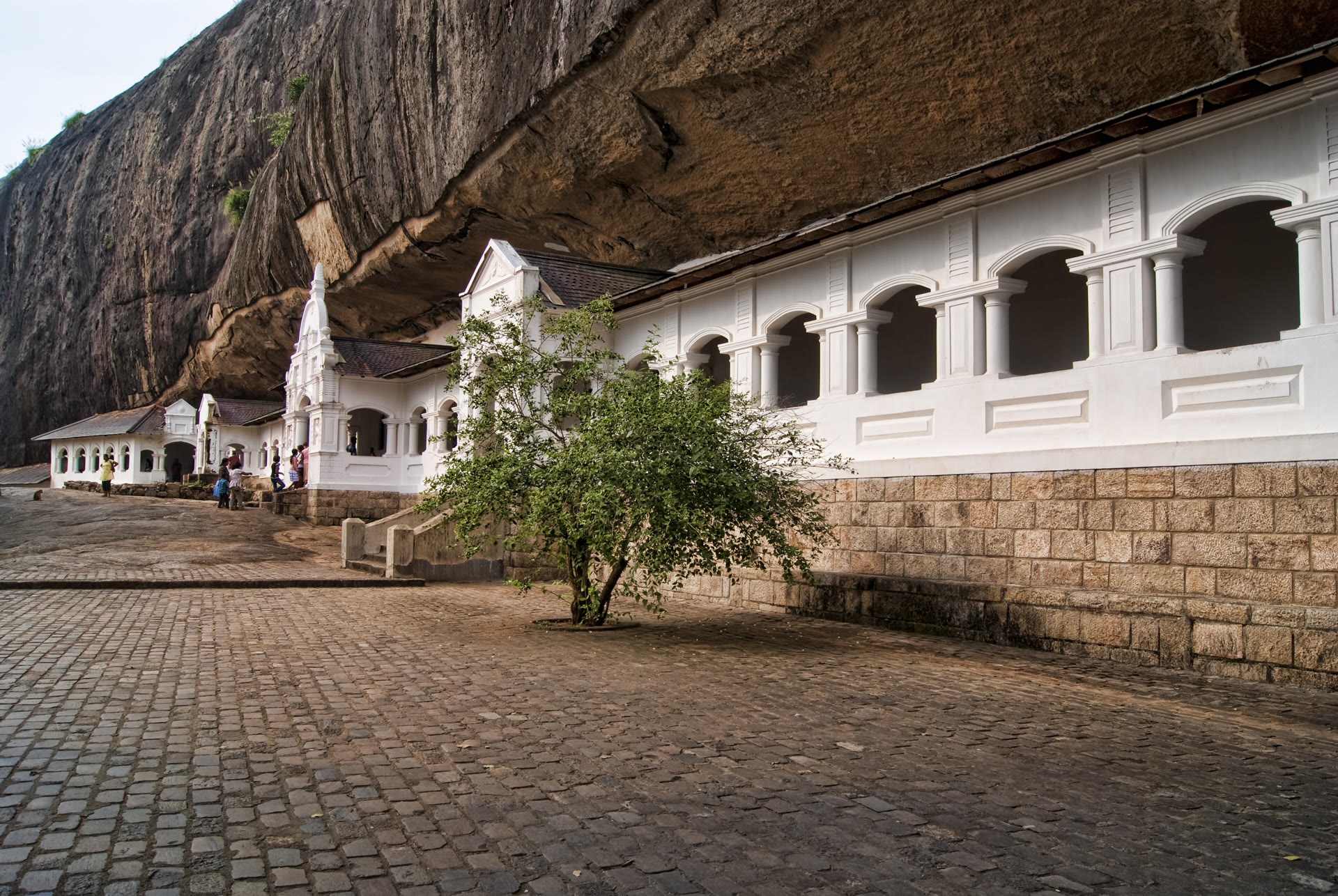
Choose Dambulla for Buddhist paintings and sculpture inside five living cave shrines. The caves sit on a granite outcrop that rises 160 metres above the plains, so the climb is part of the visit, and the reward is a view over the countryside with Sigiriya Rock in the distance.[1] Allow a half-day including your transfer, the climb and the return to your transport.
| Your priority | A useful plan |
|---|---|
| Paintings and sculpture | Give the largest shrine, Cave II, the most time, then compare the other caves |
| A visit with limited stamina | Take the climb slowly: it needs moderate effort[1] |
| Dambulla and Sigiriya | Plan two separate admissions and an unhurried transfer |
| A travel-day stop | Agree pickup, luggage arrangements and a return buffer with your driver |
The site has been a sacred pilgrimage place for 22 centuries. It is the largest and best-preserved cave-temple complex in Sri Lanka, with five sanctuaries, 157 statues and Buddhist murals covering 2,100 square metres.[2] The shrines took their present interior form in the 18th century and are still used for ritual today.[2] Leave worshippers space and look at the art without touching it. See also UNESCO’s Rangiri Dambulla entry.
What to look for in the five caves
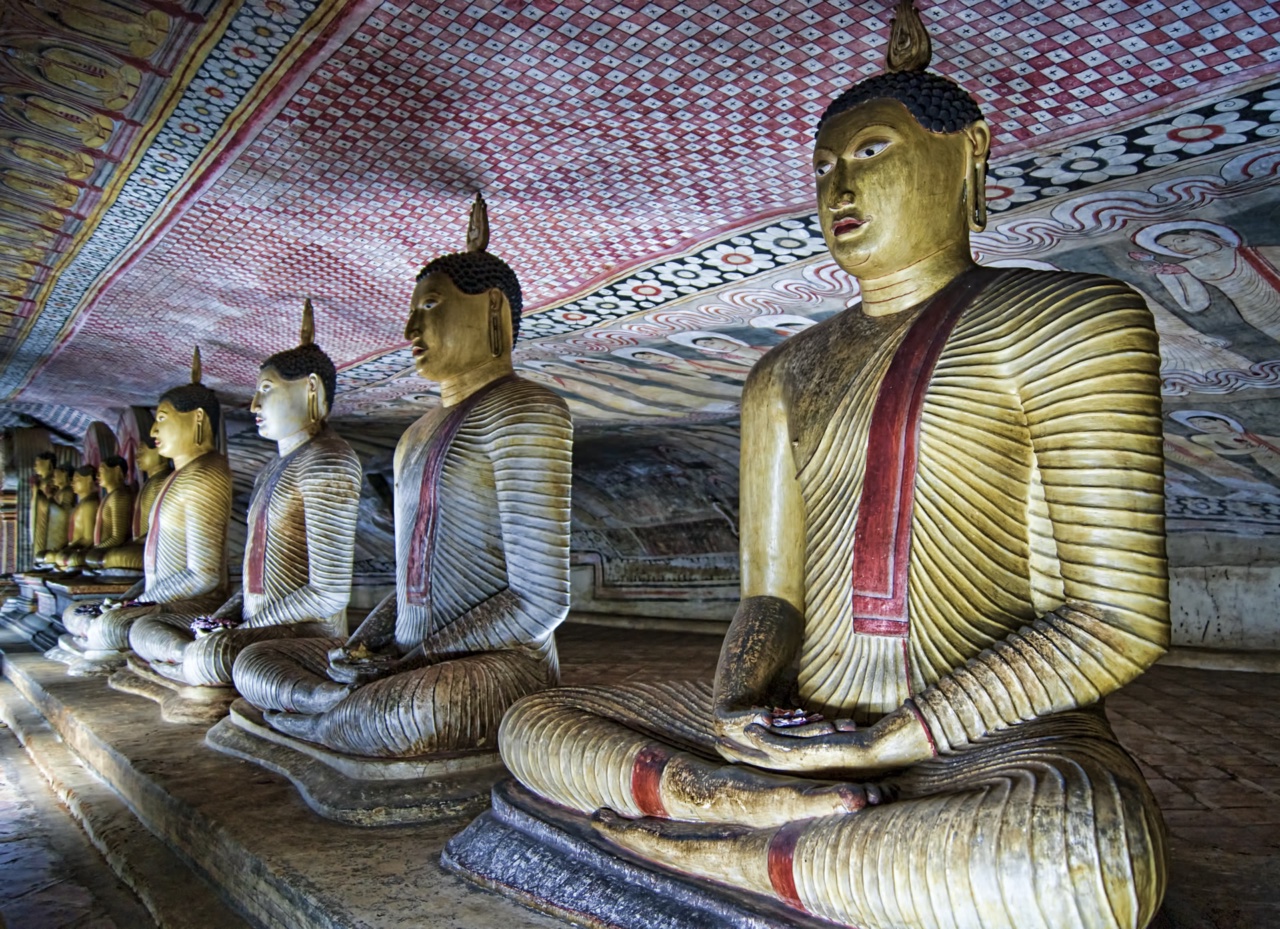
Start with the two big ones. Cave I, Devaraja Viharaya, holds a reclining Buddha 14 metres long, carved from solid rock. Cave II, Maharaja Viharaya, is the largest, about 52 metres wide and 23 metres deep, with 56 Buddha statues and painted walls and ceiling that show scenes from the Buddha’s life, Jataka tales and Sri Lankan Buddhist history.[1]
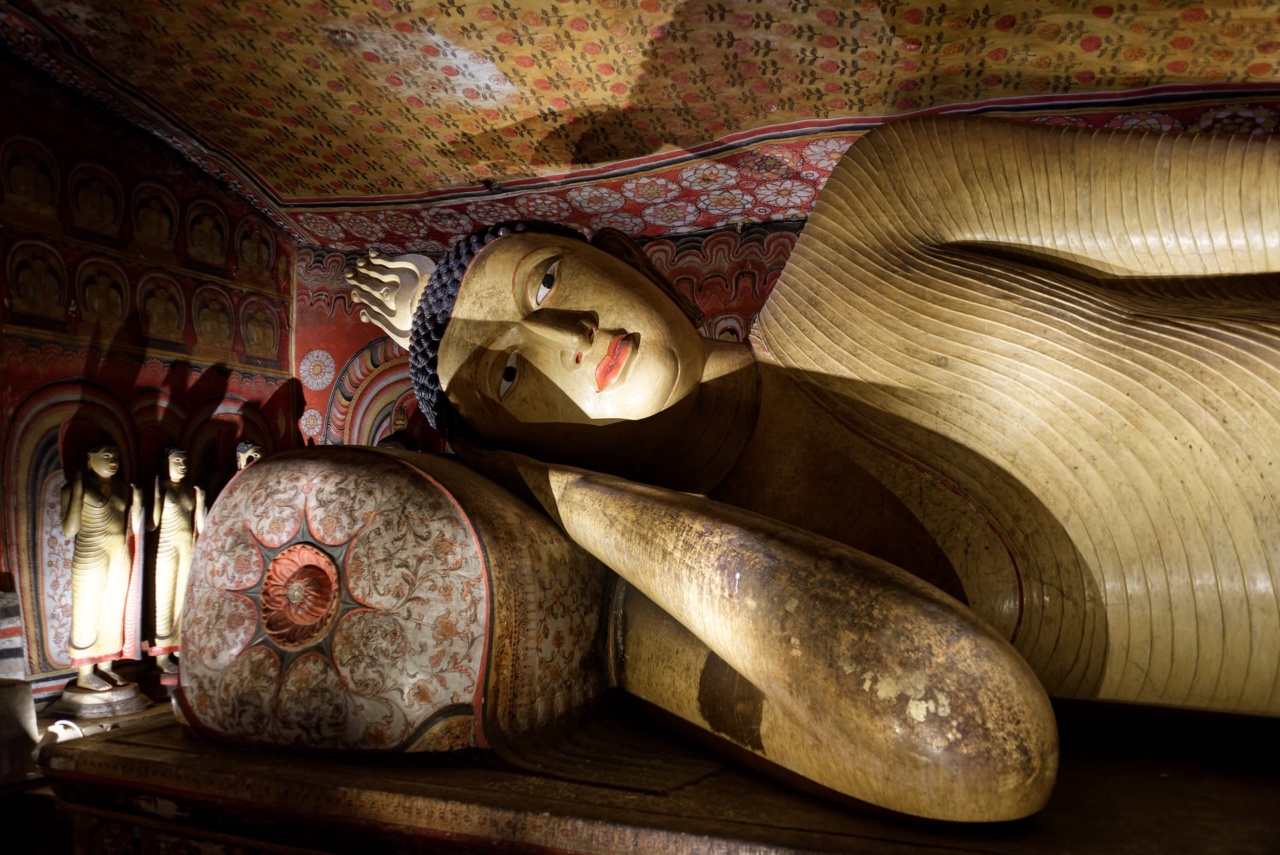
- Cave I: The reclining Buddha, with statues of the disciple Ananda and King Valagamba beside it.[1]
- Cave II: The great hall of painted surfaces and groups of Buddha figures.[1]
- Cave III, Maha Alut Viharaya: Added in the 18th century in the Kandyan period, with 50 Buddha images and elaborate wall paintings.[1]
- Cave IV, Pachima Viharaya: A smaller shrine with a dagoba and a central Buddha seated under a makara torana, a dragon arch.[1]
- Cave V, Devana Alut Viharaya: The newest shrine, also from the Kandyan era, with reclining Buddha images and Hindu deities.[1]
Give your eyes a moment to adjust to the interior light, keep visitor paths clear and compare the postures of the figures and how paintings and sculpture work together, rather than rushing to count them.
Things to Do
Offers are only loaded from GetYourGuide after you click. GetYourGuide can then process your IP address and set cookies. Privacy Policy
GetYourGuide partner offers. GoAsia may earn a commission if you book through these offers. Check whether tickets or transfers are included, and follow the attraction's official booking and admission rules.
Opening hours and the right ticket
Dambulla Cave Temple is open from 07:00 to 17:00, and the ticket counters at CCF heritage sites close at 17:00.[3] Come in the morning or early afternoon so you have time for the descent. The caves are owned by the monks of the Asgiriya Chapter, who run the site, and part of the gate collection from foreign tourists goes to their upkeep.[2]
The Cultural Triangle round ticket covers Sigiriya, Anuradhapura, Polonnaruwa and their archaeological museums, but not the Dambulla caves.[3] On the CCF price table, updated on 14 October 2026, Dambulla (Museum) costs 3 USD or 1,008 LKR for a full ticket and 1.50 USD or 504 LKR for a half ticket, including 18% VAT, at 336 LKR per USD. Sigiriya costs 35 USD or 11,760 LKR for a full ticket.[4] That Dambulla entry is the museum ticket, so say clearly at the counter which ticket you want.
For questions, call Dambulla Cave Temple on +94 66 228 4760 or the Wall Painting Museum on +94 76 555 7092, both listed in the CCF contact directory.[5]
The approach and respectful visiting
The caves are on a rock outcrop, not behind a street-level doorway, and the climb is a moderate effort.[1] Wear sturdy footwear you can take off easily, and bring water and protection from sun and rain. Cover your shoulders and knees, follow staff and signs about shoes, hats, bags and bottles, keep your voice low and ask before photographing worshippers. If you need assistance, arrange it before you travel.
Transport and the final approach
You can come by bus or with a hired vehicle. For a bus, work out the departure terminal, where to get off and how you will cover the last stretch to the caves, since the bus fare does not include the local transfer. For a tuk-tuk or car, agree the exact destination, the pickup and return point, waiting time and any extra stop, and settle whether the price is per vehicle or per person.
Combining Dambulla with Sigiriya
Use our Sigiriya Rock Fortress guide to compare the two visits. Dambulla centres on cave art and worship; Sigiriya is a different site with its own ticket and ascent.
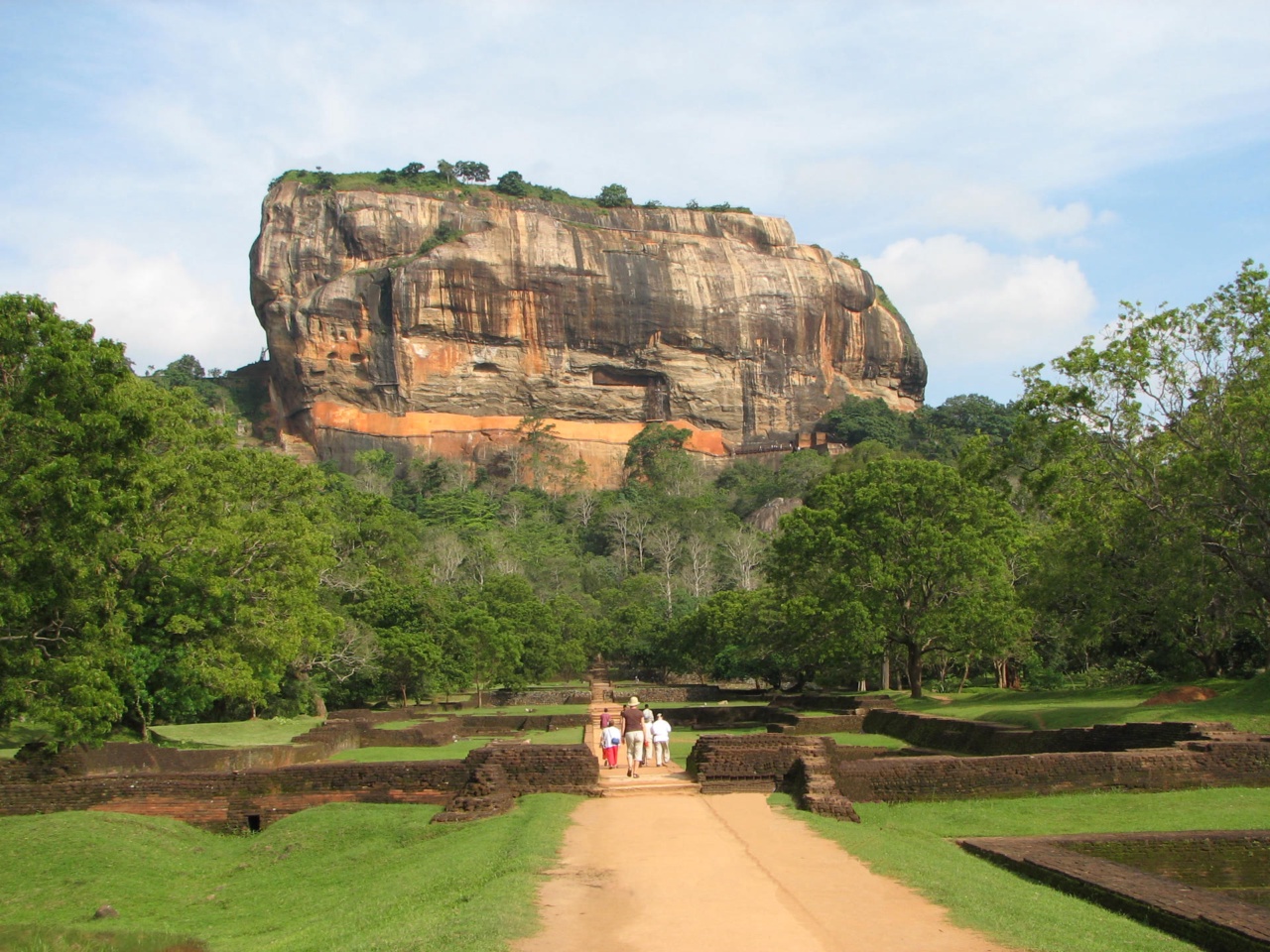
A full morning at Sigiriya can leave little stamina for another climb. Pick the one that matters more, or split them over two days, with a lunch and rest break between them and a return pickup that leaves room for delays. Our Sri Lanka travel overview can help you organise the wider route.
Sources and background
Numbers in the text such as [1] refer to these sources.
- [1] Central Cultural Fund, Sri Lanka: Dambulla Cave Temple history and five shrines. Retrieved October 20, 2026.
- [2] UNESCO World Heritage Centre: Rangiri Dambulla Cave Temple significance and management. Retrieved October 20, 2026.
- [3] Central Cultural Fund, Sri Lanka: Published heritage-site ticket and opening guidance. Retrieved October 20, 2026.
- [4] Central Cultural Fund, Sri Lanka: Dated site and museum price table. Retrieved October 20, 2026.
- [5] Central Cultural Fund, Sri Lanka: Site contacts and visitor enquiries. Retrieved October 20, 2026.
Frequently Asked Questions
Five living Buddhist shrines combine sculpture, painted walls and ceilings, and a pilgrimage tradition of 22 centuries. UNESCO counts 157 statues and about 2,100 square metres of murals across the complex.
The caves are open from 07:00 to 17:00, and ticket counters at CCF heritage sites close at 17:00. Come in the morning or early afternoon so you have time for the climb and descent.
Foreign visitors pay at the gate, and part of the gate collection supports the monks who maintain the site. CCF's price list shows Dambulla (Museum) at 3 USD (1,008 LKR) for a full ticket, so ask clearly for the ticket you want.
Plan a half-day including your transfer, the climb, time in the shrines, rests and the return to your transport.
Yes, but they are separate sites with their own tickets and ascents. Leave the second stop flexible or use two days, with a rest and lunch between them.
Clothing that covers shoulders and knees, sturdy footwear that is easy to take off, water and sun or rain protection. Follow signs and staff directions for shoes, hats, bags and bottles, and ask before photographing worshippers.
Cave I's 14-metre reclining Buddha and the large painted interior of Cave II are the best starting points. Then compare the Kandyan art in Cave III, the dagoba in Cave IV and the figures in Cave V, keeping worship and visitor paths clear.