Tonle Sap Lake: Villages, Seasonal Water and Tours
Contents
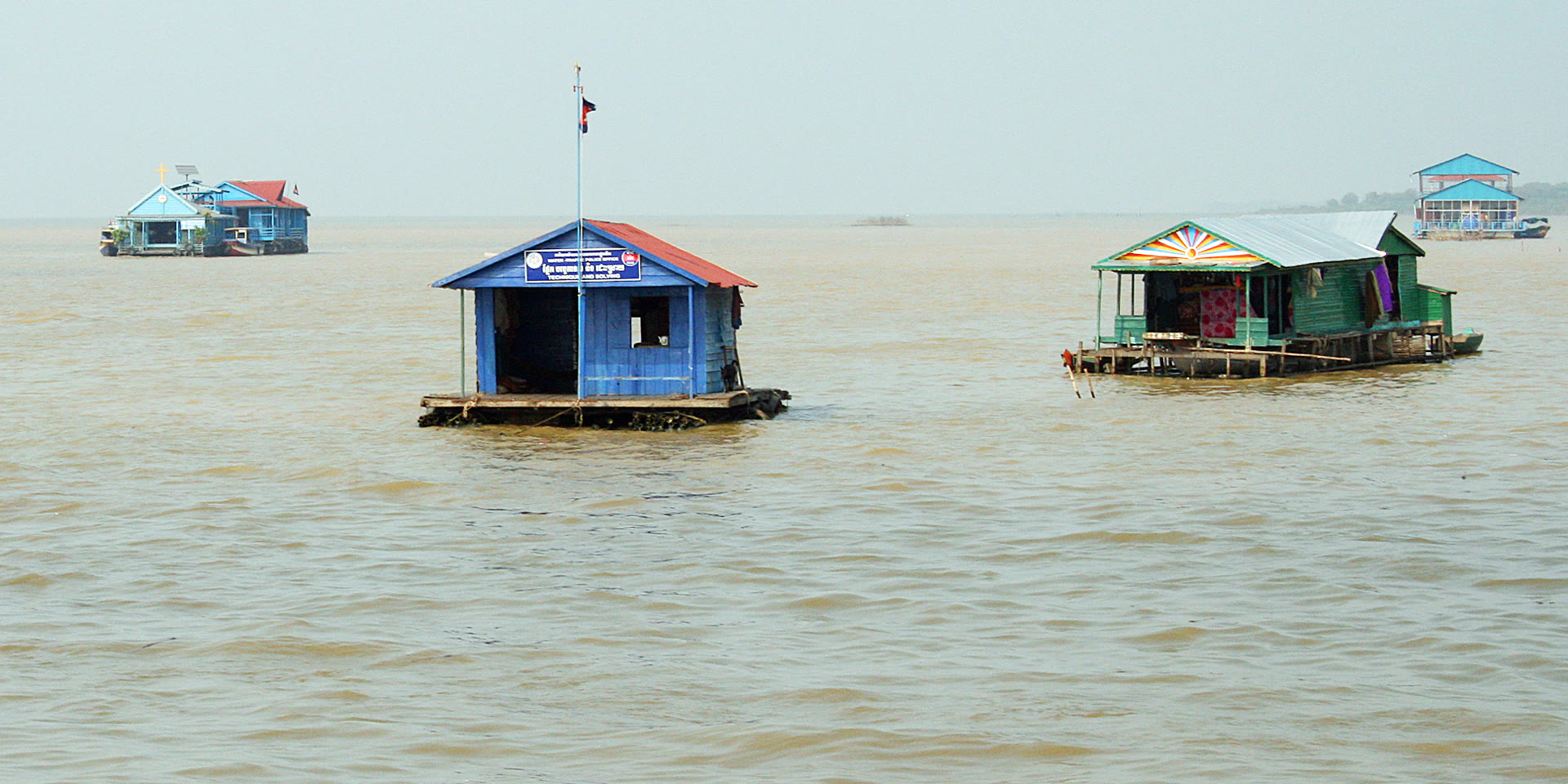
Tonle Sap is a lake and connected floodplain in Cambodia, where stilted villages and flooded forest sit on water that rises and falls with the seasons. Village visits are typically arranged from Siem Reap. The season shapes both the landscape and the route you can take, so choose a village and a tour first, then confirm departure, return, inclusions and water conditions for your date.
Understand the lake and its designation
Tonle Sap Lake is the centre of the Tonle Sap Biosphere Reserve, nominated to UNESCO's Man and the Biosphere Programme in 1997.[1] That is not the same as World Heritage listing: UNESCO treats the two programmes separately, and the Tonle Sap Biosphere Reserve is contiguous to the Angkor World Heritage Site.[2] The reserve includes the lake and surrounding basin landscapes.[1] Read UNESCO's Tonle Sap profile and UNESCO's explanation of World Heritage and Biosphere Reserves.
The water level is seasonal. During the wet season the flow reverses up the Tonle Sap River into the Great Lake, then returns toward the Mekong as the season ends.[3] Rainfall can expand the lake's size by up to five times.[1] This is the broad seasonal pattern; the water and boat route on your visit date can differ. See the Mekong River Commission's flow booklet.
Things to Do
Offers are only loaded from GetYourGuide after you click. GetYourGuide can then process your IP address and set cookies. Privacy Policy
GetYourGuide partner offers. GoAsia may earn a commission if you book through these offers. Check whether tickets or transfers are included, and follow the attraction's official booking and admission rules.
Compare two village trips
| Option | What it includes | Planning point |
|---|---|---|
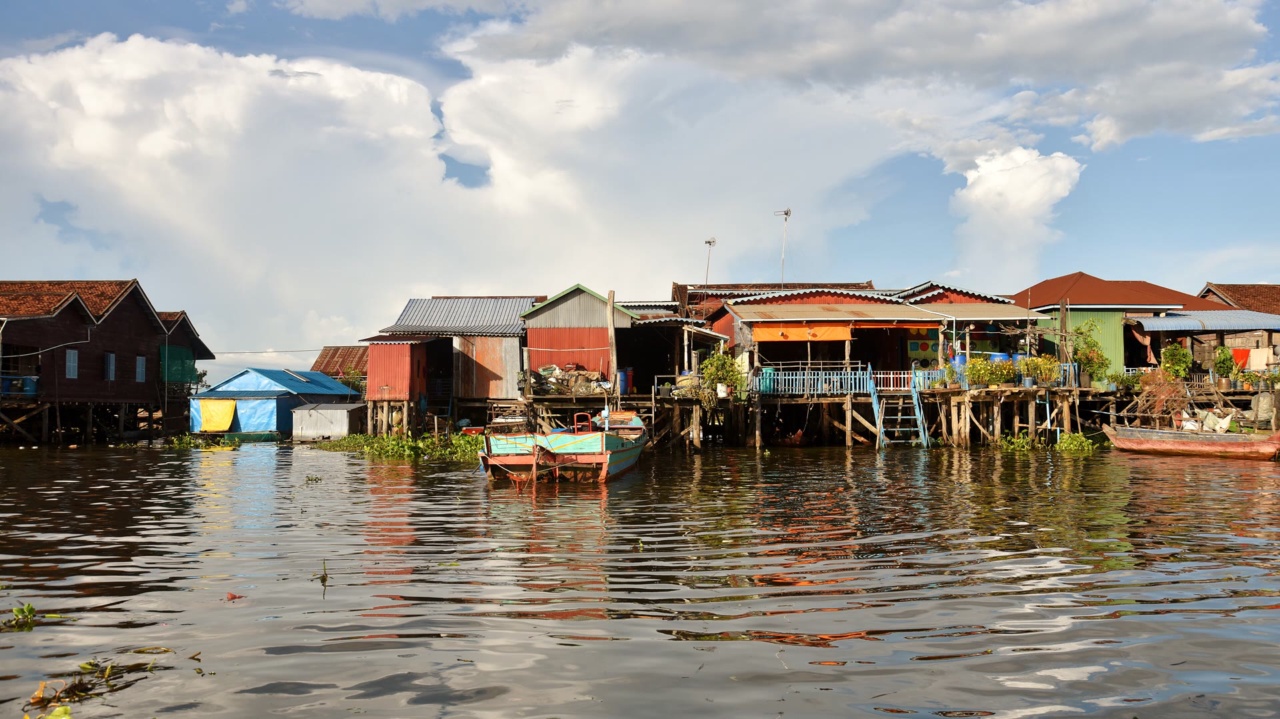
| Kompong Khleang, Community First shared group tour | An afternoon departure from Siem Reap at 2:00 pm, approximately 5.5 hours, for USD 38.50 per adult or USD 27.50 per child under 12. The price includes hotel pickup and drop-off, a local guide, boat tickets, tourism tax, water and snacks.[4] | After Kompong Khleang the tour stops at a floating village, where residents live on houseboats and move with the water levels. Children aged two and under cannot join the shared group tour, though they may join a private tour. A note dated April 2025 mentions a minimum of four guests; confirm it when you book.[4] |
| Kompong Phluk, Tara River Boat cruise | A cruise to a stilted village beside a flooded forest for USD 38 per person, with two Siem Reap time windows, 8:30 am to 1:00 pm or 2:30 pm to 7:00 pm. Hotel pickup and drop-off, a main boat and a small local boat are included.[5] | The FAQ calls it a four-hour tour, while the time windows span four and a half hours. Ask which timing applies to your booking, and whether water conditions affect the small-boat segment.[5] |
These two tours are examples, with prices as of October 2026, not a village entrance tariff or a market-wide comparison. Confirm the price per person, group size, transport, taxes, boat segments, child terms and cancellation conditions in writing before paying. Another operator's trip to the same village can differ.
Choose a visit that fits the day
The Kompong Khleang tour is a shared afternoon trip with a community boat visit and several stops in the village.[4] The Kompong Phluk cruise is a village visit with a small local-boat segment through the flooded forest.[5] Ask what the boat will cover on your travel date, how much time you spend on the lake, and where pickup and drop-off take place.
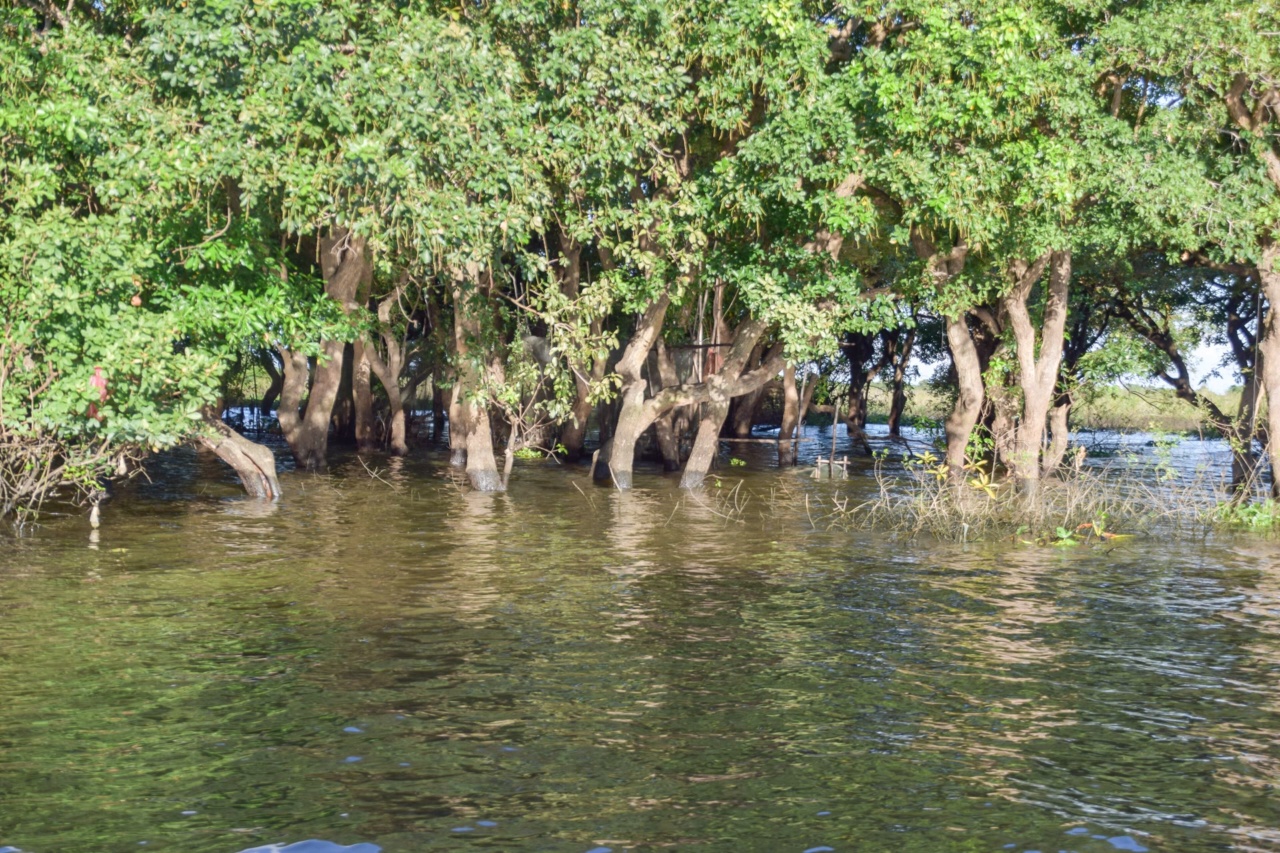
Seasonal water changes the look of the lake and can affect access by road or boat. Instead of looking for one best month, match the landscape you want to the operator's route description. If a small boat or low-water walk matters to you, ask whether it runs at the water level on your dates.
Visit respectfully
Village homes, schools and places of worship are lived-in spaces. Follow your guide's directions, ask before photographing people, and do not enter private homes or school grounds without an invitation. If you want to buy something or make a contribution, ask your guide or host about appropriate local options.
For more trip planning, see our Cambodia travel guide.
Sources and background
Numbers in the text such as [1] refer to these sources.
- [1] UNESCO Man and the Biosphere Programme: Tonle Sap Biosphere Reserve. Retrieved October 15, 2026.
- [2] UNESCO World Heritage Centre: World Heritage Sites and Biosphere Reserves. Retrieved October 15, 2026.
- [3] Mekong River Commission: The Flow of the Mekong, Management Information Booklet No. 2. Retrieved October 15, 2026.
- [4] Community First, Kompong Khleang: Shared Group Tour. Retrieved October 15, 2026.
- [5] Tara River Boat: Kompong Phluk Village Cruise. Retrieved October 15, 2026.
Frequently Asked Questions
Tonle Sap Lake is the centre of the Tonle Sap Biosphere Reserve. During the wet season the flow reverses up the Tonle Sap River into the lake, then returns toward the Mekong as the season ends. The pattern shapes the landscape, but the water level and boat route on a given date can differ.
No. UNESCO lists Tonle Sap as a Biosphere Reserve under its Man and the Biosphere Programme, a separate programme from World Heritage. The reserve is contiguous to the Angkor World Heritage Site.
Community First's shared afternoon tour costs USD 38.50 per adult and USD 27.50 per child under 12, including pickup and drop-off, guide, boat tickets, tourism tax, water and snacks. Children aged two and under cannot join this shared tour. Prices as of October 2026; reconfirm them before booking.
Tara River Boat charges USD 38 per person, including hotel transfers, the main boat and a small local boat. It runs in a morning or an afternoon time window. Ask which schedule, route and inclusions apply on your date.
Compare the itineraries. Community First's shared afternoon tour goes to Kompong Khleang with a community boat visit and village stops. Tara River Boat's cruise goes to Kompong Phluk with a small local-boat segment through the flooded forest. Ask each provider what is running on your date and how the route responds to the water level.
Water levels change with the seasons, and rainfall can expand the lake up to five times. Choose dates based on the landscape you hope to see, then confirm the route and water conditions with the provider.
Both tours depart from Siem Reap and include hotel pickup and drop-off. Confirm your pickup area, start time, return time, group size and all boat or road segments with your provider.
Treat villages as people's homes, not attractions to enter freely. Follow your guide, ask before taking photographs, and do not enter homes or school grounds without an invitation. Ask your guide or host about appropriate local purchases or contributions.