
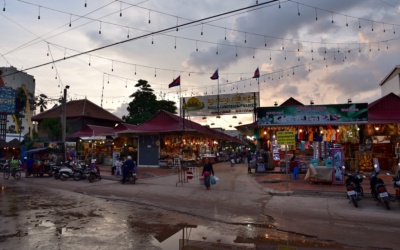
Siem Reap
Siem Reap is the gateway to Angkor Wat and the sprawling Khmer temple complex, but the city itself has grown into a destination worth savoring.
Last updated: October 15, 2026
When to go
Climate and best time for Siem ReapBest months: November to February
- January: Great. 32 °C by day, 20 °C at night, 2 mm of rain
- February: Great. 33 °C by day, 22 °C at night, 6 mm of rain
- March: Good (very hot). 35 °C by day, 24 °C at night, 23 mm of rain
- April: Good (very hot). 36 °C by day, 25 °C at night, 58 mm of rain
- May: Mixed (a lot of rain and very hot). 35 °C by day, 25 °C at night, 155 mm of rain
- June: Good (a lot of rain). 34 °C by day, 25 °C at night, 169 mm of rain
- July: Good (a lot of rain). 32 °C by day, 25 °C at night, 197 mm of rain
- August: Good (a lot of rain). 32 °C by day, 25 °C at night, 213 mm of rain
- September: Mixed (a lot of rain). 32 °C by day, 24 °C at night, 248 mm of rain
- October: Good (a lot of rain). 31 °C by day, 24 °C at night, 189 mm of rain
- November: Great. 32 °C by day, 22 °C at night, 65 mm of rain
- December: Great. 31 °C by day, 20 °C at night, 17 mm of rain
- Great
- Good
- Mixed
- Poor
Contents
- 1. Orientation and Neighborhoods
- 1.1 Old Market and Pub Street Area
- 1.2 Wat Bo and the French Quarter
- 1.3 Sivatha Boulevard and Surrounds
- 1.4 Charles de Gaulle Boulevard (Road to Angkor)
- 1.5 Kandal Village
- 2. Best Time to Visit
- 3. Getting There and Getting Around
- 3.1 Arriving in Siem Reap
- 3.2 Getting Around the City
- 4. Top Sights and Experiences
- 4.1 Must-See Temples
- 4.2 Lesser-Known Gems
- 4.3 Overrated Attractions
- 5. Food and Drink
- 5.1 Signature Dishes
- 5.2 Where to Eat
- 6. Where to Stay
- 6.1 Budget (Under $15 per night)
- 6.2 Mid-Range ($15 - $60 per night)
- 6.3 Upscale ($60 - $300+ per night)
- 7. Practical Tips
- 8. Day Trips
- 8.1 Beng Mealea
- 8.2 Koh Ker
- 8.3 Kompong Phluk
- 8.4 Battambang
- 8.5 Phnom Kulen National Park
- 9. Sample 3-Day Itinerary
- 9.1 Day 1: The Grand Circuit and City Evening
- 9.2 Day 2: Outer Temples and Countryside
- 9.3 Day 3: Tonle Sap and Departure Prep
- 10. Budget Overview
- 11. Frequently Asked Questions
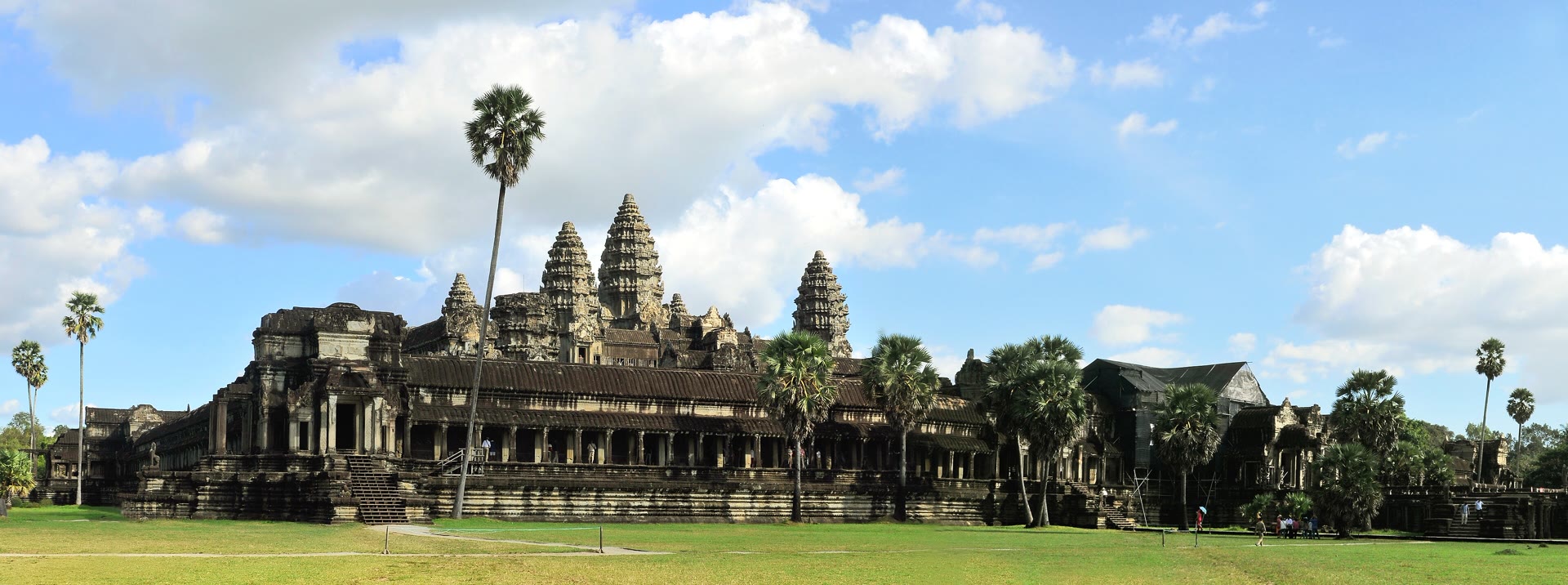
Dawn breaks over Angkor Wat and a thousand silhouettes raise their phones in unison, yet somehow the moment still delivers. The sheer scale of the temple, the pink light flooding its five towers, the sound of birdsong bouncing off 900-year-old sandstone - no amount of Instagram saturation can dull the real thing. Siem Reap exists because of this temple complex, but over the past two decades it has quietly assembled its own identity: a small Cambodian city with outsized ambition, world-class dining hiding behind modest storefronts, and a creative scene fueled by NGOs, expats, and young Khmer entrepreneurs.
The city is compact, affordable, and easy to navigate, making it one of the most approachable destinations in mainland Southeast Asia. Solo travelers find community along Pub Street and in the guesthouses of the old French Quarter. Couples discover romantic sunsets from temple summits. Families appreciate the flat terrain, short distances, and genuine warmth Cambodians show toward children. Even seasoned travelers who have "done" Angkor Wat often return to explore the outer temples, ride bikes through rice paddies, and eat their way through the night markets.
What catches many visitors off guard is how much there is to do beyond the temples. The Tonle Sap floating villages offer a glimpse into a water-based way of life. The countryside is dotted with silk farms, pepper plantations, and community-run ecotourism projects. And the city center, once just a pit stop for temple-goers, now holds its own with circus performances, cooking classes, and galleries showcasing contemporary Cambodian art.
Orientation and Neighborhoods
Siem Reap is small and flat, centered on the Siem Reap River that trickles through town from north to south. Nearly everything a tourist needs falls within a 3-kilometer radius of the Old Market (Psar Chas), making the city remarkably walkable once you know the layout.
Old Market and Pub Street Area
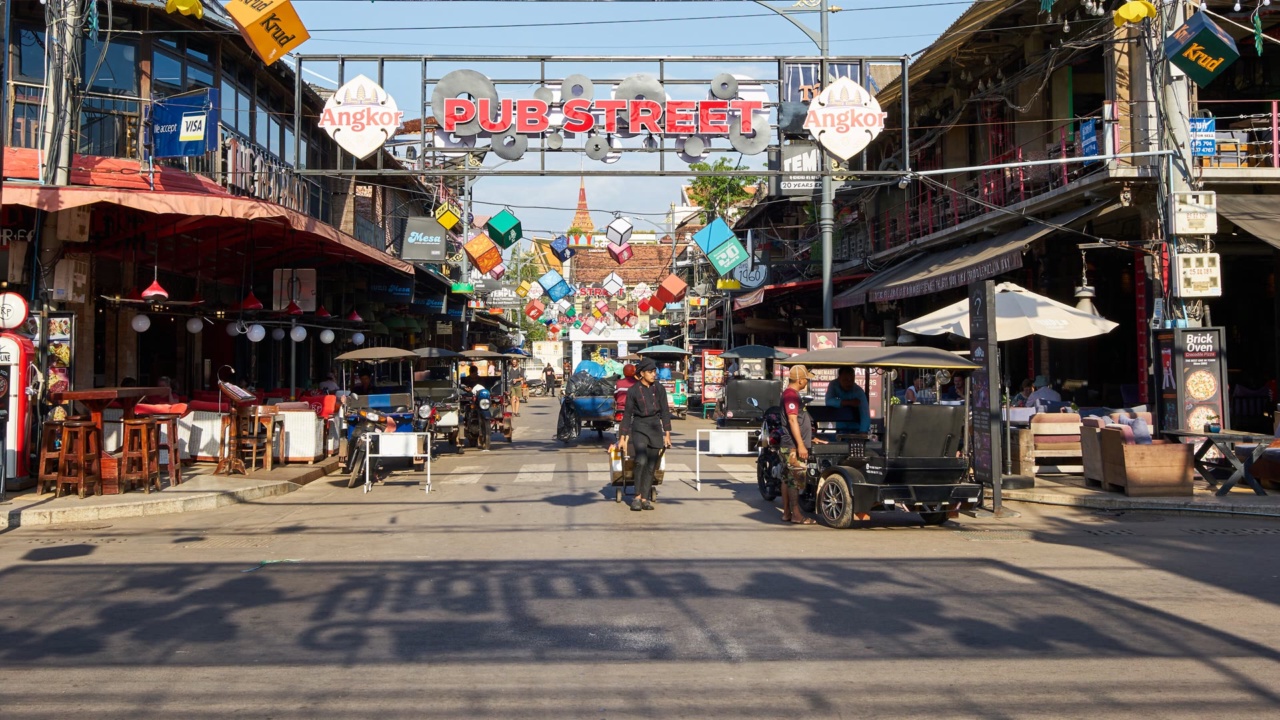
This is ground zero for tourism. Pub Street is a pedestrianized strip of bars, restaurants, and souvenir shops that pulses every night. The Old Market itself sells everything from spices to silk scarves during the day. Staying here puts you within stumbling distance of nightlife but at the cost of noise and tourist-inflated prices. Best for solo travelers and those who want to be in the thick of things.
Wat Bo and the French Quarter
East of the river, Wat Bo Road and the surrounding streets form a quieter, more characterful neighborhood. Colonial-era shophouses sit alongside boutique hotels, art galleries, and some of the city's best restaurants. This is the sweet spot for mid-range travelers and couples who want atmosphere without the Pub Street chaos.
Sivatha Boulevard and Surrounds
The main commercial artery running south from the Old Market area, Sivatha Boulevard is where locals shop, eat, and go about daily life. Budget guesthouses cluster along the side streets. It is less polished but more authentic, and prices for food and services drop noticeably.
Charles de Gaulle Boulevard (Road to Angkor)
The wide boulevard leading north toward the temples is lined with upscale resorts, spas, and international restaurants. Staying here makes sense if you want luxury and a slightly shorter commute to Angkor, though you will need a tuk-tuk to reach the city center.
Kandal Village
A stretch of Hap Guan Street between the river and Sivatha Boulevard has emerged as Siem Reap's hipster enclave. Independent coffee roasters, design shops, and plant-filled cafes line this narrow lane. It is worth a morning stroll even if you are not staying nearby.
Things to Do
Offers are only loaded from GetYourGuide after you click. GetYourGuide can then process your IP address and set cookies. Privacy Policy
GetYourGuide partner offers. GoAsia may earn a commission if you book through these offers. Check whether tickets or transfers are included, and follow the attraction's official booking and admission rules.
Best Time to Visit
Cambodia has two seasons: wet and dry. Siem Reap sits on a flat plain, so weather swings between scorching heat and tropical downpours with little middle ground.
| Season | Months | Weather | Crowds | Prices |
|---|---|---|---|---|
| Cool Dry | Nov - Feb | Comfortable, 25-32C, low humidity | Peak season, busiest | Highest |
| Hot Dry | Mar - May | Extremely hot, 35-40C, dusty | Moderate | Moderate |
| Wet Season | Jun - Oct | Afternoon storms, lush greenery, 28-34C | Low season | Lowest |
The cool dry season from November through February is the most popular window. Temperatures are bearable for long temple days, rain is rare, and the light is beautiful for photography. The trade-off is larger crowds and higher hotel prices, especially around Christmas and Lunar New Year.
The wet season is underrated. Rain typically falls in intense afternoon bursts lasting one to two hours, leaving mornings clear for temple visits. The moats around Angkor Wat fill up, reflecting the towers perfectly. Hotel rates drop by 30 to 50 percent, and you will have many smaller temples almost to yourself. The downside is that some dirt roads to remote temples become muddy or impassable.
Khmer New Year (mid-April) brings festive energy but also extreme heat and domestic tourism crowds. The Water Festival (usually November) is another vibrant local celebration worth timing a visit around if you enjoy cultural immersion.
Getting There and Getting Around
Arriving in Siem Reap
Flights for Siem Reap use Siem Reap-Angkor International Airport (SAI), not the former REP airport. The old airport stopped operating in October 2023. SAI is outside town, so arrange your onward airport transfer and confirm the pickup point with your hotel or transport provider. Do not use the old airport's short transfer time or fare as a guide. Check the airline's current airport listing and the airport operator's information.
Overland options include buses from Phnom Penh (roughly 6 hours, around $10 to $15). The Poipet-Aranyaprathet land crossing from Bangkok is currently closed, according to the UK Foreign Travel Advice for Thailand checked on 3 October 2026, so do not plan this route until official authorities confirm reopening. Boats from Battambang along the Sangker River operate in the wet season and offer a scenic, if slow, journey. For detailed transport routes and booking options, GoAsia.cc has comprehensive listings covering Cambodia connections.
Getting Around the City
Tuk-tuks are the default transport. A ride within the city center costs $1 to $3. Hiring a tuk-tuk driver for a full day of temple exploration runs $15 to $20, and most drivers know the circuit well. Agree on the price and itinerary before departing.
Grab and PassApp both work in Siem Reap and are useful for getting transparent pricing, though tuk-tuk drivers sometimes cancel app rides. Renting a bicycle (around $2 to $3 per day) is a wonderful way to explore both the city and the closer Angkor temples if you can handle the heat. E-bikes and electric scooters are increasingly available for around $8 to $12 per day. Note that foreigners are technically not permitted to rent motorbikes in Siem Reap, though enforcement varies.
The city center is very walkable, especially the Old Market, Wat Bo, and Kandal Village areas. Distances to the temples, however, require wheels - Angkor Wat is about 6 km from the center.
Top Sights and Experiences
Must-See Temples
Angkor Wat: The world's largest religious monument deserves at minimum half a day. Arrive for sunrise (gates open at 5:00 AM) and position yourself at the left reflecting pool for the classic shot, but know that the temple itself is best explored mid-morning when sunrise crowds thin out. The bas-reliefs along the outer gallery stretch for nearly 800 meters and depict scenes from Hindu mythology and Khmer history - bring a flashlight or phone light to see the details in the darker corridors. Budget two to three hours for a thorough visit.
Angkor Thom and Bayon: The walled city of Angkor Thom is entered through dramatic gates flanked by stone giants. At its heart, Bayon temple features over 200 serene stone faces gazing in every direction. Visit in the early morning or late afternoon when the light plays across the faces. The Terrace of the Elephants and Terrace of the Leper King within Angkor Thom are worth walking but do not require much time individually.
Ta Prohm: The "Tomb Raider temple" where massive silk-cotton trees have swallowed the ruins. It is photogenic and atmospheric, but also extremely crowded by mid-morning. Arrive right at opening or visit in the late afternoon. The real magic is in the quieter back sections away from the main path.
Banteay Srei: Located about 25 km northeast of the main complex, this smaller temple contains the finest stone carvings in all of Angkor. The pink sandstone reliefs are extraordinarily detailed. Worth the extra drive, especially combined with Banteay Samre on the way back.
Preah Khan: A sprawling monastery complex with atmospheric corridors, tree roots, and far fewer visitors than Ta Prohm. Allow an hour to wander through its maze-like layout.
Lesser-Known Gems
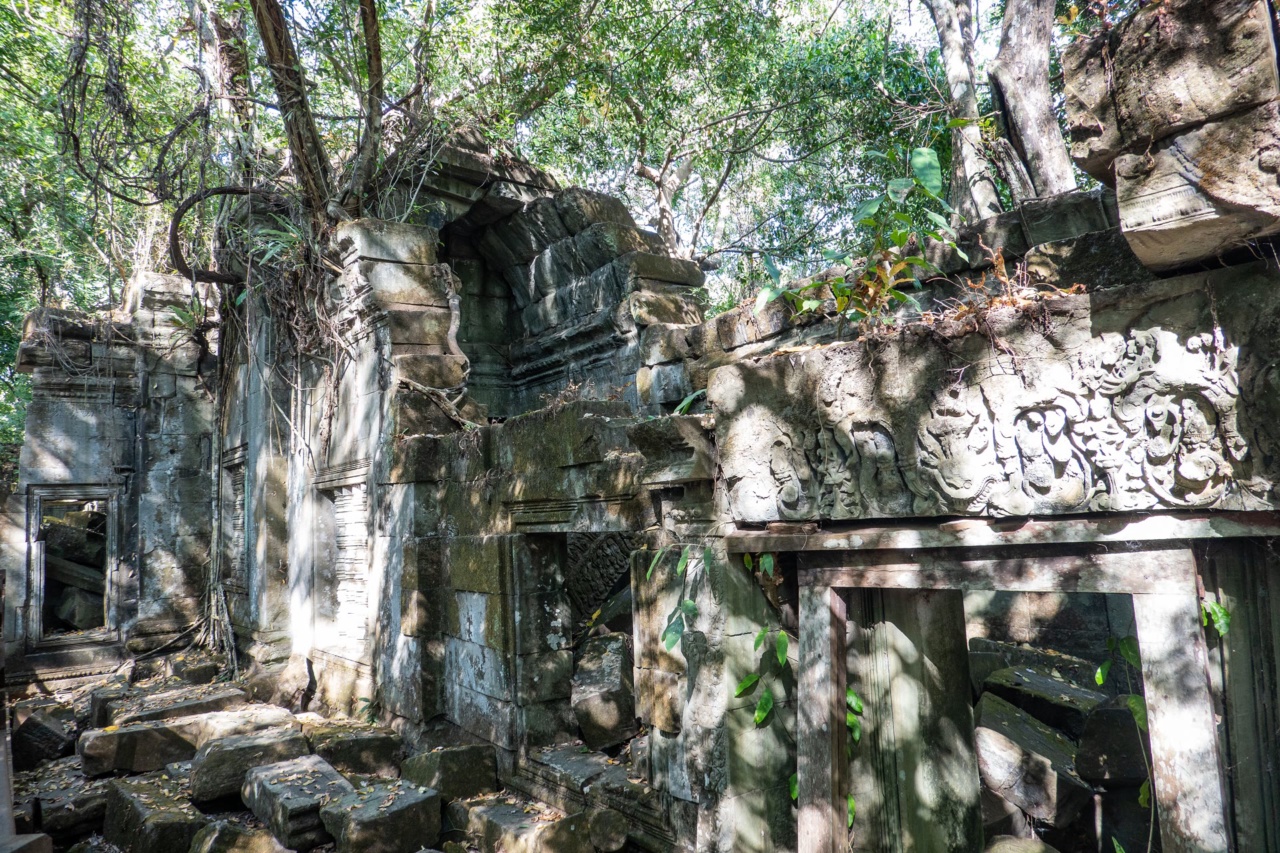
Beng Mealea: About 70 km east of Siem Reap, this unrestored jungle temple feels like genuine exploration. Collapsed galleries, tree roots snaking through doorways, and almost no guardrails create an Indiana Jones atmosphere. A half-day trip, often combined with Koh Ker.
Phnom Kulen: A sacred mountain about 50 km from town with a reclining Buddha, a river of thousand lingas (carved phallic symbols in the riverbed), and a waterfall popular with locals. It is a full-day commitment and the road is rough, but the cultural significance is immense.
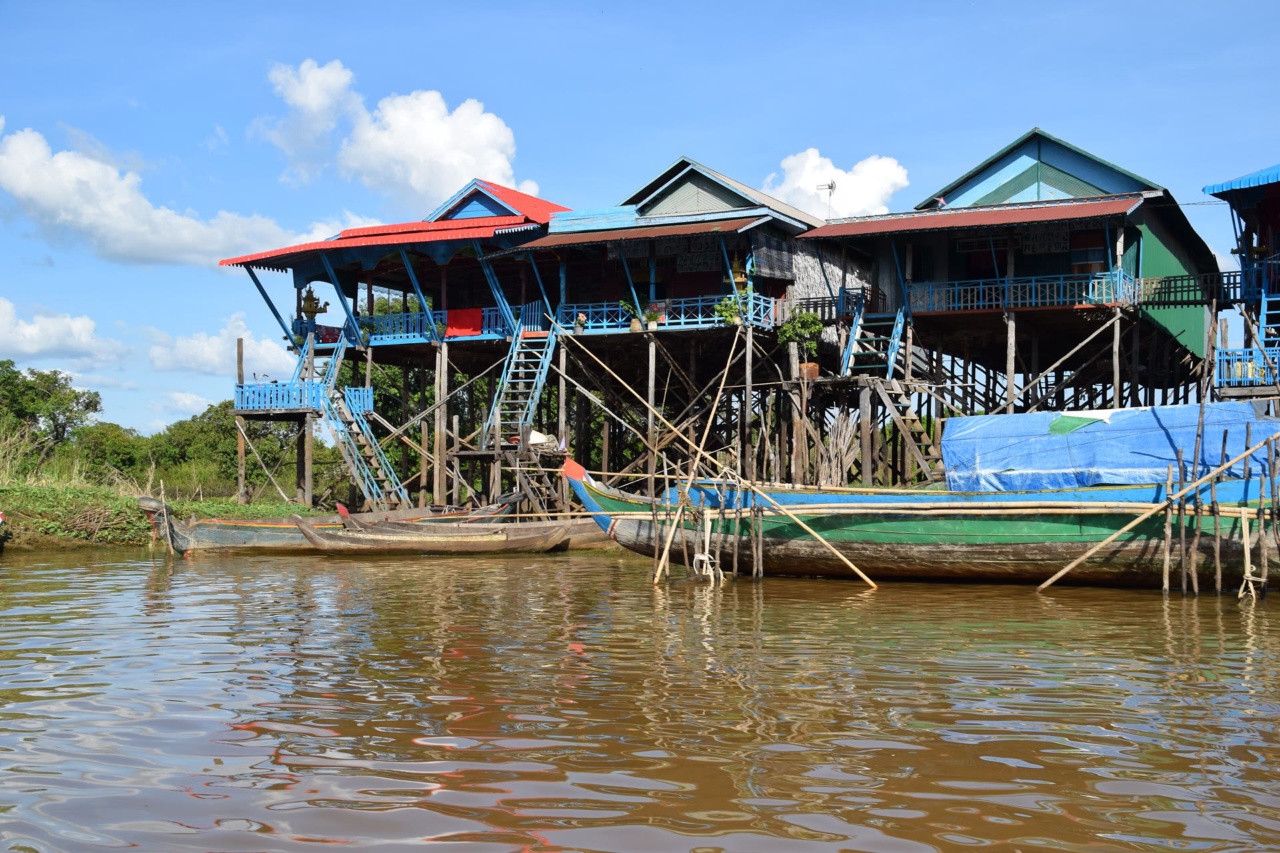
Tonle Sap Floating Villages: Kompong Khleang is the most authentic floating village, about 50 km from Siem Reap. Unlike the closer Chong Kneas (which has become overly touristy with aggressive souvenir selling), Kompong Khleang is a genuine community of stilted houses where life revolves around fishing. Go with a local guide and visit during the wet season when water levels are high.
Phare, The Cambodian Circus: Not a traditional circus but a performing arts show blending acrobatics, theater, music, and dance. The performers are graduates of a social enterprise that supports at-risk youth. Shows run most evenings and tickets cost around $18 to $38. It is genuinely one of the best live performances in Southeast Asia.
Overrated Attractions
Pub Street after 10 PM: Unless you specifically want cheap buckets of cocktails and thumping music, Pub Street devolves into a generic backpacker party strip that could be anywhere in Southeast Asia. The surrounding side streets have far more interesting bars.
Chong Kneas Floating Village: The closest floating village to Siem Reap has become a tourist trap with inflated boat prices and aggressive pressure to buy overpriced drinks or visit a crocodile farm. Kompong Khleang or Kompong Phluk are better alternatives.
Angkor Wat sunrise from the main pond: Iconic, yes, but the experience involves standing in a dense crowd of hundreds. If you have already seen the photos, consider skipping the sunrise spectacle and arriving at 7:00 AM instead, when you can explore the temple in relative peace with beautiful morning light.
Food and Drink
Siem Reap's food scene punches well above its weight for a city of its size. Khmer cuisine is distinct from its Thai and Vietnamese neighbors - less spicy, more aromatic, with liberal use of lemongrass, galangal, turmeric, and prahok (fermented fish paste).
Signature Dishes
| Dish | Description | Where to Try | Typical Price |
|---|---|---|---|
| Fish Amok | Coconut curry with fish steamed in banana leaf, Cambodia's national dish | Khmer restaurants along Wat Bo Road | $3 - $5 |
| Lok Lak | Stir-fried beef with pepper-lime dipping sauce, served on lettuce with a fried egg | Local eateries on Sivatha side streets | $3 - $4 |
| Nom Banh Chok | Rice noodles with green fish curry, eaten for breakfast, topped with fresh herbs and bean sprouts | Morning market stalls near Psar Chas | $1 - $1.50 |
| Beef Loc Lac | Cubed beef in a tangy sauce, similar to lok lak but with a sweeter profile | Mid-range restaurants in the French Quarter | $4 - $6 |
| Khmer Red Curry | Milder than Thai curries, with coconut milk, sweet potato, and chicken or fish | Night market food stalls | $2 - $4 |
| Fried Tarantula | Deep-fried spider, crispy outside, soft inside - more novelty than cuisine | Bugs Cafe or night market vendors | $1 - $3 |
| Kampot Pepper Crab | Crab stir-fried with fresh green Kampot peppercorns | Upscale Khmer restaurants | $8 - $15 |
Where to Eat
Budget: The night markets (particularly the Angkor Night Market area and the street food stalls along Sivatha Boulevard) serve filling meals for $1 to $3. The Old Market has a food court section where locals eat - look for the stalls with the most Cambodians seated. Morning markets are the best place for nom banh chok and Khmer coffee.
Mid-Range: Wat Bo Road and the streets around it host dozens of excellent Khmer restaurants where a full meal with a beer costs $5 to $10. Several social enterprise restaurants train disadvantaged youth in hospitality and serve outstanding food at fair prices - look for these along Sivatha and in the Wat Bo area.
Upscale: Siem Reap has a handful of genuinely world-class restaurants serving modern Khmer cuisine with tasting menus running $30 to $60 per person. The French Quarter and Charles de Gaulle Boulevard area host most of these. Reservations are recommended for the top spots.
Drinks: Draft Angkor beer costs around $0.50 to $1 at local spots and $1.50 to $3 at tourist bars. The craft cocktail scene has exploded, with several bars on the side streets off Pub Street serving creative drinks using local ingredients like Kampot pepper, palm sugar, and tropical fruits for $4 to $7. Freshly pressed sugarcane juice from street carts costs about $0.50 and is the perfect temple recovery drink.
Where to Stay
Budget (Under $15 per night)
Siem Reap has some of the cheapest accommodation in Southeast Asia. Dorm beds in clean, air-conditioned hostels near Pub Street start at $4 to $6. Private rooms with en-suite bathrooms in guesthouses along Sivatha Boulevard or Wat Bo side streets go for $8 to $15. Many budget places include breakfast and free bicycle rental.
Mid-Range ($15 - $60 per night)
This is where Siem Reap delivers exceptional value. Boutique hotels with pools, stylish decor, and excellent breakfast spreads are available for $25 to $50. The Wat Bo and French Quarter neighborhoods have the best concentration of these. At the higher end, you get properties with spa facilities, rooftop bars, and rooms that would cost three times as much in Bangkok or Bali.
Upscale ($60 - $300+ per night)
Luxury resorts line the road to Angkor and the banks of the Siem Reap River. Expect private pools, temple-view suites, and Khmer-inspired architecture. Several international luxury chains operate here, and boutique luxury properties offer more intimate experiences with personalized temple itineraries and private dining. During the wet season, rates at five-star properties can drop to $80 to $120 - remarkable value for the quality.
Practical Tips
Safety: Siem Reap is one of the safest cities in Southeast Asia for tourists. The main concerns are petty theft (keep phones and bags secure, especially on tuk-tuks at night) and traffic accidents. Roads have no sidewalks in many areas, and traffic follows loose rules. Walk facing traffic and stay alert.
- Common scams: Tuk-tuk drivers offering suspiciously cheap temple tours may take you to commission-paying shops. Children selling postcards or bracelets at temples are often part of organized operations - buying from them encourages keeping kids out of school. Some drivers will claim your hotel is closed or full to redirect you to a commission property; insist on your booking.
- Landmines: The Australian Government travel advice for Cambodia, checked on 3 October 2026, warns that landmines and unexploded ordnance remain a danger in rural and remote areas, particularly along the Thailand border and in the north and northwest. Stay on marked paths, do not pick up metal objects, and follow official warning signs and site instructions. Also check the UK Foreign Travel Advice for Cambodia.
Money: Cambodia runs on a dual-currency system. US dollars are accepted everywhere, and prices are often quoted in dollars. Cambodian riel is used for amounts under $1 (4,000 riel equals roughly $1). ATMs dispense US dollars and charge $4 to $6 per withdrawal. Credit cards are accepted at hotels, upscale restaurants, and some shops, but carry cash for markets, tuk-tuks, and small eateries. Tipping is not mandatory but appreciated - rounding up or leaving $1 at restaurants is common. Tip your temple tuk-tuk driver $2 to $3 at the end of a full day.
Temple Pass: The Angkor pass is required for all temples in the Angkor Archaeological Park. One-day passes cost around $37, three-day passes around $62 (usable over 10 days), and seven-day passes around $72 (usable over a month). Buy passes at the official ticket office on Apsara Road - a photo is taken on-site and printed on the pass. Passes are checked at every temple entrance.
SIM Cards and Internet: Buy a local SIM at the airport or any phone shop in town. Cellcard and Smart are the main providers. A tourist SIM with several gigabytes of data costs around $2 to $5. Wi-Fi is available at virtually every hotel, cafe, and restaurant, though speeds vary.
Language: Khmer is the national language. English is widely spoken in the tourism sector - hotel staff, restaurant workers, tuk-tuk drivers, and temple guides generally communicate well in English. Learning a few Khmer phrases ("sua sdey" for hello, "aw kun" for thank you) earns genuine smiles.
- Remove shoes before entering active temple worship areas and any building with a Buddha image.
- Dress modestly at temples: cover shoulders and knees. This is enforced at Angkor Wat's upper level.
- Never touch someone's head or point your feet at a person or Buddha image.
- Ask permission before photographing monks or local people.
- Carry a reusable water bottle - you will drink two to three liters per day at the temples.
Day Trips
Beng Mealea
Distance: 70 km east, about 1.5 hours by car. This unrestored temple from the same era as Angkor Wat lies in jungle, with collapsed stone blocks, tree roots, and an atmosphere of genuine discovery. Entry is included in the Angkor pass. Combine it with the Roluos group of temples on the way back. Absolutely worth the trip for anyone who wants to see what Angkor looked like before restoration.
Koh Ker
Distance: 120 km northeast, about 2.5 hours. This remote former capital features a striking seven-tiered pyramid temple (Prasat Thom) rising above the forest canopy. Often combined with Beng Mealea as a full-day excursion. The drive is long but the sense of isolation and the pyramid's scale make it worthwhile for temple enthusiasts. Separate entry fee of around $10.
Kompong Phluk
Distance: 30 km south, about 45 minutes. A stilted village on the edge of Tonle Sap Lake surrounded by flooded mangrove forest. During the wet season (August to November), you can kayak through the submerged trees. More authentic and less pressured than Chong Kneas. Half-day trip, best arranged through a reputable local tour operator.
Battambang
Distance: 170 km west, about 3 hours by road. Cambodia's second city has its own charm: colonial architecture, a bamboo train, excellent street art, and Phare Ponleu Selpak (the original campus of the circus troupe). Doable as a long day trip but better as an overnight. The boat ride between Battambang and Siem Reap (wet season only) passes through stunning scenery.
Phnom Kulen National Park
Distance: 50 km north, about 1.5 hours. Sacred mountain with a waterfall, river of a thousand lingas, and a massive reclining Buddha. The road up is steep and one-way (up before noon, down after noon), so plan accordingly. Entry costs around $20. Best visited in the wet season when the waterfall is at full force. A full-day commitment but culturally significant.
Sample 3-Day Itinerary
Day 1: The Grand Circuit and City Evening
Morning (5:00 AM): Start with sunrise at Angkor Wat. After the sunrise, explore the temple itself as crowds begin to thin - walk the full bas-relief gallery and climb to the upper level. Budget 2.5 to 3 hours total.
Late Morning: Head to Angkor Thom. Enter through the South Gate, explore the Bayon, walk the Terrace of the Elephants and Terrace of the Leper King. Stop for lunch at one of the simple restaurants near the temple complex (expect to pay $3 to $5 for a basic Khmer meal).
Afternoon: Visit Ta Prohm in the early afternoon when morning crowds have left. Then continue to Preah Khan if energy allows. Return to your hotel by 4:00 PM for a pool break and shower.
Evening: Stroll through the Old Market for souvenirs, then have dinner at a Khmer restaurant on Wat Bo Road. End the night with cocktails at a bar off Pub Street or catch the Phare Circus show (book tickets in advance).
Day 2: Outer Temples and Countryside
Morning: Depart early for Banteay Srei (about 45 minutes from town). Spend an hour admiring the carvings. On the way back, stop at Banteay Samre, a beautifully restored but rarely crowded temple.
Afternoon: Join a cooking class (typically 3 to 4 hours, around $15 to $25) that includes a market visit, or rent bicycles and ride through the rice paddies south of town. Alternatively, visit the Landmine Museum, a sobering but important small museum run by a former child soldier.
Evening: Explore the Kandal Village area for coffee and boutique shopping. Have dinner at one of the social enterprise restaurants, then browse the night market.
Day 3: Tonle Sap and Departure Prep
Morning: Take a half-day trip to Kompong Phluk or Kompong Khleang floating village. The boat ride through the flooded forest is surreal and photogenic. Return to town by early afternoon.
Afternoon: Visit the Angkor National Museum (around $12 entry) for context on everything you have seen - many travelers wish they had done this before the temples, so consider swapping this to Day 1 if you prefer. Alternatively, book a traditional Khmer massage (around $8 to $15 for an hour) and decompress.
Evening: Final dinner at an upscale Khmer restaurant for a tasting menu. Pick up last-minute Kampot pepper, palm sugar, or silk souvenirs from the Old Market.
Budget Overview
| Category | Budget | Mid-Range | Comfort |
|---|---|---|---|
| Accommodation | $5 - $12 | $25 - $50 | $80 - $200 |
| Food | $5 - $10 | $15 - $25 | $30 - $60 |
| Transport | $3 - $5 | $10 - $15 | $20 - $40 |
| Activities | $12 - $15 | $20 - $30 | $40 - $60 |
| Daily Total | $25 - $42 | $70 - $120 | $170 - $360 |
The Angkor temple pass is the single biggest expense for budget travelers. The three-day pass (around $62) averages out to roughly $21 per day and covers all major temples. Beyond that, Siem Reap is remarkably affordable. Budget travelers sharing dorms and eating street food can stretch $25 per day comfortably outside of temple pass costs. Mid-range travelers enjoy excellent boutique hotels and restaurant meals without breaking $100 daily. Comfort travelers can experience genuine luxury - private pool villas, fine dining, private temple guides - for a fraction of what comparable experiences cost elsewhere in Asia.
Frequently Asked Questions
Is Siem Reap worth visiting?
Absolutely. Angkor Wat alone justifies the trip - it is one of the most extraordinary archaeological sites on Earth. But Siem Reap also offers excellent food, vibrant night markets, floating villages, and a relaxed atmosphere that makes it easy to spend several days without running out of things to do.
How many days do you need in Siem Reap?
Three full days is the sweet spot for most travelers: two days exploring the Angkor temple complex and one day for the city, Tonle Sap, or countryside activities. If you want to visit outer temples like Beng Mealea or Koh Ker, add a fourth or fifth day.
Is Siem Reap safe for tourists?
Siem Reap is generally very safe. Violent crime against tourists is rare. The main risks are petty theft, bag snatching from motorbikes, and common tuk-tuk scams. Use normal precautions, avoid walking alone in poorly lit areas late at night, and keep valuables secure.
What is the best time to visit Siem Reap?
November through February offers the most comfortable weather with lower humidity and cooler temperatures. The shoulder months of October and March are also pleasant with thinner crowds. The wet season from June to September brings afternoon downpours but lush green landscapes and far fewer tourists.
What food is Siem Reap famous for?
Siem Reap is known for fish amok (a coconut curry steamed in banana leaves), lok lak (stir-fried beef with pepper-lime sauce), and Khmer red curry. Street food staples include nom banh chok (rice noodle soup) and grilled meats from the night market. The city also has a surprisingly sophisticated fine dining scene.
Is Siem Reap expensive?
Siem Reap is one of the most affordable destinations in Southeast Asia. Budget travelers can get by on roughly $25 to $35 per day including accommodation, food, and transport. The main expense is the Angkor temple pass, which costs around $37 for one day or $62 for three days.
Can you drink tap water in Siem Reap?
No, tap water in Siem Reap is not safe to drink. Stick to bottled or filtered water. Most hotels and restaurants provide purified water. Bring a reusable bottle with a filter to reduce plastic waste, as refill stations are increasingly common.
Do I need a visa to visit Cambodia?
Most nationalities need a visa. A tourist e-visa costs around $36 and is valid for 30 days. You can also get a visa on arrival at the airport for around $30. Bring a passport-sized photo and ensure your passport is valid for at least six months.
How do I get from the airport to the city center?
You arrive at Siem Reap-Angkor International Airport (SAI), outside town. Arrange an airport shuttle, authorized taxi or hotel transfer and check the current fare and pickup instructions before travelling. The former REP airport was much closer to the center, so its old transfer distances, times and fares no longer apply.
Is Siem Reap good for solo travelers?
Siem Reap is excellent for solo travelers. The backpacker scene around Pub Street makes it easy to meet people, tuk-tuk drivers double as informal tour guides, and the city is small enough to explore on foot or by bicycle. Group temple tours are a budget-friendly way to share costs and make friends.
Latest News
9/9
Routes
🗺️ Getting Around Siem Reap - Local Transport Guide
→ Routes from Siem Reap (24)