Beng Mealea Temple: Cambodia's Jungle-Swallowed Angkor Masterpiece

Beng Mealea Temple: Cambodia's Jungle-Swallowed Angkor Masterpiece

Last updated: March 18, 2026

Angkor Wat gets the crowds, but 65 km to the east, a temple of nearly identical design sits in a state that Angkor Wat itself once knew - consumed by jungle, crumbling under the weight of centuries, and all the more beautiful for it. Beng Mealea is what happens when a 12th-century Khmer masterpiece is left to the forest for 900 years. Silk-cotton trees split galleries in half, roots drape over carved lintels like slow-motion waterfalls, and entire towers have collapsed into moss-covered rubble that visitors scramble over to explore.

Unlike the meticulously restored temples of the main Angkor complex, Beng Mealea has been deliberately left in its ruined state. The result is an experience that feels more like discovery than tourism. You climb over fallen sandstone blocks, duck under root systems, and peer into dark corridors where shafts of light illuminate carvings that few visitors pause to notice. It is the closest most travelers will ever get to the feeling of stumbling upon a lost temple in the jungle.

Beng Mealea was likely built during the mid-12th century, possibly under King Tribhuvanadityavarman, who succeeded the famous Suryavarman II (the builder of Angkor Wat). The temple shares Angkor Wat's concentric gallery layout and sandstone construction, leading scholars to describe it as a prototype or sibling of Cambodia's most famous monument. But where Angkor Wat was restored and polished for the world stage, Beng Mealea was left to tell a different story - one of time, nature, and beautiful decay.

What Makes Beng Mealea Special

Beng Mealea is not just another Angkor temple. Several features set it apart from the dozens of other Khmer ruins in the region.

  • Unrestored state: Unlike Angkor Wat, Bayon, or Ta Prohm (which has been carefully maintained despite its "jungle temple" reputation), Beng Mealea has received minimal restoration. What you see is genuinely how centuries of neglect and jungle growth have shaped the structure.
  • Architectural scale: The outer gallery measures 181 by 152 meters, and the entire complex was once the center of a town surrounded by a moat 1,025 by 875 meters wide. This was not a minor temple - it was a major religious center rivaling Angkor Wat in ambition.
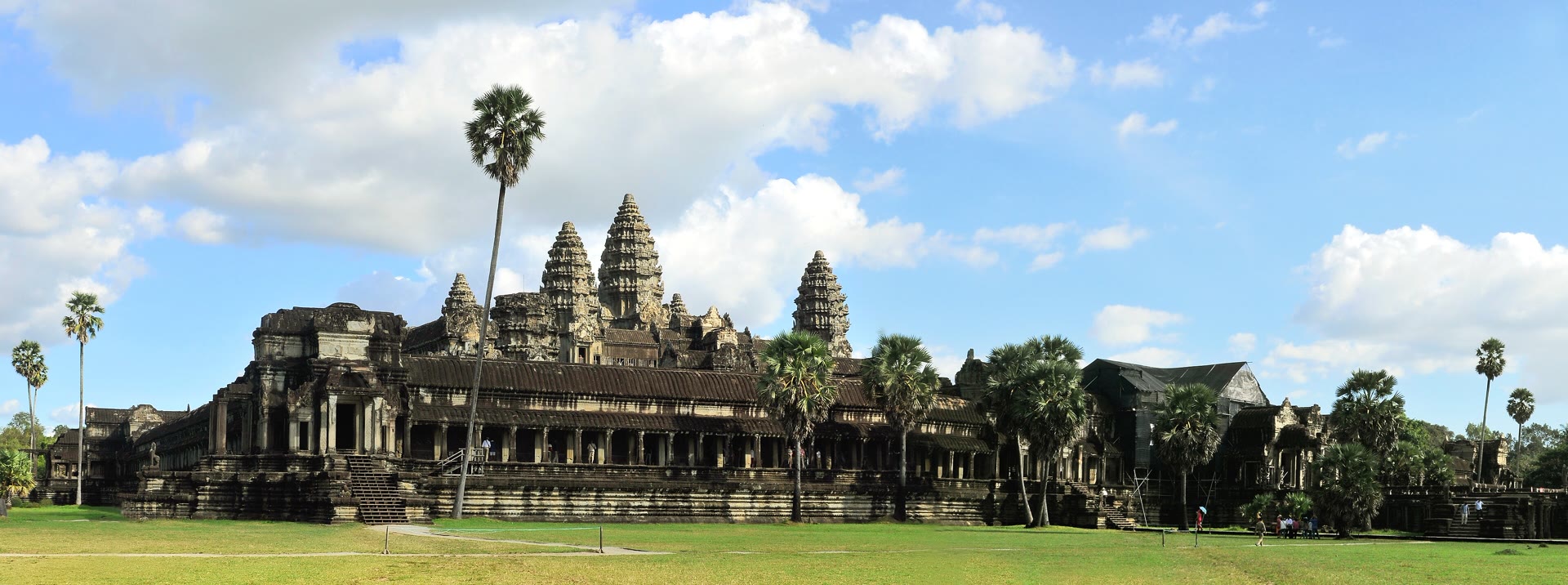
  • Angkor Wat's design DNA: The three concentric enclosing galleries, cruciform cloisters, and central sanctuary mirror Angkor Wat's layout precisely. Walking through Beng Mealea gives you a visceral sense of what Angkor Wat would look like without restoration.
  • Relative solitude: While Angkor Wat receives thousands of visitors per hour, Beng Mealea sees a fraction of that traffic. Early morning and late afternoon visits can feel almost private.

Things to Do

What to See at Beng Mealea

The approach to Beng Mealea crosses what remains of the wide moat that once surrounded the complex. The outer gallery wall, partially collapsed, gives the first impression of the temple's scale. Stone blocks lie scattered across the ground, colonized by moss and root systems. The southern entrance is the main visitor access point, and from here the temple reveals itself gradually as you move inward.

The Cruciform Cloisters

Connecting the three concentric galleries are cruciform-shaped cloisters, an architectural feature shared with Angkor Wat. At Beng Mealea, many of these corridors have partially collapsed, creating dramatic scenes of tumbled sandstone and invading vegetation. Some sections remain intact enough to walk through, with carved ceilings still visible overhead.

The Libraries

Like most major Angkor-period temples, Beng Mealea includes library buildings within its enclosures. The northeastern library is particularly well-preserved and retains detailed carved decoration. These structures were not actually libraries in the modern sense but were likely used for storing sacred texts and ritual objects.

Carvings and Bas-Reliefs

Hidden among the rubble are impressive stone carvings depicting scenes from Hindu mythology. The most notable is a rendition of the Churning of the Ocean of Milk, the same narrative that stretches across an entire gallery at Angkor Wat. Other carvings show Vishnu being carried by the bird god Garuda, nagas (serpent deities), and floral motifs. Many of these are easy to miss, half-buried under fallen blocks or obscured by vegetation. Taking time to look carefully rewards the observant visitor.

The Central Sanctuary

The heart of the temple - where the central tower once stood - is now a massive pile of collapsed sandstone. This is one of the most photogenic spots in the entire complex, a dramatic heap of carved blocks swallowed by trees and vines. Reaching it requires climbing over rubble, though a raised wooden walkway provides an easier path for those less comfortable with scrambling.

The Raised Wooden Walkway

A wooden boardwalk has been constructed through parts of the temple, allowing visitors to navigate the ruins without climbing over unstable stones. The walkway passes through some of the most impressive sections and provides elevated viewpoints over collapsed galleries. While some purists prefer going off the walkway to explore independently, the boardwalk makes the temple accessible to visitors of all fitness levels.

Getting to Beng Mealea from Siem Reap

Beng Mealea is located about 65 km east of Siem Reap, connected by well-sealed roads. The drive takes approximately 80 to 90 minutes via Damdek or the newer Airport Road.

Transport OptionDurationCost (return)Notes
Private car/taxi80-90 min each way$45 - $55Most comfortable option, driver waits at temple
Tuk-tuk2 hours each way$35 - $45Slower, dusty, but atmospheric ride through countryside
Guided tourHalf-day$45 - $150Includes transport, guide, sometimes lunch; entrance fee may be separate
Motorbike rental80 min each way$10 - $15/dayFreedom to stop along the way; good road surface

Many visitors combine Beng Mealea with Koh Ker, another remote Angkor-era temple complex about 60 km further northeast. A full-day trip covering both sites by private car typically costs $80 to $100. This is one of the best day trips available from Siem Reap for temple enthusiasts.

Admission and Tickets

Beng Mealea has its own separate entrance fee of $10 per person. This is not included in the standard Angkor Pass. You must pay the $10 fee at the ticket office located at the temple entrance. Payment is accepted in US dollars or Cambodian riel, cash only.

However, there is now also an option to purchase a combined pass that covers Angkor, Beng Mealea, and Koh Ker together. If you plan to visit the main Angkor complex as well, check current pass options at the Angkor ticket office, as bundled pricing can save money compared to buying separate tickets.

When to Visit

Beng Mealea is open daily from 7:30 AM to 5:30 PM.

  • Best time of day: Arrive right at opening (7:30 AM) or after 3:00 PM. Tour groups from Siem Reap typically arrive between 9:00 AM and 11:00 AM, so avoiding this window gives you a much quieter experience.
  • Dry season (November to April): Easier access, less mud on trails, and more comfortable temperatures. This is the peak tourist season for Cambodia generally.
  • Rainy season (May to October): The jungle is at its most lush and dramatic, the moat fills with water, and the temple takes on an even more atmospheric quality. However, some areas can be slippery and muddy. The greener vegetation makes for spectacular photographs.

Allow at least two hours at the temple itself. Rushed visits of under an hour miss the best parts, which are often tucked away in corners that require some exploring to find.

Tips for Visiting Beng Mealea

Beng Mealea is more adventurous than most Angkor temples, and a few preparations make the experience significantly better.

  • Wear proper footwear. Closed-toe shoes with good grip are essential. You will be climbing over uneven sandstone blocks, stepping across mossy surfaces, and navigating potentially slippery wooden walkways. Flip-flops are a recipe for twisted ankles.
  • Bring water and snacks. There are a few drink vendors near the entrance, but options are limited. The temple grounds are large, and exploring in tropical heat dehydrates you faster than you expect.
  • Carry a flashlight or use your phone torch. Some of the intact gallery corridors are pitch dark inside. A light source lets you explore these sections and spot carvings that would otherwise be invisible.
  • Go beyond the walkway. The wooden boardwalk is convenient, but the most interesting parts of Beng Mealea are found by carefully climbing through the ruins off the main path. Watch your footing on loose stones and stay aware of your surroundings.
  • Hire a local guide at the entrance. Guides stationed at the ticket office charge around $5 to $10 and know exactly where the best carvings, hidden chambers, and photo spots are. They can also explain the temple's history and symbolism in ways that make the ruins come alive.
  • Combine with Koh Ker. If you have a full day available, the double trip to Beng Mealea and Koh Ker is one of the best temple excursions from Siem Reap. Koh Ker's seven-tiered pyramid temple (Prasat Thom) is unlike anything else in the Angkor region.
  • Respect the ruins. Do not climb on fragile carved elements, remove stones, or leave litter. These ruins are irreplaceable, and the relative freedom visitors enjoy here depends on everyone treating the site with care.

Beng Mealea is a reminder that the Angkor civilization extended far beyond the temples most tourists see. For travelers who want to go deeper into Cambodia's ancient heritage, this jungle-wrapped ruin delivers an experience that the manicured main temples cannot match. More information on Cambodia's temple circuit and other destinations across Southeast Asia is available on GoAsia.cc.

Frequently Asked Questions

What is Beng Mealea and why should I visit?

Beng Mealea is a 12th-century Angkor-era temple located 65 km east of Siem Reap, largely unrestored and reclaimed by jungle. It shares the same architectural layout as Angkor Wat but offers a completely different experience - crumbling galleries, tree roots splitting walls, and a sense of genuine discovery. It is one of the most atmospheric temple ruins in Cambodia.

How much does it cost to visit Beng Mealea?

The entrance fee is $10 per person, payable in cash (USD or riel) at the temple entrance. This is separate from the Angkor Pass, though combined ticket options may be available. Add $45 to $55 for a return private car from Siem Reap, or $35 to $45 for a tuk-tuk.

How do I get to Beng Mealea from Siem Reap?

The drive takes 80 to 90 minutes by car on sealed roads. Hire a private taxi ($45-$55 return), take a tuk-tuk ($35-$45 return), or join a guided tour ($45-$150). Most drivers will wait at the temple while you explore. The road is in good condition and passes through scenic Cambodian countryside.

Is Beng Mealea included in the Angkor Pass?

Beng Mealea has historically required a separate $10 entrance fee not included in the standard Angkor Pass. However, combined passes covering Angkor, Beng Mealea, and Koh Ker may be available. Check at the main Angkor ticket office for current bundled pricing options before your visit.

How long should I spend at Beng Mealea?

Plan at least two hours to explore the temple properly. Rushed visits miss the hidden carvings, quiet corners, and atmospheric details that make Beng Mealea special. Including the 80 to 90 minute drive each way from Siem Reap, budget a half day for the entire trip.

Can I combine Beng Mealea with Koh Ker in one day?

Yes, this is one of the best full-day excursions from Siem Reap. Koh Ker is about 60 km northeast of Beng Mealea. A private car for both sites costs $80 to $100 for the day. Visit Beng Mealea first in the morning, then continue to Koh Ker for the afternoon.

Is Beng Mealea suitable for people with limited mobility?

The raised wooden walkway makes portions of the temple accessible without climbing over rubble. However, much of the most interesting exploration requires scrambling over uneven sandstone blocks and navigating rough terrain. The walkway alone provides a worthwhile but limited view of the complex.

What is the best time of day to visit Beng Mealea?

Arrive at opening (7:30 AM) or after 3:00 PM to avoid tour groups that peak between 9:00 and 11:00 AM. Early morning offers cooler temperatures and soft light filtering through the jungle canopy. Late afternoon provides golden light that beautifully illuminates the moss-covered ruins.