
Getting Around Siem Reap - Local Transport Guide
Contents
- 1. Getting Around Siem Reap by Tuk-Tuk
- 1.1 Tips for Tuk-Tuk Travel
- 2. Getting Around Siem Reap by Motorbike Taxi (Moto)
- 3. Getting Around Siem Reap by Bicycle
- 4. Getting Around Siem Reap by Ride-Hailing Apps (Grab and PassApp)
- 5. Getting Around Siem Reap by Rented Motorbike or Scooter
- 6. Getting Around Siem Reap on Foot
- 7. Getting Around Siem Reap by Private Car or Van
- 8. Comparing Your Options
- 9. Practical Tips for Getting Around Siem Reap
- 10. Popular Routes and Destinations
- 10.1 Poipet to Siem Reap
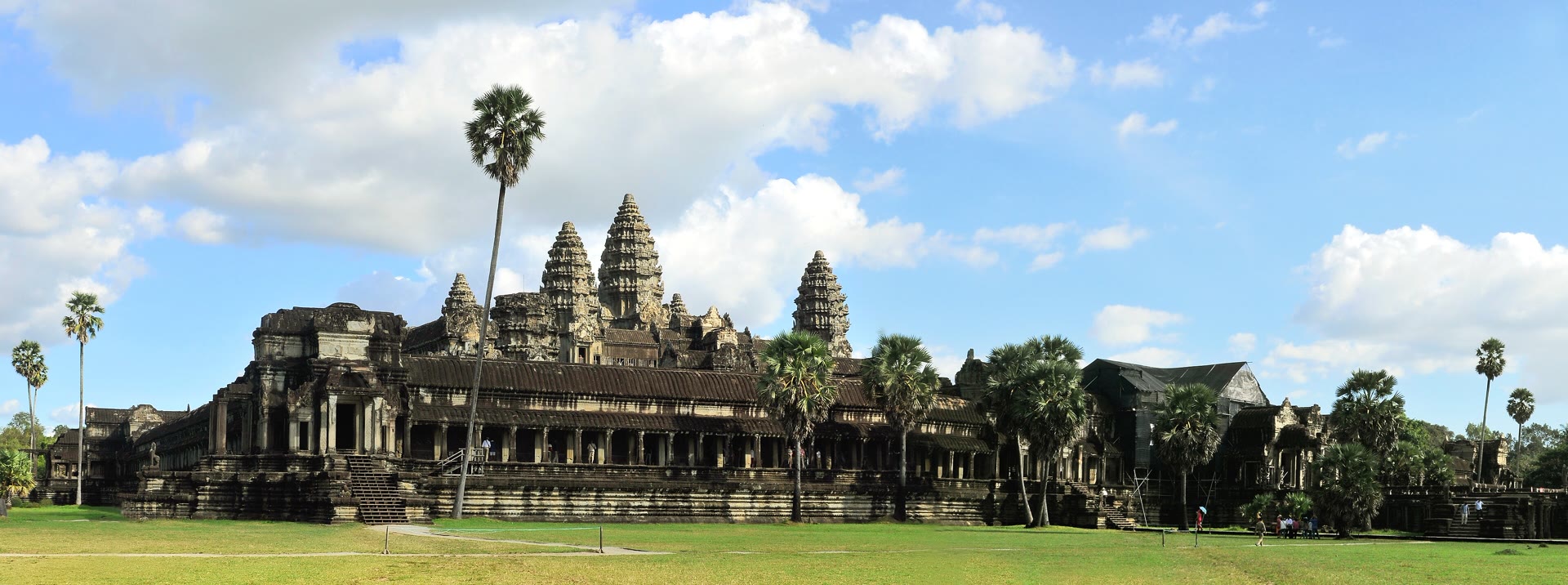
- 10.2 Siem Reap to Angkor Wat
- 10.3 Siem Reap to the Airport
- 11. Frequently Asked Questions
Siem Reap is a city built around one of the world's greatest archaeological wonders, yet it still feels like a small town at heart. The central area - stretching from the Old Market to Pub Street and out toward the main hotel strips along Sivatha Boulevard and Charles de Gaulle Road - is compact enough to walk in the cooler months, but the tropical heat and the sheer distance to the Angkor temple complex (about 6 km to the main entrance) mean you will need wheels for most of your stay. The good news: transport here is cheap, plentiful, and surprisingly easy to figure out.
There is no metro, no city bus network, and no rail system. Instead, Siem Reap runs on tuk-tuks, motorbikes, bicycles, and a growing fleet of ride-hailing cars. The rhythm of the city is shaped by the temple-visiting schedule: roads fill up before sunrise as travelers head to Angkor Wat, thin out during the midday heat, and come alive again in the evening around Pub Street. Understanding this flow will help you move around efficiently and avoid overpaying.
The transport scene has modernized in recent years, with ride-hailing apps gaining ground and the new Siem Reap Angkor International Airport replacing the old one. But the tuk-tuk remains king, and negotiating with a friendly driver is still a quintessential part of the Siem Reap experience.
Getting Around Siem Reap by Tuk-Tuk
The tuk-tuk is the signature vehicle of Siem Reap. These are not the three-wheeled auto-rickshaws you find in Bangkok or India. In Cambodia, a tuk-tuk is a two-wheeled carriage hitched to the back of a motorbike, seating two to four passengers with a canopy overhead. They are open-air, breezy, and the most popular way for tourists to get around.
For trips within the central town - say, from your hotel to the Old Market, or from Sivatha Boulevard to a restaurant near the river - expect to pay around $2 to $3. A tuk-tuk to the Angkor Archaeological Park entrance (Angkor Wat area) typically costs $3 to $5 one way if negotiated on the spot. Most travelers, however, hire a tuk-tuk driver for a full day of temple touring. A standard day rate for the "small circuit" (Angkor Wat, Angkor Thom, Ta Prohm) runs roughly $15 to $20, while the "grand circuit" or trips to farther temples like Banteay Srei can cost $25 to $35.
Drivers congregate outside hotels, at the Old Market, and near Pub Street. Many speak basic English and will offer their services proactively. It is common and perfectly acceptable to negotiate the price before you get in. If you find a driver you like on day one, exchange phone numbers or add them on a messaging app - having a reliable driver for your entire stay simplifies everything and often gets you a better rate.
Tips for Tuk-Tuk Travel
- Always agree on the price before departing. There are no meters.
- Carry small bills. Drivers often struggle to break anything larger than $10.
- For temple circuits, your driver will wait at each stop. Confirm this upfront so there is no confusion.
- During the rainy season (June to October), tuk-tuks have roll-down plastic curtains, but you may still get splashed. Keep electronics in a dry bag.
- Tipping is not mandatory but appreciated - rounding up or adding a dollar or two for a full day of driving is a kind gesture.
Getting Around Siem Reap by Motorbike Taxi (Moto)
If you are traveling solo and want something faster and cheaper than a tuk-tuk, motorbike taxis - locally called "motos" - are everywhere. A moto is simply a ride on the back of a driver's motorcycle. Short hops around town cost around $1 to $2. They are faster in traffic and can squeeze through narrow lanes that tuk-tuks cannot.
Motos are best for quick, point-to-point trips within the town center. They are less comfortable for long temple days (no shade, no storage space for bags), and riding pillion in the Angkor heat can be exhausting. Always wear the helmet the driver provides, even if it looks battered. Traffic in Siem Reap is generally slow-paced, but accidents do happen.
Getting Around Siem Reap by Bicycle
Siem Reap is one of the most bicycle-friendly cities in Southeast Asia. The terrain is flat, distances within town are short, and a network of roads connects the central area directly to the Angkor temples. Many guesthouses and rental shops offer bicycles for around $2 to $5 per day, depending on the quality. Electric bicycles (e-bikes) are increasingly available for roughly $8 to $12 per day and are a fantastic option if you want to cover the temples without arriving drenched in sweat.
Cycling to Angkor Wat takes about 20 to 30 minutes from the town center along a shaded road. The small circuit loop is roughly 25 km, which is very doable on a bicycle if you start early and pace yourself. Bring plenty of water, sunscreen, and a lock for the bike (most rental shops provide one).
Within town, cycling is the cheapest and most flexible way to explore. The roads are manageable, traffic moves slowly, and you can park anywhere. Just be cautious at night - street lighting is patchy outside the main tourist strips, and not all bikes come with lights.
Getting Around Siem Reap by Ride-Hailing Apps (Grab and PassApp)
Ride-hailing has arrived in Siem Reap, and it is a game-changer for travelers who prefer transparent pricing. Grab operates here with both car and tuk-tuk options, while PassApp is a Cambodian app that is extremely popular with locals and often slightly cheaper. Both apps work much like Uber: you enter your destination, see the fare upfront, and pay through the app or in cash.
A Grab or PassApp car ride across town typically costs $2 to $4. Tuk-tuk rides booked through the apps are usually $1 to $3 for central trips. The main advantage is fixed pricing - no negotiation, no misunderstandings. The downside is that during peak hours (early morning temple rush, late evening around Pub Street), wait times can be longer, and surge pricing may apply on Grab.
Download both apps before you arrive. PassApp is particularly useful because it also offers rickshaw and motorbike options. Payment via the app is possible with international cards on Grab, while PassApp is more commonly used with cash or local payment methods.
Getting Around Siem Reap by Rented Motorbike or Scooter
Renting your own motorbike gives you total freedom, especially for reaching temples beyond the main circuits - places like Beng Mealea, Kbal Spean, or the Roluos Group. Rental shops and guesthouses offer semi-automatic scooters for around $8 to $15 per day. Rental shops may ask for a deposit or identification, but do not leave your original passport as collateral. Ask about a safer deposit option before handing over any document.
A few important caveats: foreigners are technically not permitted to ride motorbikes within the Angkor Archaeological Park unless they hold a Cambodian license, though enforcement varies. More critically, travel insurance policies often exclude motorbike injuries if you lack a valid motorcycle license from your home country. Roads outside Siem Reap town can be rough, dusty, and poorly signed. If you are an experienced rider, it is a wonderful way to explore. If not, stick with a hired driver.
Fuel is cheap and available at roadside stalls (look for glass bottles filled with yellow gasoline) and proper gas stations along the main highways.
Getting Around Siem Reap on Foot
Walking is perfectly viable within the core tourist zone. From the Old Market to Pub Street is a two-minute stroll. The stretch along the Siem Reap River, lined with cafes and boutique hotels, is pleasant for evening walks. You can cover most of the restaurant, bar, and shopping areas between Sivatha Boulevard and the river on foot in 15 to 20 minutes.
Beyond the center, walking becomes less practical. Sidewalks are inconsistent, shade is scarce, and the heat between 11 a.m. and 3 p.m. is punishing from March through May. For temple visits, walking between sites inside the Angkor complex is possible but exhausting - Angkor Thom alone covers 9 square kilometers.
Getting Around Siem Reap by Private Car or Van
For travelers who want air-conditioned comfort, hiring a private car with a driver is a popular option. This is especially worthwhile for full-day temple tours, trips to distant sites like Banteay Srei (about 37 km from town), or travel with young children or elderly family members. A full-day car hire for the Angkor temples typically costs $30 to $50, depending on the vehicle and distance covered.
Hotels and travel agencies along Sivatha Boulevard can arrange private cars. You can also book through Grab or PassApp for one-off rides. For multi-day arrangements, agreeing on a rate directly with a driver is often the best deal.
Comparing Your Options
| Mode | Typical Cost | Duration | Best For |
|---|---|---|---|
| Tuk-tuk | $2-$5 per trip; $15-$35 per day | Varies by distance | Temple circuits, groups of 2-4, the classic Siem Reap experience |
| Motorbike taxi (moto) | $1-$2 per trip | Quick hops | Solo travelers, short distances within town |
| Bicycle | $2-$5 per day | Self-paced | Budget travelers, cycling the temple circuit, exploring town |
| E-bike | $8-$12 per day | Self-paced | Temple circuits without the sweat |
| Grab / PassApp | $1-$4 per trip | Varies | Transparent pricing, air-conditioned cars, no negotiation |
| Rented motorbike | $8-$15 per day | Self-paced | Experienced riders, remote temples, total flexibility |
| Private car with driver | $30-$50 per day | Varies | Families, comfort seekers, distant sites |
| Walking | Free | 15-20 min across center | Pub Street, Old Market, riverside strolls |
Practical Tips for Getting Around Siem Reap
Currency and payment: Cambodia uses both US dollars and Cambodian riel. Most transport transactions happen in dollars. Carry plenty of $1 and $5 bills - they are the currency of daily life here. Drivers rarely have change for $20 or $50 notes. Riel is typically given as change for amounts under $1 (4,000 riel equals roughly $1). Credit cards are not accepted by tuk-tuk or moto drivers.
Apps to download:
- Grab - for cars and tuk-tuks with upfront pricing
- PassApp - the local favorite, often cheaper, with more vehicle options
- Google Maps or Maps.me - essential for showing drivers where you want to go, especially for off-the-beaten-path restaurants or guesthouses
Rush hours and timing: The biggest traffic crunch happens between 5:00 and 5:30 a.m. when thousands of travelers head to Angkor Wat for sunrise. The road to the temples is a single main artery and it gets congested. Leave early or accept the crawl. Evenings around Pub Street (7 to 10 p.m.) also see heavier traffic. Midday is the quietest time on the roads.
Scams and overcharging: Siem Reap is generally safe and friendly, but a few things to watch for:
- Some tuk-tuk drivers at the airport or bus stations quote inflated prices to new arrivals. Check app-based pricing first to know the fair rate.
- Drivers may offer to take you to a "better" restaurant or shop where they earn a commission. Politely decline if you have a specific destination in mind.
- At the temples, drivers may try to renegotiate the price mid-day, claiming the agreed circuit does not include a particular temple. Clarify the full itinerary before you leave.
Language tips: Many tuk-tuk drivers in the tourist zone speak functional English. For destinations off the main tourist trail, show the name and address in Khmer script on your phone. Google Translate's camera feature can help with signs. Key phrases: "Ot teh" means "no thanks" and "Awkun" means "thank you" - both go a long way.
Safety: Siem Reap is one of the safest cities in Southeast Asia for travelers. Tuk-tuks and motos are safe during the day and evening. Late at night (after midnight), stick to well-lit areas and use app-based rides rather than flagging down random drivers. If cycling, wear a helmet and avoid unlit rural roads after dark. Keep bags on your lap in tuk-tuks rather than dangling them over the side, as opportunistic bag-snatching, while rare, has been reported.
For travelers comparing transport options across multiple destinations in Cambodia or Southeast Asia, GoAsia.cc can help you weigh costs and travel times for routes throughout the region.
Popular Routes and Destinations
Poipet to Siem Reap
If you are crossing the Thai-Cambodian border at Poipet, you will need onward transport to Siem Reap. This is one of the most common overland routes into Cambodia.
By bus: Direct buses run from Poipet to Siem Reap for around $19. The journey takes approximately 2 hours 45 minutes to 3 hours, depending on road conditions. Buses are air-conditioned and reasonably comfortable. Several companies operate this route, and tickets can be purchased at the Poipet bus station or booked online in advance.
By private transfer: For faster, door-to-door service, private transfers cost between $43 and $99 depending on the vehicle type (sedan vs. SUV or minivan). The drive takes around 20 minutes - a dramatically shorter journey that reflects a direct, expedited route compared to the bus, which makes stops. This is a good option for families, groups splitting the cost, or travelers arriving late in the day when bus schedules may not align.
Siem Reap to Angkor Wat
The most common trip any visitor makes. From the town center to the Angkor ticket office and main temple entrance is about 6 km. A tuk-tuk costs roughly $3 to $5 one way, or you can rent a bicycle and ride there in 20 to 30 minutes along a tree-lined road. Ride-hailing apps also cover this route for $2 to $4. Most travelers opt for a full-day tuk-tuk hire ($15 to $20) to cover multiple temples without worrying about individual fares.
Siem Reap to the Airport
The new Siem Reap Angkor International Airport is located roughly 40 km east of the city center. This is significantly farther than the old airport. A taxi or private car transfer takes around 40 to 50 minutes and costs approximately $25 to $35 depending on the booking method. Grab and PassApp service the route, and some hotels arrange airport shuttles. Budget extra time for this journey, especially during early morning temple traffic hours.
Frequently Asked Questions
Use this guide to compare local transport in Siem Reap. When bookable tickets are available, the booking tool shows current options and prices.
The tuk-tuk is the most popular and practical way to get around Siem Reap for most travelers. For temple visits, hiring a tuk-tuk driver for the full day (around $15 to $20 for the small circuit) is the standard approach. For short trips around town, ride-hailing apps like Grab and PassApp offer transparent pricing and air-conditioned car options.
Transport in Siem Reap is very affordable. Tuk-tuk rides within the town center cost $2 to $3, motorbike taxis around $1 to $2, and bicycle rentals run $2 to $5 per day. A full-day tuk-tuk hire for the Angkor temples costs roughly $15 to $35 depending on the circuit. Ride-hailing apps typically charge $1 to $4 for trips around town.
Siem Reap is one of the safest cities in Southeast Asia for travelers. Tuk-tuks, motos, and ride-hailing services are all safe to use during the day and evening. Late at night, it is best to use app-based rides rather than flagging down random drivers. Keep your belongings close in open-air tuk-tuks to avoid the rare bag-snatching incident.
Yes, both Grab and PassApp operate in Siem Reap. PassApp is a Cambodian app that is often cheaper and offers more vehicle options including tuk-tuks, motos, and cars. Grab also provides tuk-tuk and car options with upfront pricing. Download both apps before arriving for the best coverage.
Cycling the Angkor temples is a rewarding experience if you start early and are comfortable riding 25 km or more. The roads are flat and the ride from town takes about 20 to 30 minutes. Consider an e-bike (around $8 to $12 per day) to reduce fatigue. Bring plenty of water and sunscreen, and avoid cycling during the midday heat.
Direct buses run from Poipet to Siem Reap for around $19, taking approximately 2 hours 45 minutes to 3 hours. For a faster option, private transfers cost between $43 and $99 and take around 20 minutes. Buses are the budget-friendly choice, while private transfers are ideal for families or late arrivals.
Both approaches work well. Apps like Grab and PassApp give you fixed, transparent pricing with no negotiation needed. Negotiating directly with a tuk-tuk driver is part of the Siem Reap experience and can be cheaper for full-day temple hires. Check app prices first to understand the fair rate, then negotiate confidently with street drivers.
Guide prices and journey times are indicative, not live quotes. A booked package may include transfers and waiting time as well as the main journey. Check the selected offer, pickup point and current conditions before booking.