🚂 Trains in Cambodia
Plan your Cambodia train journey with our guide to Royal Railways routes, tickets, onboard experience, and practical tips for riding the rails from Phnom Penh.
A single railway line stretches across the Cambodian lowlands, threading through rice paddies, stilted villages, and landscapes that shift from the urban sprawl of Phnom Penh to the languid shores of the Gulf of Thailand. Cambodia's train network is one of the most modest in Southeast Asia, yet riding it offers something rare: an unhurried, ground-level view of rural life that buses and planes simply cannot replicate. For travelers willing to trade speed for atmosphere, the Cambodian railway is a journey worth savoring.
The Train Network in Cambodia
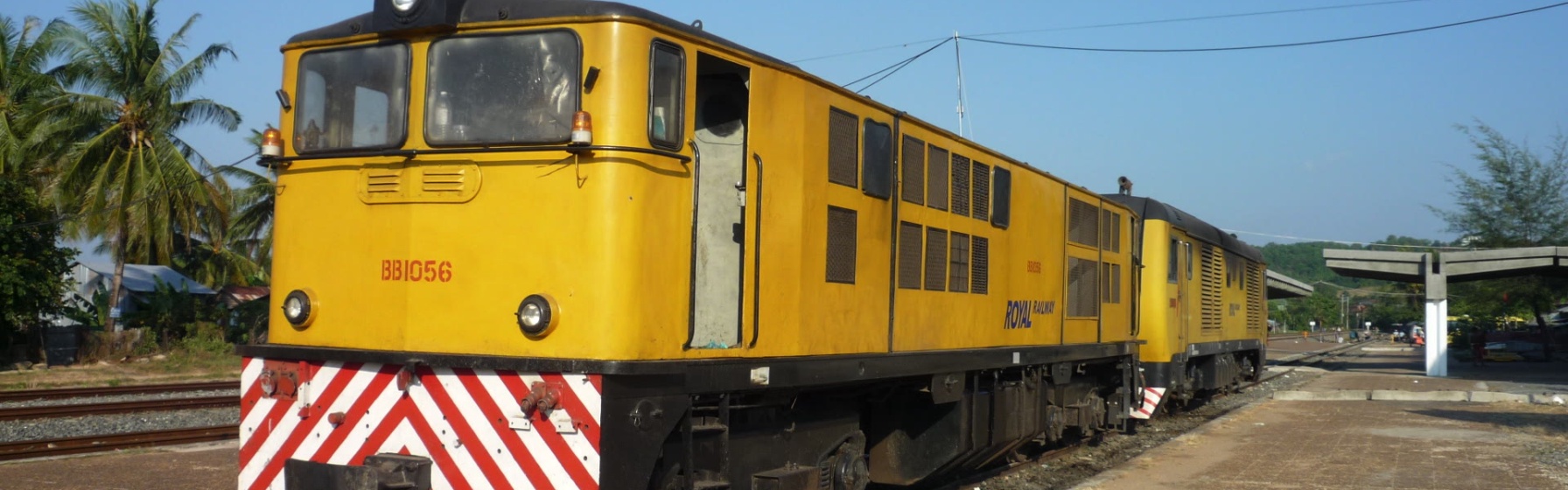
Cambodia's railway system is operated by Royal Railways, the country's sole passenger rail operator. The network consists of two main lines that radiate out from Phnom Penh. The Southern Line runs from the capital south to Sihanoukville (also known as Kampong Som), Cambodia's primary coastal city and gateway to the islands of the Gulf of Thailand. The Northern Line connects Phnom Penh to Pursat, Battambang, and ultimately Poipet on the Thai border, though passenger services do not always cover the full extent of this route.
Coverage is extremely limited compared to neighboring countries like Thailand or Vietnam. There are no branch lines, no express services, and only a handful of departures per week on each route. Many major destinations - Siem Reap, Kampot, Kep, Kratie - remain unreachable by train. The network was heavily damaged during decades of conflict and neglect, and while rehabilitation has brought tracks back into service, expansion has been slow. That said, the routes that do operate pass through genuinely beautiful countryside, and the novelty of train travel in Cambodia gives it a charm that well-oiled rail systems elsewhere sometimes lack.
Classes and Comfort Levels
Cambodian trains keep things simple. There is generally one class of service available on passenger trains, and it is basic but comfortable enough for the relatively short journeys involved. Carriages are air-conditioned, a welcome relief given Cambodia's tropical heat, and seats are padded and arranged in rows facing forward. The interiors are clean and functional, though not luxurious by any standard.
Do not expect the tiered class system found in Thailand or Vietnam - there are no sleeper berths, no first-class lounges, and no VIP compartments. The experience is egalitarian: monks, families, backpackers, and local commuters all share the same carriages. For budget-conscious travelers, this single-class setup is perfectly adequate, and the relatively short travel times (around five to seven hours for the Phnom Penh to Sihanoukville route) mean that a sleeper service is not really necessary.
Booking and Tickets
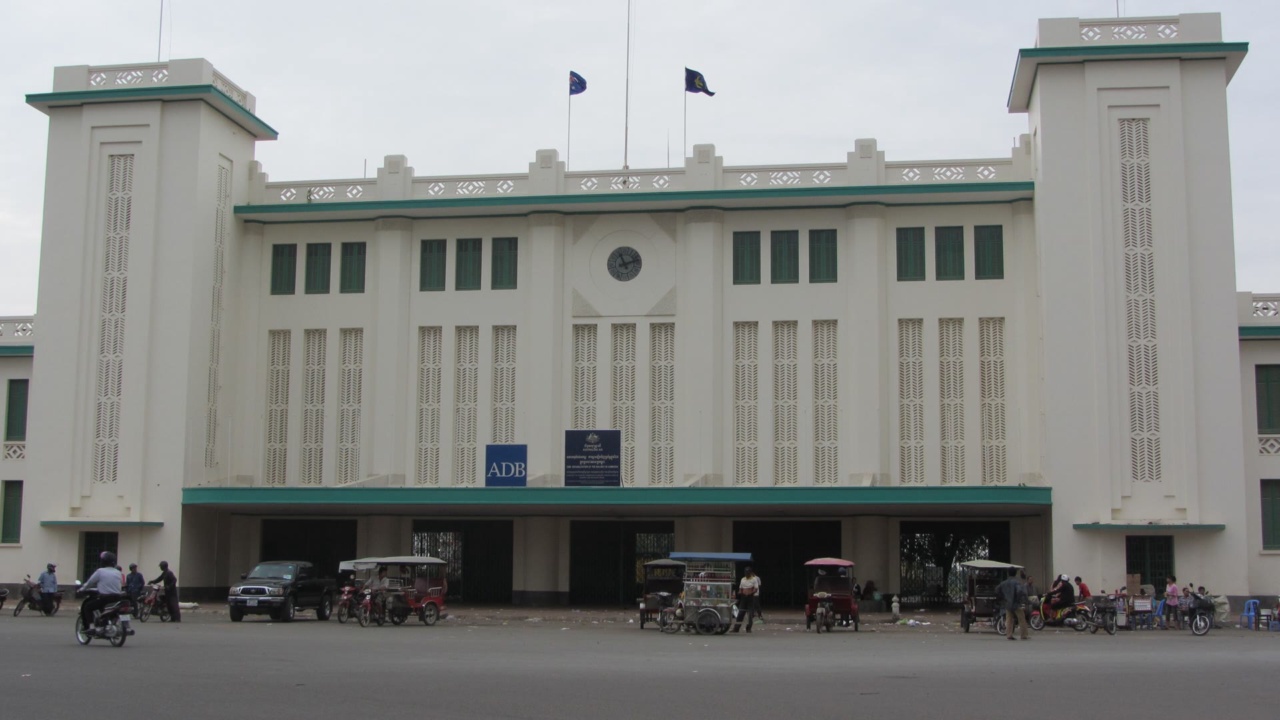
Tickets for Cambodian trains can be purchased at the railway stations in Phnom Penh and Sihanoukville, as well as at intermediate stops. The Phnom Penh station, located near the city's riverfront, is small and easy to navigate. Buying tickets at the counter is straightforward, though having your destination written down in Khmer can help if there is a language barrier.
Online booking is possible through a few travel platforms, and travelers looking to compare transport options across Cambodia - including trains, buses, and ferries - can check availability on GoAsia.cc before heading to the station. Given the limited number of departures and the growing popularity of the train among tourists, booking a day or two in advance is wise, especially during peak travel season or Cambodian holidays. Walk-up tickets are sometimes available, but seats can sell out.
Fares are very affordable, making the train one of the cheapest ways to travel between Phnom Penh and the coast. Payment at station counters is typically cash only in Cambodian riel or US dollars. E-tickets may be available through online platforms, but it is a good idea to carry a printed confirmation just in case.
What to Expect on Board
The pace of Cambodian train travel is deliberately slow, and that is part of its appeal. Trains trundle along at modest speeds, rarely exceeding 30 to 40 kilometers per hour on some stretches. The tracks, while rehabilitated, still follow old alignments that wind through flat terrain, crossing rivers on narrow bridges and pausing at small rural stations where vendors may approach the windows selling snacks and drinks.
The scenery along the Southern Line is quintessentially Cambodian: vast green rice fields stretching to the horizon, sugar palms silhouetted against the sky, water buffalo grazing near lotus-filled ponds, and clusters of wooden houses on stilts. As the train approaches Sihanoukville, the landscape shifts to denser vegetation and glimpses of red laterite roads. The Northern Line offers similarly pastoral views, with the added drama of Battambang province's more varied topography.
There is no formal dining car or food service on board, so bring your own supplies. The markets near Phnom Penh station are excellent for stocking up on baguettes (a legacy of French colonial influence), fresh fruit, and bottled water. Snack vendors at intermediate stops offer fried bananas, grilled meats on sticks, and cold drinks. Luggage is stored overhead or at your feet - there are no dedicated luggage compartments, so travel light or keep bags close. Charging outlets may be available but are not guaranteed, so a portable battery is a smart addition to your daypack. Wi-Fi is not provided.
The atmosphere on board tends to be relaxed and friendly. Cambodians are generally warm and curious toward foreign visitors, and sharing a smile or a snack can lead to memorable interactions. Keep noise to a reasonable level, especially if monks are present in the carriage, as they are accorded particular respect in Cambodian culture.
Tips for Train Travel in Cambodia
- Arrive early at the station. Trains have limited departures, and there is no backup service if you miss yours. Aim to be at the station at least 30 minutes before departure.
- Bring layers and snacks. Air conditioning can be surprisingly cold, so pack a light jacket or scarf. Stock up on food and water before boarding, as onboard options are minimal.
- Manage expectations on speed. Cambodian trains are slow. The journey from Phnom Penh to Sihanoukville takes considerably longer than the same trip by bus or taxi. Embrace the pace rather than fighting it - this is about the experience, not efficiency.
- Check current routes before planning. Services can be suspended or schedules altered with little notice, particularly during the rainy season (roughly June to October) when flooding can affect tracks. Confirm that your intended train is running before building your itinerary around it.
- Be mindful during holidays. Khmer New Year in April and Pchum Ben in September or October see huge domestic travel surges. Trains fill up fast during these periods, and booking well ahead is essential.
- Carry small bills. Whether paying for tickets or buying snacks at station stops, having small denominations of US dollars or Cambodian riel makes transactions much smoother.
- Consider the train as part of a larger route. Many travelers combine the train to Sihanoukville with a ferry onward to Koh Rong or Koh Rong Samloem, creating a satisfying multi-modal journey from capital to island beach.
- Sit on the right side heading south. For the best views of the countryside on the Southern Line, the right-hand side of the carriage (facing the direction of travel) tends to offer slightly more open vistas, though both sides have their moments.
Cambodia's railway may lack the speed and sophistication of its regional neighbors, but it compensates with authenticity and atmosphere. Riding the train here is less about getting from A to B and more about watching a country unfold at a pace that lets you truly see it.