Cambodia's waterways once served as the country's primary highways, and the Tonle Sap and Mekong rivers remain woven into daily life. Floating villages, stilted houses, and fishermen casting nets at dawn line the riverbanks. Cambodia's ferry network is modest compared to its island-hopping neighbors, but the routes that do exist reach some of the best-known destinations in the kingdom.
Today the dependable boat services run along the coast, where ferries and speedboats take travelers out to the islands of the south. Inland river boats are a slower and more irregular alternative to buses and domestic flights.
The Ferry Network in Cambodia
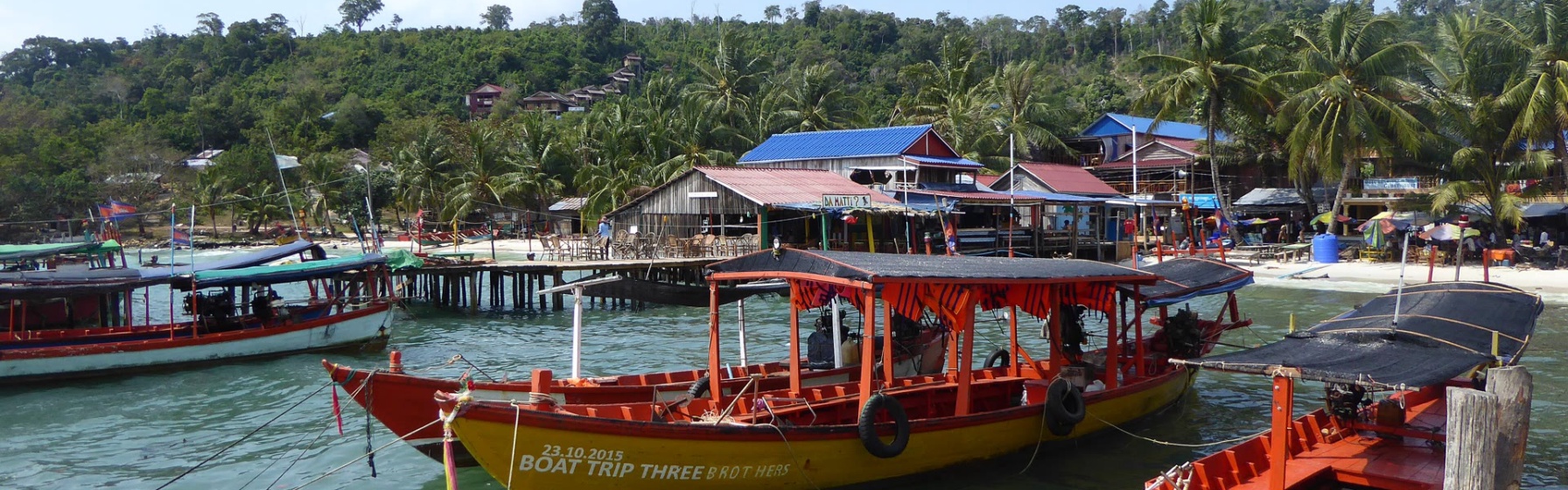
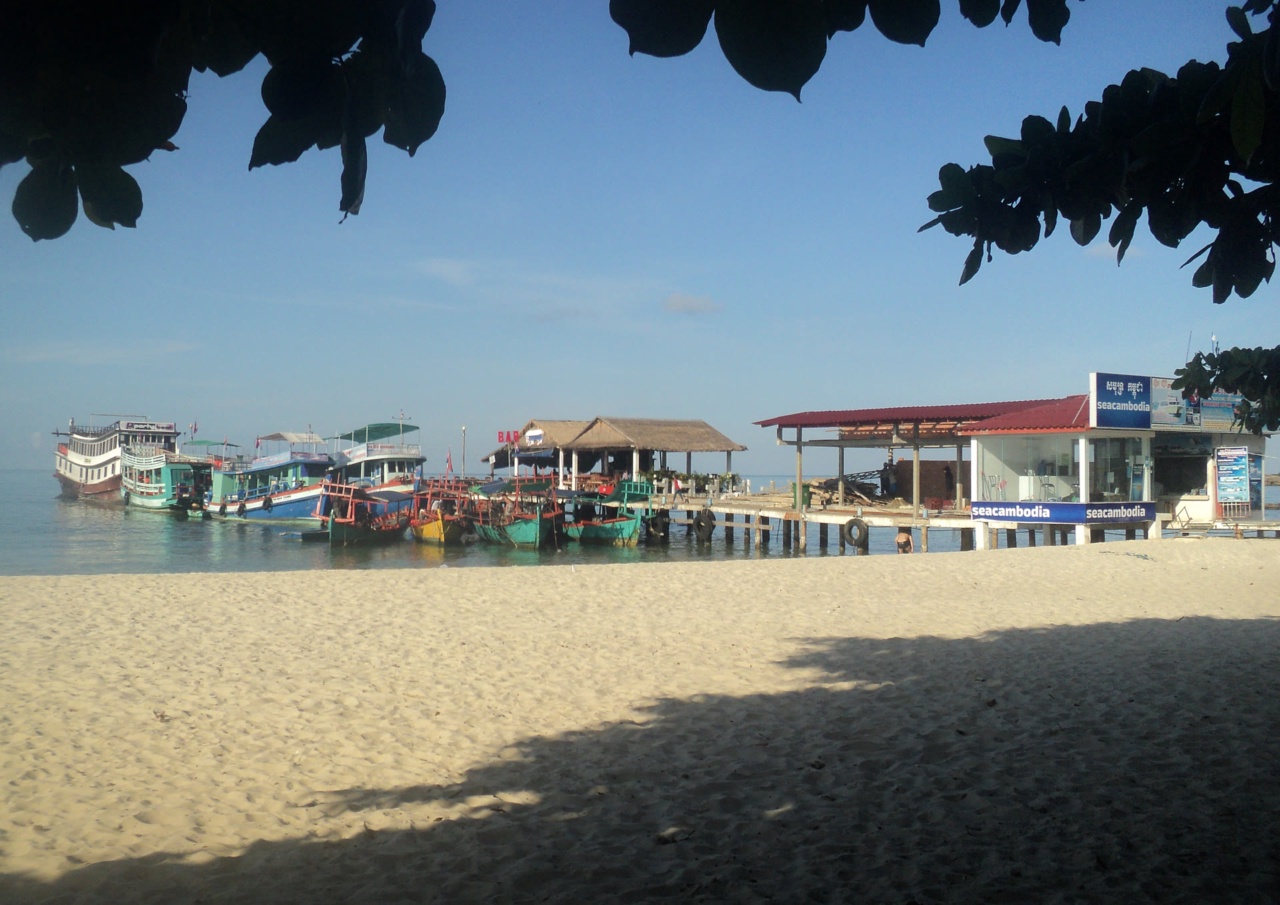
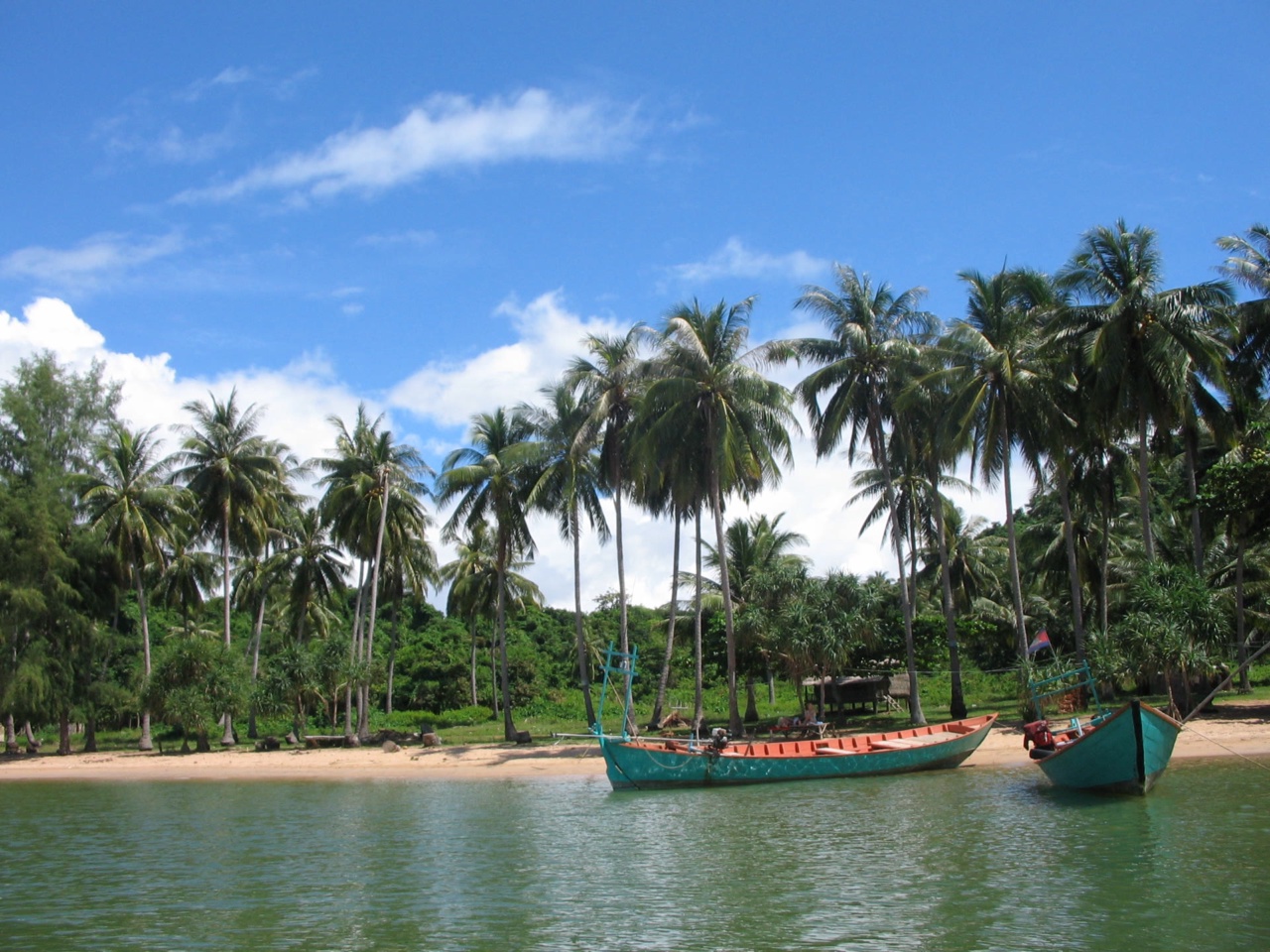
Cambodia's boat services fall into two groups: coastal island connections and inland river routes. On the coast, operators such as Buva Sea run speedboats from the mainland to Koh Rong, Koh Rong Samloem, and Koh Sdach.[1] The crossing from Sihanoukville to Koh Rong takes about 45 minutes, and one operator quotes a return fare of about $25.[2] Koh Tonsay (Rabbit Island) is a short boat ride from Kep.[3] Ask your guesthouse in Kep how to arrange the crossing.
Inland, a boat between Phnom Penh and Siem Reap across the Tonle Sap Lake has run only irregularly, and we could not confirm a current operator timetable. Do not plan an itinerary around it without checking locally first. The lake changes size through the year, because Mekong flood water can expand it up to five times.[4] On the Mekong, the Ministry of Tourism's guide says the Kratie to Stung Treng bullet boat only runs in the rainy season, when the water is high enough.[5] For most travelers, buses are the more dependable way between these towns.
Boat Types and Comfort
Comfort matters mainly on the island routes. For Sihanoukville to Koh Rong Samloem, booking platforms list speedboats, high speed ferries, and standard ferries, with crossing times from 40 minutes to 1 hour 30 minutes (October 2026).[6] Speedboats are faster but can be bumpy in choppy seas, while larger ferries are steadier, which helps if you are prone to seasickness. On Buva Sea speedboats, every passenger gets a life jacket and bottled water.[1]
Booking and Tickets
For the island routes from Sihanoukville, book ahead in the peak season, which Island Speed Ferry puts between December and February within a dry season that runs from November to May.[2] You can compare operators, departure times, and vessel types on GoAsia.cc, or book on an operator's own site. Buva Sea takes payment by credit or debit card and by banking app.[1]
Small local boats, such as the crossing from Kep to Rabbit Island, are best arranged through your guesthouse or at the pier, so confirm prices and times locally. Payment at physical counters is typically in US dollars or Cambodian riel.
The Sihanoukville to Koh Rong crossing takes about 45 minutes.[2] Seas can be rougher outside the dry season, so motion sickness tablets are a sensible precaution. The UK Foreign Office warns that accidents have happened when boats are overloaded or poorly maintained, and that tourist boats sometimes sail despite weather warnings, particularly between Sihanoukville and the nearby islands.[7] Skip a crossing if conditions look unsafe or the boat is overcrowded.
Keep valuables with you rather than in the luggage area. There are no ATMs on Koh Rong, so carry enough US dollars.[2] Wi-Fi and charging ports are uncommon on Cambodian ferries, so bring a portable charger.
Tips for Ferry Travel in Cambodia
Check seasonal schedules carefully. The Tonle Sap route depends on water levels, and coastal boats can be cancelled in rough weather.
Arrive early at the port. Boarding can be disorganized, and a good seat with shade or a window makes a difference on longer journeys.
Protect yourself from the sun. Reflected glare off the water is intense, so bring sunscreen, sunglasses, and a hat.
Bring motion sickness remedies. If you are prone to seasickness, take medication before boarding, not after symptoms begin.
Wear a life jacket if provided. On smaller local boats, safety equipment may be limited, so assess conditions before boarding.
Keep important documents in a waterproof bag. Spray and the occasional wave over the bow are real possibilities, especially on speedboats.
Be mindful of Cambodian holidays. During Pchum Ben and Khmer New Year, boats can be packed with domestic travelers, so book early.
Sources and background
Numbers in the text such as [1] refer to these sources.