Stung Treng is a quiet riverside town in northeastern Cambodia near the meeting of the San and Mekong rivers, a gateway to flooded forests, Irrawaddy dolphins and some of the country's wildest landscapes.
The first thing you notice in Stung Treng is the sheer width of the water. The town sits on the San River near its confluence with the Mekong[1], and during the wet season the waterways swell into something almost oceanic, swallowing trees and fields and turning the surrounding forests into a submerged wonderland. This is not Siem Reap or Phnom Penh. There are no tuk-tuk drivers competing for your attention, no backpacker bars blasting music until dawn. Stung Treng is quiet, unhurried, and genuinely off the beaten path.
The town functions primarily as a transit point for travelers heading to or from the Lao border at Trapeang Kriel, about 50 kilometers north.[1] But those who pause here discover something unexpected: kayaking through seasonally flooded forests, community-run ecotourism projects and the chance to spot Irrawaddy dolphins in the Mekong. Stung Treng rewards travelers who are comfortable with basic amenities and willing to trade comfort for authenticity.
This is a destination for the curious and the patient. Birdwatchers, kayakers, wildlife enthusiasts, and anyone tired of the Southeast Asian tourist circuit will find genuine satisfaction here. The town has no international-standard hotels, so come for the river, not the luxury.
Orientation and Neighborhoods
Stung Treng is a small provincial capital, and the entire town center can be crossed on foot in about 20 minutes. The layout is simple: the main commercial area runs along and near the riverfront, where the Sekong River meets the Mekong. National Road 7 links Stung Treng with Kratie in the south and, across the San River by ferry, with the Lao border in the north.[1]
Riverfront Area
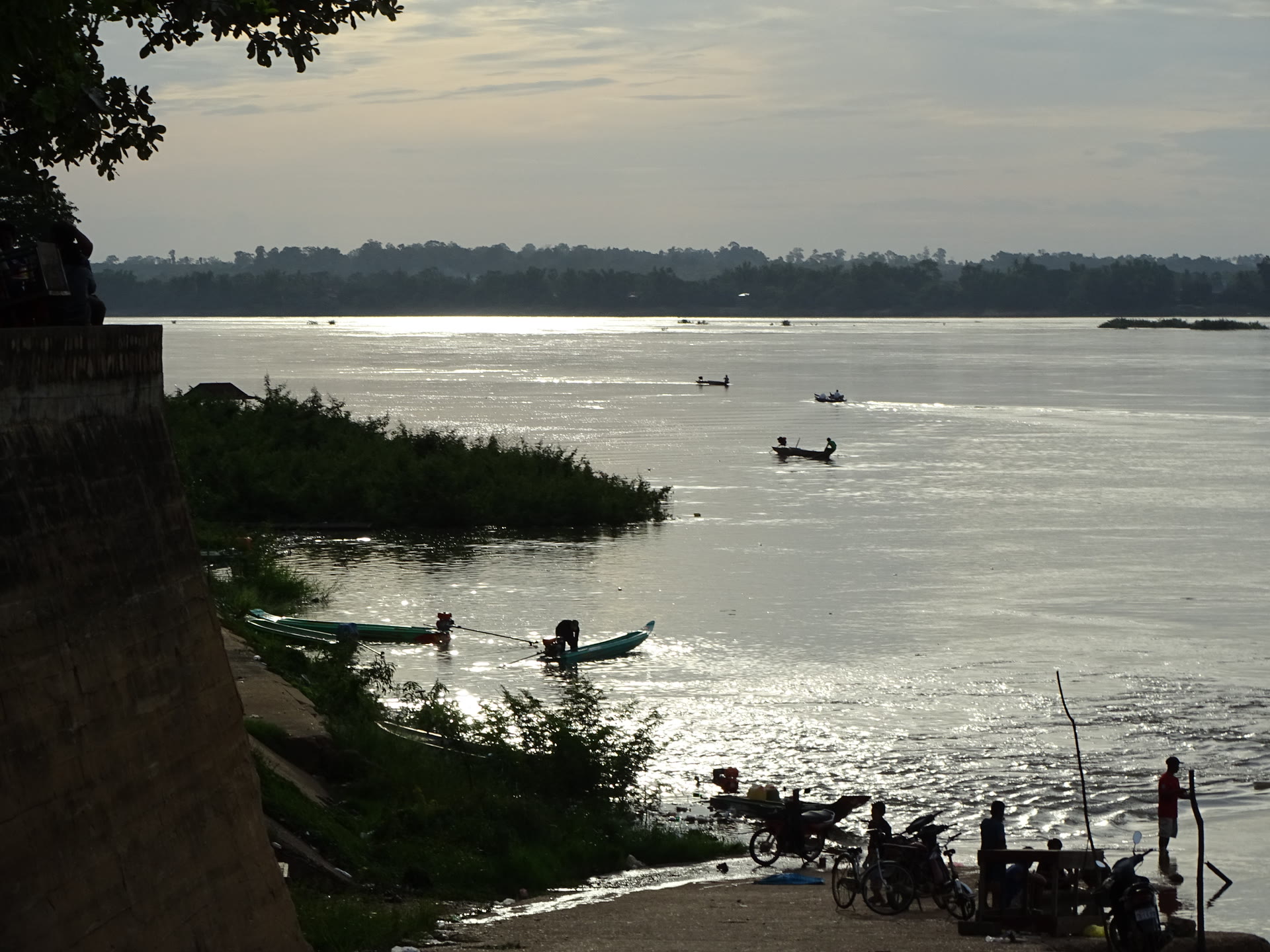
The riverfront is the heart of town. A paved road runs along the San River and fills with locals in the late afternoon and early evening, who ride, walk and stop at the drink and dessert stands that spring up for the crowd.[1] The river port by the small city park handles trade between Cambodia and Laos.[1] Most guesthouses, restaurants, and the central market cluster within a few blocks of the river. This is where you want to stay for convenience, river views, and easy access to boat departures.
Market Area
The central market (Phsar Stung Treng) sits a short walk inland from the riverfront. This is a working local market, not a tourist attraction, but it is the best place to buy fruit, snacks, and basic supplies. The surrounding streets have pharmacies, phone shops, and a few modest hotels.
Outskirts and Villages
Beyond the compact town center, Stung Treng quickly becomes rural. Small villages, rice paddies, and forest line the roads heading in every direction. The community-based ecotourism sites and flooded forests are located outside town, typically reached by boat or motorbike. There is no reason to stay outside the center unless you are booked into a specific eco-lodge.
For most travelers, the riverfront strip is the obvious base. It puts you within walking distance of everything in town and close to the boat jetties where dolphin trips and kayaking excursions depart.
Things to Do
Offers are only loaded from GetYourGuide after you click. GetYourGuide can then process your IP address and set cookies. Privacy Policy
GetYourGuide partner offers. GoAsia may earn a commission if you book through these offers. Check whether tickets or transfers are included, and follow the attraction's official booking and admission rules.
Best Time to Visit
Stung Treng has a tropical climate with three seasons that change what you can do here.
The sweet spot for most travelers is the end of the rainy season and the start of the cool season, when the flooded forests are still accessible and the weather is cooling down. The rainy season transforms the landscape but can make some roads impassable.[1] If flooded forest kayaking is your primary goal, time your visit for the late rainy season or early cool season, when water levels are high enough to paddle through the submerged trees.
The Cambodian Water Festival (Bon Om Touk) brings local celebrations to the riverfront, on a far smaller scale than in Phnom Penh.
From Phnom Penh: Several bus companies, such as PPT and Sorya, run daily along National Road 7, a distance of 348 km. Sorya leaves at 07:00 and at noon, and the ride takes 7 to 9 hours for about $8.[2] Buy your ticket at the central bus station southwest of the central market.[2]
From Kratie: The 142 km on the recently paved National Road 7 take about 1.5 to 2.5 hours, and the road is one of the best in the country.[2] Share taxis cover the stretch for about 20,000 riel.[2] This is the most common approach for travelers working their way up the Mekong from Phnom Penh. The bullet boat between Kratie and Stung Treng no longer runs.[2]
From Laos (Don Det / 4000 Islands): The Nongnokkheane checkpoint on the Lao side faces Trapeang Kriel in Cambodia. It is open from 06:00 to 18:00 and issues visas on arrival and accepts the Lao e-visa.[3] You can check transport details and border crossing information on GoAsia.cc.
Getting Around
Within Stung Treng town, walking is the easiest option since everything is compact. For excursions outside town, you have several choices:
Motorbike rental: Guesthouses rent motorbikes. Roads outside town range from decent to rough dirt tracks, so ride cautiously and check the bike thoroughly before you rent.
Tuk-tuks: Available for hire around town and to nearby sites. Agree the price beforehand.
Boats: Essential for dolphin watching and flooded forest trips. Arrange them through guesthouses or local tour operators.
Bicycle rental: Some guesthouses offer bicycles, suitable for exploring the flat surroundings.
Ferry across the San River: The ferry from the river port carries you to where National Road 7 continues north to the Lao border. The fare is 300 riel per person.[1]
Top Sights and Experiences
Must-See Experiences
Flooded Forest Kayaking at Ramsar Wetlands
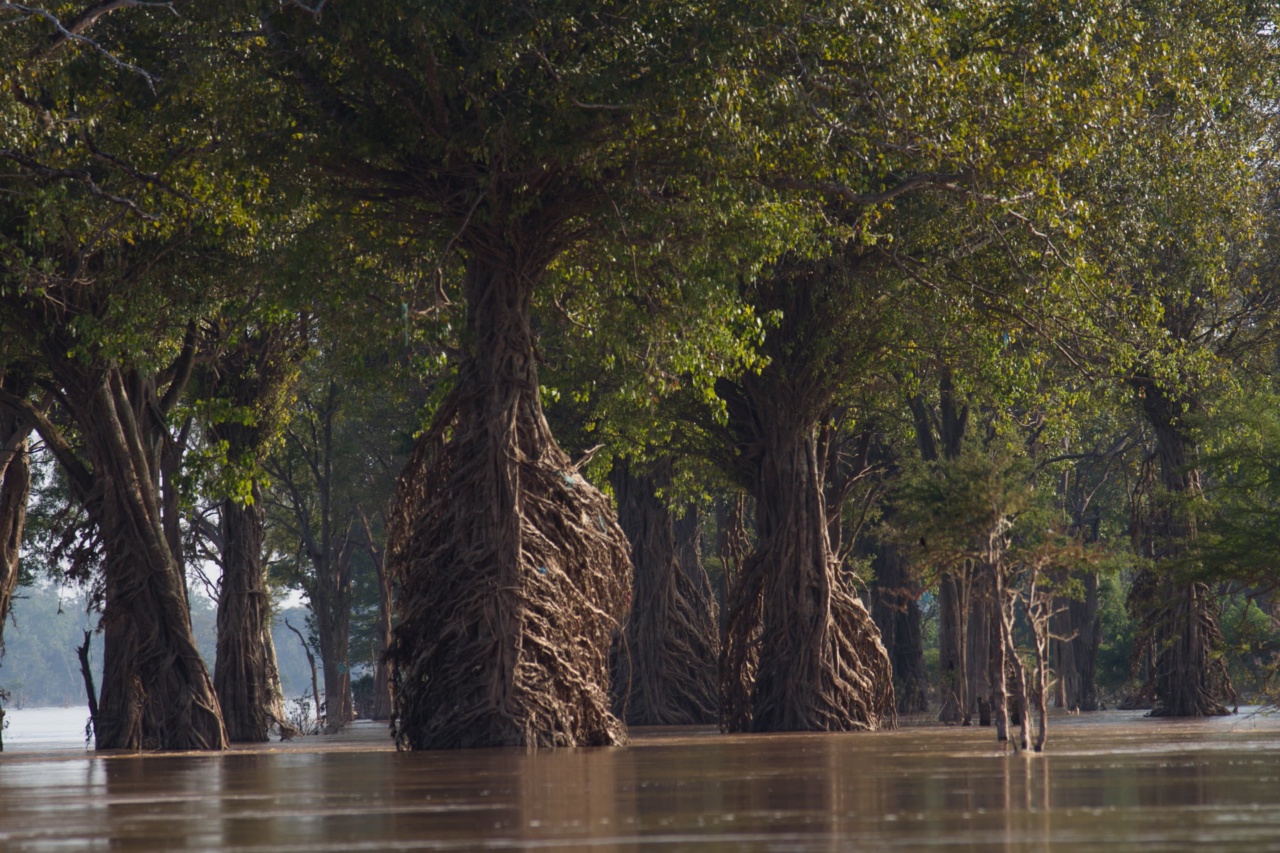
This is the headline experience in Stung Treng and one of the most unique activities in all of Cambodia. The flooded forest of the Mekong becomes a submerged labyrinth during and after the wet season. Kayaking through the forest canopy while the trees stand chest-deep in water is surreal and unforgettable. Community-based tourism operators run guided kayaking trips of half a day to a full day. The water is highest toward the end of the rainy season. Bring waterproof bags for your electronics and wear quick-dry clothing.
The last Irrawaddy dolphins of the Mekong live in 10 deep pools along a 190 km stretch of the river, mostly between Kratie and Stung Treng.[1] Boat trips from Stung Treng take you to the dolphin pools, where you can watch these rare freshwater dolphins surface and breathe. Early morning is a good time to go, and sightings are never guaranteed. The experience is quieter than at the more popular Kampi pool near Kratie.
O'Svay Community-Based Ecotourism
The village of O'Svay, located on an island in the Mekong near Stung Treng, runs a community-based tourism project. Visitors can homestay with local families, join guided nature walks, go bird watching in the wetlands, and learn about traditional fishing methods. The revenue goes to the village, and what you see is real life in a Mekong river village, not a staged show.
Sekong River Sunset
The San River meets the Mekong just northeast of town, and the water spreads out wide and slow. Walking along the riverfront road in the late afternoon is free and deeply pleasant. Locals gather here to exercise, socialize, and watch the sun drop behind the water. Grab a cold drink from a riverside vendor and settle in.
Lesser-Known Gems
Thala Barivat District
Located north of Stung Treng town, this area along the Mekong offers quieter dolphin-watching opportunities and access to remote river islands. Few tourists venture here, and the scenery is striking. Arrange a motorbike or boat to explore.
Preah Rumkel
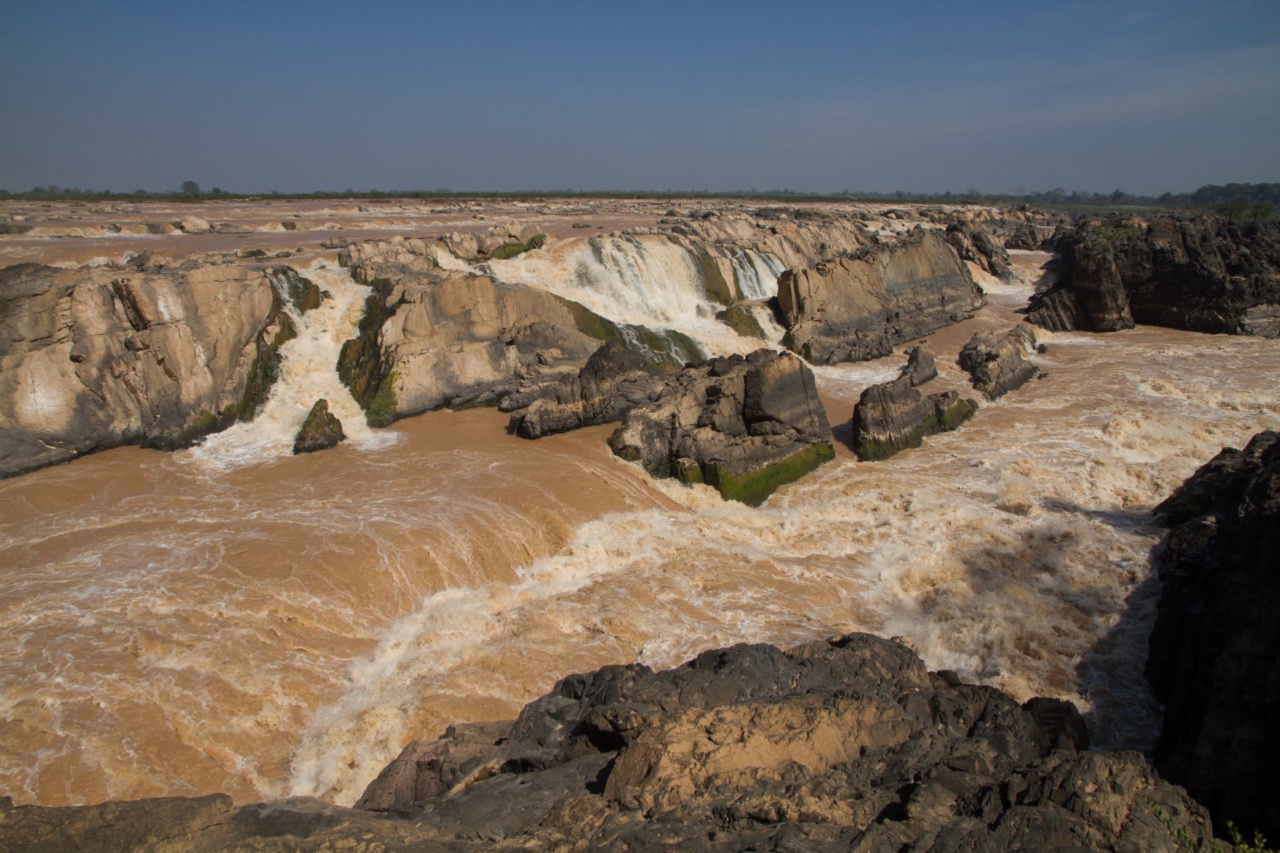
This community tourism site north of Stung Treng, near the Lao border, features the Sopheak Mitt waterfall and more flooded forest. Boat and kayak trips are available, and the village has basic homestays.
Bird Watching Along the Mekong
The wetlands around Stung Treng support a remarkable diversity of bird species, including several rare and endangered ones. The flooded forests and river islands are home to kingfishers and large waterbirds. Serious birders should hire a local guide familiar with nesting sites and seasonal patterns.
Food and Drink
Stung Treng is not a culinary destination, but the food is honest and fresh. The town's location at the river confluence means freshwater fish dominates the menu, and it is excellent.
Signature Dishes
Dish
Description
Where to Try
Trey ang (grilled fish)
Whole freshwater fish grilled over charcoal, often served with dipping sauce and herbs
Riverfront restaurants
Samlor korko
Traditional Khmer soup with vegetables, prahok (fermented fish paste), and sometimes pork or fish
Local eateries near the market
Bai sach chrouk
Pork and rice, a classic Cambodian breakfast of grilled pork slices over broken rice
Morning street stalls
Kuy teav
Rice noodle soup with pork or beef broth, a staple breakfast
Market food stalls
Num pang
Cambodian baguette sandwich filled with pate, pickled vegetables, and meat
Street vendors in the morning
The riverfront has a handful of restaurants catering to the small tourist traffic, offering both Khmer and basic Western dishes (fried rice, pancakes, burgers).
Street food is concentrated around the central market, especially in the morning. Breakfast stalls serve bai sach chrouk and kuy teav from early morning until they sell out. The market also has fruit vendors selling mangoes, rambutans, and other tropical fruit at negligible prices.
For drinks, Cambodian beer is available everywhere, fresh fruit shakes are common, and small cafes serve strong iced coffee with sweetened condensed milk.
Where to Stay
Accommodation in Stung Treng is basic compared to Cambodian tourist hubs. There are no international chain hotels, no boutique properties, and no resorts. What you will find is clean, functional guesthouses and a few modest hotels, mostly clustered along the riverfront.
Budget
Several guesthouses along the riverfront and near the market offer simple rooms with fans or air conditioning, private bathrooms, and basic furnishings. Expect clean but sparse rooms. WiFi is usually available but can be slow. These guesthouses are also the best source for arranging tours and motorbike rentals.
Mid-Range
A small number of hotels in town offer slightly more polished rooms with air conditioning, hot water, TV, and better furnishings. Some have small restaurants attached. These represent the upper end of what is available in Stung Treng and are perfectly comfortable for a few nights.
Upscale
True upscale accommodation does not exist in Stung Treng town. The closest thing is a few eco-lodges in the surrounding area, particularly near community tourism sites. These offer a more immersive experience in natural settings. Availability is limited, so book ahead in the cool season.
Homestays
Community-based tourism homestays at O'Svay and Preah Rumkel offer the most distinctive accommodation experience. You sleep in a local family home, eat home-cooked meals, and gain direct insight into river village life. Conditions are basic (expect a mattress on the floor, mosquito net, and shared facilities) but the cultural immersion is unmatched.
Practical Tips
Safety: Cambodia has one of the highest road accident rates in south-east Asia, and travel after dark raises the risk. Passenger rides on motorbike taxis are dangerous.[4] Landmines and unexploded weapons remain a danger, and mined areas are often unmarked, so stay on the main routes.[4] If you kayak or take a boat, wear a life jacket and follow your guide's instructions.
Currency and payment: Cambodia uses both US dollars and Cambodian riel. Dollars and riel are both in use. Carry small bills, because change can be hard to find, and bring enough cash from a larger city.
Tipping: Not expected in local eateries. A tip for tour guides and boat operators is appreciated.
Internet and SIM cards: Coverage is better in town than outside it. Buy a Cambodian SIM in Phnom Penh before you arrive. WiFi at guesthouses works but is slow.
Language: English is limited. Guesthouse owners and tour operators speak basic English, but at the market and local restaurants you will encounter a language barrier. Download an offline Khmer phrasebook or translation app. Learning basic greetings (jum reap sour for hello, aw kun for thank you) goes a long way.
Health: Bring mosquito repellent with DEET, especially during the wet season. Ask a travel health clinic before your trip about malaria and other mosquito-borne diseases, especially for forest areas. Drink bottled or filtered water and carry a basic first aid kit.
Cultural etiquette: Dress modestly when visiting villages and community tourism sites. Remove shoes before entering homes. Ask permission before photographing people, especially in rural villages. Cambodians are generally warm and forgiving of cultural missteps, but respect goes a long way in small communities.
Electricity: Power supply is generally reliable in town but can be intermittent. Bring a portable charger for excursions outside town.
Day Trips
Preah Rumkel and Sopheak Mitt Waterfall
Preah Rumkel, north of Stung Treng near the Lao border, offers flooded forest exploration, kayaking and the scenic Sopheak Mitt waterfall, which is at its most impressive in the rainy season. Community tourism homestays are available if you want to stay overnight. Reach it by motorbike or arrange a boat trip. Worth it for nature lovers, especially combined with dolphin spotting in the area.
Kratie, 142 kilometers south, is the more established base for Irrawaddy dolphin watching at the Kampi pool.[2] The town has French colonial buildings and a pleasant riverfront. The drive takes about 1.5 to 2.5 hours.[2] It works as a long day trip but is better as an overnight stop if you are heading south. The dolphin experience at Kampi is more organized but also more crowded than watching from Stung Treng.
Virachey National Park
Virachey National Park is one of Cambodia's largest and most remote protected areas. Its western part lies in Stung Treng province and is reached from Siem Pang.[1] Banlung in Ratanakiri is 146 km from Stung Treng; the road takes about 5.5 hours in the rainy season, a little less in the dry season, and is rough.[2] This is serious jungle trekking with basic camping, not a casual day trip.
Lao Border and Don Det (4000 Islands)
The Trapeang Kriel border crossing into Laos is about 50 kilometers north.[1] From the Lao side, it is a short journey to the 4000 Islands area (Si Phan Don), a backpacker favorite known for its laid-back river islands, waterfalls, and tubing. This is more of a one-way trip than a day trip, but if you are considering crossing into Laos, Stung Treng is the natural staging point. The Lao checkpoint on the other side issues visas on arrival and accepts the Lao e-visa.[3]
Siem Pang
This remote town northeast of Stung Treng, on the Tonle Kong, is known among serious birdwatchers for its rare ibis species. It is a niche destination, but a rewarding one if you are a birder.
Sample 3-Day Itinerary
Day 1: Arrival and River Exploration
Morning: Arrive in Stung Treng by bus or share taxi from Kratie or Phnom Penh. Check into a riverfront guesthouse and grab breakfast at a market stall (bai sach chrouk or kuy teav). Rent a bicycle and explore the compact town center, visiting the central market for supplies and snacks.
Afternoon: Arrange a boat trip for dolphin watching on the Mekong. Spend two to three hours on the water scanning for Irrawaddy dolphins in the deep pools north of town. Bring sunscreen, a hat, and water.
Evening: Return to the riverfront for sunset. Dinner at a riverside restaurant, ordering grilled Mekong fish and a cold Angkor beer. Plan the next day's kayaking trip with your guesthouse.
Day 2: Flooded Forest Kayaking
Morning: Early departure for a full-day flooded forest kayaking excursion. Your guide will take you by boat to the Ramsar Wetland area, where you transfer to kayaks and paddle through the submerged forest canopy. The morning light filtering through the trees is extraordinary.
Afternoon: Continue kayaking with a lunch break on a river island or sandbar (usually included in the tour). Watch for birds, monitor lizards, and the surreal sight of treetops at eye level from your kayak. Return to town by late afternoon.
Evening: Rest and recover. Wander the riverfront promenade with locals doing their evening exercise. Dinner at a different local restaurant, trying samlor korko soup.
Day 3: Community Tourism and Departure
Morning: Take a boat to O'Svay village for a community-based tourism experience. Join a guided walk through the village, learn about traditional fishing techniques, and visit the surrounding wetlands. Enjoy a home-cooked lunch with a local family.
Afternoon: Return to Stung Treng. If time allows, explore any remaining corners of town or simply relax at a cafe with a fruit shake. Pick up any last souvenirs from the market (local scarves, dried fish, or fruit).
Evening: Catch an afternoon or evening bus to your next destination, whether that is south to Kratie and Phnom Penh, or north to the Lao border and the 4000 Islands.
Frequently Asked Questions
Is Stung Treng worth visiting?
Stung Treng is worth visiting if you value authentic experiences over tourist infrastructure. The flooded forest kayaking is memorable, the Irrawaddy dolphins are a rare wildlife encounter, and the town offers a window into rural Cambodian life. If you need comfortable hotels and varied nightlife, this is not your destination.
How many days do you need in Stung Treng?
Two to three days is ideal. You need one full day for the flooded forest kayaking, a half-day for dolphin watching, and the remaining time to explore the town and surrounding villages.
Is Stung Treng safe for tourists?
The main risks are on the road and in the water: Cambodia has a high road accident rate, travel after dark raises the risk, and river currents are strong in the rainy season. Wear a life jacket on boats and stay on the main routes, because landmines remain a danger in Cambodia.
What is the best time to visit Stung Treng?
The late rainy season and early cool season suit flooded forest kayaking, while the cool season has the most comfortable weather. The hot season from March to May is punishing.
How do I get to Stung Treng from Phnom Penh?
Take a bus along National Road 7, a distance of 348 km. Sorya leaves at 07:00 and at noon, and the ride takes 7 to 9 hours for about $8. There is no commercial flight to Stung Treng.
Can I see Irrawaddy dolphins near Stung Treng?
Yes. The Irrawaddy dolphins of the Mekong live in deep pools mostly between Kratie and Stung Treng, and boat trips can be arranged locally. Early morning is a good time to go.
Is Stung Treng a good base for crossing into Laos?
Yes. Stung Treng is the last significant town before the Trapeang Kriel border crossing into Laos, about 50 km north. Many travelers stop here overnight before or after crossing.
What food is available in Stung Treng?
Stung Treng has simple Cambodian restaurants serving rice dishes, noodle soups and freshwater fish from the Mekong, plus a few places with basic Western food. Do not expect fine dining.
Do I need a visa to visit Stung Treng?
Most visitors need a Cambodian visa. The e-visa costs $30, allows a stay of 1 month and is accepted at the Trapeang Kriel land checkpoint in Stung Treng. All travelers must also submit the Cambodia e-Arrival form online.
Is English widely spoken in Stung Treng?
English is limited compared to tourist hubs like Siem Reap. Guesthouse staff and tour operators usually speak enough English for basic communication, but in markets and local restaurants you may need gestures, a translation app or a few Khmer phrases.
Sources and background
Numbers in the text such as [1] refer to these sources.