
How to Get from Pakse to Krong Stung Treng
Contents
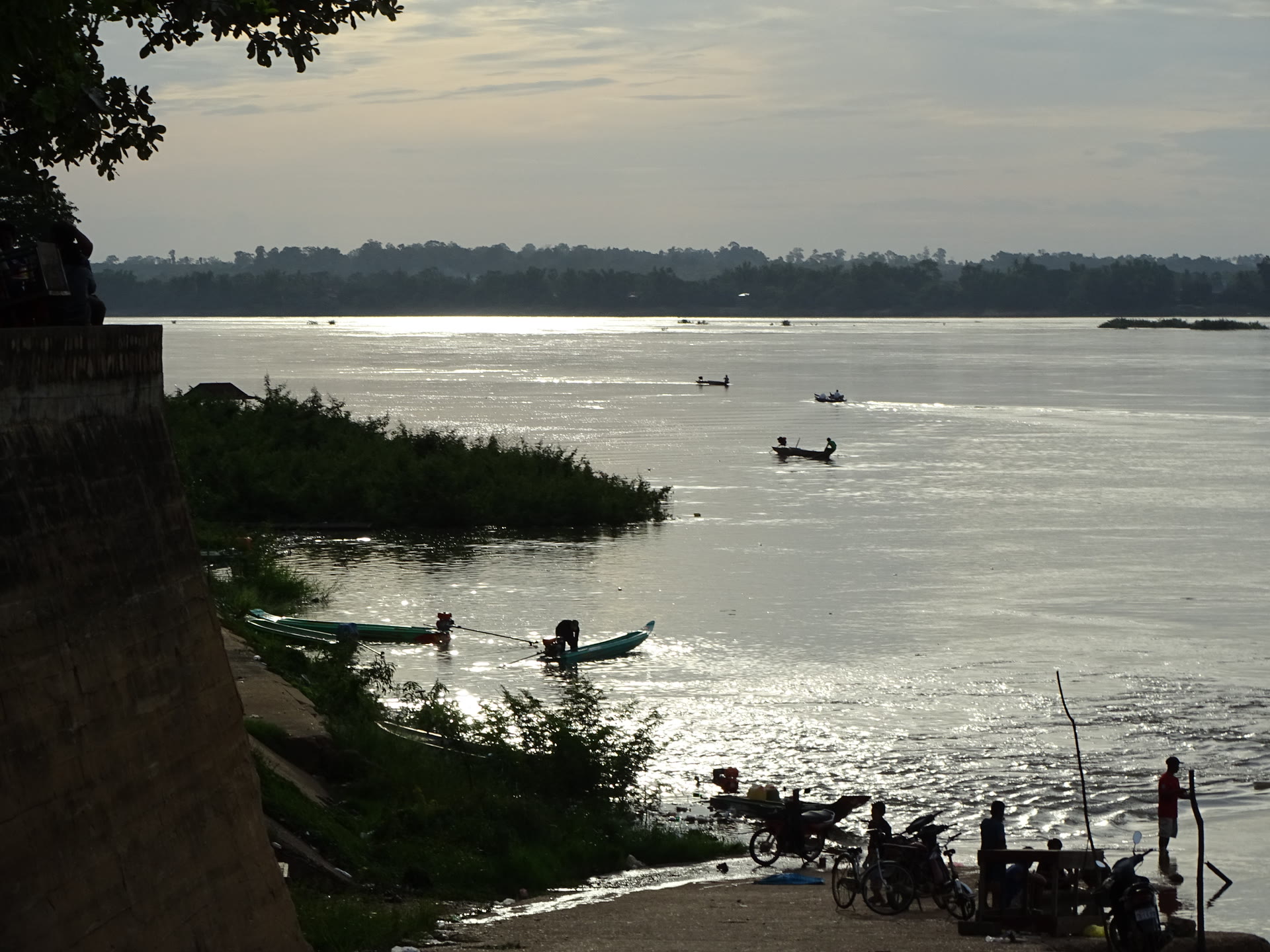
Leaving behind the cooling mists of the Bolaven Plateau and the sleepy riverside charm of Pakse feels like turning a page in a Southeast Asian diary. The journey south toward Krong Stung Treng is more than just a transit; it is a transition from the laid-back pace of Southern Laos into the rugged, river-fed landscapes of Northern Cambodia. This route follows the Mekong River as it widens and breaks into the famed 4,000 Islands before crossing one of the most significant land borders in the region.
While the distance is not immense, the international border crossing at Veun Kham and Dong Kralor adds a layer of adventure to the trip. Travelers often find themselves swapping stories of Lao coffee for the anticipation of Cambodian pepper and ancient river history. Whether you are heading to Stung Treng to catch a glimpse of the rare Irrawaddy dolphins or using it as a gateway to the wilder provinces of Ratanakiri and Mondulkiri, the journey is a vital link for those exploring the Mekong trail.
Pakse to Krong Stung Treng by Bus
Taking a bus is the most common way to navigate this international route. These services are designed to handle the logistics of moving groups across the border, making them a reliable choice for those who prefer a more structured travel experience. Prices for the bus range from $22 to $32, depending on the operator and the specific type of vehicle used. You can expect the journey to take between 4 hours and 30 minutes to 5 hours and 30 minutes, though this can fluctuate based on how quickly the group clears immigration.
Seater Bus Options
There are several seating configurations available for this route. The Seater 35 and Seater 36 buses offer a standard coach experience with upright seats and air conditioning. These are generally comfortable for a half-day journey, providing enough legroom for most travelers. These buses typically depart in the morning, allowing you to reach Krong Stung Treng by the afternoon.
Air Bus Services
The Air Bus is another popular variant on this route. While similar to the standard seater buses, these often focus on maintaining a cool climate throughout the ride, which is essential given the high humidity of the Mekong basin. These services often depart early in the day, around 08:00, ensuring you maximize your daylight hours in Cambodia. All bus tickets for these routes can be secured in advance on GoAsia.cc to ensure you have a seat on your preferred day of travel.
Pakse to Krong Stung Treng by Van
For those who prefer a slightly smaller vehicle, the minibus or van option is a consistent alternative. The price for a van is fixed at approximately $29. These vehicles are generally faster in terms of road speed, though they still adhere to a 5-hour total duration to account for border formalities. Vans are a great choice if you prefer a smaller group environment or if the bus departure times do not align with your schedule.
The minibus service is straightforward: you will have a designated seat in a 10 to 14-seater van. While there is less room to walk around compared to a large bus, many travelers find the van experience more direct. Luggage space can be a bit more restricted in a van, so it is wise to keep your most valuable items in a small daypack at your feet. The vans depart at multiple intervals in the morning, providing a bit more flexibility for your departure from Pakse.
Comparing Your Options
| Mode | Price (USD) | Duration | Comfort |
|---|---|---|---|
| Bus (Seater/Air Bus) | $22 - $32 | 4h 30min - 5h 30min | Moderate |
| Van (Minibus) | $29 | 5h | Standard |
Tips for Traveling from Pakse to Krong Stung Treng
- Prepare for the Border: This is an international crossing. Ensure you have clean USD bills for your Cambodian visa on arrival, as torn or old notes are often rejected. You will also need passport-sized photos.
- Currency Knowledge: While Cambodia uses the Riel, the US Dollar is widely accepted in Stung Treng. Once you cross the border, your Lao Kip will be much harder to exchange, so try to spend it or convert it before leaving Pakse.
- Hydration and Snacks: While there are usually stops near the border, it is a good idea to bring a bottle of water and some light snacks from Pakse to keep you going through the immigration process.
- Booking Ahead: This route is a primary artery for travelers moving between Laos and Cambodia. During peak travel months, seats can fill up quickly, so booking via GoAsia.cc a few days in advance is recommended.
- Arrival in Stung Treng: Most transport will drop you in the center of Krong Stung Treng. From there, it is easy to find local transport to your guesthouse or to the riverfront for a sunset view over the Mekong.
Timetable
| Bus Pakse - Krong Stung Treng $ 21.04–30.06 4h 30m – 5h 30m | |
|
|
| Van Pakse - Krong Stung Treng $ 27.79 5h | |
|
Frequently Asked Questions
Use the booking tool on this page to compare the transport options currently available from Pakse to Krong Stung Treng, including current prices and schedules.
The cheapest way to travel this route is by bus, with prices starting at $22 for a seater bus service. This is a budget friendly option for travelers looking to cross the border into Cambodia without spending a lot.
The fastest way to reach Krong Stung Treng from Pakse is by bus, which can take as little as 4 hours and 30 minutes. However, total travel time for both buses and vans is usually around 5 hours depending on border traffic.
The journey typically takes between 4 hours and 30 minutes to 5 hours and 30 minutes. This includes the time required for the vehicle to transit the road and for passengers to clear immigration at the Laos and Cambodia border.
Most nationalities require a visa for Cambodia, which can usually be obtained as a visa on arrival at the Dong Kralor border. It is essential to have the correct amount in USD and a passport photo ready to speed up the process.
Yes, drivers typically make at least one stop near the border or at a local rest area where you can find basic food and restroom facilities. It is still recommended to carry some water and snacks with you.
Buses generally offer more legroom and a higher seating position, which can be better for scenery. Vans are smaller and can feel more cramped but sometimes offer a slightly more personalized service with fewer passengers to wait for at the border.
Guide prices and journey times are indicative, not live quotes. A booked package may include transfers and waiting time as well as the main journey. Check the selected offer, pickup point and current conditions before booking.