Cambodia's second-largest island sits in the Gulf of Thailand like a barefoot paradise caught between backpacker legend and emerging boutique destination.
The first thing you notice stepping off the ferry at Koh Rong is the silence. No motorbikes buzzing, no tuk-tuks honking, no construction noise. Just waves, birdsong, and the low hum of a generator somewhere behind the treeline. Cambodia's second-largest island operates on a rhythm entirely removed from the mainland, and that disconnection is precisely the point.
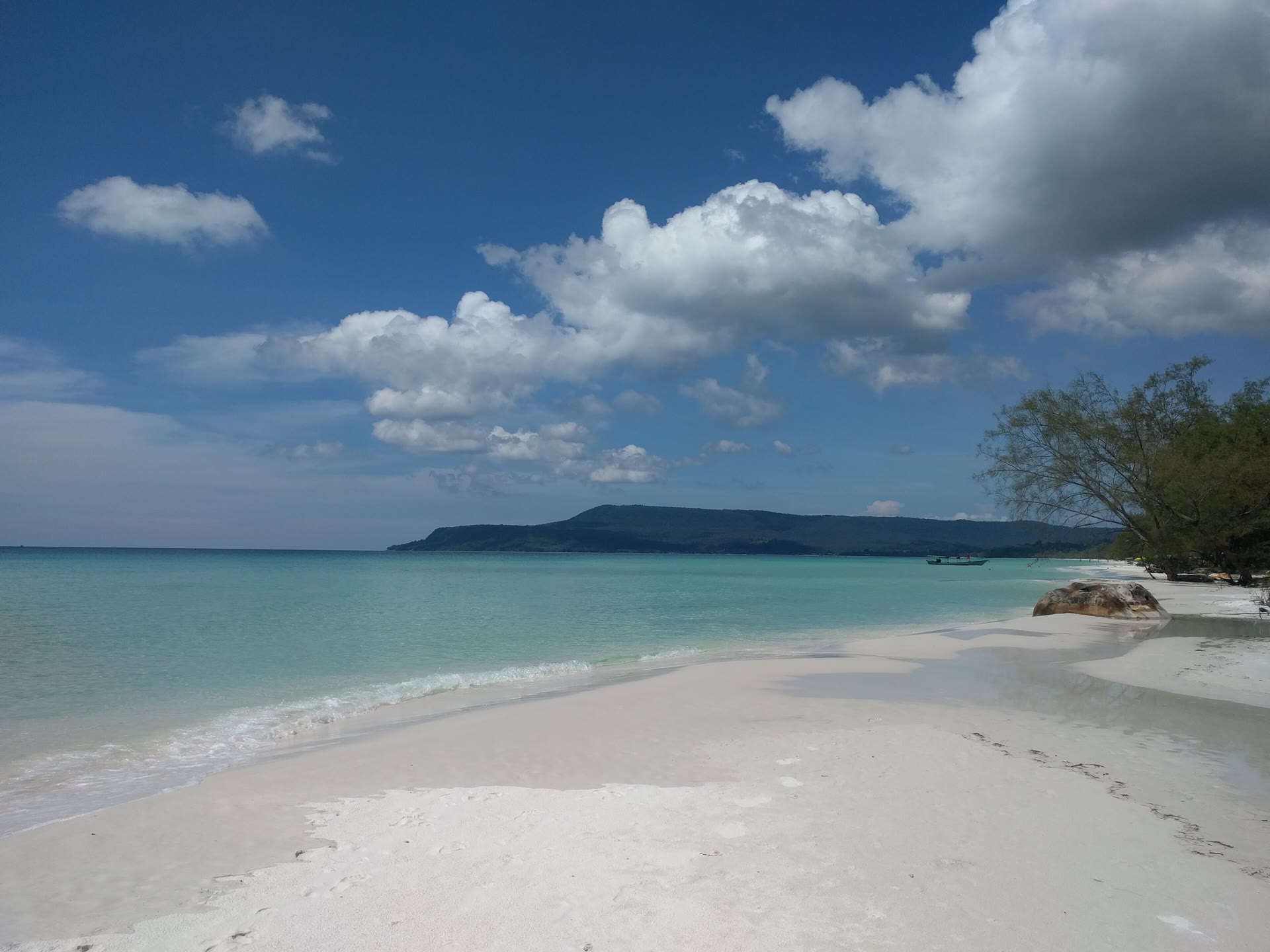
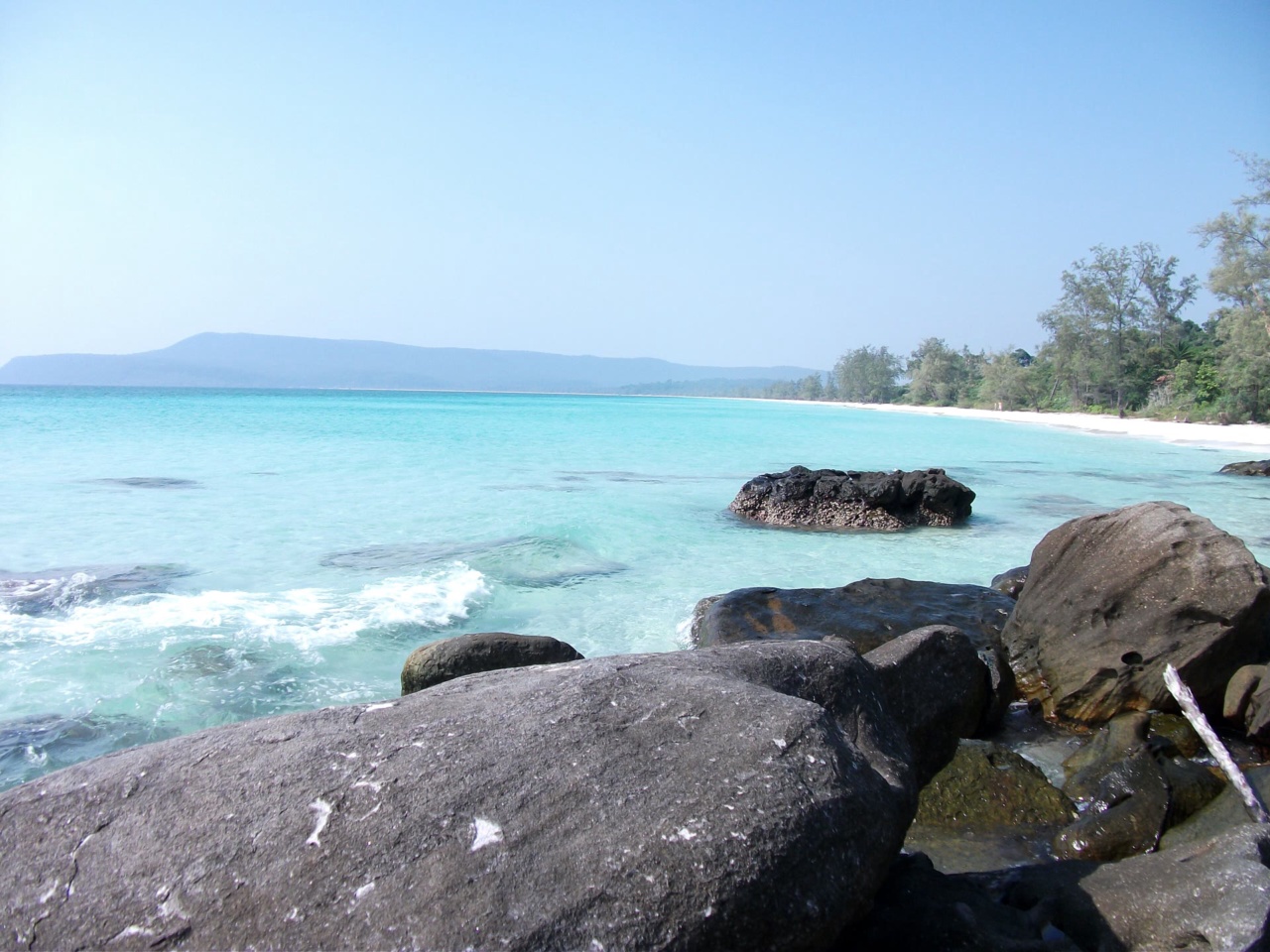
Koh Rong covers about 78 square kilometers, with some 43 kilometers of beaches and more than 20 named beaches, among them Long Set and Sok San.[1] The interior is dense tropical jungle. Most people come for the sand and the sea, and both deliver spectacularly. The island's real magic happens after dark, when bioluminescent plankton can turn the shallows into a field of blue stars with every movement of your hand through the water.
The island has evolved considerably from its early days as a purely backpacker outpost. While the party scene still thrives around Koh Touch village, quieter stretches like Long Set Beach and Sok San village now cater to mid-range travelers and couples seeking solitude.
This is not a destination for those who need reliable Wi-Fi, air conditioning in every room, or paved roads. Koh Rong asks you to lower your expectations for infrastructure and raise them for natural beauty. If that trade-off appeals to you, read on.
Orientation and Neighborhoods
Koh Rong has four communities: Koh Touch in the south-east, Prek Svay in the north-east, Daem Thkov in the east and Sok San in the west.[1] The island also has a handful of beach areas with a very different character. Understanding which beach suits your style is the single most important decision for your trip.
Koh Touch (Main Village)
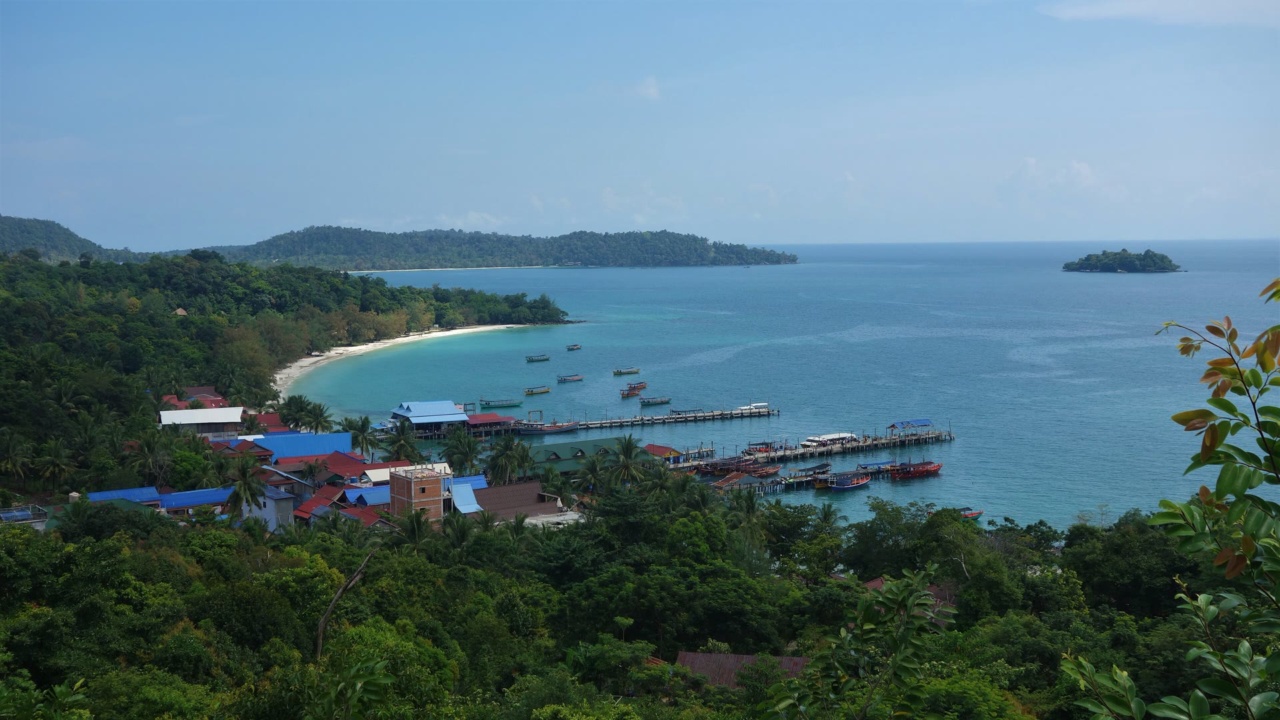
Koh Touch is the main village, and most of the island's bars, restaurants, and budget guesthouses cluster here. It is the social hub, loud at night with beach parties, and the best base if you want nightlife, easy dining options, and fellow travelers to meet. The beach here is decent but far from the island's best.
Long Set Beach (4K Beach)
A stretch of sand on the island's west coast, reached on foot from Koh Touch or by boat taxi. This is where mid-range bungalow operations have set up, offering a balance of comfort and seclusion. The swimming is good, the sunsets face west, and the vibe is calm without being completely isolated.
Sok San Village and Long Beach
On the western side of the island, Sok San is a local Khmer fishing village with a growing number of guesthouses, and Long Beach stretches north of the village. A direct ferry to Sok San Long Beach is occasionally available from Sihanoukville for about $11 one way. Otherwise you take a ferry to the main pier on Koh Rong and then a shuttle boat for about $6.[2] This area suits travelers who want quiet and do not mind limited dining options.
The northern tip of the island remains the least developed. A few eco-resorts and isolated bungalow operations dot these shores. Getting here requires a boat, and once you arrive, you are essentially committed to eating at your accommodation. Perfect for a digital detox or honeymoon, impractical for anyone who wants options.
For a first visit, Long Set Beach offers the best compromise: beautiful scenery, a short distance to Koh Touch for restaurants and nightlife, and enough accommodation choices across budget levels.
Things to Do
Offers are only loaded from GetYourGuide after you click. GetYourGuide can then process your IP address and set cookies. Privacy Policy
GetYourGuide partner offers. GoAsia may earn a commission if you book through these offers. Check whether tickets or transfers are included, and follow the attraction's official booking and admission rules.
Best Time to Visit
The dry season runs from November to May, and the peak months are December to February.[3] That is when skies are clearest and the sea is calmest, so book your accommodation and boats in advance for these months. In the wet season, rough seas can delay or cancel crossings, and some guesthouses and restaurants may close, so allow some buffer before an onward connection. Bioluminescent plankton can be seen after dark and show best on moonless nights when the water is calm.
Getting There and Getting Around
Getting to Koh Rong
All routes to Koh Rong pass through Sihanoukville on Cambodia's southern coast, which is 232 km from Phnom Penh.[4] From Phnom Penh, Giant Ibis runs a bus that covers 240 km in about 4 hours via the Express Highway and stops at its ticket office next to the Autonomous Port in Sihanoukville.[5] Royal Railway also runs a southern line from Phnom Penh to Sihanoukville.[6]
Boats to Koh Rong leave from Sihanoukville Pier. Island Speed Ferry lists a 45-minute ferry or speedboat crossing, with a return fare of about $25.[3] Booking platforms list high speed ferries to Koh Rong at 08:45, 11:45, 14:45 and 16:45 for about $18 one way (October 2026).[7] Buva Sea also runs speedboats from the mainland to Koh Rong, Koh Rong Samloem and Koh Sdach.[8] You can check ferry schedules and book transport options on GoAsia.cc for the latest details.
You get around by walking, by boat taxi, or by long-tail boat. The jungle trail between Koh Touch and Long Set Beach is unlit, so bring a headlamp for walks after dark. Some accommodations on remote beaches include boat transfers in their rate.
Flip-flops work on the beaches, but jungle trails demand closed-toe shoes or sturdy sandals.
Top Sights and Experiences
Must-Do Experiences
Bioluminescent Plankton - Koh Rong's signature experience. Wade into the water on a dark, moonless night at a beach away from artificial light, and the plankton can glow blue with every movement. Check the lunar calendar before your trip and aim for a new moon period for maximum effect.
Long Beach - A long stretch of white sand backed by coconut palms on the western side of the island. Bring water and sun protection since there is little shade.
Snorkeling - Boat tours with snorkeling and a barbecue cost about $15 to $25 per person.[3]
Sunset at Long Set Beach - The west-facing orientation of this beach makes it a good place to watch the sun go down. Arrive by late afternoon and grab a drink from one of the beach bars.
Food and Drink
Koh Rong's food scene is functional rather than inspiring, shaped by the logistical challenge of supplying a remote island by boat. Koh Touch has the widest selection, ranging from Khmer kitchens to Western-oriented cafes serving burgers, pizza, and pasta. Quality varies, and the best strategy is to eat Cambodian food. Several beachfront restaurants grill the day's catch each evening, and pointing at the fish you want and having it prepared is one of the island's simple pleasures.
What to Eat
Dish
Description
Where to Try
Fresh Grilled Seafood
Whole fish, squid, or prawns grilled over charcoal with lime and Kampot pepper
Beach BBQ stalls in Koh Touch or Sok San
Fish Amok
Cambodia's signature curry: fish steamed in banana leaf with coconut milk and lemongrass
Khmer restaurants in Koh Touch
Lok Lak
Stir-fried beef with pepper sauce, served with rice and a fried egg
Most Khmer eateries
Mango Sticky Rice
Sweet coconut-infused sticky rice with fresh mango slices
Dessert stalls in Koh Touch
Seafood Fried Rice
Wok-fried rice with shrimp, squid, egg, and vegetables
Widely available
Long Set Beach has a handful of restaurant-bars attached to bungalow operations. Sok San village has small family-run eateries serving simple Khmer food. Buy bottled water or bring a filter bottle.
Where to Stay
Koh Touch is backpacker central, with dorm beds in hostels and basic fan-cooled bungalows. Long Set Beach is the sweet spot for mid-range travelers, with wooden bungalows with private bathrooms near the beach. A small number of boutique resorts have appeared on the island's quieter beaches, offering more comfort and often arranging boat transfers. Book ahead during the peak season from December to February.[3] Where possible, book directly with the property, as some island accommodations are not listed on major booking platforms.
Practical Tips
Safety: Koh Rong is generally safe, but petty theft from unlocked bungalows occurs. Use a padlock on your door and do not leave valuables on the beach. Medical facilities on the island are limited, so travel insurance with medical coverage is advisable.
Cash is king. There are no ATMs on the island, so carry enough US dollars for your stay.[3]
Electricity and internet: Power and mobile coverage can be limited on remote beaches. Charge your devices when you can and carry a power bank.
Mosquitoes: Bring repellent, especially for dawn, dusk and the jungle.
Day Trips
Koh Rong Samloem
Koh Rong's smaller sister island lies about 4 to 6 kilometers away.[1] Saracen Bay on Samloem is a crescent of white sand with turquoise water, and the island is quieter and more upscale than Koh Rong. It is worth a full day or even an overnight stay.
Sihanoukville (Mainland)
Sihanoukville is the departure point for the island boats. If you have a layover, the Otres Beach area south of the main town and the Ream National Park area on the coast nearby are options.
Sample 3-Day Itinerary
Day 1: Arrival and Koh Touch
Morning: Take a morning ferry from Sihanoukville. Arrive at Koh Touch, drop your bags at your accommodation, and get oriented in the village.
Afternoon: Walk to Long Set Beach. Swim, sunbathe, and have a late lunch at one of the beachside restaurants.
Evening: Return to Koh Touch for dinner at a Khmer restaurant. Try the grilled seafood. After dinner, wade into the water at a dark section of beach to see the bioluminescent plankton if conditions allow.
Day 2: Long Beach and Sok San
Morning: Take a boat taxi to Long Beach on the western side and spend the morning swimming and walking along the beach.
Afternoon: Walk to Sok San village for a simple Khmer lunch.
Evening: Return to your base by boat and enjoy a sunset drink at Long Set Beach.
Day 3: Snorkeling and Departure
Morning: Join a snorkeling boat trip, which typically includes equipment.
Afternoon: Return to Koh Touch, have lunch, and catch an afternoon ferry back to Sihanoukville.
If you have a fourth day, dedicate it to Koh Rong Samloem for a change of pace.
Frequently Asked Questions
Is Koh Rong worth visiting?
Koh Rong has more than 20 beaches, bioluminescent plankton on dark nights, and a laid-back atmosphere. If you can handle basic infrastructure and limited connectivity, the natural beauty more than compensates.
How many days do you need in Koh Rong?
Three days is a good minimum to explore different beaches, snorkel, and try to see the bioluminescence. If you only have two days, focus on Long Set Beach and one evening of plankton viewing.
Is Koh Rong safe for tourists?
The island is generally safe. The main risks are petty theft from unlocked rooms, sea urchins in rocky areas, and limited medical facilities. Lock your bungalow and carry travel insurance with medical coverage.
What is the best time to visit Koh Rong?
The dry season from November to May is the best time, and December to February is the peak. In the wet season rough seas can delay or cancel crossings.
Can you see bioluminescence on Koh Rong?
Often, yes. Bioluminescent plankton show best on moonless nights when the water is calm. Check the lunar calendar and walk into the water at a dark beach.
Are there ATMs on Koh Rong?
No. There are no ATMs on the island, so bring enough US dollars in cash for your stay.
How do I get from Sihanoukville to Koh Rong?
Take a ferry or speedboat from Sihanoukville Pier. Island Speed Ferry lists a crossing of about 45 minutes and a return fare of about $25, and booking platforms list several high speed ferries a day for about $18 one way. Book ahead in the peak season.
What is the difference between Koh Rong and Koh Rong Samloem?
Koh Rong is larger, with more accommodation options, nightlife in Koh Touch, and a wider range of beaches. Koh Rong Samloem is smaller and quieter, centered around Saracen Bay.
Can you drink tap water on Koh Rong?
Buy bottled water or bring a reusable bottle with a built-in filter. Most guesthouses sell bottled water.
Sources and background
Numbers in the text such as [1] refer to these sources.
[1]Cambodia Tourism Board: Koh Rong. Retrieved October 15, 2026.