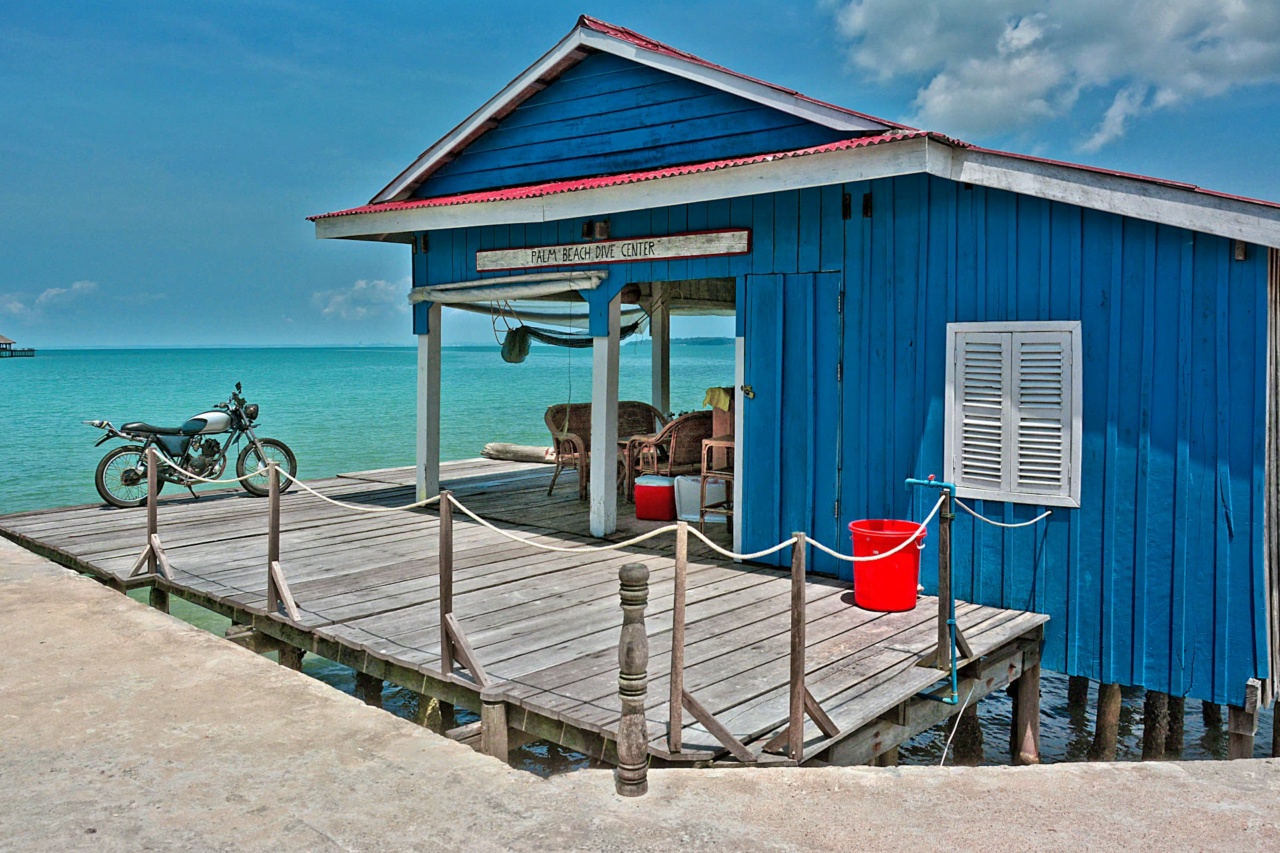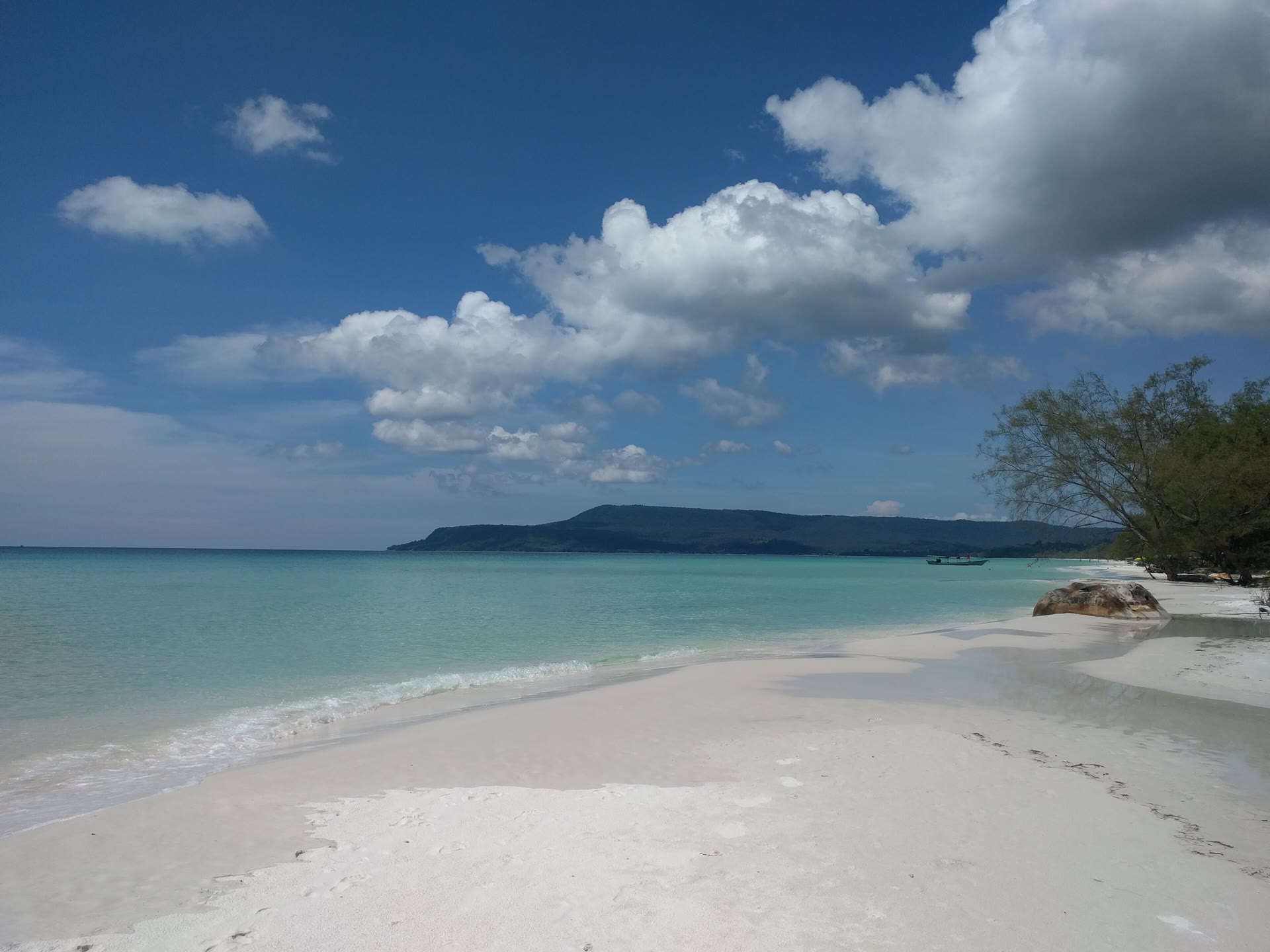
Getting Around Koh Rong - Local Transport Guide for Island Travelers
Koh Rong is not a city with paved boulevards and bus lines. It is a jungle-covered island off the coast of Sihanoukville, Cambodia, where the main roads are sandy paths, the primary highways are the ocean, and the most reliable form of transport is your own two feet. Arriving here means accepting a slower, more improvised way of moving around, and that is precisely the point.
The island stretches roughly 15 kilometers long and 5 kilometers wide, with most development concentrated in two areas: Koh Touch village on the southeast coast and Sok San (Long Beach) village on the west side. Between them lies dense tropical jungle, steep hills, and a handful of trails that range from well-trodden to barely passable. There are no taxis, no tuk-tuks, and no ride-hailing apps. Your transport options boil down to walking, riding in a boat, or renting a motorbike on the limited stretches where dirt roads exist. Understanding these options before you arrive will save you from being stranded on a beach at sunset with no way back to your guesthouse.
Despite its small size, Koh Rong can feel surprisingly difficult to navigate. The lack of infrastructure is part of its charm, but it also means planning ahead matters more than it would in a mainland Cambodian city. Here is everything you need to know about getting from one corner of this island to another.
Getting Around Koh Rong on Foot
Walking is the default mode of transport on Koh Rong, especially within Koh Touch village. The village itself is compact, stretching along a single sandy path that runs parallel to the beach. Guesthouses, restaurants, dive shops, and bars are all within a few minutes' walk of each other. You do not need any transport to explore Koh Touch; just slip on sandals and stroll.
Beyond the village, walking becomes more of an adventure. The jungle trail connecting Koh Touch to Long Beach on the other side of the island takes roughly two to three hours depending on your fitness and the trail conditions. After rain, sections become muddy and slippery, and the path is not always clearly marked. Wear proper shoes (not flip-flops), bring water, and start early to avoid the midday heat. The trail passes through dense jungle with occasional ocean views, and it is one of the most rewarding experiences on the island if you are reasonably fit.
Shorter walks lead to nearby beaches from Koh Touch. The path south to Long Set Beach (sometimes called 4K Beach) takes around 30 to 45 minutes along the coast. The northern trail to other small coves is less established and can be tricky to follow. Always ask your guesthouse for current trail conditions, as paths shift with the seasons and sometimes become overgrown during the wet months from June to October.
Tips for Walking on Koh Rong
- Bring a headlamp or phone flashlight if you plan to walk after dark. There is virtually no street lighting outside Koh Touch village.
- Mosquito repellent is essential on jungle trails, especially near dusk.
- Waterproof bags or dry bags protect your phone and valuables from sudden rain showers and stream crossings.
- The sand paths in Koh Touch get extremely hot in the afternoon sun. Shoes with soles are more comfortable than bare feet between noon and 3 PM.
Getting Around Koh Rong by Water Taxi and Long-tail Boat
Since the jungle interior is largely impassable and there are no real roads connecting the island's scattered beaches, boats are the main way to reach anywhere beyond walking distance. Water taxis and long-tail boats operate informally from Koh Touch pier and can take you to virtually any beach or bay around the island's coastline.
Water taxis are not metered or scheduled. You negotiate a price with a boat driver at the pier or through your guesthouse. A short hop to a nearby beach like Long Set or Coconut Beach typically costs around $5 to $10 per person, while longer trips to remote northern beaches or to circumnavigate the island can run $15 to $30 or more depending on distance, fuel costs, and how many passengers share the ride. Prices are always negotiable, and grouping with other travelers brings the per-person cost down significantly.
Long-tail boats are the workhorses of island transport. These narrow wooden boats with outboard motors are piloted by local fishermen who know every cove and reef around the island. They are not luxurious, and you will get splashed on choppy days, but they go where larger boats cannot. For reaching hidden beaches, snorkeling spots, or the bioluminescent plankton areas on the island's quieter shores, a long-tail boat is often your only option.
Booking and Practical Details
You can arrange water taxis in several ways:
- Walk to the main pier in Koh Touch and speak directly with boat operators. This is the most common approach and allows you to negotiate face-to-face.
- Ask your guesthouse or hotel to arrange a boat. Many accommodations, especially those on isolated beaches, have their own boat transfer service or a regular arrangement with a local driver.
- Join a boat tour. Several operators in Koh Touch run day trips that loop around the island, stopping at multiple beaches and snorkeling spots. These cost around $15 to $25 per person and are a good way to see the island without arranging individual transfers.
During the wet season (roughly June to October), sea conditions can be rough, and some boat operators will refuse to make certain trips. Always check conditions before heading out, and do not push a reluctant captain to sail in bad weather. Life jackets should be available on any boat you board; ask for one if it is not offered.
Getting Around Koh Rong by Motorbike
A few dirt roads now exist on Koh Rong, particularly around Sok San village on the western side and connecting some of the more developed areas. Motorbike rental has become available in recent years, though it remains limited compared to mainland Cambodia. Expect to pay around $10 to $20 per day for a basic scooter.
A word of caution: the roads on Koh Rong are unpaved, sandy, and riddled with ruts and potholes. After rain, they turn into mud tracks. If you are not an experienced motorbike rider comfortable with off-road conditions, this is not the place to learn. Medical facilities on the island are extremely basic, and a serious injury means an emergency boat transfer to Sihanoukville, which can take an hour or more. International travel insurance that covers motorbike riding is strongly recommended.
Motorbikes are most useful on the Sok San (Long Beach) side of the island, where a rough road connects the village to a few other points. On the Koh Touch side, the village is small enough that a motorbike adds little value, and many paths are too narrow or sandy for riding anyway.
Getting Around Koh Rong by Bicycle
A handful of guesthouses and rental shops offer bicycles, though their usefulness is limited by the terrain. The flat, sandy paths within Koh Touch village are manageable on a bike, but any trail heading into the jungle interior or along the coast quickly becomes too steep, muddy, or overgrown for cycling. Bicycles work best for short, flat errands within the village rather than serious exploration. Rental prices are typically around $3 to $5 per day.
Getting Around Koh Rong by Inter-Beach Ferry
Some ferry companies that bring passengers from Sihanoukville to Koh Rong also operate short hops between the island's main piers. The two primary stops are Koh Touch and Sok San (Long Beach). If you are staying on one side of the island and want to visit the other without hiking through the jungle or chartering a private water taxi, these inter-beach ferry services are a convenient option.
Fares for short inter-beach hops typically range from $7 to $14, with the trip taking as little as 15 minutes depending on the route and sea conditions. Services run more frequently during high season (November to May) and may be reduced or cancelled during rough weather in the wet season. Check with the ferry operators at the pier or your accommodation for current schedules, as times shift regularly. You can also compare ferry options on GoAsia.cc to find the best fit for your plans.
Comparing Your Options
| Mode | Typical Cost | Duration | Best For |
|---|---|---|---|
| Walking | Free | Varies (5 min to 3 hours) | Exploring Koh Touch village and the jungle trail to Long Beach |
| Water Taxi / Long-tail Boat | $5 - $30 per person | 10 - 60 minutes | Reaching remote beaches, snorkeling spots, and areas with no trail access |
| Inter-Beach Ferry | $7 - $14 | Around 15 minutes | Traveling between Koh Touch and Sok San without a private boat |
| Motorbike Rental | $10 - $20 per day | Self-paced | Covering ground on the Sok San side if you are an experienced rider |
| Bicycle | $3 - $5 per day | Self-paced | Short flat trips within Koh Touch village only |
Practical Tips for Getting Around Koh Rong
Cash is king. There are no ATMs on Koh Rong (though this may change as development continues). Bring enough US dollars from the mainland to cover your entire stay, including transport. Small bills ($1, $5, $10) are essential, as boat drivers and rental shops rarely have change for large notes. Cambodian riel is accepted for small purchases but US dollars are the standard currency for transport.
Download offline maps before you arrive. Mobile data coverage on Koh Rong is patchy at best, and Wi-Fi in guesthouses can be slow. Download the island area on Google Maps or Maps.me while you still have a strong connection in Sihanoukville. Maps.me is particularly useful because it shows walking trails that Google Maps often misses.
Plan around the weather. The dry season (November to May) offers calm seas, reliable boat services, and passable trails. The wet season brings rough water, cancelled ferries, muddy paths, and fewer transport options. If visiting during the shoulder months, build flexibility into your plans.
- Always confirm return boat arrangements before heading to a remote beach. Getting dropped off is easy; getting picked up requires coordination.
- Negotiate boat prices before boarding, not after arriving at your destination. Agree on whether the price is per person or for the whole boat.
- Wear reef-safe sunscreen. You will spend significant time on and near the water, and Koh Rong's coral reefs are a major reason the island is worth visiting.
- Carry a basic first aid kit. Coral cuts, insect bites, and blisters from walking are common, and the nearest pharmacy is back in Sihanoukville.
- If you are prone to seasickness, take medication before boarding any boat. The waters between beaches can be surprisingly choppy, especially in the afternoon when winds pick up.
Language is rarely a barrier. Most boat operators and guesthouse staff in Koh Touch speak enough English for basic transport negotiations. Learning a few Khmer phrases ("jom reap sou" for hello, "aw kun" for thank you) goes a long way in building goodwill, especially with local fishermen offering boat rides. Showing your destination on a map or a photo on your phone is the most reliable way to communicate where you want to go.
Safety at night. Koh Touch village is generally safe after dark, though the lack of lighting means you should watch your step on the uneven sandy paths. Do not attempt jungle trails or beach walks to other areas at night. The terrain is difficult enough in daylight, and there are no emergency services to call if something goes wrong. Stick to the village after sunset unless you are on an organized bioluminescence tour with a reputable operator.
Popular Routes and Destinations
Koh Touch to Sok San (Long Beach): The two main hubs on the island. You can walk the jungle trail in two to three hours, take an inter-beach ferry for $7 to $14 (about 15 minutes), or charter a water taxi. The ferry is the most popular option for travelers who want to visit Long Beach for the day without the physical effort of the hike.
Koh Touch to Coconut Beach: A popular day trip destination on the northwest coast. Water taxis from Koh Touch typically charge around $5 to $10 per person for the short ride. There is no walking trail, so a boat is your only option.
Island Boat Tours: Full-day tours departing from Koh Touch circle the island with stops at snorkeling sites, secluded beaches, and fishing villages. These typically cost $15 to $25 per person and are the most efficient way to see the island's highlights in a single day.
Bioluminescent Plankton Tours: One of Koh Rong's most famous experiences. Night boat trips to areas with bioluminescent plankton depart from Koh Touch, usually around 7 PM. Expect to pay around $8 to $15 per person. The plankton are most visible on dark, moonless nights during the warmer months.
Timetable
| Ferry Koh Rong - Koh Rong $ 10.51–17.44 5m – 15m | |
|
|
Frequently Asked Questions
You can book trains, buses, taxis, and local transport in Koh Rong directly on GoAsia.cc. Use the booking tool on this page to compare all available options and prices in real time.
Walking and water taxis are the two primary ways to get around Koh Rong. Within Koh Touch village, everything is walkable along sandy paths. To reach other beaches and remote parts of the island, you will need to take a water taxi or long-tail boat, as there are very few roads and the jungle interior is largely impassable.
Walking is free and covers most of your needs within the main village. Water taxis cost roughly $5 to $30 per person depending on distance, while inter-beach ferries between Koh Touch and Sok San run $7 to $14. Motorbike rental is around $10 to $20 per day. Always negotiate boat prices before boarding.
Boat transport on Koh Rong is generally safe during calm weather, but always ensure life jackets are available on board. During the wet season, seas can be rough and some services are cancelled. Motorbike riding is risky due to poor road conditions and very limited medical facilities on the island. Travel insurance is essential.
No, ride-hailing apps like Grab and PassApp do not operate on Koh Rong. Transport is arranged in person at the pier, through your guesthouse, or by approaching boat operators directly. Mobile data coverage on the island is unreliable, so do not count on any app-based services.
Koh Touch village is very walkable and most travelers get around entirely on foot within the village. However, walking between different parts of the island is challenging. The jungle trail to Long Beach takes two to three hours over rough terrain, and many beaches have no trail access at all, requiring a boat instead.
Koh Rong currently has no reliable ATM access. Bring enough US dollars in small denominations from Sihanoukville to cover your entire stay, including boat transfers, food, and activities. Some businesses accept card payments, but cash remains essential for transport and smaller establishments.
You have three options: hike the jungle trail in about two to three hours, take an inter-beach ferry for $7 to $14 (roughly 15 minutes), or charter a private water taxi. The ferry is the most popular choice for day trips, while the jungle hike is a rewarding adventure for fit travelers with proper footwear.