Zhangjiajie Glass Bridge: Walking the World's Highest Glass Walkway

Zhangjiajie Glass Bridge: Walking the World's Highest Glass Walkway

Last updated: June 9, 2026

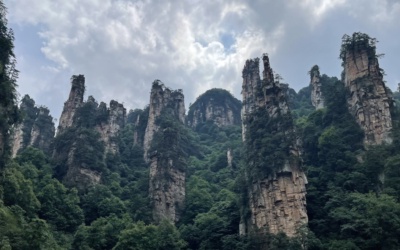
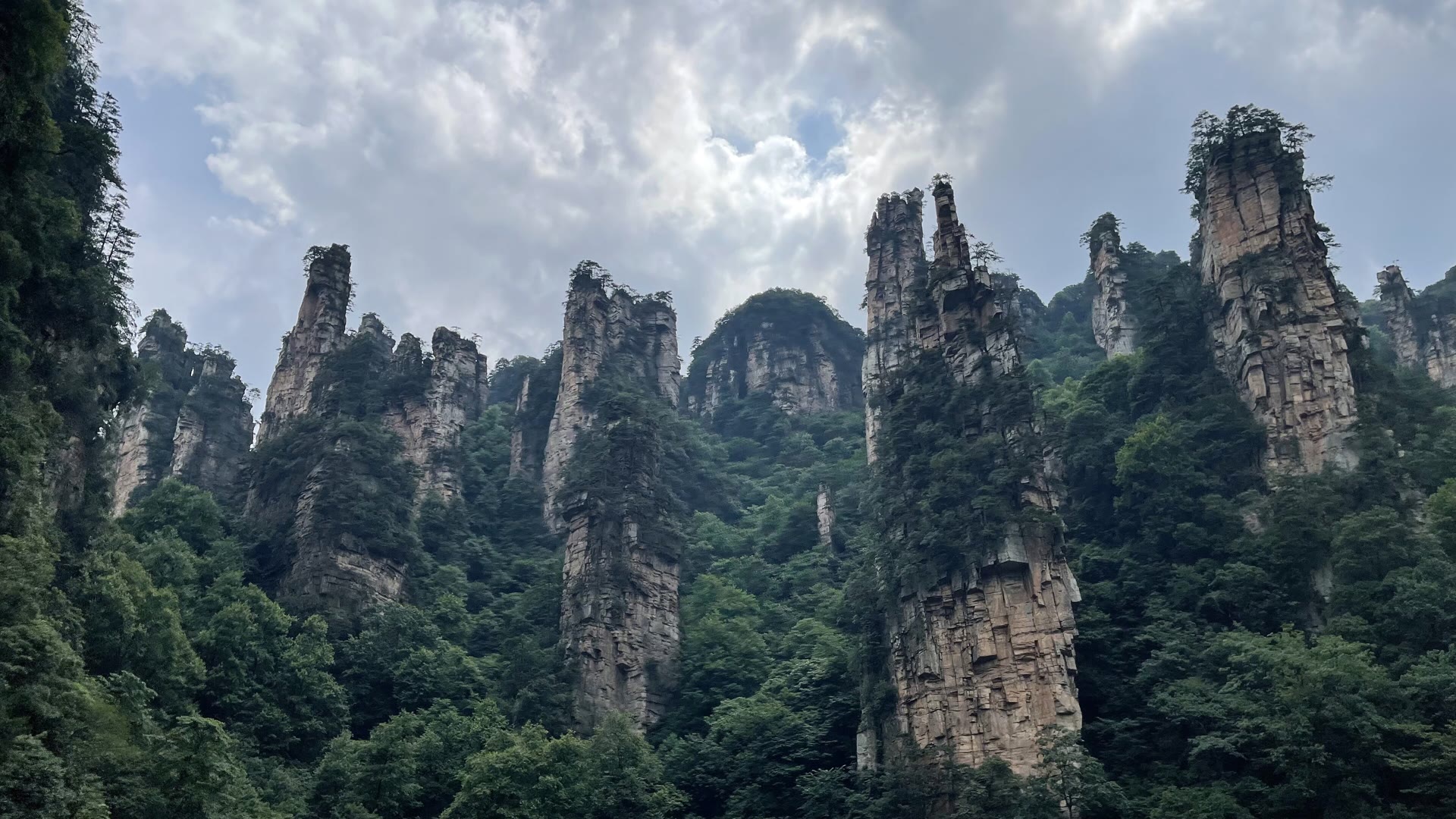
Suspended nearly 300 meters above the floor of the Zhangjiajie Grand Canyon, the glass bridge stretches across a gorge in northwestern Hunan that already looks like something out of a fantasy film. The structure is a transparent walkway built from layered glass panels, and crossing it means staring straight down through your own feet at the river and forest far below. For travelers who associate Zhangjiajie mainly with its towering sandstone pillars, this is the region's modern adrenaline counterpoint.

The bridge sits a short distance from the better known Wulingyuan and Tianmen Mountain areas, and it functions best as a half-day add-on rather than a destination on its own. It is photogenic, genuinely high, and a crowd magnet, which means the experience can swing between exhilarating and frustrating depending on when you go and how prepared you are.

This guide covers what the bridge actually is, how to fold it into a Zhangjiajie trip, what to verify before you arrive, and an honest take on whether it deserves a slot in your itinerary or belongs on the optional list.

What the Zhangjiajie Glass Bridge Actually Is

The structure spans the Zhangjiajie Grand Canyon, a separate scenic area from the famous Wulingyuan National Forest Park (the one that inspired floating mountain imagery in popular film). It is one of the longest and highest glass-bottom pedestrian bridges in the world, with a walking surface made of transparent panels that let you see the canyon floor directly beneath you.

The bridge is part of a managed scenic area, the Zhangjiajie Grand Canyon, which also includes walking trails, an elevator, and a boat ride along the canyon river. The glass bridge is the headline attraction, but the surrounding canyon walk is scenic in its own right and often gets overlooked by visitors who come only for the photo.

The appeal is simple and visceral. The height is real, the transparency makes it feel exposed, and the views down the gorge are dramatic. People who are comfortable with heights tend to enjoy the novelty; people who are not may find the experience uncomfortable, which is part of the draw for some and a deterrent for others.

Things to Do

How It Fits Into a Zhangjiajie Trip

Zhangjiajie as a travel base is built around three major attractions that are geographically separate and require different time commitments:

  • Wulingyuan / Zhangjiajie National Forest Park. The signature sandstone pillars, the Bailong elevator, and Tianzi Mountain. This is the area most people come for, and it deserves at least a full day, ideally two.
  • Tianmen Mountain. Known for its long cable car, the cliff-hanging walkways, and a natural arch reached by escalators inside the mountain. Tianmen also has its own glass skywalk sections. This is a separate full or half day.
  • Zhangjiajie Grand Canyon and the Glass Bridge. A shorter visit, typically a half day, focused on the bridge plus the canyon trail and boat.

Because the glass bridge sits in its own scenic area, you cannot combine it with the National Forest Park in a single continuous walk. Plan it as its own outing, often on a transit day or as a lighter morning before or after the heavier hiking in Wulingyuan.

Getting There

Most travelers reach Zhangjiajie by air or rail. The city has an airport with domestic connections, and high-speed and conventional rail services link it to major hubs in central and southern China. From the city, the Grand Canyon scenic area is reached by road, and travel time depends on traffic and exactly where you are staying.

For independent travelers, the practical options are:

  • Tourist or shuttle buses. Buses run from Zhangjiajie city and from Wulingyuan town toward the Grand Canyon area. Routes and frequency change, so confirm the current schedule locally or with your accommodation the night before.
  • Private car or chartered driver. The most flexible option, especially if you want to combine the canyon with another stop or avoid waiting for buses. Negotiate the price and confirm whether waiting time is included.
  • Day tours. Many local operators bundle the glass bridge with other sights. These remove the logistics headache but lock you into a fixed schedule and pace.

If you base yourself in Wulingyuan town rather than Zhangjiajie city, you will generally be closer to the forest park and within reasonable reach of the canyon, which is convenient if your priority is the natural scenery.

Tickets and Booking

The single most important planning point for the glass bridge is this: tickets are commonly capped and often require advance booking. The bridge limits the number of visitors allowed on at a time and per day, and during busy periods slots can sell out. Walking up without a reservation can mean being turned away or waiting a long time.

Before you go, verify the following directly, as policies and prices change:

  • Whether you must book a timed entry slot in advance and how far ahead bookings open.
  • The current ticket price for the bridge and whether the canyon trail and boat are included or sold separately.
  • Whether foreign passport holders can book through the official channels, or whether you need to book through a hotel, agency, or third party. Some online booking systems are built around Chinese ID numbers and payment apps, which can be a hurdle for international travelers.
  • Whether you need to bring your passport for entry, as ID checks are standard at major Chinese attractions.

A practical fallback for independent travelers who struggle with the booking apps is to have your accommodation or a local agency reserve a slot for you. This is common practice in Zhangjiajie and usually solves the payment and ID issues. Build in a buffer day in case your preferred slot is full.

What to Expect on the Bridge

Entry to the bridge is controlled, and you typically walk it in one direction as part of a managed flow. Expect crowds, especially on weekends, holidays, and during peak travel seasons. The walkway can feel busy, and you will not have it to yourself for a serene crossing in most conditions.

The glass panels are the centerpiece. Looking down through them at the canyon floor is the whole point, and it produces the classic photos and the classic nervous reactions. Staff may manage the pace and ask people not to linger or block the flow during busy times.

A few practical notes:

  • Footwear and protective covers. To protect the glass surface, you may be asked to wear shoe covers over your footwear. Wear comfortable, grippy shoes underneath.
  • Photography. Bring a phone strap or be careful, because dropping anything through a gap or fumbling over the glass is an obvious risk. Tripods and selfie sticks may be restricted in crowds.
  • Bungee and zip line. The bridge has historically been associated with high-altitude bungee jumping and other thrill activities. Availability varies and is weather dependent, so do not count on it unless you confirm it is operating.

The Canyon Walk Below

Many visitors treat the bridge as a quick photo stop and miss the canyon itself, which is a mistake if you have the time. The Zhangjiajie Grand Canyon includes a descending trail through forest and along the gorge, waterfalls, an elevator, and a short boat ride on the river at the bottom. The walk gives you a different perspective on the same landscape you crossed above.

If you want the full experience, plan to combine the bridge crossing with the canyon descent and boat. This turns a quick stop into a more substantial half day and justifies the trip out from the city far better than the bridge alone.

How Much Time You Need

Time depends on how you use the site:

PlanTime on siteWhat you do
Bridge only1 to 2 hoursCross the bridge, take photos, leave
Bridge plus canyon walk3 to 4 hoursCross the bridge, descend the trail, boat ride, return
Full relaxed visitHalf day or moreAbove plus rest stops, queues, and travel buffer

Add round-trip travel from your base, plus time lost to queues and crowd management, and a glass bridge outing realistically consumes a half day even if your actual time on the bridge is short.

Weather and Seasonal Caveats

Weather strongly affects the experience and sometimes access. Key points:

  • Fog and rain. Zhangjiajie is famous for mist, which is atmospheric on the sandstone peaks but can erase the canyon views from the bridge. On a heavily fogged day, the dramatic drop is hidden and the visit loses much of its impact.
  • High wind and storms. Thrill activities and sometimes the bridge itself can be affected by severe weather. Check conditions before committing your slot.
  • Heat and humidity in summer. Peak summer brings heat, humidity, and the biggest domestic crowds. The canyon trail involves descents and stairs, so factor in the conditions if you do the full walk.
  • Winter. Cold and occasional ice can make exposed walkways less pleasant. Some facilities may operate on reduced schedules in the off season, which is worth verifying.

Spring and autumn generally offer the most comfortable temperatures and clearer skies, though they also coincide with busy domestic travel periods around public holidays. Avoid major Chinese holiday weeks if you can, because crowds at the bridge become severe.

What to Bring

  • Your passport, for entry and ID checks.
  • Your booking confirmation, printed or accessible offline in case of weak signal.
  • Comfortable, grippy shoes, especially if you plan to do the canyon descent.
  • Layers and a light rain shell, because mountain weather shifts quickly.
  • Water and a snack, particularly for the longer canyon walk.
  • A phone strap or secure pocket, to avoid dropping anything on the glass.
  • Cash and a contactless payment method. Many Chinese sites favor mobile payment, so set up a working option in advance and carry some cash as backup.

Realistic Downsides

It is worth being honest about the tradeoffs. The bridge is heavily commercialized and can feel like a managed tourist conveyor rather than a wilderness experience. Crowds, queues, and timed flows are normal, and at peak times the romance of crossing a high glass span gives way to shuffling in a line.

The booking process can be frustrating for international travelers who do not have local payment apps or Chinese ID numbers, which is why arranging tickets through your hotel or an agency is often the path of least resistance.

Finally, the bridge competes for time with Zhangjiajie's truly world-class natural scenery in the National Forest Park and on Tianmen Mountain. If your trip is short, the pillars and cliffs are the reason to come to this region, and the glass bridge is a nice-to-have rather than a must.

Is the Glass Bridge Essential or Optional?

For most travelers, the honest answer is that the glass bridge is optional. It is a fun, photogenic, adrenaline-tinged stop, but it is not the headline reason to travel to Zhangjiajie. The sandstone pillars of Wulingyuan and the cliff walks of Tianmen Mountain are the irreplaceable experiences here.

Choose the glass bridge if:

  • You enjoy heights and thrill attractions and want the experience itself.
  • You have at least three days in the region and can spare a half day.
  • You will also do the canyon walk and boat to get the full value.

Skip or deprioritize it if:

  • You have only one or two days and want to focus on the famous peaks.
  • You are uncomfortable with heights and would not enjoy it.
  • You are visiting in heavy fog season when the views may be hidden.

Practical Tips for a Smooth Glass Bridge Visit

  • Book the bridge slot first, then plan around it. Because entry can be capped, treat the bridge time slot as the fixed point in your day and arrange transport and other stops around it.
  • Go early or on a weekday. Morning slots and non-holiday weekdays mean fewer crowds and shorter queues.
  • Combine it with the canyon trail. The descent and boat ride make the trip worthwhile and reward you with views you cannot get from the bridge alone.
  • Confirm bus times the night before. Public transport schedules to the Grand Canyon area change, so verify the current timetable rather than relying on old information.
  • Check the forecast. A fogged-out crossing is a poor use of a half day. If the morning looks heavily socked in and your slot is flexible, consider shifting.
  • Keep valuables secure on the glass. Use a strap for your phone and avoid setting items down on the transparent surface.
  • Set up payments in advance. Have mobile payment working and carry cash so you are not stuck at ticket counters or transport stops.

Planning the Rest of Your Zhangjiajie Trip

The glass bridge works best as one piece of a wider Zhangjiajie plan that prioritizes the National Forest Park and Tianmen Mountain. A common rhythm is two days in and around Wulingyuan for the pillars and viewpoints, a day for Tianmen Mountain, and a half day for the Grand Canyon and glass bridge slotted into a transit or lighter day.

Bookings, weather windows, and transport between these separate scenic areas are the main things that make or break the trip, so confirm timed entries and shuttle options before you arrive. For more itineraries, transport tips, and destination guides across the region, GoAsia.cc is a useful place to continue planning your China and wider Asia travel.

Approached with realistic expectations, advance tickets, and a clear forecast, the Zhangjiajie Grand Canyon Glass Bridge delivers exactly what it promises: a short, high, slightly unnerving walk above a beautiful gorge, and a fun counterpoint to the ancient peaks that make this corner of Hunan unforgettable.

Frequently Asked Questions

Do I need to book the Zhangjiajie Glass Bridge in advance?

In most cases yes. The bridge caps the number of daily visitors and often uses timed entry slots that can sell out during busy periods. Book ahead, and if the official apps are difficult for foreign travelers, ask your hotel or a local agency to reserve a slot for you.

How much does the glass bridge cost and what is included?

Prices change, so verify the current rate before you go. Check whether the ticket covers only the bridge or also includes the canyon trail and boat ride, which are sometimes bundled and sometimes sold separately. Carry your passport for ID checks at entry.

How do I get to the glass bridge from Zhangjiajie city?

The Grand Canyon scenic area is reached by road from Zhangjiajie city or Wulingyuan town. You can take tourist shuttle buses, hire a private car or driver, or join a day tour. Confirm current bus schedules the night before, since timetables change frequently.

How much time should I budget for the visit?

Crossing the bridge alone takes one to two hours, but adding the canyon trail and boat ride makes it three to four hours. With round-trip travel and queues, plan on a half day overall even if your time on the bridge is brief.

Is the glass bridge a must-see in Zhangjiajie?

It is optional rather than essential. The sandstone pillars of the National Forest Park and the cliff walks of Tianmen Mountain are the main reasons to visit the region. Add the glass bridge if you enjoy heights and have at least three days, otherwise prioritize the peaks.

What happens if the weather is foggy on my booked day?

Heavy fog can hide the canyon views and ruin the dramatic drop that makes the bridge worth visiting. Severe wind or storms may also affect access or thrill activities. Check the forecast, and if your slot is flexible, consider shifting to a clearer window.

What should I bring for the glass bridge?

Bring your passport, your booking confirmation, comfortable grippy shoes, layers and a light rain shell, water, and a working mobile payment method with some cash as backup. Use a phone strap or secure pocket so you do not drop anything on the glass surface.