मनीला एक विशाल, अव्यवस्थित लेकिन गहरे मानवीय महानगर है, जहां स्पेनिश औपनिवेशिक चर्च चमकती गगनचुंबी इमारतों की छाया में खड़े हैं और स्ट्रीट विक्रेता आलीशान मॉल के पास सूअर के सींक कबाब भूनते हैं।
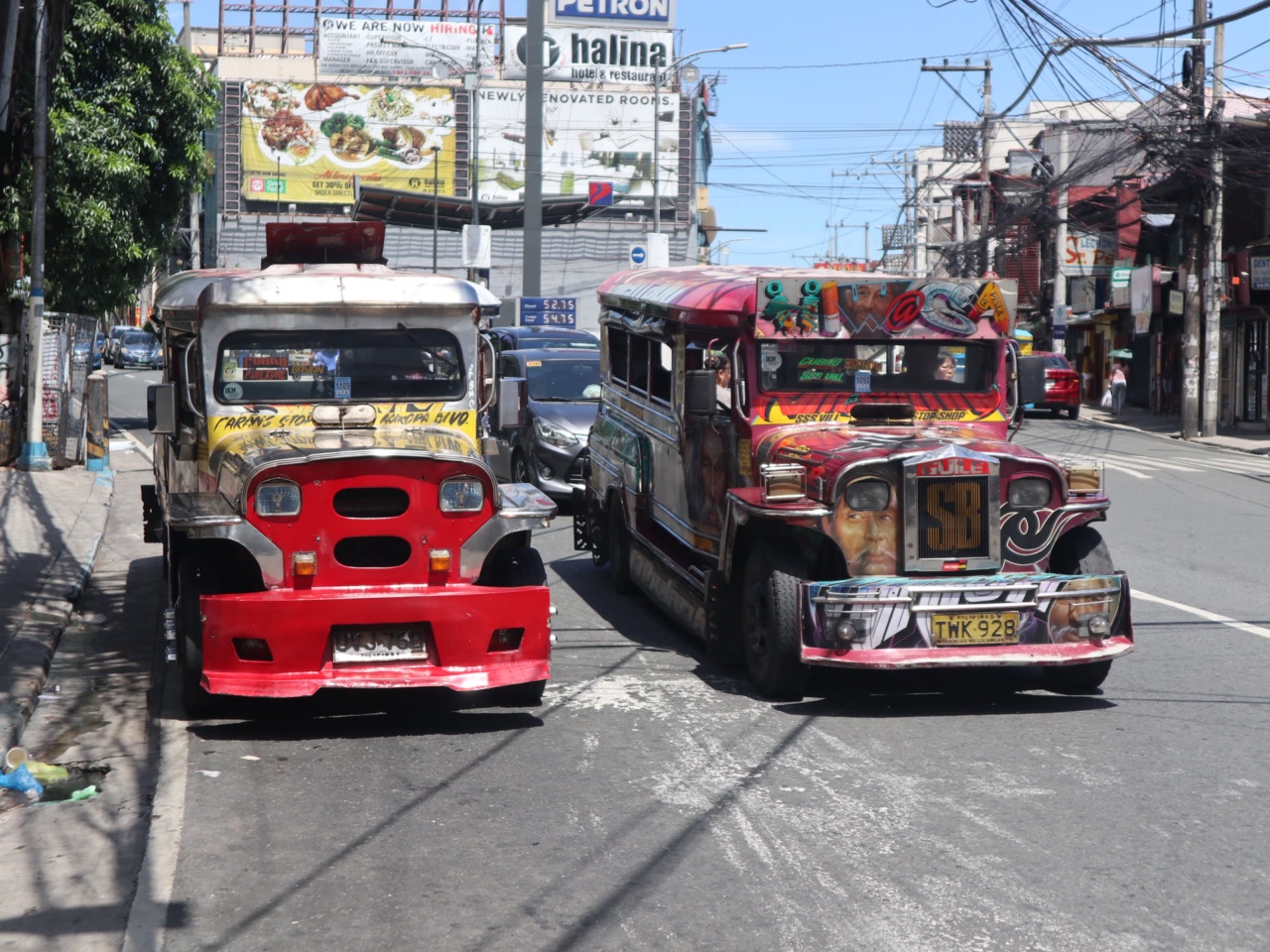
हवाई अड्डे से बाहर निकलने से पहले ही मनीला आपको अपने घेरे में ले लेता है। उमस भरी हवा, साइकेडेलिक रंगों में रंगी जीपनी की लगातार हॉर्न और हर दिशा में चलती लोगों की घनी भीड़। यह शहर धीरे-धीरे अभ्यस्त होने का समय नहीं देता। फिलीपींस की राजधानी शोरगुल वाली, भीड़भरी और कभी-कभी भारी लगती है, लेकिन इसकी लय मिलते ही इसका आकर्षण पूरी तरह सामने आता है। यहां सदियों पुराने पत्थर के चर्च नियॉन से जगमगाते मॉल के पास हैं, अत्यधिक गरीबी अत्यधिक संपन्नता के बगल में है और आंसू ला देने वाला ट्रैफिक कभी-कभी ऐसे भोजन के बाद भुला दिया जाता है जो यात्रा को सार्थक बना देता है।
मनीला को एक अकेले शहर के रूप में नहीं, बल्कि Metro Manila नाम के महानगरीय क्षेत्र में जुड़े कई शहरों के समूह के रूप में समझना बेहतर है। करीब 14 मिलियन लोगों की यह महानगरीय पट्टी 16 शहरों और एक नगरपालिका में फैली है। अधिकांश यात्री ऐतिहासिक दीवारबंद Intramuros, व्यापार और नाइटलाइफ केंद्र Makati, आधुनिक Bonifacio Global City यानी BGC और Manila Bay के किनारे वाले Malate तथा Ermita में समय बिताते हैं। हर इलाके का अपना स्वभाव है और इनके बीच घूमना भी अनुभव का हिस्सा है।
मनीला साफ समुद्र तट या पोस्टकार्ड जैसे दृश्य खोजने का शहर नहीं है। यहां भोजन, इतिहास, लोग और ऊर्जा के लिए आएं। Filipino आतिथ्य यहां कोई घिसी-पिटी बात नहीं बल्कि रोजमर्रा का अनुभव है। अजनबी रेस्तरां खोजने में मदद करेंगे, टैक्सी चालक जीवन की कहानी सुनाएगा और स्थानीय भोजनालय का खाना घर के एक कप कॉफी से भी सस्ता हो सकता है। मनीला अव्यवस्थित, वास्तविक और यादगार है।
दिशा परिचय और पड़ोस
Metro Manila Manila Bay के पूर्वी किनारे से कई किलोमीटर अंदर तक फैली है। आने-जाने की सबसे बड़ी चुनौती ट्रैफिक है, इसलिए ठहरने का क्षेत्र बहुत मायने रखता है। यात्रियों को इन इलाकों की जानकारी होनी चाहिए।
Intramuros
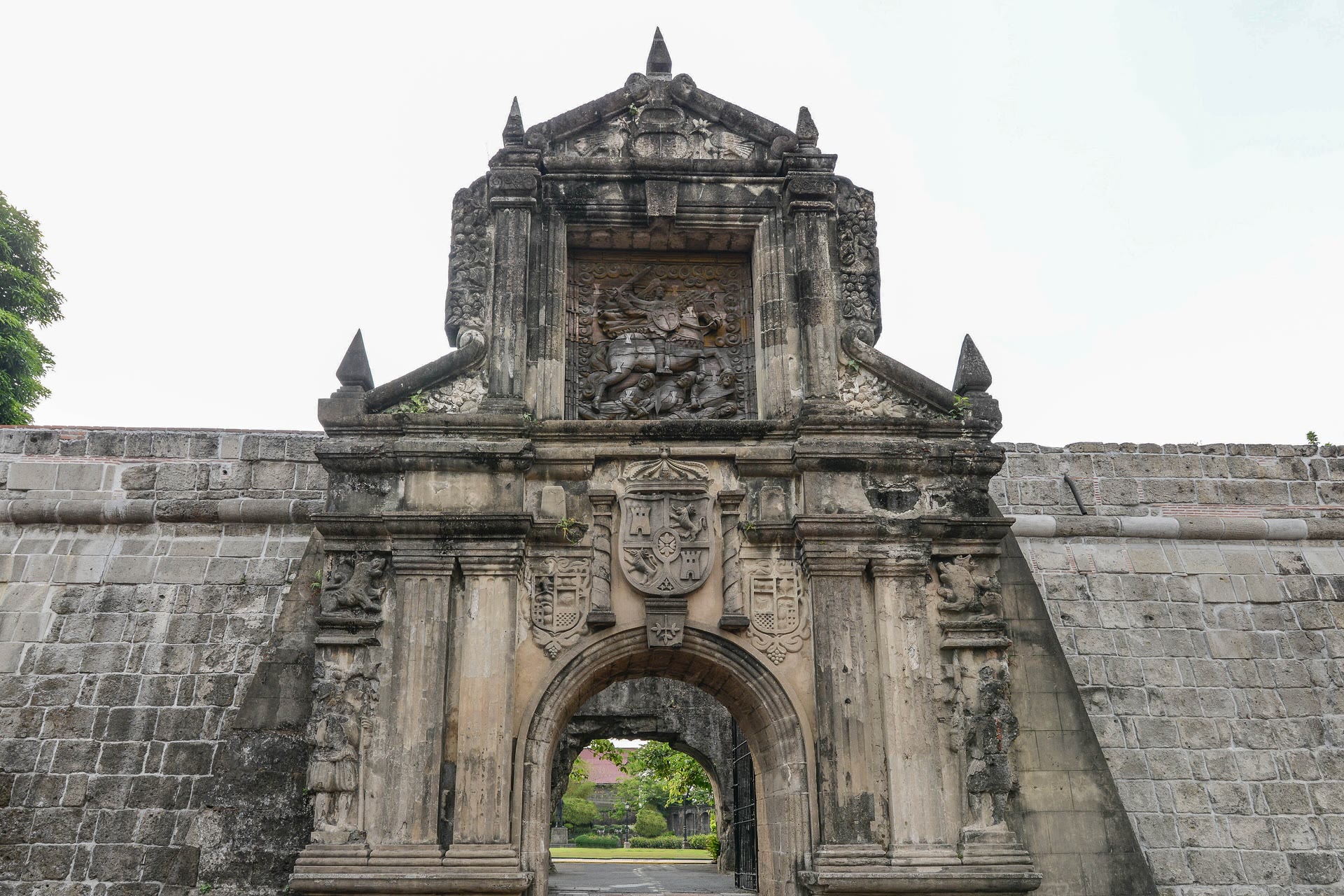
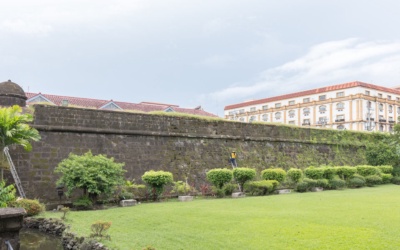
1500 के दशक के अंतिम वर्षों में स्पेनियों द्वारा बनाई गई ऐतिहासिक दीवारबंद नगरी। Fort Santiago, Manila Cathedral, San Agustin Church और औपनिवेशिक स्पेन से उठाकर लाई गई लगने वाली पत्थर की गलियां यहीं हैं। क्षेत्र छोटा और पैदल घूमने योग्य है, सुबह या दोपहर में देखना अच्छा है। कम यात्री यहां ठहरते हैं, लेकिन दीवारों के भीतर कुछ बुटीक होटल खुल गए हैं।
Ermita और Malate
Roxas Boulevard के किनारे Manila Bay और Intramuros के पास पारंपरिक पर्यटन पट्टी। Ermita में National Museum परिसर और Rizal Park हैं। Malate का माहौल अधिक खुरदरा और बोहेमियन है, जहां बजट हॉस्टल, बार और Korean रेस्तरां मिलते हैं। क्षेत्र सुविधाजनक है, लेकिन कुछ जगहें पुरानी लग सकती हैं और देर रात अकेले पैदल चलना अच्छा विचार नहीं है।
Makati
Metro Manila का वित्तीय और व्यावसायिक केंद्र तथा अधिकांश यात्रियों के लिए सबसे अच्छा पड़ोस। Ayala Avenue और Makati Avenue के आसपास होटल, रेस्तरां, रूफटॉप बार और मॉल हैं। Makati का Poblacion उपक्षेत्र शहर का सबसे लोकप्रिय भोजन और नाइटलाइफ क्षेत्र बन गया है, जहां संकरी गलियों में स्पीकईज़ी, क्राफ्ट कॉकटेल बार और नए Filipino रेस्तरां भरे हैं। मुख्य क्षेत्र पैदल घूमने योग्य है और राइड-हेलिंग ऐप से अच्छी तरह जुड़ा है।
Bonifacio Global City, BGC
Taguig में योजनाबद्ध जिला, जो मनीला के अन्य हिस्सों की तुलना में अलग देश जैसा लगता है। चौड़े फुटपाथ, सार्वजनिक कला, ऊंचे अपार्टमेंट और महंगे रेस्तरां इसकी पहचान हैं। यह साफ और सुरक्षित है, लेकिन कुछ हद तक निर्जीव भी लगता है। परिवार या आराम चाहने वालों के लिए अच्छा है, पर मनीला को दिलचस्प बनाने वाला खुरदरा चरित्र यहां कम है।
Quezon City
क्षेत्रफल के आधार पर Metro Manila का सबसे बड़ा शहर, Makati के उत्तर में। यहां University of the Philippines परिसर, Cubao Expo का कला और नाइटलाइफ केंद्र तथा बहुत अच्छा स्थानीय भोजन है। पर्यटक कम और आवासीय माहौल अधिक है। असली पड़ोस अनुभव चाहने वालों को पसंद आएगा, हालांकि अन्य क्षेत्रों तक जाने में ट्रैफिक झेलना होगा।
कहां आधार बनाएं
नाइटलाइफ और भोजन के लिए Makati, खासकर Poblacion चुनें। आधुनिक आराम और सुरक्षा के लिए BGC बेहतर है। बजट और ऐतिहासिक स्थलों की निकटता के लिए Ermita चुनें। कम प्रसिद्ध स्थानीय माहौल के लिए Quezon City उपयोगी है।
करने योग्य चीज़ें
ऑफ़र आपके क्लिक करने के बाद ही GetYourGuide से लोड होते हैं। इसके बाद GetYourGuide आपके IP पते को प्रोसेस कर सकता है और कुकीज़ सेट कर सकता है। गोपनीयता नीति
GetYourGuide के साझेदार ऑफ़र। इन ऑफ़र से बुकिंग करने पर GoAsia को कमीशन मिल सकता है। जांचें कि प्रवेश टिकट या परिवहन सेवा शामिल है या नहीं और पर्यटन स्थल के आधिकारिक बुकिंग तथा प्रवेश नियमों का पालन करें।
मनीला जाने का सबसे अच्छा समय
मनीला की उष्णकटिबंधीय जलवायु में दो मुख्य मौसम हैं: लगभग दिसंबर से मई तक शुष्क और जून से नवंबर तक बारिश वाला। पूरे साल गर्मी रहती है और तापमान आमतौर पर 27 से 35 डिग्री सेल्सियस, यानी 80 से 95 फारेनहाइट, रहता है।
अवधि
मौसम
भीड़
कीमतें
दिसंबर - फरवरी
सबसे ठंडा और शुष्क, सबसे आरामदायक
अधिक, छुट्टियों का मौसम
अधिक
मार्च - मई
बहुत गर्म और शुष्क, अप्रैल-मई में चरम गर्मी
मध्यम
मध्यम
जून - अगस्त
बारिश का आरंभ, दोपहर में तेज बौछारें
कम
कम
सितंबर - नवंबर
सबसे अधिक बारिश, तूफान और बाढ़ का जोखिम
कम
सबसे कम
जनवरी से फरवरी सबसे अच्छा संतुलन देता है। मनीला के मानक से तापमान अपेक्षाकृत हल्का, बारिश कम और शहर छुट्टियों के बाद ऊर्जा से भरा रहता है। संभव हो तो सितंबर और अक्टूबर से बचें, क्योंकि तूफान यात्रा योजनाएं बिगाड़ सकते हैं और निचले क्षेत्रों में गंभीर बाढ़ ला सकते हैं।
जनवरी में Black Nazarene का पर्व होता है, जिसमें Quiapo से गुजरने वाले धार्मिक जुलूस में लाखों लोग आते हैं। Binondo में जनवरी या फरवरी में Chinese New Year मनाया जाता है। Cebu में मुख्य उत्सव होने के बावजूद Sinulog जैसी ऊर्जा मनीला में भी दिखाई देती है। फिलीपींस में Christmas season बहुत जल्दी, अक्सर सितंबर में, शुरू हो जाता है और अक्टूबर से मनीला रोशनी और उत्सव से सजने लगती है।
मनीला कैसे पहुंचें और शहर में कैसे घूमें
हवाई जहाज से आगमन
Ninoy Aquino International Airport, NAIA, शहर के केंद्र के दक्षिण में मुख्य हवाई अड्डा है। चार टर्मिनल हैं और एयरलाइन के अनुसार आपका टर्मिनल तय होगा। Terminal 3 सबसे नया और आरामदायक है, जबकि Terminal 1 पुराना लेकिन कामचलाऊ है। Makati की दूरी केवल करीब 7 किलोमीटर है, फिर भी पीक समय में कार से 45 मिनट या अधिक लग सकते हैं।
हवाई अड्डे से Grab कार सबसे व्यावहारिक विकल्प है, जिसकी Makati या BGC तक कीमत करीब $5 से $10 होती है। पीली मीटर टैक्सी लगभग 70 पेसो, करीब $1.25, से शुरू होती है और फिर मीटर किराया लगता है। Coupon taxi गंतव्य के अनुसार निश्चित $8 से $15 लेती है। टर्मिनल के अंदर बढ़े हुए किराये की सवारी देने वाले लोगों से बचें।
शहर में परिवहन
मनीला का ट्रैफिक गलत कारणों से प्रसिद्ध है। दिन की योजना उसके अनुसार बनाएं। सुबह 7 से 9 और शाम 5 से 8 बजे के पीक समय में मुख्य क्षेत्रों के बीच यात्रा गैर-पीक समय से दो या तीन गुना अधिक लंबी हो सकती है।
Grab: पर्यटकों के लिए सबसे व्यावहारिक विकल्प। सस्ता, वातानुकूलित और मोलभाव की जरूरत नहीं। Metro Manila पार करने की सवारी आम तौर पर $8 से $10 से अधिक नहीं होती।
Jeepney: रंगीन सजावट वाली पूर्व सैन्य जीपों से बनी फिलीपीनी सार्वजनिक सवारी। निश्चित मार्ग पर चलती है और किराया करीब 13 पेसो, यानी $0.25, से शुरू होता है। सांस्कृतिक अनुभव जरूरी है, लेकिन नए यात्री मार्ग चिह्न साफ न होने के कारण उलझ सकते हैं। मार्ग पता हो तो छोटी दूरी के लिए लें।
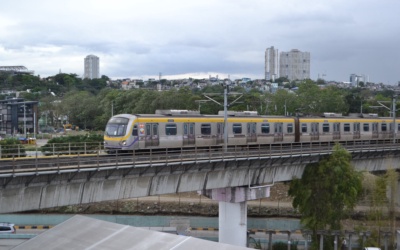
MRT और LRT: मुख्य गलियारों को तीन रेल लाइनें जोड़ती हैं। MRT-3 मुख्य सड़क EDSA के साथ 16.9 किमी चलती है, जिसमें Cubao, Ortigas, Ayala और Magallanes पर स्टेशन हैं।[1] LRT-1 उत्तर में Fernando Poe Jr. स्टेशन से Baclaran और PITX होते हुए दक्षिण में Dr. Santos तक जाती है।[2] LRT-2 पूर्व-पश्चिम दिशा में Manila के Recto से Rizal के Antipolo तक चलती है।[3] किराया कम है, और मार्च 2026 से LRT-2 और MRT-3 सामान्य किराए का आधा लेते हैं।[4] पीक समय में ट्रेनें बहुत भीड़भरी होती हैं। ट्रैफिक से बचकर लंबी दूरी तय करने के लिए उपयोगी हैं।
पैदल: मनीला Tokyo या Singapore जैसा पैदल-अनुकूल शहर नहीं है। फुटपाथ टूटे, संकरे या बिल्कुल नदारद हो सकते हैं। Intramuros, Makati CBD या BGC के भीतर चलना सुखद है, लेकिन पड़ोसों के बीच मोटर परिवहन चाहिए। विस्तृत मार्ग और कनेक्शन के लिए GoAsia.cc की परिवहन गाइड देखें।
मुख्य दर्शनीय स्थल और अनुभव
जरूर देखने वाले स्थल
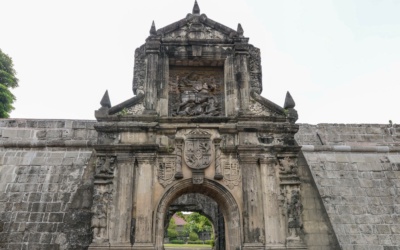
Intramuros और Fort Santiago: दीवारबंद शहर मनीला का सबसे महत्वपूर्ण ऐतिहासिक क्षेत्र है। उत्तर-पश्चिमी किले Fort Santiago में स्पेनिश औपनिवेशिक सत्ता का केंद्र और द्वितीय विश्व युद्ध के दौरान जापानी जेल थी। किले का Rizal Shrine राष्ट्रीय नायक Jose Rizal को समर्पित है, जिन्हें यहां कैद रखने के बाद फांसी दी गई थी। प्रवेश शुल्क PHP 75 है, और सप्ताह के दिनों में आखिरी प्रवेश 20:00 बजे होता है।[5] किले और आसपास की गलियों के लिए दो से तीन घंटे रखें। बांस की साइकिल या कलेसा घोड़ा गाड़ी ले सकते हैं, लेकिन पहले कीमत तय करें।
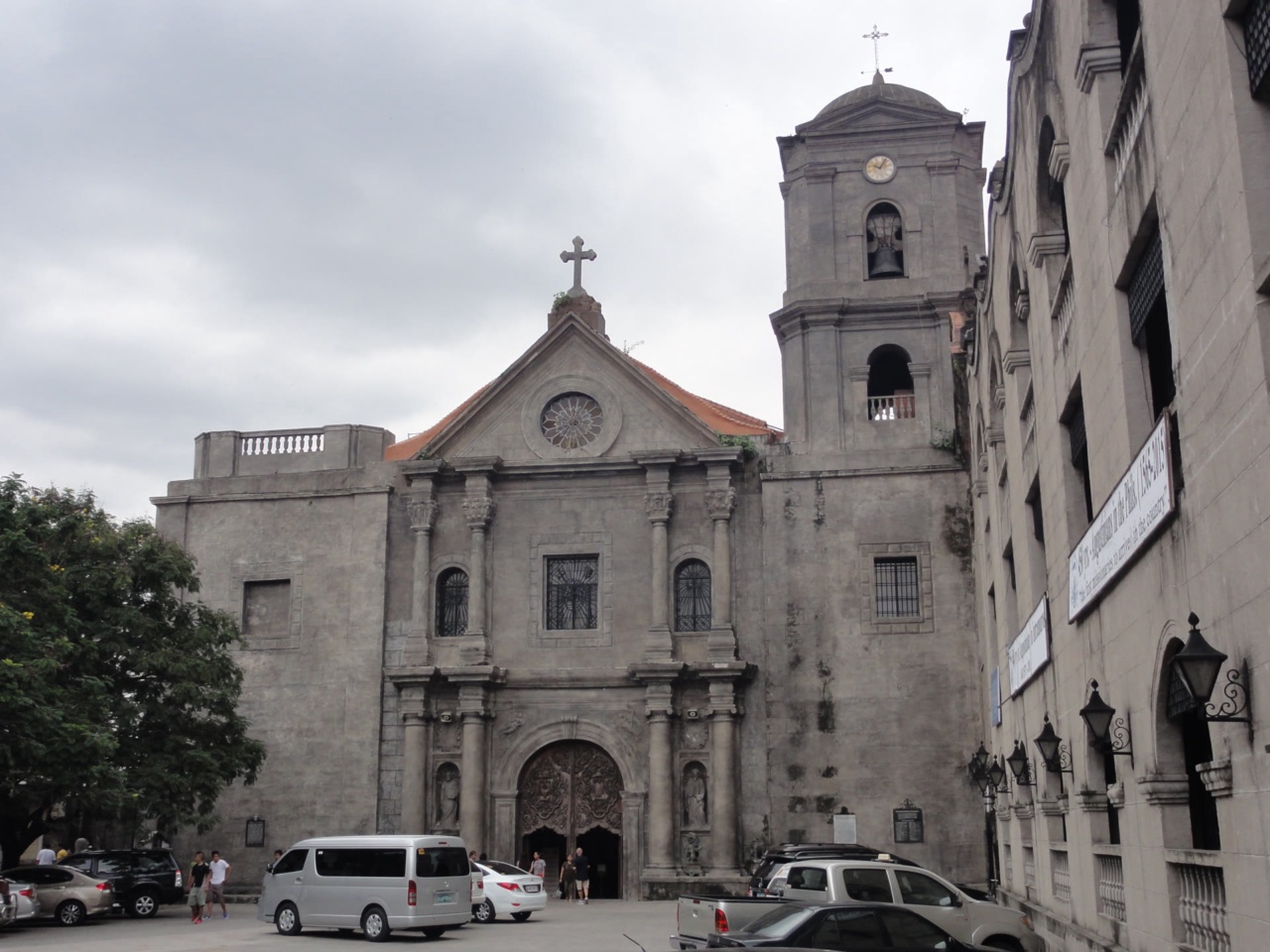
San Agustin Church: यूनेस्को विश्व धरोहर और फिलीपींस का सबसे पुराना पत्थर चर्च, 16वीं सदी के अंत में बना। बारोक अंदरूनी सजावट, ट्रॉम्प-लोइल छत चित्र और ऊंची बारोक वेदियां शानदार हैं।[6] संग्रहालय में धार्मिक कला और औपनिवेशिक वस्तुएं हैं।
National Museum Complex: Rizal Park के पास तीन इमारतों में Fine Arts, Natural History और Anthropology संग्रहालय हैं। तीनों में प्रवेश मुफ्त है। Fine Arts संग्रहालय में Juan Luna की विशाल Spoliarium पेंटिंग है, जो फिलीपीनी कला की महत्वपूर्ण कृतियों में है। Natural History भवन के बीच में Tree of Life स्थापना है। तीनों देखने के लिए कम से कम आधा दिन रखें।
Rizal Park, Luneta: 58 हेक्टेयर का शहरी पार्क और देश का प्रतीकात्मक हृदय। Rizal Monument उस जगह को चिह्नित करता है जहां Jose Rizal को 1896 में स्पेनियों ने फांसी दी थी। सुबह की सैर सुखद है और सप्ताहांत में परिवार, कलाकार और भोजन स्टॉल आते हैं। गर्मी से पहले सुबह जल्दी जाएं।
Binondo, Chinatown: 1594 में स्थापित दुनिया का सबसे पुराना Chinatown। यह सजा-संवरा पर्यटन स्थल नहीं बल्कि जीवंत वाणिज्यिक इलाका है, जिसकी संकरी गलियों में खाते हुए घूमना चाहिए। ताजा लुम्पिया, डम्पलिंग और नूडल सूप जरूर आजमाएं। Binondo Food Walk मनीला का जरूरी अनुभव है, खाली पेट जाएं।
छिपे हुए रत्न
Cubao Expo: Quezon City का पूर्व जूता बाजार अब विंटेज दुकानों, कला दीर्घाओं, विनाइल रिकॉर्ड स्टोर और छोटे बार वाला बोहेमियन क्षेत्र है। रात में युवा रचनाकार और संगीतकार खुले बार भर देते हैं। प्रवेश शुल्क नहीं, पेय सस्ते और Makati के चमकदार दृश्य से बिल्कुल अलग माहौल है।
Pinto Art Museum: मनीला से लगभग एक घंटे पूर्व Antipolo में भूमध्यसागरीय शैली की सफेद इमारतों और बगीचे के रास्तों में बना निजी संग्रहालय। समकालीन Filipino कला उत्कृष्ट है और पहाड़ी से शहर का दृश्य मिलता है। प्रवेश करीब $4 है। Antipolo के काजू और suman, यानी चिपचिपे चावल केक, वाले स्टॉल के साथ इसे जोड़ा जा सकता है।
Manila American Cemetery: द्वितीय विश्व युद्ध में मारे गए अमेरिकी सैन्यकर्मियों की सबसे अधिक कब्रें यहां हैं, कुल 16,859, जिनमें अधिकतर न्यू गिनी और फिलीपींस में मारे गए सैनिक हैं। लापता सैनिकों की पट्टियों पर 36,286 नाम हैं।[7] BGC में यह गंभीर और बहुत अच्छी तरह संभाला गया स्थल है। प्रवेश मुफ्त है।
अतिशयोक्तिपूर्ण आकर्षण
Manila Ocean Park: Rizal Park के पास पुराना समुद्री थीम पार्क। पैकेज के अनुसार $10 से $25 का टिकट लेकर भी प्रदर्शनी निराश कर सकती हैं। छोटे बच्चों के साथ हों और उन्हें विराम चाहिए तभी जाएं।
Star City: Manila Bay के पास पुराना और अपेक्षाकृत महंगा मनोरंजन पार्क। सवारी औसत हैं और एशिया के आधुनिक थीम पार्कों की तुलना में अनुभव कमजोर है।
Manila Bay Sunset: सूर्यास्त सचमुच सुंदर हो सकता है, लेकिन समुद्र से निकाली गई भूमि और तथाकथित सफेद समुद्र तट का क्षेत्र कृत्रिम और बहुत व्यावसायिक है। सूर्यास्त देखना हो तो Malate की रूफटॉप बार में पेय लें।
भोजन और पेय
मनीला एशिया के कम आंके गए भोजन शहरों में है। Filipino भोजन Malay, Chinese, Spanish और American प्रभावों का मेल है। पांच पेसो के स्ट्रीट स्नैक से लेकर रचनात्मक फाइन डाइनिंग तक इसकी पूरी विविधता यहां मिलती है।
प्रसिद्ध व्यंजन
व्यंजन
विवरण
कहां आजमाएं
सामान्य कीमत
Lechon
पूरा भुना हुआ सूअर, बहुत कुरकुरी त्वचा के साथ
Makati या Quezon City के La Loma में विशेष लेचोन रेस्तरां
लगभग $3 - $5 प्रति प्लेट
Sinigang
इमली वाला खट्टा सूप, सूअर, झींगा या मछली और सब्जियों के साथ
स्थानीय carinderia या Filipino रेस्तरां
लगभग $2 - $4
Adobo
सिरका, सोया सॉस, लहसुन और तेजपत्ते में पकाया मांस
हर जगह, खासकर घरेलू शैली के रेस्तरां
लगभग $2 - $3
Sisig
कटे सूअर के चेहरे और कान, प्याज, मिर्च और अंडे के साथ गरम तवे पर
मूंगफली सॉस में ऑक्सटेल और सब्जियों का स्ट्यू, झींगा पेस्ट के साथ
पारंपरिक Filipino रेस्तरां
लगभग $4 - $6
Halo-halo
बर्फ का चूरा, बीन्स, जेली, लेचे फ्लान, उबे आइसक्रीम और गाढ़ा किया हुआ दूध
फास्ट फूड चेन, मिठाई दुकान और स्ट्रीट विक्रेता
लगभग $1 - $3
Isaw
सींक पर ग्रिल की गई चिकन या सूअर की आंत
स्ट्रीट विक्रेता, खासकर विश्वविद्यालयों के पास
लगभग $0.10 - $0.20 प्रति सींक
कहां खाएं
Poblacion, Makati: आधुनिक मनीला के भोजन का केंद्र। कुछ गलियों में Filipino टेस्टिंग मेन्यू, छोटे रामेन रेस्तरां, Mexican taqueria और देर रात ग्रिल्ड सीफूड मिलते हैं। कीमत $3 के भोजन से $50 के टेस्टिंग मेन्यू तक है।
Binondo: Chinese-Filipino भोजन के लिए बेजोड़। Ongpin और Carvajal के आसपास घूमते हुए ताजा लुम्पिया, तले हुए डम्पलिंग (सियोमाई), ब्रेज़्ड बीफ नूडल सूप और टिकोय खाएं। अधिकांश चीजें $2 से कम हैं।
Quezon City: UP Diliman के पास Maginhawa Street में छात्रों के लोकप्रिय सस्ते और रचनात्मक रेस्तरां हैं। Tomas Morato Avenue में Filipino, Japanese और Korean भोजन मिलता है।
Makati CBD: Greenbelt और Salcedo Village के आसपास महंगे Filipino रेस्तरां और अंतरराष्ट्रीय विकल्प हैं। शनिवार का Salcedo Market सप्ताहांत यात्रियों के लिए जरूरी है, जहां क्षेत्रीय Filipino व्यंजन, आर्टिसन कॉफी और बेकरी सामान बदलते रहते हैं।
कीमतों की सीमा
स्ट्रीट फूड या carinderia प्लेट $1 से $2 की है। साधारण रेस्तरां में अच्छा भोजन $3 से $7 का, पेय सहित मध्यम भोजन $10 से $20 प्रति व्यक्ति और उच्च-स्तरीय रेस्तरां या टेस्टिंग मेन्यू $30 से $80 का है। स्थानीय San Miguel lager स्थान के अनुसार लगभग $0.75 से $1.50 का है।
कहां ठहरें
बजट, प्रति रात $25 से कम
Ermita और Malate में सबसे अधिक हॉस्टल और बजट गेस्टहाउस हैं। डॉर्म बेड करीब $6 से $10 और निजी कमरे $15 से $25 के हैं। Makati के Poblacion में भी $12 से $20 के बुटीक हॉस्टल बढ़ रहे हैं। इस श्रेणी में गुणवत्ता बहुत बदलती है, इसलिए हाल की समीक्षाएं ध्यान से पढ़ें।
मध्यम श्रेणी, $25 से $80 प्रति रात
इस दायरे में Makati सबसे अच्छा मूल्य देता है। Ayala Avenue के आसपास संभले हुए बिजनेस होटल और सर्विस्ड अपार्टमेंट हैं। BGC में बेहतर बुनियादी ढांचे वाले आधुनिक विकल्प हैं। $50 से $80 में दोनों क्षेत्रों में साफ, वातानुकूलित कमरा और पूल मिल सकता है। Intramuros में औपनिवेशिक इमारतों से बने कुछ चरित्रपूर्ण बुटीक होटल भी इसी दायरे में हैं।
उच्च श्रेणी, $80 से अधिक
एशिया की अन्य राजधानियों की तुलना में मनीला के लग्जरी होटल अच्छे मूल्य वाले हैं। Makati और BGC के पांच सितारा कमरे $100 से $200 में मिलते हैं, जबकि Singapore या Tokyo में यही दोगुने हो सकते हैं। Manila Bay के पास हवाई अड्डे वाले Entertainment City में कैसीनो-रिज़ॉर्ट परिसर बड़े इंटीग्रेटेड रिज़ॉर्ट हैं, लेकिन शहर के बाकी हिस्से से कटे हुए महसूस हो सकते हैं।
व्यावहारिक सुझाव
सुरक्षा: सामान्य सावधानी रखने वाले पर्यटकों के लिए मनीला आम तौर पर सुरक्षित है। Quiapo, Divisoria और जीपनी जैसी भीड़ वाली जगहों पर जेबकतरी मुख्य जोखिम है। कम रोशनी वाले इलाकों में देर रात अकेले न चलें और मीटर धोखे से बचने के लिए Grab लें।
भीड़ में फोन zip वाली जेब या बैग में रखें। मोटरबाइक से झपटमारी होती है।
पर्यटक स्थलों के पास बहुत दोस्ताना अजनबी घर या ताश खेलने का निमंत्रण दें तो सावधान रहें। यह जाना-पहचाना धोखा है।
तेज बारिश में निचले इलाकों में बाढ़ जल्दी आ सकती है। बहुत बारिश हो तो वहीं रुककर पानी कम होने की प्रतीक्षा करें।
पैसा और भुगतान: स्थानीय मुद्रा Philippine peso, PHP, है। स्ट्रीट फूड, जीपनी और छोटी दुकानों में नकद जरूरी है। ATM हर जगह हैं, लेकिन हर निकासी पर सामान्यतः 200 से 250 पेसो, यानी $3.50 से $4.50, शुल्क ले सकते हैं। मॉल, होटल और महंगे रेस्तरां कार्ड स्वीकार करते हैं। GCash स्थानीय मोबाइल वॉलेट है, लेकिन स्थानीय नंबर के बिना पर्यटकों के लिए बनाना कठिन हो सकता है।
टिप देना अच्छा माना जाता है, अनिवार्य नहीं। बिल राउंड अप करें या रेस्तरां में 5 से 10 प्रतिशत छोड़ें। कई रेस्तरां सर्विस चार्ज पहले ही जोड़ते हैं।
छोटे नोट रखें। स्ट्रीट विक्रेता या जीपनी में 1,000 पेसो का नोट तुड़वाना मुश्किल हो सकता है।
इंटरनेट और SIM: हवाई अड्डे या सुविधा स्टोर से स्थानीय SIM खरीदें। Globe और Smart मुख्य प्रदाता हैं। डेटा वाली पर्यटक SIM $3 से $5 की है और कई GB देती है। शहरी क्षेत्रों में मोबाइल डेटा ठीक है, भीड़भाड़ में धीमा हो सकता है। होटल, कैफे और मॉल में Wi-Fi मिलता है।
भाषा: मनीला में अंग्रेजी व्यापक रूप से बोली जाती है। सड़क संकेत, मेन्यू और सरकारी दस्तावेज अंग्रेजी में हैं, इसलिए संवाद आसान है। salamat यानी धन्यवाद और magkano यानी कितना जैसे Filipino शब्द सीखना लोगों को अच्छा लगता है।
सांस्कृतिक बातें:
Filipino लोग गर्मजोशी और आतिथ्य के लिए जाने जाते हैं। मुस्कराएं और विनम्र रहें।
किसी के घर में प्रवेश से पहले जूते उतारें।
po और opo सम्मान के प्रत्यय हैं और आपको अक्सर सुनाई देंगे।
उंगली से इशारा करना अशिष्ट माना जाता है। Filipino लोग अक्सर होंठों से दिशा बताते हैं।
उम्र, वैवाहिक स्थिति या वेतन जैसे निजी सवाल पूछे जा सकते हैं। इसे सामान्य बातचीत माना जाता है।
चर्च में कंधे और घुटने ढकने वाले शालीन कपड़े पहनें।
आसपास की यात्राएं
Tagaytay
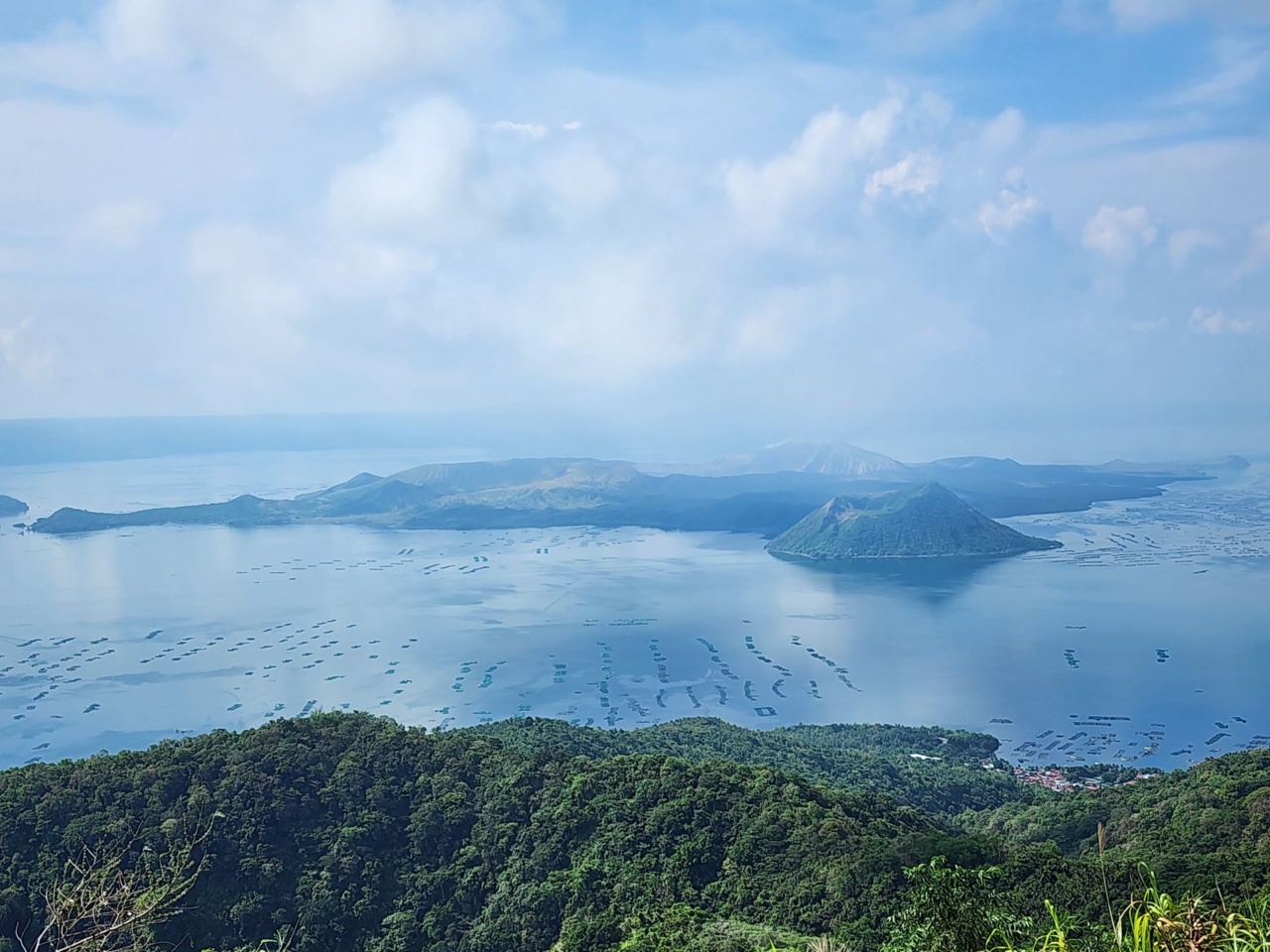
मनीला से लगभग 60 किलोमीटर दक्षिण में तगायते ताल झील और प्रसिद्ध ज्वालामुखी के दृश्य वाले रिज पर स्थित है। यहां की ठंडी ऊंचाई मनीला की गर्मी से राहत देती है। भूभाग पर किसी दृश्य स्थल से परिदृश्य देखें। PHIVOLCS ने Taal को Alert Level 1 पर रखा है और ज्वालामुखी द्वीप में प्रवेश व Taal झील में नाव चलाने से मना करता है, इसलिए झील पार करने या द्वीप जाने की योजना न बनाएं।[8]
Manila Bay के मुहाने पर ऐतिहासिक द्वीप किला। द्वितीय विश्व युद्ध में जापानी आक्रमण के समय यह अमेरिकी और Filipino सेनाओं का आखिरी गढ़ था। Manila waterfront से दिन के टूर निकलते हैं। इसमें करीब 1.5 घंटे की फेरी, खंडहरों, सुरंगों और स्मारकों का गाइडेड दौरा शामिल है। फेरी और दोपहर के भोजन सहित कीमत $40 से $60 है। यह भावनात्मक और मनीला की सबसे अच्छी दिन यात्राओं में से एक है।
Pagsanjan Falls
मनीला से करीब 100 किलोमीटर दक्षिण-पूर्व Laguna प्रांत में, नदी घाटी से रोमांचक डोंगी यात्रा द्वारा पहुंचें। हर दिशा में 2.5 से 3 घंटे लग सकते हैं। नाव यात्रा रोमांचक और जलप्रपात प्रभावशाली है, लेकिन नाविकों की आक्रामक टिप मांगों के लिए तैयार रहें। कुल कीमत पहले तय करें, जो नाव के लिए करीब $15 से $25 प्रति व्यक्ति होनी चाहिए।
Antipolo और Rizal Province
मनीला के पूर्व की पहाड़ियां कला दीर्घाओं, स्थानीय भोजन जैसे suman और kasuy तथा महानगरीय दृश्य वाला छोटा विराम देती हैं। बिना ट्रैफिक Makati से Antipolo 30 से 45 मिनट है। Hinulugang Taktak जलप्रपात या Our Lady of Peace and Good Voyage तीर्थ चर्च के साथ इसे जोड़ें।
Bataan
इतिहास प्रेमियों के लिए मनीला से करीब 3 घंटे उत्तर-पश्चिम में Bataan वह प्रांत है जहां प्रसिद्ध Bataan Death March शुरू हुआ। Mount Samat National Shrine में विशाल क्रॉस आकार का स्मारक और व्यापक दृश्य हैं। किराये की कार या संगठित टूर से पूरे दिन जाएं।
3-दिवसीय नमूना यात्रा
दिन 1: इतिहास और विरासत
सुबह: Intramuros में जल्दी शुरुआत करें। Fort Santiago और Rizal Shrine देखें, फिर San Agustin Church तथा संग्रहालय जाएं। दीवारबंद शहर के किसी कैफे में कॉफी लें।
दोपहर: Rizal Park के पास National Museum परिसर जाएं। Fine Arts और Natural History भवन मुफ्त हैं। इसके बाद Rizal Park में टहलें।
शाम: Binondo में खुद Food Walk करें। Ongpin Street पर डम्पलिंग, ताजा लुम्पिया और अंत में बीफ नूडल सूप लें। Chinatown की वातावरणपूर्ण गलियों में चलकर भोजन पचाएं।
दिन 2: Makati और आधुनिक मनीला
सुबह: शनिवार हो तो Makati के Salcedo Weekend Market में नाश्ता करें। अन्य दिन Poblacion के स्थानीय रेस्तरां में टैप्सिलोग, क्योर्ड बीफ, अंडा और लहसुन चावल खाएं।
दोपहर: Ayala Museum में फिलीपीन इतिहास के डायोरमा और औपनिवेशिक-पूर्व सोना देखें, टिकट करीब $7 है। गर्मी बहुत हो तो Greenbelt के वातानुकूलित मॉल में रुकें। BGC में Manila American Cemetery जाएं।
शाम: Poblacion में भोजन और पेय लें। Filipino टेस्टिंग मेन्यू या सिसिग से शुरू करके रूफटॉप बार और स्पीकईज़ी में जाएं। Poblacion आधी रात के बाद भी जीवंत रहता है।
दिन 3: Tagaytay दिन यात्रा
सुबह: दक्षिण की ओर ट्रैफिक से बचने के लिए संभव हो तो सुबह 7 बजे निकलें। कार या Grab से Tagaytay जाएं और Taal Lake तथा ज्वालामुखी के दृश्य वाले व्यूपॉइंट पर रुकें।
दोपहर: रिज पर किसी पुष्टि किए गए मुख्य भूभाग के रेस्तरां में बुलालो या कोई स्थानीय भोजन करें। यदि बादल ताल को ढक दें, तो Puzzle Mansion, Mahogany Market या तगायते की कोई अन्य मुख्य भूभाग गतिविधि चुनें। जब PHIVOLCS की वर्तमान सलाह द्वीप प्रवेश और ताल झील में नाव चलाने की अनुमति नहीं देती, तब Volcano Island की ओर नाव न लें।
शाम: मनीला लौटें और BGC या Makati के रूफटॉप रेस्तरां में विदाई भोजन करें। ऊर्जा बची हो तो Poblacion या Cubao Expo में लाइव संगीत सुनें।
बजट का अनुमान
श्रेणी
बजट
मध्यम
आरामदायक
आवास
$8 - $15
$30 - $60
$80 - $150
भोजन
$5 - $10
$15 - $25
$30 - $50
परिवहन
$2 - $5
$8 - $15
$15 - $25
गतिविधियां
$3 - $5
$10 - $15
$20 - $30
दैनिक कुल
$18 - $35
$63 - $115
$145 - $255
मनीला राजधानी के लिए असाधारण रूप से किफायती है। Carinderia में खाकर, जीपनी और MRT लेकर तथा हॉस्टल में ठहरकर बजट यात्री पैसे बहुत दूर तक चला सकते हैं। मध्यम बजट में उत्कृष्ट आराम मिलता है। आरामदायक श्रेणी में भी मनीला अधिकांश एशियाई राजधानियों से हर डॉलर के बदले अधिक मूल्य देता है।
अक्सर पूछे जाने वाले प्रश्न
क्या मनीला घूमने लायक है?
हां, लेकिन सही अपेक्षाओं के साथ। मनीला चमकदार पर्यटन स्थलों वाला पारंपरिक शहर नहीं है। इसकी ताकत विश्वस्तरीय Filipino भोजन, Intramuros का औपनिवेशिक इतिहास, जीवंत नाइटलाइफ और Filipino संस्कृति की वास्तविक झलक में है। कुछ दिन दें और पर्यटन पट्टी से बाहर भी जाएं।
मनीला में कितने दिन चाहिए?
अधिकांश यात्रियों के लिए तीन पूरे दिन सही हैं। Intramuros, Food Walk, Makati या BGC की नाइटलाइफ और एक-दो संग्रहालय देखे जा सकते हैं। Tagaytay या Corregidor की दिन यात्रा जोड़नी हो तो चार से पांच दिन रखें।
क्या मनीला पर्यटकों के लिए सुरक्षित है?
सामान्य समझदारी रखने पर मनीला आम तौर पर सुरक्षित है। रात में रोशनी और भीड़ वाले क्षेत्र चुनें, अनजान टैक्सी की जगह राइड-हेलिंग लें और कीमती सामान न दिखाएं। भीड़ और जीपनी में जेबकतरी मुख्य चिंता है।
मनीला का प्रसिद्ध भोजन क्या है?
Lechon, Sinigang, Adobo, Sisig और Halo-halo जरूर आजमाएं। Isaw यानी ग्रिल की गई चिकन आंत जैसे स्ट्रीट फूड भी मनीला के भोजन अनुभव का हिस्सा हैं।
क्या मनीला महंगा है?
अंतरराष्ट्रीय मानकों से मनीला बहुत किफायती है। बजट यात्री आवास, भोजन और परिवहन सहित करीब $30 से $40 प्रतिदिन में रह सकते हैं। मध्यम बजट $70 से $100 में अच्छा मूल्य देता है।
क्या मनीला का नल का पानी पी सकते हैं?
नहीं। बोतलबंद या शुद्ध पानी लें, जो सस्ता और हर जगह उपलब्ध है। अधिकांश रेस्तरां खाना और बर्फ शुद्ध किए हुए पानी से बनाते हैं, फिर भी बहुत साधारण भोजनालय में पूछना या सीलबंद बोतल लेना बेहतर है।
मनीला हवाई अड्डे से शहर के केंद्र कैसे जाएं?
Grab कार सबसे आसान है और गंतव्य तथा ट्रैफिक के अनुसार करीब $5 से $12 लगती है। पीली मीटर टैक्सी और सफेद कूपन टैक्सी टर्मिनल पर मिलती हैं और कुछ महंगी हो सकती हैं। बिना चिह्न वाली टैक्सी या टर्मिनल में सवारी देने वालों से बचें।
क्या मनीला में अंग्रेजी बोली जाती है?
हां। फिलीपींस में अंग्रेजी आधिकारिक भाषा है और स्कूल, व्यापार तथा सरकार में इस्तेमाल होती है। मनीला में लगभग हर कोई अंग्रेजी में संवाद कर सकता है, इसलिए अंग्रेजी बोलने वाले यात्रियों के लिए यह आसान एशियाई राजधानी है।
मनीला में ठहरने का सबसे अच्छा इलाका कौन सा है?
Makati सबसे संतुलित विकल्प है, जहां पैदल क्षेत्र, रेस्तरां, नाइटलाइफ और हर बजट के होटल हैं। आधुनिक और शांत वातावरण के लिए BGC चुनें। Ermita और Malate बजट तथा Intramuros की निकटता देते हैं, लेकिन किनारे कुछ खुरदरे हैं।
मनीला में किन चीजों से बचना चाहिए?
मीटर चलाने से मना करने वाली टैक्सी न लें, Grab इस्तेमाल करें। महंगी Manila Bay sunset cruise से बचें। पर्यटन स्थलों के पास अनचाहा टूर या ताश का निमंत्रण देने वाले बहुत दोस्ताना अजनबियों से सावधान रहें और भीड़ में महंगे गहने या इलेक्ट्रॉनिक्स न दिखाएं।