Bolaven Plateau Waterfalls: Laos' Ultimate Motorbike Loop

Bolaven Plateau Waterfalls: Laos' Ultimate Motorbike Loop

Last updated: March 18, 2026

Southern Laos hides one of Southeast Asia's best-kept secrets: a high plateau dotted with thundering waterfalls, coffee plantations, and ethnic minority villages, all connected by a motorbike loop that ranks among the most enjoyable rides in the region. The Bolaven Plateau rises to over 1,000 meters above the Mekong lowlands, creating a cooler climate, fertile volcanic soil, and the conditions for dozens of rivers to tumble off its edges in spectacular cascades.

The Pakse Loop, as travelers know it, is a circular route starting from the southern Lao city of Pakse that winds up into the plateau and back over 2 to 5 days. Along the way, you pass waterfalls ranging from gentle swimming holes to 100-meter twin torrents crashing into deep jungle gorges. Between the waterfalls, you stop at roadside coffee farms where some of the best arabica in Southeast Asia is grown, dried, roasted, and served for a few thousand kip. Villages of the Laven, Katu, and Alak ethnic groups line the route, offering glimpses of cultures that exist largely unchanged by modern tourism.

The loop is accessible to novice riders on automatic scooters, with paved roads covering most of the route and a gentle pace that makes it more about the journey than the destination. It is one of the most affordable multi-day adventures in Laos and a highlight of any trip through the country's south.

The Main Waterfalls

Tad Fane

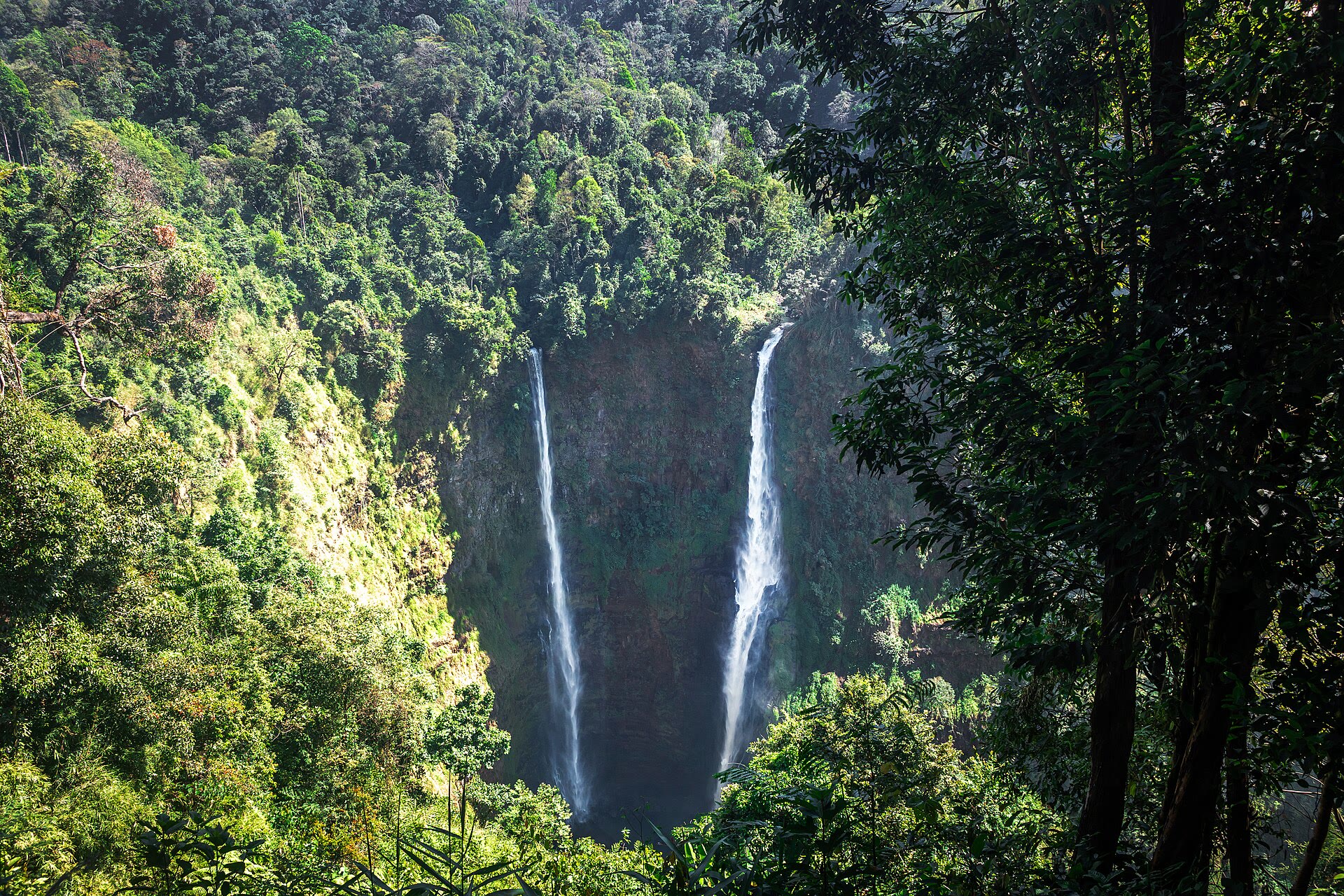
The most dramatic waterfall on the plateau, Tad Fane is a twin cascade that plunges over 120 meters from a cliff edge into a deep, forested gorge. The two parallel streams drop side by side in a setting that looks almost too cinematic to be real. The main viewpoint is at the top of the cliff, accessed from Tad Fane Resort (entrance fee applies even if you are not staying). A zipline operates across the gorge for those who want an adrenaline perspective.

Getting to the base of Tad Fane involves a steep, challenging trek that takes about 1 to 1.5 hours down and longer back up. The trail is poorly marked and slippery, so a local guide is strongly recommended for the descent. The view from the top is already spectacular, so the base trek is optional.

Tad Yuang

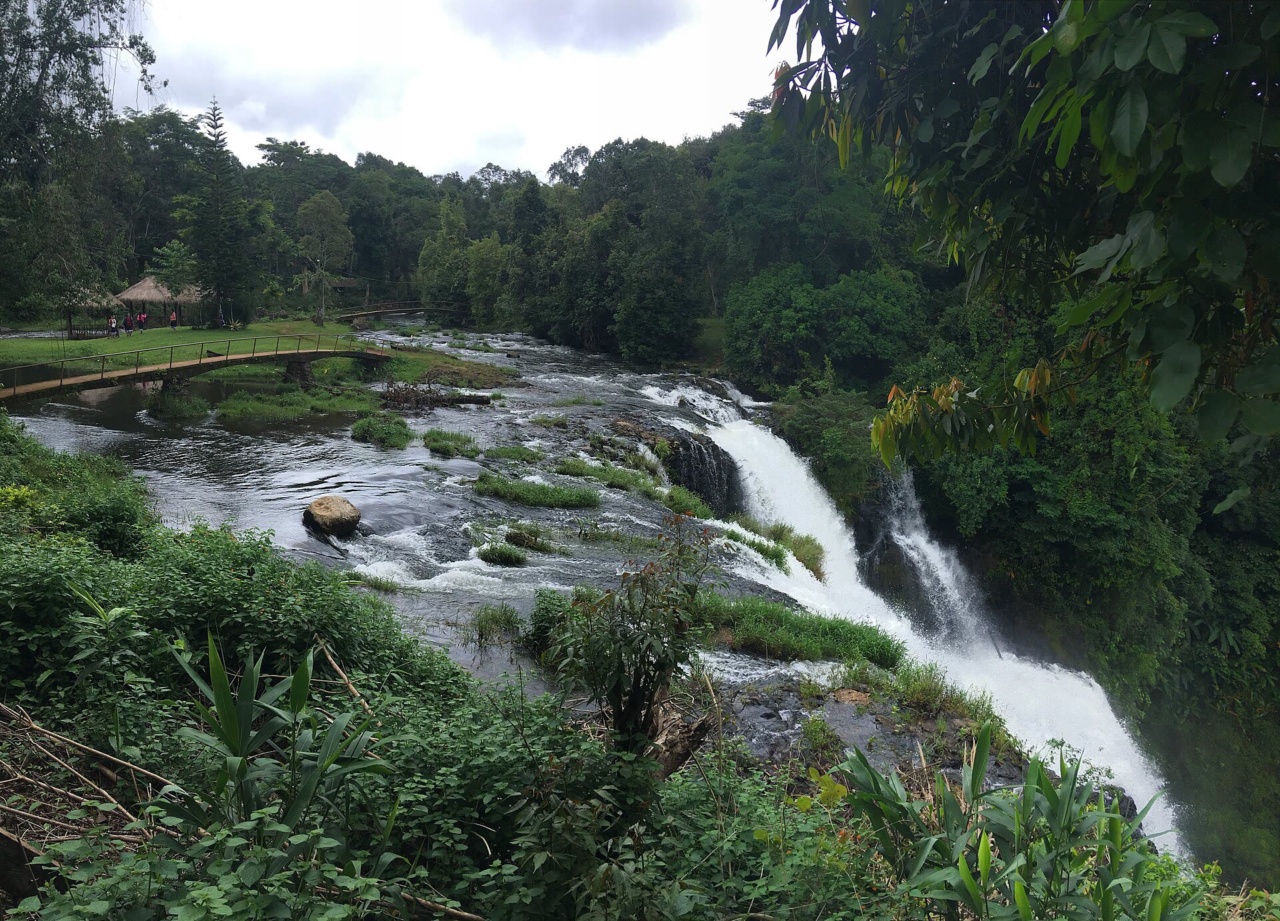
Located just a few kilometers from Tad Fane, Tad Yuang is a wide, powerful cascade dropping about 40 meters into a natural pool surrounded by lush vegetation. Unlike Tad Fane, you can easily access the base via a staircase and swim in the pool below the falls. The spray is refreshing, and the setting is gorgeous for photographs. Entrance fee is approximately 25,000 kip ($1.50).

Tad Yuang is the most popular waterfall on the plateau for good reason. It combines impressive scale with accessibility and a swimming spot. Visit in the morning for the best light and fewest visitors.

Tad Lo

A series of cascades on the Houay Set River near the village of Tad Lo, this is the most popular overnight stop on the loop. The waterfalls here are not the tallest but are beautifully set among jungle and riverside guesthouses. You can swim in the pools, tube down gentle rapids, and explore upper and lower falls on easy walking trails. Several budget guesthouses and a couple of mid-range lodges sit right along the river, making Tad Lo a perfect base for a rest day.

Tad Champi and Tad Pasuam

Two neighboring waterfalls accessed from a single entrance point along the short loop. Tad Champi is a gentle, wide cascade that flows over smooth rocks into a broad pool ideal for swimming. Tad Pasuam, a short walk further, drops through a narrow canyon with interesting rock formations. Both are less crowded than Tad Yuang and Tad Fane.

Tad Katamtok (Four Sisters Waterfalls)

Part of the big loop, this set of cascades is reached via a rougher road but rewards the effort with near-total solitude and a dramatic multi-tiered waterfall in a pristine jungle setting. The name comes from a local legend, and the falls are most impressive during the wet season when water volume peaks.

Tad Tayicseua

A lesser-known waterfall on the big loop between Sekong and Thateng. The falls drop into a deep pool surrounded by forest, and the lack of tourist infrastructure means you may have the place entirely to yourself. Access involves a short walk from the road.

Things to Do

The Bolaven Plateau Loop Routes

Short Loop (Small Loop)

DetailInformation
DistanceApproximately 200 km
Duration1-2 days (2 days recommended)
RoutePakse - Paksong - Tad Fane - Tad Yuang - Tad Lo - Thateng - Pakse
Road ConditionMostly paved, good condition
Best ForLimited time, hitting the main waterfalls, coffee stops

The short loop covers the most famous waterfalls (Tad Fane, Tad Yuang, Tad Champi) and passes through the coffee town of Paksong. It can be done in a long single day but is far more enjoyable over two days with an overnight in Tad Lo.

Big Loop (Long Loop)

DetailInformation
DistanceApproximately 320-350 km
Duration3-5 days
RoutePakse - Paksong - Tad Fane - Sekong - Tad Katamtok - Thateng - Tad Lo - Pakse
Road ConditionMostly paved, some rough sections east of Sekong
Best ForRemote villages, quieter waterfalls, deeper exploration

The big loop adds the eastern section through Sekong province, passing through ethnic minority villages, remote waterfalls, and landscapes with almost no other tourists. Some road sections east of Sekong can be rough, especially during the wet season, but the sense of adventure and isolation makes it worth the extra days.

Coffee on the Bolaven Plateau

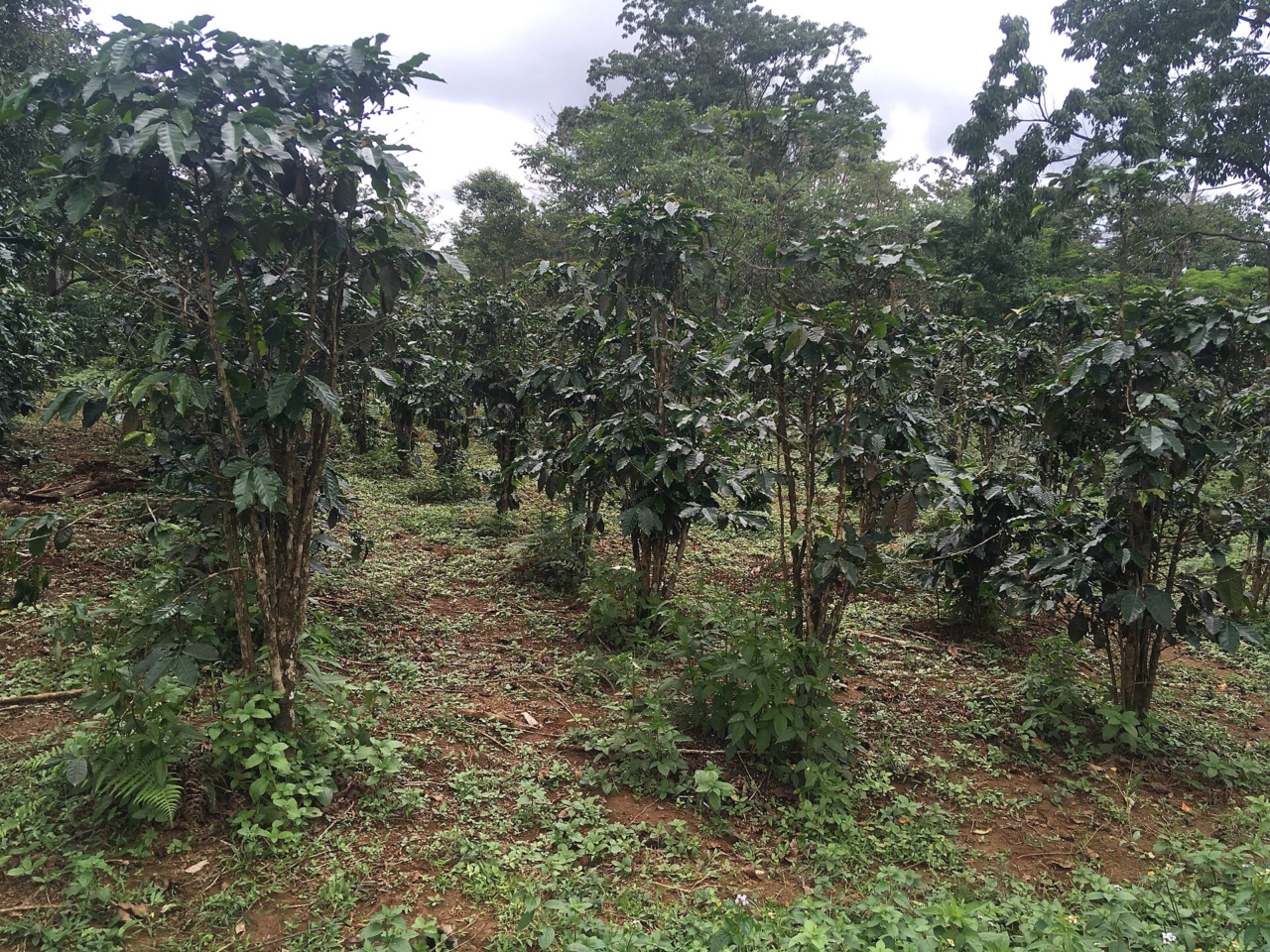
The Bolaven Plateau produces the majority of Laos' coffee crop, and the combination of volcanic soil, altitude, and climate creates conditions ideal for growing both Arabica and Robusta varieties. The road between Paksong and the waterfalls is lined with small coffee farms and artisan cafes where you can taste some of Southeast Asia's finest beans.

  • Jhai Coffee House (Paksong): A social enterprise that channels profits back into the community. Excellent single-origin coffee and a good place to learn about the local coffee industry.
  • Mr. Vieng's Coffee (near Tad Fane): A family-run farm where you can walk through the plantation, see the drying process, and sample freshly brewed coffee. The owner is knowledgeable and passionate about his product.
  • Roadside farms: Small farms along the main road sell fresh-roasted coffee beans for as little as 20,000 to 40,000 kip ($1 to $2) per bag. The quality varies but tasting is always free, and buying directly supports local farmers.

Lao coffee tends to have a smooth, low-acid profile with chocolate and nutty notes. If you enjoy specialty coffee, the Bolaven Plateau is a genuine highlight. For more Laos travel inspiration, explore GoAsia.cc.

Getting to the Bolaven Plateau

Pakse is the gateway city and starting point for the loop.

  • By air: Pakse International Airport (PKZ) receives domestic flights from Vientiane (1.5 hours) and occasional international connections from Bangkok, Siem Reap, and Ho Chi Minh City. Lao Airlines operates most routes.
  • By bus from Vientiane: Overnight sleeper buses take approximately 10 to 12 hours. VIP buses with reclining seats cost around 200,000 to 300,000 kip ($10 to $15).
  • From Thailand: Cross the border at Chong Mek/Vang Tao (about 1.5 hours from Ubon Ratchathani in Thailand). International buses and minivans run this route daily.
  • From 4000 Islands (Don Det/Don Khon): Minivans to Pakse take about 3 hours and cost around 60,000 to 80,000 kip ($3 to $4).

Renting a Motorbike

Most travelers rent motorbikes or scooters in Pakse. Semi-automatic and automatic scooters (110cc to 125cc) are the standard choice and cost approximately 80,000 to 120,000 kip ($4 to $6) per day. Manual motorbikes with more power are available for about 150,000 to 200,000 kip ($8 to $10) per day.

Several rental shops operate near the Pakse bus station and along the main road. Inspect the bike carefully before renting: check brakes, tires, lights, and horn. Take photos of any existing damage and agree on fuel arrangements (most bikes come with a full tank and should be returned full).

An international driving permit is technically required but rarely checked. More importantly, make sure you are comfortable riding before heading into the hills. The roads are generally good but include steep climbs, sharp curves, and occasional gravel patches. Traffic is light but livestock and dogs wander onto the road without warning.

Where to Stay Along the Loop

  • Pakse: Budget guesthouses from 80,000 kip ($4) to mid-range hotels at 300,000 to 500,000 kip ($15 to $25). Stock up on supplies and cash here before starting the loop.
  • Tad Lo: The most popular overnight stop, with riverside guesthouses from 80,000 to 200,000 kip ($4 to $10). Tim's Guesthouse and Tad Lo Lodge are traveler favorites. Falling asleep to the sound of the waterfall is part of the experience.
  • Paksong: A few basic guesthouses serve the coffee capital. Rooms are simple but functional at 60,000 to 150,000 kip ($3 to $8).
  • Sekong: On the big loop only. Basic accommodation available from 80,000 to 150,000 kip ($4 to $8). Limited dining options.
  • Tad Fane Resort: The most upscale option on the plateau, perched on the edge of the Tad Fane gorge with dramatic views. Bungalows from around $30 to $60 per night.

Tips for the Bolaven Plateau Loop

  • Start early each day. Morning light is best for waterfalls, roads are quieter, and you want to reach your accommodation before dark. Lao roads are not safe to ride after sunset due to lack of lighting, wandering animals, and occasional unmarked construction.
  • Bring rain gear. Even in the dry season, the plateau's elevation means unexpected showers. A lightweight rain jacket keeps you comfortable and prevents the misery of riding wet for hours. During the wet season (May to October), rain is almost guaranteed daily.
  • Carry cash. There are no ATMs outside Pakse on the loop. Bring enough kip for fuel, entrance fees (approximately 25,000 kip per waterfall), accommodation, meals, and any emergencies. Budget at least 300,000 to 500,000 kip ($15 to $25) per day.
  • Fill up with fuel in Paksong. After Paksong, fuel stations become scarce, especially on the big loop east of Sekong. Top up whenever you see a station, even if the tank is not empty.
  • Wear sunscreen and a long-sleeved layer. At 1,000+ meters elevation, the sun is strong but the air is cool, especially in the morning. Sunburn happens fast when you do not feel the heat.
  • Take the big loop if you have time. The short loop hits the famous waterfalls, but the big loop delivers the most rewarding experience: fewer tourists, remote villages, and the genuine adventure of exploring roads where you might be the only foreigner for hours.
  • Do not ride if you are not comfortable. If you have never ridden a motorbike before, the Bolaven Plateau is not the place to learn. The mountain roads, while scenic, include steep grades and switchbacks. Consider hiring a driver (tuk-tuk or songthaew) for the main waterfalls as a day trip from Pakse instead.
  • Visit during the shoulder season. October and November offer the best combination: the waterfalls are still powerful from recent rains, the roads have dried out, the landscape is green, and tourist numbers are low.

Frequently Asked Questions

What are the best waterfalls on the Bolaven Plateau?

Tad Fane (120-meter twin cascade into a jungle gorge) and Tad Yuang (40-meter falls with a swimming pool at the base) are the two most spectacular. Tad Lo is the best for a relaxed overnight stay with riverside guesthouses. Tad Champi offers easy swimming, and the remote Tad Katamtok on the big loop provides near-total solitude.

How much does the Bolaven Plateau loop cost?

Scooter rental runs 80,000 to 120,000 kip ($4-6) per day. Waterfall entrance fees are approximately 25,000 kip ($1.50) each. Budget accommodation costs 80,000 to 200,000 kip ($4-10) per night. Meals average 30,000 to 50,000 kip ($1.50-2.50). A 3-day loop costs roughly $30-$50 total for a budget traveler, making it one of the cheapest multi-day adventures in Southeast Asia.

How do I get to the Bolaven Plateau from Pakse?

Rent a motorbike or scooter from shops near the Pakse bus station (from $4-6 per day) and ride north toward Paksong. The first waterfalls are about 40-60 km from Pakse. If you do not ride, hire a tuk-tuk for a day trip to the closest falls (Tad Fane, Tad Yuang) for approximately 200,000-300,000 kip.

How many days do I need for the Bolaven Plateau loop?

The short loop covering the main waterfalls takes 1-2 days (2 recommended with an overnight at Tad Lo). The big loop through Sekong and remote villages takes 3-5 days. Even a single long day trip from Pakse lets you see Tad Fane and Tad Yuang, but staying overnight on the plateau is far more rewarding.

Do I need motorbike experience for the Bolaven Plateau loop?

Basic riding experience is necessary. The roads are mostly paved but include mountain curves, steep grades, and occasional gravel sections. Automatic scooters are manageable for riders with some experience. Complete beginners should not attempt the loop on their own. Alternatives include hiring a driver or joining a guided tour from Pakse.

When is the best time to visit the Bolaven Plateau?

October and November offer the ideal balance of powerful waterfalls (from recent rains), dried-out roads, green landscapes, and low tourist numbers. The dry season (November-April) provides the easiest riding conditions. The wet season (May-October) delivers the most dramatic waterfalls but rougher roads and daily rain.

Can I swim at the Bolaven Plateau waterfalls?

Yes, several waterfalls have swimming pools at their base. Tad Yuang has a large natural pool directly below the falls with easy staircase access. Tad Champi flows over smooth rocks into a broad swimming area. Tad Lo has gentle pools along the river perfect for cooling off. Always check current conditions, as water levels can change rapidly after rain.

Is the coffee on the Bolaven Plateau worth trying?

Absolutely. The plateau produces the majority of Laos' coffee and the volcanic soil creates excellent growing conditions for both Arabica and Robusta. Artisan cafes along the road between Paksong and the waterfalls serve freshly roasted single-origin coffee. You can buy beans directly from farms for as little as 20,000 kip ($1) per bag.