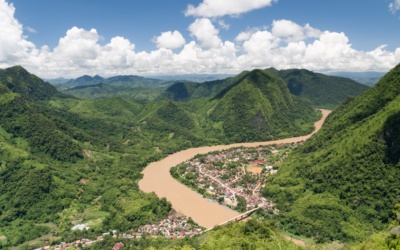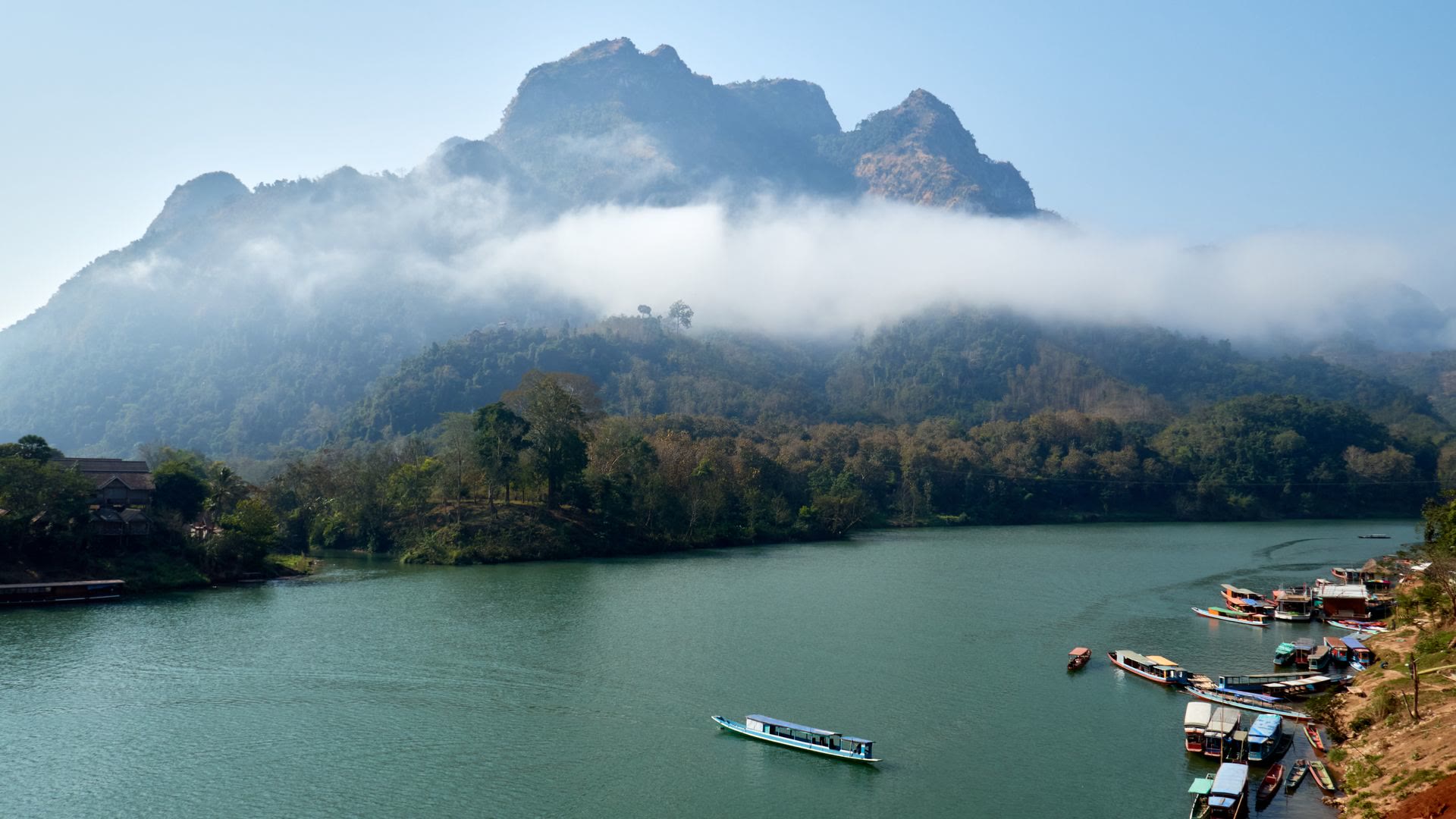
From the top of Pha Daeng Peak, the Nam Ou River looks like a silver ribbon threaded between dark limestone karsts. The town of Nong Khiaw sits far below, barely visible among the trees, and the mountains stretch to the horizon in every direction. It is one of those views that makes you forget the steep climb that got you there, and it is the single best reason to visit this quiet corner of northern Laos.
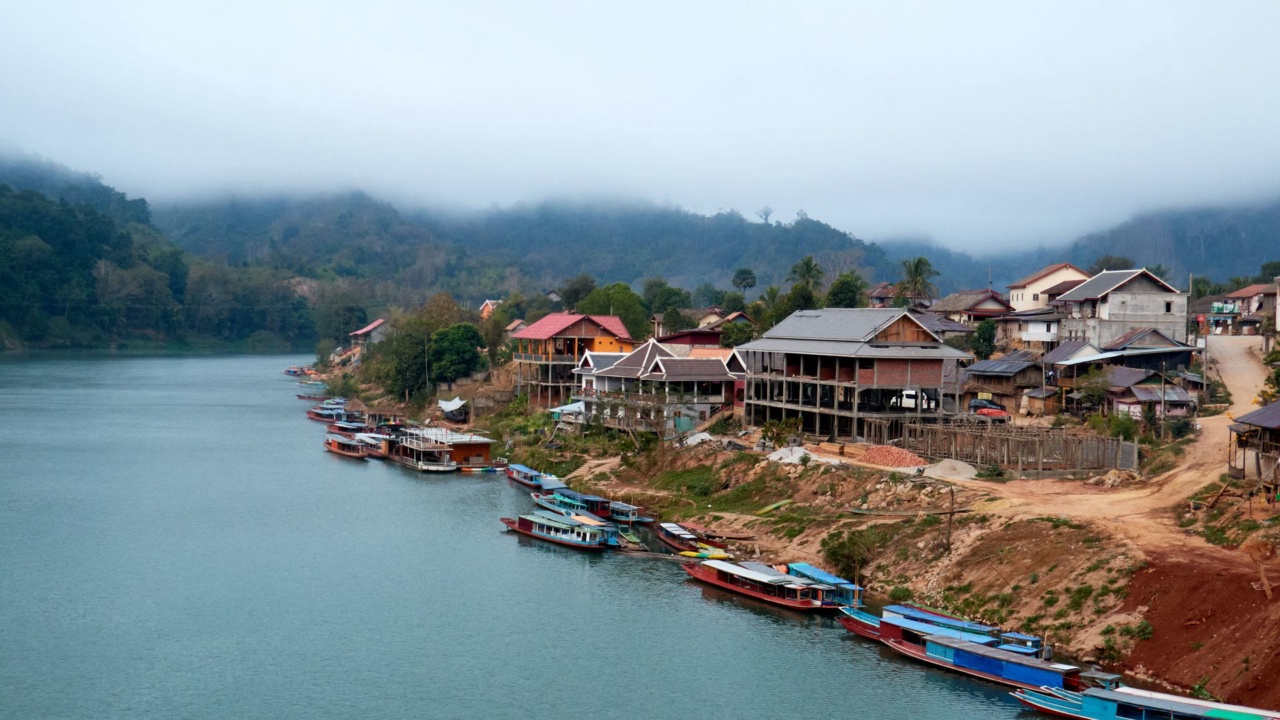
Nong Khiaw is a small riverside town about 150 kilometers north of Luang Prabang, wedged between dramatic karst formations along the Nam Ou. It has remained largely off the main tourist circuit, attracting mostly hikers, kayakers, and travelers looking for somewhere genuinely peaceful. The viewpoint hike up Pha Daeng Peak is the town's signature experience, but Nong Khiaw offers enough to fill several days if you are willing to slow down.
Pha Daeng Peak Viewpoint Hike
The main Nong Khiaw viewpoint hike climbs Pha Daeng Peak, a limestone mountain on the east side of town that offers a full 360-degree panorama of the surrounding landscape. The hike is moderately challenging and suitable for anyone with a reasonable level of fitness.
Trail Details
| Detail | Information |
|---|---|
| Distance | Approximately 2 km one way |
| Elevation gain | Around 350 meters |
| Duration (up) | 1-1.5 hours |
| Duration (down) | 45 minutes-1 hour |
| Difficulty | Moderate (steep sections, some scrambling) |
| Entrance fee | 20,000-40,000 LAK |
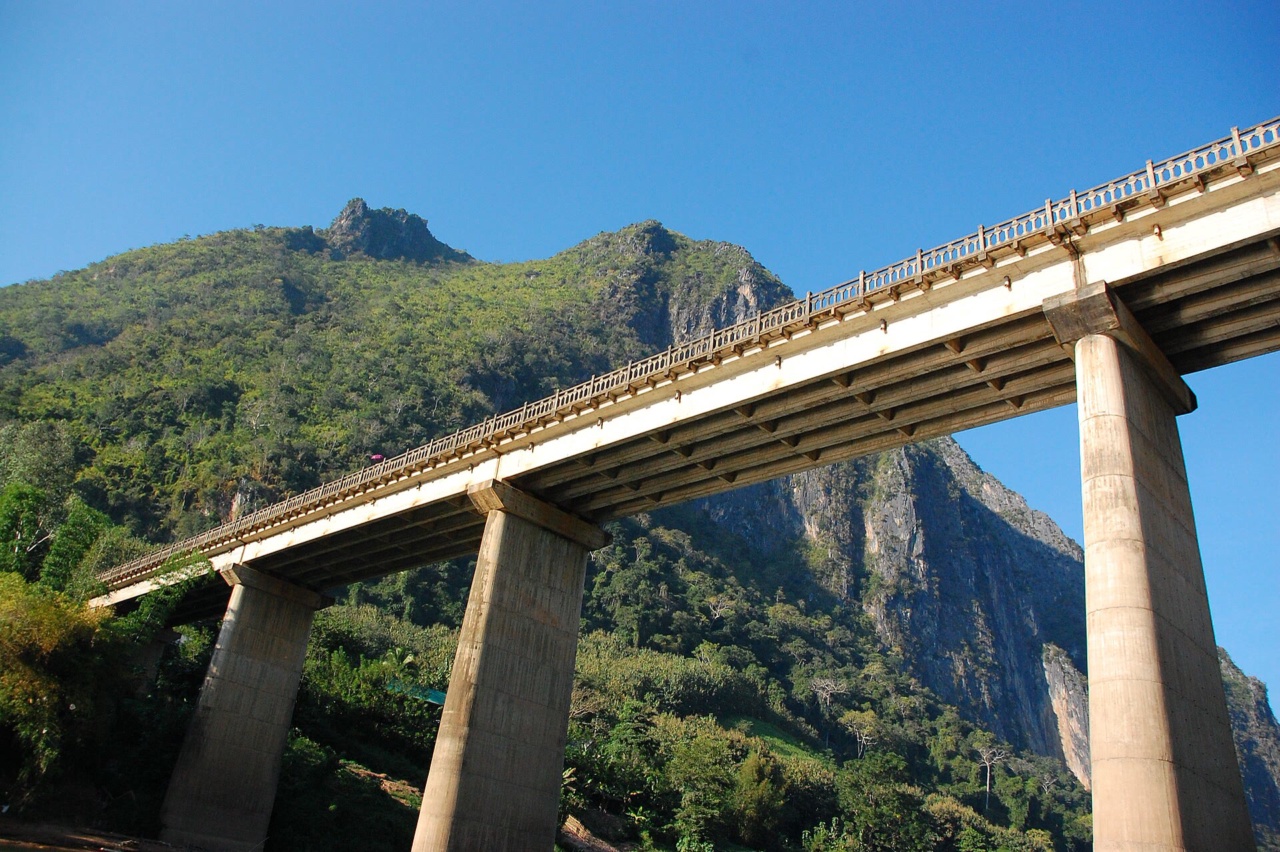
The trailhead is on the east side of the bridge, well marked with a large wooden sign. You pay the entrance fee at a small booth before starting. The first section follows a gradually ascending path through forest. As you climb higher, the trail steepens significantly, with sections requiring you to pull yourself up using tree roots and fixed ropes. The final stretch involves some light rock scrambling to reach the summit platform.
Rest benches are placed along the trail at regular intervals. The path is well maintained but can be slippery after rain, so sturdy footwear with good grip is essential. Flip-flops or sandals are not suitable for this hike.
Sunrise and Sunset Hikes
The viewpoint is spectacular at any time of day, but sunrise and sunset transform it into something extraordinary. For sunrise, start the hike around 5:30 in the dark with a headlamp. The trail is straightforward enough to follow in the dark if you stay on the main path. Reaching the top as dawn breaks over the karst mountains, with mist filling the valleys below, is one of northern Laos' most memorable experiences.
Sunset hikes are more popular and more social. Start around 15:30-16:00 depending on the season. Bring a headlamp for the descent, as the trail back down through forest gets dark quickly once the sun drops.
Overnight Camping
It is possible to camp at the summit for an overnight experience. Some local operators arrange camping trips that include a barbecue dinner, stargazing (the lack of light pollution makes for exceptional night skies), and sunrise the next morning. Expect to pay around 200,000-300,000 LAK per person for a guided camping trip including basic equipment and food. Bring warm layers as temperatures at altitude drop significantly after dark, especially between November and February.
Things to Do
Other Viewpoints in Nong Khiaw
Pha Noi and Pha Kao
For a more challenging hike, the Pha Noi and Pha Kao trail on the west side of the river offers two viewpoints. Pha Noi is reached in about 30 minutes and provides views back over town and the river. Continuing to Pha Kao adds another two hours of strenuous climbing through dense jungle with steeper, less maintained paths. The reward is near-total solitude and views that rival Pha Daeng. This trail sees far fewer visitors and feels genuinely wild.
Sleeping Woman Viewpoint
A shorter, easier option, this viewpoint takes about 20 minutes to reach and offers a different perspective of the town and river. It gets its name from a mountain formation across the valley that resembles a reclining woman. It is a good choice for those who want views without a strenuous hike.
Beyond the Viewpoints
100 Waterfalls Trek
One of the best day trips from Nong Khiaw, the 100 Waterfalls trek is a guided excursion that takes you upriver by boat and then through a series of cascading waterfalls in the jungle. The trek involves climbing alongside and sometimes through the waterfalls, with guides providing assistance on the trickier sections. It runs during the wet season (roughly June through October) when water levels are sufficient. Expect to pay around 250,000-350,000 LAK per person including boat transport, guide, and lunch.
Kayaking the Nam Ou
The Nam Ou River is one of the most scenic waterways in Laos, and kayaking trips from Nong Khiaw offer a unique perspective of the karst landscape. Half-day trips paddle downstream through calm sections with occasional mild rapids, passing villages and cave entrances. Full-day trips extend further and often include stops at riverside communities. Prices range from 150,000 to 300,000 LAK depending on duration.
Tham Pha Tok Caves
Located about 2 kilometers east of town along the road, these caves were used as shelters during the bombing campaigns of the Secret War. Two caves are open to visitors, with the larger one containing remnants of its wartime use. A local guide at the entrance explains the history. Admission is around 10,000 LAK. The caves provide a sobering reminder of Laos' recent history and the devastating impact of unexploded ordnance that still affects the countryside.
Village Trekking
Multi-day treks from Nong Khiaw visit remote Khmu and Hmong villages in the surrounding mountains. These typically run as two-day/one-night or three-day/two-night packages including homestays, meals, and a guide. Overnight trekking offers an immersive experience of rural Lao life, with evenings spent in village homes sharing meals with local families. Book through guesthouses in town or the local tourism office.
Getting to Nong Khiaw
| Route | Transport | Duration | Cost (approx.) |
|---|---|---|---|
| Luang Prabang to Nong Khiaw | Minivan | 3.5-4 hours | 65,000-80,000 LAK |
| Luang Prabang to Nong Khiaw | Local bus | 4-5 hours | 40,000-50,000 LAK |
| Luang Namtha to Nong Khiaw | Minivan | 4-5 hours | 80,000-100,000 LAK |
| Muang Ngoi to Nong Khiaw | Boat | 1 hour | 25,000 LAK |
Most travelers arrive from Luang Prabang. Minivans depart in the morning from the northern bus station. The road winds through mountains with dramatic scenery the entire way. From the north, Nong Khiaw connects to Luang Namtha and Phongsali province, making it a natural stop on a northern Laos loop.
The town is also a departure point for boat trips along the Nam Ou to Muang Ngoi Neua, a village even smaller and more remote than Nong Khiaw, reachable by a scenic one-hour boat ride upstream.
Where to Stay
Nong Khiaw has a range of accommodation spread along both banks of the river. Budget guesthouses with basic fan rooms run 60,000-100,000 LAK ($4-6) per night. Mid-range riverside bungalows with private bathrooms and balconies overlooking the Nam Ou cost 150,000-400,000 LAK ($9-24). A handful of boutique properties offer more comfort at $30-60 per night.
The east bank (bridge side) has more restaurants and is closer to the Pha Daeng trailhead. The west bank is quieter with better river views. Both sides are connected by the bridge, so the choice comes down to whether you prefer convenience or tranquility.
Practical Tips
- Best season is November through February. Cool, dry weather makes hiking comfortable and views are clearest. March through May is very hot. The wet season (June through October) brings lush scenery and the 100 Waterfalls trek, but trails can be slippery and views obscured by cloud.
- Bring proper hiking shoes. The Pha Daeng trail has steep, rocky sections that are genuinely dangerous in sandals, especially when wet. Lightweight trail shoes or sturdy sneakers with grip are minimum requirements.
- Carry water and a headlamp. There is no water for sale on the trail. Bring at least one liter for the Pha Daeng hike, more for longer treks. A headlamp is essential for sunrise hikes and useful if your sunset descent takes longer than planned.
- Stay on marked trails. Laos remains one of the most heavily bombed countries per capita in history. Unexploded ordnance (UXO) is still present in rural areas. Never leave established paths, and if you see any suspicious metal objects, do not touch them.
- Withdraw cash before arriving. Nong Khiaw has limited ATM availability and they sometimes run out of cash. Withdraw what you need in Luang Prabang. Most guesthouses and restaurants accept only cash.
- Allow at least two nights. One night is enough for the Pha Daeng hike, but two or three nights lets you kayak, explore caves, attempt a second viewpoint, or simply enjoy the riverside atmosphere. Nong Khiaw rewards those who linger.
For more on exploring northern Laos and connecting Nong Khiaw to a broader itinerary through the region, GoAsia.cc has detailed guides covering routes, transport, and destinations.
Frequently Asked Questions
The main viewpoint hike in Nong Khiaw climbs Pha Daeng Peak, a limestone mountain offering 360-degree panoramic views of the Nam Ou River, surrounding karst mountains, and the town below. The moderate hike takes 1-1.5 hours to ascend and is suitable for anyone with reasonable fitness, though it includes steep sections and some scrambling.
The entrance fee for the Pha Daeng Peak trail is 20,000-40,000 LAK (roughly $1-2). Beyond that, the hike itself costs nothing. Overnight camping trips at the summit run around 200,000-300,000 LAK per person with a local operator, including basic equipment and food.
Minivans depart from Luang Prabang's northern bus station in the morning and take 3.5-4 hours, costing 65,000-80,000 LAK. Local buses are cheaper at 40,000-50,000 LAK but take longer. The road passes through beautiful mountain scenery the entire way.
It is moderately challenging. The lower sections are a gradual forest walk, but the trail steepens significantly with sections requiring you to use tree roots and fixed ropes. The final stretch involves light rock scrambling. Rest benches are placed along the route. Most reasonably fit hikers manage it comfortably, but proper footwear is essential.
Both are spectacular. Sunrise offers mist-filled valleys and softer light but requires starting at 5:30 in the dark with a headlamp. Sunset is more popular, more social, and lets you hike up in daylight, but you need a headlamp for the descent. If you have time, doing both on separate days is ideal.
Two to three nights is ideal. One night covers the main viewpoint hike, but extra days let you kayak the Nam Ou, explore caves, attempt the more challenging Pha Kao trail, or take the 100 Waterfalls trek. The town's relaxed atmosphere also rewards simply spending time by the river.
The established hiking trails are safe and well maintained. However, Laos has significant unexploded ordnance from wartime bombing. Never leave marked trails or wander off-path in the countryside. The Pha Daeng trail itself is cleared and regularly used, so stick to the path and you will be fine.
November through February offers the best combination of cool weather, clear skies, and comfortable hiking conditions. The wet season from June through October brings the 100 Waterfalls trek and lush greenery, but trails are slippery and views can be obscured by cloud. March through May is very hot for hiking.