Phong Nha Caves: Routes, Tickets and Visit Planning
Photo: Manh Pham / Pexels
Contents
Phong Nha-Ke Bang is part of a transboundary UNESCO World Heritage property that crosses the border between Vietnam and Laos, with more than 220 kilometres of documented caves and underground rivers.[1] For a visitor the choice is practical: a boat ride into a river cave, a raised walkway through a dry cave, or a package built around swimming and adventure activities.
The main cave routes are in Quang Tri Province. Phong Nha Cave lies about 50 km southeast of Dong Hoi, so use Dong Hoi as your rail or air gateway and arrange the road transfer to Phong Nha separately.[2] Each site has its own hours and tickets, so plan around the cave you want rather than one park-wide ticket.
Compare the main cave visits
The table shows what the official visitor pages list. Confirm the current price and last entry with the operator before you go.
| Visit | What the route involves | Price and scope |
|---|---|---|
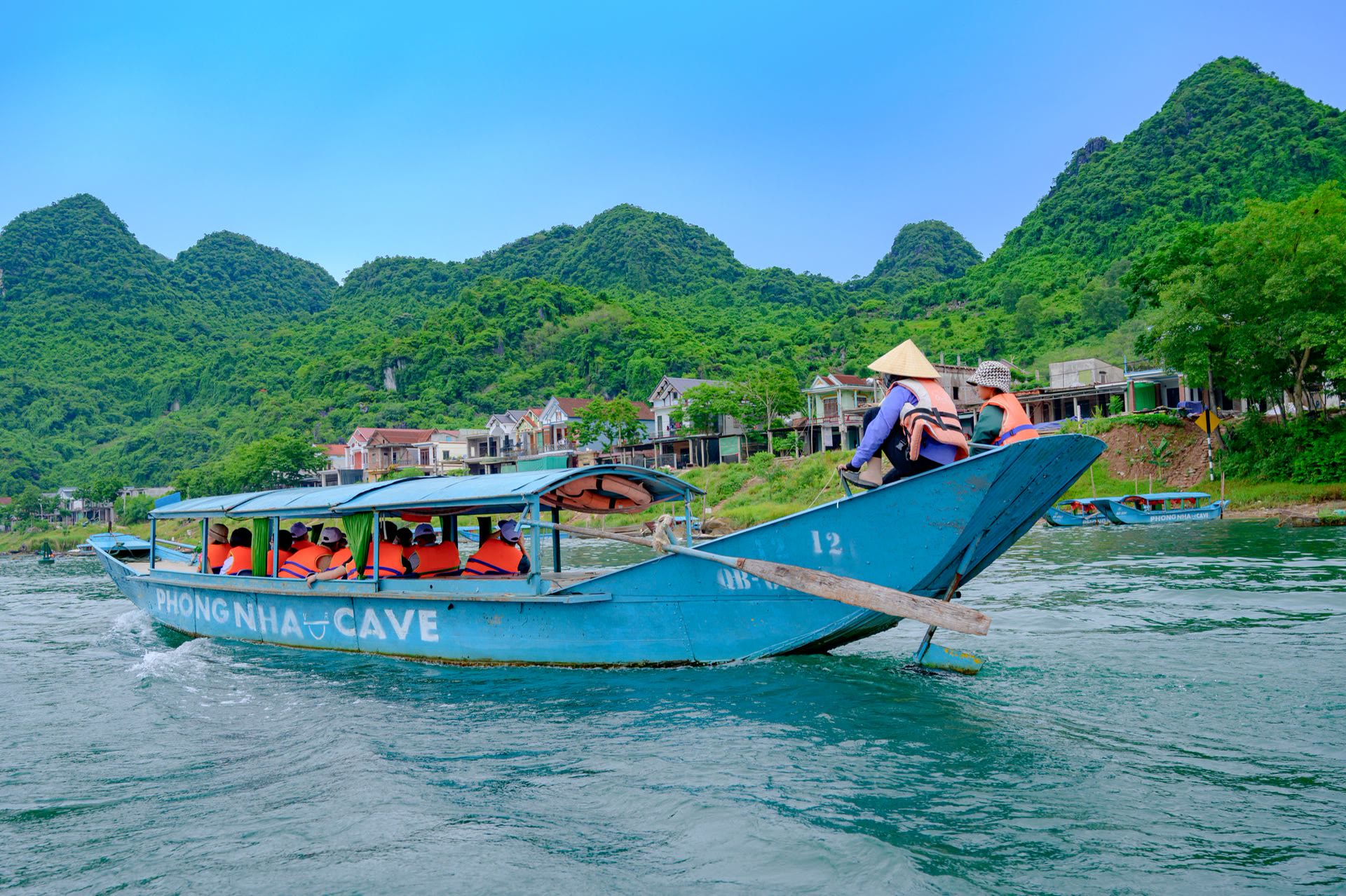
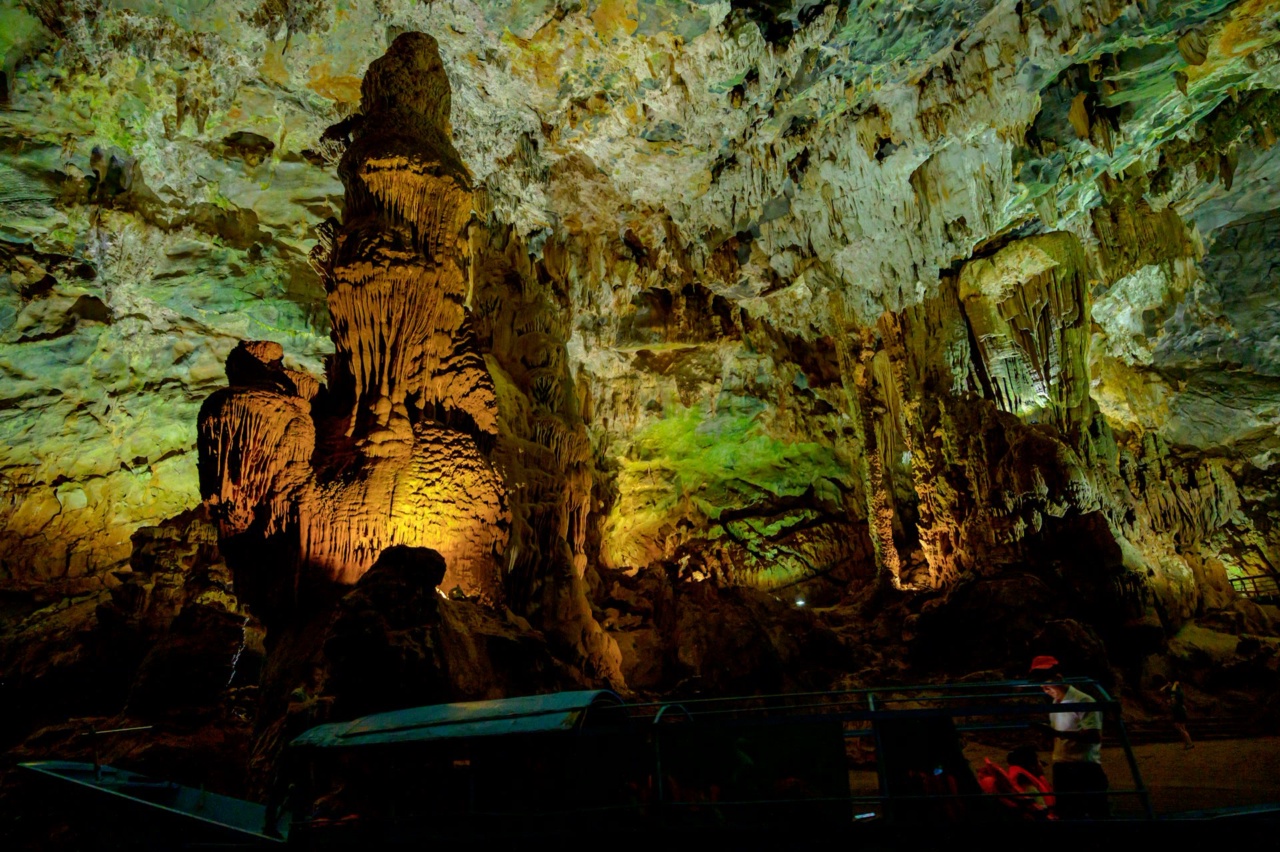
| Phong Nha Cave | A boat from the Tourism Center runs about 30 minutes down the Son River to the cave, then you continue by manually rowed boat for about 1,200 m underground. A walkway on the return reaches the two dry branches Tien Cave and Royal Palace Cave. Allow about 2.5 hours.[2] | VND 150,000 per person for entry. The round-trip boat is VND 700,000 for up to 12 passengers, or VND 750,000 for up to 12 if you combine Phong Nha and Tien Son.[2] |
| Tien Son Cave | A dry cave about 100 m vertically above Phong Nha Cave, reached by nearly 600 stone steps after the boat. Visitors may go up to 400 m inside because of hazardous terrain.[3] | VND 80,000 per person for entry. The boat is separate unless you choose the combined Phong Nha and Tien Son service.[3] |
| Paradise Cave | The standard visit follows a 1.6 km forest path, which you can walk or ride by electric buggy, then a 500 m trek to the entrance and 1 km of wooden walkway inside. Paradise Cave is 31.4 km long.[4] | VND 270,000 per adult including entry and buggy, VND 145,000 for children 1.1 to 1.3 m, and free for children under 1.1 m.[4] |
| Chay River and Dark Cave | Pick a package before you enter. Exploration includes Dark Cave and the mud bath, standard has the river activities without them, and recreation has light river fun without the cave, mud bath or 400 m zipline. Allow about 4 hours.[5] | Adults pay VND 450,000 for exploration, VND 220,000 for standard and VND 150,000 for recreation. Children 1.1 to 1.3 m pay VND 150,000, VND 110,000 and VND 110,000.[5] |
Things to Do
Offers are only loaded from GetYourGuide after you click. GetYourGuide can then process your IP address and set cookies. Privacy Policy
GetYourGuide partner offers. GoAsia may earn a commission if you book through these offers. Check whether tickets or transfers are included, and follow the attraction's official booking and admission rules.
Pair the visits that fit your day
Phong Nha and Tien Son make a natural pair if you are comfortable with stairs: take the boat to Phong Nha Cave, then climb the nearly 600 steps to the dry cave.[3] Both pages list guides separately, from VND 300,000 for one cave in Vietnamese and VND 400,000 in English.[2]
Paradise Cave is a different kind of visit. The standard route is a defined walkway through huge chambers, some up to 150 m wide and 100 m high.[4] A separate guided adventure goes 7 km into the cave to Heaven's Well, with a kayak crossing of an underground river, in a one-day or two-day option. It is not open to children under 16, elderly people or people with health issues such as heart disease or high blood pressure.[4]
Dark Cave is the water-activity choice. Compare the package inclusions before paying, especially whether you get the cave, the mud bath and the 400 m zipline. The mud bath needs a minimum height of 1.1 m, and zipline riders must weigh over 40 kg. Children under 1.3 m or under 40 kg use separate swimming and play areas. The site is not recommended for people with heart conditions, high blood pressure or weak joints, pregnant women or anyone afraid of heights.[5]
Arrange the transfer and check the day's details
Phong Nha and Tien Son are open daily, from 07:15 to 16:30 in summer and 07:30 to 15:45 in winter. The Phong Nha-Ke Bang Tourism Center runs both, hotline 0918 841 455 or 0868 815 678.[2] Chay River and Dark Cave open at 07:45 in summer and 08:00 in winter, and may pause operations in heavy rain, flooding or storms.[5]
Son Doong is not an add-on stop. Oxalis runs it as a six-day, five-night expedition with strenuous jungle treks, knee-deep river crossings and technical cave navigation with ladders and ropes. It needs its own booking and preparation.[6] For broader planning, browse our Vietnam travel guide.
Sources and background
Numbers in the text such as [1] refer to these sources.
- [1] UNESCO World Heritage Centre: Phong Nha-Ke Bang National Park and Hin Nam No National Park. Retrieved October 22, 2026.
- [2] Phong Nha-Ke Bang National Park visitor information, phongnhakebang.vn: Phong Nha Cave visitor information. Retrieved October 22, 2026.
- [3] Phong Nha-Ke Bang Tourism Center, as identified on the visitor page: Tien Son Cave visitor information. Retrieved October 22, 2026.
- [4] Phong Nha-Ke Bang National Park visitor portal, which identifies Paradise Cave Eco-Tourist Site as operator: Paradise Cave visitor information. Retrieved October 22, 2026.
- [5] Phong Nha-Ke Bang Tourism Center, as identified on the visitor page: Chay River and Dark Cave visitor information. Retrieved October 22, 2026.
- [6] Oxalis Adventure: Son Doong Expedition Tour. Retrieved October 22, 2026.
Frequently Asked Questions
UNESCO lists Phong Nha-Ke Bang National Park together with Hin Nam No National Park in Laos as one transboundary World Heritage property, with more than 220 kilometres of documented caves and underground waterways.
Phong Nha Cave. You take a boat from the Tourism Center, continue about 1,200 m underground by manually rowed boat, and walk through two dry branches on the way back.
Yes. You take the boat to Phong Nha Cave, then climb nearly 600 stone steps to Tien Son. A combined boat service covers both caves.
A 1.6 km approach by foot or electric buggy, a 500 m trek to the entrance and 1 km of wooden walkway inside. The adult ticket includes entry and the buggy. The guided 7 km adventure is a separate product and is not open to children under 16 or elderly people.
Exploration includes Dark Cave and the mud bath. Standard leaves those two out, and recreation also leaves out the 400 m zipline. The mud bath needs a minimum height of 1.1 m and the zipline requires over 40 kg.
Phong Nha entry is VND 150,000 and Tien Son VND 80,000, with the boat charged separately. Paradise Cave is VND 270,000 per adult. Chay River packages run from VND 150,000 to VND 450,000 for adults.
Phong Nha Cave is about 50 km southeast of Dong Hoi. Arrange the road transfer separately from your train or flight.
No. Son Doong is a six-day, five-night expedition with strenuous jungle trekking, river crossings and ladders and ropes in the cave.