Sources and background
Numbers in the text such as [1] refer to these sources.
- [1] UNESCO World Heritage Centre: Complex of Hue Monuments. Retrieved October 16, 2026.

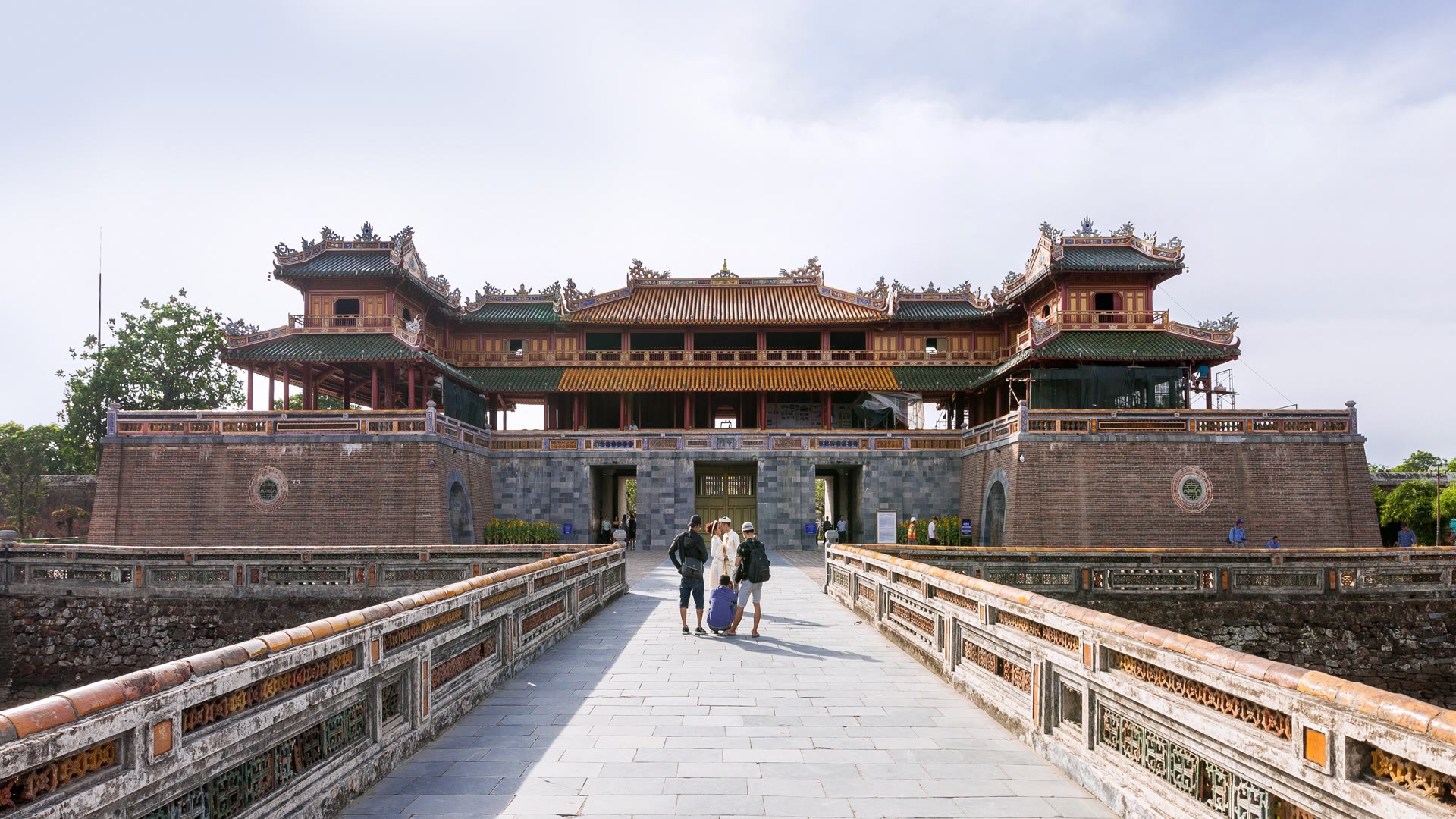
Vietnam's former imperial capital sits along the Perfume River, a city where crumbling citadel walls and ornate royal tombs whisper of a dynasty that shaped the nation.
Last updated: October 17, 2026
Best months: February to May and July
The Perfume River bends gently through Hue at dawn, its surface catching the first light while incense drifts from a pagoda on the north bank. Somewhere behind the massive walls of the Imperial Citadel, a groundskeeper sweeps leaves from a courtyard that once hosted Nguyen Dynasty emperors. This is a city that wears its history openly, not in museums behind glass but in the fabric of daily life, where locals still cook royal recipes passed down through generations and monks chant in centuries-old temples.
Hue occupies a unique position in Vietnam's cultural geography. It served as the national capital from 1802 to 1945 under the Nguyen Dynasty, and its UNESCO-listed monuments reflect that era of imperial ambition.[1] But Hue is not frozen in the past. A growing cafe culture, a lively night market, and a university population of over 50,000 students give the city a youthful energy that balances its reverence for tradition.
For travelers, Hue works beautifully as a two-to-four-day stop between Hanoi and Hoi An. It is one of Vietnam's most walkable cities, its food scene is arguably the country's best, and entrance fees to even its grandest monuments remain remarkably affordable. The pace here is slower, the touts fewer, and the rewards deeper for anyone willing to look beyond the surface.
Hue is divided by the Perfume River (Song Huong) into two distinct halves. The north bank holds the Imperial Citadel and the old city, a grid of quieter streets with traditional houses, local markets, and pagodas. The south bank is the modern commercial center, where most hotels, restaurants, travel agencies, and the main backpacker strip along Pham Ngu Lao and Vo Thi Sau streets cluster together.
Staying inside or near the Citadel puts you closest to Hue's primary historical sites. This area is quieter at night, with fewer dining options but more local character. Several boutique hotels and guesthouses have opened in restored traditional houses here, offering an atmospheric base. Dong Ba Market, the city's largest, sits at the northeast corner of the Citadel walls near the river.
The area between Le Loi Street and the river is where most travelers base themselves. It has the highest concentration of hotels across all budget levels, plus restaurants, bars, and tour booking offices. Walking to the Citadel from here takes about 15 minutes across Truong Tien Bridge, the city's iconic iron bridge, often linked to Gustave Eiffel's company.
West of the Citadel along the river, the Kim Long area contains Thien Mu Pagoda and several garden houses. It is residential and peaceful, best visited as a half-day excursion rather than a base, unless you specifically want seclusion.
The Nguyen Dynasty tombs are scattered along the Perfume River south and southwest of the city center, roughly 5 to 12 kilometers out. A few resorts and eco-lodges operate in this area for travelers wanting a countryside retreat, but most visitors explore the tombs on day trips.
Offers are only loaded from GetYourGuide after you click. GetYourGuide can then process your IP address and set cookies. Privacy Policy
GetYourGuide partner offers. GoAsia may earn a commission if you book through these offers. Check whether tickets or transfers are included, and follow the attraction's official booking and admission rules.
Hue has a reputation as the wettest city in Vietnam, and that reputation is earned. Central Vietnam's climate differs significantly from both the north and south, so do not assume Hue's weather matches Hanoi or Ho Chi Minh City.
| Season | Months | Weather | Crowds | Prices |
|---|---|---|---|---|
| Dry Season | February - August | Hot, increasingly humid; March-April is most pleasant at 25-30C | Moderate to high | Standard to peak |
| Wet Season | September - January | Heavy rain, occasional flooding in October-November; cooler at 18-24C | Low | Lower, good deals available |
The sweet spot is February through April, when temperatures are comfortable, rain is minimal, and the landscape is green from the preceding wet season. May through August brings intense heat, often exceeding 35C, which makes exploring outdoor tombs and the Citadel exhausting. The Hue Festival, a major cultural event, fills the city with performances, art installations, and ao dai processions. It has no fixed date and has been held in different months between April and June, so check the programme before you book. Book accommodation well ahead if your visit coincides.
October and November are the riskiest months. Typhoons and heavy rains can cause the Perfume River to flood, occasionally submerging streets in the Citadel area. If you visit during the wet season, pack proper rain gear and stay flexible with your itinerary.
Phu Bai International Airport (HUI) is about 15 kilometers southeast of the city center. Domestic flights connect Hue to Hanoi (roughly 1 hour) and Ho Chi Minh City (roughly 1.5 hours). A taxi or Grab ride from the airport to central Hue costs around $7-10 and takes 25-30 minutes. An airport shuttle bus also runs for around $2-3 per person.
Hue's train station sits on the south bank, a short ride from the tourist district. The Reunification Express connects Hue to Hanoi (about 13 hours) and Da Nang (about 2.5 hours), with the Da Nang stretch being one of the most scenic rail journeys in Southeast Asia as it crosses the Hai Van Pass. You can check schedules and compare transport options on GoAsia.cc for routes between major Vietnamese cities.
Open-tour buses are the budget option, connecting Hue to Hoi An (3-4 hours, around $6-8) and Hanoi (12-14 hours, around $15-20). Many travelers combine the Hue-to-Hoi An bus with a stop at the Hai Van Pass and Lang Co Beach.
Central Hue is compact enough to walk. The Citadel, south bank hotels, and riverfront are all within a 2-3 kilometer radius. For the royal tombs and pagodas outside the center, you have several options. Grab works reliably in Hue and is the easiest way to get around; a ride across town rarely exceeds $2-3. Renting a bicycle (around $2-3 per day from most hotels) is excellent for flat city streets and the Citadel area. Motorbike rental runs about $5-7 per day, useful for reaching the tombs independently. Traditional cyclos (pedicabs) still operate and charge roughly $3-5 for short tourist routes, though always agree on a price before departing.
Dragon boat tours on the Perfume River are a classic way to visit Thien Mu Pagoda and some tombs, typically costing $3-5 per person for a shared boat or $15-25 for a private charter.
The Imperial Citadel and Forbidden Purple City: Hue's crown jewel is this massive walled complex modeled on Beijing's Forbidden City. Much was destroyed during the Tet Offensive in 1968, but ongoing restoration has brought back several throne halls, gates, and gardens. Allow 2-3 hours to explore properly. The entrance fee is around $7. Go early in the morning to avoid heat and tour groups. The Flag Tower (Cot Co) and Ngo Mon Gate are particularly photogenic. Do not skip the smaller temples and gardens in the rear sections, which most visitors rush past.
Tomb of Tu Duc: The most atmospheric of the royal tombs, set among pine forests and a tranquil lake. Emperor Tu Duc designed it as a retreat during his lifetime, and the complex includes pavilions, a theater stage, and a stele house. Entry is around $4. Budget 60-90 minutes. Visit in the afternoon when light filters through the trees.
Tomb of Khai Dinh: A striking contrast to the other tombs, this one blends Vietnamese, Chinese, and European architectural styles with elaborate mosaic interiors made from broken porcelain and glass. It sits on a hillside with views over the valley. Entry is around $4. The interior mosaics alone are worth the visit; allow 45-60 minutes.
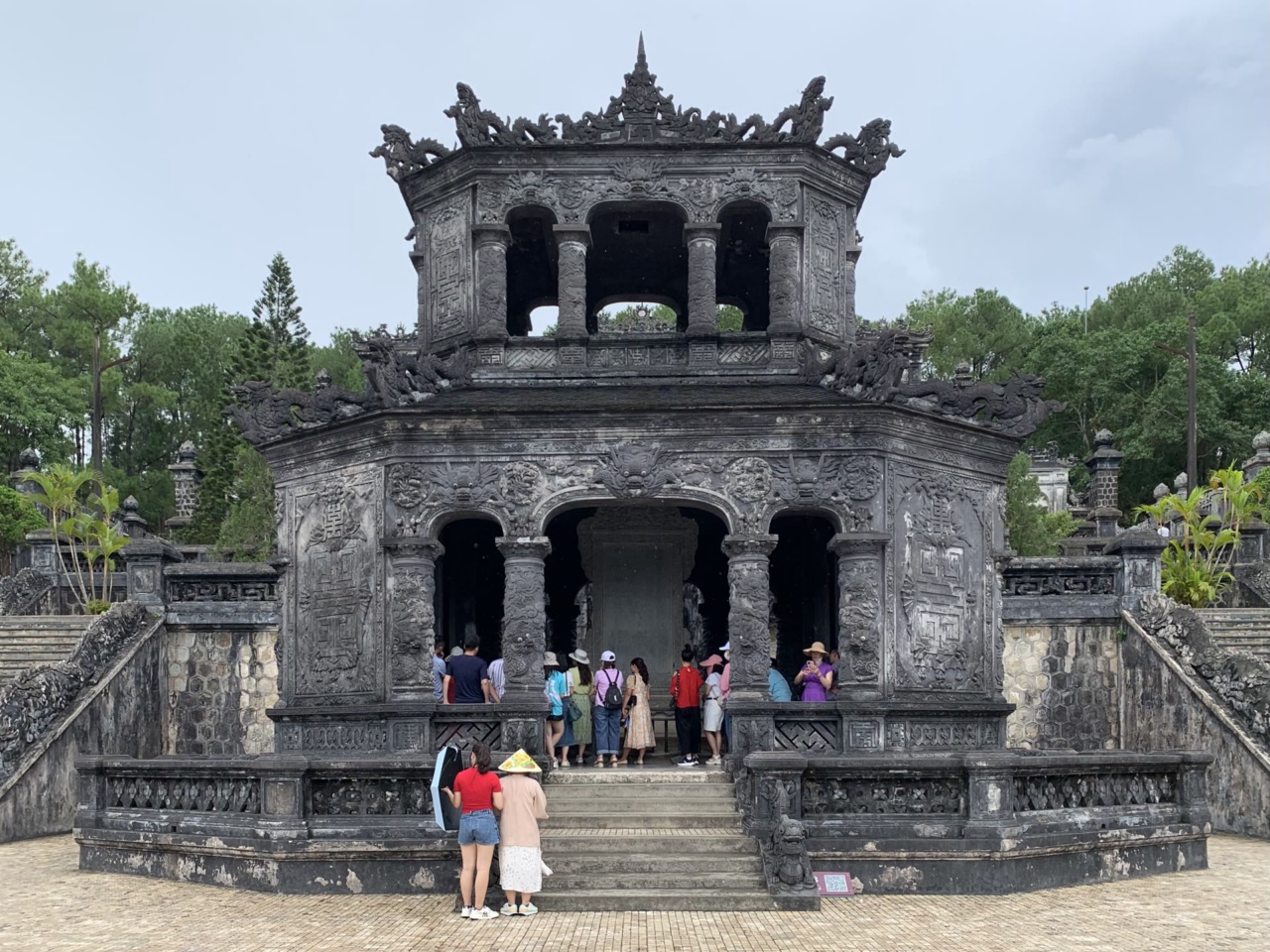
Tomb of Minh Mang: The most classically beautiful tomb, with a grand processional way, lakes, and symmetrical gardens. It feels like a miniature Forbidden City in a pastoral setting. Entry is around $4. Allow 60-90 minutes.
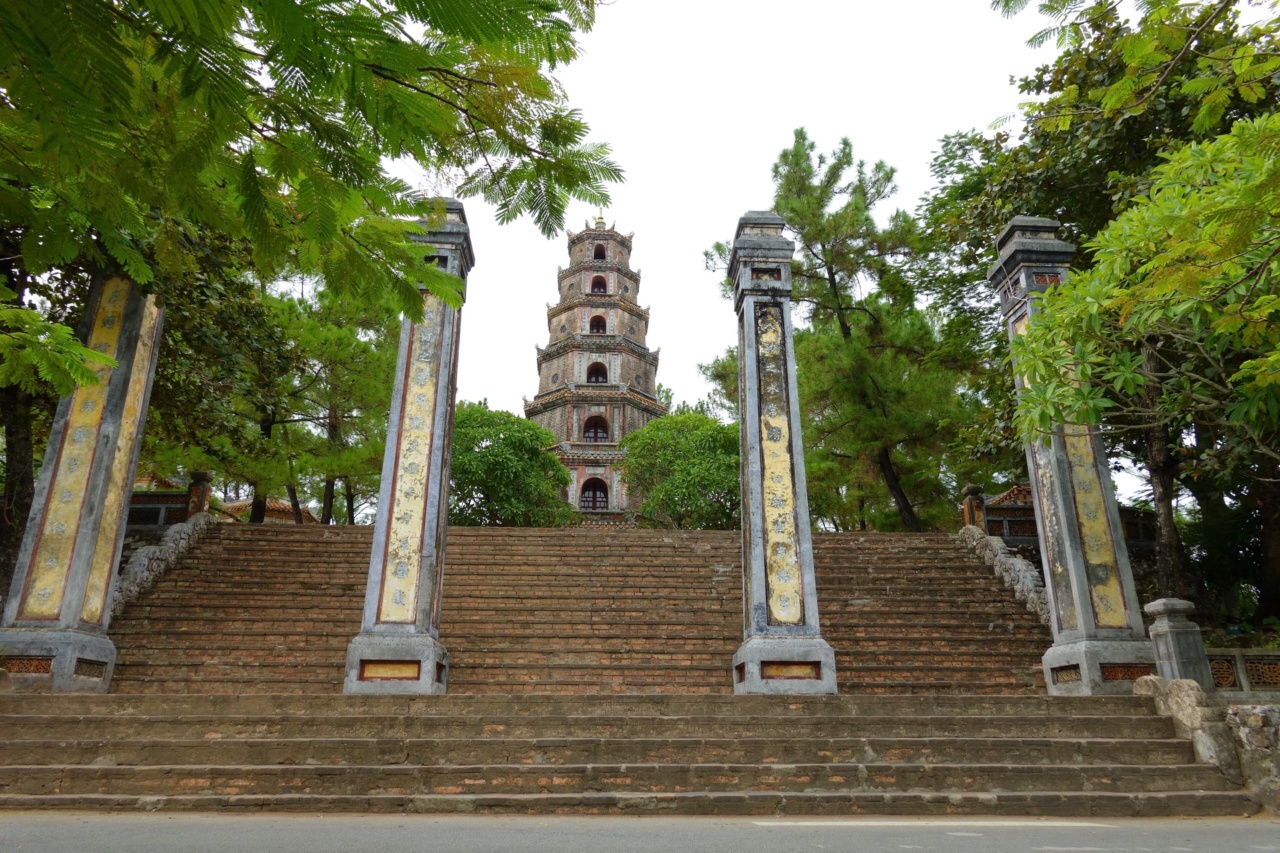
Thien Mu Pagoda: Hue's most iconic landmark, its seven-story octagonal tower overlooks the Perfume River. The pagoda is an active Buddhist monastery, and you can explore the gardens and main hall freely (no entrance fee). The Austin car that carried monk Thich Quang Duc to his famous self-immolation protest in 1963 is displayed here. Visit in the morning for the best light and to see monks going about their routines.
Garden Houses of Kim Long: Several traditional Hue garden houses in the Kim Long neighborhood open to visitors, offering a glimpse of aristocratic life with their blend of architecture and landscaping. An Hien Garden House is one of the most accessible. Entry is typically $1-2, and some serve tea.
Tu Hieu Pagoda: This serene monastery in a pine forest near the royal tombs is where Zen master Thich Nhat Hanh was ordained. It sees far fewer tourists than Thien Mu and offers genuine tranquility. No entrance fee.
Thanh Toan Bridge: About 8 kilometers east of the city, this 18th-century covered Japanese-style bridge sits in a rice paddy village. It is less famous than Hoi An's Japanese Bridge but arguably more charming, with no crowds and a small folk museum nearby. Reach it by bicycle for a rewarding half-day ride through the countryside.
Dong Ba Market: Not a tourist market but a genuine local one, sprawling and chaotic. Come for the food stalls in the back section where vendors sell bun bo Hue, banh beo, and fresh sugarcane juice. Mornings are busiest and most atmospheric.
Tomb of Dong Khanh: Unless you are a completist, this small and relatively unimpressive tomb does not justify the trip when compared to Tu Duc, Khai Dinh, or Minh Mang. Skip it unless you have extra time.
Dragon Boat Sunset Cruise: Many tour operators push evening boat cruises with live music on the Perfume River. The reality is often a tinny speaker playing traditional music on a slow-moving boat with little to see after dark. The daytime boat trip to Thien Mu Pagoda is far more worthwhile.
DMZ Tours: The Demilitarized Zone tours from Hue are popular but involve 4-5 hours of driving for relatively brief stops at sites like the Vinh Moc Tunnels and Khe Sanh. The tunnels are interesting, but the long travel time and rushed schedule disappoint many visitors. Consider it only if the Vietnam War history is a primary interest.
Hue's cuisine is widely considered the finest in Vietnam, shaped by centuries of royal court cooking. The food here tends toward complex flavors, smaller portions, and more elaborate presentation than the north or south. Chili features prominently, so expect spicier dishes than in Hanoi or Saigon.
| Dish | Description | Where to Try | Typical Price |
|---|---|---|---|
| Bun Bo Hue | Spicy beef and pork noodle soup with lemongrass, shrimp paste, and chili oil; Hue's signature dish | Street stalls near Dong Ba Market or on Truong Dinh Street | $1-2 |
| Banh Beo | Steamed rice cakes topped with shrimp flakes, scallions, and crispy pork skin; served in small dishes | Any local com (rice shop) or Hang Me Street stalls | $0.50-1 |
| Banh Khoai | Hue's version of a crispy crepe, stuffed with shrimp, pork, and bean sprouts; served with peanut dipping sauce | Dedicated banh khoai restaurants on Dinh Tien Hoang Street | $1-2 |
| Nem Lui | Grilled pork skewers wrapped in rice paper with herbs, banana flower, and star fruit | Restaurants near the Citadel's east gate | $2-3 |
| Com Hen | Baby clams served over cold rice with herbs, peanuts, chili, and sesame crackers | Morning stalls on Con Hen (Hen Island) or Han Mac Tu Street | $1-1.50 |
| Che Hue | A collection of sweet dessert soups and puddings, often served in a sampler of multiple flavors | Che stalls along Hung Vuong Street or near Truong Tien Bridge | $0.50-1 |
| Royal Hue Cuisine | Multi-course meals recreating imperial court dishes with elaborate presentation | Upscale restaurants in the south bank tourist area or garden house restaurants | $15-30 per person |
The best eating in Hue happens at street level. The area around Dong Ba Market is a food paradise in the mornings, with vendors specializing in single dishes they have perfected over decades. Truong Dinh Street and the small alleys off Nguyen Du Street are excellent for evening street food. For a sit-down meal, the south bank tourist strip along Pham Ngu Lao and Vo Thi Sau has restaurants catering to travelers, but the food is often better at local spots a block or two away from the main drag.
A budget street food meal costs $1-2, a mid-range restaurant dinner runs $5-10, and an upscale royal cuisine experience at a top restaurant will set you back $15-30 per person. Hue's local beer (Huda) is ubiquitous and costs around $0.50-1 at street-side bia hoi joints. Egg coffee, popularized in Hanoi, has made its way to Hue's growing cafe scene, with atmospheric spots tucked into alleys near the Citadel.
Hue has an excellent selection of guesthouses and hostels, mostly concentrated on the south bank between Le Loi Street and the river. Dorm beds start at around $5-6, and private rooms in clean guesthouses go for $8-15. The Pham Ngu Lao area has the most options and is walkable to everything. Quality is generally high for the price, with air conditioning and hot water standard even in budget rooms.
This is where Hue shines. Boutique hotels with river views, swimming pools, and thoughtful design are available for $25-50. Several restored heritage properties inside the Citadel area offer atmospheric rooms with traditional wooden furniture and garden courtyards. The south bank along Le Loi Street has polished hotels in the $30-60 range with excellent breakfasts and helpful tour desks.
A handful of luxury resorts and heritage hotels operate in Hue. Properties along the Perfume River offer rooms with balconies overlooking the water and the Citadel. Further out, near the royal tombs, a few eco-resorts provide countryside tranquility with high-end amenities. Hue's luxury tier is significantly cheaper than equivalent properties in Hanoi or Ho Chi Minh City.
Hue is one of Vietnam's safest cities for travelers. Violent crime targeting tourists is extremely rare. The main annoyances are cyclo and motorbike taxi drivers who can be persistent near tourist sites, and occasional overcharging at Dong Ba Market for obvious tourists.
The legendary mountain pass between Hue and Da Nang is about 60 kilometers southeast and offers some of Vietnam's most dramatic coastal scenery. The best way to experience it is by motorbike (rent in Hue, drop off in Hoi An, or do a round trip), or book a guided motorbike tour for around $30-50. The pass takes 1-2 hours each way, with stops at the summit bunker and Lang Co Beach below. Combining this with onward travel to Hoi An makes the most sense.
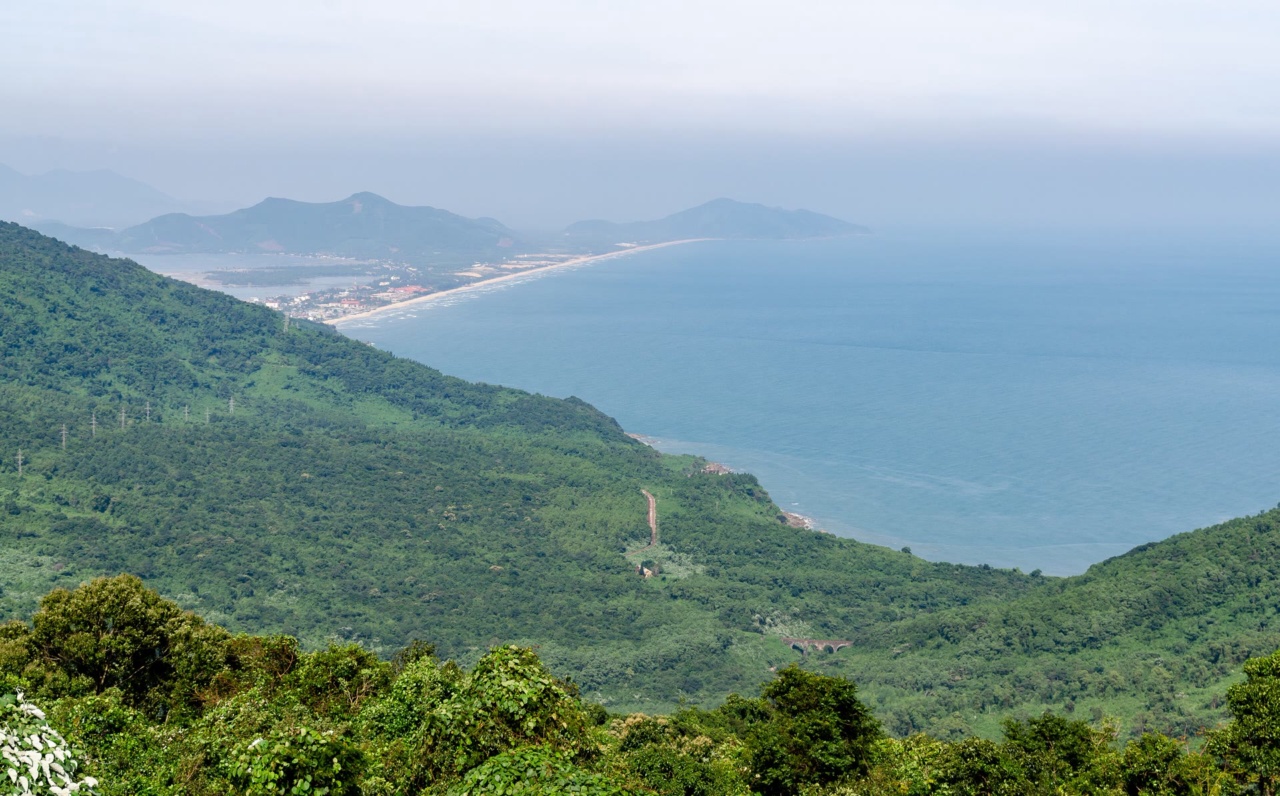
This mountainous national park sits about 60 kilometers southeast of Hue and offers cool temperatures, jungle trekking, waterfalls, and remnants of French colonial hill station villas. The Hai Vong Dai lookout provides views to the coast on clear days. A day trip by motorbike or hired car costs around $25-40 for transport. Bring good walking shoes and rain protection. The park is best visited in the drier months.
A half-day bicycle ride through the rice paddies east of Hue leads to Thanh Toan covered bridge and surrounding villages. The route passes through agricultural landscapes that feel worlds away from the city. Most hotels can arrange bicycle rentals and provide a simple map. The round trip is about 16 kilometers on flat roads.
About 60 kilometers south of Hue, this crescent beach sits between a turquoise lagoon and the sea, backed by mountains. It is a good swimming spot from April to August. Accessible by train (the Lang Co station is right there) or motorbike. The seafood restaurants along the beach serve fresh catches at low prices. It pairs well with a Hai Van Pass excursion.
About 210 kilometers north of Hue, this UNESCO World Heritage site contains some of the world's most spectacular caves, including Paradise Cave and the adventure-focused Dark Cave. It requires an overnight trip rather than a true day trip, but many travelers visit for one or two nights en route between Hue and Hanoi. Buses and private transfers run the route in about 4 hours.
Morning: Start early at the Imperial Citadel, arriving by 8 AM to beat tour groups. Spend 2-3 hours exploring the Ngo Mon Gate, Thai Hoa Palace, the Forbidden Purple City ruins, and the quieter rear gardens. Exit through the east gate.
Afternoon: Walk to Dong Ba Market for a late lunch of bun bo Hue at one of the food stalls in the back section. Browse the market, then cross Truong Tien Bridge to the south bank. Rest during the hottest hours, then explore the cafes and shops along Le Loi Street.
Evening: Head to the night market along Vo Thi Sau Street for street food grazing. Try banh beo, nem lui, and che Hue from different stalls. Walk along the Perfume River as the Citadel lights up across the water.
Morning: Hire a motorbike or Grab to Thien Mu Pagoda early, spending 45 minutes exploring the grounds. Continue south along the river to the Tomb of Minh Mang (60-90 minutes), then the Tomb of Tu Duc (60-90 minutes).
Afternoon: Visit the Tomb of Khai Dinh, the most visually dramatic of the three. Have lunch at a local restaurant near the tombs. If energy permits, stop at Tu Hieu Pagoda on the way back to the city for a peaceful contrast.
Evening: Treat yourself to a royal Hue cuisine dinner at one of the upscale restaurants in the south bank area. The multi-course meals are an experience unto themselves, with dishes presented in the style of the imperial court.
Morning: Rent a bicycle and ride east through the rice paddies to Thanh Toan covered bridge. Stop at village markets along the way and photograph the rural landscape. Return by late morning.
Afternoon: Visit the garden houses in the Kim Long neighborhood, having tea in a traditional setting. Alternatively, take a dragon boat upriver for a different perspective on the city. Spend time in any Citadel areas you missed on Day 1.
Evening: Final street food crawl through the alleys off Nguyen Du and Truong Dinh streets. Try com hen if you have not yet. End with a drink at a rooftop bar overlooking the river.
| Category | Budget | Mid-Range | Comfort |
|---|---|---|---|
| Accommodation | $5-12 | $20-45 | $60-150 |
| Food | $5-8 | $10-20 | $25-50 |
| Transport | $2-4 | $5-10 | $15-30 |
| Activities | $5-8 | $10-15 | $15-25 |
| Daily Total | $17-32 | $45-90 | $115-255 |
Hue is one of the most affordable destinations in Vietnam. Budget travelers eating street food and staying in guesthouses can live well on $20-30 per day. A combined ticket for the Citadel and three royal tombs is available for around $14 and saves money over individual entries. The biggest variable in your budget is accommodation; Hue's mid-range hotels offer exceptional value, and the jump in quality from budget to mid-range is significant enough to justify the extra spend for most travelers.
Absolutely. Hue offers Vietnam's richest concentration of historical sites, its most refined cuisine, and a relaxed pace that contrasts refreshingly with Hanoi and Ho Chi Minh City. The Imperial Citadel and royal tombs are UNESCO-listed and genuinely impressive. If you have any interest in history, food, or Vietnamese culture, Hue is essential.
Two full days cover the major sights comfortably: one for the Citadel and city, another for the royal tombs and pagodas. Three days allow a countryside excursion and more relaxed food exploration. Four days make sense if you want to add a day trip to Bach Ma National Park or the Hai Van Pass.
Hue is very safe by any standard. Violent crime against tourists is essentially unheard of. The main concerns are petty annoyances like persistent cyclo drivers and occasional overcharging at markets. Normal precautions with valuables are sufficient, and walking around at night is generally fine in the central areas.
Hue is renowned for bun bo Hue (spicy beef noodle soup), banh beo (steamed rice cakes with shrimp), banh khoai (crispy crepes), nem lui (grilled pork skewers), and com hen (baby clam rice). The city also has a tradition of royal court cuisine served as elaborate multi-course meals. Hue food tends to be spicier and more complex than dishes from other Vietnamese regions.
February through April offers the best combination of comfortable temperatures and minimal rain. Avoid October and November when heavy rains and occasional flooding can disrupt travel. May through August is hot but dry. The Hue Festival is a highlight if you can time your visit, but its dates change, so check the programme.
Hue is one of Vietnam's most affordable cities. Street food meals cost $1-2, quality hotel rooms start around $15-20, and major attractions charge $4-7 for entry. Budget travelers can manage on $20-30 per day, and mid-range travelers will find excellent value at $50-80 per day.
The most common options are tourist buses (3-4 hours, around $6-8), private cars (around $40-60), or the train to Da Nang (2.5 hours) followed by a taxi or bus to Hoi An (30-40 minutes more). Many travelers opt for a motorbike or car transfer that includes a stop at the scenic Hai Van Pass and Lang Co Beach along the way.
No, do not drink tap water in Hue. Bottled water is inexpensive and available everywhere, typically costing around $0.25-0.50 for a large bottle. Ice in restaurants and cafes is generally factory-made and safe, but use your judgment at very basic street stalls.
English proficiency is more limited in Hue than in larger Vietnamese cities. Hotel staff, tour guides, and tourist-oriented restaurants communicate well in English, but street vendors, taxi drivers, and locals outside the tourist zone often speak little to none. Having a translation app on your phone is very helpful.
Most travelers stay on the south bank near Le Loi and Pham Ngu Lao streets, which offers the widest selection of hotels, restaurants, and services within walking distance of the Citadel. For a more atmospheric experience, look for boutique guesthouses inside or near the Citadel on the north bank, though dining options are fewer there.
Numbers in the text such as [1] refer to these sources.