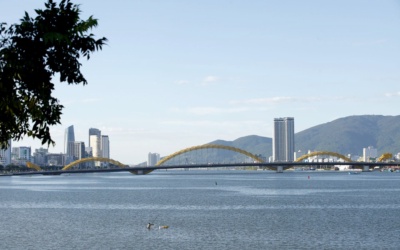
Vietnam's most livable city stretches along a crescent of white sand between the East Sea and the Marble Mountains, blending beach-town ease with urban energy.
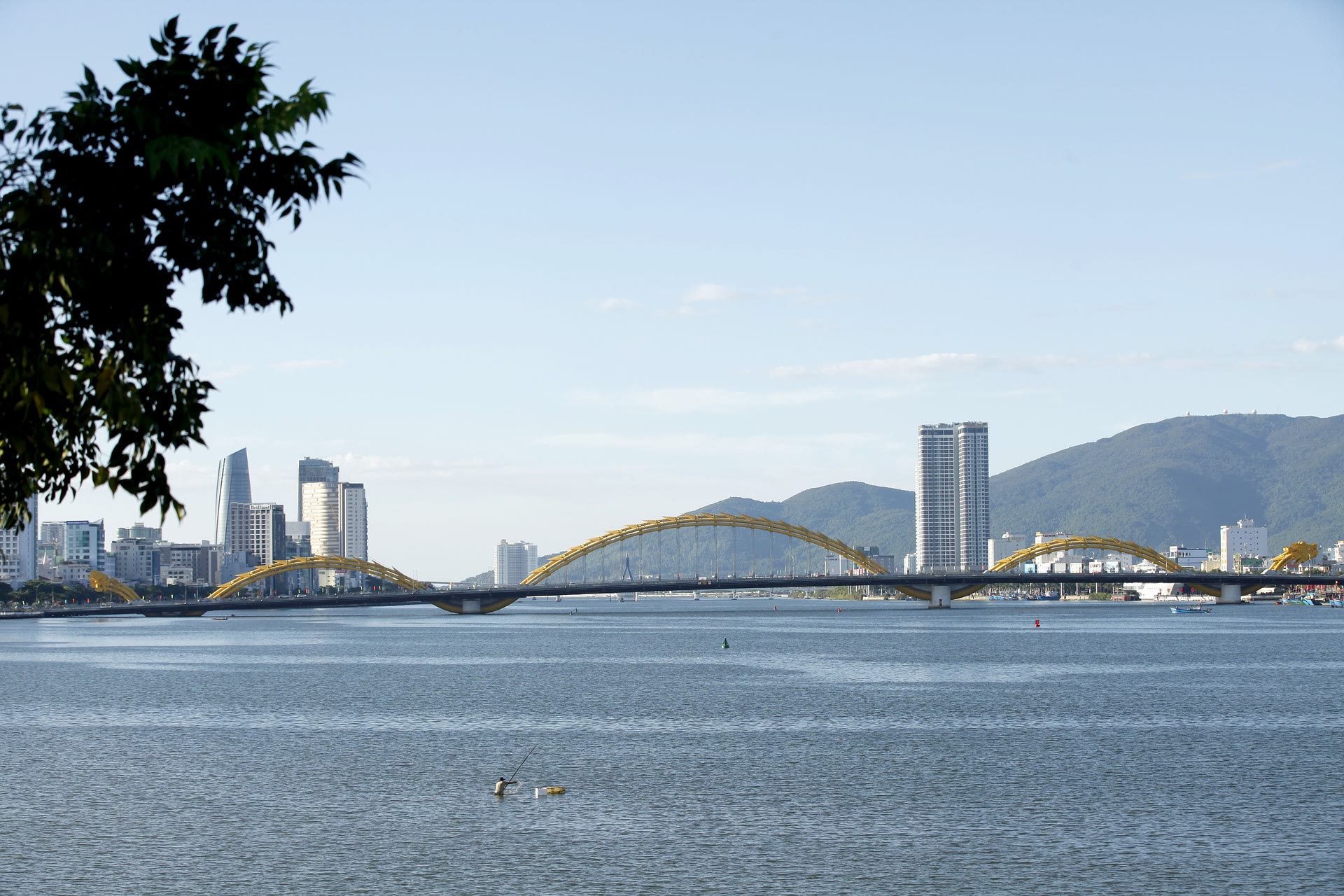
The Dragon Bridge breathes fire and water on weekend nights at 9 PM, and the entire riverfront erupts in cheers.[1][2] That spectacle captures something essential about Da Nang: a city that takes genuine delight in being a little bit extra while remaining refreshingly unpretentious. Situated roughly halfway along Vietnam's coastline, Da Nang occupies a sweet spot on the map and in the travel experience, offering beach days, mountain excursions, and some of the country's finest street food without the sensory overload of the bigger cities.
For years, travelers treated Da Nang as a transit point, flying in only to shuttle straight to Hoi An. That era is over. The city has invested heavily in its beachfront promenade, its bridges are genuine architectural statements, and a growing restaurant scene rivals anywhere in the country. Solo travelers, couples, and families all find their rhythm here quickly, partly because the city is compact and flat enough to navigate on two wheels, and partly because the locals are famously welcoming even by Vietnamese standards.
Da Nang also serves as a base for three UNESCO-adjacent experiences: the ancient town of Hoi An (a short drive south), the imperial citadel of Hue (two hours north via the spectacular Hai Van Pass), and the My Son sanctuary (90 minutes southwest). You can fill a week without repeating yourself, or spend three focused days and leave deeply satisfied.
Orientation and Neighborhoods
Da Nang is split by the Han River. The western bank holds the city center, the main market (Han Market), the bus and train stations, and most of the local Vietnamese life. The eastern bank, connected by a series of dramatic bridges, is where the beach strip and most tourist hotels sit. Think of the river as the dividing line between "local Da Nang" and "beach Da Nang" - both are worth your time.
My Khe Beach / East Side
The main tourist strip runs along Vo Nguyen Giap street, parallel to My Khe Beach. This is where you will find the highest concentration of hotels, from budget guesthouses to five-star resorts. Restaurants, convenience stores, and surf shops line the road. It is the most convenient base if your priority is sand and sea, and it is only a short ride across the bridge to the city center.
City Center (West Bank)
The area around Han Market, Bach Dang street, and the cathedral is the commercial and cultural heart. Streets are busier and noisier but the food scene is deeper here, with local noodle shops and street vendors on every corner. Budget accommodation is plentiful. This is the best base for travelers who prioritize eating and exploring over beach time.
Son Tra Peninsula
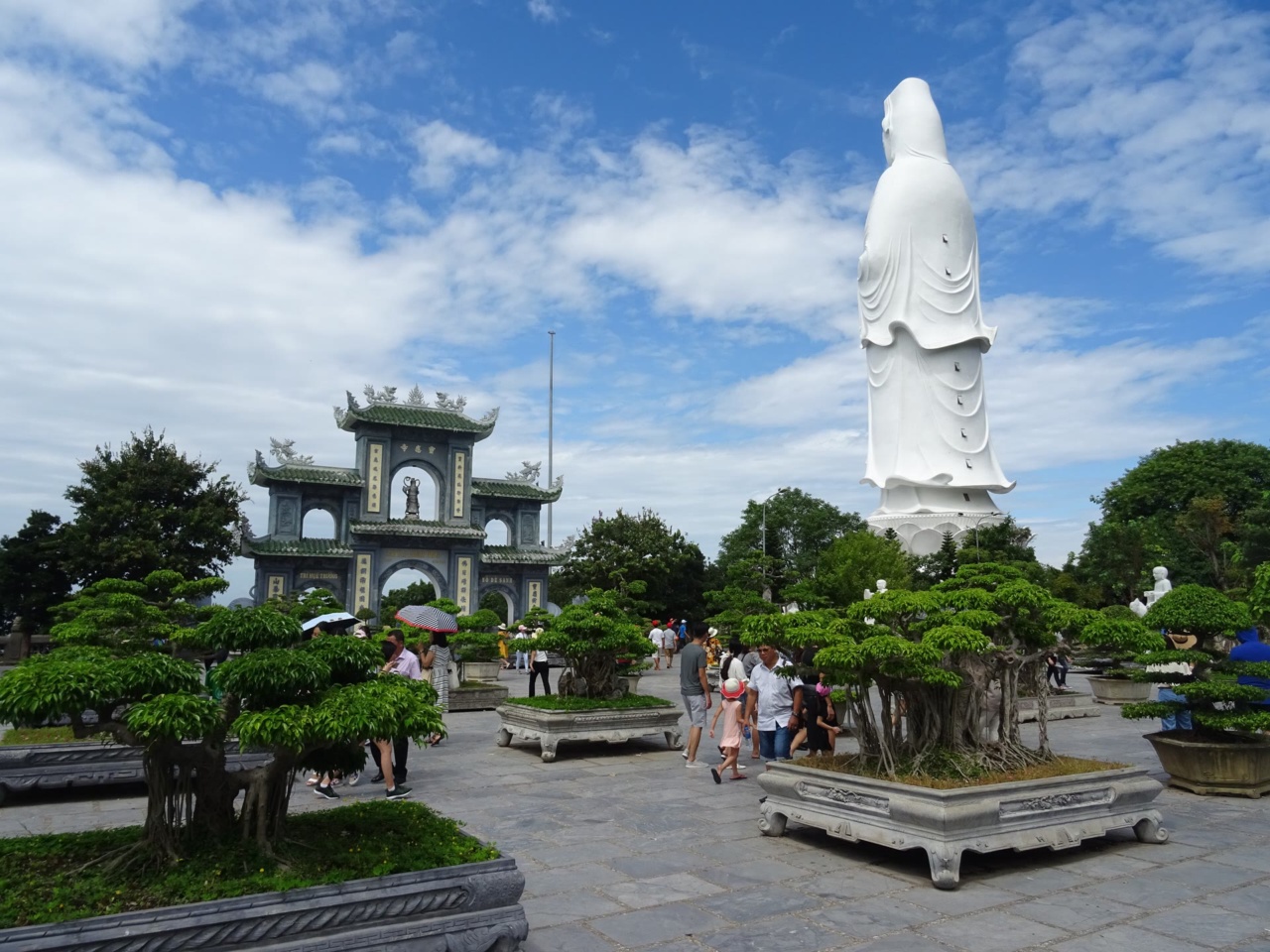
North of My Khe, the Son Tra Peninsula juts into the sea, home to the Lady Buddha statue and winding mountain roads popular with motorbike riders. A handful of luxury resorts sit on secluded coves here. It is not a practical base for most travelers but makes a fantastic half-day excursion.
This neighborhood sits between the main beach strip and the Han River, slightly south of the Dragon Bridge. It has the city's densest cluster of international restaurants, craft beer bars, and cafes. It is popular with expats and digital nomads, and offers a pleasant middle ground between the beach and the city center.
Things to Do
Offers are only loaded from GetYourGuide after you click. GetYourGuide can then process your IP address and set cookies. Privacy Policy
GetYourGuide partner offers. GoAsia may earn a commission if you book through these offers. Check whether tickets or transfers are included, and follow the attraction's official booking and admission rules.
Best Time to Visit
Da Nang's weather follows a different pattern from both Hanoi and Ho Chi Minh City, so do not assume what works for those cities applies here.
Season
Months
Weather
Crowds
Prices
Dry and warm
Feb - May
Sunny, 25-33C, low humidity
Moderate
Moderate
Hot and dry (peak)
Jun - Aug
Hot, 30-38C, calm seas
High (domestic and international)
Highest
Rainy / Typhoon
Sep - Nov
Heavy rain, possible typhoons, rough seas
Low
Lowest
Cool and damp
Dec - Jan
Cooler, 20-25C, occasional drizzle
Moderate (holiday spike)
Moderate
The sweet spot is March through May: warm enough for the beach, dry enough for sightseeing, and not yet at peak-season prices. June through August is excellent for beach lovers willing to tolerate serious heat. Avoid October and November if you can; typhoons can disrupt travel plans significantly, and the sea is too rough for swimming.
Notable events include the Da Nang International Fireworks Festival (typically held over several weekends in June and July), which draws huge crowds and pushes hotel prices up. Lunar New Year (Tet), usually in January or February, sees many local businesses close for a week, but the festive atmosphere is memorable if you plan around the closures.
Getting There and Getting Around
Da Nang International Airport (DAD) is one of the most conveniently located airports in Southeast Asia, sitting just 3 kilometers from the city center.[3] A Grab car to My Khe Beach costs roughly $2 to $4 and takes under 15 minutes. Metered taxis (look for Vinasun or Mai Linh) charge similar rates. There is no airport bus, but at these prices you do not need one.
Direct flights connect Da Nang to Bangkok, Singapore, Kuala Lumpur, Seoul, Taipei, and several other Asian hubs. Domestic flights from Hanoi and Ho Chi Minh City are frequent: Vietnam Airlines lists one-way economy fares from about VND 998,000 from Hanoi[4] and from about VND 666,000 from Ho Chi Minh City.[5] The Reunification Express train also stops here, with the journey from Hue taking about three hours and from Ho Chi Minh City roughly 17 to 20 hours.[6] For details on regional transport options, GoAsia.cc has comprehensive route guides.
Getting Around the City
Grab (the Southeast Asian ride-hailing app) is the easiest way to move around. Most rides within the city cost $1 to $3. Motorbike taxis via Grab are even cheaper. Renting a motorbike costs around $5 to $8 per day and is the local way to get around, but only do this if you are comfortable with Vietnamese traffic. The city is flat and increasingly bike-friendly, so cycling works well for the beach strip and An Thuong area. Walking is pleasant along the river and beach promenades but less practical for crossing between the east and west banks in the heat.
Top Sights and Experiences
Must-See Highlights
Dragon Bridge: More than just a bridge, it is Da Nang's signature landmark. The 666-meter dragon-shaped structure is impressive by day but truly spectacular on weekend nights when it breathes fire and water at 9 PM. Arrive by 8:30 PM to claim a spot on the east bank near the dragon's head. Free to watch.
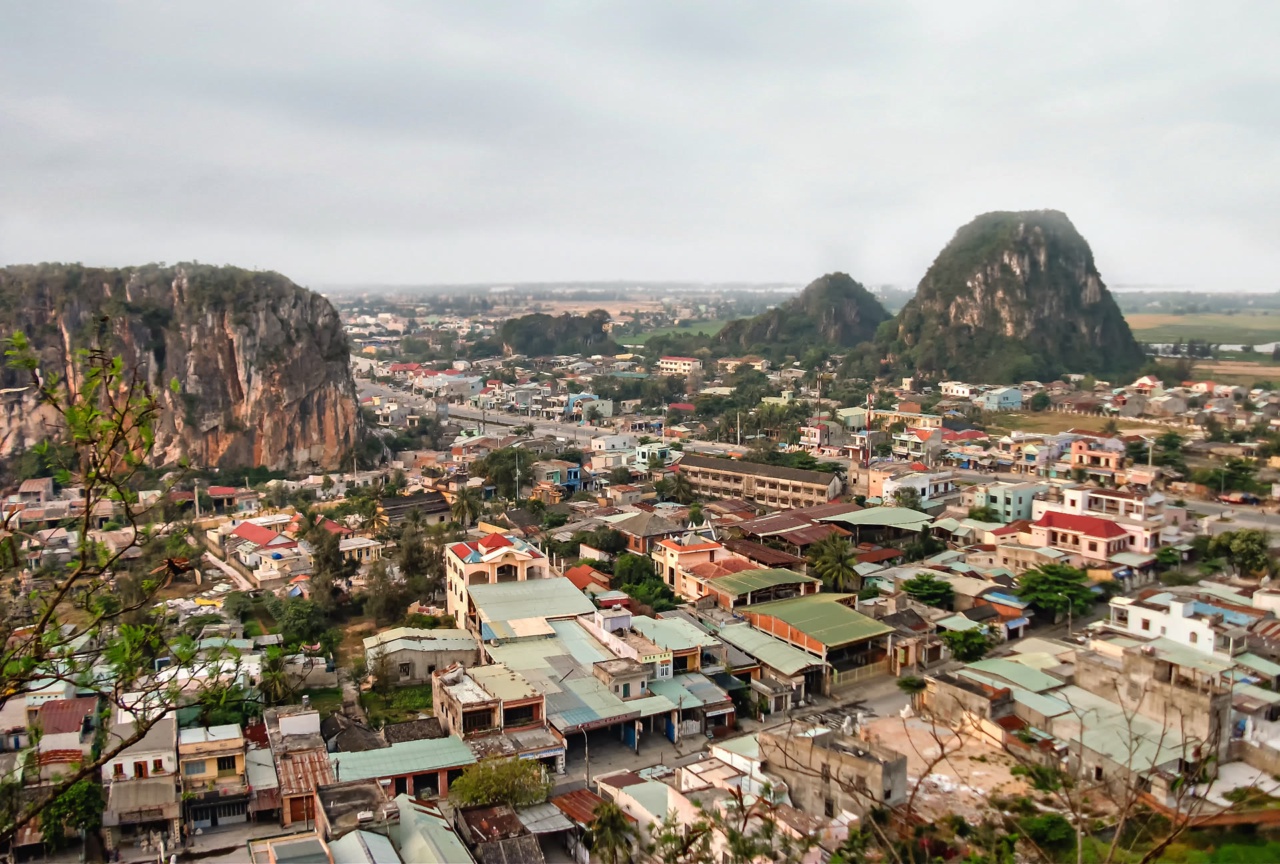
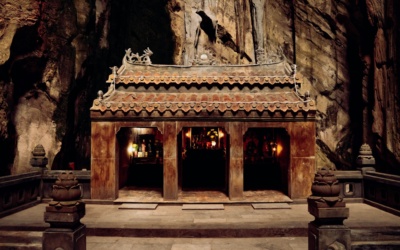
Marble Mountains (Ngu Hanh Son): Five limestone and marble hills about 8 kilometers south of the city center, riddled with caves, pagodas, and panoramic viewpoints. The main cluster (Thuy Son) takes one to two hours to explore. Wear shoes with grip; the stone steps get slippery. Entry costs around $2. An elevator is available for those who cannot manage the stairs. Go early morning to avoid tour groups and midday heat.
Son Tra Peninsula and Lady Buddha: The 67-meter white statue of the Goddess of Mercy at Linh Ung Pagoda is visible from the entire beach strip. The pagoda grounds are free and offer sweeping coastal views. Combine this with a motorbike ride around the peninsula's winding roads, where you might spot red-shanked douc langurs, one of the world's most endangered primates. Allow half a day.
My Khe Beach: A long, wide stretch of fine white sand that rarely feels crowded thanks to its sheer length. The central section near the main hotels has sunbed rentals (around $3 to $5 for the day), surf board rentals, and beachside restaurants. Swimming is generally safe from April through September when lifeguards are on duty. The northern end near Son Tra is quieter.
Han River Bridges at Night: Da Nang has invested in its bridges as public art. The Dragon Bridge, the sail-shaped Tran Thi Ly Bridge, and the golden-lit Han River Bridge (its span rotates only on set nights, so check the schedule before you plan around it) create a genuinely beautiful riverfront.[2] Walk or cycle the Bach Dang promenade on the west bank after dark for the full effect.
Hidden Gems
Cham Museum: The world's largest collection of Cham sculpture, housed in a French colonial building near the Han River. The artifacts span from the 7th to 15th centuries and provide essential context if you plan to visit My Son. Entry is around $2. Most visitors spend 45 minutes to an hour. It is rarely crowded.
Local Markets: Han Market is the most central and tourist-friendly, good for dried goods, coffee, and fabric. Con Market, a few blocks south, is grittier and more local, with a fantastic food court on the upper floor where you can eat mi quang and banh xeo for under $1 a plate. Go before 11 AM for the best atmosphere.
Bai But (Buddha Beach): A small, secluded cove on the Son Tra Peninsula, reachable by motorbike. It is far quieter than My Khe and feels almost private on weekdays. There is a small restaurant for drinks and snacks. The road down is steep, so confident riders only.
Overrated Attractions
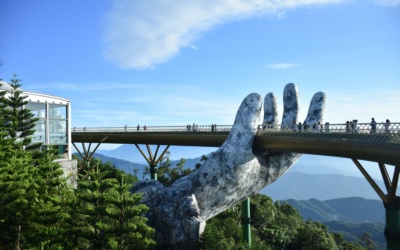
Ba Na Hills and the Golden Bridge: The famous bridge held up by giant stone hands is undeniably photogenic, but the experience comes with caveats. Ba Na Hills is essentially a theme park at altitude, with a French village replica, amusement rides, and heavy crowds. The cable car ride is impressive, but the cable car ticket (from about VND 650,000, roughly $25) is steep by Vietnamese standards[7], and you will spend much of your time in queues. Worth it for the Instagram shot and the cool mountain air; disappointing if you expect a natural or cultural experience.
Asia Park (Sun World): A waterfront amusement park with a giant Ferris wheel. It looks spectacular at night from across the river, but the rides are underwhelming and the park often feels half-empty. Skip it unless you are traveling with young children who need a theme park fix.
Non Nuoc Stone Carving Village: Adjacent to the Marble Mountains, this village sells marble and stone sculptures. It sounds charming but is essentially a series of workshops aggressively selling heavy, expensive souvenirs. A quick walk-through is fine, but do not feel obligated to stop.
Food and Drink
Da Nang punches far above its weight in the food department. Central Vietnamese cuisine is distinct from what you find in Hanoi or Saigon: bolder, spicier, and with a particular genius for noodle soups and grilled meats.
Signature Dishes
Dish
Description
Where to Try
Typical Price
Mi Quang
Turmeric-tinted rice noodles with pork, shrimp, herbs, peanuts, and a small amount of rich broth. The defining Da Nang dish.
Local shops around Con Market or on Le Duan street
$1 - $1.50
Bun Cha Ca
Fish cake noodle soup, lighter and more delicate than pho, with a clear broth and bouncy fish cakes.
Large, crispy turmeric crepe stuffed with shrimp, pork, and bean sprouts. Wrapped in rice paper with herbs and dipped in sauce.
Banh xeo restaurants on Hoang Dieu street (west bank)
$1 - $2
Banh Trang Cuon Thit Heo
Thin rice paper rolls with boiled pork, herbs, and green banana, dipped in fermented shrimp paste. Messy, fragrant, addictive.
Restaurants along Tran Hung Dao street
$2 - $3
Bun Mam
Fermented fish noodle soup with pork, eggplant, and a funky, complex broth. Not for the faint-hearted but deeply rewarding.
Local eateries on the west bank
$1 - $2
Banh Mi
Da Nang's version uses a particularly crispy baguette with grilled pork, pate, pickled vegetables, and chili.
Street carts throughout the city, especially near Han Market
$0.50 - $1
Seafood
Grilled prawns, clams, squid, and fish served beachside or at bustling seafood restaurants.
Seafood strip on Pham Van Dong near My Khe Beach
$5 - $15 per person
Street food culture is strong and safe. The best local food is almost always found at small, single-dish shops where the owner has been perfecting one recipe for decades. Look for places packed with Vietnamese diners around 11 AM (lunch) or 5:30 PM (dinner). The west bank of the river, particularly the streets around Con Market and the area south of the cathedral, is the densest food zone.
For a mid-range meal at a sit-down restaurant with air conditioning, expect to pay $5 to $15 per person. The An Thuong neighborhood has a growing number of international restaurants, craft breweries, and coffee shops catering to expats and tourists. Upscale dining exists at the beach resorts and a handful of standalone restaurants, where a full meal with drinks runs $20 to $50 per person.
Coffee culture is serious here. Vietnamese iced coffee (ca phe sua da) is available everywhere for under $1. Da Nang has also embraced the specialty coffee trend, with numerous third-wave cafes in the An Thuong area serving excellent single-origin brews for $2 to $4.
Where to Stay
Budget (Under $20 per night)
Hostels and basic guesthouses cluster on both sides of the river. The west bank near Han Market offers the cheapest options, with clean private rooms starting around $8 to $12. Dorm beds in hostels near the beach run $5 to $8. Quality is generally high for the price; air conditioning and hot water are standard even at budget level.
Mid-Range ($20 - $60 per night)
This is Da Nang's sweet spot. Beachfront hotels along Vo Nguyen Giap street offer rooms with ocean views, pools, and breakfast for $30 to $60. The An Thuong neighborhood has boutique hotels and serviced apartments popular with longer-stay visitors. At this price point, expect modern rooms, good Wi-Fi, and often a rooftop pool.
Upscale ($60 - $200+ per night)
International chains and Vietnamese luxury brands line the beach, particularly toward the Son Tra end. Several world-class resorts sit on private stretches of sand on the Son Tra Peninsula and south toward Hoi An. For $100 to $200, you get resort-level amenities that would cost three times as much in Thailand or Bali. This is one of the best-value luxury beach destinations in Southeast Asia.
A unique option is staying in one of the homestays in the hills near the Marble Mountains, which offer a quieter, more local experience with easy access to both Da Nang and Hoi An.
Practical Tips
Safety: Da Nang is one of Vietnam's safest cities. Petty theft can occur on the beach (do not leave valuables unattended) and bag snatching from motorbikes happens occasionally. Traffic is the biggest genuine risk; always look both ways multiple times before crossing any street.
Currency and Payment: The Vietnamese dong (VND) is the local currency. Cash is king at street food stalls, markets, and smaller shops. Mid-range and upscale hotels and restaurants accept cards. ATMs are everywhere and dispense dong; most charge a small fee. Roughly 25,000 VND equals $1.
Tipping: Not expected at local restaurants or street food stalls. At tourist-oriented restaurants, rounding up the bill or leaving 5-10% is appreciated. Hotel staff appreciate small tips of 20,000 to 50,000 VND.
SIM Cards: Buy a tourist SIM at the airport or any mobile phone shop for around $3 to $5. Viettel and Mobifone offer the best coverage. Data is cheap and fast. Most cafes and all hotels have free Wi-Fi.
Language: English is spoken at hotels, tour agencies, and many restaurants in tourist areas. At local eateries and markets, expect limited English. Google Translate's camera function (point it at Vietnamese text) is extremely useful. Learning a few Vietnamese phrases earns enormous goodwill.
Cultural Notes: Remove shoes before entering homes and temples. Dress modestly at pagodas (cover shoulders and knees). Vietnamese people are generally very friendly and patient with tourists. Bargaining is expected at markets but not at restaurants or shops with fixed prices.
Sun Protection: The tropical sun is fierce, especially from 10 AM to 3 PM. Wear sunscreen, a hat, and seek shade during peak hours. Sunburn is the most common tourist health complaint.
Day Trips
Hoi An (south of Da Nang)
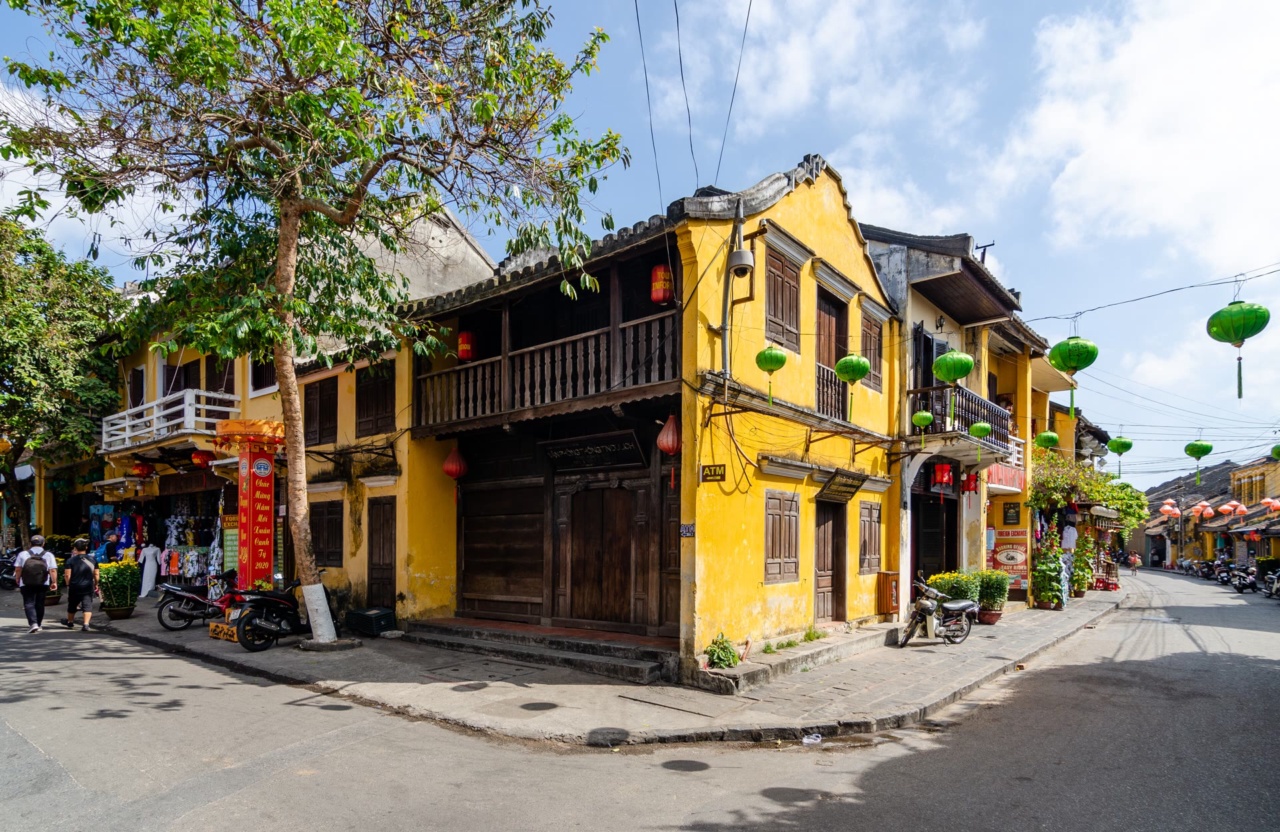
The most popular day trip and for good reason. By road, a taxi or private car takes from about 40 minutes.[8] Hoi An's UNESCO-listed ancient town is a beautifully preserved trading port with lantern-lit streets, tailor shops, and outstanding food.[9] Go early to explore the old town before tour groups arrive, then spend the afternoon at An Bang Beach. A Grab car costs around $8 to $10 each way. Many travelers take a day trip and then wish they had stayed overnight, so consider at least one night in Hoi An if your schedule allows.
Hue via the Hai Van Pass (100 km north, 2-3 hours)
The journey is as spectacular as the destination. The Hai Van Pass, famously featured on Top Gear, offers jaw-dropping coastal views. Ride it by motorbike (experienced riders only) or book a guided motorbike tour with a driver. Hue itself has the Imperial Citadel, royal tombs, and a distinct cuisine. A full day trip is rushed; an overnight stay is better if you want to do both the pass and Hue justice.
My Son Sanctuary (70 km southwest, 90 minutes by car)
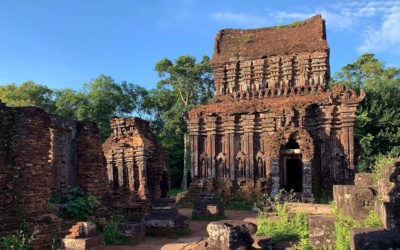
The ruins of the Cham kingdom's spiritual capital, dating from the 4th to 14th centuries. The brick temples set in a jungle valley are atmospheric, though heavily damaged by bombing. Go early morning when mist hangs over the ruins and before the heat becomes punishing. Entry is around $6. Combine with a stop in Hoi An on the return. Guided tours from Da Nang cost roughly $15 to $25 including transport.
Ba Na Hills (southwest of the city)
The resort is 25 to 30 km southwest of central Da Nang, about 40 to 60 minutes by taxi, ride-hailing or tourist bus.[10] If you decide the Golden Bridge is worth seeing despite the theme-park atmosphere, allocate a full day. The cable car ride through the mountains is genuinely impressive. Go on a weekday to minimize queues. Book tickets online in advance for a small discount.
Cham Islands (Cu Lao Cham)
A cluster of islands off the coast of Hoi An, reachable by speedboat (around 20 minutes from Cua Dai port). Good snorkeling, quiet beaches, and fresh seafood. Only accessible from roughly March through September when seas are calm. Day trips from Da Nang including transport to Hoi An's port cost around $25 to $40.
Sample 3-Day Itinerary
Day 1: Da Nang City and Beaches
Morning: Start with a bowl of mi quang near Con Market, then explore the Cham Museum (45 minutes). Walk along the Han River promenade and cross the Dragon Bridge to the east bank.
Afternoon: Spend the afternoon at My Khe Beach. Rent a sunbed, swim, and try surfing if the waves cooperate. Grab a fresh coconut from one of the beach vendors.
Evening: Head to the seafood strip on Pham Van Dong for a grilled seafood dinner. If it is a weekend, return to the Dragon Bridge by 8:30 PM for the fire-breathing show. End with drinks at a rooftop bar in An Thuong.
Day 2: Son Tra Peninsula and Marble Mountains
Morning: Rent a motorbike or hire a Grab to the Son Tra Peninsula. Visit Linh Ung Pagoda and the Lady Buddha statue, then ride the coastal road around the peninsula (stunning views, about one hour loop).
Afternoon: Head south to the Marble Mountains. Climb Thuy Son, explore the caves and pagodas, and take in the views from the summit. Allow 90 minutes to two hours.
Evening: Return to the west bank for banh xeo on Hoang Dieu street, then walk the illuminated bridges. Try a local bia hoi (fresh draft beer) spot where a glass costs around $0.30.
Day 3: Hoi An Day Trip
Morning: Take a Grab to Hoi An (from about 40 minutes). Arrive early and explore the ancient town: the Japanese Covered Bridge, assembly halls, and the market along the Thu Bon River. Buy a combined entry ticket (around $5) that covers five heritage sites.
Afternoon: Have cao lau (Hoi An's signature noodle dish) for lunch, then head to An Bang Beach to relax. Alternatively, get fitted for custom clothing at one of the tailor shops (allow time for a fitting and pickup).
Evening: Stay for sunset and the lantern-lit atmosphere of the old town after dark, then Grab back to Da Nang. Alternatively, if you booked a night in Hoi An, enjoy the night market and riverside dining at a leisurely pace.
Budget Overview
Category
Budget
Mid-Range
Comfort
Accommodation
$8 - $15
$25 - $50
$60 - $150
Food
$5 - $10
$15 - $25
$30 - $50
Transport
$3 - $5
$5 - $10
$10 - $20
Activities
$2 - $5
$10 - $20
$25 - $50
Daily Total
$18 - $35
$55 - $105
$125 - $270
Da Nang is remarkably affordable. Budget travelers eating street food, staying in guesthouses, and using Grab bikes can comfortably spend under $35 a day. Mid-range travelers enjoying beachfront hotels, sit-down restaurants, and occasional tours will find $60 to $100 covers everything generously. Even at the comfort level, Da Nang delivers exceptional value compared to beach destinations elsewhere in Southeast Asia.
Frequently Asked Questions
Is Da Nang worth visiting?
Absolutely. Da Nang offers a rare combination of beautiful beaches, excellent food, modern infrastructure, and easy access to Hoi An and Hue. It is less hectic than Hanoi or Ho Chi Minh City and considerably more affordable than most Southeast Asian beach destinations. Even a short visit feels rewarding.
How many days do you need in Da Nang?
Three full days let you cover the city's highlights, enjoy the beach, and take a day trip to Hoi An. Five days give breathing room for the Hai Van Pass, Ba Na Hills, Marble Mountains, and deeper food exploration. Many travelers end up extending their stay because the pace of life is so pleasant.
Is Da Nang safe for tourists?
Da Nang is one of the safest cities in Vietnam. Violent crime against tourists is extremely rare. The main risks are petty theft on the beach and traffic accidents, since motorbike traffic can be intense. Use common sense with valuables and be cautious when crossing streets.
What food is Da Nang famous for?
Mi Quang (turmeric noodles with pork, shrimp, and herbs), bun cha ca (fish cake noodle soup), and banh xeo (crispy stuffed pancakes) are the city's signature dishes. Da Nang also has outstanding banh mi and excellent fresh seafood served at beachside restaurants at very low prices.
What is the best time to visit Da Nang?
February through May offers warm, dry weather and manageable crowds. June through August is peak season with higher prices but great beach weather. Avoid October and November if possible, as this is typhoon season with heavy rainfall and rough seas.
Is Da Nang expensive?
Da Nang is very affordable by international standards. Budget travelers can get by on around $30 to $40 per day including accommodation, food, and transport. Mid-range travelers spending $60 to $90 daily will eat extremely well and stay in comfortable hotels. Even upscale experiences cost a fraction of what they would elsewhere in Asia.
How do I get from Da Nang airport to the city center?
Da Nang International Airport is only about 3 kilometers from the city center, making transfers quick and cheap. A Grab car costs roughly $2 to $4 depending on your destination. A metered taxi should cost similarly. The ride takes around 10 to 15 minutes outside of rush hour.
Can you drink tap water in Da Nang?
No, tap water in Da Nang is not safe to drink. Stick to bottled or filtered water, which is available everywhere for very little cost. Most hotels provide complimentary bottles. Ice in restaurants and cafes is generally made from purified water and is safe.
Is English widely spoken in Da Nang?
English is spoken at hotels, tourist-facing restaurants, and travel agencies, but not widely among the general population. Younger Vietnamese in the service industry usually know enough to help. Having a translation app on your phone is useful for street food stalls and local markets.
Is Da Nang good for families?
Da Nang is excellent for families. The beaches are wide and relatively calm outside of typhoon season, traffic is less chaotic than Hanoi or Saigon, and attractions like Ba Na Hills and the Marble Mountains appeal to kids. Many mid-range and upscale hotels have pools and family rooms, and the food scene is broad enough to satisfy picky eaters.
Sources and background
Numbers in the text such as [1] refer to these sources.