
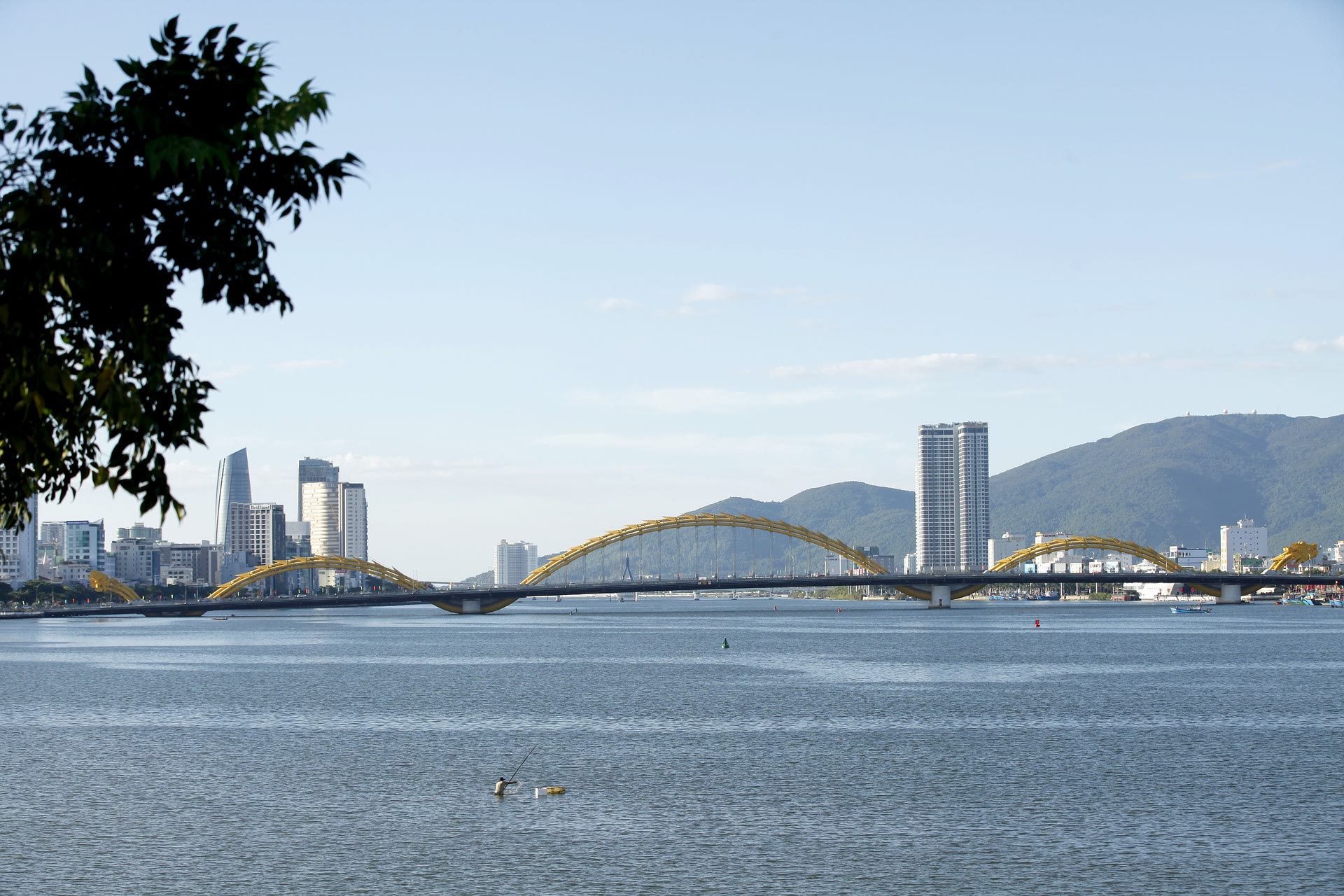
Photo: Thangphan / Wikimedia Commons, CC0
Contents
Leaving behind the misty peaks and terraced rice paddies of Hoang Lien Son for the coastal energy of central Vietnam is one of the most dramatic transitions you can make in the country. This journey spans almost the entire length of northern and central Vietnam, taking you from the cool mountain air of the highlands down to the beaches near the Marble Mountains. It is a massive undertaking that requires a bit of stamina and a good playlist.
For those who want to avoid the logistical puzzle of transferring through Hanoi, booking platforms list direct bus tickets from Sapa to Da Nang.[1] While the journey is long, sleeper buses and cabin buses make it a manageable overnight adventure. You can settle into your private pod in the mountains and wake up within reach of the Han River.
Sapa to Da Nang by Bus
The bus is the primary direct connection between these two destinations. On booking platforms, tickets cost from about $39 to $79 depending on the level of privacy and luxury, and listed journey times run from about 20 hours to just over 24 hours (October 2026).[1] You can compare these configurations and book your preferred seat on GoAsia.cc.
VIP Cabin and Luxury Options
For a journey of this length, the VIP Cabin, VIP 20, VIP 22 and VIP Luxury 24 Cabin classes are the ones to look for. These are individual compartments or smaller bunk layouts with more space than a standard sleeper.[1]
Single and Double Cabins
If you are traveling as a couple, booking platforms list a double cabin that lets you share the space. Solo travelers can choose between upper single cabins and lower single cabins.[1] If you are prone to motion sickness on the winding mountain roads leaving Sapa, a lower cabin is usually the more comfortable choice.
Combined Bus Tickets
Some listings combine two vehicles, such as a VIP 24 bus with an express bus, or a VIP 20 with a VIP 22, and are sold as a single ticket for the whole trip.[1] These combined tickets can have a change of vehicle on the way, so check the details before you book.
Comparing Your Options
| Mode | Price (USD) | Duration | Comfort |
|---|---|---|---|
| Sleeper Bus (VIP 22, combined tickets) | From about $39[1] | 20h - 24h 10m[1] | Moderate to High |
| VIP Cabin / VIP Luxury 24 Cabin / Single Cabin | Up to about $79[1] | 20h - 24h 10m[1] | Very High |
Tips for Traveling from Sapa to Da Nang
- Book the Lower Berth: If you are prone to motion sickness, the first hours of the drive out of Sapa involve many tight turns. A lower berth is generally the more comfortable place to be.
- Prepare a Day Bag: Keep your passport, phone, charger, and some snacks in a small bag that stays with you in your cabin. Your large luggage is usually stored in the hold underneath the bus and is not accessible until you reach Da Nang.
- Dress in Layers: Vietnamese sleeper buses are often heavily air-conditioned. Even if it is warm outside, the cabin can get chilly at night, so a hoodie or socks is a smart move.
- Stay Hydrated but Strategic: Manage your water intake so you are not caught short between rest stops, as not all buses have a toilet on board.
- Arrival in Da Nang: Ask your operator where the bus drops you in Da Nang. From there, it is a short taxi or Grab ride to the beachfront or the city center.
Timetable
| Bus Sapa - Da Nang $ 38.96–78.52 20h – 1days 10m | |
|
Frequently Asked Questions
Use the booking tool on this page to compare the transport options currently available from Sapa to Da Nang, including current prices and schedules.
The cheapest way to travel this route is by taking a standard sleeper bus or a combined bus ticket, listed on booking platforms from about $39 (October 2026). Booking in advance can help secure lower fares.
The direct bus is listed at about 20 hours at the fastest. The direct bus is the most straightforward way to travel without multiple transfers.
Booking platforms list journey times from about 20 hours to just over 24 hours. This includes the descent from the mountains of Sapa and the long drive south to Central Vietnam.
Overnight sleeper buses are a very common way for tourists to move across Vietnam. Use a reputable operator, keep your valuables in a small bag with you, and book through a trusted platform like GoAsia.cc.
Some cabin and VIP buses offer charging ports, but this depends on the operator and the vehicle. It is a good idea to bring a power bank in case the port on your specific bus is not working.
Sources and background
Numbers in the text such as [1] refer to these sources.
- [1] 12Go: 12Go timetable: Sapa to Da Nang (bus listings). Retrieved October 15, 2026.
Guide prices and journey times are indicative, not live quotes. A booked package may include transfers and waiting time as well as the main journey. Check the selected offer, pickup point and current conditions before booking.