Marble Mountains Da Nang: Caves, Pagodas and Stunning Views
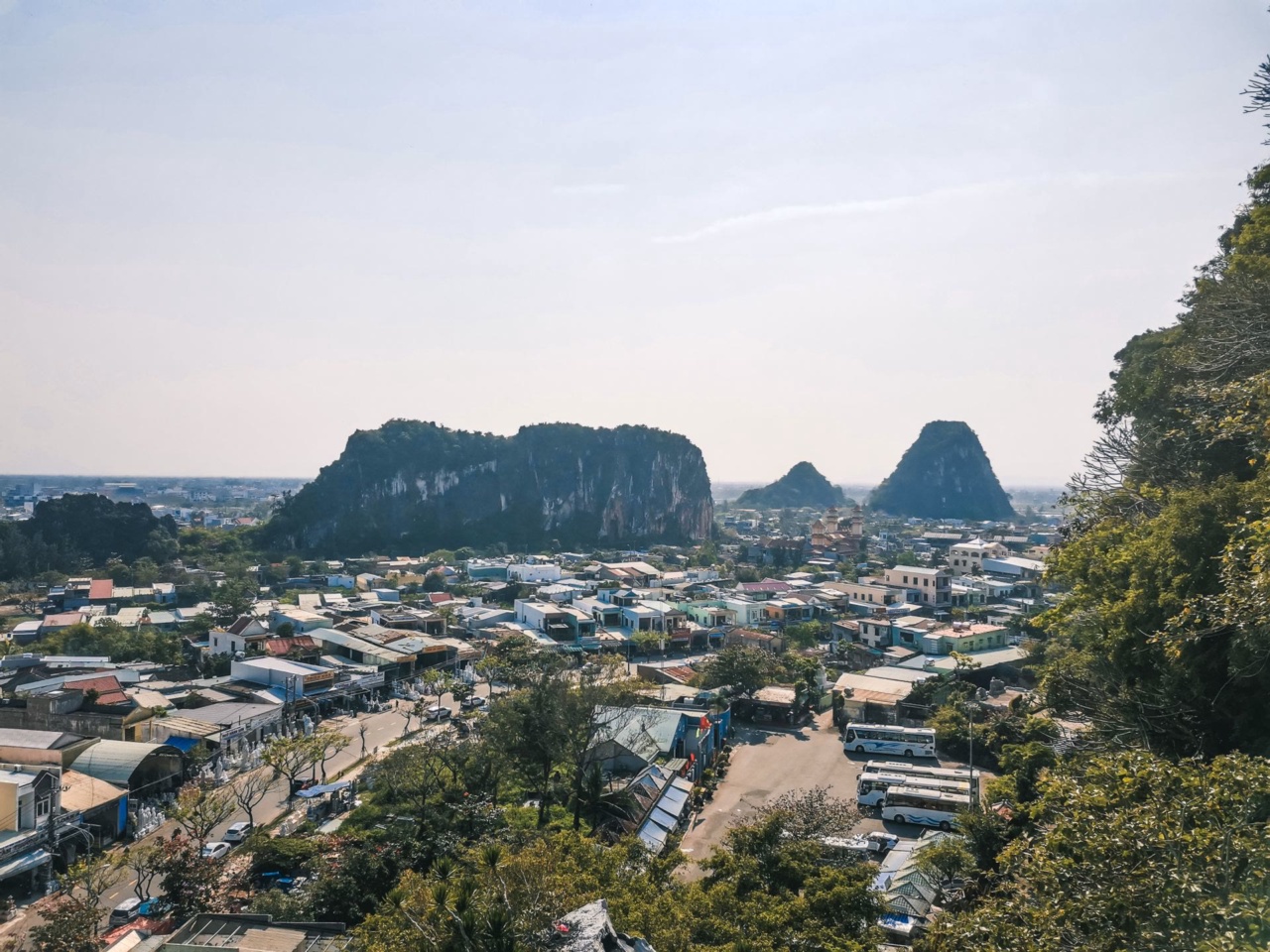
Five limestone peaks rise dramatically from the flat coastal plain south of Da Nang, their flanks riddled with caves, grottoes, and centuries-old Buddhist pagodas. Known locally as Ngu Hanh Son - the Five Elements Mountains - the Marble Mountains have drawn pilgrims, monks, and curious travelers for hundreds of years. Each peak is named after one of the five elements: Kim (metal), Thuy (water), Moc (wood), Hoa (fire), and Tho (earth).
Of the five, only Thuy Son (Water Mountain) is fully open to visitors, and it alone could fill an entire morning. Inside its honeycomb of caverns you will find illuminated shrines, towering Buddha statues, and one cave where sunlight pours through a hole in the ceiling like a natural spotlight. Outside, stone stairways wind past pagodas and up to viewpoints overlooking the coastline, My Khe Beach, and the city skyline. At roughly 9 km from central Da Nang and sitting right between the city and Hoi An, the Marble Mountains make a natural stop on any itinerary along this stretch of coast.
Getting to the Marble Mountains
The mountains sit about 9 km south of Da Nang city center, which translates to a 15-20 minute taxi or rideshare trip. A Grab ride from the center typically costs around 60,000-80,000 VND ($3-4). If you are coming from Hoi An, the distance is roughly 20 km northward, taking about 30 minutes by car.
Many travelers combine a Marble Mountains visit with a trip between Da Nang and Hoi An, stopping off along the way. If you prefer two wheels, renting a motorbike is a popular and affordable option - the road is straightforward and well-paved. Tour buses and organized day trips from both Da Nang and Hoi An also stop here regularly.
At the base of Thuy Son you will find two entrances. The main entrance on the eastern side has a ticket office and leads directly to the stone staircase. The western entrance, closer to the Non Nuoc Stone Carving Village, offers access to a glass elevator for those who prefer to skip the initial climb.
Things to Do
Entrance Fees and Opening Hours
| Item | Price |
|---|---|
| General admission (Thuy Son) | 40,000 VND ($2) |
| Am Phu Cave (separate ticket) | 20,000 VND ($1) |
| Glass elevator (one way) | 15,000 VND ($1) |
| Children under 10 | Free |
The mountains are open daily from 7:00 AM to 5:30 PM. Only cash is accepted at the ticket counters, so make sure you have Vietnamese dong on hand before arriving. The last entry is typically around 5:00 PM, giving you 30 minutes before closing.
Exploring Thuy Son: Caves and Grottoes
The cave network inside Thuy Son is the main draw, and each cave has its own distinct character. Plan to spend at least two hours here, though three is more comfortable if you want to explore without rushing.
Huyen Khong Cave
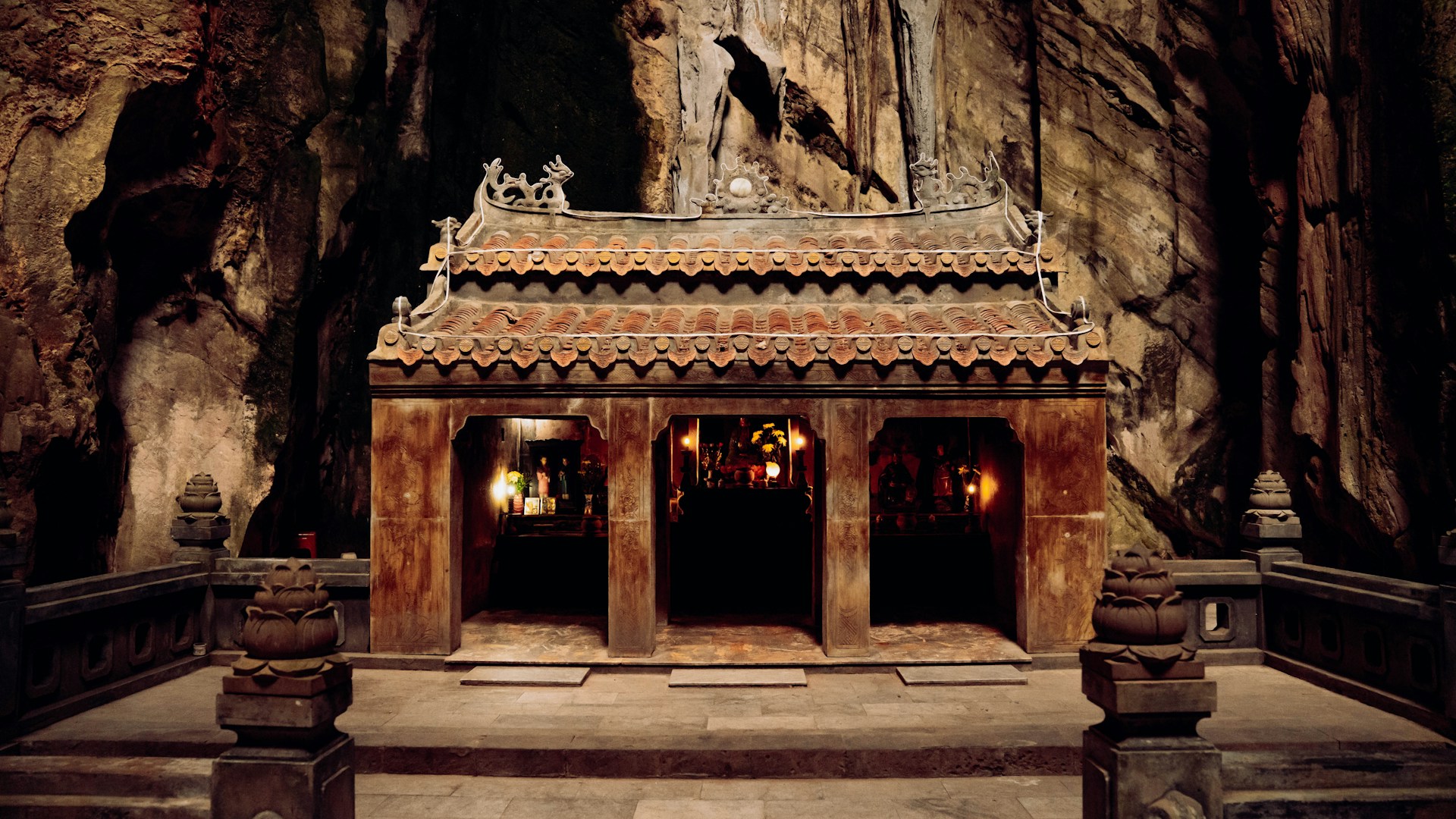
This is the highlight of the entire complex and the image you have probably seen on every travel blog covering Da Nang. Huyen Khong is a vast natural chamber with a partially collapsed ceiling. At certain times of day, shafts of sunlight stream through the openings and illuminate the Buddhist shrines below, creating an almost theatrical effect. The cave also holds historical significance - during the American War, it served as a field hospital and meeting place for revolutionary forces. Bullet holes are still visible in the rock walls.
Am Phu Cave
Located at the base of Thuy Son near the western entrance, Am Phu Cave requires a separate 20,000 VND ticket. This cave is themed around Buddhist concepts of heaven and hell. The path descends into a dark, narrow passage lined with eerie sculptures depicting the underworld before climbing upward toward a brighter "heaven" section with panoramic views. It is genuinely dark and slippery in places, so watch your step and bring a phone flashlight.
Tang Chon Cave
Smaller and quieter than Huyen Khong, Tang Chon Cave contains several Hindu and Buddhist carvings dating back to the Champa Kingdom. It is easy to miss on the main circuit, but worth a brief detour for the carved reliefs and the peaceful atmosphere inside.
Pagodas and Temples
Tam Thai Pagoda
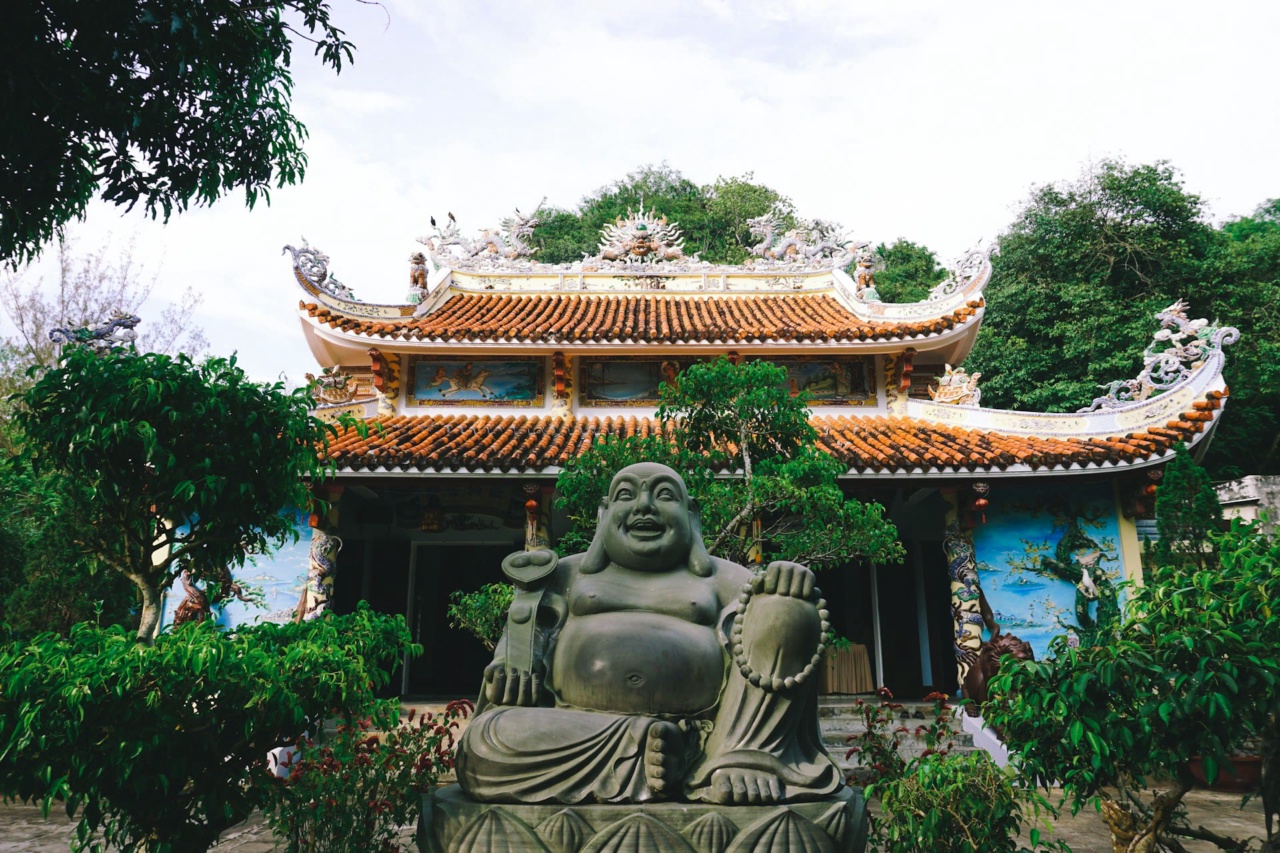
Built in the 17th century under the Nguyen Dynasty, Tam Thai Pagoda is the oldest and most important religious site on Thuy Son. It has been designated a National Historical and Cultural Heritage Site. The pagoda grounds are well-maintained, with bonsai trees, incense urns, and a main hall housing gilded Buddha statues. Monks still live and practice here, so keep your voice low and dress respectfully.
Linh Ung Pagoda
Not to be confused with the much larger Linh Ung Pagoda on Son Tra Peninsula, this smaller version sits near the summit of Thuy Son. It features a white Guanyin statue and offers sweeping views of the surrounding area. The pagoda itself is modest, but the location makes it a worthwhile stop on your way up or down the mountain.
Viewpoints
Two viewpoints on Thuy Son reward the climb with expansive coastal panoramas.
- Vong Giang Dai - Faces west toward the Han River and Da Nang city. On clear days you can see all the way to the Ba Na Hills in the distance. This is the easier viewpoint to reach.
- Vong Hai Dai - Faces east toward the South China Sea, My Khe Beach, and the long sandy coastline stretching south toward Hoi An. The climb involves some steep, narrow stairs, but the views are worth every step.
Both viewpoints are best visited in the morning before haze builds up. If you arrive right at opening time, you may have them almost to yourself.
Non Nuoc Stone Carving Village
At the foot of the Marble Mountains, the Non Nuoc Village has been producing marble and stone carvings for over 400 years. Dozens of workshops and showrooms line the road, selling everything from small Buddha figurines to life-sized garden statues. Watching the artisans work with their chisels and polishing tools is fascinating, and prices are generally reasonable compared to tourist shops elsewhere. If you buy something large, most shops can arrange international shipping.
The village is free to walk through and makes a natural complement to the mountain visit, especially if you are waiting for the heat to subside before climbing.
Tips for Visiting the Marble Mountains
- Arrive early. Gates open at 7:00 AM, and the first hour is the coolest and least crowded. By mid-morning, tour buses arrive in waves and the caves get congested.
- Wear proper shoes. The stone steps are steep and can be slippery, especially after rain. Flip-flops are a recipe for a twisted ankle. Lightweight hiking shoes or sneakers with good grip are ideal.
- Dress modestly. The Marble Mountains are an active religious site. Cover your shoulders and knees. Sarongs are sometimes available to borrow at pagoda entrances, but do not count on it.
- Bring water and sunscreen. There are a few drink vendors along the route, but prices are marked up. Carrying your own bottle saves money and ensures you stay hydrated on the climb.
- Use mosquito repellent. The caves and shaded areas are breeding grounds for mosquitoes. Apply repellent before you start, especially on your ankles and arms.
- Take the elevator up, walk down. If the heat or the initial staircase seems daunting, use the glass elevator at the western entrance to reach the top. Then walk downward through the caves and pagodas at your own pace - descending is far easier and you will not miss anything.
- Budget your time. A thorough visit takes 2-3 hours. If you also want to browse the stone carving village, add another 30-60 minutes.
For more travel tips on Da Nang and central Vietnam, you can find additional guides on GoAsia.cc covering everything from beach hopping to day trips in the region.
Frequently Asked Questions
The Marble Mountains, known locally as Ngu Hanh Son, are a cluster of five limestone and marble peaks located about 9 km south of Da Nang city center. Each mountain is named after one of the five elements: metal, water, wood, fire, and earth. The largest peak, Thuy Son (Water Mountain), is open to visitors and contains an extensive network of caves, Buddhist pagodas, and hilltop viewpoints.
General admission to Thuy Son is 40,000 VND (about $2). The glass elevator costs an additional 15,000 VND per ride, and Am Phu Cave requires a separate ticket of 20,000 VND. Children under 10 enter free. Only cash is accepted at the ticket counters, so bring Vietnamese dong.
From Da Nang city center, the Marble Mountains are about 15-20 minutes by taxi or Grab, costing roughly 60,000-80,000 VND. From Hoi An, the trip takes around 30 minutes heading north. Many travelers stop at the mountains while traveling between the two cities. You can also rent a motorbike or join an organized tour.
Most visitors need 2-3 hours to explore the main caves, pagodas, and viewpoints on Thuy Son without feeling rushed. If you want to browse the Non Nuoc Stone Carving Village at the base, add another 30-60 minutes. Arriving early in the morning gives you the best experience with fewer crowds and cooler temperatures.
Huyen Khong Cave is the undisputed highlight, famous for its sunlight beams piercing through openings in the ceiling to illuminate Buddhist shrines below. Am Phu Cave offers a unique experience themed around Buddhist heaven and hell, though it requires a separate ticket. Tang Chon Cave is smaller but features ancient Champa-era carvings worth a quick detour.
The climb involves several hundred steep stone steps, so a basic level of fitness is helpful. The staircases are uneven in places and can be slippery when wet. If the stairs are too challenging, a glass elevator at the western entrance takes you near the top of Thuy Son, and you can explore downward from there.
Arriving right when the gates open at 7:00 AM is ideal. The temperature is cooler, the caves and viewpoints are less crowded, and the morning light in Huyen Khong Cave can be particularly dramatic. Avoid midday visits when heat and tour bus crowds peak. Weekdays are generally quieter than weekends.
Wear sturdy closed-toe shoes with good grip, as the stone steps are steep and sometimes slippery. Modest clothing covering shoulders and knees is required since the site includes active Buddhist temples. Bring water, sunscreen, mosquito repellent, and a phone flashlight for the darker caves.