A lantern-lit ancient trading port on Vietnam's central coast where centuries-old merchant houses, Chinese temples, and Japanese bridges line narrow streets free of motorbike chaos.
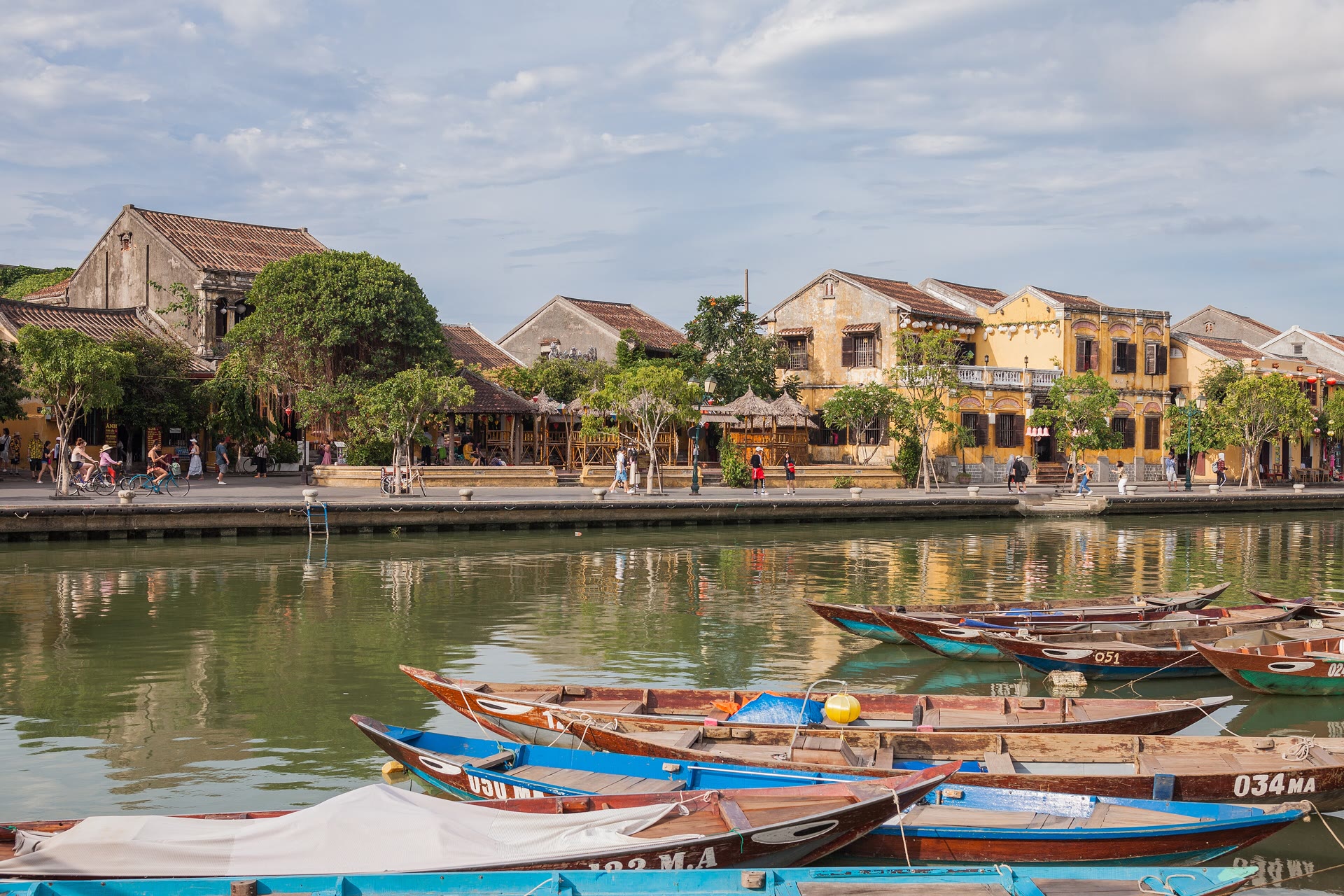
The first thing you notice in Hoi An is the light. By day, mustard-yellow walls bounce tropical sun into lanes too narrow for cars. By night, hundreds of silk lanterns cast a warm amber glow over the Thu Bon River while wooden boats drift past with candles flickering on the water. It is, without exaggeration, one of the most photogenic small towns in Southeast Asia, and it knows it. Yet beneath the Instagram-ready surface lies a genuinely well-preserved UNESCO World Heritage trading port with roots stretching back to the 15th century.[1]
Hoi An suits a wide range of travelers. Couples come for the romance and riverside dining. Foodies come because the town punches absurdly above its weight in local specialties. Budget travelers find it affordable and easy to navigate. Families appreciate the flat terrain, safe streets, and nearby beaches. The one group that may feel shortchanged is anyone seeking nightlife beyond a few cocktail bars and the occasional late-night spot.
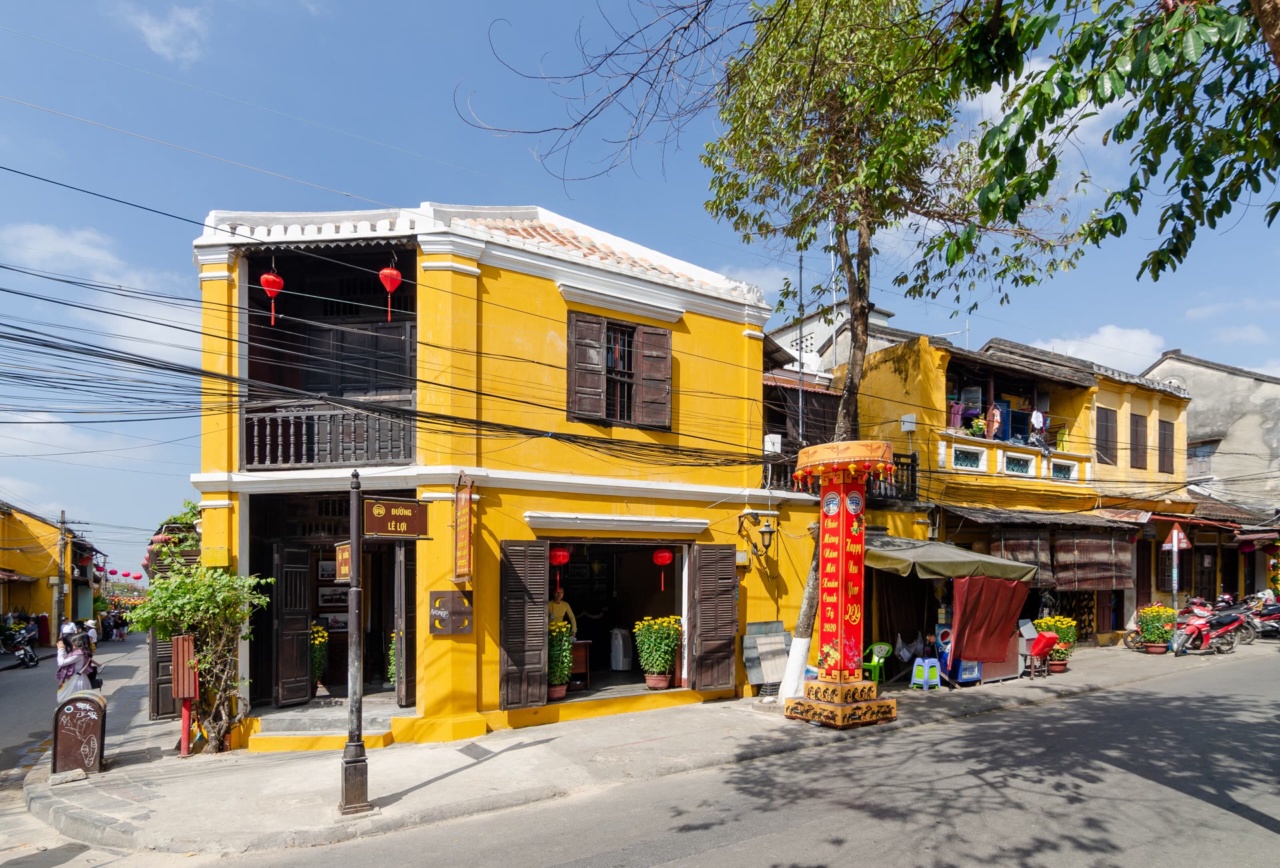
What sets Hoi An apart from other Vietnamese destinations is its human scale. There are no high-rises in the old quarter, no honking traffic jams, and distances are measured in minutes by bicycle rather than hours in a taxi. The town has embraced tourism enthusiastically, sometimes too enthusiastically, but the core of the Ancient Town remains atmospheric and walkable, especially in the early morning before tour groups arrive.
Orientation and Neighborhoods
Hoi An is compact and easy to grasp. The Thu Bon River runs roughly east-west through the center, and most of what you will visit sits within a one-kilometer radius of the Japanese Covered Bridge.
Ancient Town
The UNESCO-protected core is a grid of narrow streets lined with merchant houses, assembly halls, temples, and shopfronts. This is where you will spend most of your time. Tran Phu and Nguyen Thai Hoc are the two main east-west streets. The area is pedestrian-only during certain hours in the afternoon and evening, making it wonderfully calm. Staying inside the Ancient Town puts you within steps of everything but means higher accommodation prices and more foot traffic outside your door.
Cross the bridge south of the Ancient Town and you reach Cam Nam, a quieter residential island with a handful of homestays, local eateries, and riverside paths. It is a five-minute walk from the old quarter but feels noticeably more relaxed. Good for budget travelers and anyone who wants a local neighborhood vibe.
An Bang and Cua Dai Beach Area
The coast sits about 4 kilometers east of the Ancient Town. An Bang Beach is the more popular stretch, lined with beach bars, seafood restaurants, and mid-range to upscale resorts. Cua Dai Beach, slightly further south, suffered serious erosion but still has a few resorts. Staying at the beach means a 10-15 minute bicycle ride to town, which most people find pleasant rather than inconvenient.
Cam Thanh
Southeast of the Ancient Town, this area is known for its water coconut palms and the basket boat experience in the Bay Mau coconut forest. A few boutique homestays have opened here, offering a countryside feel with easy access to both town and beach.
North of the River
The area across the Thu Bon River to the north has a growing number of hotels and restaurants along Hai Ba Trung street. Prices are lower than inside the Ancient Town, and it is only a short walk across one of several bridges. This is a solid choice for mid-range travelers who want proximity without the premium.
Things to Do
Offers are only loaded from GetYourGuide after you click. GetYourGuide can then process your IP address and set cookies. Privacy Policy
GetYourGuide partner offers. GoAsia may earn a commission if you book through these offers. Check whether tickets or transfers are included, and follow the attraction's official booking and admission rules.
Best Time to Visit
Hoi An has a long dry season and a wet season, and getting the timing right matters more here than in many Vietnamese cities because of the flooding risk.
Season
Months
Weather
Crowds
Notes
Dry Season
Feb - Aug
Hot, sunny, 30-38C
Moderate to high
Best overall weather; peak heat Jun-Aug
Shoulder
Sep
Increasing rain
Lower
Good deals, occasional storms
Wet Season
Oct - Jan
Heavy rain, possible flooding
Low (Oct-Nov), high (Dec-Jan)
Oct-Nov flooding risk; Dec-Jan cooler and drier
February through May is the sweet spot: warm, mostly dry, and not yet scorching. June through August brings intense heat (often above 35C) but also clear skies, perfect for the beach. September marks the transition, with afternoon downpours becoming frequent.
October and November are the months to be cautious about. Hoi An sits on a floodplain, and when typhoons hit central Vietnam, the Ancient Town can flood knee-deep or worse. Locals handle it with remarkable calm, and some travelers find the flooded streets oddly charming, but it can seriously disrupt plans.
The full moon lantern festival, held on the 14th day of each lunar month, transforms the Ancient Town into a candlelit spectacle with traditional music, floating lanterns on the river, and the electric lights switched off. It is genuinely atmospheric and worth timing your visit around if possible.
Getting There and Getting Around
Hoi An has no airport or train station of its own. The nearest airport is Da Nang International (DAD), about 30 kilometers north, which receives domestic flights from Hanoi and Ho Chi Minh City as well as international flights from several Asian cities.
Airport to Hoi An: A taxi or Grab car takes from about 40 minutes depending on traffic.[2] Hotel shuttles are also available. With a metered taxi, agree on the price or insist on the meter. You can find more transport details and route options on GoAsia.cc.
From Hanoi or Ho Chi Minh City by train: Take the Reunification Express to Da Nang station, then transfer by taxi or bus to Hoi An. The train journey from Hanoi takes roughly 15-17 hours; from Ho Chi Minh City about 17-20 hours. Sleeper berths are comfortable and scenic.
Getting around Hoi An: Bicycles are the best way to move. Most hotels lend them for free or charge around $1-2 per day. The Ancient Town is flat and small enough to walk entirely. For the beach, a bicycle takes 15 minutes. Grab works in Hoi An for longer distances. Motorbike rental is available (around $5-7 per day) but is unnecessary within town and the Ancient Town restricts motorized traffic during certain hours.
Top Sights and Experiences
Must-See Highlights
The Ancient Town itself: The entire old quarter is the attraction. Buy the Hoi An Old Town ticket (around $5) which grants entry to five of the heritage sites including assembly halls, old houses, and the folklore museum. The ticket is checked at entry points to the pedestrian zone during evening hours. Highlights within the ticket system include the Phuc Kien Assembly Hall (ornate Chinese temple dedicated to the sea goddess Thien Hau), the Tan Ky Old House (a beautifully preserved 200-year-old merchant home), and the Japanese Covered Bridge (Hoi An's most iconic structure, dating to the 16th century). Allow at least half a day to wander without rushing.
Lantern-lit evenings on the river: Every evening, but especially during the full moon festival, the riverfront comes alive. Rent a small boat from the Bach Dang riverfront (around $2-4 for a short ride) and float candle offerings on the water. The best time is just after sunset when the lanterns glow brightest against the darkening sky.
An Bang Beach: A wide, clean stretch of sand with loungers, cocktail service, and gentle surf. Morning is best for swimming; afternoons can be windy from September onward. Beach clubs charge nothing if you order food and drinks. The seafood here is fresh and reasonably priced, around $5-10 for a grilled fish lunch.
Cooking classes: Hoi An has some of Vietnam's best cooking classes. Most start with a market tour, followed by hands-on preparation of four to five dishes. Half-day classes run around $25-35 per person and are worth every cent. Several well-regarded schools operate along the river and in Cam Thanh. Book a day in advance during peak season.
Tra Que Vegetable Village: A working organic herb and vegetable farm about 3 kilometers north of town. Cycling there through rice paddies is half the experience. Some cooking classes are held here, and you can try farming activities like preparing soil and watering with traditional methods. Entry is around $3-5, or included with a cooking class.
Lesser-Known Gems
Early morning at the fish market: Head to the riverside market near the Cua Dai road bridge at dawn (around 5:30-6:30 AM) to see fishermen unloading the night's catch. It is chaotic, colorful, and completely untouristy. Combine it with a bowl of pho from one of the stalls nearby.
Cam Kim Island: Take the local ferry (a few cents) across the river to this island known for woodcarving and mat-weaving workshops. Rent a bicycle and ride through villages with almost no other tourists. The round trip takes two to three hours.
The back lanes of the Ancient Town: Most visitors stick to Tran Phu and the riverfront. Venture one or two streets north or south and you will find quieter temples, crumbling facades draped in bougainvillea, and workshops where artisans still make lanterns by hand.
Overrated Attractions
Basket boat rides in the coconut forest: This has become a mass-tourism assembly line. Expect loud music, spinning boats as a party trick, and crowds of visitors packed together. It can still be fun if you go with the right attitude, but the experience bears little resemblance to the tranquil eco-tour it is marketed as. Go early in the morning with a small-group operator if you want a calmer version.
The Japanese Covered Bridge interior: The bridge itself is lovely to photograph from outside, but the small temple inside is underwhelming and often packed with people trying to squeeze through. Save your Old Town ticket entry for other sites.
Tailor-made clothing without research: Many visitors get swept up in the tailoring frenzy and end up with poorly fitting garments from the cheapest shop that grabbed them on the street. The experience can be excellent, but only if you choose a reputable tailor, bring clear reference images, select quality fabric, and allow time for at least two fittings over two days.
Food and Drink
Hoi An has the best food scene of any small town in Vietnam, and arguably rivals Hanoi for sheer quality of local specialties. The town has its own unique dishes that you genuinely cannot find done properly elsewhere.
Signature Dishes
Dish
Description
Where to Try
Typical Price
Cao Lau
Thick rice noodles with sliced pork, greens, croutons, and a small amount of savory broth. Chewy texture is unique to Hoi An.
Market stalls in the Central Market; local shops on Thai Phien street
$1-2
Mi Quang
Turmeric-yellow noodles with shrimp, pork, herbs, peanuts, and rice crackers in a concentrated broth.
Small restaurants on Ly Thai To street and along the river
$1-2
Banh Mi
Crispy baguette stuffed with pate, cold cuts, pickled vegetables, chili, and herbs. Hoi An claims the best version in Vietnam.
Famous stalls on Phan Chau Trinh street and Tran Cao Van street
$1-1.50
White Rose (Banh Bao Banh Vac)
Translucent shrimp dumplings shaped like roses, topped with crispy shallots.
The original family workshop on Hai Ba Trung street; served in most Ancient Town restaurants
$1.50-3
Com Ga (Chicken Rice)
Turmeric-tinted rice with shredded chicken, herbs, onions, and a side of broth.
Dedicated com ga restaurants on Phan Chau Trinh street
$1.50-2
Fried Wontons
Crispy wonton skins topped with a sweet-savory tomato and shrimp sauce.
Ubiquitous in Ancient Town restaurants
$2-3
Where to Eat
The Central Market (Cho Hoi An) is the best place for cheap, authentic food. The upstairs section has stalls serving cao lau, mi quang, and banh mi at local prices. Go before 10 AM for the freshest ingredients and the liveliest atmosphere.
Phan Chau Trinh street, running parallel to the river one block north, has a concentration of excellent local restaurants without the full tourist markup of the riverfront. For upscale dining, several converted heritage houses along Nguyen Thai Hoc and Bach Dang streets serve refined Vietnamese and fusion cuisine at around $15-30 per person.
An Bang Beach has a solid lineup of seafood restaurants where you can eat grilled prawns, fish, and squid with your feet in the sand for $8-15 per person. The quality is generally high because the catch comes in daily.
Budget meal: $1-3 at market stalls and local shops. Mid-range restaurant: $5-12 per person. Upscale dining: $15-35 per person. Craft beer is popular in Hoi An, with several local microbreweries offering pints for around $2-3.
Where to Stay
Budget (Under $20 per night)
Hostels and basic guesthouses cluster north of the river along Hai Ba Trung street and on Cam Nam island. Dorm beds run $5-8; private rooms with air conditioning and breakfast start around $12-18. Quality is generally good because competition is fierce.
Mid-Range ($20-70 per night)
This is Hoi An's strongest category. Boutique hotels with pools, breakfast included, and tasteful decor are available for $30-60 per night, particularly north of the river and along the road toward An Bang Beach. Many feature traditional architecture with modern comforts. Homestays in Cam Thanh and the surrounding countryside offer excellent value with a more local experience.
Upscale ($70-250+ per night)
Luxury resorts line the coast near An Bang and Cua Dai beaches, with private pools, spa facilities, and shuttle service to town. Expect to pay $100-250 per night for international-standard resorts. Within the Ancient Town itself, a handful of heritage boutique hotels occupy restored merchant houses, offering atmosphere that no resort can match, typically $80-150 per night.
A unique option in Hoi An is staying in a converted rice paddy villa on the outskirts of town, where you wake up to water buffalo and green fields but are only a 10-minute bicycle ride from the old quarter.
Practical Tips
Safety: Hoi An is very safe. The biggest risk is petty theft, particularly bags left in bicycle baskets. Bag snatching from motorbikes is rare but not unheard of. Watch for pickpockets in crowded areas during the full moon festival. Flooding in October and November can make streets impassable; check weather forecasts if visiting during these months.
Scams to watch for: Tailors who use bait-and-switch fabric. Boat operators who quote one price and demand another. Taxi drivers from the airport who refuse to use the meter. Use Grab to avoid taxi issues.
Currency: Vietnamese Dong (VND). ATMs are plentiful in the Ancient Town. Many tourist-facing businesses accept USD but give poor exchange rates. Credit cards are accepted at hotels and upscale restaurants but not at market stalls or street food vendors. Carry cash for daily expenses.
Tipping: Not expected but appreciated. Rounding up the bill or leaving 5-10% at sit-down restaurants is generous by local standards. Tip cooking class instructors and tour guides around $2-5.
SIM cards: Buy a tourist SIM at Da Nang airport or at phone shops in Hoi An for around $5-8 with generous data. Viettel and Mobifone have the best coverage.
Language: English is widely spoken in the tourist zone. Staff at hotels, restaurants, and tailor shops communicate well. Outside the tourist area, basic Vietnamese phrases help. Google Translate works well for Vietnamese.
Cultural etiquette: Remove shoes before entering temples and private homes. Dress modestly (cover shoulders and knees) when visiting religious sites. Ask before photographing locals, especially at the market. The Ancient Town ticket system funds preservation, so buy the ticket rather than trying to sneak in.
Tailoring tips: Research shops before arriving. Bring photos of exactly what you want. Touch and inspect fabric carefully. Schedule your first fitting on day one so you have time for adjustments. Expect to pay roughly $80-200 for a suit, $15-50 for a dress, and $30-80 for shoes. Quality correlates with price.
Day Trips
My Son Sanctuary (40 km west, about 1 hour)
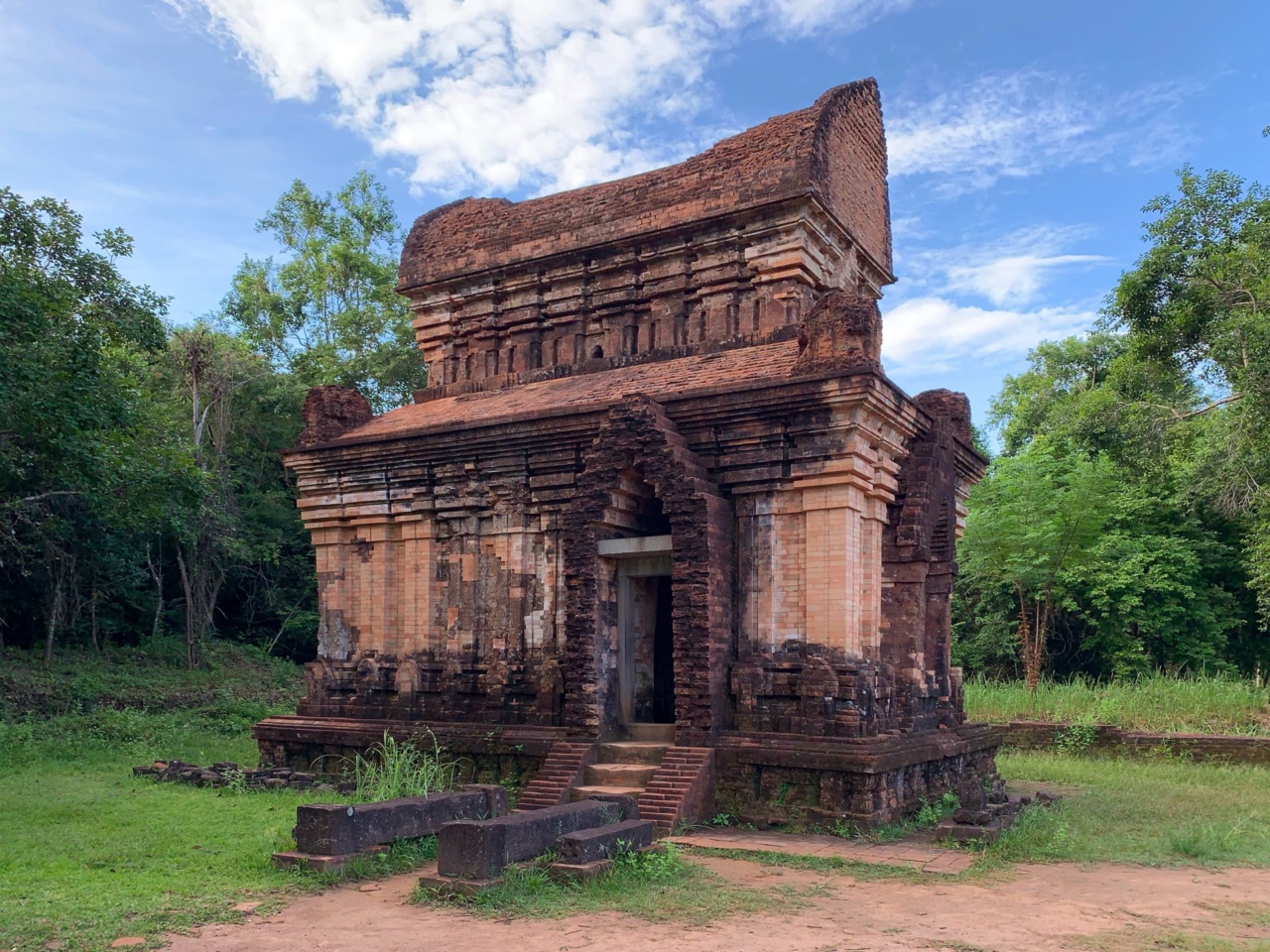
This cluster of Cham Hindu temple ruins dates from the 4th to 14th centuries and is a UNESCO World Heritage Site. The setting in a jungle valley is atmospheric, though many structures were damaged by bombing during the war. Go early in the morning to beat the heat and tour buses. Half-day tours from Hoi An cost around $10-15 per person including transport and guide. Worth it for history enthusiasts; others may find the ruins modest compared to Angkor.
Five limestone hills with Buddhist pagodas, caves, and viewpoints rising from flat ground near Da Nang. The main mountain, Thuy Son, has well-maintained stairs and several impressive cave temples. Entry is around $2, plus $1.50 for the elevator if you skip the stairs. Allow two to three hours. Easily combined with a visit to Da Nang on the same day.
Da Nang (30 km north, about 45 minutes)
Vietnam's third-largest city has the Dragon Bridge (which breathes fire on weekend nights), the excellent Cham Museum of Sculpture, and a long urban beach. It is more of a modern Vietnamese city than a tourist destination, which is part of its appeal. The Grab ride costs around $8-10 each way.
Cham Islands (Cu Lao Cham, 18 km offshore)
A small archipelago with coral reefs, snorkeling, and quiet beaches. Day trips depart from the Cua Dai pier and take about 20-30 minutes by speedboat. Expect to pay $20-35 for a group tour including snorkeling, lunch, and boat transfer. The water is clearest from June through August. Avoid the trip during rough seas in the wet season.
Ba Na Hills (65 km, about 1.5 hours)
Home to the famous Golden Bridge held by giant stone hands. The cable car ride is spectacular and the mountain-top complex includes gardens, a French village replica, and an amusement park. Cable car tickets start from about VND 650,000 (roughly $25).[3] It is undeniably a theme park rather than a natural attraction, but the bridge and views are impressive. Go on a weekday to avoid massive crowds.
Sample 3-Day Itinerary
Day 1: Ancient Town Immersion
Morning: Start early with a bicycle ride to the Central Market for a bowl of cao lau and strong Vietnamese coffee. Explore the market stalls while they are still bustling with locals buying produce. Then begin your Ancient Town walking route: Phuc Kien Assembly Hall, Tan Ky Old House, and the Museum of Trade Ceramics using your Old Town ticket.
Afternoon: Lunch on banh mi from one of the famous stalls on Phan Chau Trinh street. Visit a tailor for your first consultation and fabric selection if you plan to have clothes made. Wander the quieter back lanes north of Tran Phu street, ducking into lantern workshops and small temples.
Evening: Return to the riverfront at sunset. Take a short boat ride on the Thu Bon River and release a candle lantern. Dinner at a riverside restaurant, trying white rose dumplings and fried wontons. Stroll the lantern-lit streets after dark.
Day 2: Beach, Cooking, and Countryside
Morning: Join a half-day cooking class that starts with a market tour. You will learn to make mi quang, fresh spring rolls, and possibly banh xeo (sizzling crepes). Eat everything you cook for lunch.
Afternoon: Bicycle to An Bang Beach. Claim a lounger, swim, and order fresh seafood from one of the beach restaurants. If you are having clothes tailored, swing by for your first fitting on the way back to town.
Evening: Explore Cam Nam island on foot. Eat com ga (chicken rice) at a local spot, then cross back to the Ancient Town for a drink at one of the rooftop bars overlooking the river.
Day 3: Day Trip and Farewell
Morning: Early departure for My Son Sanctuary (or the Marble Mountains if you prefer a shorter trip). Spend two to three hours exploring the ruins or caves.
Afternoon: Return to Hoi An. Pick up your tailored clothes and request any final adjustments. Bicycle to Tra Que Vegetable Village for a peaceful ride through rice paddies.
Evening: Final dinner in the Ancient Town. Try any dishes you missed. Pick up lanterns or local crafts as souvenirs from the night market on Nguyen Hoang street near the bridge.
Budget Overview
Category
Budget
Mid-Range
Comfort
Accommodation
$8-15
$30-60
$80-180
Food
$5-10
$15-25
$30-50
Transport
$1-3
$5-10
$10-20
Activities
$5-10
$15-30
$30-60
Daily Total
$19-38
$65-125
$150-310
Hoi An is remarkably affordable at every level. Budget travelers who eat at market stalls, stay in guesthouses, and cycle everywhere can get by on $25-35 per day. Mid-range travelers enjoy boutique hotels, cooking classes, and restaurant meals for $70-100. Even the comfort tier delivers excellent value compared to similar destinations in Thailand or Bali. The biggest variable expense is tailoring, which can add anywhere from $30 to $500 depending on what you order.
Frequently Asked Questions
Is Hoi An worth visiting?
Absolutely. Hoi An is one of the most charming towns in Vietnam and arguably all of Southeast Asia. The UNESCO-listed Ancient Town, exceptional street food, custom tailoring scene, and nearby beaches make it a highlight of any Vietnam itinerary. Even travelers who dislike touristy places tend to be won over by the atmosphere, especially at night when the lanterns come on.
How many days do you need in Hoi An?
Three full days is the sweet spot. That gives you a day for the Ancient Town, a day for the beach and cooking class, and a day for a day trip to My Son or the Marble Mountains. If you want to get clothes tailored with time for fittings, add an extra day. Many travelers end up extending their stay because the pace of life here is so relaxing.
Is Hoi An safe for tourists?
Hoi An is one of the safest destinations in Vietnam. Violent crime against tourists is extremely rare. The main concerns are petty theft, especially bags snatched from bicycle baskets, and occasional overcharging by taxi drivers. The pedestrian-friendly old quarter feels safe to walk around even late at night.
What food is Hoi An famous for?
Hoi An has three iconic dishes: cao lau (thick noodles with pork and greens in a small amount of broth), mi quang (turmeric-tinted noodles with shrimp and pork), and banh mi, which many locals claim was perfected here. White rose dumplings and fried wontons are also local specialties you will not find done as well anywhere else in Vietnam.
What is the best time to visit Hoi An?
February through May offers the best weather with warm temperatures and minimal rain. September through November is the rainy season, and serious flooding can occur in October and November, sometimes submerging the Ancient Town's streets. The dry months of June through August are hot but still pleasant, especially if you split time between town and beach.
Is Hoi An expensive compared to other places in Vietnam?
Hoi An is slightly more expensive than Hanoi or Ho Chi Minh City for accommodation and dining in the tourist zone, but it remains very affordable by global standards. Street food costs around $1-2 per dish, a decent hotel room runs $25-50 per night, and even a custom-tailored suit can be had for $100-200. Budget travelers can manage comfortably on $30-40 per day.
Can you drink tap water in Hoi An?
No, tap water in Hoi An is not safe to drink. Stick to bottled or filtered water. Most hotels and restaurants provide filtered water, and refill stations are increasingly common. Bring a reusable bottle with a filter to reduce plastic waste.
Is Hoi An good for families with kids?
Hoi An is excellent for families. The Ancient Town is mostly pedestrian, the terrain is flat and easy for strollers, and An Bang Beach is calm and shallow. Kids enjoy the lantern-making workshops, boat rides on the river, and cooking classes designed for families. The town's compact size means you never need long transfers.
How do I get from Da Nang Airport to Hoi An?
Da Nang International Airport is the nearest airport, roughly 30 kilometers away. A private car or taxi takes from about 40 minutes, depending on traffic. Grab ride-hailing is the most reliable option. Some hotels offer free or low-cost airport transfers if you book directly. There is no direct public bus from the airport, though a local bus runs between Da Nang city center and Hoi An.
Should I get clothes tailored in Hoi An?
If you have realistic expectations, yes. Hoi An's tailors can produce suits, dresses, coats, and shoes remarkably quickly and affordably. The key is choosing a reputable shop, bringing reference photos, selecting fabric carefully, and allowing time for at least two fittings. Avoid the cheapest options, as quality varies widely. Budget at least two full days for the tailoring process.
Sources and background
Numbers in the text such as [1] refer to these sources.
[1]UNESCO World Heritage Centre: Hoi An Ancient Town. Retrieved October 16, 2026.