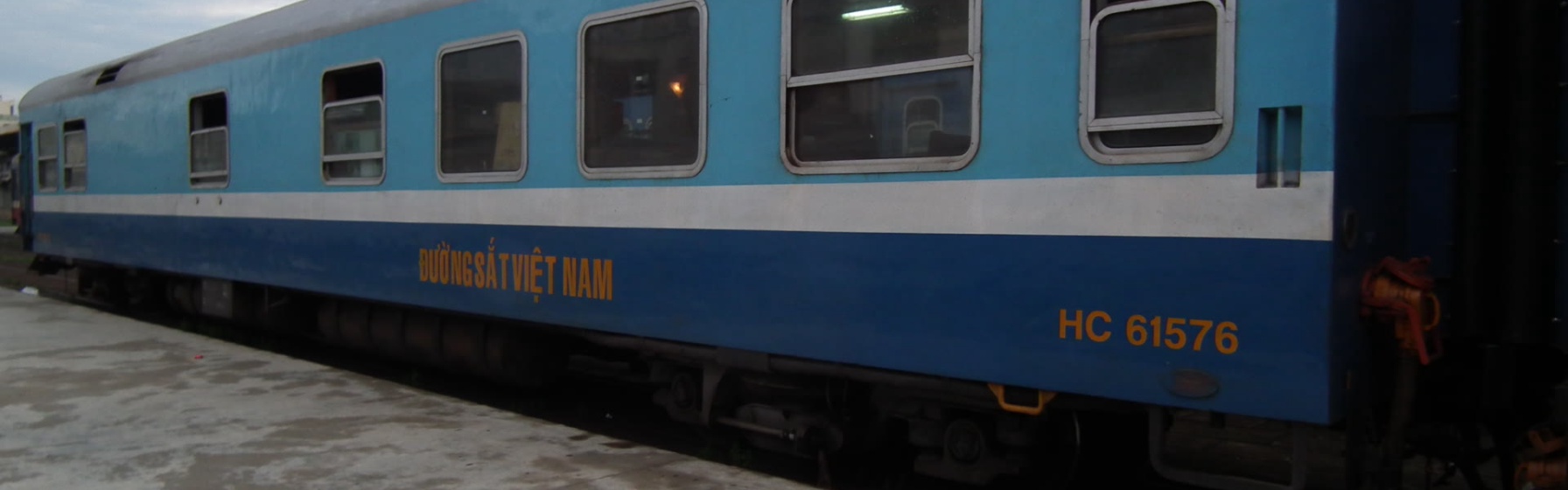
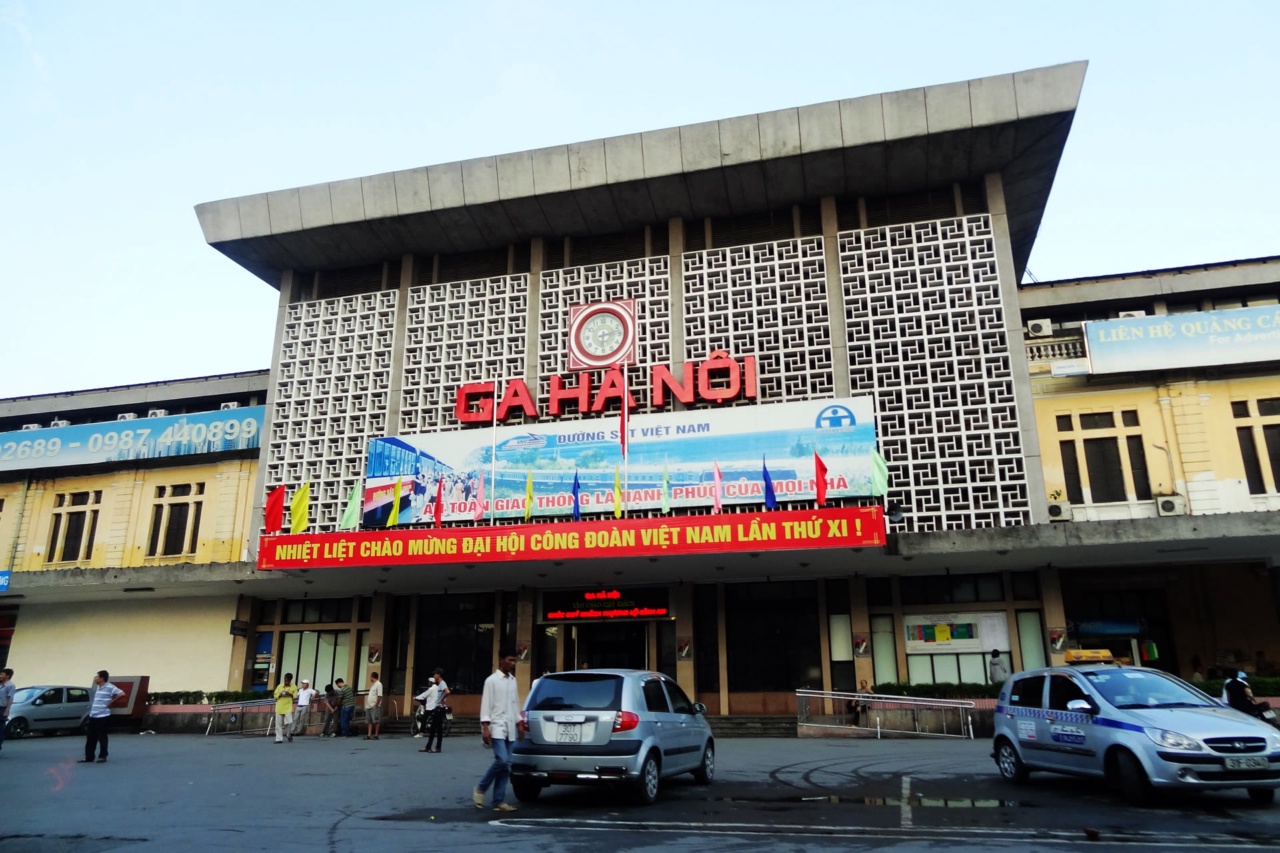
Plan your Vietnam train journey with our guide to the Reunification Express, sleeper classes, booking tips, and the most scenic rail routes across the country.
The Reunification Express might be the most poetically named railway in all of Southeast Asia. Stretching over 1,700 kilometers along Vietnam's narrow coastal spine, this single rail line stitches together the country's two great cities - Hanoi in the north and Ho Chi Minh City in the south - passing through ancient imperial capitals, misty mountain passes, and stretches of coastline so stunning that passengers press against the windows in collective silence.[1] Train travel in Vietnam is not just a way to get from A to B; it is a slow, rhythmic immersion into the country's geography, history, and daily life.
For travelers willing to trade speed for experience, Vietnam's railways offer something no bus or plane can replicate: the chance to watch the entire length of this extraordinary country scroll past your window like a living documentary.
The Train Network in Vietnam
Vietnam's railway network is centered on the main north-south line, officially known as the Reunification Express (Thong Nhat). This route connects Hanoi to Ho Chi Minh City with stops at Ninh Binh, Vinh, Dong Hoi, Hue, Da Nang, and Nha Trang, among others. On the Vietnam Railways timetable, the full journey takes from about 33 to 35 hours depending on the train, though most travelers break it into shorter segments.[1]
Beyond the main line, the Vietnam Railways timetable lists several branch routes: Hanoi to Lao Cai, Hanoi to Hai Phong, Hanoi to Dong Dang near the Chinese border, and Hanoi to Thai Nguyen.[1] The Hanoi to Lao Cai line carries travelers toward Sapa and the mountainous northwest, and the Hanoi to Hai Phong line serves the port city that is the gateway to Cat Ba Island.
The network is operated by Vietnam Railways (Duong Sat Viet Nam), though private companies attach their own premium cabins to scheduled trains. Livitrans, for example, lists soft sleeper cabins on routes between Hanoi, Lao Cai, Dong Hoi, Hue, Da Nang, Nha Trang and Saigon.[2]
Coverage is mostly limited to the north-south coastal line and a few branch lines, so for places such as the Mekong Delta and the Central Highlands you will need buses, flights, or private transport.
Classes and Comfort Levels
Vietnamese trains offer a wider range of classes than you might expect, and the difference between the cheapest and most expensive option is dramatic.
Class
Description
Best For
Hard Seat
Upright seating, available with or without air conditioning depending on the car[1]
Cabins with upgraded bedding, and on some trains two-berth compartments[1]
Travelers wanting a more polished experience
Hard sleeper is the sweet spot for many backpackers - affordable yet comfortable enough for a decent night's rest. The bottom bunk is the most coveted because it doubles as seating during the day and offers the most headroom. Soft sleeper compartments have fewer berths and more space to spread out.
Private operator cabins represent an upgrade. Livitrans, for example, describes its cabins as having clean bedding, pillows and blankets, along with a light snack, refreshing towels, bottled water, seasonal fruits and a well-maintained restroom.[2]
Booking and Tickets
Tickets for Vietnam Railways services can be purchased at station booking offices. Staff at smaller stations may not speak English, so having your destination written in Vietnamese helps.
Online booking is available through the official Vietnam Railways ticket website and app.[3] Third-party platforms like GoAsia.cc let you compare routes, classes, and private operator options side by side, which is especially useful when weighing a standard soft sleeper against a private cabin on the same train. Booking at least a few days in advance is wise for sleeper berths, particularly during Vietnamese holidays like Tet (Lunar New Year), when trains sell out fast.
If you buy online and want a refund, you can request it online through the railway's ticket website or in person at a station. For tickets bought through other channels, bring the original ID of the traveler or the ticket buyer to the station for changes or refunds, and make sure the details on the boarding pass match the ID.[3]
What to Expect on Board
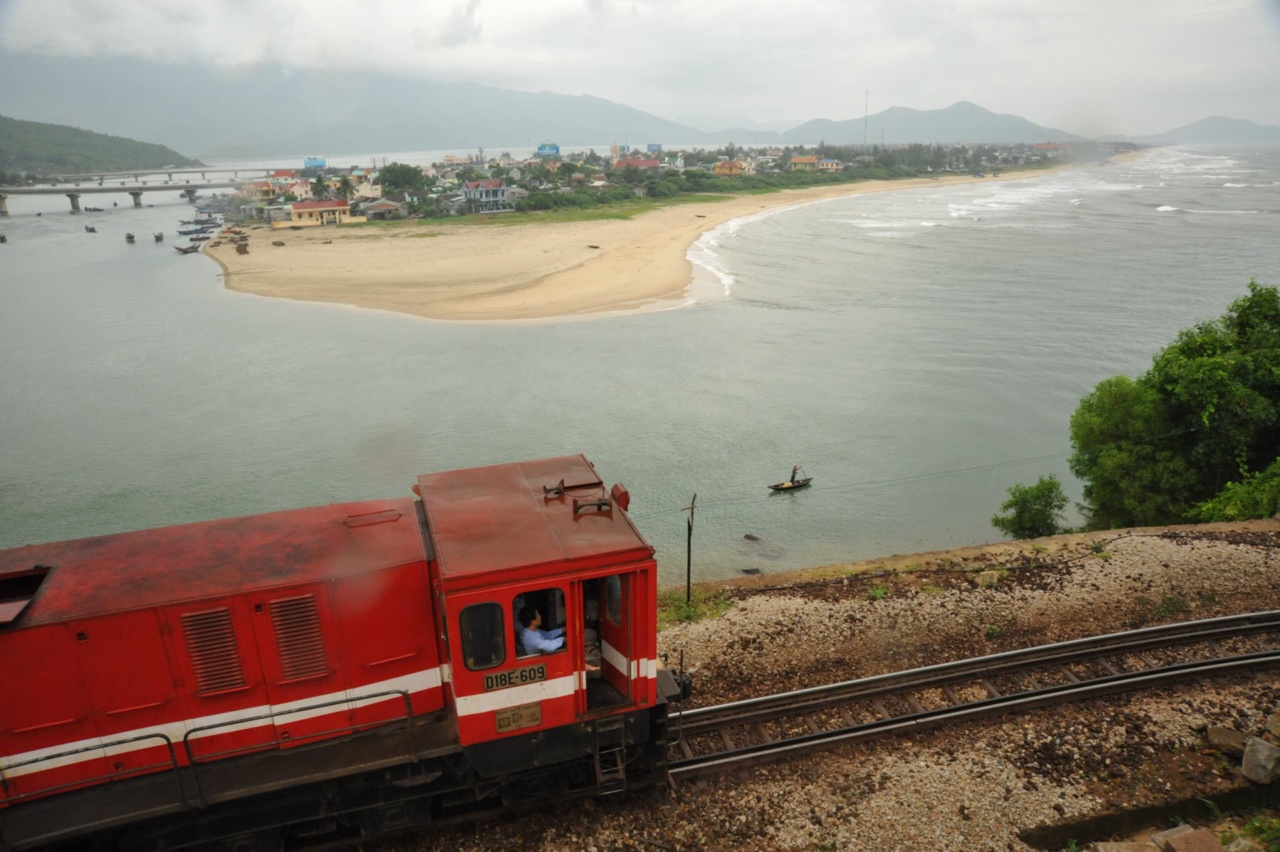
The Reunification Express is not a high-speed train. It takes about 33 to 35 hours to run the full length of the country, and the pace is meditative.[1] The segment between Hue and Da Nang, which the timetable puts at about 3 hours, is one of the most scenic train routes in Vietnam, with coastal views.[4]
Food vendors board at major stations on many services, selling snacks, fruit and drinks, and some travelers bring their own snacks and a thermos for hot water.
Luggage storage exists in overhead racks and under the bottom bunks in sleeper compartments. Vietnam Railways publishes a 20 kg free hand-luggage allowance for a passenger with a full-fare ticket; excess hand luggage is charged under the published rules.[5] Check the official Vietnam Railways conditions before travel. Large backpacks fit under bottom bunks; hard-shell suitcases can be more awkward.
Phone signal along the route is generally decent, with occasional dropouts in tunnels and remote stretches. Charging outlets may not always work, so a portable power bank is a good idea.
Vietnamese passengers are often friendly and curious, and sharing a sleeper compartment can lead to memorable interactions. Shoes are typically removed before climbing into sleeper berths, and keeping noise low late at night is an unspoken courtesy.
Tips for Train Travel in Vietnam
Book bottom bunks early. They go first and are worth the small premium - more space, easier access, and you can sit upright during the day.
Bring layers. Air conditioning on Vietnamese trains can be cold, especially in sleeper compartments at night. A light blanket or hoodie makes a huge difference.
Carry toilet paper and hand sanitizer. Restrooms on standard carriages are basic, so it helps to bring your own supplies on longer journeys.
Avoid hard seat for overnight journeys. What seems like a budget-saving move becomes exhausting over many hours. The upgrade to hard sleeper is modest and worthwhile.
Travel the Hue to Da Nang segment in daylight. This stretch is the scenic highlight of the network. If your schedule allows, plan an itinerary that lets you experience it during the day rather than at night.
Be cautious with valuables. Sleeper compartments with lockable doors are more secure. In hard seat or hard sleeper, keep important documents and electronics close to your body, especially while sleeping.
Expect delays. Trains can run late, particularly on the full north-south route. Build buffer time into your plans.
Write your station name in Vietnamese. Having the name on your phone helps avoid confusion about where to disembark.
Holiday periods change everything. During Tet and major public holidays, trains are packed with Vietnamese families traveling home. Book as far in advance as possible, or consider adjusting your travel dates to avoid the rush.
Sources and background
Numbers in the text such as [1] refer to these sources.