Mekong Delta: Floating Markets, River Life, and Vietnam's Green Heart
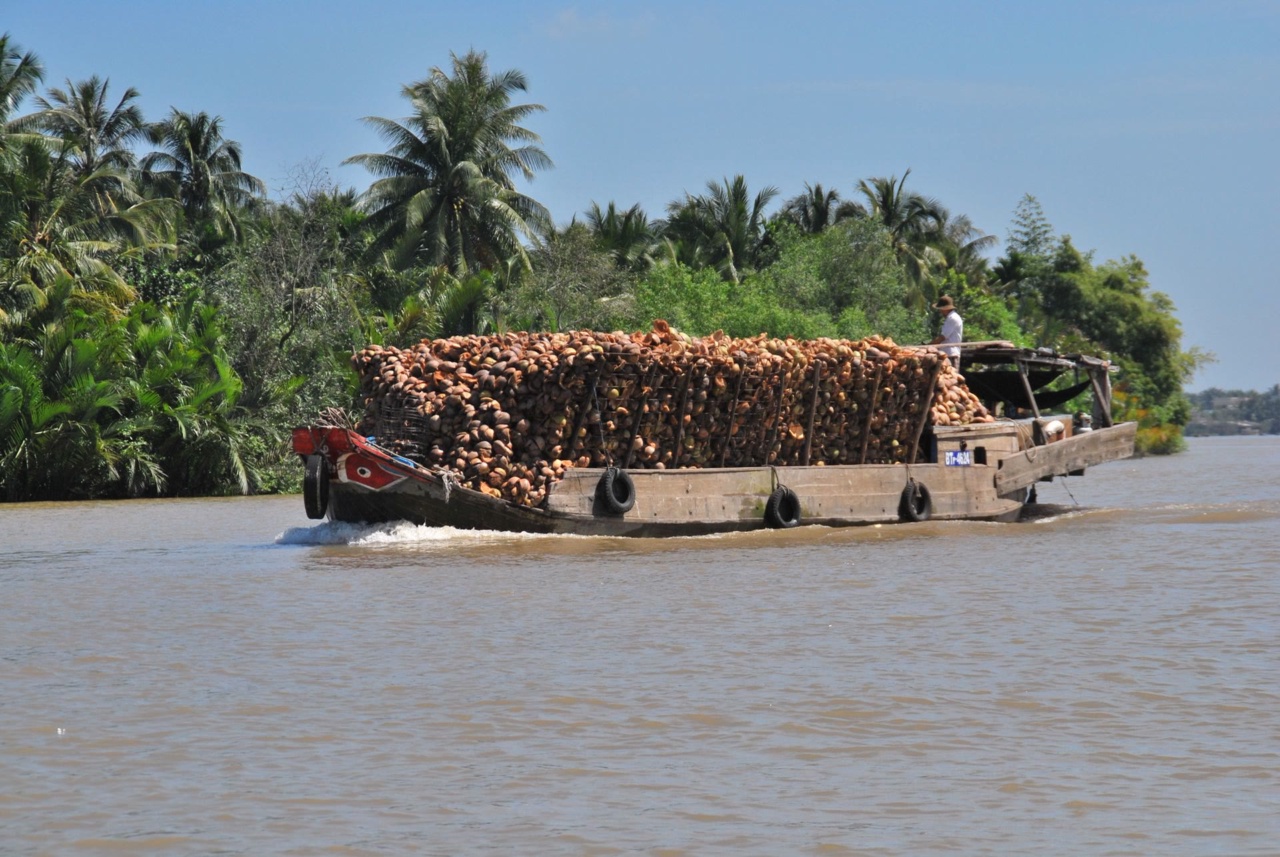
The Mekong River splits into nine branches as it fans across southern Vietnam, creating a vast web of waterways, rice paddies, fruit orchards, and small towns that together form the Mekong Delta. Nearly 18 million people live here, and their daily life revolves around the water. Markets float on rivers, houses stand on stilts, and sampans serve as the local equivalent of a family car.
Most travelers experience the Mekong Delta as a day trip from Ho Chi Minh City, but that barely scratches the surface. A rushed bus tour hits one canal and a coconut candy workshop before shuttling you back. The real Mekong Delta reveals itself when you slow down, stay overnight in Can Tho, wake up at dawn for a floating market, and cycle along levee roads through villages where the only traffic is a water buffalo. This guide covers how to do it properly.
Understanding the Region
The Mekong Delta covers roughly 40,000 square kilometers in the southernmost part of Vietnam. It produces over half the country's rice and a huge share of its fruit, fish, and flowers. The main towns for travelers are My Tho (closest to Ho Chi Minh City, about 70 kilometers), Ben Tre (famous for coconut products), Vinh Long (quiet and authentic), Can Tho (the delta's largest city and gateway to the best floating markets), and Chau Doc (near the Cambodian border).
The delta is flat, green, and laced with canals. Getting between towns means either road travel or, more enjoyably, boats. The landscape changes subtly as you move deeper into the delta: the canals narrow, the vegetation thickens, and the tourist numbers thin.
Things to Do
Floating Markets
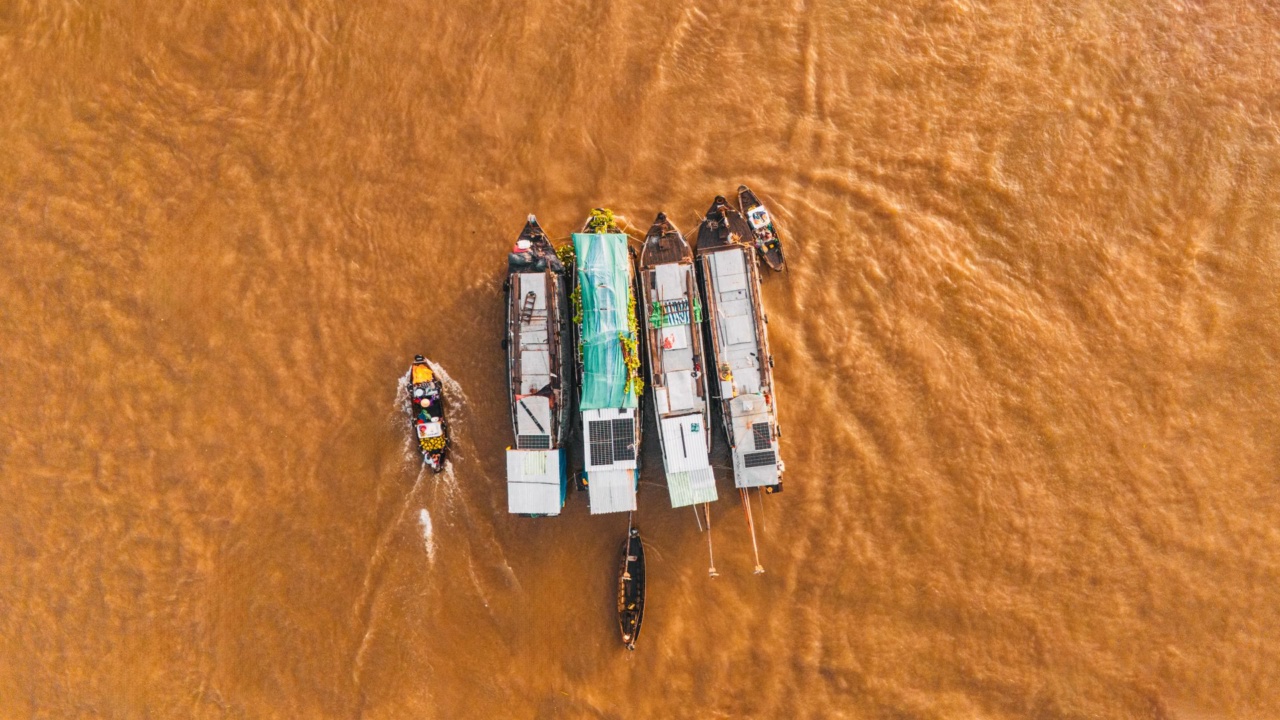
Floating markets are the Mekong Delta's most iconic experience. Farmers and wholesalers gather on the river before dawn to trade produce directly from boat to boat. Each seller ties a sample of their goods to a tall pole on the bow of their boat so buyers can see what is for sale from a distance.
Cai Rang Floating Market
The largest and most vibrant floating market in the delta, located about 6 kilometers from Can Tho city center. Cai Rang starts around 5:00 in the morning and winds down by 8:00 to 8:30. This is primarily a wholesale market, with large boats loaded with watermelons, pineapples, pumpkins, and mangoes trading in bulk. Smaller boats weave between the larger vessels selling coffee, breakfast noodles, and snacks to the traders.
To see Cai Rang at its best, you must stay overnight in Can Tho and depart by boat at 5:00 or 5:30 in the morning. Day trips from Ho Chi Minh City arrive around 8:00 or later, by which point the market is largely over. A private boat from Can Tho to Cai Rang costs 200,000 to 400,000 VND ($8 to $16) for the whole boat, fitting 2 to 4 people. Group tours from Can Tho cost $5 to $10 per person.
Cai Be Floating Market
Smaller and more accessible from Ho Chi Minh City, Cai Be sits in Tien Giang Province about 110 kilometers from the city. The market is smaller than Cai Rang and has become more of a tourist-oriented experience, but it still gives a decent introduction to river commerce. Most day trips from Ho Chi Minh City that include a floating market visit Cai Be rather than Cai Rang.
Phong Dien Floating Market
About 20 kilometers southwest of Can Tho, Phong Dien is the least touristy of the three main floating markets. It is smaller and more local, with almost no tour boats. Getting there requires a longer boat ride from Can Tho, which doubles as a scenic journey through narrow canals. If authenticity matters more than scale, Phong Dien is the pick.
Day Trip vs. Overnight
This is the single most important decision for your Mekong Delta visit.
| Option | Duration | Cost | What You Get |
|---|---|---|---|
| Day trip from HCMC | 8 - 10 hours | $15 - $60 | One canal, fruit orchard, coconut candy workshop, maybe Cai Be market |
| Overnight in Can Tho | 2 days / 1 night | $40 - $100 | Cai Rang market at dawn, cycling, authentic canal exploration, local food |
| Multi-day exploration | 3 - 5 days | $60 - $200 | Multiple towns, Phong Dien, Chau Doc, homestays, deep immersion |
Day trips are convenient but formulaic. You spend 3 hours on a bus each way and visit the same stops as every other tour group. The canal boat ride is pleasant but brief. If the Mekong Delta is something you genuinely want to experience rather than just tick off, stay at least one night in Can Tho.
Getting There
From Ho Chi Minh City
Buses to My Tho (the nearest delta town) depart from the western bus station (Ben Xe Mien Tay) and take about 90 minutes, costing 60,000 to 80,000 VND ($3). Buses to Can Tho take 3.5 to 4 hours and cost 120,000 to 180,000 VND ($5 to $7). Limousine vans with more comfortable seating run the same routes for slightly more.
Private cars from central Ho Chi Minh City to Can Tho cost $50 to $70 one way and take about 3 hours via the expressway. This is a good option for groups of 3 or 4 splitting the cost.
Between Delta Towns
Local buses connect the main towns. My Tho to Can Tho takes about 2.5 hours. Can Tho to Chau Doc takes about 3 hours. Motorbike is the most flexible way to explore if you are an experienced rider, with flat roads and minimal traffic once you leave the main highways.
To Cambodia
Chau Doc, on the western edge of the delta, is a popular crossing point to Phnom Penh. Fast boats run daily and take about 4 to 5 hours, costing $20 to $35. This is one of the most scenic border crossings in Southeast Asia, traveling up the Mekong River through increasingly rural landscapes.
What to See and Do
Boat Tours Through Canals
The narrow canals (called arroyos) lined with coconut palms, fruit trees, and stilted houses are the essence of the delta. Small sampans rowed by local women take you through passages too narrow for motorized boats. Every town in the delta offers some version of this experience. The most atmospheric canals are around Ben Tre and the area between Vinh Long and Can Tho.
Cycling
The flat terrain and quiet levee roads make the Mekong Delta ideal for cycling. Many homestays and hotels provide bicycles for free or a small fee. Routes along the canals between Vinh Long and Can Tho pass through villages, over monkey bridges (narrow bamboo footbridges), and past rice paddies. Cycling gives you access to the everyday delta life that boat tours miss.
Fruit Orchards
The delta grows an extraordinary variety of tropical fruit. Orchard visits are included in most tours, where you can taste rambutan, longan, mangosteen, jackfruit, durian, and dragon fruit straight from the tree. The fruit season peaks from May through August, but something is always in season.
Cooking Classes and Homestays
Homestays are the best way to experience delta life intimately. Families host you in traditional houses, cook meals featuring fish from their own pond and vegetables from their garden, and often take you fishing or cycling. Prices range from $15 to $40 per person per night including meals. Cooking classes focused on delta cuisine cost $10 to $25 and typically include a market visit and several dishes.
Tra Su Cajuput Forest
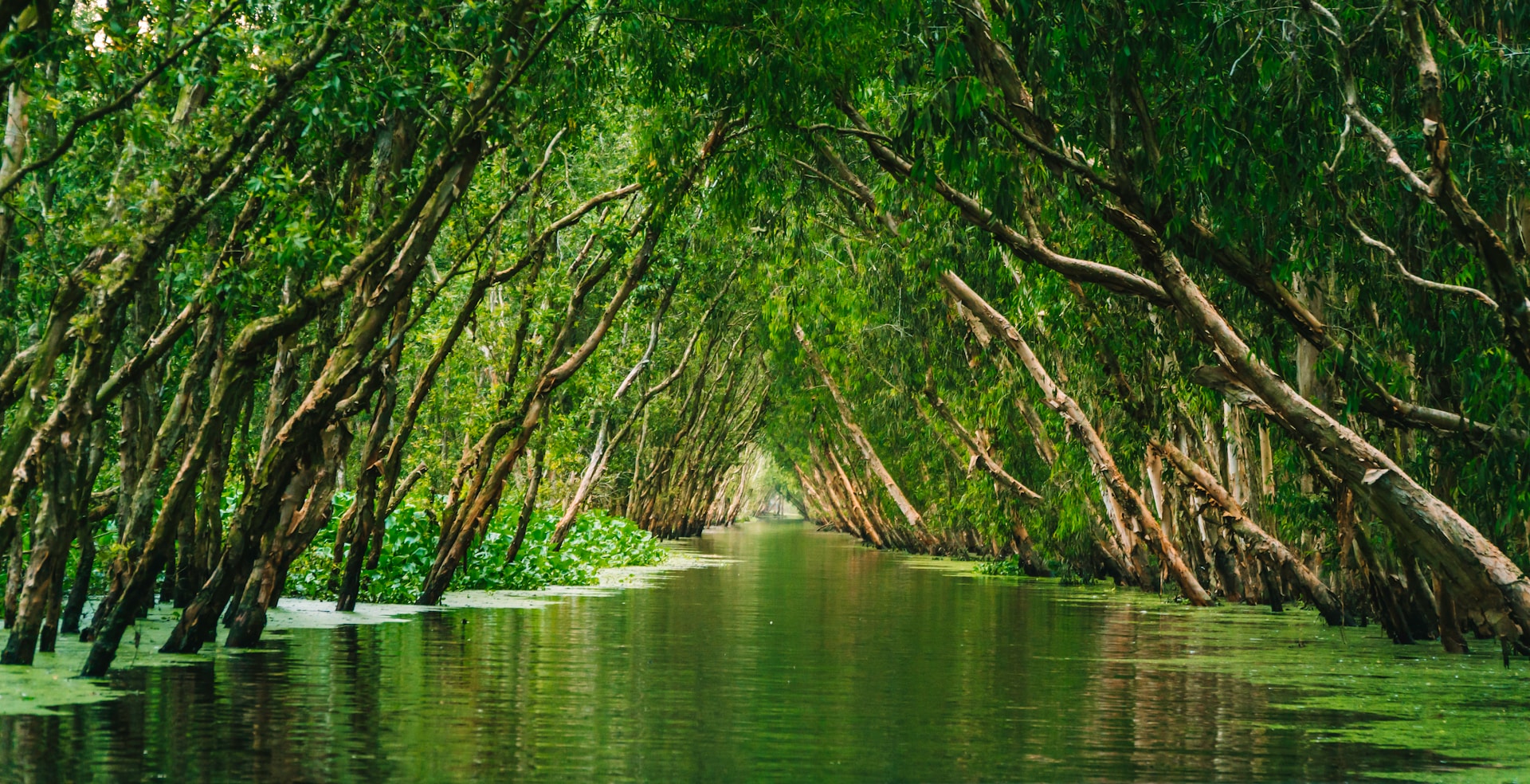
Near Chau Doc, this flooded forest is a stunning ecosystem of cajuput trees standing in still green water. Small boats and paddleboats take you through the canopy, which is home to herons, cormorants, and other water birds. The entrance fee is 100,000 VND ($4) plus boat costs. Visit early morning for the best bird activity and light.
Food in the Mekong Delta
Delta cuisine is distinct from the rest of Vietnam, centered on freshwater fish, tropical fruit, and coconut.
- Hu tieu: The delta's signature noodle soup, lighter than pho with a clear, sweet broth and rice noodles. My Tho's version is the most famous.
- Ca tai tuong chien xu: Elephant ear fish, deep-fried whole and served standing upright on a plate. You wrap pieces of the crispy fish in rice paper with herbs and vegetables. This is the dish most tour groups are served, and it is genuinely good.
- Banh xeo: Crispy savory pancakes filled with shrimp, pork, and bean sprouts. The delta version uses coconut milk in the batter, making them richer than the central Vietnamese style.
- Tropical fruit: The delta's fruit is noticeably sweeter and more flavorful than what you find in Hanoi or Ho Chi Minh City. Try everything in season.
For more food guides and travel routes across Vietnam and the rest of Asia, visit GoAsia.cc.
Tips for Visiting the Mekong Delta
- Stay in Can Tho: It is the best base for the delta with good hotels, restaurants, and easy access to Cai Rang and Phong Dien markets. Hotels range from $10 to $50 per night.
- Go early: Everything in the delta happens at dawn. Floating markets, fish markets, and river activity all peak between 5:00 and 8:00 in the morning. By 9:00, the heat sets in and the markets close.
- Avoid the cookie-cutter day tours: Standard day trips from Ho Chi Minh City are cheap but feel like a conveyor belt. If budget is the constraint, at least book a small-group tour (6 to 8 people maximum) rather than a bus tour with 30+ people.
- Bring sun protection and insect repellent: The delta is hot, humid, and full of mosquitoes, especially near the canals. DEET-based repellent is essential. A hat and sunscreen are non-negotiable for boat trips.
- Best season: The dry season from December through April offers the most comfortable weather with less rain and lower humidity. The wet season from May through November brings afternoon downpours but also the lushest scenery and peak fruit season. Flooding can occur in September and October.
- Cash only: Outside Can Tho, ATMs and card payment are rare. Bring enough Vietnamese Dong for homestays, boat rides, and market purchases.
- Combine with Cambodia: If heading to Phnom Penh, the fast boat from Chau Doc is far more interesting than a bus. It turns a border crossing into a highlight of your trip.
Frequently Asked Questions
Yes, particularly if you stay overnight in Can Tho rather than doing a rushed day trip. The floating markets, canal boat rides, cycling through rice paddies, and delta cuisine offer an experience of Vietnamese life that is completely different from the cities. It is one of the most authentic cultural experiences in southern Vietnam.
Day trips from Ho Chi Minh City start at $15 for budget group tours and go up to $60 for small-group experiences. Staying overnight in Can Tho adds $10 to $50 for accommodation. A private boat to Cai Rang floating market costs $8 to $16 for the whole boat. Budget travelers can do a two-day trip for under $50 total.
Buses from Ben Xe Mien Tay station run to My Tho (90 minutes, $3) and Can Tho (3.5 to 4 hours, $5 to $7). Private cars to Can Tho take about 3 hours and cost $50 to $70. Most travelers either join an organized tour or take a bus independently to Can Tho.
Overnight is strongly recommended. Day trips spend too much time on the bus and arrive at floating markets after they wind down. Staying in Can Tho lets you reach Cai Rang market at dawn when it is most active, and gives you time for cycling, canal exploration, and local food that day trips completely miss.
December through April is the dry season with comfortable weather and the best conditions for boat trips. May through August brings peak fruit season and lush green scenery but also afternoon rain showers. September and October can bring flooding. The floating markets operate year-round regardless of season.
Cai Rang near Can Tho is the largest and most impressive, but you must arrive by 5:30 to 6:00 in the morning. Phong Dien is smaller but far less touristy and more authentic. Cai Be is the most accessible from Ho Chi Minh City but has become quite tourist-oriented. For the best experience, visit Cai Rang and Phong Dien on consecutive mornings from Can Tho.
Yes. Fast boats run daily from Chau Doc to Phnom Penh, taking 4 to 5 hours and costing $20 to $35. The journey travels up the Mekong River and is one of the most scenic border crossings in Southeast Asia. You need a Cambodian visa, which can be arranged on arrival at the border.
DEET-based mosquito repellent is essential as the canals attract many mosquitoes. Bring a wide-brimmed hat, sunscreen, and lightweight quick-dry clothing. A waterproof bag protects electronics on boat trips. Carry enough cash in Vietnamese Dong as card payment is rare outside Can Tho.