Sources and background
Numbers in the text such as [1] refer to these sources.
- [1] Viet Nam National Authority of Tourism: Ha Noi - Hai Phong Train route on the tourism spotlight. Retrieved October 16, 2026.

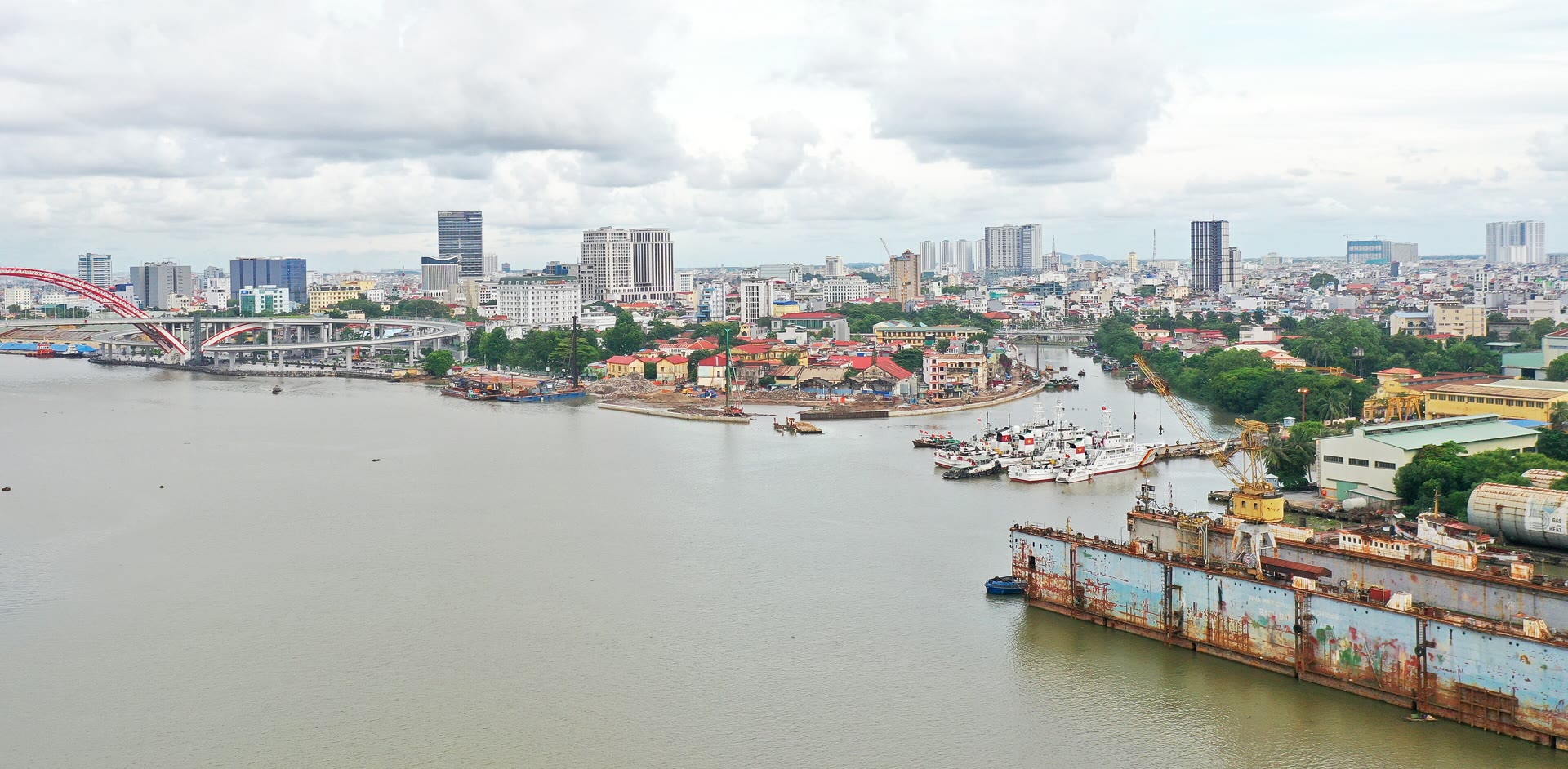
Vietnam's third-largest city is a gritty, charismatic port town where French colonial architecture lines boulevards shaded by flamboyant flame trees.
Last updated: October 17, 2026
The flame trees hit first. Every May and June, Hai Phong's wide French-era boulevards explode in a canopy of scarlet blossoms, earning the city its nickname: Thanh Pho Hoa Phuong Do, the City of Red Flamboyant Flowers. It is one of the most visually arresting urban spectacles in northern Vietnam, yet most foreign visitors barrel through on their way to Cat Ba Island without a second glance. Their loss.
Hai Phong is Vietnam's most important northern port, a city of roughly two million people that hums with commerce, motorbike traffic, and the clatter of seafood restaurants that stay packed until midnight. Unlike Hanoi, which increasingly caters to tourism, Hai Phong remains stubbornly, refreshingly local. You will be stared at, smiled at, and occasionally applauded for attempting Vietnamese. The colonial architecture is crumbling but genuine, the street food is among the best in the country, and the waterfront life along the Cam River gives the city a character entirely its own.
Travelers typically use Hai Phong as a launchpad for Cat Ba Island and Lan Ha Bay, and that is a perfectly valid reason to come. But spending a day or two in the city itself reveals a side of Vietnam that the tourist trail misses entirely. This guide covers both the city and how to use it as a base for the surrounding region.
Hai Phong is built along the southern bank of the Cam River, with the city center concentrated in a relatively compact area that you can cross on foot in about 30 minutes. The main axis runs along Dien Bien Phu street and the parallel Le Loi street, both lined with colonial-era buildings, banks, and government offices.
The heart of Hai Phong is its old French Quarter, roughly bounded by the Tam Bac River to the north, Dien Bien Phu to the south, and the opera house area in between. This is where you will find the best concentration of colonial architecture, the main market (Cho Sat), and the densest cluster of hotels, restaurants, and cafes. Stay here if you want walkability and atmosphere.
The area around the Tam Bac River and its flower market is one of the most photogenic spots in the city. Early mornings see vendors selling fresh flowers from the market's covered kiosks, and the surrounding streets are packed with pho stalls and banh mi carts. A great area for a morning wander.
South of the center, the city spreads into newer residential and commercial zones. The Lach Tray area has some mid-range hotels and the city's football stadium. Less atmospheric but quieter and cheaper.
About 20 kilometers southeast of the center, Do Son is Hai Phong's beach district, a peninsula with a string of beaches that are popular with locals on weekends. The water is not pristine, but the seafood restaurants here are legendary, and the faded colonial villas give the area a melancholic charm.
Offers are only loaded from GetYourGuide after you click. GetYourGuide can then process your IP address and set cookies. Privacy Policy
GetYourGuide partner offers. GoAsia may earn a commission if you book through these offers. Check whether tickets or transfers are included, and follow the attraction's official booking and admission rules.
Hai Phong shares Hanoi's climate: four distinct seasons with a hot, humid summer and a cool, occasionally chilly winter. The flame tree season (May to June) is the most photogenic time to visit, though it coincides with rising heat and humidity.
| Season | Months | Weather | Crowds | Notes |
|---|---|---|---|---|
| Spring | Feb - Apr | Mild, occasional drizzle, 18-25C | Low | Pleasant for city exploring |
| Summer | May - Aug | Hot, humid, heavy rain, 28-35C | Moderate (domestic) | Flame trees bloom May-Jun; typhoon risk Jul-Aug |
| Autumn | Sep - Nov | Warm, drier, 22-30C | Low | Best overall weather; Oct-Nov ideal |
| Winter | Dec - Jan | Cool, grey, 12-20C | Low | Can feel raw and damp; pack layers |
October and November offer the best balance of pleasant weather, calm seas for Cat Ba trips, and minimal crowds. Avoid late July and August if possible, as typhoons can disrupt ferry services to Cat Ba and make the coast dangerous.
The Do Son Buffalo Fighting Festival, held on the ninth day of the eighth lunar month (usually September or October), is a unique local tradition worth timing your visit around if the calendar aligns.
Cat Bi International Airport (HPH) is just 5 kilometers from the city center and handles domestic flights from Ho Chi Minh City and Da Nang, plus a handful of international routes. A taxi from the airport to the center costs around $3-5. Grab is available and usually slightly cheaper.
Most travelers arrive from Hanoi. The options are plentiful: express buses run every 15-30 minutes from various Hanoi bus stations and take around 2 hours, costing roughly $3-5. Trains also run from Hanoi station and call at Long Bien; in 2023 Vietnam's national tourism board listed tickets at VND 85,000 to 135,000 per trip.[1] The route passes through pleasant countryside. For detailed transport options and schedules between Vietnamese cities, GoAsia.cc is a useful resource.
From Hai Phong, fast ferries and speedboats depart from either Ben Binh or Got pier to Cat Ba Island, taking 45-60 minutes and costing around $8-12 for foreigners.
The city center is walkable for sightseeing, though crossing busy intersections requires the standard Vietnamese technique of walking slowly and steadily while traffic flows around you. Grab motorbikes and cars are the most convenient way to get around, with most in-city rides costing $1-3. Traditional xe om (motorbike taxis) are available but negotiate the price first. City buses exist but are slow and routes are poorly signed in English. Renting a motorbike is possible if you are comfortable with Vietnamese traffic, typically around $5-8 per day.
Hai Phong Opera House (Nha Hat Lon) - Built in 1912 and modeled on the Paris Opera, this is the city's architectural crown jewel. The pale yellow facade and ornate detailing are best appreciated from the plaza in front, ideally in the late afternoon light. Check if any performances are scheduled during your visit. Allow 20-30 minutes for photos and the surrounding square.
Cho Sat (Iron Market) - Hai Phong's central market is a sprawling, chaotic, and wonderful place to experience local commerce. The ground floor is packed with seafood, meat, and produce; upper floors sell clothing and household goods. Come early morning for the best energy. This is not a tourist market, so prices are fair and the atmosphere is genuine.
Du Hang Pagoda - The oldest and most important pagoda in Hai Phong, dating back several centuries. The complex is peaceful and beautifully maintained, with elaborate wood carvings and a tranquil garden. Remove shoes before entering, and dress modestly. Allow 30-45 minutes.
Tam Bac Flower Market - This flower market beside Tam Bac Lake is a row of covered kiosks selling fresh flowers, and it is liveliest in the early morning. Even outside peak hours, the lakeside promenade is a pleasant walk.
Colonial Architecture Walking Route - Hai Phong has one of the best-preserved collections of French colonial buildings in Vietnam outside of Hanoi and Ho Chi Minh City. Walk along Dien Bien Phu, Hoang Van Thu, and Quang Trung streets to see grand administrative buildings, villas, and shophouses in various states of grandeur and decay. The contrast between meticulously restored facades and crumbling ruins is part of the appeal.
Hai Phong Museum - A small but well-curated museum housed in a Gothic-style colonial building. Exhibits cover the city's maritime history, wartime role, and cultural heritage. Free or negligible entry fee. Worth 45 minutes.
Nghe Temple - Dedicated to Le Chan, a female general who fought against Chinese domination in the first century. The temple is ornate and historically significant, and the surrounding park with its large Le Chan statue makes for a pleasant stop. The annual Le Chan Festival in February or March brings traditional performances.
An Bien Night Market - A lively evening market near the city center where locals shop for clothes, accessories, and street snacks. Not touristy at all, and a good place to try local treats like banh da cua (crab noodle soup) from street vendors.
Do Son Beach - Often listed as a top attraction, but the beaches themselves are murky and littered, especially on weekends. The seafood restaurants along the coast are excellent, but come for the food, not the swimming. If you want a beach day, save it for Cat Ba Island.
Hon Dau Resort Area - A dated amusement area near Do Son that caters to domestic tour groups. Unless you are traveling with young children who need a break, skip it.
Hai Phong's "nightlife" - Do not come expecting a party scene. There are a few pleasant bars and rooftop spots in the center, but this is a working city, not a nightlife destination. Enjoy the evening cafe culture instead, which is genuinely wonderful.
Hai Phong punches well above its weight in the food department. The city's proximity to the sea means seafood dominates, and several dishes are unique to Hai Phong or prepared here in a way you will not find elsewhere in Vietnam.
| Dish | Description | Where to Try | Typical Price |
|---|---|---|---|
| Banh Da Cua | Hai Phong's signature: wide, reddish-brown rice noodles in a rich crab broth with crab meat, fried shallots, and herbs | Street stalls citywide, especially around Cho Sat and Tam Bac | $1-2 |
| Nem Cua Be | Crispy spring rolls stuffed with crab meat, a Hai Phong specialty far superior to standard nem ran | Seafood restaurants throughout the city | $2-4 per plate |
| Bun Ca | Fish noodle soup with fried fish cakes, dill, tomato, and turmeric - lighter and more fragrant than pho | Dedicated bun ca shops in the center | $1-1.50 |
| Oc (Snails) | Snails prepared dozens of ways - grilled, steamed with lemongrass, stir-fried with chili | Oc restaurants along Le Loi and side streets | $2-5 per plate |
| Banh Mi Cay | Hai Phong's spicy banh mi, smaller than the southern version, with a fiery chili paste | Street carts, especially morning vendors | $0.30-0.50 |
| Lau (Hotpot) | Seafood hotpot with fresh crab, shrimp, fish, and vegetables - a social evening meal | Seafood restaurants, especially in Do Son | $5-15 per pot |
Hai Phong is a street food city first and foremost. The best meals often come from tiny shops with plastic stools and no English menu. Point at what others are eating, or use Google Translate to navigate. Breakfast is the most important street food meal: banh da cua, pho, bun ca, and banh mi cay are all morning staples.
For seafood dinners, the Do Son coastal strip and the streets around the Tam Bac area have excellent options. Expect to pay around $8-15 per person for a generous seafood dinner with beer. Vietnamese bia hoi (fresh draft beer) is ubiquitous and costs around $0.30-0.50 per glass. Hai Phong's cafe culture is robust, with egg coffee (ca phe trung) available at many traditional cafes in the center.
A budget meal at a street stall runs $1-2. A mid-range restaurant dinner costs $5-10. An upscale seafood feast with drinks might reach $15-25 per person, which is still remarkably affordable by international standards.
The city center has numerous guesthouses and mini-hotels clustered around Dien Bien Phu and Minh Khai streets. Rooms are basic but clean, with air conditioning and hot water. Do not expect English-speaking staff at this level. Hostels are rare since Hai Phong does not attract many backpackers, but a few budget options near the ferry terminals cater to Cat Ba-bound travelers.
Several solid three-star and four-star hotels operate in the city center, offering comfortable rooms, breakfast, and sometimes rooftop bars with city views. The area around the opera house and Lach Tray road has the best concentration. At this price point, you get reliable Wi-Fi, English-speaking reception, and often a decent restaurant on-site.
Hai Phong has a handful of international-standard hotels, including properties from recognized chains. These cluster in the city center and offer the full range of amenities: pools, gyms, business centers, and quality dining. For a city of this size, the top-end options are good value compared to Hanoi or Ho Chi Minh City.
There are no boutique homestays or heritage hotels of the kind you find in Hoi An. Accommodation here is functional and city-oriented. If you want charm, save it for Cat Ba Island.
Safety: Hai Phong is generally safe for tourists. Petty theft is uncommon compared to Hanoi or HCMC, partly because there are fewer tourists to target. The main hazard is traffic - be extremely cautious crossing streets and never assume vehicles will stop for you.
Scams: Tourist scams are rare here since the city is not set up for tourism in the way that Hanoi or Hoi An are. The main thing to watch for is inflated taxi fares from the ferry terminal or airport. Use Grab to avoid this entirely.
The number one reason most travelers pass through Hai Phong. Cat Ba is the largest island in Ha Long Bay and serves as the base for exploring Lan Ha Bay, which offers the same dramatic limestone karst scenery as Ha Long Bay but with far fewer tour boats. The fast ferry takes about 50 minutes. Once on Cat Ba, you can book kayaking trips, boat tours through Lan Ha Bay, hike in Cat Ba National Park, or simply enjoy the island's beaches and seafood. This deserves at least two nights if possible, but a long day trip is feasible. Ferries run multiple times daily.
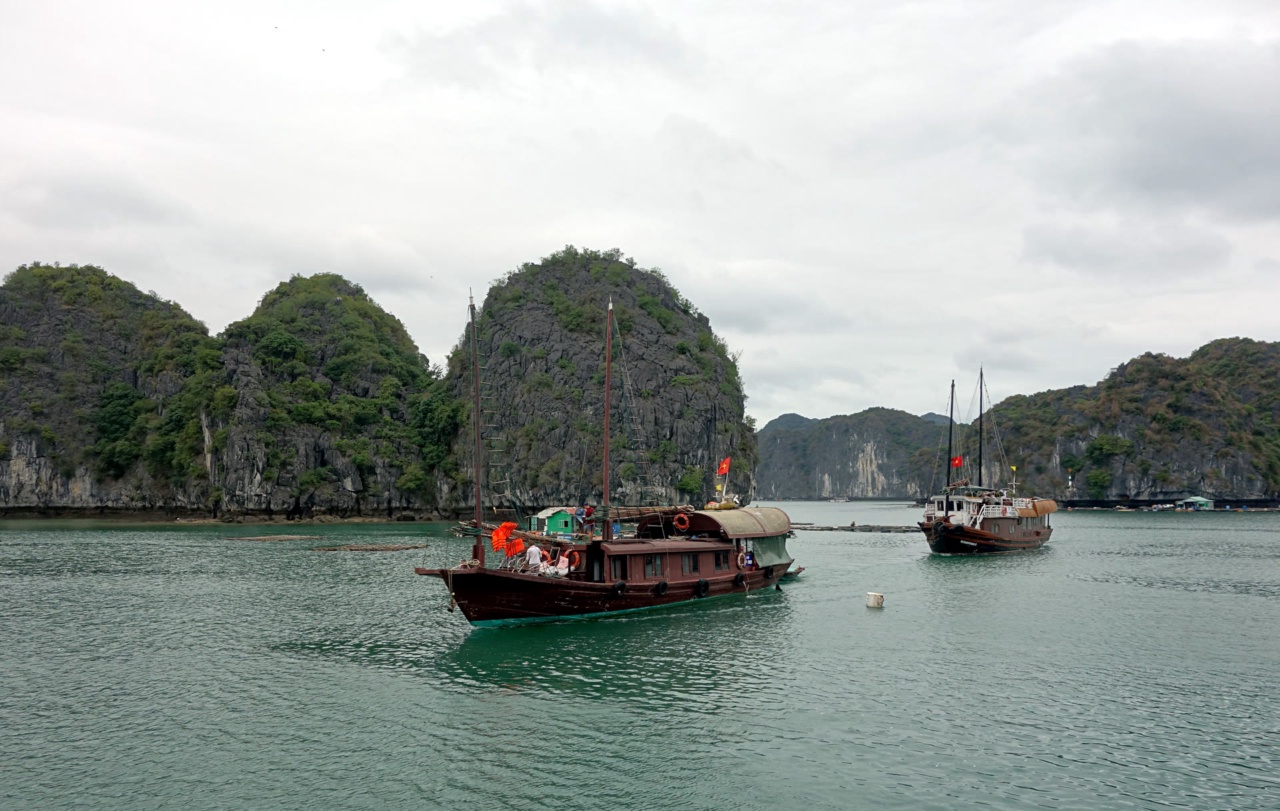
A 40-minute drive southeast of the city center, Do Son is worth a half-day trip for its seafood restaurants, crumbling French villas, and the Bao Dai Villa (a former royal retreat). The beaches are mediocre, but the atmosphere of faded grandeur and the seafood lunch make it worthwhile. Grab or taxi costs around $8-12 each way.
About 20 kilometers north of Hai Phong, the Trang Kenh area features limestone caves, scenic river valleys, and the remains of ancient citadels. It is not well set up for tourism, which is part of the appeal. Best visited by motorbike or hired car. Allow a half day.
While typically visited from Hanoi, Ninh Binh (the "Ha Long Bay on land") is reachable from Hai Phong in about 2.5-3 hours by car or bus. Tam Coc and Trang An offer stunning boat rides through limestone karst valleys and flooded rice paddies. This is a full-day commitment from Hai Phong but absolutely worth it if you are not returning to Hanoi.
Ha Long City is about 1.5 hours by road from Hai Phong. If you want to do a Ha Long Bay cruise that departs from the main tourist harbor rather than going via Cat Ba, this is the route. However, Lan Ha Bay from Cat Ba is generally a better experience with fewer crowds, so this day trip is only recommended if you specifically want the classic Ha Long Bay cruise.
Morning: Start early at the Tam Bac flower market for photos and atmosphere. Walk south to Cho Sat for a bowl of banh da cua at one of the stalls around the market. Continue on foot through the French Quarter along Dien Bien Phu street, admiring the colonial architecture.
Afternoon: Visit Du Hang Pagoda and Nghe Temple, then stop at the Hai Phong Museum. Grab a ca phe trung (egg coffee) at one of the traditional cafes near the opera house. Walk around the opera house plaza as the afternoon light softens.
Evening: Head to a seafood restaurant near the Tam Bac area for nem cua be, grilled snails, and bia hoi. Stroll the An Bien night market area for dessert and people-watching.
Morning: Grab a banh mi cay from a street cart for breakfast. Take a Grab to Do Son (40 minutes). Visit the Bao Dai Villa and walk along the coastal road, photographing the old French villas.
Afternoon: Long seafood lunch at one of the beachfront restaurants in Do Son. Order a seafood hotpot and whatever the catch of the day is. Return to Hai Phong in the late afternoon.
Evening: Explore the cafe scene in the city center. Try a rooftop bar if one is open, or settle into a streetside cafe for coffee and conversation.
Morning: Catch an early ferry to Cat Ba Island (departs around 7-8 AM from the main pier). Arrive by 9 AM. Rent a motorbike on the island or arrange a boat tour of Lan Ha Bay.
Afternoon: If on a Lan Ha Bay tour, spend the afternoon kayaking through karst formations, swimming in emerald water, and visiting floating fishing villages. If staying on the island, hike in Cat Ba National Park to the Ngu Lam peak viewpoint.
Evening: Return to Hai Phong by late afternoon ferry, or stay overnight on Cat Ba if your schedule allows (highly recommended). If returning, grab a final bowl of bun ca for dinner.
| Category | Budget | Mid-Range | Comfort |
|---|---|---|---|
| Accommodation | $8-15 | $25-45 | $60-120 |
| Food | $5-8 | $10-20 | $20-35 |
| Transport | $2-5 | $5-10 | $10-20 |
| Activities | $0-5 | $5-15 | $15-30 |
| Daily Total | $15-33 | $45-90 | $105-205 |
Hai Phong is remarkably affordable even by Vietnamese standards. The lack of a tourist economy means you pay local prices for almost everything. A budget traveler eating street food and staying in a basic guesthouse can get by comfortably on $20-25 per day. Mid-range travelers who want a nice hotel and sit-down seafood dinners will spend $50-70. Even at the top end, it is hard to spend more than $150 per day unless you are booking premium Cat Ba tours or staying at the city's best hotel.
The biggest variable is whether you include a Cat Ba or Lan Ha Bay boat tour, which typically costs $25-50 per person for a day trip. Budget this separately from your city spending.
Hai Phong is worth visiting if you want to experience an authentic Vietnamese city without the tourist infrastructure of Hanoi or Ho Chi Minh City. The colonial architecture, exceptional seafood, and proximity to Cat Ba Island and Lan Ha Bay make it a rewarding stop. It is not a must-visit for short Vietnam itineraries, but travelers with time to spare will find it genuinely interesting.
One full day is enough to see the city's main sights and eat your way through the local specialties. Two days let you add a Do Son trip and explore more deeply. Three days work perfectly if you combine the city with a day trip to Cat Ba Island or Lan Ha Bay.
Hai Phong is very safe for tourists. Violent crime targeting visitors is essentially unheard of, and petty theft is less common than in Hanoi or HCMC because there are fewer tourists. The biggest safety concern is traffic, so be cautious when crossing roads and use Grab rather than unfamiliar taxis.
Hai Phong is famous for banh da cua (crab noodle soup with distinctive reddish-brown noodles), nem cua be (crispy crab spring rolls), bun ca (fish noodle soup), and banh mi cay (spicy mini banh mi). The city's seafood in general is outstanding due to its port location.
Fast ferries and speedboats run from Hai Phong's piers to Cat Ba Island multiple times daily, taking 45-60 minutes. Tickets cost roughly $8-12 for foreigners. The first departures are usually around 7-8 AM, with the last return ferries in the late afternoon. Book at the pier or through your hotel.
Hai Phong is very affordable, even cheaper than Hanoi for most things. Street food meals cost $1-2, a comfortable hotel room runs $25-45, and a generous seafood dinner with beer rarely exceeds $10-15 per person. The absence of tourist pricing keeps costs low.
English is limited in Hai Phong. Hotel staff at mid-range and upscale properties generally speak basic English, but most locals do not. Download Google Translate with the Vietnamese offline pack before arriving, and learn a few basic Vietnamese phrases to make interactions smoother.
October and November offer the best weather with warm days, low humidity, and calm seas for Cat Ba trips. May and June are spectacular for the flame tree blossoms but increasingly hot and humid. Avoid late July and August when typhoons can disrupt travel plans.
Express buses run every 15-30 minutes from Hanoi and take about 2 hours, costing $3-5. Trains run from Hanoi station via Long Bien, with ticket prices listed at VND 85,000 to 135,000 per trip in 2023. Both are comfortable and frequent options. Grab or private car transfers are also available for around $40-50.
Lan Ha Bay, accessed from Cat Ba Island via Hai Phong, offers the same stunning limestone karst scenery as Ha Long Bay but with significantly fewer tour boats and a more intimate atmosphere. Most experienced Vietnam travelers prefer Lan Ha Bay for kayaking and swimming, while Ha Long Bay is better known for large overnight cruise ships.
Numbers in the text such as [1] refer to these sources.