
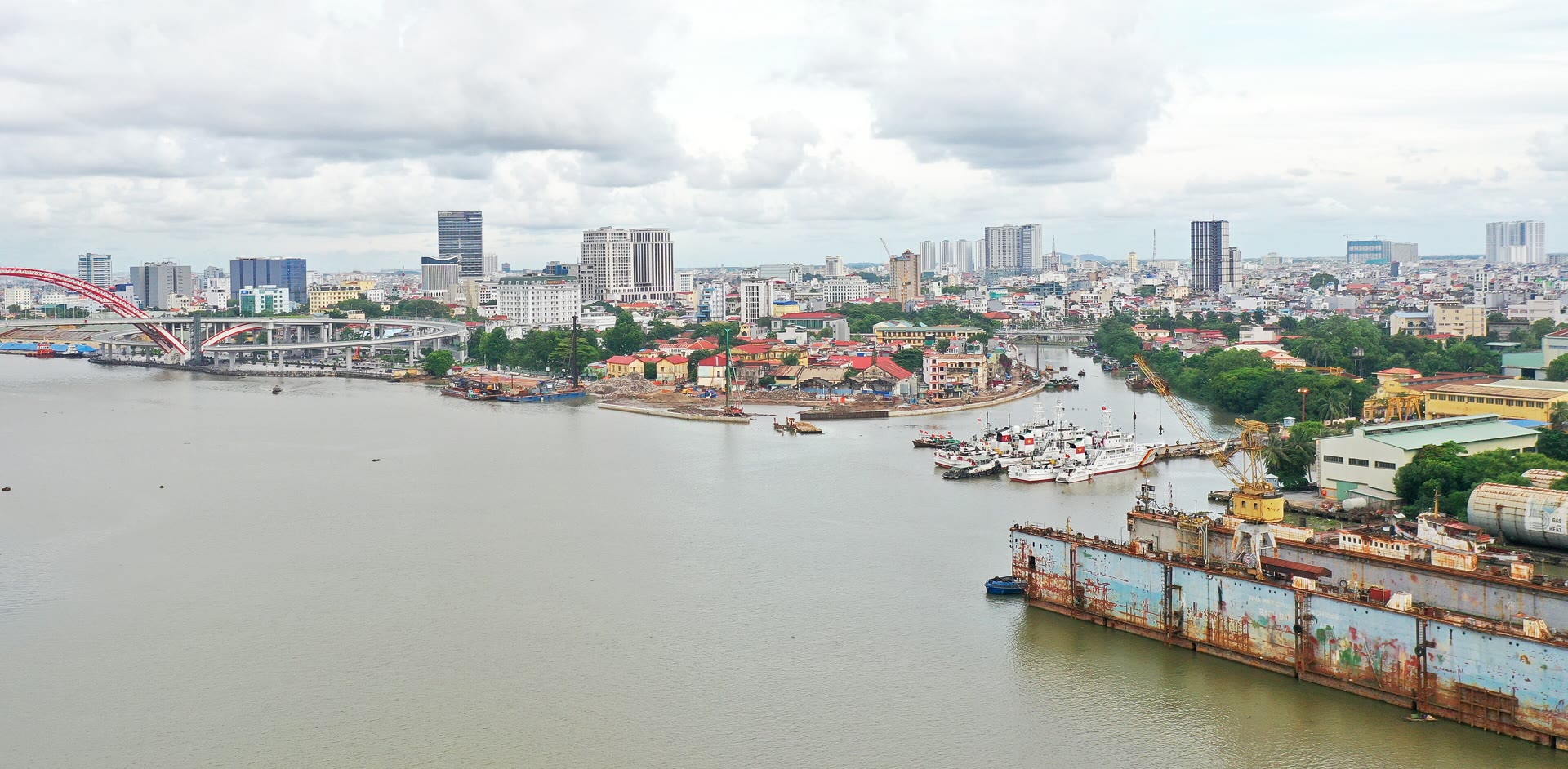
Leaving behind the mist-shrouded peaks and terraced rice fields of Sapa for the bustling industrial energy and coastal gateway of Hai Phong marks a significant shift in the Vietnamese landscape. While Sapa offers a quiet retreat into the Hoang Lien Son mountains, Hai Phong serves as the vital link to the sea and the jumping-off point for those heading toward the limestone karsts of Lan Ha Bay. The journey takes you from the far north-west down to the Red River Delta, transitioning from hairpin mountain turns to the expansive highways of the lowlands.
This route is a popular choice for travelers who have finished their trekking adventures and are ready to trade hiking boots for a boat cruise. Because Hai Phong is a major transport hub, you have several reliable ways to make the trip, ranging from budget-friendly sleeper buses that swallow the miles overnight to luxury private transfers that offer door-to-door convenience. You can easily compare these options and book your preferred seats through GoAsia.cc to ensure a smooth transition between these two iconic regions.
Sapa to Hai Phong by Bus
The bus is the most common way to navigate this route, offering a high level of flexibility with both daytime and overnight departures. Given the distance, Vietnamese operators have optimized this journey with a variety of specialized vehicles designed for comfort over long hours. Prices for the bus range from $16 to $38, depending on the level of luxury you choose.
Sleeper and VIP Cabin Buses
For those looking to save on a night of accommodation, the overnight sleeper buses are a staple. The standard Sleeper 40 or Sleeper 34 buses feature bunk-style reclining seats. However, if you value privacy, the Royal Cabin or VIP 20 options are highly recommended. These "hotels on wheels" offer individual compartments with curtains, USB charging ports, and sometimes even massage functions in the seat. The journey typically takes between 8 and 12 hours, with the VIP Cabin and Royal Cabin 22 being the most comfortable choices for taller travelers.
Combined Bus and Ferry Options
Some services are specifically tailored for those whose ultimate destination is Cat Ba Island, located within the Hai Phong province. These tickets often include a limousine or cabin bus paired with a ferry or speedboat transfer. This is an excellent choice if you want to avoid the hassle of arranging separate transport once you reach the Hai Phong city center. These combined trips generally take between 9 and 12 hours and cost between $24 and $35.
Sapa to Hai Phong by Private Transfer
If you are traveling in a group or simply prefer a direct, non-stop experience, a private transfer is the fastest and most comfortable method. Private cars and vans typically shave a few hours off the journey compared to buses, with travel times ranging from 7 hours 10 minutes to 7 hours 50 minutes. This option allows you to set your own schedule and enjoy a more personalized pace through the mountains.
The cost for a private transfer ranges from $194 for a standard sedan (3 passengers) up to $356 for a larger minibus (14 passengers). For small groups or families, the SUV (4 to 5 passengers) or the Limousine 9-pax van offers a great balance of price and luxury. These vehicles are equipped with air conditioning and ample luggage space, making them ideal for those carrying heavy trekking gear from their time in Sapa.
Comparing Your Options
| Mode | Price (USD) | Duration | Comfort |
|---|---|---|---|
| Standard Sleeper Bus | $16 - $22 | 8 - 12h | Moderate |
| VIP Cabin Bus | $23 - $38 | 8 - 10h | High |
| Private Sedan/SUV | $194 - $240 | 7h 15min | Excellent |
| Private Limousine/Van | $260 - $356 | 7h 50min | Excellent |
Tips for Traveling from Sapa to Hai Phong
- Book Ahead for Weekends: Sapa is a very popular destination for local tourists from Hanoi and Hai Phong. If you plan to travel on a Friday or Sunday, book your bus or transfer at least a few days in advance.
- Prepare for Mountain Roads: The first portion of the drive involves winding roads descending from Sapa. If you are prone to motion sickness, consider taking medication before departure.
- Check Your Drop-off Point: Hai Phong is a large city. Some buses drop passengers at the Binh Vach or Niem Nghia bus stations, while others may go closer to the ferry terminals for Cat Ba. Confirm where your bus ends to plan your local taxi ride.
- Stay Warm: Even if it is hot in Hai Phong, the air conditioning on Vietnamese buses is notoriously cold. Keep a light jacket or hoodie in your carry-on bag.
- Luggage Safety: On sleeper buses, your large bags will be stored in the hold underneath. Keep your valuables, passport, and electronics in a small bag that stays with you in your cabin or seat.
Timetable
| Bus Sapa - Hai Phong $ 15.38–36.96 8h – 12h 30m | |
|
|
| Taxi Sapa - Hai Phong $ 188.55–345.89 7h 10m – 7h 50m | |
|
| Bus Sapa - Dao Cat Ba $ 22.76–33.68 9h – 12h | |
|
Frequently Asked Questions
You can book train, bus, flight, taxi, van, and ferry tickets from Sapa to Hai Phong directly on GoAsia.cc. Use the booking tool on this page to compare all available options and prices in real time.
The cheapest way to travel is by taking a standard Sleeper 40 or VIP 34 bus, with prices starting as low as $16. These buses provide a budget-friendly way to cover the long distance while saving on a night of accommodation.
The fastest way to get there is by private transfer, such as a sedan or SUV. These private vehicles can complete the journey in approximately 7 hours and 10 minutes, avoiding the multiple stops often made by public buses.
The duration depends on the transport mode. Private transfers take between 7 and 8 hours, while buses typically take between 8 and 12 hours depending on the route and the number of stops.
Yes, there are several overnight options including VIP Cabin and Sleeper buses that depart Sapa late in the evening (around 21:00 to 23:00) and arrive in Hai Phong early the following morning.
Yes, many bus operators offer combined tickets that include the bus journey from Sapa and a ferry or speedboat transfer directly to Dao Cat Ba. These services usually take between 9 and 12 hours.
A standard Sleeper bus has open bunks in a shared cabin. A VIP Cabin bus provides a private compartment with a curtain, a more cushioned bed, and often extra amenities like charging ports and a personal screen.