
Nha Trang
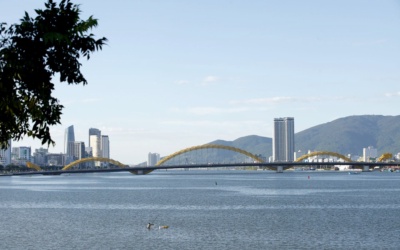
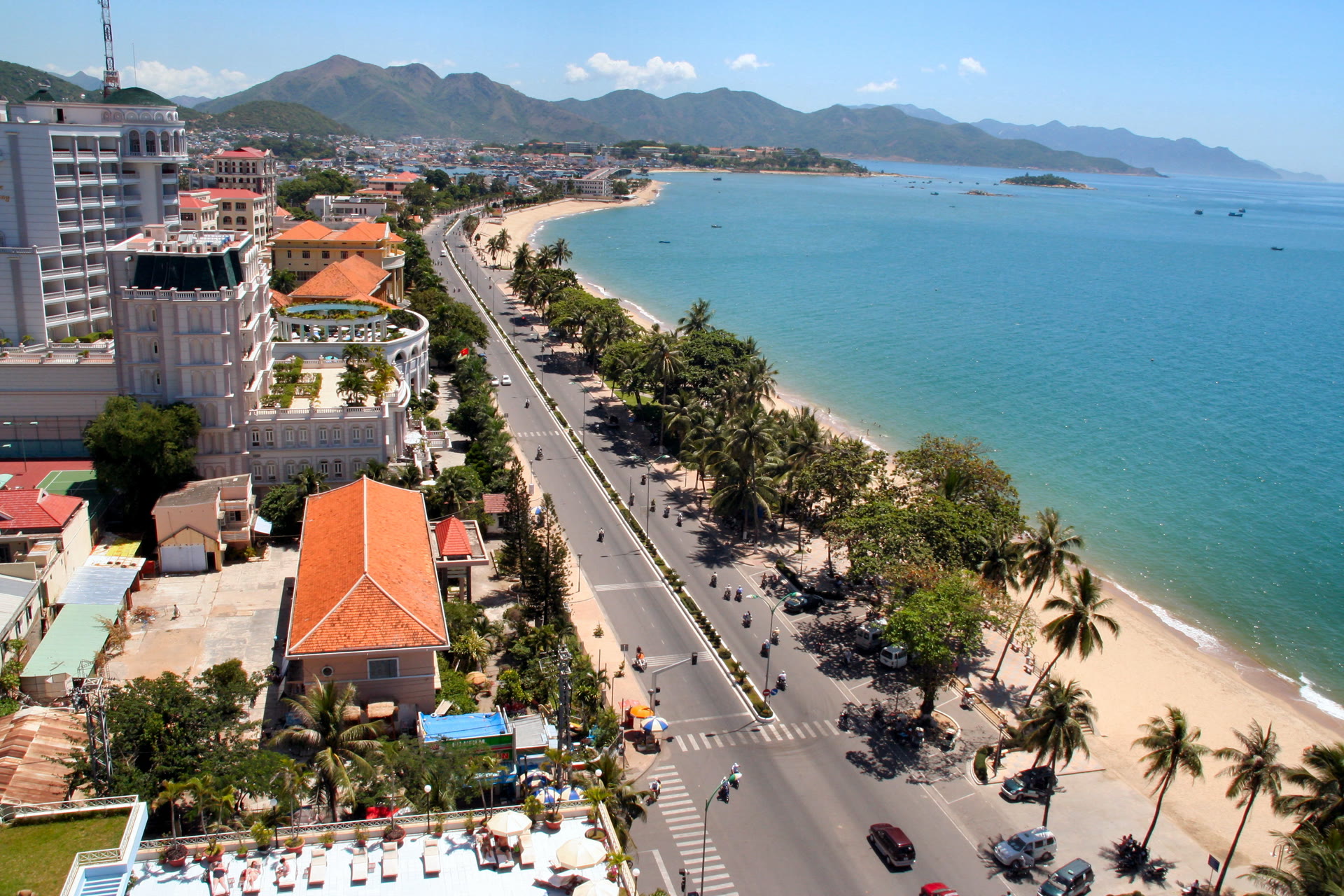
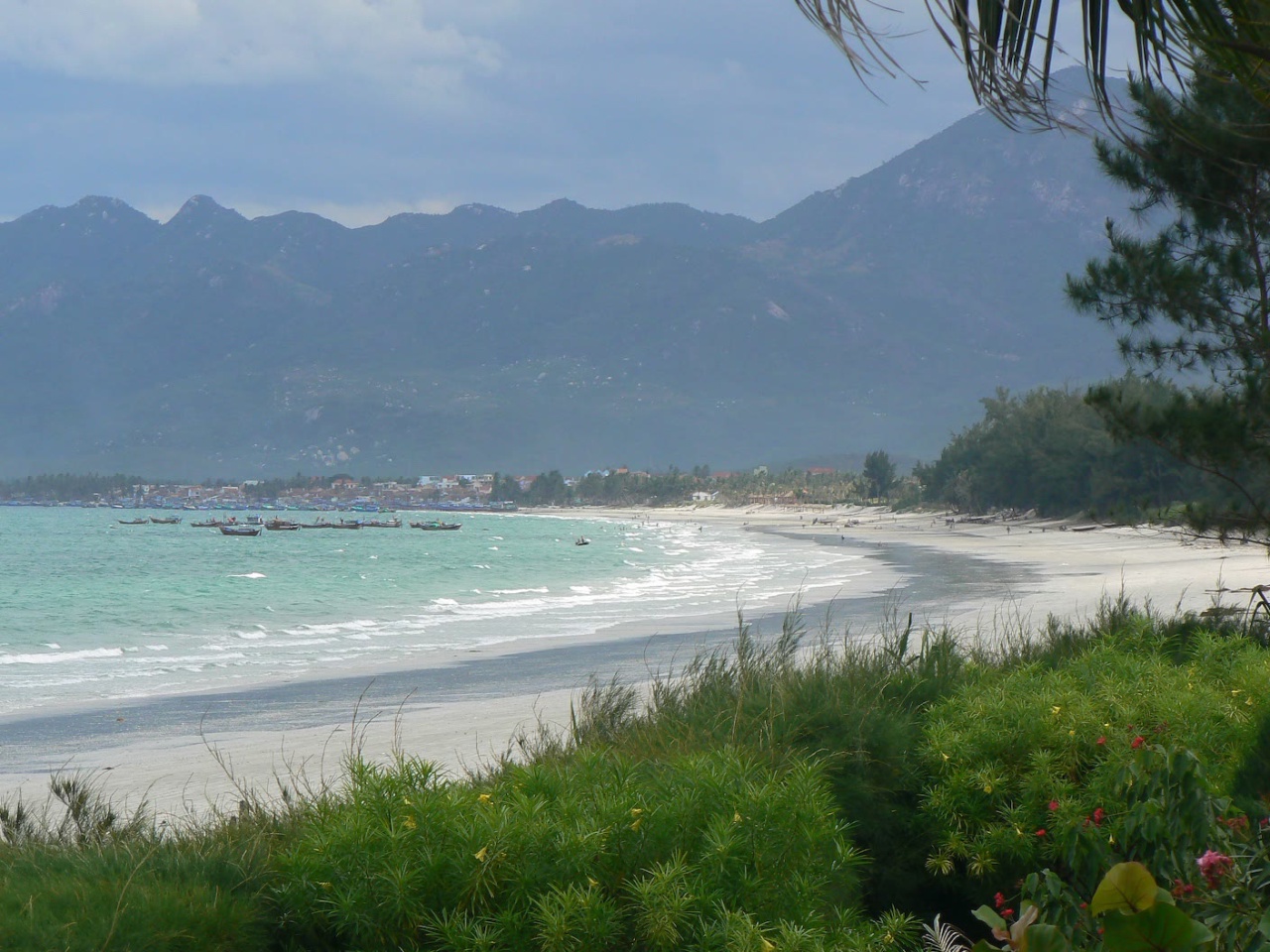
Vietnam's most popular beach city stretches along a sweeping crescent bay backed by green mountains and dotted with offshore islands.
Last updated: October 17, 2026
Photo: ntt / Wikimedia Commons, CC BY-SA 3.0
When to go
Climate and best time for Nha TrangBest months: January to August
- January: Great. 28 °C by day, 22 °C at night, 47 mm of rain
- February: Great. 28 °C by day, 22 °C at night, 18 mm of rain
- March: Great. 30 °C by day, 23 °C at night, 28 mm of rain
- April: Great. 32 °C by day, 25 °C at night, 36 mm of rain
- May: Great. 33 °C by day, 26 °C at night, 78 mm of rain
- June: Great. 33 °C by day, 26 °C at night, 45 mm of rain
- July: Great. 32 °C by day, 26 °C at night, 43 mm of rain
- August: Great. 32 °C by day, 26 °C at night, 56 mm of rain
- September: Good (a lot of rain). 32 °C by day, 25 °C at night, 132 mm of rain
- October: Mixed (a lot of rain). 30 °C by day, 24 °C at night, 258 mm of rain
- November: Poor (a lot of rain and typhoon risk). 29 °C by day, 24 °C at night, 242 mm of rain
- December: Good (a lot of rain). 27 °C by day, 23 °C at night, 174 mm of rain
- Great
- Good
- Mixed
- Poor
Contents
- 1. Orientation and Neighborhoods
- 1.1 Tran Phu Beachfront
- 1.2 Biet Thu and Hung Vuong Area
- 1.3 North Nha Trang
- 1.4 Vinpearl Island (Hon Tre)
- 1.5 Cam Ranh and Bai Dai Beach
- 2. Best Time to Visit
- 3. Getting There and Getting Around
- 3.1 Arriving
- 3.2 Getting Around
- 4. Top Sights and Experiences
- 4.1 Must-See Attractions
- 4.2 Lesser-Known Gems
- 4.3 Overrated Attractions
- 5. Food and Drink
- 5.1 Signature Dishes
- 5.2 Eating Neighborhoods
- 5.3 Price Ranges
- 6. Where to Stay
- 6.1 Budget (Under $15 per night)
- 6.2 Mid-Range ($20-60 per night)
- 6.3 Upscale ($80-250+ per night)
- 7. Practical Tips
- 8. Day Trips
- 8.1 Dalat (3-4 hours by car)
- 8.2 Diep Son Island Sandbar
- 8.3 Doc Let Beach (45 minutes north)
- 8.4 Ba Ho Waterfalls (25 kilometers north)
- 8.5 Ninh Van Bay
- 9. Sample 3-Day Itinerary
- 9.1 Day 1: City and Culture
- 9.2 Day 2: Islands and Water
- 9.3 Day 3: Beach and Day Trip
- 10. Budget Overview
- 11. Frequently Asked Questions
The first thing you notice about Nha Trang is the bay. Six kilometers of pale sand curve beneath a skyline of high-rise hotels, and beyond the surf, a scatter of rocky islands rises from water that shifts between jade green and deep blue depending on the hour. Fishing boats bob alongside speedboats heading to Vinpearl, and the warm, salty air carries the smell of grilling squid from the beachfront vendors.
Nha Trang is not a quiet escape. It is Vietnam's most developed beach resort city, complete with a thumping nightlife strip along Tran Phu, Russian-language menus in half the restaurants, and a theme park visible from shore. But look past the obvious and you find genuinely rewarding experiences: some of the best scuba diving in mainland Vietnam, a centuries-old Cham temple complex, mineral-rich mud baths, and a street-food scene that rivals cities twice its size.
The city works for a wide range of travelers. Budget backpackers cluster around the Biet Thu area, families head to the northern end of the beach or across to Vinpearl, and couples find romantic seafood dinners on the waterfront. Three days is the sweet spot for most visitors, though divers and beach lovers can easily stretch that to a week.
One honest caveat: Nha Trang's rapid development has left some stretches of the beachfront feeling overly commercialized, and the rainy season from October through December can bring rough seas and grey skies. Time your visit right and manage expectations about the vibe, and you will have a genuinely great time.
Orientation and Neighborhoods
Nha Trang is a coastal city in Khanh Hoa Province, roughly halfway between Ho Chi Minh City and Da Nang. The main action runs along Tran Phu, the oceanfront boulevard, which stretches about six kilometers from the Cham Towers in the north to the port area in the south. Most of what you need sits within a few blocks of this road.
Tran Phu Beachfront
The main tourist strip, lined with hotels, restaurants, and bars. This is where the Sailing Club, Skylight rooftop bar, and most nightlife venues sit. Staying here puts you steps from the sand but also in the noisiest part of town. Best for nightlife seekers and short stays.
Biet Thu and Hung Vuong Area
One block inland from Tran Phu, the streets around Biet Thu and Hung Vuong are the backpacker heartland. Budget guesthouses, affordable restaurants, dive shops, and tour agencies cluster here. It is walkable to the beach in two minutes but significantly cheaper and more local-feeling than the beachfront.
North Nha Trang
The area around Hon Chong promontory and the Po Nagar Cham Towers is quieter and more residential. A few mid-range resorts sit along the northern stretch of beach, and the vibe is noticeably calmer. Good for families or travelers who want proximity to cultural sights without the party noise.
Vinpearl Island (Hon Tre)
Connected to the mainland by a cable car, this island is home to VinWonders theme park and several Vinpearl resort properties. It is essentially a self-contained resort zone and best suited for families with kids or travelers who want an all-inclusive experience away from the city.
Cam Ranh and Bai Dai Beach
About 30 minutes south of the city center near the airport, the Bai Dai beach area has seen rapid luxury resort development. Several international hotel brands operate here. The beach is wider and less crowded than the city beach, but you will need a taxi or motorbike to reach restaurants and nightlife.
Things to Do
Offers are only loaded from GetYourGuide after you click. GetYourGuide can then process your IP address and set cookies. Privacy Policy
GetYourGuide partner offers. GoAsia may earn a commission if you book through these offers. Check whether tickets or transfers are included, and follow the attraction's official booking and admission rules.
Best Time to Visit
Nha Trang has a tropical climate moderated by its coastal position. Unlike much of southern Vietnam, it has a distinct dry season that makes timing your visit important.
| Season | Months | Weather | Crowds | Prices |
|---|---|---|---|---|
| Dry Season (Peak) | January - August | Hot and sunny, 28-34C, calm seas | High, especially Feb-Apr | Higher |
| Shoulder | September | Occasional rain, still warm | Moderate | Moderate |
| Rainy Season | October - December | Heavy rain, rough seas, possible typhoons | Low | Lowest |
The best months are generally February through May, when skies are clear, humidity is manageable, and the sea is calm enough for island hopping and diving. June through August is peak Vietnamese domestic tourism season, so expect crowded beaches on weekends.
Avoid late October through early December if possible. This is when Nha Trang gets the bulk of its annual rainfall, seas turn murky, and some island boat tours are canceled. The Tet holiday (Vietnamese New Year, usually late January or early February) brings festive energy but also surging prices and fully booked hotels.
Getting There and Getting Around
Nha Trang is well connected by air, rail, and road, making it easy to slot into a wider Vietnam itinerary.
Arriving
Cam Ranh International Airport (CXR) sits about 35 kilometers south of the city center. Airport shuttle buses run to the city for around $2-3 per person. Taxis cost roughly $15-20 and take 30-45 minutes depending on traffic. Grab (the regional ride-hailing app) works from the airport and is typically a few dollars cheaper than metered taxis.
The Reunification Express train stops at Nha Trang station, centrally located about one kilometer from the beach. Sleeper trains from Ho Chi Minh City take roughly 7-9 hours and cost around $15-30 depending on berth class. From Hanoi, expect around 25-30 hours. Open-tour buses from Dalat (around 4 hours), Hoi An (around 10-12 hours), and Ho Chi Minh City (around 9 hours) are budget-friendly options. You can check schedules and compare transport options on GoAsia.cc.
Getting Around
Central Nha Trang is compact enough to walk if you are staying near Tran Phu. For longer distances, Grab is the easiest option; a ride across the city center rarely exceeds $2-3. Motorbike taxis (xe om) are plentiful and cost even less. Renting a motorbike is common and costs around $5-8 per day, but traffic can be chaotic and insurance coverage is often nonexistent. A local bus system exists but routes are limited and signage is mostly in Vietnamese. For island trips and day tours, boats depart from Cau Da port at the southern end of the beach.
Top Sights and Experiences
Must-See Attractions
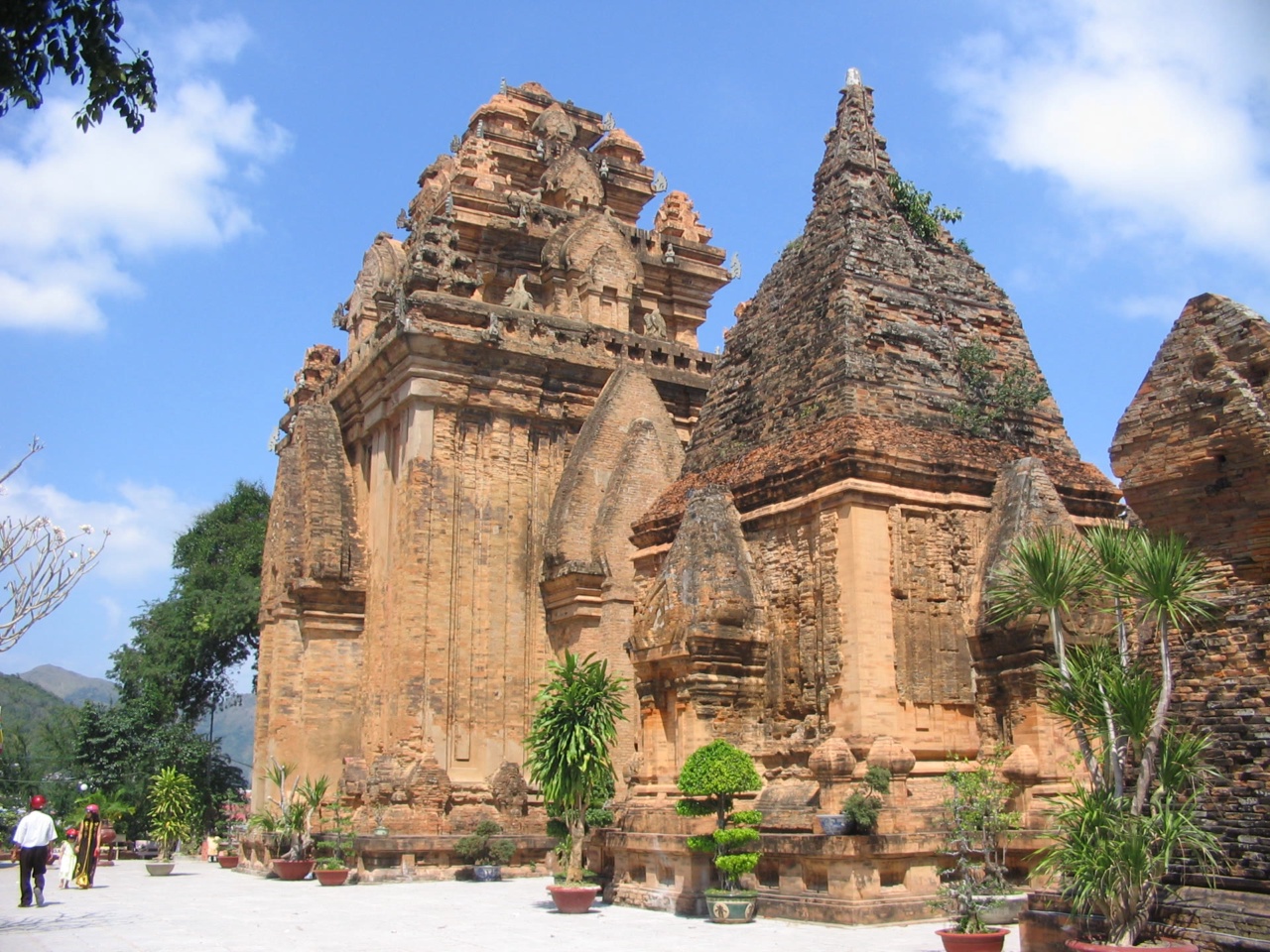
Po Nagar Cham Towers: This hilltop temple complex dates back to the 8th century and remains an active place of worship. Four brick towers survive, dedicated to the goddess Po Nagar. The site offers panoramic views over the Cai River and the city. Entry costs around $1. Visit early morning to avoid tour groups and midday heat. Allow 45 minutes to an hour.
Nha Trang Beach: The main city beach is genuinely beautiful, with clean sand maintained by daily crews and warm water most of the year. Sun loungers can be rented for a few dollars, and vendors sell fresh fruit and grilled corn. The southern stretch near Louisiane Brewhouse tends to be less crowded than the central section. Swimming is best from February to September when the sea is calm.
Scuba Diving and Snorkeling: Nha Trang is one of the best places in mainland Vietnam to dive. Visibility ranges from 10 to 25 meters depending on the season, and sites around Hon Mun island feature healthy coral gardens and abundant marine life including nudibranchs, moray eels, and occasional reef sharks. A two-dive fun-dive trip costs around $50-70. PADI Open Water certification courses run roughly $300-350. Several reputable dive shops operate from the Biet Thu area.
Thap Ba Hot Springs and Mud Baths: Soaking in warm mineral mud is a quintessential Nha Trang experience. Thap Ba is the original and most popular facility, located about 5 kilometers northwest of the city center. A basic mud bath package costs around $8-15 per person. The mineral pools and waterfall area are included. Go on a weekday morning to avoid crowds. I-Resort is a more upscale alternative with a nicer setting but higher prices (around $15-25).
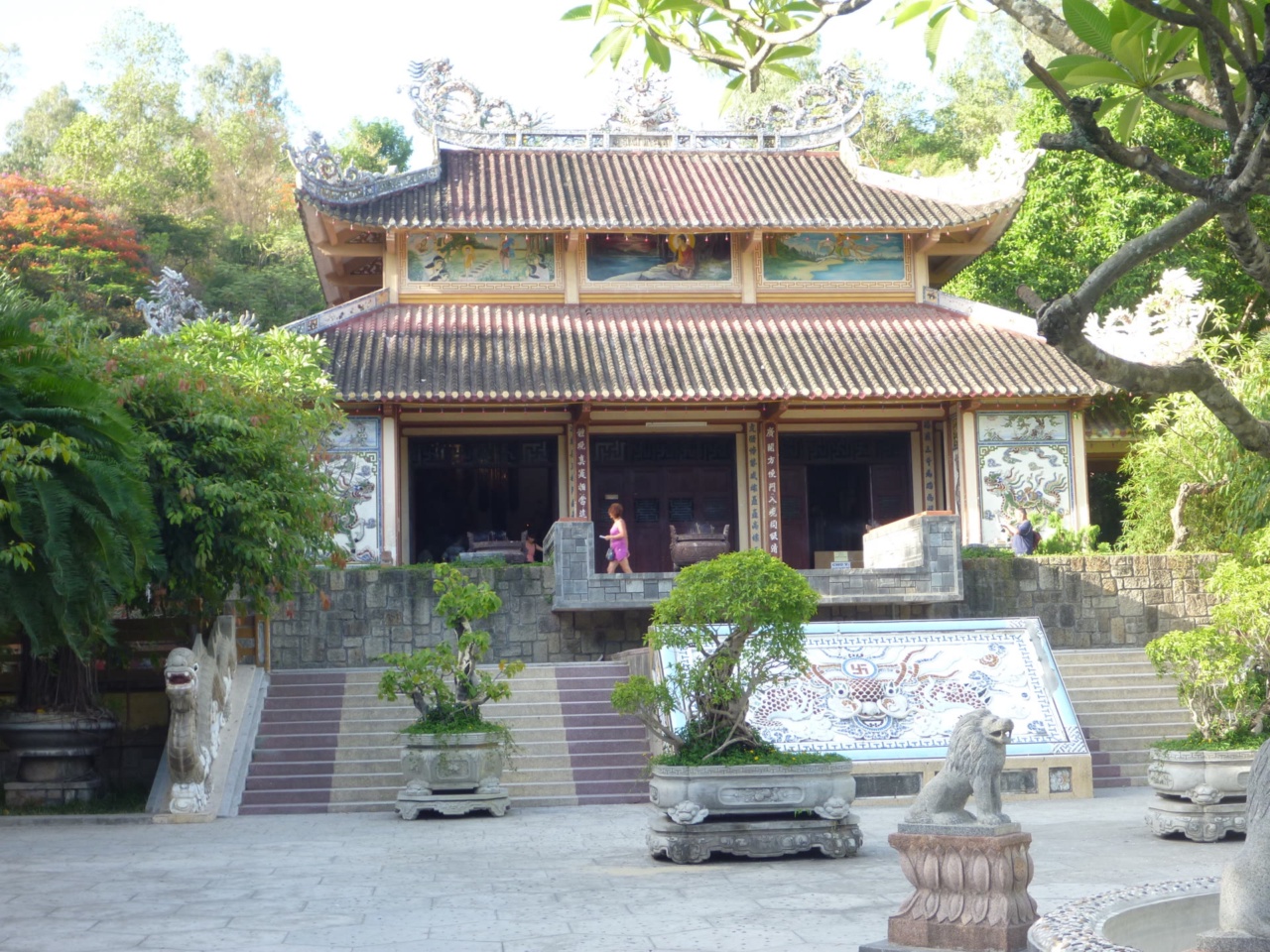
Long Son Pagoda: This Buddhist temple complex is notable for the massive white seated Buddha statue visible from much of the city. Climbing the 150-plus steps to the top rewards you with sweeping views. Entry is free. Beware of unofficial "guides" at the base who pressure visitors for tips. The temple itself, at the bottom of the hill, features beautiful mosaic dragon decorations.
Lesser-Known Gems
Dam Market (Cho Dam): This sprawling local market in the city center is where Nha Trang residents actually shop. The ground floor is packed with fresh seafood, tropical fruit, and spices. The upper floors sell clothing and household goods. Come hungry and try banh can (mini rice pancakes) from vendors near the market entrance. Mornings are busiest and most atmospheric.
Hon Khoi Salt Fields: About 50 kilometers north of Nha Trang, these salt flats are photogenic and rarely visited by tourists. Workers harvest salt in the early morning, and the reflections in the shallow water at sunrise are stunning. Best visited on a rented motorbike as part of a half-day trip.
Bai Dai Beach: If the city beach feels too crowded, ride 25 minutes south to this long, wide stretch of sand near the airport. Development is creeping in, but sections remain peaceful. A few beachside restaurants serve fresh seafood at reasonable prices.
Overrated Attractions
Four-Island Boat Tours: These budget group tours (around $8-12) are Nha Trang's most heavily promoted activity, and they are widely disappointing. Expect overcrowded boats, rushed stops, mediocre snorkeling in churned-up water, and a floating bar with blaring music. The "islands" are often just brief stops at tourist traps. If you want to visit islands, book a private or small-group trip to Hon Mun or the Diep Son sandbar instead.
VinWonders (Vinpearl Land): The cable car ride over the bay is genuinely scenic, but the theme park itself is overpriced (around $20-25 entry) and underwhelming compared to international standards. The aquarium is small, rides are dated, and the water park gets extremely crowded during Vietnamese holidays. Worth it only if you are traveling with young children who need a theme park fix.
Nha Trang Cathedral: Often listed as a top sight, this French-era stone church is pleasant but unremarkable. A quick look from the outside takes five minutes. Only visit if you happen to be passing by on the way to or from the train station.
Food and Drink
Nha Trang punches above its weight in the food department, thanks to abundant fresh seafood and several unique local specialties you will not find elsewhere in Vietnam.
Signature Dishes
| Dish | Description | Where to Try | Typical Price |
|---|---|---|---|
| Bun Ca | Fish noodle soup with tomato broth, dill, and fresh herbs - Nha Trang's signature breakfast | Local shops on Phan Chu Trinh or Le Thanh Ton streets | $1-2 |
| Banh Can | Mini rice flour pancakes cooked in clay molds, topped with egg, shrimp, or pork | Street stalls near Dam Market and Yersin Street | $1-2 for a set |
| Nem Nuong | Grilled pork sausage wrapped in rice paper with herbs and dipping sauce | Restaurants on Hoang Van Thu Street | $2-3 |
| Bun Sua | Jellyfish noodle soup - a unique Nha Trang specialty with chewy jellyfish strips | Local shops near the central market area | $1-2 |
| Fresh Seafood | Grilled lobster, steamed crab, garlic butter shrimp - all incredibly fresh | Seafood restaurants along Tran Phu or the night market area | $5-15 per dish |
Eating Neighborhoods
The streets around Dam Market are the best zone for authentic local food at local prices. Phan Chu Trinh, Le Thanh Ton, and Yersin streets all have excellent small restaurants and street stalls. For seafood, the beachfront restaurants along Tran Phu serve reliable if slightly tourist-priced meals. The small seafood restaurants clustered near the port area at the southern end of the beach tend to be cheaper and more local. A lively night market sets up near the Nha Trang Center shopping mall most evenings, offering grilled seafood skewers, banh xeo (crispy crepes), and fresh fruit smoothies.
Price Ranges
Street food and local restaurants serve filling meals for $1-3. A mid-range restaurant meal with seafood and a beer runs $5-12 per person. Upscale beachfront dining with cocktails will cost $15-30 per person. Fresh beer (bia hoi) is available at local spots for as little as $0.30-0.50 per glass. Craft cocktails at rooftop bars along Tran Phu typically cost $5-8.
One local tip: avoid the restaurants with aggressive touts standing outside on Tran Phu. Walk one or two blocks inland and you will find better food at half the price. Seafood restaurants should always have prices clearly marked or agreed upon before ordering, as overcharging tourists is a known issue.
Where to Stay
Budget (Under $15 per night)
The Biet Thu and Hung Vuong area has dozens of guesthouses and hostels. Dorm beds start around $4-6, and private rooms with air conditioning and hot water go for $8-15. This zone puts you within walking distance of the beach, dive shops, and cheap restaurants. Quality varies, so check recent reviews before booking.
Mid-Range ($20-60 per night)
Numerous three- and four-star hotels line Tran Phu and the streets just behind it. Expect clean rooms, pools, breakfast buffets, and beach views at the higher end of this range. The northern section of Tran Phu tends to offer better value than the central strip. Boutique hotels in the Nguyen Thien Thuat area offer style and personality at reasonable rates.
Upscale ($80-250+ per night)
Several international brands operate in Nha Trang and the Cam Ranh area. Beachfront five-star properties along Tran Phu offer convenient city access, while the luxury resorts near Bai Dai Beach south of the city provide a more secluded, resort-style experience with private beaches. The Vinpearl resorts on Hon Tre island are popular with families seeking an all-inclusive setup.
A unique option in the region is staying at one of the eco-lodges or homestays on the islands accessible by boat from Nha Trang, though availability is limited and advance booking is essential.
Practical Tips
Safety: Nha Trang is generally safe for tourists, but petty theft is common along the beachfront, especially at night. Keep phones and bags secure while walking on Tran Phu. Bag snatching by motorbike riders occurs occasionally. Do not leave valuables unattended on the beach.
- Scams to watch for: Taxi drivers who refuse to use meters or take long routes (use Grab instead). Seafood restaurants that charge inflated prices after the meal (always confirm prices before ordering). "Massage" touts on the beach who provide unsolicited services and then demand payment. Motorbike rental shops that claim damage you did not cause.
- Water safety: Pay attention to red flags on the beach indicating dangerous currents. Drownings occur every year, particularly during the rainy season when swells pick up. The undertow can be surprisingly strong even on calm-looking days.
Money: Cash is king in Nha Trang. ATMs are everywhere and dispense Vietnamese dong. Most budget and mid-range restaurants are cash only. Upscale hotels and some tourist-oriented restaurants accept cards. Tipping is not expected at local restaurants but appreciated at tourist-facing venues. A small tip of 20,000-50,000 VND (roughly $1-2) is generous for service staff.
SIM Cards and Internet: Buy a local SIM card at the airport or any phone shop in town for around $3-5, which typically includes several gigabytes of data. Viettel and Mobifone offer the best coverage. Wi-Fi is available at virtually every hotel and cafe.
Language: English is spoken at hotels, dive shops, and tourist restaurants, but beyond the tourist zone, very little English is understood. Having Google Translate downloaded with the Vietnamese language pack offline is extremely useful. Russian signage is common in many parts of the tourist strip due to the large Russian visitor demographic.
- Cultural tips: Remove shoes before entering temples and pagodas. Dress modestly at religious sites (cover shoulders and knees). When visiting Po Nagar, a sarong is provided if needed. Avoid public displays of anger or confrontation, which cause loss of face and make situations worse.
- Sun protection: The UV index in Nha Trang is intense. Sunburn happens fast, even on cloudy days. Bring reef-safe sunscreen from home, as local options are limited and expensive.
Day Trips
Dalat (3-4 hours by car)
Vietnam's highland retreat sits at 1,500 meters elevation and offers a dramatic change of scenery from the coast. Expect pine forests, flower gardens, French colonial architecture, and temperatures 10-15 degrees cooler than Nha Trang. The winding mountain road is spectacular. Dalat deserves at least an overnight stay rather than a rushed day trip, but a long day trip is possible if your time is limited. Buses cost around $5-8 each way.
Diep Son Island Sandbar
About two hours north of Nha Trang by car and then a short boat ride, this sandbar connecting two islands lets you walk across the sea. It is genuinely photogenic and less developed than the islands closer to Nha Trang. Tour operators offer day trips for around $25-35 including transport and lunch. Go on a clear day for the best experience.
Doc Let Beach (45 minutes north)
A long, quiet stretch of white sand that feels like what Nha Trang's beach might have been decades ago. A handful of simple resorts and seafood restaurants line the shore. Reachable by motorbike or taxi for around $15-20 each way. Worth a half-day trip if you want a more peaceful beach experience.
Ba Ho Waterfalls (25 kilometers north)
Three tiered waterfalls set in a forested gorge, requiring a moderate hike and some scrambling over rocks. The pools are swimmable during the dry season. Entry costs around $1. Bring water shoes and be prepared to get wet. The hike to the third and highest waterfall is the most rewarding but also the most challenging. Allow 2-3 hours for the full experience.
Ninh Van Bay
This secluded bay north of Nha Trang is accessible only by boat and home to a couple of high-end resorts. Day visitors can sometimes arrange boat trips to the area for snorkeling and beach time, though options are limited. It is primarily a destination for those willing to splurge on a luxury resort stay.
Sample 3-Day Itinerary
Day 1: City and Culture
Morning: Start with bun ca (fish noodle soup) at a local shop near the central market area. Head to Po Nagar Cham Towers early to beat the heat and crowds. Spend an hour exploring the temple complex and taking in the river views.
Afternoon: Visit Long Son Pagoda and climb to the white Buddha statue. Walk back through the city center and browse Dam Market for local snacks and souvenirs. Cool off with a sinh to (fresh fruit smoothie) from a street vendor.
Evening: Sunset drinks at a beachfront bar on Tran Phu. Dinner at a seafood restaurant - try grilled squid and garlic butter prawns. If you have energy, check out the Sailing Club or one of the bars on the strip.
Day 2: Islands and Water
Morning: Book a diving or snorkeling trip to Hon Mun Marine Protected Area through a reputable dive shop. Boats typically depart around 8am. Non-divers can snorkel the same sites.
Afternoon: Return from the islands by mid-afternoon. Head to Thap Ba Hot Springs for a mud bath soak. The warm mineral pools are perfect for tired muscles after a morning in the water.
Evening: Explore the night market for grilled seafood skewers and banh can. Walk along the illuminated beachfront promenade.
Day 3: Beach and Day Trip
Morning: Early breakfast, then ride to Ba Ho Waterfalls for a morning hike and swim. The falls are least crowded before 10am.
Afternoon: Return to Nha Trang and spend the afternoon on the beach. Rent a lounger, swim, and relax. Try nem nuong (grilled pork sausage wraps) for a late lunch at a local restaurant.
Evening: Final dinner at a restaurant you spotted earlier in the trip. Pick up last-minute souvenirs at the night market or enjoy a farewell cocktail at a rooftop bar with bay views.
Budget Overview
| Category | Budget | Mid-Range | Comfort |
|---|---|---|---|
| Accommodation | $5-10 | $25-50 | $80-150 |
| Food | $5-8 | $12-20 | $25-40 |
| Transport | $2-4 | $5-10 | $10-20 |
| Activities | $5-10 | $20-40 | $50-80 |
| Daily Total | $17-32 | $62-120 | $165-290 |
Nha Trang remains one of Vietnam's more affordable beach destinations, though prices along the main tourist strip are notably higher than what you will find a block or two inland. Budget travelers who eat local food, stay in guesthouses, and skip the pricier island tours can get by comfortably on $25-30 per day. Mid-range travelers who want a hotel with a pool, a mix of local and tourist restaurants, and a dive trip should budget around $70-100 daily. Comfort travelers staying at beachfront hotels with spa treatments and upscale dining will spend $150-250 or more.
Frequently Asked Questions
Is Nha Trang worth visiting?
Yes, especially if you enjoy beach cities with good food and water activities. Nha Trang offers some of the best scuba diving in mainland Vietnam, unique local dishes like bun ca and banh can, and a beautiful bay setting. It is more commercialized than quieter Vietnamese beach towns like Quy Nhon or Phu Yen, so set expectations accordingly.
How many days do you need in Nha Trang?
Three days is ideal for most visitors, giving you time to explore the city sights, do an island or diving trip, and enjoy the beach and food scene. Divers or those wanting a relaxed pace could easily spend five to seven days. A single day feels rushed and does not do the city justice.
Is Nha Trang safe for tourists?
Generally safe, but petty theft and bag snatching along the beachfront are the main concerns, particularly after dark. Use Grab instead of random taxis to avoid scams, confirm seafood prices before ordering, and keep valuables secure. Pay attention to beach warning flags, as strong currents cause drownings each year.
What is the best time to visit Nha Trang?
February through May offers the best combination of clear skies, calm seas, and manageable crowds. Avoid October through December when heavy rains and rough seas can spoil beach plans and cancel boat tours. June through August is hot and sunny but crowded with domestic tourists.
What food is Nha Trang famous for?
Nha Trang is known for bun ca (fish noodle soup), banh can (mini rice pancakes), nem nuong (grilled pork sausage wraps), and bun sua (jellyfish noodle soup). Fresh seafood is exceptional and affordable, with grilled lobster, crab, and prawns available at beachfront restaurants and night markets.
Is Nha Trang expensive?
By Vietnamese standards, Nha Trang is moderately priced. Budget travelers can manage on $25-30 per day eating local food and staying in guesthouses. Prices along the main tourist strip on Tran Phu are inflated compared to side streets, so walking a block or two inland saves significant money on food and drinks.
Can you drink tap water in Nha Trang?
No, tap water is not safe to drink anywhere in Vietnam. Stick to bottled or filtered water, which is cheap and available everywhere. Most hotels provide free bottled water daily. Ice in tourist restaurants is generally safe as it is made from purified water, but use caution at very basic street stalls.
How do I get from Cam Ranh Airport to Nha Trang city center?
The airport is about 35 kilometers south of the city. Airport shuttle buses cost around $2-3 per person and drop off at a central point. Taxis run roughly $15-20, while Grab rides are typically a few dollars cheaper. The journey takes 30-45 minutes depending on traffic.
Is the four-island boat tour worth it?
The budget group tours are generally disappointing, with overcrowded boats, rushed stops, and mediocre snorkeling. If you want to visit the islands, book a private or small-group trip to Hon Mun for better snorkeling, or spend the money on a proper dive trip instead. The cheap price tag reflects the low quality.
Is English widely spoken in Nha Trang?
English is spoken at hotels, dive shops, and tourist-facing restaurants, but very little beyond the tourist zone. Russian signage is surprisingly common due to the large Russian visitor demographic. Download Google Translate with the Vietnamese language pack for offline use, as it will be invaluable for communicating at local restaurants and markets.
Latest News
1/1
Routes
🗺️ Getting Around Nha Trang - Local Transport Guide
→ Routes from Nha Trang (14)