
Photo: ntt / Wikimedia Commons, CC BY-SA 3.0
Contents
- 1. Getting Around Nha Trang on Foot
- 2. Getting Around Nha Trang by Grab
- 2.1 GrabCar
- 2.2 GrabBike
- 3. Getting Around Nha Trang by Taxi
- 4. Getting Around Nha Trang by Motorbike Rental
- 5. Getting Around Nha Trang by Cyclo and Electric Buggy
- 6. Getting Around Nha Trang by Public Bus
- 7. Getting Around Nha Trang by Boat and Ferry
- 8. Comparing Your Options
- 9. Practical Tips for Getting Around Nha Trang
- 10. Popular Routes and Destinations
- 11. Frequently Asked Questions
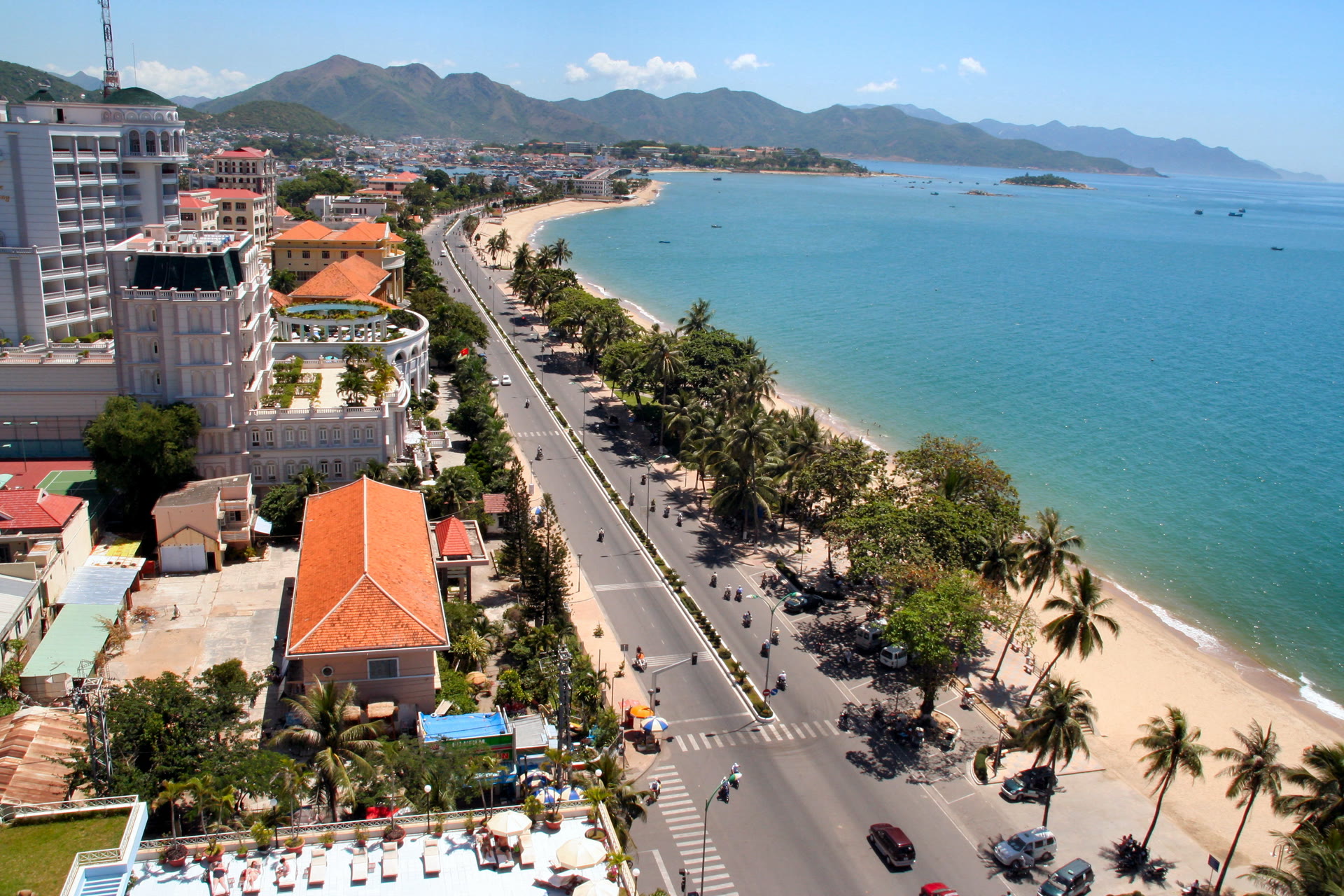
Nha Trang stretches in a long, lazy ribbon along one of Vietnam's most famous bays, and that shape defines how you move through it. The action concentrates on Tran Phu, the wide beachfront boulevard, where high-rise hotels, seafood restaurants, and the long curve of palm-lined sand sit within a few hundred meters of one another. For many travelers, the first surprise is how compact the tourist core actually is.
Step off the beach and the energy shifts. The grid of streets behind Tran Phu hums with motorbikes weaving past each other, vendors selling banh mi from carts, and the constant low whine of two-stroke engines. The city is flat, the climate warm, and the distances modest, which means walking and motorbikes dominate daily life. There is no metro and no tram here. Instead, you choose between your own two feet, the back of a scooter, a metered taxi, or an app on your phone.
The good news is that almost everything a visitor wants is clustered together, and the things that are not, like the airport or the islands, are easy enough to reach with a bit of planning. Below is a breakdown of every realistic way to get from point A to point B in Nha Trang.
Getting Around Nha Trang on Foot
The beach strip is genuinely walkable, and it is often the smartest way to cover short distances. Tran Phu runs for several kilometers with a generous pedestrian promenade on the sea side, lined with parks, exercise stations, and shade trees. Most hotels, dive shops, restaurants, and bars in the tourist zone are within a fifteen to twenty minute stroll of each other.
Crossing the road is the main challenge. Vietnamese traffic does not stop for pedestrians the way it does in the West. The technique is to walk at a steady, predictable pace and let the motorbikes flow around you. Do not stop suddenly or sprint. Early mornings and evenings are pleasant for walking; midday heat and humidity can be brutal, so plan longer walks for cooler hours.
Walking costs nothing and lets you stumble onto street food stalls and small cafes you would otherwise zoom past. For anything beyond a couple of kilometers, though, you will want wheels.
Getting Around Nha Trang by Grab
Grab is the single most useful tool for getting around Nha Trang, and downloading it before you arrive will save you stress and money. The app works for both cars (GrabCar) and motorbike taxis (GrabBike), with the price fixed and shown upfront so there is no haggling or risk of being overcharged.
GrabCar
GrabCar is your air-conditioned, fixed-fare option for trips across town, to the airport, or when you have luggage or family in tow. Short hops within the tourist area typically cost roughly $2 to $4, while a longer cross-town ride runs around $5 to $8. The cars are usually clean and comfortable, and you can pay in cash or link a card in the app.
GrabBike
For solo travelers in a hurry, GrabBike is cheap and quick. A motorbike taxi ride within the city center often costs around $1 to $2 and slices through traffic far faster than a car. Your driver provides a helmet. It is not for everyone, but it is the local way and an easy way to experience the city's rhythm. You can compare these options against taxis and transfers on GoAsia.cc before you commit.
Getting Around Nha Trang by Taxi
Metered taxis are everywhere, and the two reputable companies are Mai Linh (green cars) and Vinasun. Both use meters that start at roughly $0.50 to $0.70 and tick up per kilometer. A short trip across the tourist zone usually lands around $2 to $4.
The catch is that not every taxi is honest. Some unbranded cabs use rigged meters that run fast, or refuse to use the meter at all. Stick to clearly marked Mai Linh and Vinasun vehicles, insist the meter is running before you set off, and have your destination written down or pinned on a map. When in doubt, Grab removes the guesswork entirely because the fare is locked in advance.
Getting Around Nha Trang by Motorbike Rental
Renting your own scooter is the classic way to explore Nha Trang and the surrounding coast at your own pace. Rentals typically cost around $5 to $8 per day, with cheaper rates for weekly hire. Many hotels and dedicated rental shops along the backstreets will arrange one within minutes.
Before you ride, understand the rules and risks. Technically you need a valid Vietnamese or international license that covers motorbikes, and police do conduct checks. Always wear the helmet, drive defensively, and avoid riding at night on unlit roads. Traffic is chaotic but moves slowly in town. If you have never ridden a scooter, Nha Trang is not the place to learn during rush hour. Riding out to the cape, up to the Po Nagar towers, or along the coastal road south is genuinely rewarding for confident riders.
Getting Around Nha Trang by Cyclo and Electric Buggy
Cyclos, the three-wheeled bicycle rickshaws where you sit up front while the driver pedals behind, still operate along the beachfront, mostly as a tourist experience rather than practical transport. They are slow and best enjoyed as a leisurely sightseeing loop. Always agree the price before getting in, expect to pay roughly $4 to $8 for a short tour, and be firm because overcharging is common.
You will also spot electric buggies and small open-sided electric shuttles cruising the tourist strip. These are handy for short hops and tend to charge a fixed, modest fare. They are a pleasant, breezy way to cover Tran Phu without effort.
Getting Around Nha Trang by Public Bus
Nha Trang has a local bus network that is cheap but rarely used by tourists. Fares are typically under $0.50, paid in cash to the conductor. Route 4 is the one travelers find most useful, as it runs along Tran Phu and connects the beach with the central market and longer-distance bus stations. Buses are basic, can be crowded, and stops are not always clearly marked, so this option suits budget travelers with patience and time rather than anyone in a hurry.
Getting Around Nha Trang by Boat and Ferry
Much of Nha Trang's appeal lies offshore among the islands of the bay, so boats are part of the local transport mix. Tour boats and ferries depart from the Cau Da pier and the harbor area in the south of the city, heading to spots like Hon Mun, Hon Tam, and the resort islands. Ferry crossings run roughly $5 to $21 depending on the boat and destination, with journey times from about 30 minutes up to a couple of hours for longer routes. The VinWonders cable car to Hon Tre island is a popular alternative, offering a scenic crossing high above the water.
Comparing Your Options
| Mode | Typical Cost | Duration | Best For |
|---|---|---|---|
| Walking | Free | Varies | Short hops along the beach strip |
| GrabBike | Around $1-2 | 5-15 min | Solo trips, beating traffic cheaply |
| GrabCar | Around $2-8 | 10-25 min | Groups, luggage, air-con comfort |
| Metered taxi | Around $2-4 in town | 10-25 min | When no app signal, families |
| Motorbike rental | Around $5-8 per day | Full day | Independent exploring of the coast |
| Cyclo | Around $4-8 | 20-40 min | Leisurely sightseeing |
| Public bus | Under $0.50 | Varies | Budget travel, no rush |
| Ferry / boat | $5-21 | 30 min-2h 30min | Reaching the islands |
Practical Tips for Getting Around Nha Trang
A little preparation goes a long way in keeping your transport smooth and your wallet intact.
- Download Grab before you arrive. It is the most reliable way to get fair prices for both cars and motorbikes, and it removes any negotiation. A working SIM or eSIM with data makes it seamless.
- Carry small cash. Vietnamese dong notes in small denominations are essential for taxis, buses, and cyclos. Many drivers cannot break large notes, so keep a stash of smaller bills.
- Use Mai Linh or Vinasun for street taxis. These branded green and white cabs run honest meters. Avoid generic cabs lurking outside clubs and tourist spots.
- Pin your destination on a map. Show the driver the location on your phone or a written address. English is limited outside the main hotels, so visual confirmation prevents confusion.
- Mind rush hour. Traffic thickens around 7 to 8am and again from 5 to 7pm, especially near the Dam Market and along the main inland roads. Motorbikes still flow, but cars crawl.
- Always agree cyclo and buggy fares first. Confirm the price and whether it is per person or total before you sit down.
- At night, favor Grab or branded taxis. The beachfront stays lively late, but quieter inland streets are best crossed with a known ride rather than walking long distances alone.
Russian and Korean tourists make up a large share of visitors here, so you will often see menus and signs in those languages alongside Vietnamese. A few words of Vietnamese, like cam on for thank you, go down well with drivers and vendors.
Popular Routes and Destinations
The most important journey for most visitors is to and from Cam Ranh International Airport, which sits well to the south of the city, around 35 to 40 kilometers away.
- Nha Trang to Cam Ranh airport: A private transfer costs between $11 and $44 depending on vehicle type, taking around 35 minutes to 1 hour. Booking a transfer in advance is the most hassle-free option, especially after a long flight.
- Cam Ranh airport to Nha Trang: The same transfer in reverse runs $11 to $44 with a 35 minute to 1 hour journey. Pre-booking avoids haggling with drivers at arrivals.
- Reaching the Khanh Hoa area and beyond: Buses connecting to the wider Khanh Hoa region start from around $25, while private transfers run between $16 and $33 for a roughly 30 minute trip, giving you a faster door to door option.
- Island trips: Ferries from the harbor to the bay's islands cost between $5 and $21, with crossings from 30 minutes up to 2 hours 30 minutes depending on how far out you go.
For trips within the city core, such as the beach to the Po Nagar Cham Towers or the night market, a GrabBike or GrabCar is almost always the quickest and most economical choice.
Frequently Asked Questions
Use this guide to compare local transport in Nha Trang. When bookable tickets are available, the booking tool shows current options and prices.
For most travelers, Grab is the best all-round option, offering fixed fares on both cars and motorbikes with no haggling. The tourist core along Tran Phu is also very walkable, and confident riders can rent a scooter for around $5 to $8 a day to explore independently.
Local transport is inexpensive. A GrabBike ride in town runs around $1 to $2, a GrabCar trip roughly $2 to $8, and metered taxis around $2 to $4 for short hops. Public buses cost under $0.50, and motorbike rentals are about $5 to $8 per day.
Yes, Nha Trang is generally safe for getting around day and night. Stick to branded Mai Linh or Vinasun taxis and Grab to avoid overcharging, wear a helmet on any motorbike, and use a known ride rather than walking long distances on quiet inland streets late at night.
Yes, Grab operates throughout Nha Trang and is the most reliable app for both cars and motorbike taxis. Fares are shown upfront, and you can pay in cash or with a linked card, which makes it far easier than negotiating with street drivers.
The tourist core is very walkable, with most hotels, restaurants, and the beach promenade within a fifteen to twenty minute stroll of each other. The main challenge is crossing busy roads, so walk at a steady, predictable pace and let motorbikes flow around you.
Cam Ranh International Airport is about 35 to 40 kilometers south of the city. A private transfer costs between $11 and $44 depending on the vehicle and takes around 35 minutes to 1 hour. Pre-booking a transfer is the most stress-free way to reach your hotel after landing.
Renting a scooter is a great way to explore the coast at your own pace for around $5 to $8 a day, but only if you are an experienced rider. You technically need a valid license, should always wear the helmet, and should avoid learning to ride in the chaotic local traffic.
Guide prices and journey times are indicative, not live quotes. A booked package may include transfers and waiting time as well as the main journey. Check the selected offer, pickup point and current conditions before booking.