My Son Sanctuary: Vietnam's Ancient Champa Temple Ruins

My Son Sanctuary: Vietnam's Ancient Champa Temple Ruins

Last updated: March 18, 2026

Hidden in a narrow valley surrounded by forested mountains in central Vietnam, My Son Sanctuary holds the remains of a civilization most travelers have never heard of. The Champa Kingdom ruled much of coastal Southeast Asia for nearly a thousand years, and this was their spiritual heart - a complex of Hindu temples built between the 4th and 13th centuries that rival Angkor Wat in historical significance, if not in scale.

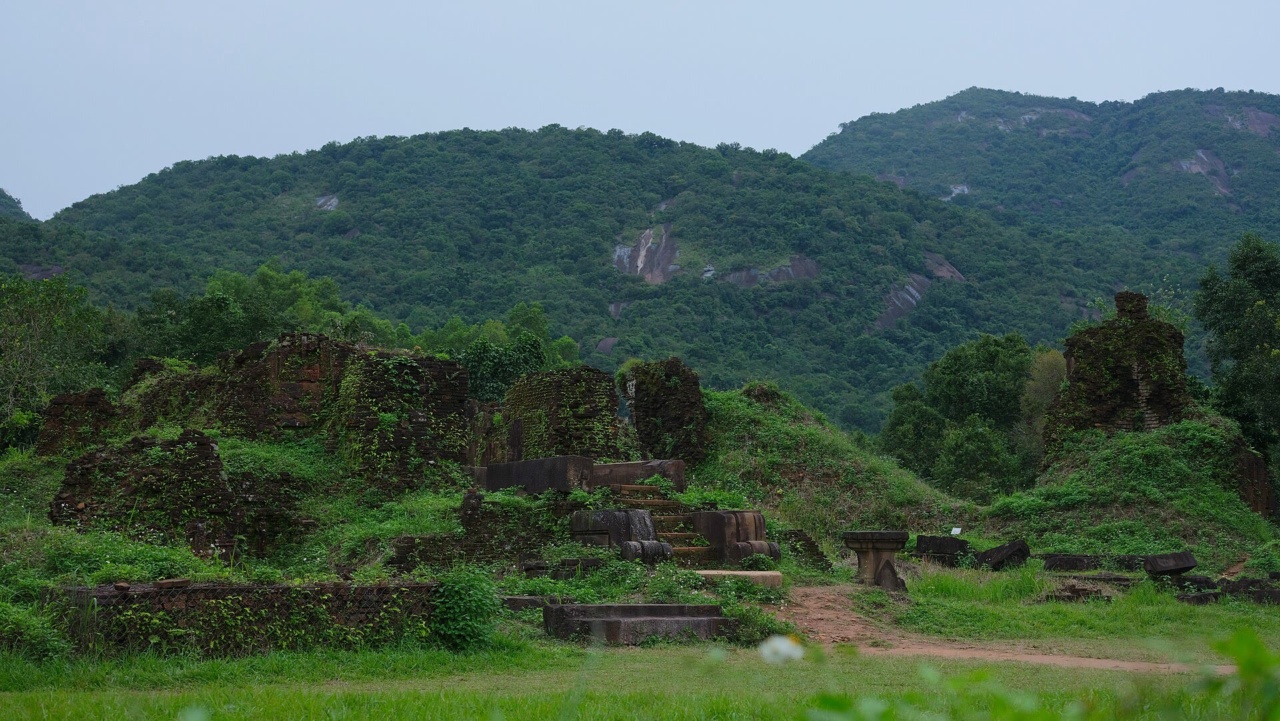
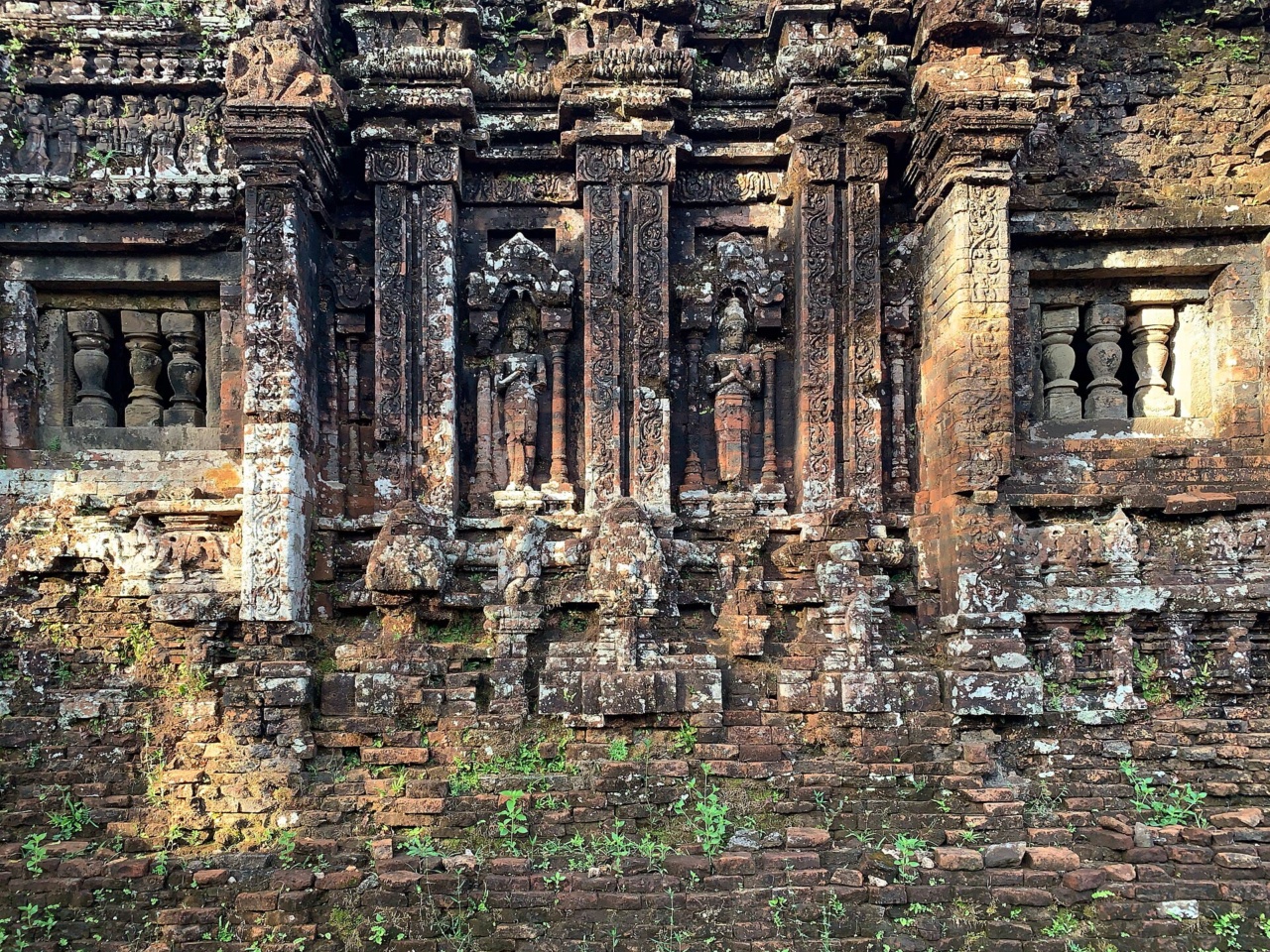
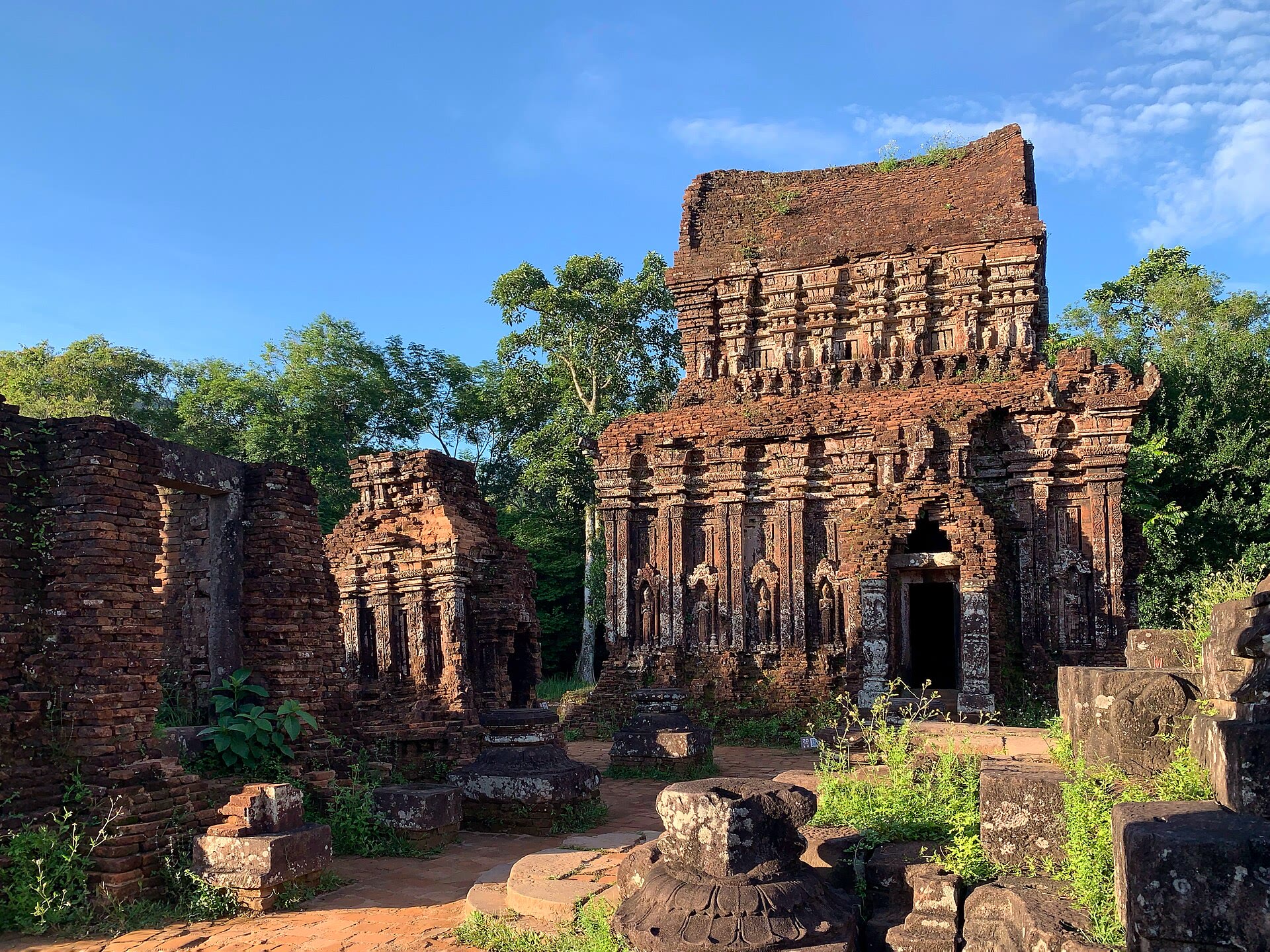
What makes My Son remarkable is not just its age but its mystery. The Cham builders used fired red bricks fitted so precisely that no mortar was needed, and to this day, nobody has fully explained how they achieved this. Of the original 71 temples arranged in eight clusters across two kilometers of jungle, roughly 20 survive - damaged by centuries of weather, war, and American bombing during the Vietnam War. What remains is hauntingly beautiful, a place where carved sandstone deities peer out from crumbling brick towers half-consumed by tropical vegetation.

My Son sits about 40 kilometers southwest of Da Nang and 55 kilometers from Hoi An, making it an easy half-day or full-day trip from either city. A visit here pairs perfectly with a stay in Hoi An's ancient town, giving you a deeper understanding of the layered history that defines central Vietnam.

A Brief History of the Champa Kingdom at My Son

The Champa Kingdom was a collection of Hindu principalities that controlled much of what is now central and southern Vietnam from roughly the 2nd century onward. My Son became their most important religious center under King Bhadravarman I, who began construction around 380 CE. He dedicated the first temple to the Hindu god Shiva, establishing a tradition that continued for over eight centuries as successive kings added their own towers, sanctuaries, and monuments.

At its peak, My Son served as both a religious capital and royal burial ground. The temples were not residential - they were places of worship where kings came to seek divine favor and perform elaborate Hindu rituals. Each cluster of buildings typically included a main tower (kalan) housing the deity, a gate tower (gopura), and auxiliary buildings for storing ritual objects.

The site was abandoned in the 15th century after the Champa Kingdom lost its northern territories to the Vietnamese Dai Viet dynasty. The jungle reclaimed the temples, and My Son remained largely forgotten until French archaeologists rediscovered it in the late 19th century. UNESCO designated it a World Heritage Site in recognition of its outstanding cultural significance as the longest-inhabited archaeological site in Southeast Asia.

Things to Do

What to See at My Son Sanctuary

The surviving temples are organized into lettered groups (A through H), though not all are equally accessible or well-preserved. Budget at least two to three hours to explore the main clusters thoroughly.

Group B, C, and D - The Heart of the Complex

This is where most visitors spend the majority of their time, and for good reason. Group B contains the oldest surviving structures, including the main sanctuary (B1) that once housed a sacred linga and yoni - symbols of Shiva. The intricate carvings on the remaining walls show elephants, dancers, and mythological scenes with remarkable detail for structures over a millennium old.

Group C sits adjacent and features a beautifully carved entrance with sandstone pilasters. Group D, which originally served as meditation halls, now houses a small on-site exhibition of Cham sculptures and artifacts recovered from the ruins.

Group A - The Tragic Loss

Group A once contained the most impressive tower at My Son, standing over 24 meters tall. It was considered a masterpiece of Cham architecture until American B-52 bombing destroyed it during the Vietnam War. Today, only the foundation and scattered bricks remain, but the sheer scale of the base gives a sense of what was lost. A large bomb crater next to the ruins serves as a sobering reminder.

Group E, F, G, and H

These more remote clusters see fewer visitors and reward those willing to walk a bit farther. The structures here date from various periods, and while less intact, they offer a quieter atmosphere and a stronger sense of discovery. The jungle presses in closely around these temples, creating photogenic contrasts between weathered brick and lush green vegetation.

The Museum

Before heading to the ruins, stop at the small museum near the entrance. It provides essential context about Cham history, religion, and building techniques through photographs, diagrams, and artifact displays. The museum closes 30 minutes before the main site, so visit it first.

Traditional Cham Dance Performances

Daily performances of traditional Cham dances take place at a covered stage near the temple groups. Dancers perform Shiva dances, Apsara dances, fan dances, and water dances accompanied by traditional music. The performances run for about 20 minutes and offer a living connection to the culture that built these temples.

Getting to My Son Sanctuary

Most visitors reach My Son from either Hoi An or Da Nang. Several options exist depending on your budget and preferences.

OptionFrom Hoi AnFrom Da NangCost (approx.)
Guided group tour55 km, ~1.5 hours40 km, ~1 hour$10-20 per person
Private car/driver55 km, ~1.5 hours40 km, ~1 hour$30-50 round trip
Motorbike rental55 km, ~1.5 hours40 km, ~1 hour$5-8 per day (rental only)
Boat + bus comboVia Thu Bon RiverNot available$15-25 per person

The boat and bus combo from Hoi An is worth considering: you travel upstream along the Thu Bon River by boat, visit the temples, and return by minibus (or vice versa). It takes longer but adds scenic value and variety to the trip. Many tour operators in Hoi An offer this as a sunrise or morning departure.

If riding a motorbike, the road from Hoi An is straightforward and runs through pleasant countryside with rice paddies and small villages. Free parking is available at the site entrance.

Entrance Fees and Practical Details

DetailInformation
Opening hoursDaily, 6:00 AM - 5:00 PM
Foreign visitor ticket150,000 VND (~$6)
Vietnamese national ticket100,000 VND (~$4)
Children (5-15)30,000 VND (~$1)
Children under 5Free
Audio guide app70,000 VND (~$3)
Headphone rental50,000 VND (~$2)
Suggested visit duration2-3 hours

The audio guide is a downloadable app called "Di tich My Son" available for both iOS and Android. It provides detailed commentary at numbered stops throughout the site and is well worth the small fee, especially if visiting independently without a guide.

Best Time to Visit My Son

Central Vietnam has a distinct weather pattern compared to the north and south. The dry season runs from February through August, with March to May offering the most comfortable conditions - warm but not yet scorching. The rainy season peaks between October and December, when heavy downpours can make trails muddy and slippery.

Regardless of season, arrive as early as possible. The gates open at 6:00 AM, and the first tour buses from Hoi An typically arrive around 9:00 AM. Visiting between 6:00 and 8:30 AM gives you the temples nearly to yourself, with softer light for photography and cooler temperatures for walking. By mid-morning, the site fills with tour groups and the heat becomes intense - there is very little shade among the ruins.

Avoid visiting during Tet (Lunar New Year, typically late January or early February) when domestic tourism peaks and the site becomes crowded.

Tips for Visiting My Son Sanctuary

My Son is not a difficult site to visit, but a few preparations make a significant difference in your experience.

  • Wear proper footwear. The paths between temple groups are uneven, with exposed roots and loose bricks. Sandals work in dry conditions, but proper walking shoes are better, especially after rain.
  • Bring water and sun protection. There are no drink vendors among the temple ruins themselves, only near the entrance. A hat and sunscreen are essential - the exposed brick areas get extremely hot by late morning.
  • Download the audio guide before arriving. Mobile signal at the site can be weak. Download the "Di tich My Son" app and its content while you still have good connectivity in Hoi An or Da Nang.
  • Dress respectfully. While My Son is primarily a historical site rather than an active place of worship, covering shoulders and knees shows respect for the sacred nature of the temples.
  • Watch for unexploded ordnance warnings. Some areas of the site remain off-limits due to uncleared wartime munitions. Stay on marked paths and never venture beyond roped-off areas.
  • Combine with Hoi An. My Son and Hoi An's ancient town complement each other perfectly. The Cham connection runs deep in this region, and the Museum of Cham Sculpture in Da Nang holds many of the finest artifacts excavated from My Son.
  • Consider a private guide. The ruins can feel like anonymous piles of brick without context. A knowledgeable guide brings the site alive with stories about Cham kings, Hindu mythology, and the detective work of archaeologists piecing together the history.

For more travel tips on exploring Vietnam's central coast and other destinations across the region, check out GoAsia.cc for detailed guides and practical information.

Frequently Asked Questions

What is My Son Sanctuary and why is it significant?

My Son Sanctuary is a UNESCO World Heritage Site containing the ruins of Hindu temples built by the Champa Kingdom between the 4th and 13th centuries. Located in central Vietnam, it served as the religious and political capital of the Cham civilization and represents the longest-inhabited archaeological site in Southeast Asia.

How much does it cost to visit My Son Sanctuary?

Foreign visitors pay 150,000 VND (approximately $6) for entrance. Vietnamese nationals pay 100,000 VND, and children aged 5-15 pay 30,000 VND. Children under 5 enter free. An optional audio guide app costs an additional 70,000 VND.

How do I get to My Son Sanctuary from Hoi An or Da Nang?

From Hoi An, My Son is about 55 km (1.5 hours by road). From Da Nang, it is roughly 40 km (1 hour). Options include guided group tours ($10-20), private cars ($30-50 round trip), motorbike rental ($5-8 per day), or a scenic boat-and-bus combination from Hoi An ($15-25).

How long should I spend at My Son Sanctuary?

Plan for two to three hours to comfortably explore the main temple groups, visit the museum, and watch the traditional Cham dance performance. If you want to explore the more remote clusters (Groups E through H), add another hour.

What is the best time of day to visit My Son?

Arrive as early as possible, ideally when the gates open at 6:00 AM. Tour buses from Hoi An start arriving around 9:00 AM, and by mid-morning the site is crowded and very hot. Early visitors enjoy cooler temperatures, better photography light, and a more atmospheric experience.

Is My Son Sanctuary worth visiting compared to Angkor Wat?

My Son is much smaller than Angkor Wat and should not be compared on scale. Its value lies in representing a completely different civilization - the Hindu Champa Kingdom - with unique brick construction techniques. It is a meaningful half-day trip from Hoi An, not a multi-day destination like the Angkor complex.

Are there any safety concerns at My Son Sanctuary?

Some areas remain off-limits due to uncleared wartime ordnance from American bombing during the Vietnam War. Always stay on marked paths and respect roped-off zones. The walking terrain is also uneven, so appropriate footwear is recommended.

Can I visit My Son Sanctuary independently without a tour?

Absolutely. You can ride a motorbike or hire a private car. The audio guide app provides detailed commentary at numbered stops. However, a guided tour adds valuable historical context that enhances the experience, especially for first-time visitors unfamiliar with Cham history.