Hue Imperial Citadel: Exploring Vietnam's Forbidden City

Hue Imperial Citadel: Exploring Vietnam's Forbidden City

Last updated: March 16, 2026

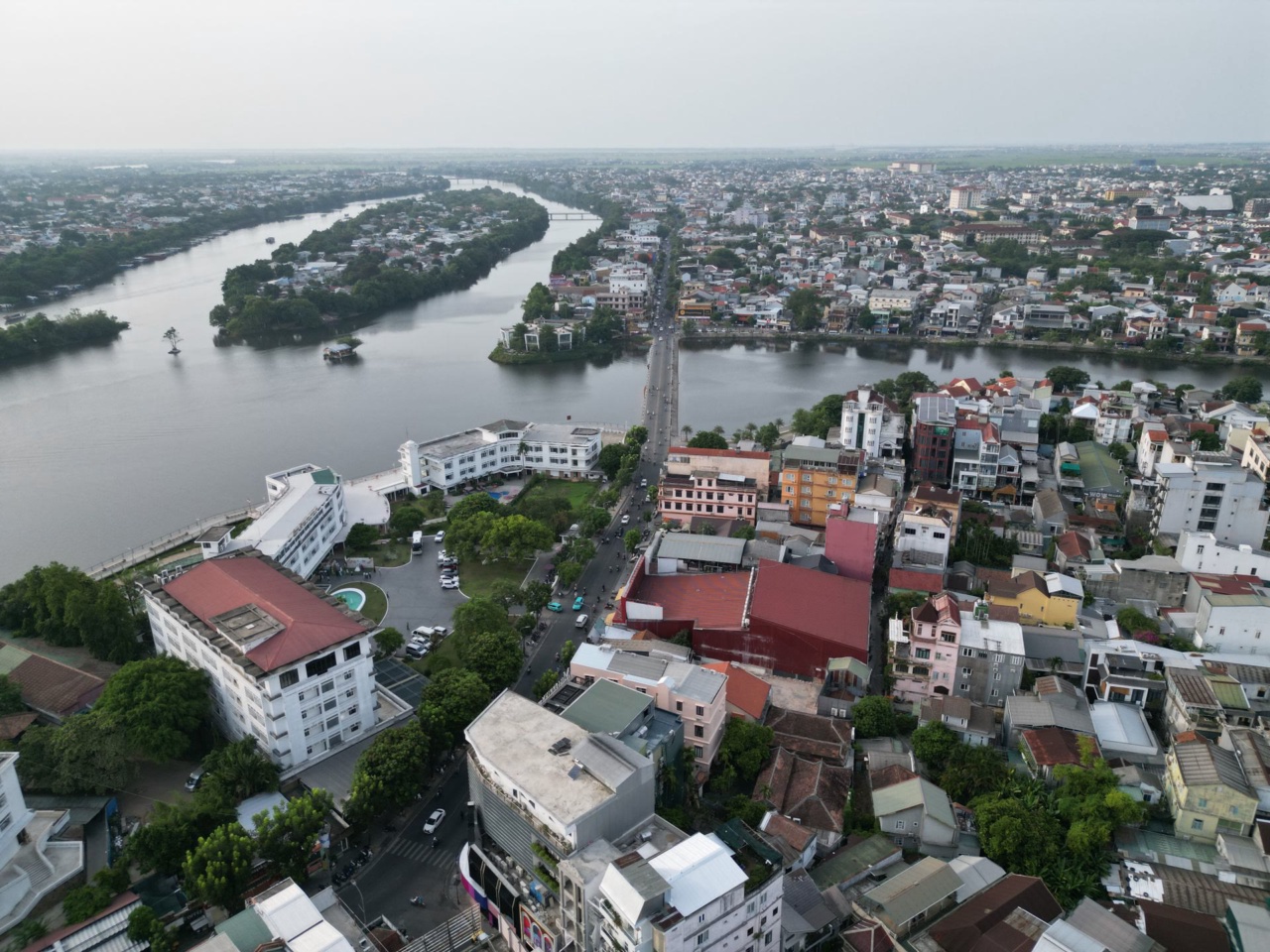
The Hue Imperial Citadel was the political and cultural center of Vietnam for nearly 150 years. Built in 1805 under Emperor Gia Long and expanded by his successors, this massive walled complex on the banks of the Perfume River housed the royal court of the Nguyen Dynasty until the monarchy ended in 1945. Today it is a UNESCO World Heritage Site and one of the most significant historical monuments in Southeast Asia.

What makes Hue's citadel remarkable is its scale and its scars. The complex originally contained over 160 buildings arranged across three concentric enclosures. Wars, particularly the devastating battles of 1947 and the Tet Offensive of 1968, destroyed much of the interior. What remains is a mix of meticulously restored palaces and atmospheric ruins, with ongoing reconstruction slowly bringing more of the complex back to life. Walking through the citadel is like reading a layered history, where gilded throne rooms sit next to empty foundations overgrown with moss.

Understanding the Layout

The citadel is built as three nested enclosures, each with its own walls and moats, modeled after Beijing's Forbidden City but adapted to Vietnamese traditions and the local landscape.

The Outer Citadel (Kinh Thanh)

The outermost ring is a massive fortification stretching over 10 kilometers in circumference, surrounded by a wide moat. Ten gates pierce the walls, with Ngo Mon (the Noon Gate) serving as the main ceremonial entrance on the south side. The outer citadel encloses an area of about 520 hectares and still functions as a living neighborhood where thousands of Hue residents live among the historical structures.

The Imperial Enclosure (Hoang Thanh)

Inside the outer walls sits the Imperial Enclosure, where the court conducted official business. This is where you will spend most of your visit. Key structures include Thai Hoa Palace (the throne room), the Nine Dynastic Urns, the Halls of the Mandarins, and the elaborate Hien Lam Pavilion. The Imperial Enclosure is what your entrance ticket gives you access to.

The Forbidden Purple City (Tu Cam Thanh)

The innermost enclosure was reserved exclusively for the emperor, his family, and their closest servants. Anyone else who entered without permission faced execution. This is the section that suffered the most destruction during the wars. Most of the original buildings are gone, replaced by gardens, open foundations, and a handful of restored structures. The Duyet Thi Duong Royal Theatre, where traditional court music performances still take place, is one of the surviving highlights.

Things to Do

What to See Inside

Ngo Mon Gate

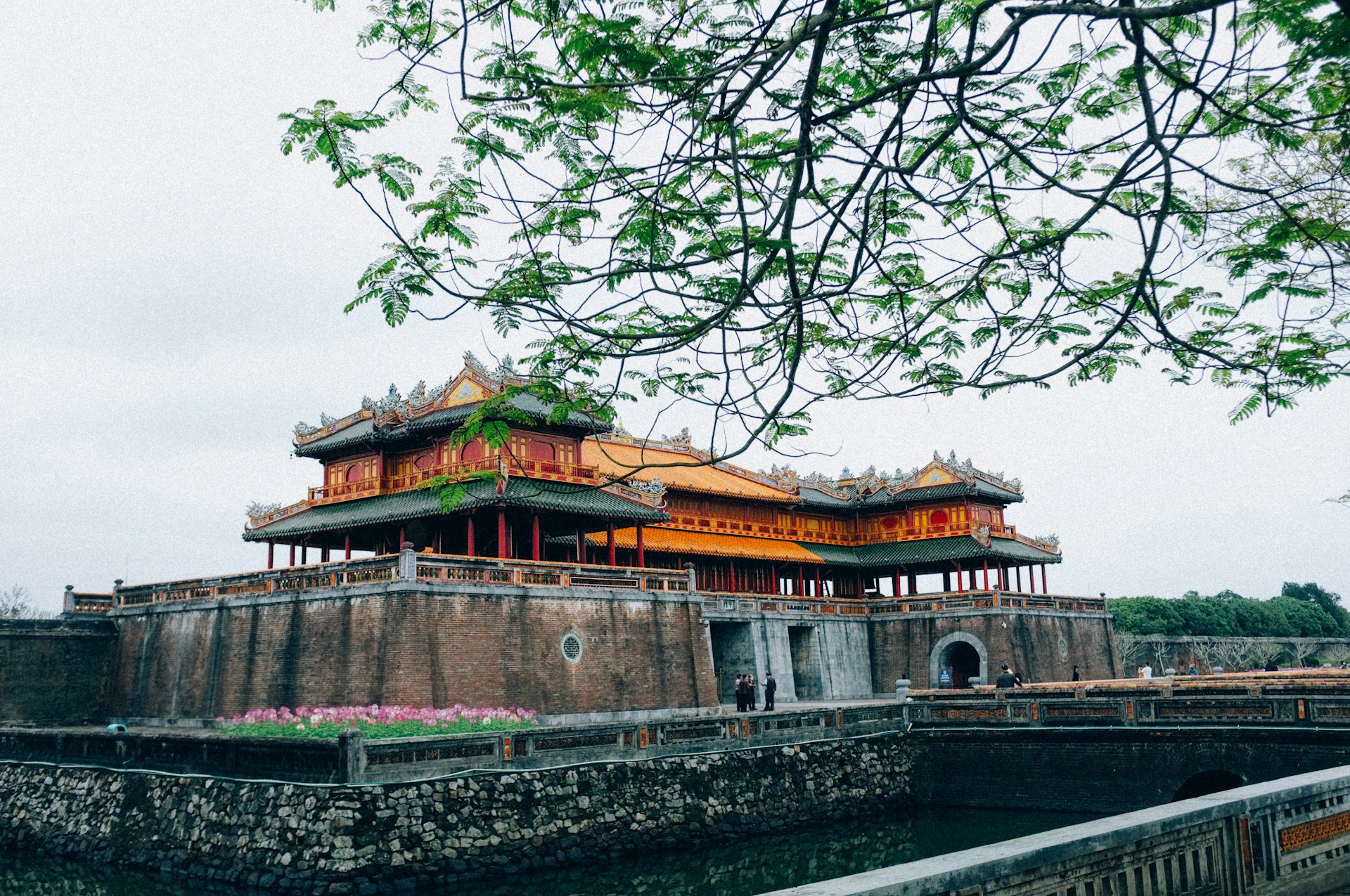
The main entrance to the Imperial Enclosure is an architectural masterpiece in itself. The massive stone base supports the Ngu Phung (Five Phoenix) Pavilion, a wooden structure with an ornate yellow-tiled roof where the emperor appeared during important ceremonies. Climb the steps to the top for views across the Flag Tower and the open courtyard beyond. This is where Emperor Bao Dai formally abdicated in 1945, ending the Nguyen Dynasty.

Thai Hoa Palace

The Throne Room is the most important building in the complex. Its red and gold lacquered interior, with 80 ironwood columns decorated with golden dragons, is where the emperor held audiences with his court. The palace has been beautifully restored and gives the clearest sense of what imperial Hue looked like at its peak. The elaborate wooden ceiling and the raised throne platform are the highlights.

The Nine Dynastic Urns

Nine massive bronze urns stand in front of Hien Lam Pavilion, each dedicated to one Nguyen emperor. Cast between 1835 and 1837, the urns are covered in intricate relief carvings depicting landscapes, animals, and celestial objects. Each weighs between 1,500 and 2,600 kilograms. They are recognized as national treasures and represent some of the finest bronze casting in Vietnamese history.

Dien Tho Residence

The Queen Mother's residence is one of the best-preserved sections of the citadel. The complex includes living quarters, a garden, and a private theatre. The architecture blends Vietnamese, Chinese, and French colonial elements, reflecting the cultural exchanges of the Nguyen court. The peaceful garden here is a welcome break from the larger open courtyards.

Duyet Thi Duong Royal Theatre

This restored theatre is one of the oldest surviving theatres in Vietnam. It still hosts performances of Nha Nhac, the traditional court music of the Nguyen Dynasty, which UNESCO recognizes as an Intangible Cultural Heritage. Performances run several times daily and are included in your entrance ticket. Sitting inside the ornate theatre watching musicians play instruments from the imperial era is one of the most atmospheric experiences in the citadel.

The Royal Tombs

The Nguyen emperors built elaborate tomb complexes in the hills south of Hue along the Perfume River. These are separate sites from the citadel, each with its own entrance fee, and visiting the best ones adds significant depth to understanding Hue's imperial heritage.

TombEntrance FeeCharacterHighlights
Tu Duc150,000 VND ($6)Poetic, romanticLake, pine forest, pavilions for poetry writing
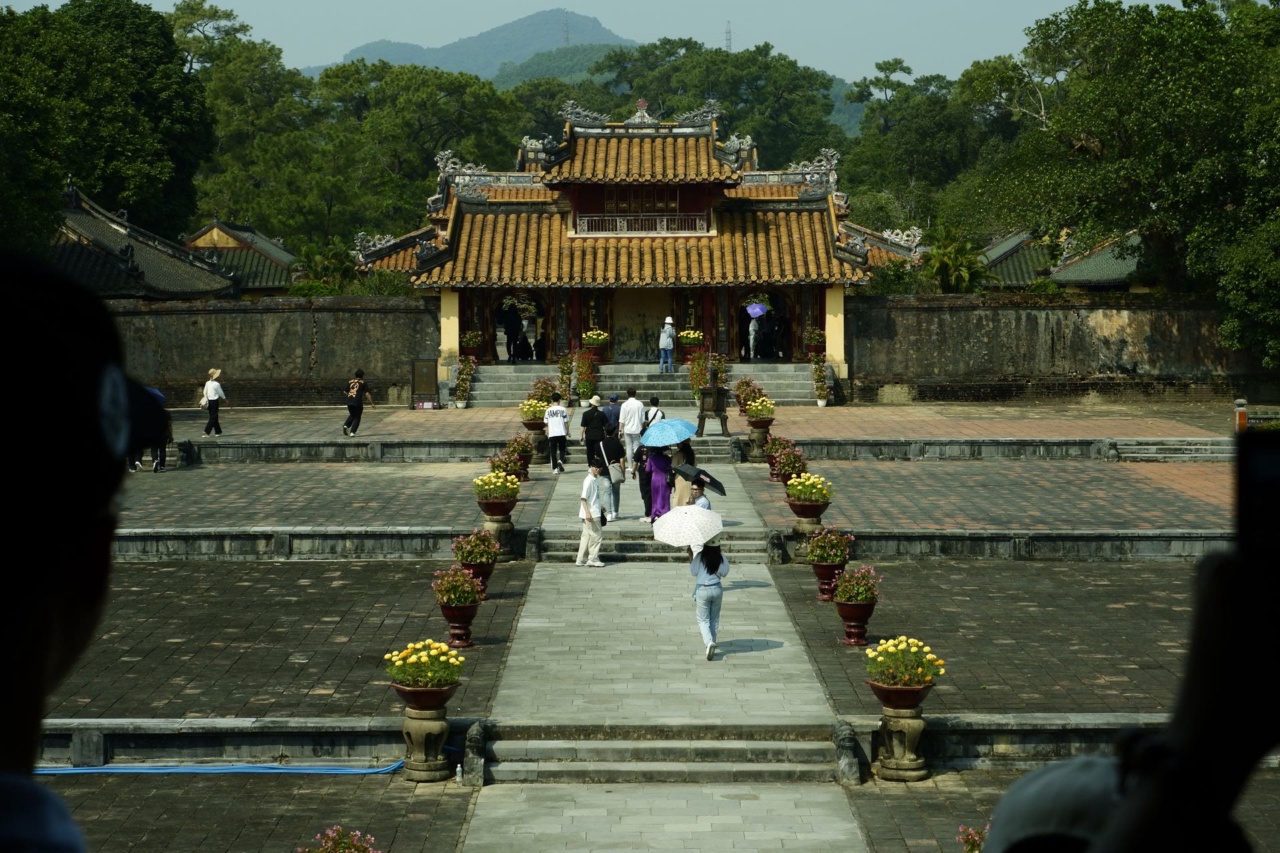
Minh Mang150,000 VND ($6)Grand, symmetricalFormal gardens, lakes, ceremonial courtyards
Khai Dinh150,000 VND ($6)Ornate, French-influencedMosaic interiors, hillside setting, mix of European and Vietnamese style

If you only have time for one, Khai Dinh offers the most visually striking experience with its elaborate glass and ceramic mosaic interiors. Tu Duc is the most peaceful, set in a landscape of lakes and forest that the emperor designed as a retreat for contemplation. Minh Mang is the most architecturally imposing with its grand symmetrical layout.

The tombs are spread 5 to 12 kilometers south of the citadel. You can reach them by bicycle (the road follows the Perfume River and is scenic), motorbike, taxi, or as part of a boat trip on the Perfume River. A Perfume River cruise visiting one or two tombs plus Thien Mu Pagoda costs about $8 to $15 per person and takes half a day.

Tickets and Practical Details

  • Imperial Enclosure entrance: 200,000 VND ($8) for adults, 40,000 VND ($2) for children aged 7 to 12, free for children under 7
  • Opening hours: 8:00 to 17:30 daily. Thursdays extended to 22:00 for a night visit experience with atmospheric lighting
  • Time needed: Allow 2 to 3 hours minimum for the Imperial Enclosure alone. Add another half day if visiting the royal tombs
  • Guides: Official guides can be hired at the entrance for 150,000 to 300,000 VND. They bring the ruins to life with historical context that is not available on the signage. Audio guides are also available in multiple languages
  • Combo tickets: A combination ticket covering the Imperial Enclosure plus several royal tombs and Hue Museum offers savings if you plan to visit multiple sites. Ask at the ticket counter for current options

Getting to Hue

Hue sits in central Vietnam and is well connected by multiple transport options.

FromTransportDurationCost
Da NangTrain2.5 - 3 hours$4 - $8
Da NangBus / car2 - 3 hours$5 - $10
Hoi AnBus / car3 - 4 hours$6 - $12
HanoiTrain13 - 14 hours$20 - $40
HanoiFlight1 hour$40 - $80
Ho Chi Minh CityFlight1.5 hours$40 - $90

The train journey from Da Nang to Hue crosses the Hai Van Pass and is one of the most scenic rail routes in Vietnam. Many travelers visit Hue as part of a Hoi An to Hue to Phong Nha route through central Vietnam. For more travel routes and destination guides, explore GoAsia.cc.

Tips for Visiting the Citadel

  • Go early: The citadel opens at 8:00. Arriving at opening gets you the best light for photography and smaller crowds, especially at Thai Hoa Palace and Ngo Mon Gate. By 10:00, tour groups fill the main courtyards.
  • Wear comfortable shoes and sun protection: The complex is enormous and mostly open to the sky. You will walk several kilometers across courtyards, along walls, and through gardens. A hat, sunscreen, and water are essential, especially from April through September.
  • Do not skip the Forbidden Purple City: Many visitors rush through the restored palaces and miss the atmospheric ruins of the inner enclosure. The empty foundations, overgrown gardens, and scattered remnants create a powerful contrast with the restored sections and tell the story of the wars more eloquently than any museum.
  • Try the Thursday night visit: The extended hours on Thursdays allow you to see the citadel illuminated after dark, creating a completely different atmosphere. The lighting highlights architectural details that are easy to miss during the day.
  • Combine with a Perfume River cruise: Boat trips depart from the riverbank near the citadel and cruise upstream to Thien Mu Pagoda and the royal tombs. This is the most pleasant way to see multiple sites and avoids Hue's sometimes intense traffic.
  • Hire a guide for your first visit: The signage inside the citadel is limited, and many structures lack explanation. A knowledgeable guide transforms the experience from looking at old buildings to understanding the lives, politics, and tragedies of the Nguyen court.
  • Best season: March to May and September to November offer the most comfortable weather. June through August is very hot and humid. October and November can bring heavy rain and occasional flooding.

Frequently Asked Questions

Is the Hue Imperial Citadel worth visiting?

Absolutely. It is one of the most important historical sites in Southeast Asia and the best-preserved example of a Vietnamese imperial complex. The mix of restored palaces and war-damaged ruins creates a uniquely powerful atmosphere. Combined with the royal tombs and a Perfume River cruise, Hue offers a full day or more of genuinely compelling history.

How much does it cost to visit the Hue Imperial Citadel?

The entrance fee for the Imperial Enclosure is 200,000 VND (about $8) for adults and 40,000 VND ($2) for children. Each royal tomb charges an additional 150,000 VND ($6). Combo tickets covering multiple sites are available at the ticket counter and offer modest savings. Hiring a guide costs 150,000 to 300,000 VND extra.

How long do I need to visit the citadel?

Plan for 2 to 3 hours minimum for the Imperial Enclosure alone. If you want to explore the ruins of the Forbidden Purple City and catch a court music performance, add another hour. Visiting two or three royal tombs takes an additional half day. A thorough visit to the citadel plus tombs fills a full day comfortably.

What was the Forbidden Purple City?

The innermost enclosure of the citadel, reserved exclusively for the emperor and his family. Unauthorized entry was punishable by death. Most of it was destroyed during the wars, particularly in 1968, and today it is a haunting landscape of foundations, gardens, and a few restored structures including the Royal Theatre.

Which royal tomb is the best to visit?

Khai Dinh is the most visually striking with its ornate glass and ceramic mosaic interiors and dramatic hillside location. Tu Duc is the most serene, set among lakes and pine forests. Minh Mang is the most architecturally grand with formal symmetrical gardens. If you have time, visiting all three gives you very different experiences.

How do I get to the royal tombs from the citadel?

The tombs are 5 to 12 kilometers south along the Perfume River. Options include bicycle (scenic riverside road), motorbike or taxi ($4 to $8 per tomb), or a Perfume River boat cruise ($8 to $15 per person) that visits one or two tombs plus Thien Mu Pagoda. The boat cruise is the most enjoyable way to combine several sites.

Can I visit the citadel at night?

Yes, on Thursdays the citadel stays open until 22:00 with special atmospheric lighting. The illuminated palaces, gates, and courtyards create a very different experience from a daytime visit. It is less crowded in the evening and the cooler temperatures make the walk more pleasant, especially in summer.

How does the Hue Citadel compare to other imperial sites in Asia?

It is smaller than Beijing's Forbidden City but shares the same concentric enclosure design adapted to Vietnamese aesthetics. The unique aspect of Hue is the visible war damage alongside restoration, which adds emotional weight that purely restored sites lack. The combination of citadel, tombs, pagodas, and the Perfume River landscape is unlike any other imperial complex in the region.