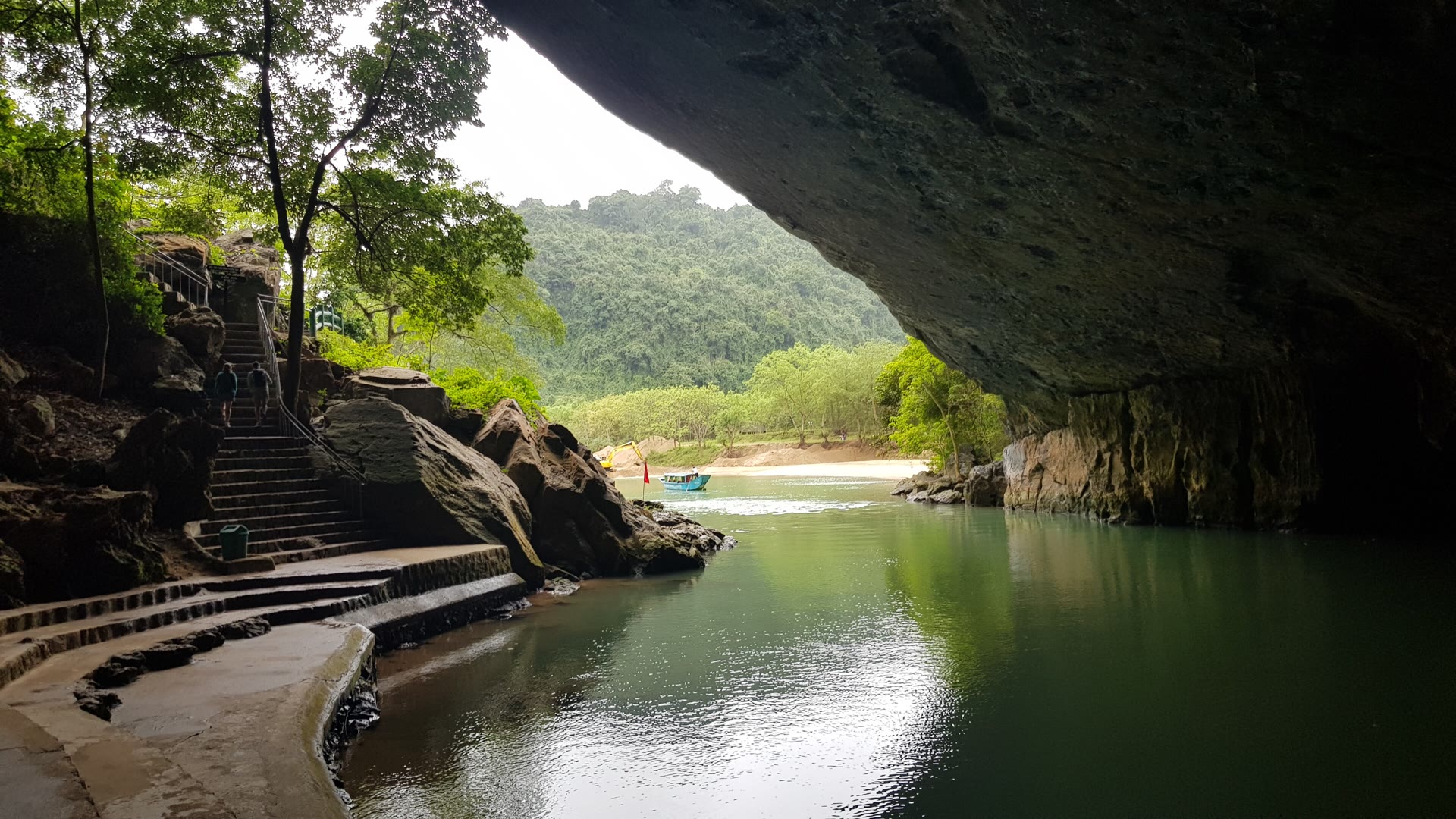
The first thing you notice in Phong Nha is the silence. After the honking chaos of Hanoi or Hue, this village on the Son River feels almost impossibly calm, a single main road lined with guesthouses and small restaurants, backed by rice paddies and fronted by limestone mountains that look like they were painted by a fantasy illustrator. Then you step inside your first cave, and the scale of what lies beneath those mountains rewrites your understanding of what nature can do.
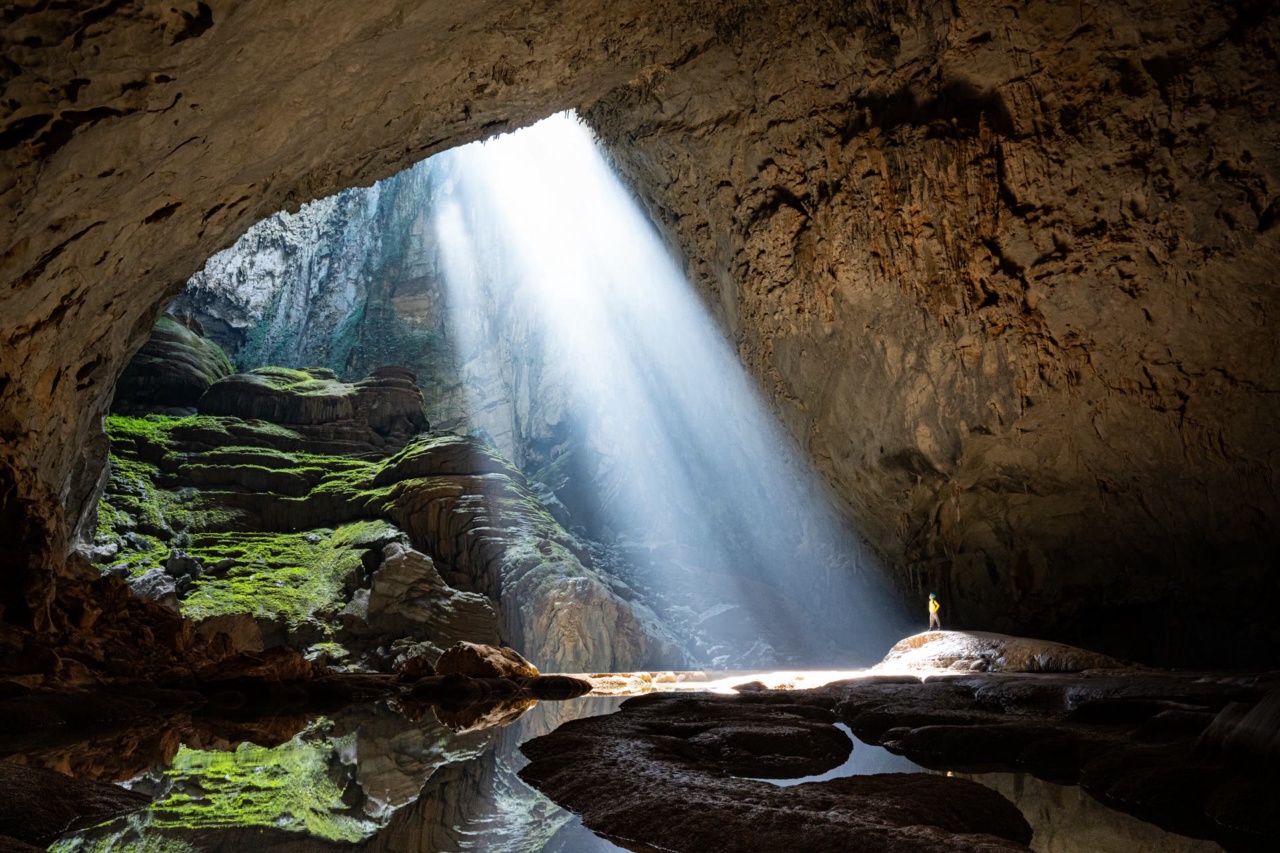
Phong Nha-Ke Bang National Park, a UNESCO World Heritage Site, contains over 300 caves and grottoes carved over roughly 400 million years. The headline act is Hang Son Doong, the largest known cave on the planet, but the park's range of experiences stretches from a casual boat ride into Phong Nha Cave to multi-day jungle treks with river crossings and underground camping. This is not a place for ticking off a list of temples and museums. It is a place for headlamps, muddy boots, and moments of genuine awe.
The town itself is small enough to walk end to end in twenty minutes. That intimacy is part of its charm. Guesthouse owners know your name by day two. The backpacker scene is friendly without being overwhelming. And because access to the major caves is controlled through licensed tour operators, the park remains remarkably well preserved despite growing visitor numbers. Phong Nha rewards those who slow down, stay a few days, and let the landscape set the pace.
Orientation and Neighborhoods
Phong Nha is not really a city. It is a village stretched along a single road that runs roughly parallel to the Son River, with the national park entrance at its western end. Understanding the layout takes about five minutes, but here is what matters.
The Main Strip
Most guesthouses, restaurants, tour offices, and bars cluster along the main road that leads from the highway toward the national park boat dock. This is where the majority of travelers stay, and everything is within walking distance. The vibe is relaxed backpacker, with a handful of upscale options mixed in.
The Countryside
Several excellent homestays and boutique accommodations sit a few kilometers outside the center, surrounded by rice paddies and karst scenery. Staying out here means you will need a bicycle or motorbike, but the trade-off is stunning views and near-total quiet. This is ideal for couples or anyone who wants to wake up to the sound of roosters rather than other travelers.
Dong Hoi
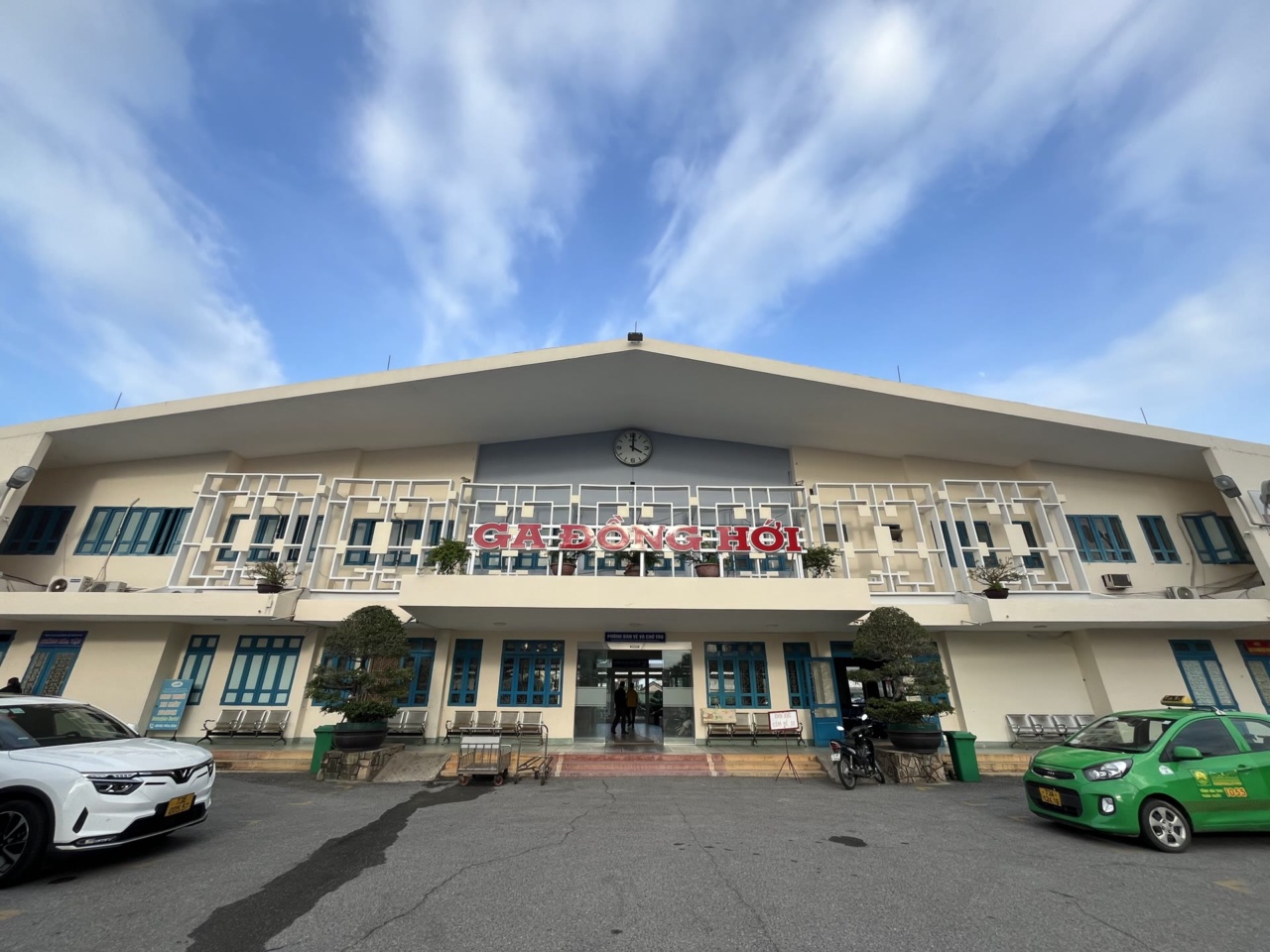
The provincial capital, about 45 kilometers south, is where the airport and train station are located. Some travelers stay in Dong Hoi and day-trip to the caves, but this is a mistake. You lose commuting time and miss the atmosphere of Phong Nha itself. Dong Hoi is functional but unremarkable. Stay in Phong Nha.
Things to Do
Offers are only loaded from GetYourGuide after you click. GetYourGuide can then process your IP address and set cookies. Privacy Policy
GetYourGuide partner offers. GoAsia may earn a commission if you book through these offers. Check whether tickets or transfers are included, and follow the attraction's official booking and admission rules.
Best Time to Visit
Central Vietnam's weather is the trickiest in the country, and timing your Phong Nha visit matters more than in most Vietnamese destinations because heavy rain can literally close the caves.
Period
Weather
Crowds
Cave Access
Feb - Apr
Warm, gradually drying out, occasional drizzle
Low to moderate
Most caves open; Son Doong expeditions running
May - Aug
Hot (up to 38C), mostly dry, occasional storms
Moderate to high (Vietnamese summer holidays)
All caves open
Sep - Nov
Heavy rain, flooding common
Very low
Several caves close; Son Doong expeditions closed from September
Dec - Jan
Cool (15-20C), overcast, intermittent rain
Low
Most caves open but some restrictions; Son Doong season starts in January
The sweet spot is April through June: warm enough for swimming in cave rivers, dry enough for reliable access, and before the peak Vietnamese holiday crowds of July and August. If you are planning the Son Doong expedition, the expedition runs from January to the end of August, and slots book out months ahead.[1]
The Tet holiday (Vietnamese New Year, usually late January or early February) brings domestic tourists and higher prices. The Phong Nha area also hosts a local buffalo fighting festival in some years, which is culturally interesting if your timing aligns.
Getting There and Getting Around
Getting There
Dong Hoi Airport (VDH) receives daily flights from Hanoi (roughly one hour) and Ho Chi Minh City (roughly 1.5 hours). Budget carriers like VietJet and Bamboo Airways keep fares competitive, often around $30-60 one way if booked in advance. From the airport, a taxi to Phong Nha costs approximately $25-30, or you can arrange a shuttle through your guesthouse for around $8-12 per person.
Dong Hoi train station sits on the main north-south Reunification Express line. The overnight train from Hanoi takes about ten hours and costs roughly $15-35 depending on berth class. From Hue, the train takes around three to four hours. A taxi or pre-arranged shuttle from the station to Phong Nha costs the same as from the airport.
Direct buses run from Hue to Phong Nha (about four hours, around $8-10) and from Hanoi (about ten hours overnight, around $15-20). For more transport options and schedules, GoAsia.cc has detailed route information.
Getting Around
Within Phong Nha village, you can walk everywhere. For reaching caves and attractions in the national park, you have two main options: motorbike rental (around $5-8 per day for a semi-automatic) or joining organized tours that include transport. The roads within the park are generally good, though some stretches to remote trailheads are unpaved.
Bicycles are available at most guesthouses for free or a small fee and are perfect for exploring the surrounding countryside. Grab does not operate reliably in Phong Nha, so for longer transfers, ask your accommodation to arrange a car.
Top Sights and Experiences
Must-See Caves
Paradise Cave (Thien Duong) - The most visually spectacular cave accessible without a serious trek. A one-kilometer boardwalk leads through a cathedral-sized chamber dripping with stalactites and stalagmites. The standard tourist route takes about an hour. For a more adventurous experience, you can book an extended trek (roughly 7 kilometers deeper into the cave) with a licensed operator for around $80-100 per person. The extended version is vastly superior and far less crowded. Entry to the standard route costs around $10.
Phong Nha Cave - The cave that gives the town its name. Access is by dragon boat up the Son River, which is scenic in itself. The cave features impressive formations and an underground river. The boat ride and cave visit take about 1.5 hours and cost around $7-8 for the boat (shared among passengers) plus a small entrance fee. Best visited in the morning before tour buses arrive.
Dark Cave (Hang Toi) - Part adventure park, part caving experience. You zipline across the river to reach the entrance, then swim and mud-bathe inside the cave in near-total darkness. It is genuinely fun and the mud bath is oddly therapeutic. The full package costs around $25-30 and includes kayaking and zipline. Go early or late to avoid the loudest groups.
Hang En - The world's third-largest cave, reached via a moderately challenging overnight trek through the jungle. You camp inside the cave mouth, which is large enough to fit a Boeing 747. The two-day, one-night trek costs about $360 per person with Oxalis Adventure.[2] This is the best value-to-awe ratio in Phong Nha and highly recommended for anyone with reasonable fitness.
Son Doong - The world's largest cave, so enormous it has its own weather system and a jungle growing inside. The six-day, five-night expedition (three nights of camping, two nights in lodges) costs $3,000 per person and groups are limited to 10 guests.[1] It is expensive, but participants almost universally describe it as a life-changing experience. Book months ahead. Oxalis Adventure is the only operator licensed to run Son Doong expeditions.[1]
Lesser-Known Gems
Tu Lan Cave System - A network of caves connected by jungle trails and river swims. Available as one-day or two-day treks ranging from around $80 to $300. The scenery rivals anything in the park, and the swimming through cave passages is extraordinary. Less famous than Son Doong but arguably more fun per dollar.
Botanical Garden (Vuon Thuc Vat) - A short trail through primary forest leading to a natural swimming hole. Quiet, beautiful, and a good half-day outing when you need a break from caves. Entry is around $2-3.
Pub with Cold Beer - Not technically a sight, but this legendary backpacker bar on the main road is a Phong Nha institution. The owner is a well-known local character, and the atmosphere on a busy night is infectious. Beers cost around $0.50-1.
Overrated Experiences
Phong Nha Cave standard tour - While pleasant, the standard boat trip feels somewhat underwhelming after visiting Paradise Cave or the Dark Cave. The formations are less dramatic, and the experience is quite passive. Worth doing if you have extra time, but do not prioritize it over Paradise Cave or the Dark Cave.
Oxalis one-day Son Doong "experience" - Be aware that some marketing blurs the line between the full Son Doong expedition and shorter treks in the same area. Only the multi-day expedition actually enters Son Doong. Make sure you know exactly what you are booking.
Motorbiking the Western Ho Chi Minh Highway - Often hyped as a must-do loop, but the road is in rough condition in sections and the scenery, while nice, is not dramatically different from what you see around Phong Nha itself. It is better suited to experienced riders than casual tourists.
Food and Drink
Phong Nha's food scene has evolved remarkably for a village of its size. You will not find fine dining, but you will eat well and cheaply.
Signature Local Dishes
Dish
Description
Where to Try
Typical Price
Banh loc
Translucent tapioca dumplings stuffed with shrimp and pork, wrapped in banana leaf
Local restaurants on the main road
Around $1-2 for a portion
Ram
Crispy fried spring rolls, a Quang Binh specialty crunchier than typical nem
Any local Vietnamese restaurant
Around $1-2
Bun bo Hue
Spicy beef noodle soup (originally from nearby Hue but excellent here)
Morning street stalls
Around $1-1.50
Com hen
Rice with baby clams, herbs, and peanuts
Local eateries
Around $1-2
Chao hau
Oyster porridge from the Quang Binh coast, rich and savory
Specialty restaurants (more common in Dong Hoi)
Around $2-3
Eating in Phong Nha
The main road has a solid mix of Vietnamese and Western-oriented restaurants. Several guesthouses run their own kitchens and serve excellent home-cooked Vietnamese meals for around $2-4 per dish. For breakfast, look for banh mi stalls (around $0.50-1) or grab eggs and coffee at a guesthouse.
A few restaurants serve quality Western food like burgers, pizza, and pasta for around $4-7, which is a welcome option after weeks of rice and noodles. Vietnamese coffee is strong and excellent everywhere, typically around $0.50-1 for a ca phe sua da (iced coffee with condensed milk).
Street food options are more limited than in larger Vietnamese cities, but the local market near the river has fresh fruit, banh mi, and snacks. For a budget meal, expect to spend around $1-3. A mid-range restaurant dinner runs $5-8, and even the priciest places in town rarely exceed $10-15 per person.
Local beer (Huda, the Hue-brewed lager) costs around $0.50-1 at most places. The craft beer scene has not reached Phong Nha, but cold Huda on a hot day after emerging from a cave is its own kind of perfection.
Where to Stay
Budget (Under $15 per night)
Phong Nha has excellent budget accommodation. Dorm beds in clean, social hostels run around $5-8 per night. Private rooms in family-run guesthouses cost $8-15 and often include breakfast, free bicycles, and genuinely warm hospitality. The main strip has the highest concentration of budget options, and quality is consistently good because competition keeps standards up.
Mid-Range ($20-40 per night)
This is the sweet spot in Phong Nha. Several well-run guesthouses and small hotels offer comfortable rooms with air conditioning, hot water, and often a pool for $20-40 per night. Some of the best options are a few kilometers outside the center, set among rice paddies with mountain views. A motorbike or bicycle is essential if you stay outside the village core, but the scenery makes it worthwhile.
Upscale ($60-120 per night)
A handful of boutique resorts and eco-lodges have appeared in recent years, offering riverside settings, swimming pools, and polished rooms. Expect to pay $60-120 for genuine comfort. These properties are small and intimate rather than resort-scale, which suits the Phong Nha atmosphere. The best ones sit along the river with direct views of the karst mountains.
There are no international chain hotels in Phong Nha, and that is part of the appeal. Homestays are a particularly rewarding option here, as local families are welcoming and the home-cooked meals are often the best food in town.
Practical Tips
Safety: Phong Nha is extremely safe. The biggest risks are motorbike accidents on unfamiliar roads and underestimating the physical demands of cave treks. Always wear a helmet, and be honest about your fitness level when booking adventure tours. Inside caves, follow your guide's instructions exactly, as wet limestone is treacherously slippery.
Petty crime is virtually nonexistent, but do not leave valuables unattended on a motorbike.
During rainy season, flash flooding can make some roads impassable. Check conditions before heading out.
Leeches are common on jungle treks. Wear long socks and tuck your pants in. They are harmless but unpleasant.
Money: Cash is king in Phong Nha. There are a couple of ATMs in the village, but they occasionally run out of money or malfunction. Bring enough Vietnamese dong from Dong Hoi or a larger city. Some tour operators accept card payments, but restaurants and guesthouses are largely cash-only. Tipping is not expected but appreciated, especially for cave guides who work incredibly hard.
Internet and SIM cards: Wi-Fi is available at virtually every guesthouse and restaurant. A Vietnamese SIM card with data (around $5-8 for a tourist SIM with several gigabytes) is useful for navigation on motorbike rides but not essential if you stay in the village. Buy one at the airport in Dong Hoi or at phone shops in town.
Language: English is spoken well enough at tour offices and most tourist-facing businesses. Guesthouse owners generally communicate fine for booking and basic questions. Outside the tourist bubble, very little English is spoken. Learn a few Vietnamese phrases: xin chao (hello), cam on (thank you), and bao nhieu (how much) go a long way.
Remove shoes before entering someone's home or a temple.
Dress modestly when visiting local villages or religious sites.
Do not litter in the national park. Phong Nha's caves are irreplaceable, and the local community takes conservation seriously.
Bargaining is not common in Phong Nha since prices are generally fair and fixed. Do not haggle aggressively at small family businesses.
Day Trips
The Abandoned Highway and Bong Lai Valley
A loop through the countryside south of Phong Nha on a mix of paved and dirt roads, passing through Bong Lai Valley where several laid-back farm bars serve cold drinks and food. The scenery is gorgeous, with karst peaks, water buffalo, and emerald rice paddies. Easily done by motorbike or bicycle in half a day. Distance is roughly 30-40 kilometers round trip.
Dong Hoi and Nhat Le Beach
The provincial capital has a pleasant beach (Nhat Le) that makes for a relaxing change of pace after days of caving. The seafood along the beachfront is fresh and cheap. About 45 minutes by motorbike. Worth a half-day if you want sand and sea, but do not expect a tropical paradise.
Vinh Moc Tunnels and the DMZ
About two hours north of Phong Nha, the Vinh Moc Tunnels are a remarkably well-preserved underground village where civilians sheltered during the American War. Far more atmospheric and less touristy than the Cu Chi Tunnels near Ho Chi Minh City. You can combine this with other DMZ sites like the Hien Luong Bridge and Khe Sanh Combat Base, though the latter is quite far and better done as a full day. Hiring a car and driver for the day costs around $60-80.
Phong Nha Countryside by Bicycle
Not technically a day trip, but renting a bicycle and spending a full day exploring the dirt tracks and villages around Phong Nha is one of the best things you can do here. Cross the river by local ferry, ride through villages where tourists are still a novelty, and stop at riverside swimming spots. Free to do (minus bicycle rental) and deeply rewarding.
Sample 3-Day Itinerary
Day 1: Arrive and Ease In
Morning: Arrive from Dong Hoi, check into your guesthouse, rent a motorbike or bicycle. Grab a banh mi and Vietnamese iced coffee.
Afternoon: Visit Paradise Cave. Arrive after lunch when morning tour groups are leaving. Walk the standard boardwalk, or if you booked ahead, do the extended 7-kilometer trek for the full experience.
Evening: Dinner at a local restaurant on the main strip. Try banh loc and ram. End the night at the famous backpacker bar for a cheap beer and to meet fellow travelers.
Day 2: Adventure Day
Morning: Head to the Dark Cave early (opens around 8:30 AM). Do the full package: zipline, swim, mud bath, kayak. Allow about three hours.
Afternoon: Take the dragon boat into Phong Nha Cave. Alternatively, if you prefer countryside over another cave, ride the Bong Lai Valley loop by motorbike, stopping for drinks at a farm bar along the way.
Evening: Cross the river by local ferry for sunset views of the karst mountains. Return for dinner and an early night, because tomorrow starts early.
Day 3: Go Deeper
Full day option A: Join a one-day Tu Lan cave trek. You will hike through jungle, swim through cave passages, and see formations that rival anything in the park. Physically demanding but unforgettable. Tours depart early morning and return by late afternoon.
Full day option B: If you prefer a more relaxed day, rent a bicycle and explore the countryside. Visit the Botanical Garden and its swimming hole in the morning, then spend the afternoon cycling through villages and rice paddies. Pack a picnic lunch.
Evening: Final dinner in Phong Nha. Splurge on a riverside restaurant if one is available, or keep it simple with a home-cooked meal at your guesthouse.
If you have a fourth day, the overnight Hang En trek is the single best experience you can add. Book it in advance as group sizes are limited.
Budget Overview
Category
Budget
Mid-Range
Comfort
Accommodation
$5-10 (dorm or basic guesthouse)
$20-40 (private room with pool)
$60-120 (boutique lodge)
Food
$5-8 (street food and local restaurants)
$10-15 (mix of local and Western)
$15-25 (best restaurants in town)
Transport
$5-8 (motorbike rental)
$5-10 (motorbike plus occasional taxi)
$15-25 (private car transfers)
Activities
$10-15 (one cave entry)
$30-50 (Dark Cave plus Paradise Cave)
$80-150 (Tu Lan trek or extended Paradise Cave)
Daily Total
$25-40
$65-115
$170-320
Phong Nha is one of Vietnam's best-value destinations at the budget and mid-range levels. The major expense is multi-day cave treks, which are worth every dollar but push the budget significantly. If Son Doong is on your list, budget that $3,000 separately as it is a once-in-a-lifetime outlay that does not reflect normal daily spending.
Frequently Asked Questions
Is Phong Nha worth visiting?
Absolutely. Phong Nha is home to some of the most extraordinary caves on the planet, including the world's largest cave, Son Doong. Even if you only visit the more accessible caves like Paradise Cave or the Dark Cave, the experience is unlike anything else in Vietnam. It is a must for adventure lovers and nature enthusiasts.
How many days do you need in Phong Nha?
Three days is the sweet spot for most travelers, giving you time for two or three cave experiences plus some countryside exploration. If you are doing the Son Doong expedition, allow at least six days for the expedition itself. Even two days is enough for the highlights if you are short on time.
Is Phong Nha safe for tourists?
Phong Nha is one of the safest destinations in Vietnam. The town is tiny and crime is virtually nonexistent. The main risks are adventure-related, like slippery cave terrain, so always go with licensed guides. Road conditions on the Ho Chi Minh Highway can be rough, so ride motorbikes cautiously.
What is the best time to visit Phong Nha?
The best months are February through August, with April to June offering the most pleasant balance of warm weather and manageable crowds. September through November brings heavy rain and some caves close due to flooding. The Son Doong expedition only runs from January to the end of August.
How do I get to Phong Nha?
The nearest airport is Dong Hoi, about 45 kilometers south, with daily flights from Hanoi and Ho Chi Minh City. From Dong Hoi, a taxi or shuttle takes around 45 minutes. You can also reach Phong Nha by train to Dong Hoi station or by bus from Hue, which takes about four hours.
How much does the Son Doong Cave expedition cost?
The Son Doong expedition costs around $3,000 per person for a six-day, five-night expedition. It is operated exclusively by Oxalis Adventure and limited to about ten people per departure. Permits sell out months in advance, so book as early as possible.
Can you drink the tap water in Phong Nha?
No, tap water is not safe to drink in Phong Nha. Stick to bottled or filtered water. Most guesthouses provide free filtered water for refilling bottles, which helps reduce plastic waste.
Is English widely spoken in Phong Nha?
English is spoken reasonably well at guesthouses, tour offices, and restaurants catering to tourists. Outside the main tourist strip, communication can be more challenging. Having a translation app on your phone is helpful for interactions with local vendors or motorbike mechanics.
What food is Phong Nha famous for?
Phong Nha lies in the old Quang Binh area, since 2025 part of Quang Tri province, known for banh loc (tapioca dumplings with shrimp and pork), chao hau (oyster porridge from the nearby coast), and ram (crispy spring rolls). The town also has excellent Vietnamese coffee and a growing number of Western-friendly restaurants.
Is Phong Nha good for families with kids?
Phong Nha works well for families with older children who enjoy outdoor activities. The boat trip into Phong Nha Cave and the walkway through Paradise Cave are suitable for most ages. However, the more adventurous caving experiences have minimum age requirements, typically 10 to 16 years depending on the tour.
Sources and background
Numbers in the text such as [1] refer to these sources.