Pinnawala Elephant Orphanage: Tickets, River Viewing and Visit Choices
Contents
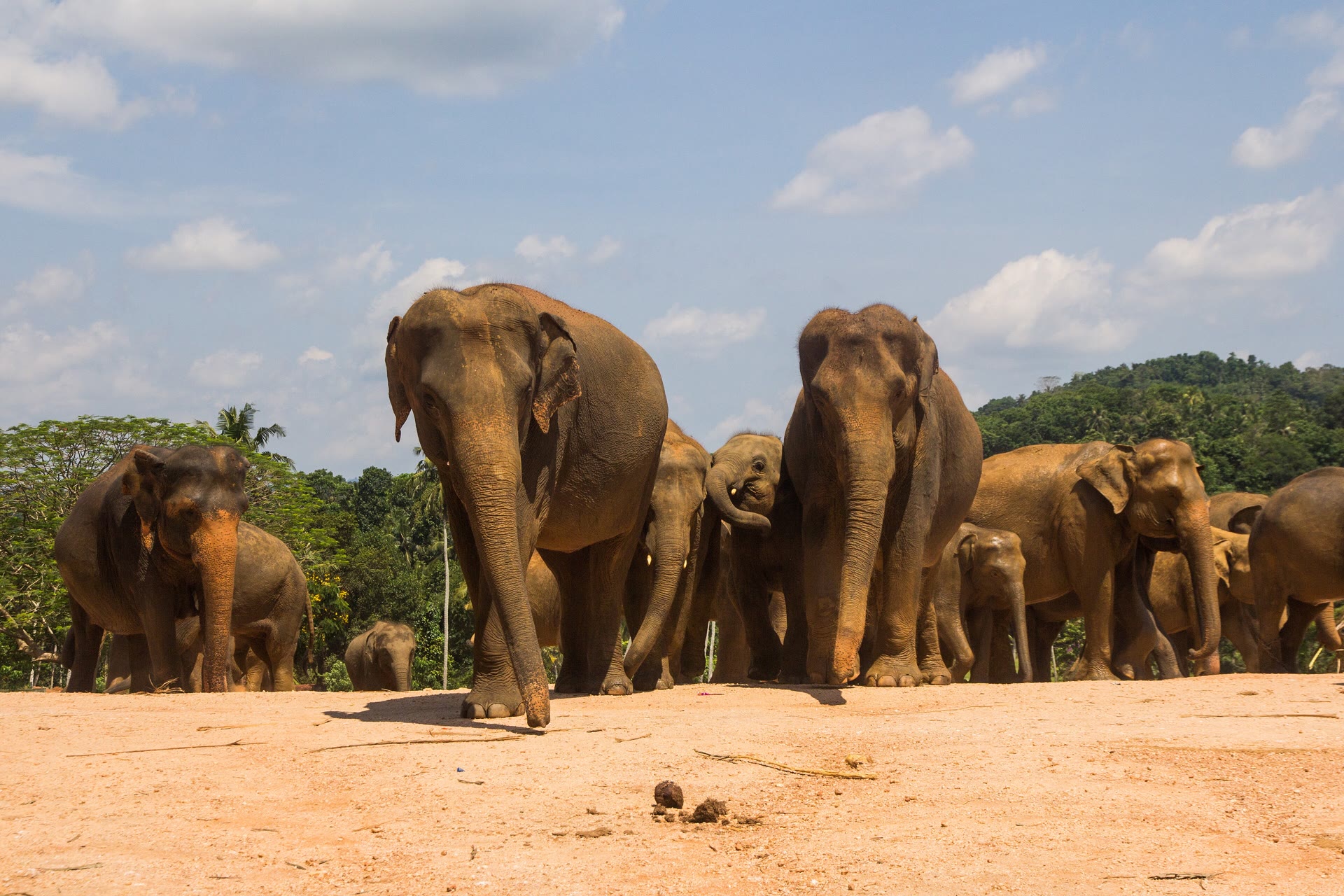
Pinnawala is a government-managed captive elephant facility, not a wild-elephant safari.[1] You come to watch a herd bathe in the river and wander between the viewing areas. If you want to see elephants in the wild, plan a separate national-park trip instead.
You do not need to book an activity just because it is advertised. We recommend watching from the permitted visitor areas rather than paying for direct contact with the animals.
What Pinnawala is
Pinnawala began in 1975 as a place of care for orphaned elephant calves, and the Department of National Zoological Gardens runs it today, including captive breeding and veterinary care.[1] The government booking service lists Pinnawala Elephant Orphanage and Pinnawala Zoo as two separate institutions.[2] Check which ticket you are buying: a combined ticket covers both, an orphanage ticket only the elephants.
Things to Do
Offers are only loaded from GetYourGuide after you click. GetYourGuide can then process your IP address and set cookies. Privacy Policy
GetYourGuide partner offers. GoAsia may earn a commission if you book through these offers. Check whether tickets or transfers are included, and follow the attraction's official booking and admission rules.
River routines and opening hours
The main herd goes to the river from 10:00 to 12:00 and from 14:00 to 16:00. A smaller herd has its own morning and midday movements.[1] Arrive in time for one of these windows to see the herd at the river.
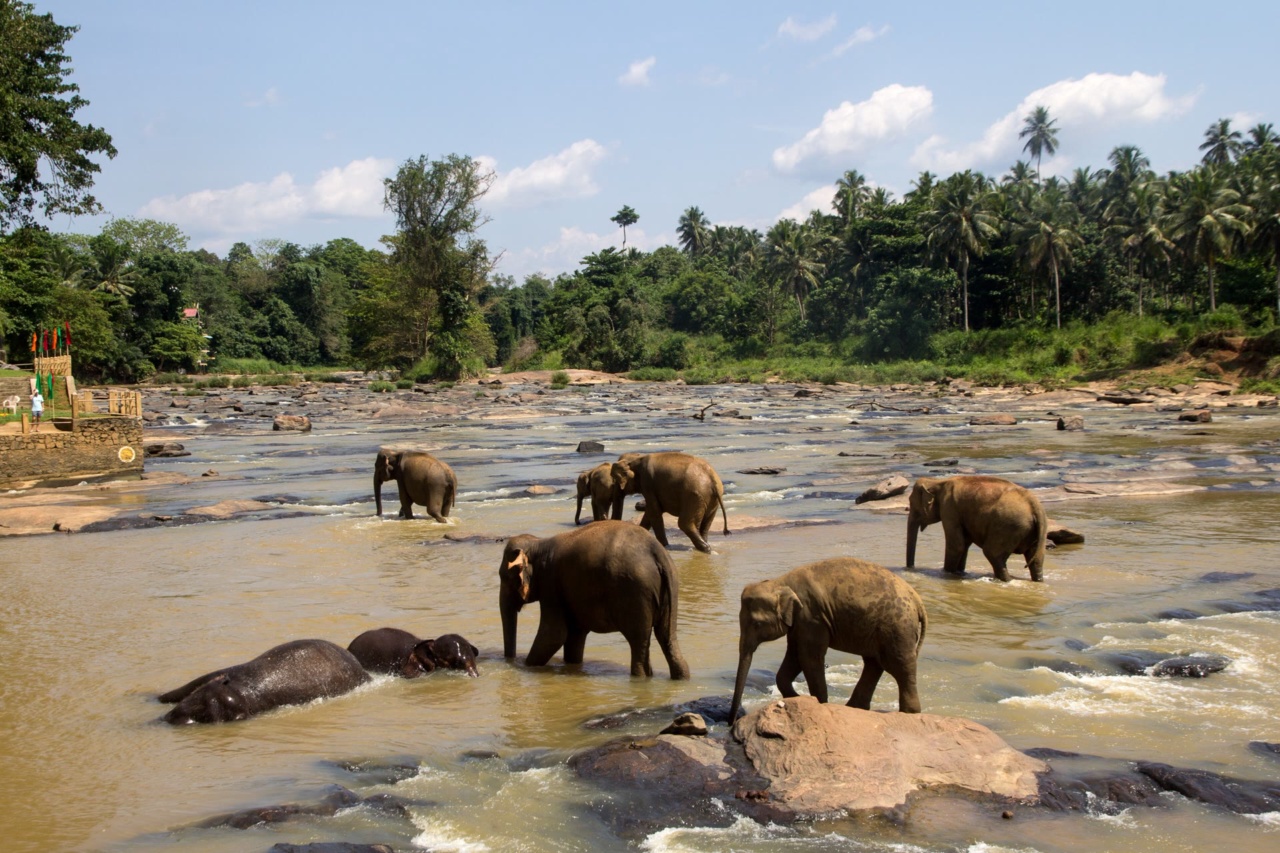
The orphanage opens at 08:30. The official pages give the closing time as 17:00, 17:30 or 18:00, with the ticket counter closing at 17:00, so plan to be there well before 17:00.[1][3] Allow time for tickets and for the walk to the viewing area.
Ticket prices and official booking
Admission for a foreign adult is USD 17.70 and for a foreign child USD 8.85.[1] Check your visitor category and the child age limit at the counter.
| Product or charge | Price | Good to know |
|---|---|---|
| Orphanage admission | Foreign adult USD 17.70; foreign child USD 8.85.[1] | The standard visit for watching the herd. |
| Combined orphanage and Pinnawala Zoo ticket | Foreign adult USD 23.60; foreign child USD 11.80.[1] | Worth it only if you visit both. |
| Contact programmes | Fruit feeding, bathing and walking are priced separately.[1] | Admission does not include them. |
The official electronic booking service checks you in with a QR code on the receipt and takes card payments online.[2] Keep the receipt on your phone or printed.
Direct contact, safety and welfare
The facility offers paid fruit-feeding, bathing and walking programmes. The visitor bathing programme is separate from the main herd's river routine, and bathing can be suspended in heavy rain.[1] If a captive setting or contact programmes do not sit well with you, watch from the viewing areas or choose another outing.
- Observe, don't demand contact: Use the permitted viewing areas and do not ask staff for a special close encounter for a photograph.
- Respect boundaries: Unauthorized contact can cause injury, and entering restricted areas or climbing barriers is prohibited.[1]
- Do not feed on your own: Feeding is allowed only through the official interaction programme, not with food you bring or buy elsewhere.[1]
- Do not harass animals: Follow staff directions and do not encourage tricks or block the animals' movements.
- Pay only for official services: The operator warns against paying for guide services that it does not officially provide.[1]
Transport and practical preparation
Pinnawala lies off the Colombo to Kandy A1 road, reached via the Kegalle area and the Karadupana junction. The nearest railway station is Rambukkana, about 2 km away.[3] From the station you continue by road.
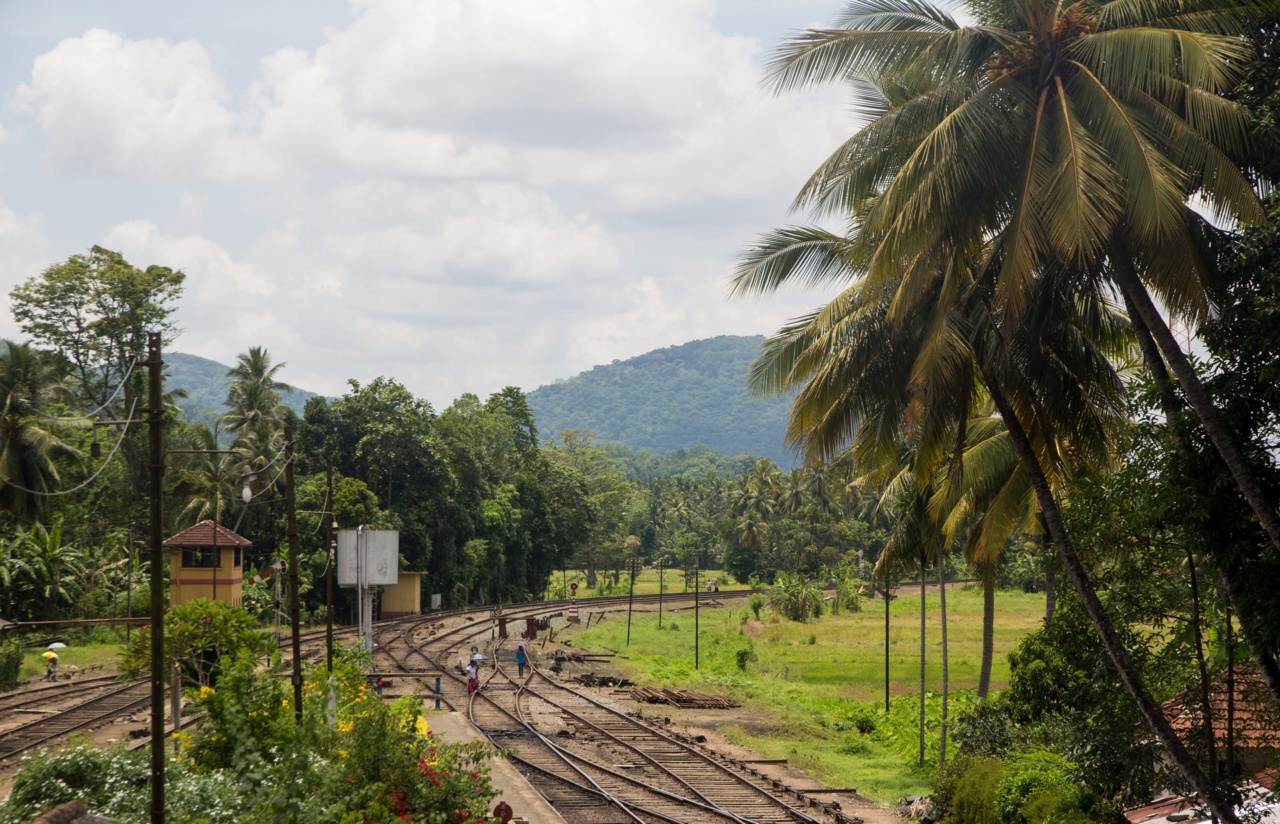
With a driver, agree the pickup point, waiting time and onward destination in advance, so the visit fits into a Colombo to Kandy transfer. Pinnawala fits well as a half-day stop between the two.
Plastic and polythene are prohibited, and so are smoking, alcohol, pets and noise-producing instruments.[1] Follow the permitted routes and obey the river instructions.
Alternatives and the wider itinerary
For elephants in the wild, read the Udawalawe National Park guide. It is a different trip, with its own permits, vehicle arrangements and weather, and no sighting is guaranteed.
Use Sri Lanka travel information for the wider journey. Before you add Pinnawala to a Colombo to Kandy transfer or a Cultural Triangle itinerary, work out the drive to your next stop so an evening booking is not at risk.
Sources and background
Numbers in the text such as [1] refer to these sources.
- [1] Department of National Zoological Gardens, Sri Lanka: Pinnawala Elephant Orphanage: history, river routine, tickets, programmes and visitor rules. Retrieved October 19, 2026.
- [2] Department of National Zoological Gardens, Sri Lanka: Online ticket booking. Retrieved October 19, 2026.
- [3] Sri Lanka Tourism Promotion Bureau: Pinnawala Elephant Orphanage: access and opening hours. Retrieved October 19, 2026.
Frequently Asked Questions
No. Pinnawala is a government-managed captive elephant facility with visitor programmes, not a national-park safari. For elephants in the wild, plan a separate national-park trip.
The main herd goes to the river from 10:00 to 12:00 and from 14:00 to 16:00, and a smaller herd has its own morning and midday movements. Arrive in time for one of these windows.
The orphanage opens at 08:30. The official pages give closing times between 17:00 and 18:00, with the ticket counter closing at 17:00, so plan to arrive well before 17:00.
A foreign adult pays USD 17.70 and a foreign child USD 8.85. A combined orphanage and Pinnawala Zoo ticket costs USD 23.60 and USD 11.80. Fruit feeding, bathing and walking are priced separately.
Yes. It offers paid fruit-feeding, bathing and walking programmes, separate from admission. We recommend watching from the permitted viewing areas instead.
Pinnawala lies off the Colombo to Kandy A1 road, via the Kegalle area and the Karadupana junction. The nearest railway station is Rambukkana, about 2 km away. With a driver, agree the pickup point, waiting time and onward destination in advance.
Pinnawala keeps captive elephants, and it offers contact programmes. If that does not suit you, watch from the viewing areas or choose a national-park trip, where no sighting is guaranteed.