Udawalawe National Park: plan your safari and ETH visit
Photo: Shyaman Prasad / Unsplash
Contents
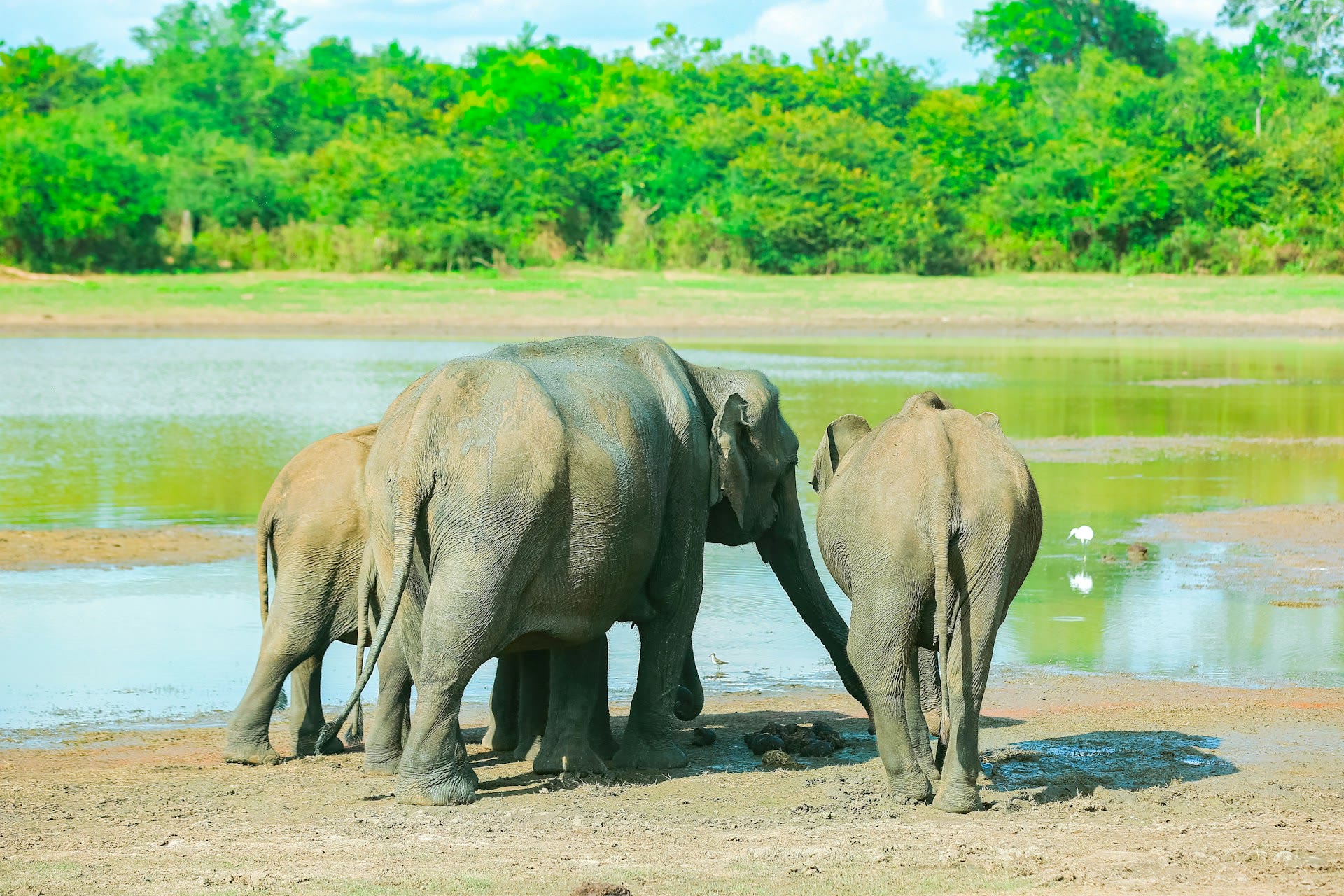
Choose Udawalawe for a jeep safari across reservoir shores, open grassland and scrub, with wild elephants as the main draw. It suits travellers who enjoy watching wild animals and accept that sightings vary from drive to drive. The Elephant Transit Home is a separate visit about rescuing and rehabilitating orphaned calves, so decide whether you want one experience or both.
Spend a night nearby if you want an early start. That separates the road journey from the safari and leaves you rested. A day trip works too if you have a complete pickup and return plan.
What you can expect to see
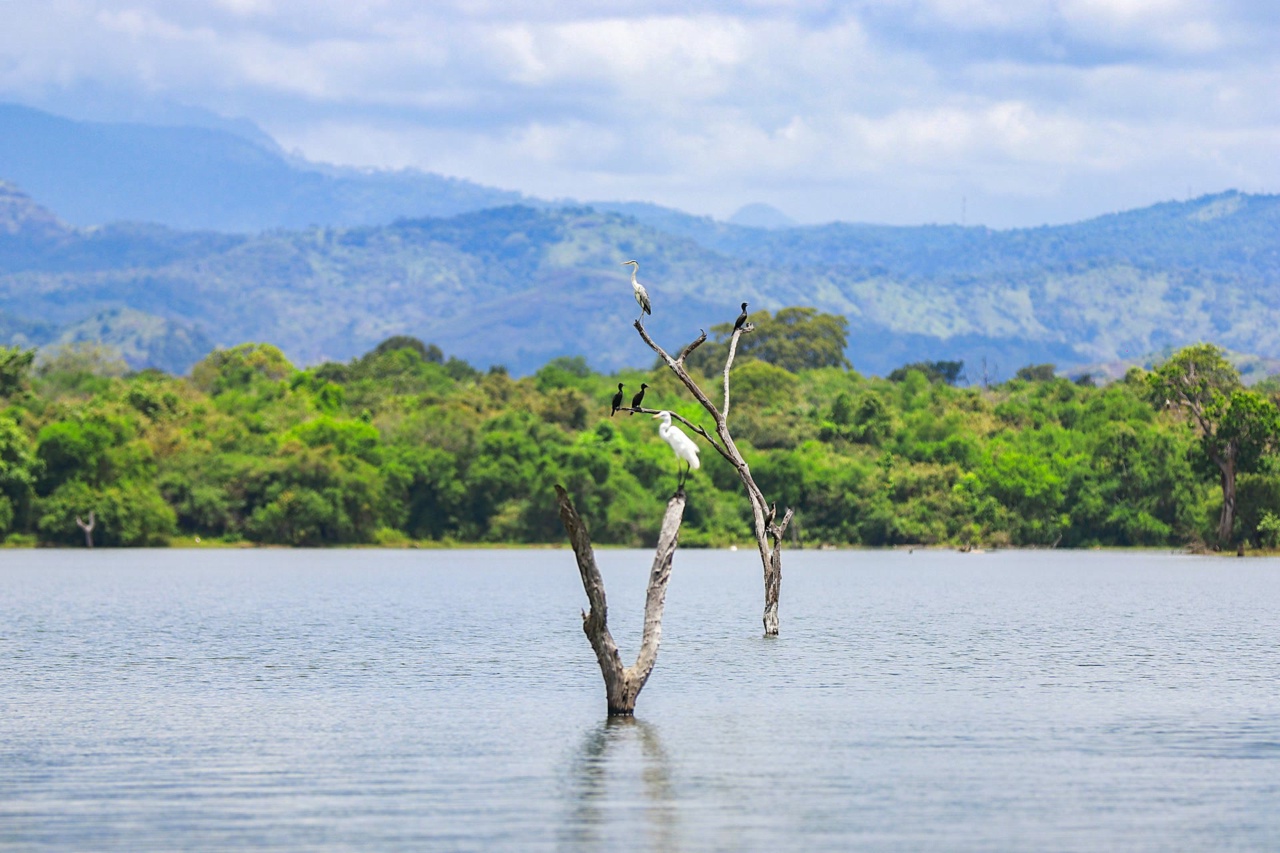
The Ministry of Environment's park booklet describes 30,821 hectares around the Udawalawe Reservoir, declared a national park on 30 June 1972 to protect wildlife displaced by the Walawe River development scheme and the reservoir's catchment. Forest, scrub, savanna and open grassland share the landscape, with the Kaltota range to the north.[1]
The park is home to roughly 250 Asian elephants, plus sambar, spotted deer, wild boar, water buffalo, mugger crocodiles, water monitors and the endemic Sri Lanka junglefowl and spurfowl. Leopards and sloth bears live here too, but they are rarely seen.[1] Bring binoculars and watch behaviour rather than asking the driver to chase a species list. Wild animals move, so a quiet drive is as much a part of a safari as a herd at the water's edge.
Things to Do
Offers are only loaded from GetYourGuide after you click. GetYourGuide can then process your IP address and set cookies. Privacy Policy
GetYourGuide partner offers. GoAsia may earn a commission if you book through these offers. Check whether tickets or transfers are included, and follow the attraction's official booking and admission rules.
Choose a safari that fits your day
| Plan | Who it suits | Agree before booking |
|---|---|---|
| Stay nearby, then take a shorter drive | Travellers who want less road time on the safari day | Pickup, entry time, drive duration and return |
| Road day trip | Travellers with a workable return route and no tight onward connection | Total transport time, safari time and latest return |
| Safari plus Elephant Transit Home | Travellers interested in wild habitat and rehabilitation | Separate admission and the transfer between the two |
Ask your accommodation to recommend a driver, then ask what the driver does around animals. Choose someone who keeps the animals' routes clear, never surrounds or chases them and follows the rangers. Stay in the vehicle unless staff say otherwise.
Morning and afternoon drives each have their appeal, and neither guarantees more animals, fewer vehicles or a sunset. Carry drinking water, sun and rain protection, any medication you need and a camera or binoculars you can secure while the jeep bounces.
Understand the total cost before paying
Entering a national park requires a permit issued by a Department of Wildlife Conservation officer against the prescribed fee.[2] Permits can also be reserved online, with charges that vary by park and by group or vehicle, and a QR code on the receipt is checked at the park entrance.[3] Tickets are also sold at the entrance office.[1]
Ask any operator for an itemised total: permits for each visitor, the jeep and driver, transfers to and from your base, and any separate Elephant Transit Home admission. Divide only the vehicle costs by the passengers, then add each person's permit. For a shared tour, ask whether the price is per person and what happens if the group does not fill. Get the cancellation terms in writing.
Elephant Transit Home: a separate rehabilitation visit
The Elephant Transit Home cares for orphaned elephant calves and releases them back into the wild once they have adjusted to life in the forest. The Department of Wildlife Conservation set it up in 1995 on about 200 acres at the western edge of the park. By 2020 more than 100 elephants had been released, and 40 to 50 calves are in care at a time.[4] Seeing calves here is a different experience from watching free-roaming elephants on a safari.
The calves are bottle-fed through the day and night, and the first milk feed starts at 06:00.[4] The home lies 300 metres along C.P.D. De Silva Mawatha, off the Thanamalwila road at Udawalawe Junction.[4] Check admission and visiting times for your date before you plan around it, and watch from the authorised area as the staff direct.
Arrival, accommodation and onward travel
The park entrance is about 165 km from Colombo, near the 7th km post on the Thanamalwila road. The usual road from Colombo runs through Ratnapura and Pelmadulla and turns left at Thimbolketiya junction.[1] From Ella, the south coast or another park, agree a transfer with the provider or check the bus route and last return locally.
Choose accommodation by the whole logistics: where the pickup happens, whether an early breakfast is possible, how the safari is priced and whether you can leave your luggage while you are out. Keep some flexibility for a delayed drive or a change of plan.
Weather and next steps
The park gets most of its rain from the southeast monsoon, with a short dry spell in February and March and sometimes a dry stretch from mid-May to late September. The northeast monsoon brings rain from November to mid-January.[1] Dry spells draw animals to the reservoir and the Walawe River, which supply water all year.[1]
Use our Sri Lanka travel overview to organise the wider journey. If you also want a coastal wildlife outing, treat whale watching from Mirissa as a separate trip with its own season and operator.
Sources and background
Numbers in the text such as [1] refer to these sources.
- [1] Ministry of Environment, Sri Lanka; Department of Wildlife Conservation: Udawalawe National Park: conservation and wildlife booklet. Retrieved October 22, 2026.
- [2] Department of Wildlife Conservation, Sri Lanka: National Park. Retrieved October 21, 2026.
- [3] Department of Wildlife Conservation, Sri Lanka: Wildlife Park Permits Reservation eService. Retrieved October 21, 2026.
- [4] Ministry of Environment, Sri Lanka; Department of Wildlife Conservation: Elephant Transit Home: rehabilitation and release booklet. Retrieved October 22, 2026.
Frequently Asked Questions
Not on every drive, but elephants are the park's signature animal: the park booklet puts the population at roughly 250. Wild animals move, so choose the safari for the habitat and the watching, and allow time rather than expecting a set count.
Ask for an itemised quote: each visitor's park permit, the jeep and driver, transfers and any Elephant Transit Home admission. Divide only the vehicle costs by the passengers. Permit charges vary by park and by group or vehicle.
Ask your accommodation or an operator for a complete written plan covering permits, pickup, duration, payment and cancellation. Permits can also be reserved online through the Department of Wildlife Conservation.
Choose by your interests and route. Udawalawe is known for elephants on open grassland by a reservoir, and it lies closer to Colombo. Yala is a separate outing, and Udawalawe's leopards are rarely seen.
It is a Department of Wildlife Conservation programme, set up in 1995, that cares for orphaned elephant calves and releases them back into the wild. It is separate from a safari among wild animals. Check admission and visiting times before you go.
There is a short dry spell in February and March and sometimes another from mid-May to late September, while the northeast monsoon brings rain from November to mid-January. Check the forecast, and leave room to change the drive if the weather or staff require it.
Yes, with a complete road-transfer and return plan, but it makes a long day. Compare it with staying nearby for one night, and do not plan a tight onward connection for the evening.