Prambanan Temple: Java's Magnificent Hindu Masterpiece
Rising from the flat plains of Central Java, Prambanan is the largest Hindu temple complex in Indonesia and one of the finest examples of Hindu architecture in Southeast Asia. Its towering spires, intricate stone carvings, and dramatic Ramayana relief panels make it a worthy rival to nearby Borobudur, yet it draws only a fraction of the visitors.
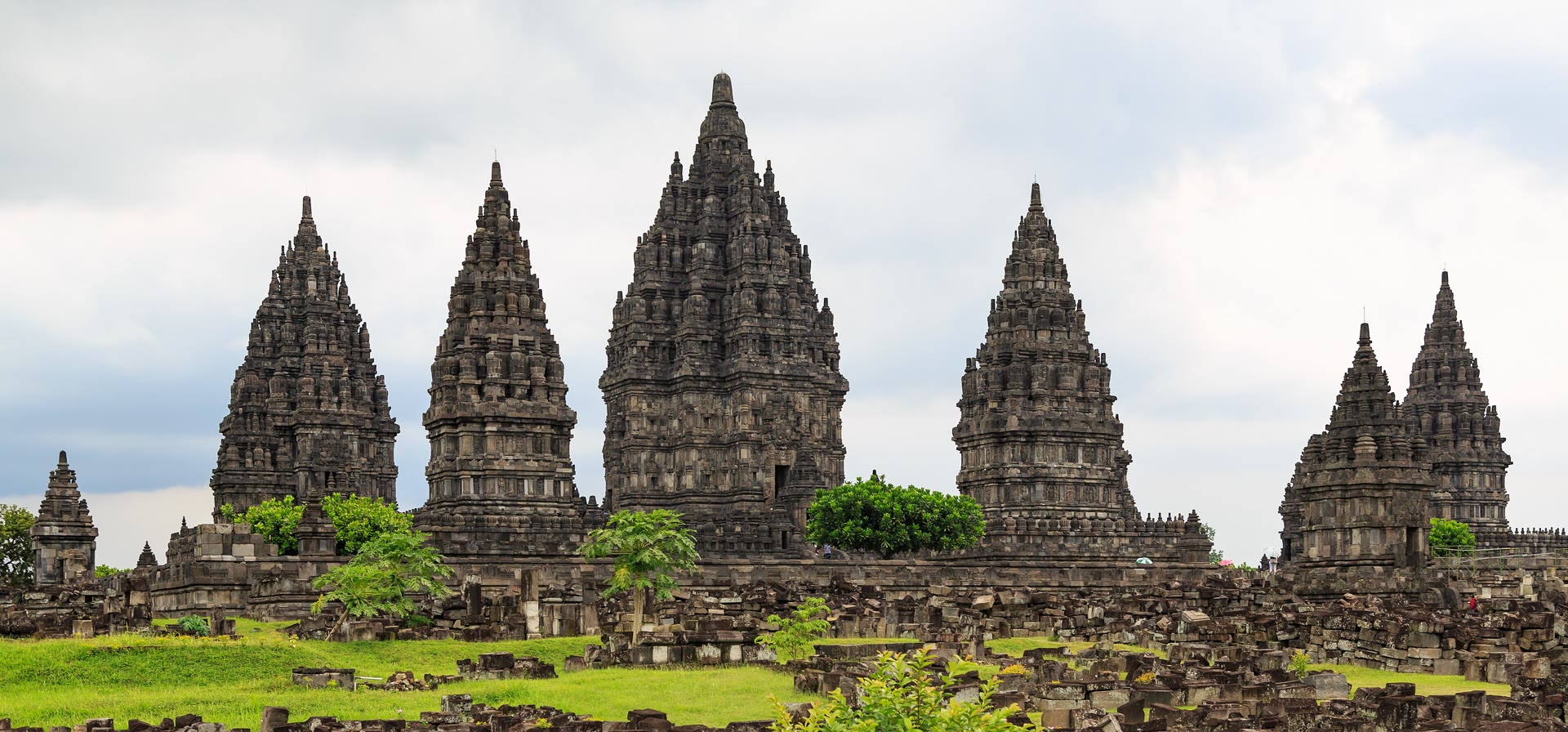
Built in the 9th century during the Mataram Kingdom, Prambanan comprises over 200 individual temples, though the central compound with its three main towers dedicated to Brahma, Vishnu, and Shiva commands the most attention. The tallest, Shiva Mahadeva, reaches 47 meters and dominates the skyline for kilometers around. A visit here combines ancient history, remarkable craftsmanship, and - if you time it right - one of Java's most memorable cultural performances.
Getting to Prambanan from Yogyakarta
Prambanan sits about 17 kilometers northeast of central Yogyakarta, making it an easy half-day or full-day trip. Several transport options connect the two.
- Trans Jogja Bus: Line 1A runs from Malioboro directly to the Prambanan bus stop. The ride takes about 45 minutes and costs Rp3,500. From the bus stop, it is a short walk to the temple entrance.
- Motorbike or car: Renting a motorbike (around Rp75,000 per day) gives you flexibility. The drive takes 30-40 minutes depending on traffic. Parking at the temple costs Rp5,000 for motorbikes and Rp10,000 for cars.
- Grab or Gojek: A ride-hailing trip from central Yogyakarta costs roughly Rp40,000-60,000 one way. Getting a return ride from the temple area is usually straightforward.
- Organized tour: Many Yogyakarta tour operators combine Prambanan with Borobudur in a single day trip. Expect to pay around Rp300,000-500,000 per person for a combined tour including transport and guide.
Things to Do
Entrance Fees and Opening Hours
The temple complex opens daily from 6:30 AM to 5:30 PM, with last entry at 5:00 PM. An early morning option called the Pruputan package allows entry from 6:30 to 8:00 AM with fewer crowds.
| Ticket Type | Indonesian Visitors | Foreign Visitors |
|---|---|---|
| Adult | Rp50,000 | Rp375,000 (~$25) |
| Child (3-10) | Rp25,000 | Rp225,000 (~$15) |
| Combo with Borobudur (same day) | Rp75,000 | Rp575,000 (~$38) |
If you plan to visit both Prambanan and Borobudur, the combo ticket saves a significant amount compared to buying separate entries. Both tickets are available at either temple's ticket counter.
Exploring the Temple Complex
The Main Compound
The central compound contains six temples arranged in two rows. The three main temples are dedicated to the Hindu trinity: Shiva Mahadeva (center, 47 meters tall), Vishnu (to the north), and Brahma (to the south). Facing each of these stand three smaller temples dedicated to the vahanas (divine mounts) - Nandi the bull, Garuda the eagle, and Hamsa the swan.
Since mid-2020, climbing inside the temples is no longer permitted. Visitors can walk around the base of each temple and admire the exterior relief panels from ground level. The restriction protects the fragile stone structures but does mean you cannot see the interior statues up close.
The Ramayana Reliefs
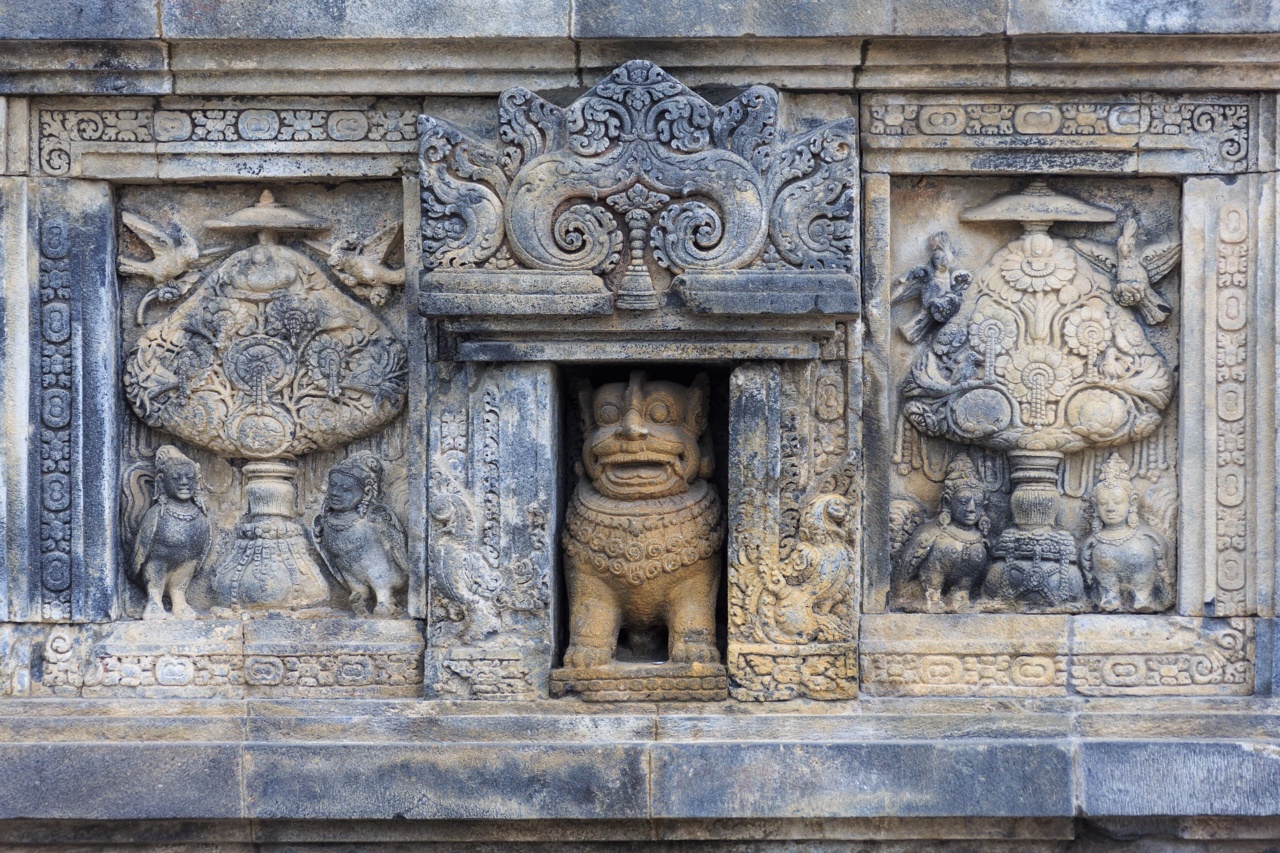
The most artistically significant feature of Prambanan is the continuous narrative relief carved along the inner balustrade walls of the Shiva and Brahma temples. These panels tell the Hindu epic Ramayana in extraordinary detail - 42 panels on the Shiva temple and 30 on the Brahma temple depict the story from Rama's birth through his battle with Ravana.
Walking clockwise (the traditional pradakshina direction), the story unfolds panel by panel. Each carving shows remarkable skill: flowing garments, expressive faces, detailed forest and palace backgrounds. Hiring a local guide (around Rp150,000-200,000) is worthwhile here, as they can explain each scene and point out details you would otherwise miss.
The Outer Temples
Beyond the main compound, the wider complex originally contained 224 smaller pervara temples arranged in four concentric squares. Most are in ruins - reduced to rubble by centuries of earthquakes, volcanic activity, and neglect. Some have been partially reconstructed, and walking among these atmospheric remains gives a sense of the complex's original scale.
The Ramayana Ballet
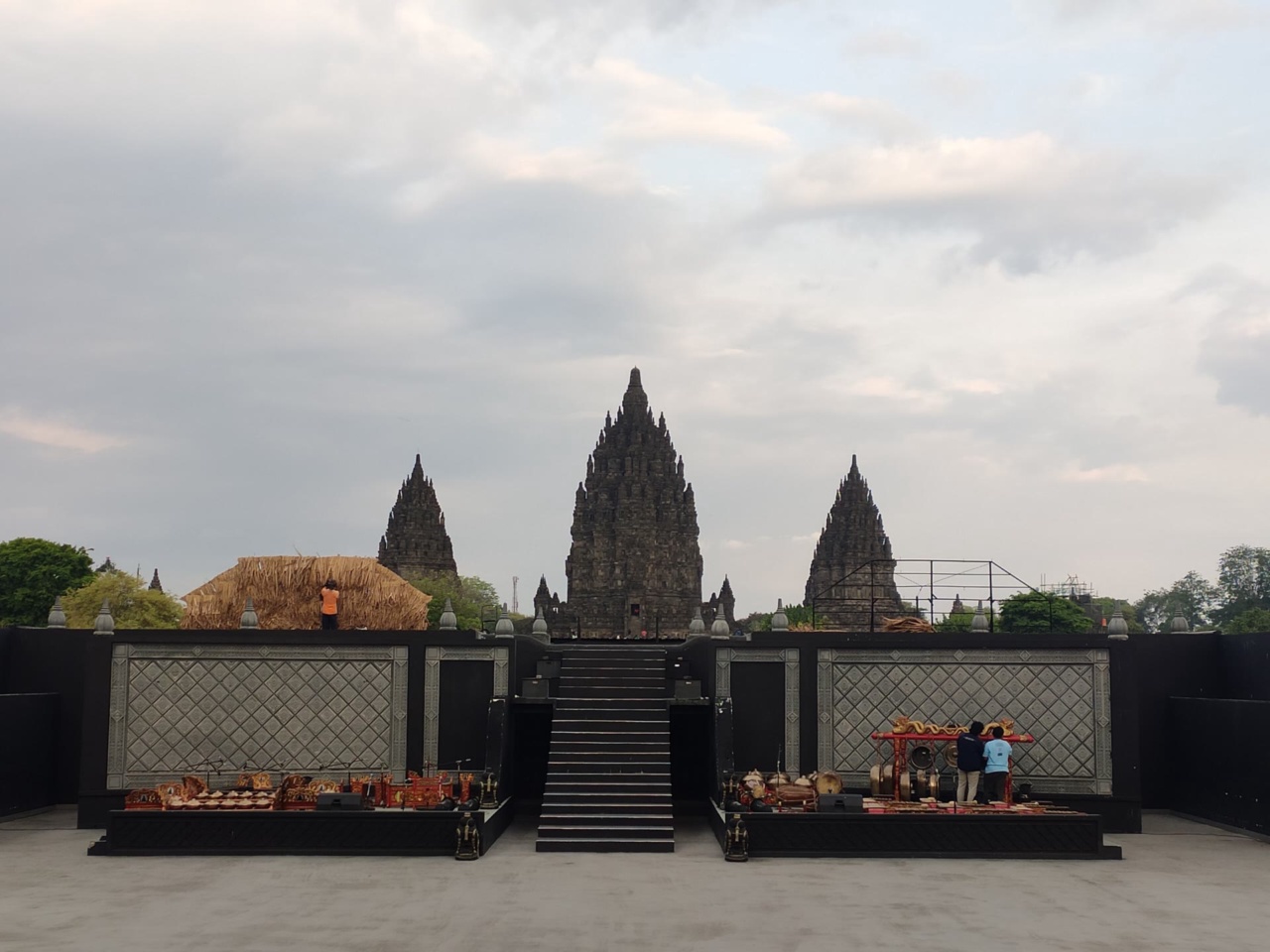
Prambanan hosts one of Java's most spectacular cultural performances: the Ramayana Ballet. Held on an open-air stage with the illuminated temples as a backdrop, this dance-drama brings the same epic carved into the temple walls to life through traditional Javanese dance, gamelan music, and elaborate costumes.
Schedule and Tickets
Performances run on Tuesday, Thursday, and Saturday evenings, starting at 7:30 PM. During the dry season (May to October), the show takes place on the outdoor stage and lasts two hours. During the rainy season (November to April), it moves indoors to the Trimurti Building with a slightly shorter 90-minute format.
| Seat Class | Price Range |
|---|---|
| VIP (front rows) | Rp400,000-500,000 |
| Class I | Rp250,000-350,000 |
| Class II | Rp150,000-200,000 |
Tickets sell out during peak season (July-August), so book at least a few weeks ahead if visiting then. The outdoor performance under a full moon is particularly magical and highly sought after.
Making the Most of the Evening
A smart approach is to visit the temple complex in the late afternoon, watch the sunset paint the spires golden, then walk over to the performance area. Note that the temple ticket and ballet ticket are separate purchases. Arrive 30-45 minutes before showtime to get settled and enjoy the atmosphere as the temples light up behind the stage.
Prambanan vs. Borobudur
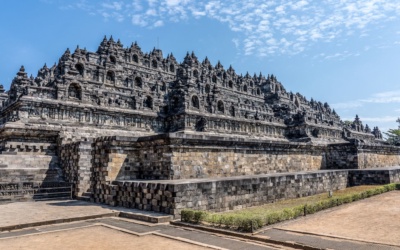
Visitors to Yogyakarta often wonder whether to prioritize Prambanan or Borobudur if time is limited. The two temples could not be more different. Borobudur is a single massive Buddhist monument - a stone mandala you climb through layers of terraces. Prambanan is a collection of Hindu towers with intricate narrative carvings and a vertical, reaching-for-the-sky aesthetic.
Both deserve a visit, and the combo ticket makes it financially sensible to see both. If forced to choose, Borobudur tends to win on sheer scale and the sunrise experience, while Prambanan offers more architectural detail and the Ramayana Ballet adds a cultural dimension Borobudur cannot match. For more on planning your temple visits, check out other Yogyakarta guides on GoAsia.cc.
Nearby Temples Worth Visiting
The Prambanan area contains several smaller temples that most tourists overlook entirely.
- Candi Sewu: Just 800 meters north of Prambanan, this Buddhist temple complex is the second largest in Central Java after Borobudur. With 249 original temples (many reconstructed), it is atmospheric and almost empty of visitors. Included in your Prambanan ticket.
- Candi Plaosan: A combined Hindu-Buddhist temple about 1.5 kilometers northeast. Twin main buildings with beautiful relief carvings and guardian statues. A separate Rp10,000 fee applies.
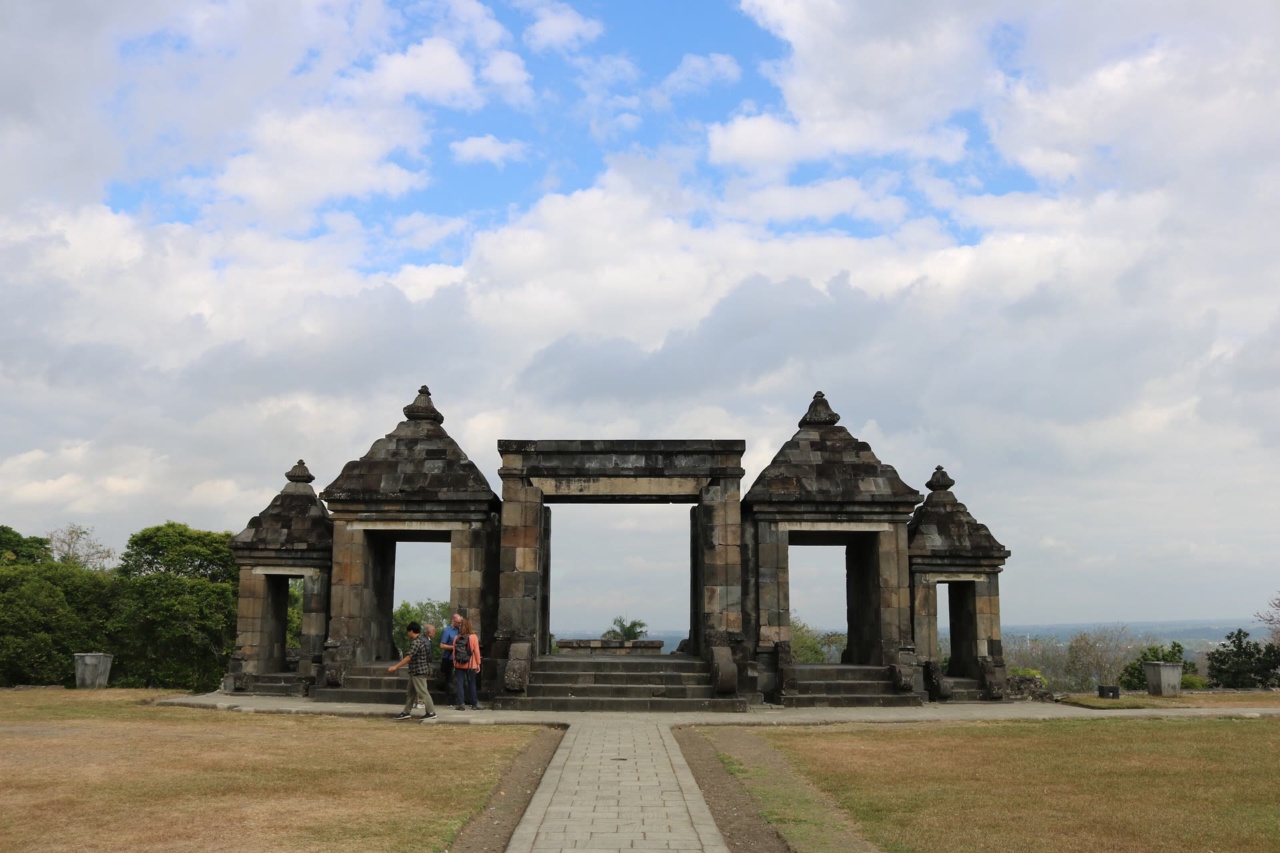
- Candi Ratu Boko: A ruined hilltop palace about 3 kilometers south of Prambanan. The views over the plains toward Prambanan and Mount Merapi at sunset are outstanding. Separate ticket required (Rp50,000 domestic, Rp375,000 foreign).
Tips for Visiting Prambanan
- Avoid Mondays: The main Shiva Mahadeva temple closes for maintenance on Mondays. All other temples remain accessible, but you will miss the highlight.
- Come early or late: The complex is quietest before 9:00 AM and after 3:30 PM. Midday heat and tour bus crowds peak between 10:00 AM and 2:00 PM.
- Wear sun protection: There is very little shade in the main compound. A hat, sunscreen, and water are essential, especially during the dry season.
- Hire a guide at the gate: Licensed guides wait near the entrance and charge Rp150,000-200,000 for a one-hour tour. Their explanations of the relief panels and temple symbolism add significant value to the visit.
- Bring your Borobudur ticket: If you visited Borobudur the same day, show your ticket at the Prambanan counter to get the combo price. This works in both directions.
- Budget two to three hours: The main compound takes about 90 minutes to explore thoroughly. Add another hour if you want to visit Candi Sewu and walk the outer grounds.
- Watch for earthquake damage signs: Some areas may be roped off for restoration. The complex suffered significant damage in a major earthquake and rebuilding is an ongoing process.
Frequently Asked Questions
Absolutely. Prambanan and Borobudur are completely different experiences. Prambanan is a Hindu temple complex with soaring towers and intricate narrative relief carvings depicting the Ramayana, while Borobudur is a single Buddhist monument. The architectural styles, religious themes, and atmosphere are distinct enough that seeing both enriches your understanding of Java's history.
Foreign visitors pay Rp375,000 (about $25) for adults and Rp225,000 ($15) for children aged 3-10. Indonesian visitors pay Rp50,000 and Rp25,000 respectively. A combo ticket covering both Prambanan and Borobudur on the same day costs Rp575,000 for foreign visitors, offering meaningful savings over separate tickets.
The cheapest option is the Trans Jogja bus line 1A from Malioboro, which takes about 45 minutes and costs Rp3,500. Ride-hailing apps like Grab cost Rp40,000-60,000 one way. You can also rent a motorbike for around Rp75,000 per day, giving you flexibility to visit nearby temples like Candi Sewu and Ratu Boko.
No, since mid-2020 climbing inside the temples is no longer permitted. Visitors can walk around the base of each temple and view the exterior relief panels from ground level. The restriction was introduced to protect the fragile stone structures from further damage.
The Ramayana Ballet runs on Tuesday, Thursday, and Saturday evenings starting at 7:30 PM. From May to October it is performed outdoors with the illuminated temples as a backdrop (two hours). From November to April it moves indoors to the Trimurti Building (90 minutes). Book tickets in advance during peak season as performances sell out.
Early morning before 9:00 AM or late afternoon after 3:30 PM offers the best conditions. You avoid midday heat and the crowds from tour buses that peak between 10 and 2. Late afternoon light also produces the best photographs of the temples, and you can stay for the Ramayana Ballet if it is a performance night.
A guide is highly recommended, especially for understanding the Ramayana relief panels. Licensed guides at the entrance charge Rp150,000-200,000 for about an hour and can explain the Hindu mythology, temple architecture, and historical context. Without a guide, the detailed stone carvings are beautiful but their stories remain hidden.
The complex is open on Mondays, but the main Shiva Mahadeva temple - the tallest and most impressive structure - closes for maintenance that day. If possible, plan your visit for a different day to ensure you see the full complex including the highlight temple.