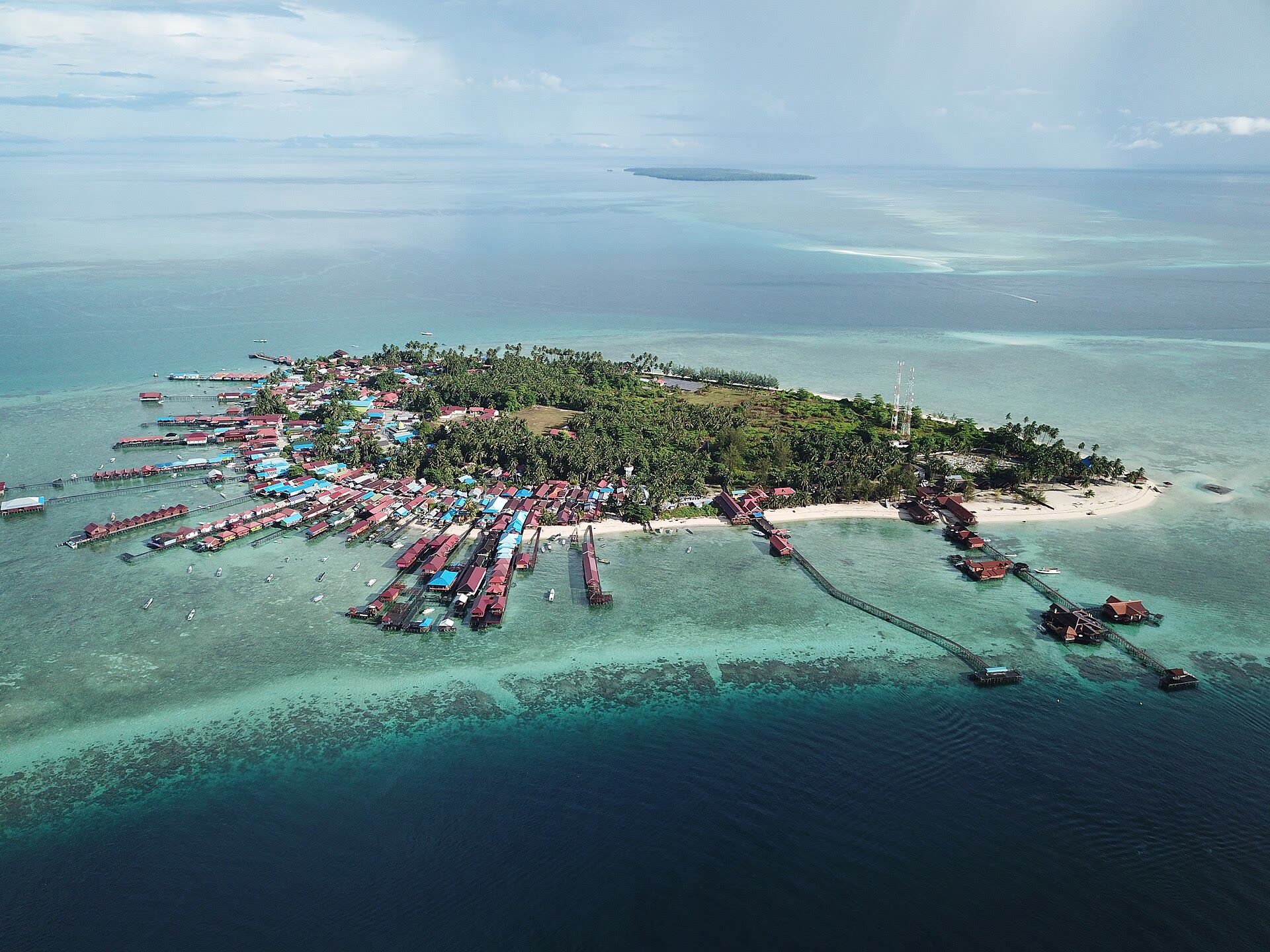
Derawan Islands: Kalimantan's Hidden Paradise of Turtles and Jellyfish Lakes

Derawan Islands: Kalimantan's Hidden Paradise of Turtles and Jellyfish Lakes

Last updated: March 18, 2026

Off the east coast of Kalimantan, Indonesian Borneo, an archipelago of 31 islands sits in warm, crystal-clear waters that most international travelers have never heard of. The Derawan Islands are home to one of the planet's rarest natural phenomena: a landlocked saltwater lake on Kakaban Island where four species of jellyfish have evolved to become completely stingless, allowing you to swim among thousands of them in perfect safety. Only a handful of places on Earth offer this experience, and Kakaban's lake is among the most pristine.

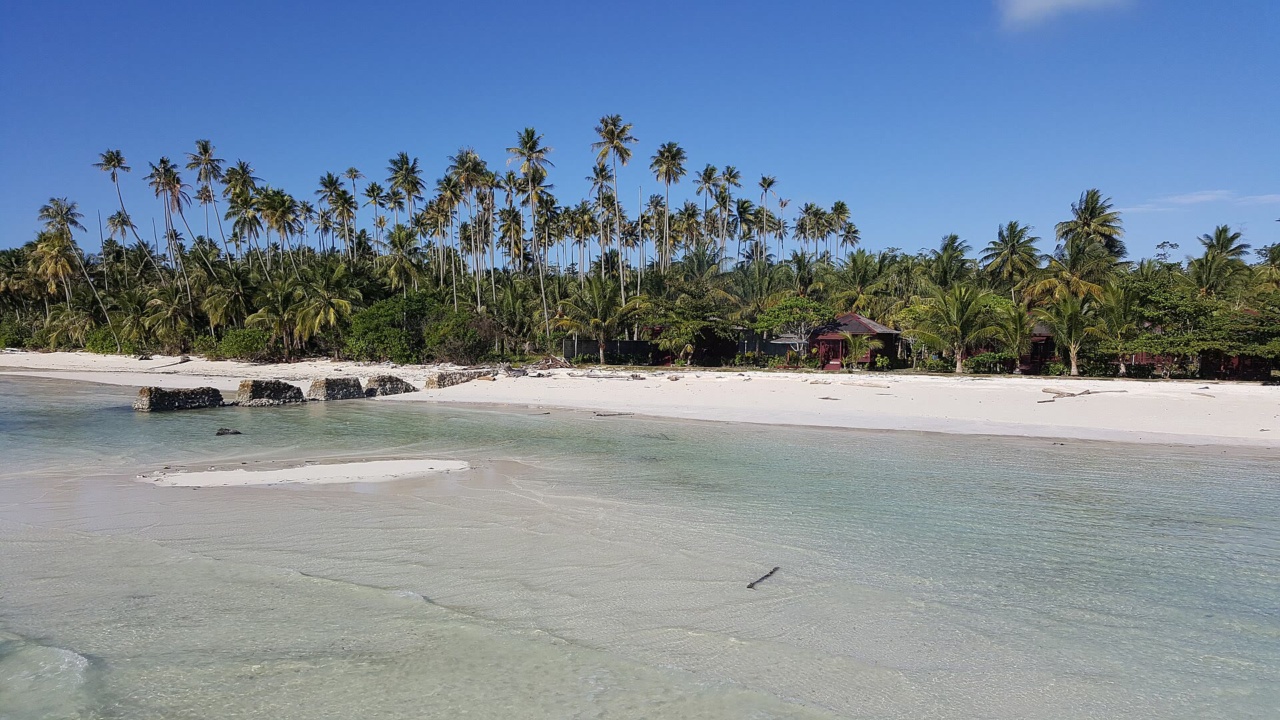
But the jellyfish lake is just one reason to make the journey to Derawan. The archipelago's waters are a critical nesting ground for green and hawksbill sea turtles, with Sangalaki Island hosting one of Indonesia's most important turtle hatcheries. Manta rays feed in the channels between islands, 28 identified dive sites showcase walls, channels, and coral gardens teeming with marine life, and the main island of Derawan itself offers the kind of turquoise-water, white-sand setting that earns comparisons to the Maldives, but at a fraction of the cost and without the crowds.

Getting to Derawan requires genuine effort. The journey involves a flight to Berau in East Kalimantan followed by a two-hour speedboat ride. This remoteness is precisely what keeps the islands unspoiled. Travelers who make it here find an Indonesia that has largely disappeared from more accessible destinations: quiet beaches, untouched reefs, and a pace of life dictated by tides and sunsets.

The Islands of the Derawan Archipelago

Derawan Island

The main island and the base for most visitors. Derawan is the most developed of the group, though "developed" is relative. A handful of homestays, guesthouses, and small resorts line the waterfront, along with simple warungs serving fresh seafood. The island is small enough to walk around in about 30 minutes.

The house reef just off Derawan's pier is excellent for snorkeling, with sea turtles frequently visible from the wooden boardwalk. At night, baby turtles from the island's conservation program are sometimes released on the beach, and green turtles come ashore to nest on the quieter stretches of sand. The water around the pier is so clear that you can watch rays and reef fish from above without getting wet.

Kakaban Island - The Jellyfish Lake

Kakaban is the star attraction of the archipelago. A prehistoric uplift trapped ocean water in a landlocked lake in the island's interior, and over millions of years, the jellyfish populations within evolved without predators, losing their stinging cells entirely. The result is a surreal experience: swimming in warm, brackish water surrounded by thousands of translucent jellyfish that pulse gently around you without any danger.

Four species of stingless jellyfish inhabit the lake: moon jellyfish, box jellyfish, spotted jellyfish, and an upside-down jellyfish that rests on the lake floor. The lake is accessed via a short trail through dense mangrove forest from the beach. A small entrance fee applies. Bring an underwater camera, as the jellyfish are incredibly photogenic against the filtered green light of the lake.

Kakaban's outer reef is equally impressive, with pristine coral walls and strong currents that attract schools of barracuda, trevally, and the occasional reef shark. Most visitors combine the jellyfish lake with a dive or snorkel on the outer wall in the same trip.

Sangalaki Island

Sangalaki is the turtle island. A government-managed conservation center monitors nesting green turtles, protects eggs from poachers, and releases hatchlings into the sea. Visitors can observe the process and, depending on timing, witness hatchlings making their first dash to the ocean.

The waters around Sangalaki are also where manta rays congregate to feed on plankton-rich currents. Snorkeling or diving at Manta Point near Sangalaki offers encounters with these graceful giants, which can have wingspans exceeding 4 meters. Manta sightings are most reliable between March and May and again in September and October.

Maratua Island

The largest island in the group, Maratua is an atoll with a distinctive elongated shape and a sheltered lagoon. It offers some of the best diving in the archipelago, particularly at the channel entrances where currents funnel nutrients and attract pelagic species. The Big Fish Country dive site at Maratua's channel is famous for schooling barracuda, jacks, and grey reef sharks.

Maratua has a small airport with limited commercial flights, but most visitors still access it by boat from Derawan. The island has several dive resorts and guesthouses, offering an alternative base to Derawan with potentially easier access to the best dive sites.

Things to Do

Diving and Snorkeling

The Derawan archipelago has 28 identified dive sites ranging from shallow coral gardens to deep walls and current-swept channels. The diving here is varied and largely uncrowded. For more Indonesian dive destination comparisons, check out GoAsia.cc.

Dive SiteIslandHighlightsLevel
Derawan House ReefDerawanTurtles, macro life, easy accessAll levels
Kakaban WallKakabanPristine wall, barracuda schools, sharksIntermediate
Manta PointSangalakiManta rays, reef fishAll levels
Big Fish CountryMaratuaSharks, jacks, barracuda schools, strong currentAdvanced
Turtle TrafficSangalakiMultiple turtle species, coral gardenAll levels
The ChannelMaratuaDrift dive, pelagics, grey reef sharksAdvanced
Blue Light CaveKakabanCavern with blue light effects, lobstersAdvanced

Diving Costs

Diving from Derawan Island is the most affordable option, with guided dives ranging from IDR 480,000 to IDR 960,000 (approximately $30 to $60) per dive. Day trips to Kakaban including the jellyfish lake and diving cost IDR 1,120,000 to IDR 2,400,000 ($70 to $150). Maratua channel dives run IDR 1,600,000 to IDR 3,200,000 ($100 to $200) per day of diving, reflecting the longer boat journey and more challenging conditions.

Multi-day dive packages offer significant savings. Expect to pay around $450 for a 3-day, 9-dive package at resorts on Maratua, including accommodation and meals.

Snorkeling

Non-divers can enjoy world-class snorkeling throughout the archipelago. The house reef at Derawan is accessible directly from the beach with turtles almost guaranteed. Snorkeling at Manta Point near Sangalaki offers manta encounters from the surface. The jellyfish lake on Kakaban requires only a mask and snorkel. Most island-hopping tours include snorkeling stops.

Getting to the Derawan Islands

Step 1: Fly to Berau

Kalimantan Berau Airport (BEJ) receives domestic flights from Balikpapan (1.5 hours), Jakarta (2.5 hours via connection), and Surabaya. Garuda Indonesia, Lion Air, and Sriwijaya Air operate routes, though schedules are limited and flights may not run daily. Book well in advance, especially during Indonesian school holidays.

Step 2: Berau to the Islands

From Berau Airport, take a taxi or ojek (motorbike taxi) to Tanjung Batu harbor (approximately 2 hours by road). From Tanjung Batu, speedboats to Derawan Island take about 30 to 45 minutes. The boat ride costs approximately IDR 100,000 to IDR 150,000 per person on a shared boat, or IDR 1,000,000 to IDR 1,500,000 for a private charter.

Some resorts arrange complete transfers from Berau Airport to the island, splitting the cost among guests. This typically works out to around IDR 500,000 to IDR 1,000,000 per person depending on group size and is the most convenient option.

Alternative: Via Tarakan

Tarakan, a larger city in North Kalimantan, has more frequent flight connections. A weekly ferry runs from Tarakan to Derawan on Fridays. This route is cheaper but much slower and only practical if your schedule aligns with the ferry departure.

Where to Stay

Accommodation is simple across the islands. Do not expect luxury resorts or international hotel chains. The charm of Derawan lies in its rustic, island-village atmosphere.

  • Derawan Island homestays (IDR 200,000 - IDR 500,000/night): Basic rooms in family homes or small guesthouses. Most include breakfast. Fan-cooled rooms are standard; AC is available at the higher end. Several waterfront homestays have stunning views from their porches.
  • Derawan Island resorts (IDR 500,000 - IDR 1,500,000/night): Small resorts with better amenities, AC, private bathroom, and often an attached dive center. Some offer full-board packages including meals.
  • Maratua dive resorts (IDR 800,000 - IDR 2,500,000/night): More established dive operations with equipment rental, PADI courses, and multi-day packages. Options include Scuba Junkie Sangalaki (on Sangalaki) and Maratua Guesthouse.
  • Sangalaki Island: Limited accommodation options, mostly connected to the dive operations. Staying here puts you closest to the manta point and turtle conservation center.

Best Time to Visit

The Derawan Islands sit close to the equator with warm temperatures year-round (27 to 31 degrees Celsius). However, sea conditions vary significantly:

  • Best months (March - May, August - October): Calm seas, excellent visibility (20-30 meters), and the highest likelihood of manta ray sightings. These windows offer the most reliable conditions for island hopping and diving.
  • Transitional months (June - July, November): Generally good conditions with occasional swells. Diving is still possible most days.
  • Avoid (December - February): The wettest period with potentially rough seas, reduced visibility, and difficult boat transfers between islands. Some operations reduce services or close temporarily during this period.

Tips for Visiting the Derawan Islands

  • Bring enough cash. There are no ATMs on the islands and card payments are not accepted anywhere. Withdraw sufficient Indonesian rupiah in Berau before heading to the harbor. Budget at least IDR 2,000,000 to IDR 3,000,000 per day for accommodation, meals, activities, and transport between islands.
  • Book accommodation in advance. Options are limited and during peak season (July-August, Indonesian school holidays) the most popular homestays and dive resorts fill up. Contact places directly via WhatsApp, as many are not listed on mainstream booking platforms.
  • Pack reef-safe sunscreen. The reefs here are pristine partly because visitor numbers are low. Help keep them that way by using mineral-based (zinc oxide) sunscreen. Alternatively, wear a rash guard for sun protection.
  • Do not touch the jellyfish. While they cannot sting you, handling jellyfish can damage their fragile bodies. Swim gently among them and resist the urge to grab or hold them.
  • Bring your own snorkeling gear. Rental equipment is available but quality varies. A good mask that fits properly makes a significant difference to your underwater experience.
  • Expect basic infrastructure. Electricity on some islands runs on generators with limited hours. Wi-Fi is spotty or nonexistent. Mobile data coverage is unreliable. Embrace the disconnection as part of the experience.
  • Coordinate island-hopping through your accommodation. Your homestay or resort can arrange boat trips to Kakaban, Sangalaki, and Maratua. Group trips shared with other guests bring down the per-person cost significantly, as boat charter fees are the biggest expense.
  • Allow at least 3-4 days. One day is insufficient. You need separate trips to Kakaban (jellyfish lake + diving), Sangalaki (mantas + turtles), and Maratua (channel diving). Add a day to simply enjoy Derawan's house reef and village atmosphere.

Frequently Asked Questions

What is the jellyfish lake on Kakaban Island?

Kakaban's jellyfish lake is a landlocked body of saltwater where four species of jellyfish evolved over millions of years without predators, losing their ability to sting. You can swim among thousands of translucent jellyfish in complete safety. It is one of only a few such lakes in the world and is accessed via a short jungle trail from Kakaban's beach.

How much does a trip to the Derawan Islands cost?

Budget homestays on Derawan start at IDR 200,000 per night ($12). Diving costs IDR 480,000 to IDR 960,000 ($30-$60) per dive from Derawan, while day trips to Kakaban run $70-$150. Transport from Berau to the islands costs IDR 100,000 to IDR 1,000,000 depending on shared or private boats. A full 4-day trip including accommodation, meals, and activities runs roughly $300-$600 per person.

How do I get to the Derawan Islands?

Fly to Berau Airport in East Kalimantan, then take a taxi to Tanjung Batu harbor (about 2 hours) and a speedboat to Derawan Island (30-45 minutes). Most resorts can arrange complete transfers from the airport. Domestic flights to Berau connect through Balikpapan, Jakarta, or Surabaya on Lion Air, Garuda, or Sriwijaya Air.

When is the best time to visit the Derawan Islands?

The best windows are March through May and August through October, when seas are calm, visibility peaks at 20-30 meters, and manta ray sightings are most likely. Avoid December through February when rough seas can make inter-island boat transfers difficult and some operations reduce services.

Can I see manta rays at the Derawan Islands?

Yes, manta rays congregate around Sangalaki Island's Manta Point to feed on plankton-rich currents. Sightings are most reliable from March to May and September to October. Both divers and snorkelers can encounter mantas, as they often feed near the surface. Wingspans can exceed 4 meters.

Do I need diving certification to enjoy the Derawan Islands?

No. Snorkeling is outstanding throughout the archipelago, including the jellyfish lake, manta encounters at Sangalaki, and turtle watching at Derawan's house reef. Several dive centers on the islands offer PADI certification courses if you want to start diving during your visit. The calm, warm waters are ideal for learning.

Is there reliable infrastructure on the Derawan Islands?

Infrastructure is basic. Some islands rely on generators for electricity with limited hours. There are no ATMs, so bring sufficient cash from Berau. Wi-Fi is minimal and mobile data coverage is spotty. Accommodation is simple homestays and small resorts. This remoteness is part of the appeal but requires planning ahead.

How many days should I spend at the Derawan Islands?

Plan at least 3 to 4 days to experience the highlights: one day for Kakaban's jellyfish lake and wall diving, one for Sangalaki's mantas and turtle conservation, and one or more for Maratua's channel diving or relaxing on Derawan. Serious divers often stay a week to explore the 28 identified dive sites across the archipelago.