Banda Islands: Spice Heritage, Diving and Practical Trip Planning
Photo: WiDi / Wikimedia Commons, CC BY-SA 4.0
Contents
- 1. Choose the trip you actually want
- 2. What makes Banda different
- 3. Read the history without turning violence into scenery
- 4. Choose a cultural visit on Banda Neira
- 5. Banda Neira, Banda Besar and the outer islands
- 6. Diving: choose a site, not a promise
- 7. Gunung Api is not an automatic add-on
- 8. Getting there and, importantly, getting back
- 9. Costs, cash and accommodation
- 10. Weather, preparation and a workable itinerary
- 11. Sources and background
- 12. Frequently Asked Questions
The Banda Islands are the original Spice Islands: a ring of small volcanic islands where nutmeg groves, Dutch forts and some of Indonesia's most celebrated reefs share a few square kilometres of sea. Banda Neira is the natural base, but staying in town, visiting a nutmeg plantation and diving are different days with different logistics. Pick your priorities first, then build the transfers around them.
Choose the trip you actually want
| Priority | Useful starting plan | Arrange before committing |
|---|---|---|
| Spice and political history | A Banda Neira stay with time for cultural visits | Which buildings are open and the walking route |
| Nutmeg growing | A separate visit to Banda Besar or another agreed plantation | Host permission, guide, transport and what the visit includes |
| Diving or snorkelling | Choose sites with a qualified operator | Experience requirements, conditions, equipment and return arrangements |
| Outer-island stays | Run, Ai or Hatta once accommodation and boats are agreed | Meals, power, communication, landing and a workable departure |
| Gunung Api | A separate outing for the volcano | Current official restrictions, local access, weather and suitability |
Give yourself several nights: the town deserves unhurried time, and a longer stay leaves room for boats and dives to move around the weather. Count arrival and departure separately from full days on the islands, and keep spare time before any fixed onward connection.
Things to Do
Offers are only loaded from GetYourGuide after you click. GetYourGuide can then process your IP address and set cookies. Privacy Policy
GetYourGuide partner offers. GoAsia may earn a commission if you book through these offers. Check whether tickets or transfers are included, and follow the attraction's official booking and admission rules.
What makes Banda different
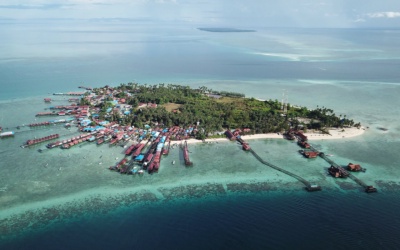
Banda Neira, also written Banda Naira, is one of ten volcanic islands of the Banda Archipelago in Maluku, eastern Indonesia.[1] The landscape ties together nutmeg, maritime trade, colonial control and the road to independence, so look at a plantation, a fort and the harbour as chapters of one story.
The nutmeg tree, Myristica fragrans, is native to Maluku's Banda Islands.[2] Nutmeg and mace come from the same tree: the fruit holds a single seed, the nutmeg, wrapped in a red or orange aril, the mace.[3] Ask a plantation guide to show you both when fruit is ripe.
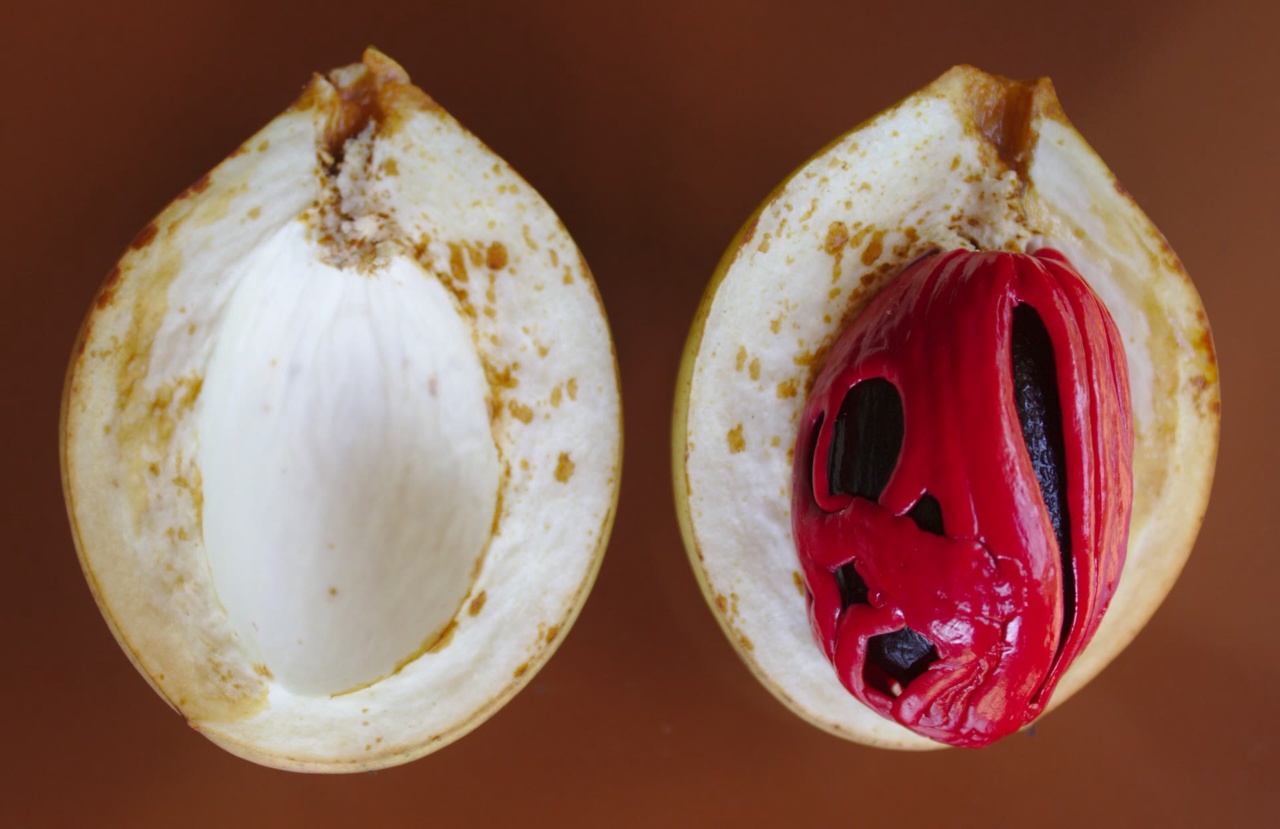
Ask how growers harvest, separate and dry the spices and how the work changes through the year. A purchase straight from a producer is a nice souvenir, and the guide's account of who grows and processes the crop adds more than any label.
Read the history without turning violence into scenery
In Indonesia's 2015 submission for the World Heritage tentative list, the Dutch built a complete nutmeg plantation system in the 17th century: plantations, forts to defend the spice monopoly and a colonial town for trade and governance.[4] The system lasted until Indonesian independence in 1945. The submission also names two living traditions, the Cakalele dance, which recalls the killing of village leaders who resisted Dutch rule, and the Kora-Kora boat races, in which each village rows a traditional war boat. Both are tied to special occasions, so do not count on seeing them during your stay.
Banda Neira also belongs to the independence story: Mohammed Hatta and Sutan Syahrir were exiled here during the struggle for independence.[4] Ask how local guides connect that chapter to the earlier colonial landscape, and whose interests each building served.
The 2015 entry is a tentative submission, not an inscription on the World Heritage List, and UNESCO publishes it as the state's own account.[4] Reading the landscape also means remembering colonial domination and the killing of the village leaders who resisted it.
The Dutch National Archives explain how the VOC reorganised production after the killing of about 14,000 Bandanese in 1621: the VOC divided the plantings into plots called perken and leased them to former employees or their descendants, the perkeniers. Enslaved people did all of the work, and the leaseholders had to deliver all nutmeg and mace to the VOC at a fixed price.[5] The archive links this to a VOC inspection register of 1757 to 1758 and a map with plantation plots on Banda Besar, also called Lonthor, the largest island.[5] Ask who owned, controlled and worked the land when you visit a plantation, not just how a spice is harvested.
Choose a cultural visit on Banda Neira
Within the little town, the Indonesian tourism ministry's port guide points to Fort Belgica, Rumah Budaya and the old church near Fort Nassau. Fort Belgica was built by the Dutch East India Company in 1611, is one of the largest surviving European forts in Indonesia and sits ten minutes' walk from the port; from above, its shape earns it the nickname "Indonesia's Pentagon".[6] Rumah Budaya shows colonial furniture, paintings and cannons, including a large painting of the 1621 killing of Banda's notables.[6] The old church was renovated in 1852 after an earthquake.[6]
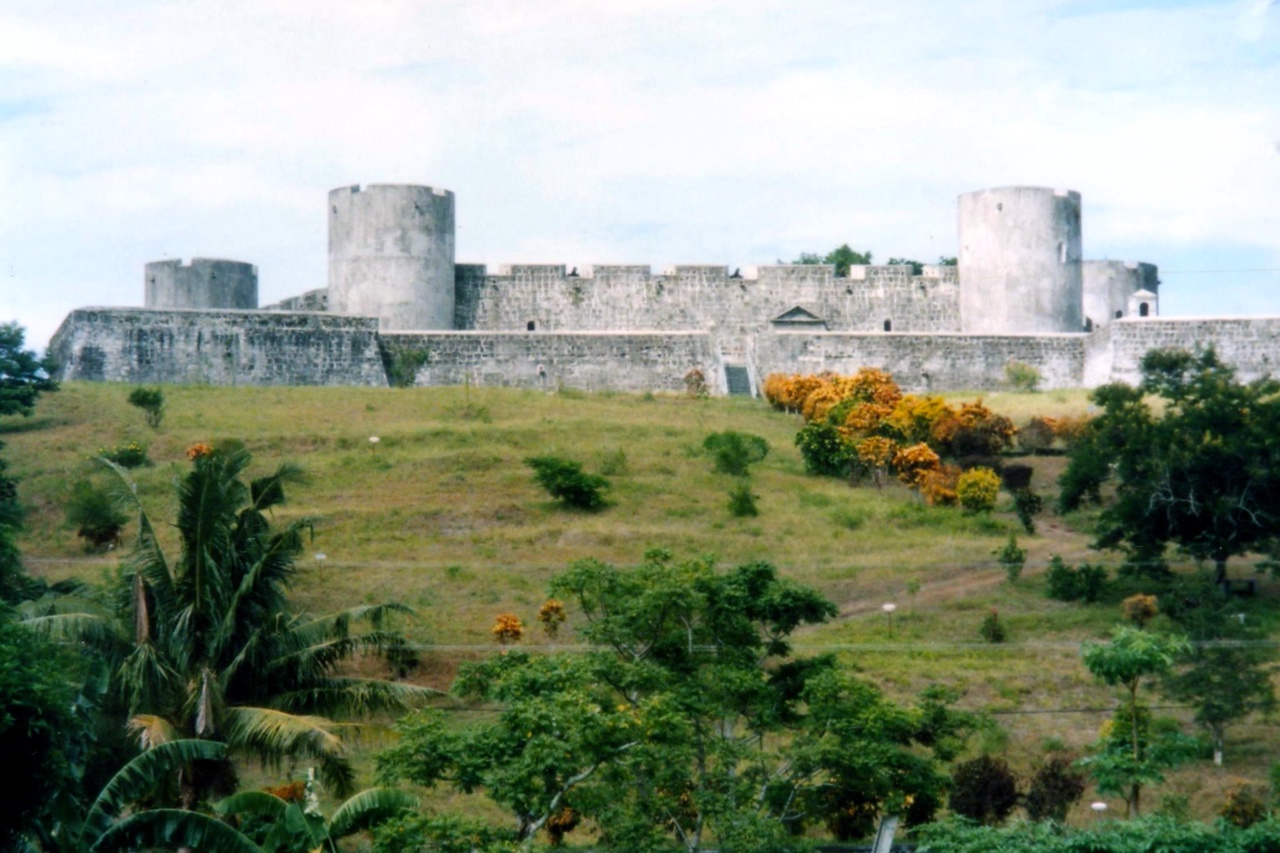
A spice market runs along the street next to the pier, and a nutmeg plantation lies close to the port.[6] Ask your host which sites you can enter before you go, and keep time for the town and the people who live there.
Banda Neira, Banda Besar and the outer islands
The Banda group has eleven small islands in Indonesia's submission: Neira, Gunung Api, Banda Besar, Rhun, Ai, Hatta, Syahrir, Karaka, Manukan, Nailaka and Batu Kapal.[4] Match the spelling on your booking (Neira or Naira) to the real port, airport or guesthouse.
For a plantation day, ask about a specific visit on Banda Besar. Agree who meets you, whether the boat is shared or chartered, how much walking is involved and how you get back. A short distance on the map does not guarantee an easy landing.
Treat Run, also written Rhun, Ai and Hatta as an overnight commitment rather than a day trip: arrange the room, meals, a way to reach your host and the departure boat before you move.
Diving: choose a site, not a promise
Batu Kapal, Gunung Api and Batu Belanda are among the named dive attractions. Pulau Ai, a small isolated island west of Banda Neira, is one of the best Banda dive sites for sharks because of its location and the deep water around it. Batu Udang, Batu Wali and Batu Kapal are popular for diving and snorkelling.[7] Discuss depth, current, entry and exit, boat cover, group size and the experience level with your operator, and judge snorkelling separately: seeing a reef on a map does not make it safe to swim from the shore.
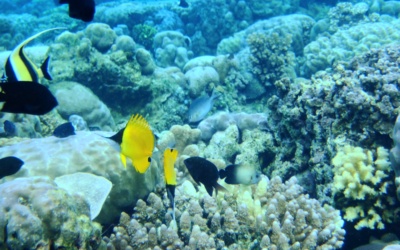
Indonesia's 2015 submission reports that the reef recovered quickly after the 1988 Gunung Api eruption, and counts over 397 coral species and 683 fish species around the islands.[4] A survey by the Kupang marine park agency (BKKPN) between 13 and 19 October 2025 at 13 stations found hard coral cover from very low to very high: over 81% at three stations and only 7% at one rocky station, plus signs of past coral mortality at some points.[8] Reefs vary a lot from site to site, so ask your operator about current conditions at the sites you plan to visit.
Follow the operator's conservation briefing, do not touch coral and do not collect marine life. Before paying, confirm qualifications, equipment, emergency arrangements and what happens if a dive is cancelled. Plan any later flight with the diving rules for your actual dive plan in mind.
Gunung Api is not an automatic add-on
Gunung Api is a living volcano, so treat a climb as a separate decision from town walking or a boat excursion. Check current information from Indonesia's volcanology authorities and local access decisions, and agree the guide, boat, return time and route only after the conditions are clear.
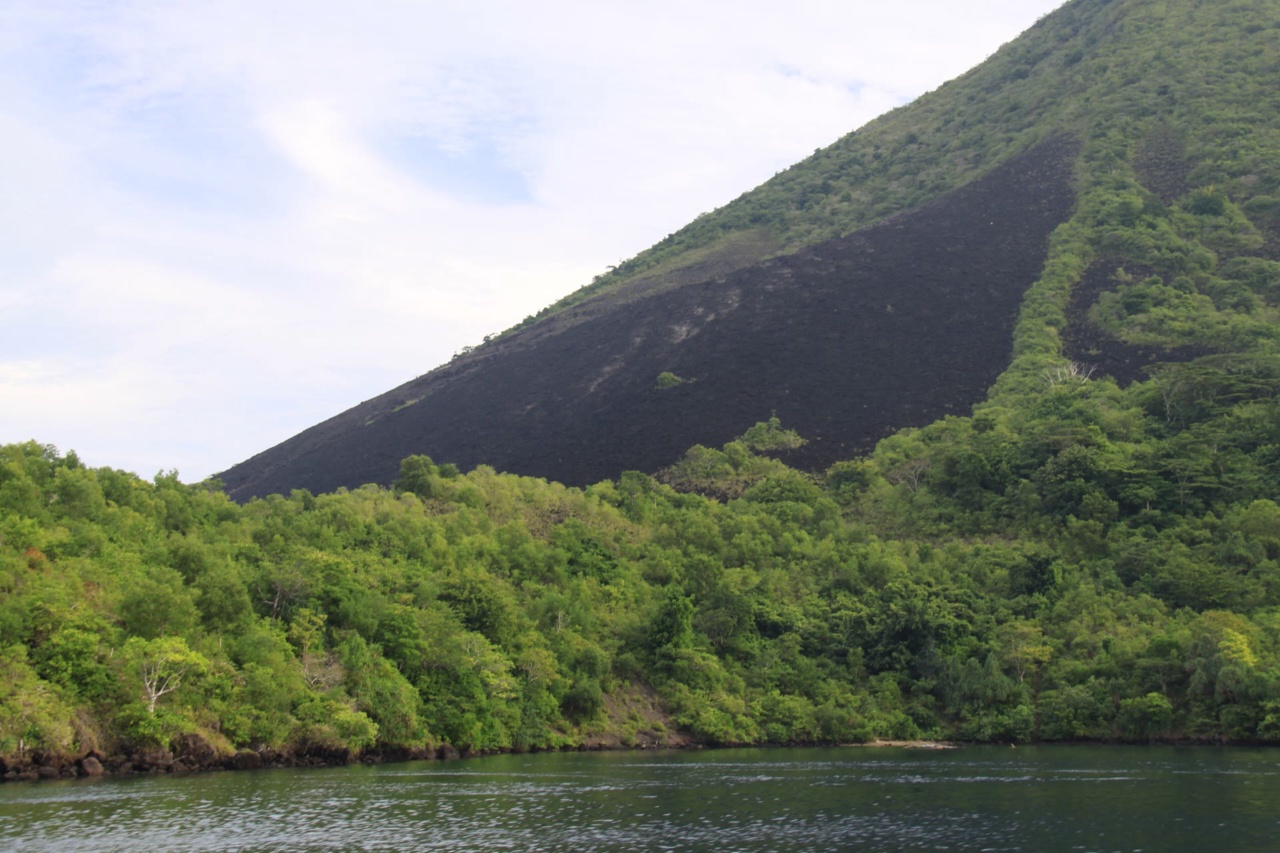
If access or suitability is uncertain, enjoy the volcano from the water or from the fort instead of forcing a summit.
Getting there and, importantly, getting back
The quickest route is by air to Pattimura Airport on Ambon, a domestic-only airport about 36 km from Ambon City with flights from Jakarta, Surabaya, Makassar, Kupang and several smaller places. The onward flight to Banda cannot be booked as a round trip, so book the return once you are in Ambon, and reconfirm, because flights are often cancelled because of bad weather or engine problems.[1] The alternative is the Banda Sea ferry from Ambon, about 7 hours, though these crossings are very unpredictable. Cruise ships also call at Banda.[1]
Count the whole journey: the way to the departure airport or port, check-in, the crossing and the transfer to your room. Ask who will meet you and what happens if the arrival time changes. For boats between islands, confirm landing arrangements and the return, not just the price out.
Arrange the return before you make non-refundable commitments elsewhere, and keep a margin of a day or two before any onward international flight.
Costs, cash and accommodation
| Cost | Useful quote basis | Questions that prevent surprises |
|---|---|---|
| Room | Per room or per person, per night, in IDR | Meals, taxes, power, water and cancellation |
| Island boat | Per boat or per passenger, one way or return | Stops, waiting, landing, luggage and weather changes |
| Diving | Per diver and a stated number of dives | Equipment, boat, guide and cancellation |
| Cultural visit | Guide and admissions listed separately | Places included and transport |
| Main arrival | Actual flight or ship booking for your date | Luggage, change rules and onward margin |
The local currency is the Indonesian rupiah (IDR).[6] Ask for quotes in rupiah and compare the same inclusions: a boat price shared by a group is not comparable to a per-person fare. Ask your host about payment methods and cash access, bring enough cash plus a reserve, and check phone coverage, charging and the room's facilities if they matter to you.
Weather, preparation and a workable itinerary
Look at current forecasts, sea conditions and operator decisions for your whole trip, and keep an alternative for a day when the marine excursion does not run. The Banda Sea is deep, and the weather decides when boats and dives go.
Pack for the activities and the baggage allowance, and ask your host about drinking water and food. The Rumah Sakit Umum Banda Neira hospital is 700 m from the port.[6] For remote outings, agree how to reach help and how your organiser would get you there.
A sensible order: confirm arrival and return, choose the island base, arrange the activity you care about most and leave the rest flexible. Use the Indonesia travel overview to connect Banda to a wider route.
Sources and background
Numbers in the text such as [1] refer to these sources.
- [1] Indonesia Ministry of Tourism, Indonesia Travel: Banda Neira, spice heritage and general access background. Retrieved October 21, 2026.
- [2] Royal Botanic Gardens, Kew, Plants of the World Online: Myristica fragrans accepted species and native Banda range. Retrieved October 21, 2026.
- [3] Royal Botanic Gardens, Kew, Plants of the World Online: Myristicaceae seed and aril description, Kew handbook subsection. Retrieved October 21, 2026.
- [4] Republic of Indonesia submission hosted by UNESCO World Heritage Centre: Indonesia 2015 tentative submission: historic and marine landscape of Banda. Retrieved October 21, 2026.
- [5] Nationaal Archief, Netherlands: Banda plantation records, perkeniers and enslaved labour. Retrieved October 21, 2026.
- [6] Indonesia Ministry of Tourism, Indonesia Travel: Banda Neira official port guide: named cultural attractions. Retrieved October 21, 2026.
- [7] Indonesia Ministry of Tourism, Indonesia Travel: Banda Islands named diving locations. Retrieved October 21, 2026.
- [8] BKKPN Kupang, Indonesian Ministry of Marine Affairs and Fisheries: October 2025 Banda conservation-area habitat and ecosystem survey. Retrieved October 21, 2026.
Frequently Asked Questions
Ask for quotes in Indonesian rupiah for your room, meals, flights or ship and activities. Check whether boat prices are per boat or per person and whether they include the return.
Fly to Pattimura Airport on Ambon, then take the onward flight to Banda, or the ferry from Ambon, which takes about 7 hours. Round-trip flights to Banda cannot be booked, so book your return once you are in Ambon and reconfirm it.
Check forecasts, sea conditions and operator advice for your dates. Weather affects flights, crossings and diving, so keep enough flexibility to change activities and protect the return journey.
Named dive sites include Batu Kapal, Gunung Api, Batu Belanda, Batu Udang, Batu Wali and Pulau Ai, which is known for sharks. Discuss depth, current, experience level and emergency arrangements with a qualified operator.
Ask your host about cash access, accepted payments, phone coverage and Wi-Fi before you arrive. Carry enough cash plus a reserve and save your contacts offline.
Several nights give the town and its history room. Outer-island visits and diving need extra flexibility. Count arrival and departure separately from full days.
Treat it as a separate decision. Check current information from the volcanology authorities, local restrictions and route conditions before you agree a guide and boat.
Not yet. Indonesia put the historic and marine landscape of the Banda Islands on the tentative list in 2015, which is not an inscription on the World Heritage List.