Raja Ampat: Indonesia's Ultimate Diving and Snorkeling Paradise

Raja Ampat: Indonesia's Ultimate Diving and Snorkeling Paradise

Last updated: March 16, 2026

Raja Ampat contains 75% of all known coral species on Earth. That single fact explains why divers and marine biologists treat this remote archipelago in West Papua with something approaching reverence. Spread across more than 1,500 islands and 46,000 square kilometers of ocean at the northwestern tip of New Guinea, Raja Ampat holds the highest marine biodiversity ever recorded anywhere - over 2,000 reef fish species, six of the world's seven sea turtle species, and reef systems so pristine that scientists use them as a baseline for what healthy coral looks like.

Cape Kri, a single dive site in the archipelago, holds the world record: 374 fish species documented in a single dive. That number is not a typo. Snorkeling off a village jetty in Raja Ampat casually delivers what most tropical destinations promise in their brochures but cannot actually deliver.

Getting here takes effort. Raja Ampat is not Bali - there are no direct international flights, no luxury resort strips, and limited infrastructure. The journey involves flying to Sorong, taking a ferry to Waisai, and then a boat to your homestay or dive resort. But for anyone serious about marine life, this place is without equal. Here is how to plan a trip to the most biodiverse marine environment on the planet.

The Four Kings

Raja Ampat means "Four Kings" in Indonesian, referring to the four main islands: Waigeo, Misool, Salawati, and Batanta. Most visitors base themselves around Waigeo (the largest) or Misool (the most remote and pristine), with the smaller islands and surrounding reefs forming the main attraction.

Waigeo and Surrounds

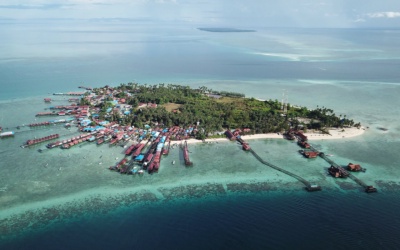
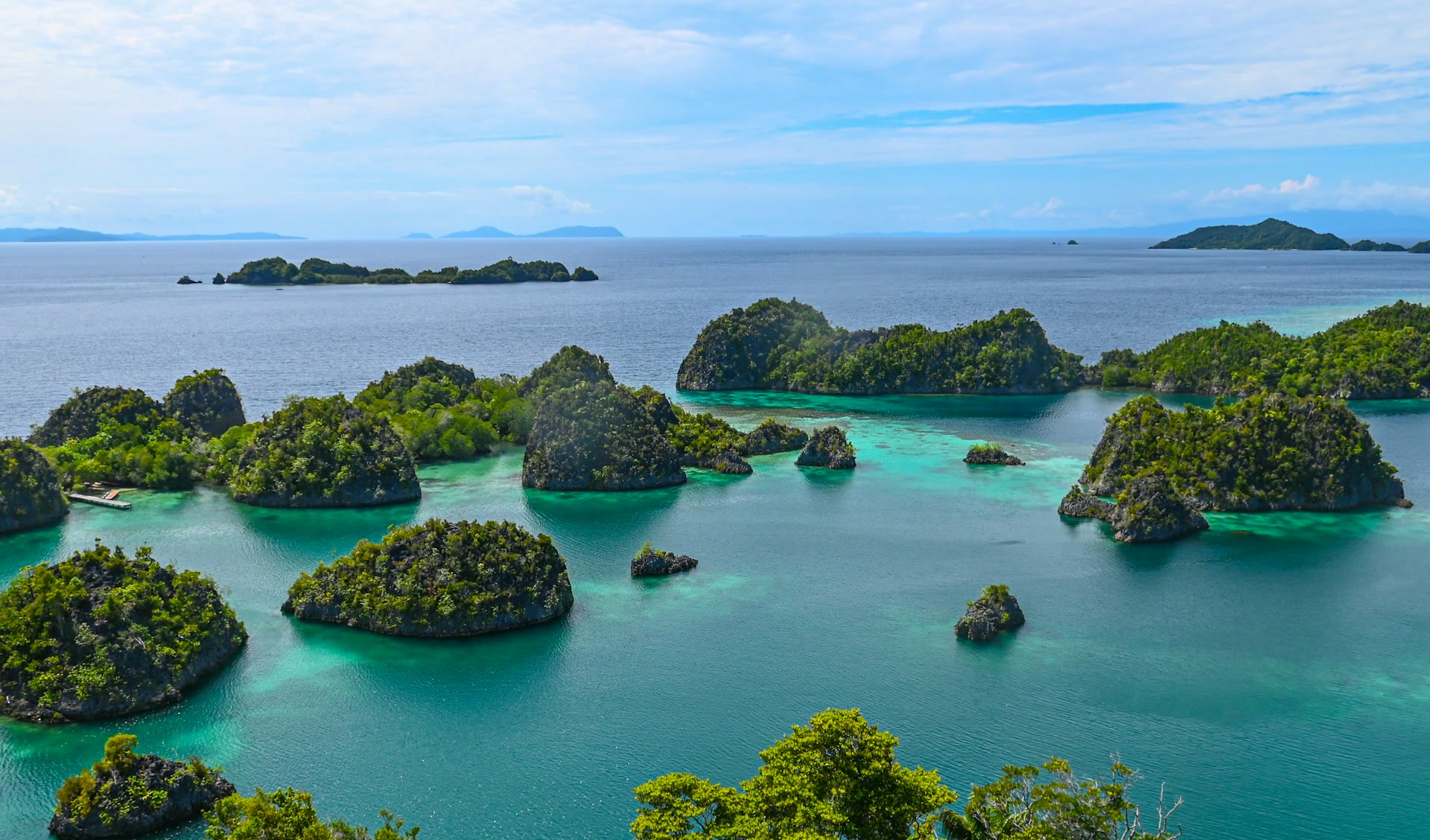
Waigeo is home to Waisai, the administrative capital and main arrival point. The islands clustered off its southern coast - Kri, Gam, Mansuar, and Arborek - form the most popular visitor area, often called the Dampier Strait region. This area has the densest concentration of homestays, the best accessibility, and world-class dive and snorkel sites within short boat rides. The iconic Pianemo viewpoint, with its mushroom-shaped limestone karst islands rising from turquoise water, is on Waigeo's northern coast.

Misool

Misool lies in the southern part of Raja Ampat and is harder to reach (4-5 hours by speedboat from Sorong, or via liveaboard). In return, you get even more pristine reefs, fewer visitors, and some of the archipelago's most dramatic scenery - hidden lagoons, cathedral-like limestone formations, and underwater gardens with soft coral so dense it looks like an alien landscape. Misool is where serious divers and underwater photographers go when the Dampier Strait area feels too busy.

Wayag

Technically part of northern Waigeo, Wayag is the viewpoint that defines Raja Ampat's image: a chain of forested limestone islands rising from impossibly clear water, viewed from a steep hilltop trail. Getting to Wayag requires a 3-4 hour boat ride from the Dampier Strait area and costs significantly more due to fuel (2,000,000-3,000,000 rupiah for a private boat charter). Most visitors include Wayag as part of a multi-day liveaboard itinerary.

Things to Do

Diving and Snorkeling

Raja Ampat's underwater world is its primary draw, and both diving and snorkeling deliver extraordinary experiences.

Top Dive Sites

SiteHighlightsLevel
Cape KriWorld record fish count (374 species), schooling fish, reef sharksIntermediate
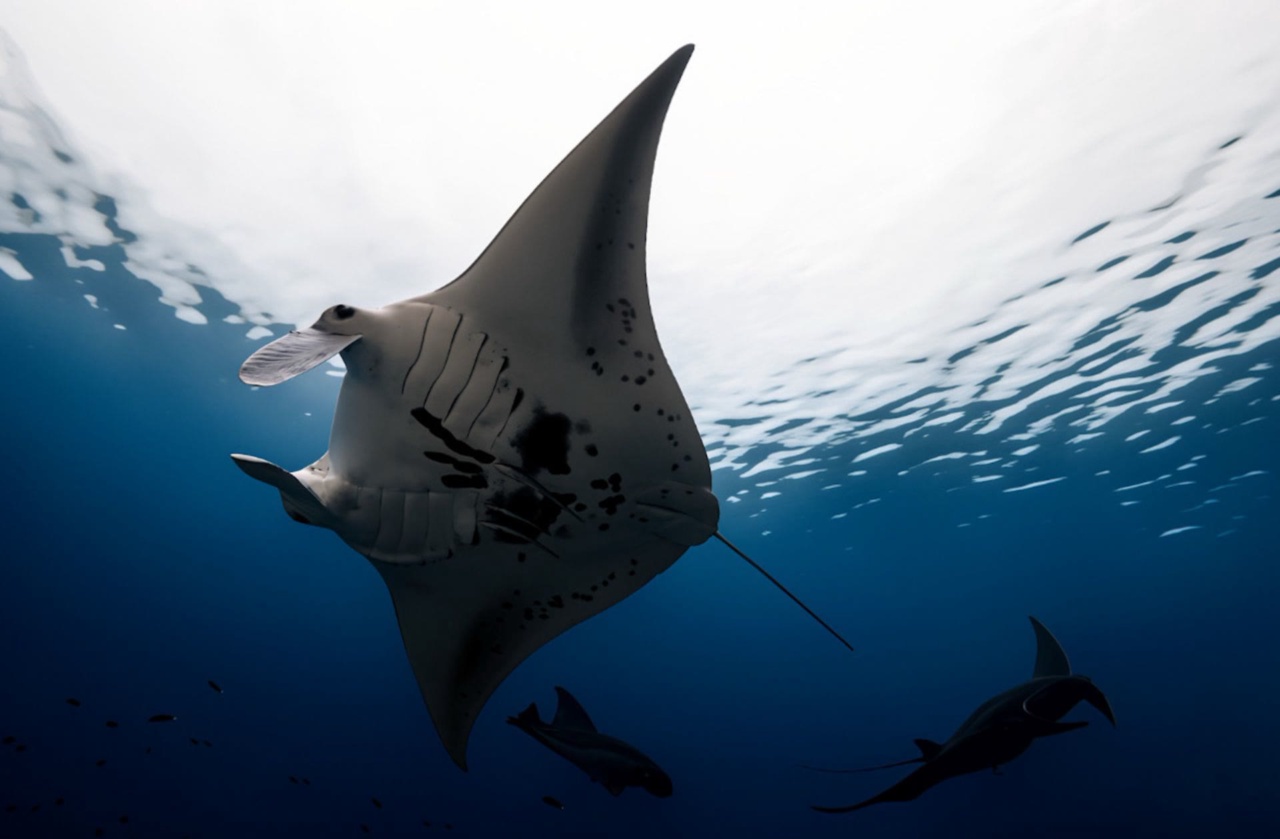
Blue MagicManta rays, barracuda schools, grey reef sharks on a submerged pinnacleAdvanced (strong currents)
Manta SandyCleaning station where mantas hover to be cleaned by smaller fishAll levels
Melissa's GardenPristine hard coral garden, one of the healthiest reefs documented anywhereAll levels
Sardine ReefDense clouds of fusiliers and sardines, trevallies hunting through schoolsIntermediate
The PassageNarrow channel between Waigeo and Gam with mangrove-lined walls and unique brackish-water speciesAll levels

Dive operators in the Dampier Strait area charge $35-$50 per dive including equipment, or $25-$35 if you bring your own gear. Multi-dive packages reduce the per-dive cost. Liveaboard diving trips covering both northern and southern Raja Ampat run $2,000-$5,000 for 7-10 days.

Snorkeling

Raja Ampat is arguably the world's best snorkeling destination. Many of the top sites are accessible directly from homestay jetties - you literally roll off the dock into world-class reef. Standout snorkeling spots include:

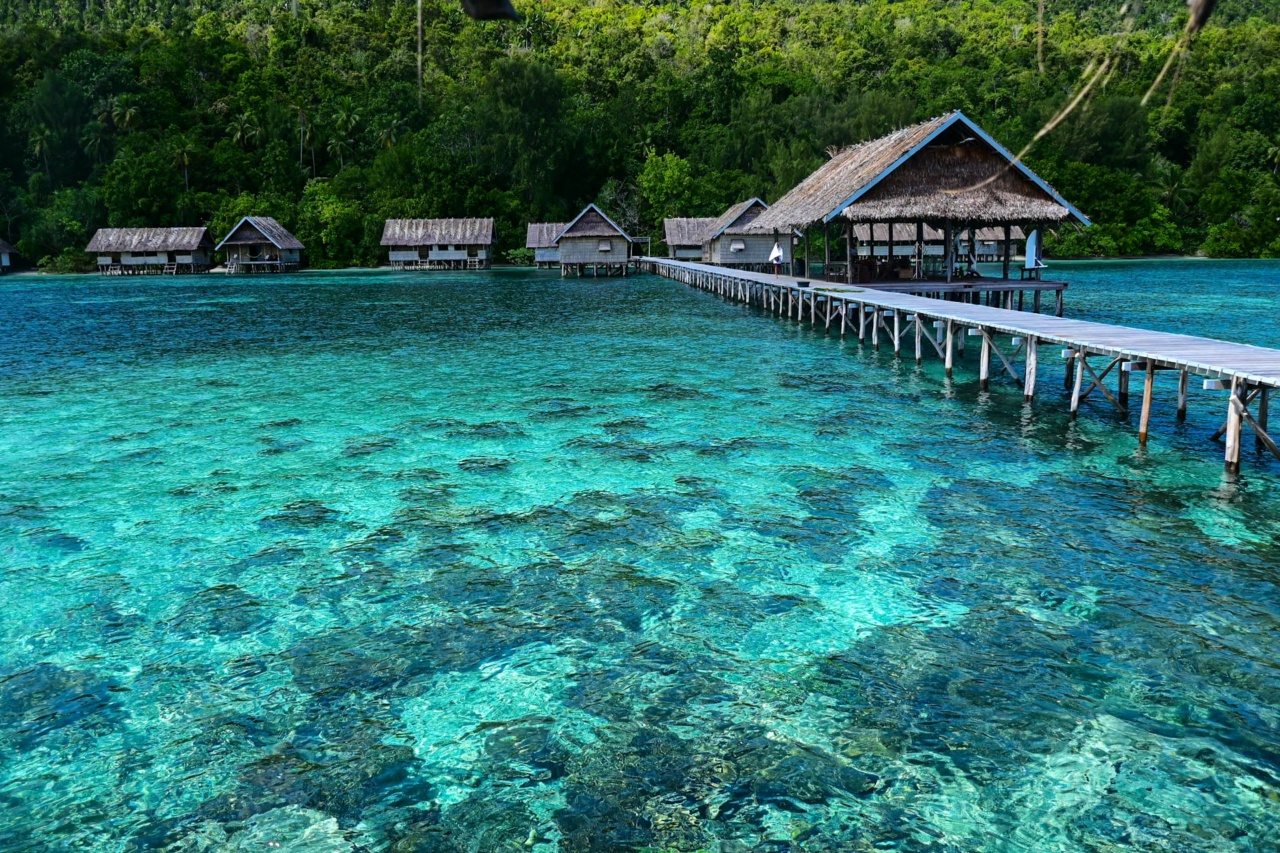
  • Arborek Jetty - A village pier with a house reef so rich in marine life that divers are often jealous of what snorkelers see here. Manta rays occasionally pass through.
  • Sawandarek Jetty - Another homestay jetty with coral growing right up to the surface and schools of fish swirling below.
  • Friwen Wall - A vertical reef wall starting at the surface, covered in soft corals and sea fans, accessible by snorkeling from the shore.
  • Yenbuba Jetty - Turtles, clownfish, and giant clams on a shallow reef right off the village.

Most homestays provide basic snorkeling gear (mask, snorkel, fins) for free or a small daily rental fee. If you are particular about fit or quality, bring your own mask at minimum.

Getting to Raja Ampat

The journey has multiple steps but is straightforward once you understand the route.

  1. Fly to Sorong - Sorong is the gateway city, located on the western tip of the Bird's Head Peninsula in West Papua. Direct flights operate from Jakarta (4-5 hours), Makassar (3 hours), Manado (2.5 hours), and Ambon (2 hours). No international flights reach Sorong directly - you will transit through a major Indonesian city.
  2. Ferry to Waisai - From Sorong's harbor, public ferries depart twice daily (at 9 AM and 2 PM) to Waisai on Waigeo island. The journey takes about 2 hours and costs 130,000 rupiah for economy class. Speedboats are faster (1 hour) but more expensive at around 500,000 rupiah.
  3. Boat to your accommodation - From Waisai, homestay operators arrange boat pickups to their specific islands. This transfer takes 30 minutes to 2 hours depending on location and costs 500,000-1,500,000 rupiah (usually shared among guests). Confirm the pickup arrangement with your homestay before arriving in Waisai.

Permits and Fees

Two separate permits are required for all visitors:

PermitCostValidityWhere to Buy
Marine Park Entry Permit (PIN)700,000 rupiah ($46)12 monthsBLUD UPTD website (online) or Waisai office
Visitor Entry Ticket (KMR)300,000 rupiah ($20)Single visitSipari website (online) or Waisai office

Buy both permits online before you arrive - it saves time at the Waisai office, which can have long queues during peak season. Carry printed copies of your permits, as internet connectivity on the islands is limited. Some individual islands (Arborek, Sawinggrai, Pianemo) charge small local entrance fees of 20,000-50,000 rupiah paid directly to the village.

Where to Stay

Homestays

Homestays are the backbone of Raja Ampat tourism and the most authentic way to experience the archipelago. Local Papuan families host guests in simple overwater or beachside bungalows, providing three meals a day. A standard homestay costs 250,000-500,000 rupiah ($16-$33) per person per night including all meals. Accommodation is basic - expect a mattress, mosquito net, and shared bathroom. Some upscale homestays offer private bathrooms and better bedding for 700,000-1,200,000 rupiah.

Popular homestay areas in the Dampier Strait include Kri Island, Gam Island, Arborek Village, and Mansuar Island. The website StayRajaAmpat.com is a non-profit booking platform that connects travelers directly with homestay operators without commissions. Book at least two months in advance for peak season.

Dive Resorts

For more comfort, several dive resorts operate in Raja Ampat, ranging from mid-range eco-lodges to high-end operations. Prices start at $150 per night and can exceed $500 for premium resorts. These typically include diving packages, transfers, and meals. Papua Diving on Kri Island and Misool Eco Resort are among the best-known.

Liveaboards

Liveaboard boats offer the widest coverage of dive sites and the most comfortable way to explore remote areas like Wayag and southern Misool. Trips range from 5 to 14 nights, costing $2,000-$5,000 depending on vessel quality and itinerary. Liveaboards depart from Sorong and return to Sorong, eliminating the need for ferry and transfer logistics.

Tips for Visiting Raja Ampat

  • Bring enough cash - ATMs exist only in Sorong and Waisai. Credit cards are accepted nowhere except high-end resorts. Withdraw enough Indonesian rupiah in Sorong to cover your entire stay including permits, homestay costs, boat charters, and tips.
  • Best season is October to April - Calmer seas, better visibility, and less rain. Manta ray sightings peak from November to April. May to September brings stronger winds and rougher waters, though diving is still possible.
  • Share boat charters - Private boat hire is the biggest expense in Raja Ampat. Use the RajaRide platform, Facebook groups ("Raja Ampat Travel and Diving"), or ask your homestay to pair you with other guests heading to the same sites. Splitting a day trip to Pianemo or Wayag among 4-6 people drops the per-person cost dramatically.
  • Pack reef-safe sunscreen - Raja Ampat's reefs are among the last pristine reef systems on Earth. Use mineral-based sunscreen only. Better yet, wear a rash guard to reduce sunscreen use entirely.
  • Bring a dry bag - You will be on small boats constantly. A waterproof dry bag protects your electronics, cash, and permits from spray and rain.
  • Learn basic Indonesian phrases - English is limited outside dive resorts. Homestay hosts speak Indonesian, and a few words (terima kasih, berapa harga, makan) go a long way. A translation app works offline if you download the Indonesian language pack.
  • Manage expectations for comfort - Homestays are basic. Power is often generator-based (available evenings only), phone signal is weak to non-existent on most islands, and hot water is rare. This is part of Raja Ampat's charm, but know what you are signing up for.
  • Do not touch or stand on coral - Raja Ampat's reefs are healthy precisely because they have been protected. Snorkelers should wear fins to avoid accidentally standing on reef, and divers should maintain proper buoyancy at all times.

Raja Ampat demands more effort, more planning, and more flexibility than most Indonesian destinations. In return, it delivers marine experiences that exist nowhere else. For more guides to Indonesia's islands, dive sites, and off-the-beaten-path destinations, explore GoAsia.cc.

Frequently Asked Questions

Is Raja Ampat worth the effort and expense to get there?

If you care about marine life, absolutely. Raja Ampat holds the highest recorded marine biodiversity on Earth, with 75% of all known coral species and over 2,000 fish species. Even casual snorkeling off a homestay jetty surpasses what most tropical destinations offer from dedicated boat trips. The effort to get there is part of what keeps it pristine. For non-divers who want easy beach access and nightlife, other Indonesian destinations are a better fit.

How much does a Raja Ampat trip cost?

A budget trip staying in homestays costs roughly $50-$80 per day including accommodation with meals, permits (prorated), and basic snorkeling. Add $100-$200 for return flights to Sorong, $66 for both permits, and $30-$100 for ferry and boat transfers. A 7-day trip in homestays runs approximately $500-$800 total excluding international flights. Dive resorts and liveaboards cost significantly more, from $150 per night to $5,000 for multi-day liveaboard packages.

How do I get to Raja Ampat from Bali or Jakarta?

Fly to Sorong via Jakarta (4-5 hours direct), Makassar, Manado, or Ambon. There are no direct flights from Bali - you will need to connect through one of these cities. From Sorong, take the public ferry to Waisai (2 hours, 130,000 rupiah) or a speedboat (1 hour, 500,000 rupiah). Your homestay then arranges boat pickup from Waisai to their island.

Do I need to be a certified diver to enjoy Raja Ampat?

Not at all. Raja Ampat is arguably the world's best snorkeling destination. Many top sites are accessible directly from homestay jetties, requiring nothing more than a mask and fins. Manta rays, turtles, reef sharks, and endless coral gardens are all visible while floating on the surface. Diving adds deeper sites and stronger current areas, but snorkelers often see equally impressive marine life.

What permits do I need for Raja Ampat?

Two permits are required: the Marine Park Entry Permit (700,000 rupiah, valid 12 months) and the Visitor Entry Ticket (300,000 rupiah, valid for one visit). Both can be purchased online before arrival. Some individual islands charge additional local fees of 20,000-50,000 rupiah. No visa or special travel permit (Surat Jalan) is required to visit Raja Ampat.

When is the best time to visit Raja Ampat?

October through April offers the calmest seas, best underwater visibility, and peak manta ray season (November-April). December and January are the busiest months. May through September brings stronger winds and rougher seas, particularly in the Dampier Strait, though diving remains possible on sheltered sites. The shoulder months of October and April offer good conditions with fewer tourists.

What should I pack for a Raja Ampat homestay trip?

Essentials include a good snorkel mask (homestay gear varies in quality), reef-safe mineral sunscreen, a rash guard, a waterproof dry bag, a headlamp (for limited-electricity evenings), insect repellent, basic first aid supplies, and enough cash in Indonesian rupiah for your entire stay. Download offline maps and an Indonesian language pack for your translation app, as internet is minimal on most islands.

Can I visit Raja Ampat on a budget?

Yes. Homestays cost as little as 250,000 rupiah ($16) per person per night with three meals included. Snorkeling from jetties is free, and sharing boat charters with other travelers drastically cuts transport costs. The biggest expenses are flights to Sorong and the two entry permits ($66 combined). A week-long budget trip is achievable for $500-$800 excluding international airfare.