The smell hits you before the scenery does: frangipani blossoms, clove cigarettes, and incense drifting from a tiny stone shrine wedged between a surf shop and a warung. Bali is technically not a city but a whole island province, and that distinction matters because its character changes dramatically every 20 minutes of driving. The southern beach towns pulse with nightlife and digital nomad energy, the interior highlands feel like a different century, and the east coast remains genuinely quiet.
Bali has been on the global tourist radar for decades, yet it still manages to surprise. The island's Hindu identity sets it apart from the rest of Muslim-majority Indonesia, producing a daily rhythm of offerings, ceremonies, and temple festivals that visitors stumble into constantly. You can spend a week here and barely scratch the surface, or you can stay a month and start to understand why so many travelers never really leave.
This guide treats Bali as a collection of distinct areas rather than a single destination. Knowing which part of the island matches your travel style is the single most important decision you will make, so start there.
Orientation and Neighborhoods
Ngurah Rai International Airport sits on the narrow isthmus connecting the Bukit Peninsula to the main island. Most first-time visitors stay in the southern third; repeat visitors tend to push north and east.
Kuta, Legian, and Seminyak
These three areas blur into one continuous strip running north from the airport along the west coast. Kuta is the loudest and cheapest, packed with souvenir shops and beer-fueled nightlife. Legian is a slight step up. Seminyak is where beach clubs, boutique hotels, and upscale restaurants cluster. If you want walkable dining and nightlife, Seminyak is the sweet spot, though traffic is brutal.
Canggu
Northwest of Seminyak, Canggu has become Bali's digital nomad and surf capital. Co-working spaces, smoothie bowls, and Instagram-friendly cafes line the main roads. The surf breaks at Batu Bolong and Echo Beach suit intermediate riders. Accommodation ranges from cheap guesthouses to stylish villas. Expect a young, international crowd.
Uluwatu and the Bukit Peninsula
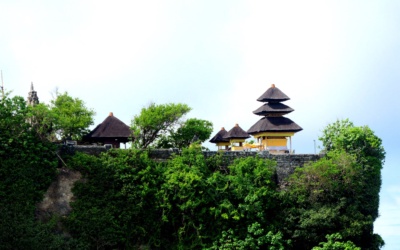
The limestone cliffs of the Bukit offer Bali's most dramatic coastline. Uluwatu is famous for its clifftop temple, world-class left-hand surf break, and hidden beaches accessible by steep staircases. Accommodation here tends toward mid-range to luxury, and you will need a scooter or driver because public transport is nonexistent.
Ubud
The cultural heart of Bali sits inland among rice terraces and river gorges north of the airport. Ubud is where you find traditional dance performances, art galleries, the Monkey Forest, and serious yoga studios. It can feel overrun during peak hours, but walk 15 minutes from the center and you are in quiet villages.
Sanur
On the east side of the southern coast, Sanur is calm, family-friendly, and popular with older travelers. A paved beachfront path is great for cycling. Fast boats to Nusa Penida depart from Sanur's harbor.[1]
Amed and the East Coast
The far east coast around Amed is Bali's best area for snorkeling and diving, with the famous USAT Liberty shipwreck at Tulamben. Accommodation is simple and affordable. It is a long drive from the airport.
Lovina and the North
The black-sand beaches of Lovina attract far fewer tourists. Dolphin-watching trips leave at dawn. Hot springs and the Sekumpul waterfall are nearby. The north feels like Bali did 20 years ago, though facilities are more basic.
Best Time to Visit
Bali has two seasons: dry (April through October) and wet (November through March). The dry season brings reliably sunny skies, lower humidity, and the best conditions for hiking, diving, and beach time. The wet season does not mean constant rain; showers are usually heavy but short, arriving in the afternoon, and prices drop significantly.
| Period | Weather | Crowds | Prices |
|---|
| Apr - Jun | Dry, pleasant, low humidity | Moderate | Mid-range |
| Jul - Aug | Dry, coolest nights | Peak (European/Australian holidays) | Highest |
| Sep - Oct | Dry, warm | Moderate to low | Dropping |
| Nov - Mar | Wet, hot, humid | Low (except Christmas/New Year) | Lowest |
The best value window is April through June or September through October: dry weather, thinner crowds, and reasonable prices. If you want to experience Balinese culture at its most vibrant, try to time your visit with Galungan, a major Hindu festival, with elaborately decorated penjor (bamboo poles) lining every road. Nyepi, the Balinese Day of Silence, is a unique experience where the entire island shuts down for a full day, including the airport.
Getting There and Getting Around
Arriving
Ngurah Rai International Airport (DPS) in southern Bali receives direct flights from across Asia, Australia, and select Middle Eastern hubs. Many visitors from Europe and the Americas connect through Singapore, Kuala Lumpur, Bangkok, or Jakarta. Most visitors need a visa on arrival or an e-VOA, which costs IDR 500,000 and is valid for 30 days;[2] you can extend it once for up to 30 days.[3] Your passport must be valid for at least 6 months.[2] Visitors from some countries enter visa-free for up to 30 days.[4] Foreign visitors also pay a one-time Bali tourist levy of Rp150,000 per person.[5] Check current requirements before you fly, as rules shift periodically.
From the airport you can take an official airport taxi, a pre-booked car or a shared shuttle bus such as Perama's, which connects Denpasar airport with Kuta, Sanur, Ubud and Canggu.[6] Arrange your first transfer in advance. For more detailed transport options across Indonesia, GoAsia.cc has useful route breakdowns.
Getting Around the Island
Bali has no rail system and limited public buses. The Kura-Kura Bus shuttle links Kuta, Sanur and Ubud with four trips a day, plus one a day to Kintamani; you must reserve a seat, and a one-way ticket from Kuta to Ubud costs Rp100,000.[7][8] The Trans Metro Dewata city bus charges IDR 4,400 and runs daily from 04:30 to 18:30.[1] Beyond that, your options are:
- Scooter rental: The most popular choice. You need an Indonesian licence or an International Driving Permit that covers motorbikes, and you should always wear a helmet.[3] Traffic is chaotic and accidents involving tourists are common, so only ride if you are genuinely experienced.
- Grab/Gojek: Ride-hailing works well in the south and Ubud. Some areas have pushback from local taxi drivers, so be discreet at pickup.
- Private driver: Hiring a driver for a full day, usually at a flat day rate, is the most comfortable way to explore. Your hotel can arrange one, or you can find them easily online.
- Metered taxis: Look for Blue Bird, a metered taxi brand that operates mainly in the south.
Walkability varies wildly. Central Ubud and the Sanur beachfront are pleasant on foot. Most other areas have narrow roads with no sidewalks, making walking unpleasant or dangerous. Budget for transport as a daily cost.
Top Sights and Experiences
Must-See Temples
Uluwatu Temple (Pura Luhur Uluwatu): Perched on a cliff above the Indian Ocean, this is Bali's most dramatically located temple, with sunset views over the open ocean and Kecak dance performances on the cliff next to the temple.[9] Buy tickets early as seating fills up. Watch for the resident monkeys who will snatch sunglasses and phones. Allow a couple of hours including the dance.
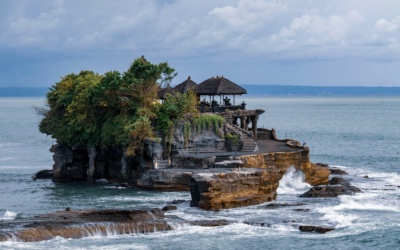
Tanah Lot: A sea temple on a rocky outcrop, iconic at sunset. It is extremely popular and can feel like a theme park with a long gauntlet of souvenir stalls. Worth seeing once, but manage expectations.
Tirta Empul: A water temple near Ubud where Balinese Hindus come for ritual purification. Visitors can participate by walking through the fountains in a sarong. Arrive before 10:00 to avoid crowds.
Besakih (Mother Temple): Bali's largest and holiest temple complex on the slopes of Mount Agung. It is impressive in scale but notorious for aggressive touts insisting you need a guide. You do not. Politely decline and explore independently.
Nature and Adventure
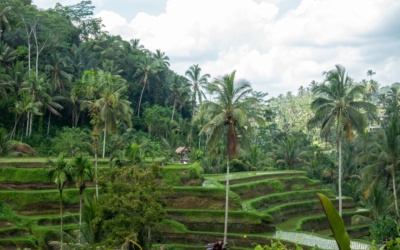
Tegallalang Rice Terraces: The most photographed rice terraces, just north of Ubud. Beautiful but heavily commercialized with swing operators and cafes lining the ridge. For a quieter alternative, visit the Jatiluwih rice terraces in the central highlands, part of Bali's UNESCO-listed subak landscape and far less crowded.[10]
Mount Batur Sunrise Trek: A moderate hike to the crater rim of an active volcano, which rises 1,717 meters above the sea,[11] starting in the middle of the night to catch sunrise above the clouds. Go with a local guide, who can also arrange transport from Ubud. The summit gets cold, so bring a jacket.
Diving and Snorkeling: The USAT Liberty wreck at Tulamben is accessible from shore and suitable for all levels. Nusa Penida's Manta Point is known for its manta rays, and Amed's coral gardens are excellent for snorkeling without a boat.
Sekumpul Waterfall: Arguably Bali's most beautiful waterfall, tucked in the northern highlands. The hike down is steep and slippery. A local guide is worth it.
Cultural Experiences
Ubud Palace Dance Performances: Traditional Legong and Barong dances are performed at venues around central Ubud. The Barong dance tells a good-versus-evil story and is more accessible to newcomers than the abstract Legong.
Cooking Classes: Dozens of operators in Ubud and Seminyak offer half-day classes that begin with a market visit. Expect to leave knowing how to make nasi goreng, satay, and sambal from scratch.
Overrated Attractions
Bali Swing: The giant swings over jungle valleys near Ubud charge a steep price for what amounts to a short photo opportunity with long queues. Unless Instagram content is your priority, skip it.
Kuta Beach: Dirty, crowded, and relentlessly hassled by vendors. The surf is fine for beginners, but better beginner breaks exist at Batu Bolong in Canggu or Padang Padang in Uluwatu.
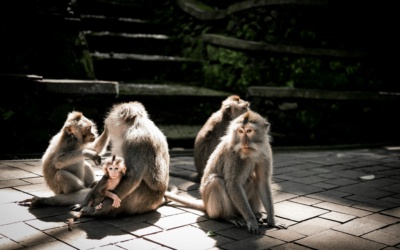
Monkey Forest in Ubud: The setting is atmospheric and worth a walk-through, but not the highlight some guides make it out to be. It is open daily from 09:00 to 18:00 with last entry at 17:00, and adult admission is IDR 130,000.[12] Keep jewellery and small objects hidden, avoid eye contact with the monkeys, and carry no food; if a monkey jumps on you, stay calm and walk slowly. A first-aid clinic treats bites.[13]
Food and Drink
Balinese food is distinct from the rest of Indonesian cuisine, built around bold spice pastes (base genep), coconut, and pork, which is freely consumed here unlike in most of Indonesia. Eating well in Bali is easy at every price point.
Signature Dishes
| Dish | Description | Where to Try |
|---|
| Babi Guling | Spit-roasted suckling pig with crispy skin and spiced rice | Warungs in Ubud and Gianyar |
| Bebek Betutu | Duck stuffed with spices, wrapped in banana leaves, slow-cooked for hours | Traditional warungs island-wide |
| Nasi Campur Bali | Rice with small portions of meat, vegetables, sambal, and peanuts | Any local warung |
| Lawar | Minced meat and vegetables with grated coconut and spices | Market stalls and ceremony feasts |
| Sate Lilit | Minced fish or pork satay wrapped around lemongrass sticks | Beach warungs and night markets |
| Jaje Bali | Colorful traditional rice-flour cakes and sweets | Morning markets (pasar pagi) |
Where to Eat
Warungs (small family-run eateries) are where you find the best and cheapest food. Gianyar Night Market is one of the best spots to sample multiple dishes in one sitting. In Ubud, the warungs along Jalan Goutama serve excellent Balinese food at local prices despite being steps from the tourist center.
Seminyak and Canggu have a thriving international restaurant scene: wood-fired pizza, Japanese ramen, Mexican tacos, and elaborate brunch menus. Fine dining exists too, particularly along the Seminyak-Petitenget strip.
Bali's coffee culture is strong. Single-origin Indonesian beans are everywhere. For something traditional, try kopi Bali, a thick, unfiltered local coffee served sweet.
Alcohol is widely available, unusual for Indonesia. Bintang beer is the default choice. Avoid homemade spirits like arak from unknown sources, and drink only at reputable licensed places, as methanol poisoning incidents have occurred.[3]
Where to Stay
Budget
Hostels in Canggu and Kuta offer dorm beds, and basic guesthouses (losmen) in Ubud, Amed and Lovina offer private rooms. Expect simple but clean rooms, often with a small pool. Bali's budget accommodation punches well above its price point compared to most of Southeast Asia.
Mid-Range
This is Bali's sweet spot. Here you can get a private villa with a pool in Ubud, a stylish boutique hotel in Seminyak, or a beachfront bungalow in Amed. Canggu has dozens of well-designed guesthouses in this range. Breakfast is almost always included.
Upscale
Clifftop infinity pools in Uluwatu, jungle retreats in the Ubud highlands, and beachfront resorts in Nusa Dua offer world-class experiences. Ultra-luxury villas come with private staff.
A practical tip: booking directly with smaller properties (via WhatsApp or their website) often gets you a better rate than online platforms, especially for stays of a week or more.
Practical Tips
Safety
Bali is generally safe for tourists, but petty crime exists. Bag snatching from passing motorbikes happens, especially in Kuta and Seminyak. Wear bags on the side away from the road. Scooter accidents are a real risk; always wear a helmet and avoid riding at night on unlit roads.
- Common scams: Money changers in Kuta offering suspiciously good rates will short-change you with sleight of hand. Use ATMs or reputable exchange offices instead. At Besakih temple, touts will claim the temple is closed or that a guide is required; neither is true.
- Ocean safety: Bali's beaches have strong rip currents. Swim between the flags and heed local warnings. Several drownings occur every year.
- Drugs: Indonesia has extremely harsh drug laws, with long prison sentences and the death penalty possible for drug offences. Do not test this.[3]
Money
The currency is the Indonesian Rupiah (IDR). ATMs are everywhere in tourist areas. Visa and Mastercard are accepted at hotels, larger restaurants, and shops, but warungs, markets, and small businesses are cash-only. Carry small bills; breaking large notes at tiny warungs is difficult. Tipping is not traditionally expected but appreciated. Leaving 5 to 10 percent at sit-down restaurants is a kind gesture. For drivers and guides, rounding up the fare is standard.
Internet and SIM Cards
Buy a local SIM card at the airport or any phone shop. Wi-Fi is reliable in cafes and hotels throughout the south and Ubud but can be spotty in remote northern and eastern areas.
Language
English is widely spoken in tourist areas. Hotel staff, restaurant workers, and tour operators communicate easily. In rural villages, basic Indonesian phrases (terima kasih for thank you, berapa for how much) go a long way and are warmly received. Learning a few words of Balinese earns even bigger smiles.
Cultural Etiquette
- Always wear a sarong and sash when entering temples. Most temples provide rentals for a small fee.
- Do not step on or kick the small canang sari offerings placed on the ground throughout the island. They are sacred.
- Use your right hand when giving or receiving anything. The left hand is considered unclean.
- Dress modestly when away from the beach. Bikinis and shirtlessness are for the sand, not for town.
- Ask permission before photographing ceremonies or people praying.
Day Trips
Nusa Penida
A rugged island reached by fast boat from Sanur in 30 to 45 minutes.[1] The dramatic cliff formations at Kelingking Beach (the T-Rex cliff) and the natural infinity pool at Angel's Billabong are the main draws. Roads are rough, so hire a local driver for the day. Snorkeling with manta rays at Manta Point is a highlight. Easily the best day trip from Bali, though an overnight stay lets you explore at a better pace.
Nusa Lembongan
A smaller, more relaxed island than Nusa Penida, reachable by fast boat from Sanur. The mangrove forests, Devil's Tear blowhole, and crystal-clear snorkeling make it a mellow alternative. It is connected by a yellow bridge to tiny Nusa Ceningan, which has cliff jumping spots.
Sidemen Valley
East of Ubud, Sidemen offers the rice terrace experience without the crowds of Tegallalang. The valley sits beneath Mount Agung and has a handful of simple guesthouses. It is ideal for a quiet overnight but works as a day trip combined with a stop at Tirta Gangga water palace.
Munduk and the Twin Lakes
The highland village of Munduk in central-north Bali is surrounded by clove and coffee plantations. Nearby Lake Buyan and Lake Tamblingan are serene and largely untouristed. The drive from Ubud climbs through stunning mountain scenery. Combine it with a visit to the Handara Gate (the famous Balinese split gate) and Ulun Danu Beratan temple on Lake Bratan.
Gili Islands
Technically part of Lombok, not Bali, but fast boats from Padang Bai or Serangan[14] reach Gili Trawangan in about 1 hour 30 minutes to 2 hours.[15][1] Gili Trawangan is the party island, Gili Air is the chill one, and Gili Meno is the quietest. Cars and motorbikes are prohibited.[16] Better as a two or three night trip than a day trip given the travel time.
Sample 3-Day Itinerary
Day 1: Southern Bali and Uluwatu
Morning: Settle into your accommodation in Seminyak or Canggu. Grab breakfast at a local cafe and take a surf lesson at Batu Bolong beach.
Afternoon: Hire a driver or scooter to the Bukit Peninsula. Visit Padang Padang beach for a swim in the sheltered cove, then head to Uluwatu Temple.
Evening: Watch the Kecak dance at Uluwatu at sunset. Return to Seminyak for dinner at a beachfront restaurant or warung along Jalan Petitenget.
Day 2: Ubud and the Highlands
Morning: Depart early for Ubud. Start with Tegallalang Rice Terraces before the tour buses arrive (aim for 08:00). Walk the terraces for about an hour.
Afternoon: Explore central Ubud: the art market, Ubud Palace, and a walk through the Campuhan Ridge. Have lunch at a warung on Jalan Goutama. Optionally visit the Monkey Forest but keep belongings secured.
Evening: Attend a traditional dance performance at Ubud Palace or a nearby venue. Dinner in Ubud, then either stay overnight in Ubud or return to the south.
Day 3: Nusa Penida or East Bali
Option A (Nusa Penida): Catch an early fast boat from Sanur. Hire a driver on the island and visit Kelingking Beach, Angel's Billabong, and Broken Beach. Snorkel at Crystal Bay in the afternoon. Return to Bali by late afternoon boat.
Option B (East Bali): Drive to Tirta Gangga water palace, then continue to Amed for snorkeling or a dive at the USAT Liberty wreck in Tulamben. Stop at Tirta Empul water temple on the way back for a late afternoon purification ritual. Return to your base in the evening.
Budget Overview
Accommodation, food and getting around make up most of your daily spending, and transport adds up because the attractions are spread across the island. A few fixed costs are easy to plan: the visa on arrival or e-VOA costs IDR 500,000,[2] and the Bali tourist levy is Rp150,000 per person.[5] Public transport is cheap: the Trans Metro Dewata city bus charges IDR 4,400,[1] a one-way Kura-Kura Bus ticket from Kuta to Ubud costs Rp100,000,[8] and adult admission to the Ubud Monkey Forest is IDR 130,000.[12] Warungs, markets and local cafes keep food costs low, while beach clubs, fine dining and private villas lift the budget quickly. Plan your spending around where you stay and how you travel.