Plan your bus travel across Indonesia with this practical guide covering routes, classes, booking tips, and what to expect on Java, Sumatra, Bali, and beyond.
Indonesia is made up of more than 17,000 islands,[1] and where roads exist, buses are the connective tissue linking villages, towns, and cities. From the rumbling behemoths crawling through Sumatran mountain passes to the sleek executive coaches gliding along Java's toll roads, bus travel here is less a mode of transport and more a window into the rhythms of daily Indonesian life. The bus is where you'll hear dangdut music blaring from speakers, smell clove cigarettes drifting from the driver's window, and watch vendors hop aboard at every stop selling fried bananas and bottled tea. It is chaotic, colorful, and deeply rewarding for travelers willing to embrace the experience.
The Bus Network in Indonesia
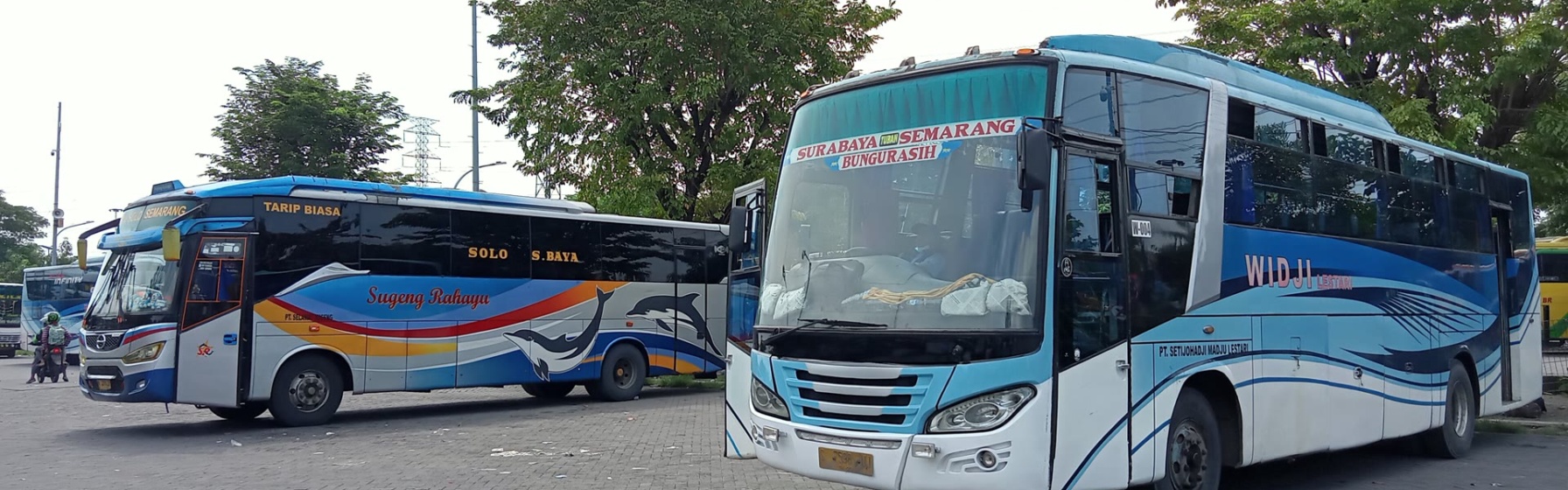
Indonesia's bus network is vast but uneven, shaped by the geography of its archipelago. On Java, the most densely populated island, the network is extensive and well developed, and major cities such as Jakarta, Surabaya, Bandung, Yogyakarta, and Semarang are connected by frequent services. Sumatra also has a long-distance bus culture, though journey times can be punishingly long due to winding mountain roads.
Kalimantan, Sulawesi, Bali, and the eastern islands like Flores and Timor have bus services too, but frequency is lower and vehicles tend to be older and simpler. Check locally before you rely on a particular departure.
Private companies run most intercity routes, and they differ by region. For shorter distances, local minibuses known as angkot or bemo fill the gaps, weaving through cities and connecting rural areas to larger towns. Trans-branded city bus systems such as TransJakarta have modernized urban public transport in several cities.
Classes and Comfort Levels
Indonesian buses come in a wide range of comfort levels, and choosing the right class can make the difference between an enjoyable journey and an endurance test. Class names and features vary by operator, so treat the table as a typical guide.
Class
Seating
Features
Best For
Ekonomi
Cramped, often no assigned seats
No AC, windows open, frequent stops
Ultra-budget travelers, short hops
AC Ekonomi / Bisnis
2+2 reclining seats
Air conditioning, basic legroom
Budget-conscious travelers on medium routes
Executive (Eksekutif)
2+2 wider seats with good recline
AC, blankets, onboard toilet, snacks
Comfortable overnight journeys
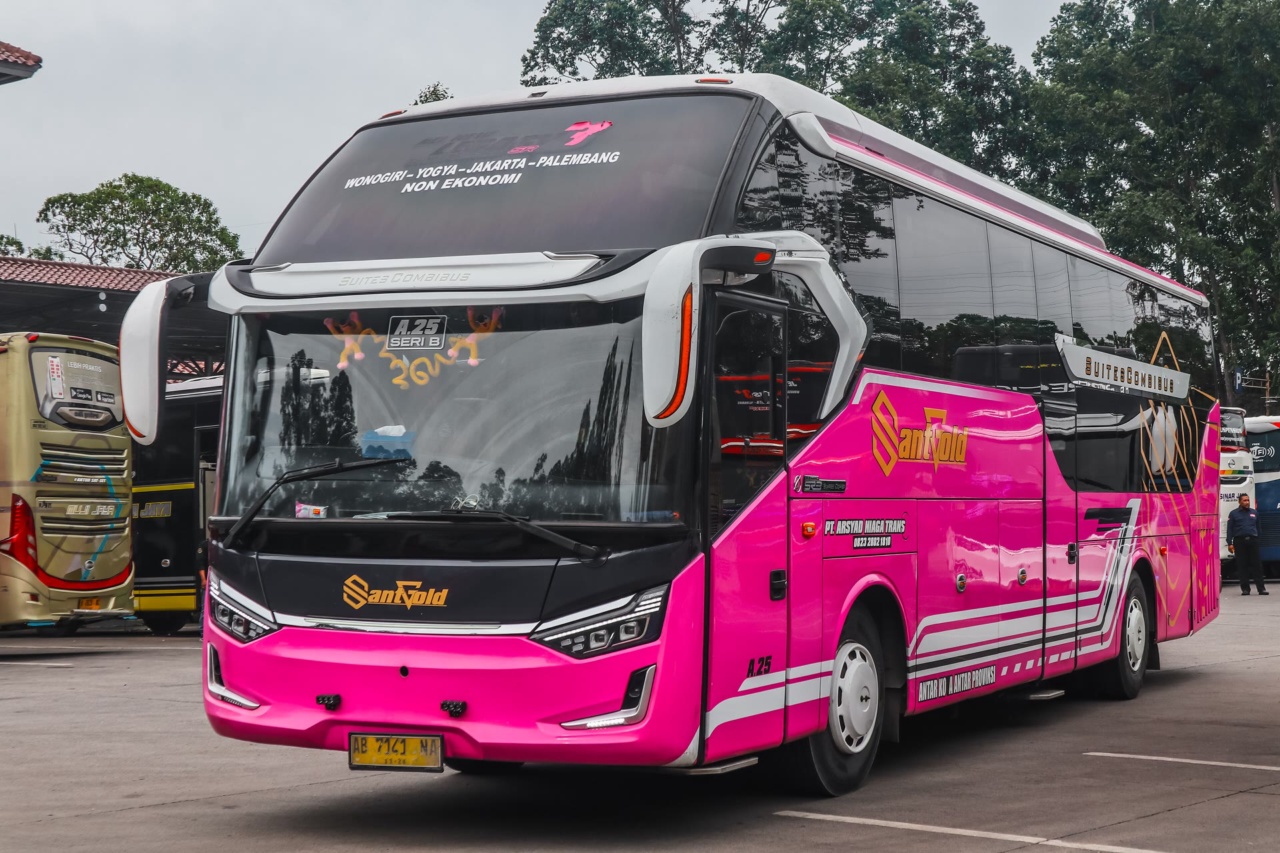
Super Executive / Suite
2+1 or even 1+1 seating
Near-flat recline, curtains, USB charging, meals
Premium comfort on long routes
The super executive and suite classes are mostly found on Java's busiest corridors. On overnight trips they can be good value compared with flying, because you save a night's accommodation and travel door to door.
Economy-class buses, while cheap, can be challenging. They stop frequently to pick up and drop off passengers, journeys take significantly longer, and comfort is minimal. For anything over a few hours, stepping up to at least the bisnis or executive class is strongly recommended.
Booking and Tickets
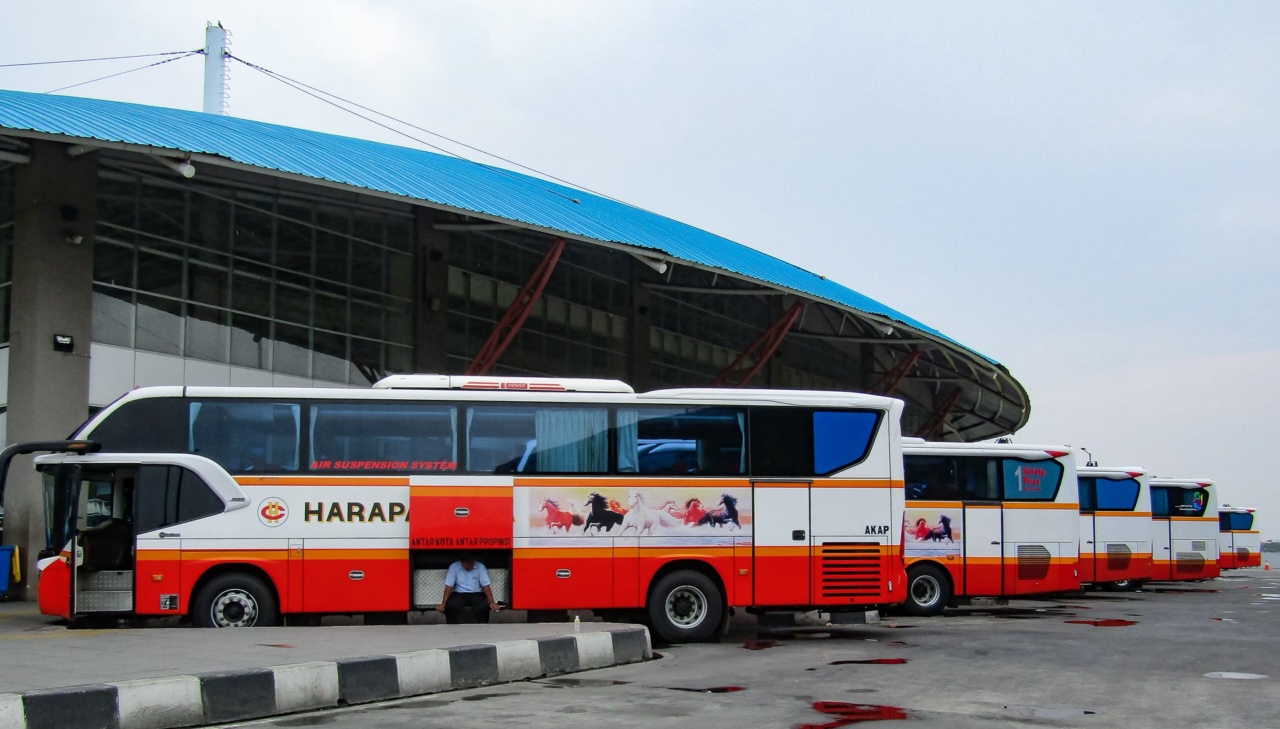
Booking methods depend on the class and route. For economy and basic AC buses, tickets are typically purchased at the bus terminal (terminal bis) on the day of travel. Terminals range from organized modern facilities to chaotic, sprawling lots where touts compete for your attention. Jakarta's Pulogebang terminal is one of the transport hubs the Ministry of Transportation expected to be busiest during the 2026 Lebaran travel period.[2]
For executive and suite-class services, advance booking is advisable, especially around major holidays like Lebaran (Eid al-Fitr), Christmas, and school breaks. For Lebaran 2026 the Ministry of Transportation forecast about 143.9 million trips in the country, and the government prepared around 31,000 buses for the travel period.[2] Online booking is available through apps such as redBus and Traveloka as well as operator websites. You can also compare routes and book through GoAsia.cc, which is helpful for seeing multiple operators and classes side by side on popular corridors.
E-tickets are accepted on many premium services: simply show the confirmation on your phone when boarding. At terminals, cash is still common for walk-up purchases.
One important note: many Indonesian bus terminals are located on the outskirts of cities. Some premium operators offer pick-up points or lounges in more central locations, which saves the hassle of getting to the terminal itself.
What to Expect on Board
Long-distance bus journeys in Indonesia are an experience unto themselves. Journey times depend heavily on traffic and road conditions, and they can be much longer on mountain roads than on Java's toll roads. Night buses are common on long routes, departing in the evening and arriving early in the morning.
Executive and suite buses usually stop for a meal at a roadside restaurant (rumah makan), where passengers pile out for plates of nasi padang or fried chicken with rice. Some premium services serve boxed meals on board. Bottled water and snacks are often provided in higher classes.
Luggage goes in the cargo hold beneath the bus for large bags, while smaller bags can be kept overhead or at your feet. Baggage rules vary by operator and ticket. Before booking, check the operator's permitted size and weight, possible extra charges, and declare special baggage in advance. Space is shared, so pack reasonably. Valuables should always stay with you.
Wi-Fi is advertised on some premium buses but is unreliable. USB charging ports are more common and more useful. Entertainment varies - some buses play movies on overhead screens (often at high volume), while suite-class buses may have individual screens or simply let passengers enjoy the quiet.
Indonesian bus culture has its own etiquette. It is common for passengers to recline their seats fully on overnight journeys. The bus crew (driver and kernet, or assistant) may smoke at the front, though this is less common on premium services. Shoes are sometimes removed, and the AC is often set very cold, so bring a jacket or use the provided blanket.
Tips for Bus Travel in Indonesia
Bring layers: Air conditioning on Indonesian buses is notoriously cold. A hoodie, long pants, and even socks will keep you comfortable on overnight trips.
Avoid Lebaran travel: The period around Eid al-Fitr sees the largest annual migration in the country (mudik), with about 143.9 million trips forecast for 2026.[2] Buses are packed, prices surge, and roads become gridlocked. If possible, travel before or after the rush.
Download offline maps: Bus terminals can be confusing, and not all staff speak English. Having Google Maps downloaded offline helps you navigate terminals and verify that you are heading to the right platform.
Learn basic Indonesian phrases: Even simple phrases like berapa jam? (how many hours?), berhenti di mana? (where does it stop?), and kelas eksekutif (executive class) go a long way. Indonesians are warm and helpful, and any effort with the language is appreciated.
Watch your belongings at terminals: Bus terminals attract pickpockets and overly persistent touts. Keep bags close, agree on the price and destination before boarding, and be wary of anyone who seems too eager to "help" carry your luggage.
Consider the train alternative on Java: For many city pairs on Java, trains are an alternative. KAI sells tickets through the Access by KAI app and booking.kai.id.[3] Buses win on flexibility, frequency, and access to cities without rail connections.
Prepare for delays: Traffic in and around major cities, especially Jakarta and Surabaya, can add hours to a journey. Night departures help avoid the worst congestion.
Bring your own snacks and water: While meal stops are part of the experience, having backup food ensures you are covered if the stop is brief or the options do not suit your diet.
Sources and background
Numbers in the text such as [1] refer to these sources.