
When to go
Climate and best time for BandungBest months: June to September
- January: Mixed (a lot of rain). 28 °C by day, 20 °C at night, 244 mm of rain
- February: Mixed (a lot of rain). 28 °C by day, 20 °C at night, 243 mm of rain
- March: Mixed (a lot of rain). 28 °C by day, 19 °C at night, 294 mm of rain
- April: Mixed (a lot of rain). 29 °C by day, 20 °C at night, 284 mm of rain
- May: Good (a lot of rain). 29 °C by day, 20 °C at night, 167 mm of rain
- June: Great. 29 °C by day, 19 °C at night, 91 mm of rain
- July: Great. 28 °C by day, 18 °C at night, 57 mm of rain
- August: Great. 29 °C by day, 17 °C at night, 43 mm of rain
- September: Great. 30 °C by day, 18 °C at night, 69 mm of rain
- October: Good (a lot of rain). 30 °C by day, 19 °C at night, 172 mm of rain
- November: Mixed (a lot of rain). 29 °C by day, 19 °C at night, 312 mm of rain
- December: Mixed (a lot of rain). 29 °C by day, 20 °C at night, 290 mm of rain
- Great
- Good
- Mixed
- Poor
Contents
- 1. Orientation and Neighborhoods
- 1.1 Braga and the Colonial Center
- 1.2 Dago (Ir. H. Djuanda)
- 1.3 Riau and Ciumbuleuit
- 1.4 Setiabudhi and Lembang
- 1.5 Pasteur and the West
- 2. Best Time to Visit
- 3. Getting There and Getting Around
- 3.1 Arriving in Bandung
- 3.2 Getting Around the City
- 4. Top Sights and Experiences
- 4.1 Must-See Attractions
- 4.2 Hidden Gems
- 4.3 Overrated Spots
- 5. Food and Drink
- 5.1 Signature Dishes
- 5.2 Eating Culture
- 6. Where to Stay
- 6.1 Budget (Under $20 per night)
- 6.2 Mid-Range ($20-60 per night)
- 6.3 Upscale ($60-150+ per night)
- 7. Practical Tips
- 8. Day Trips
- 8.1 Ciwidey and Kawah Putih
- 8.2 Pangalengan Tea Plantations
- 8.3 Garut and Papandayan Volcano
- 8.4 Maribaya Hot Springs and Waterfall
- 8.5 Kampung Naga Traditional Village
- 9. Sample 3-Day Itinerary
- 9.1 Day 1: The City
- 9.2 Day 2: Volcanoes and Highlands
- 9.3 Day 3: Southern Highlands
- 10. Budget Overview
- 11. Frequently Asked Questions
Bandung smells like fried shallots and volcanic sulfur, sometimes in the same breath. Perched at roughly 768 meters above sea level in a bowl of green mountains, this West Javanese capital runs noticeably cooler than the sweltering lowland cities, which is exactly why the Dutch colonizers built their grand art deco villas here and why seven million Jakartans still flood in every weekend. The city hums with a youthful, creative pulse driven by dozens of universities, a thriving indie fashion scene, and an almost absurd density of cafes.
For international travelers, Bandung offers something rare in Java: genuine local character without the heavy tourist infrastructure that can make Bali or Yogyakarta feel stage-managed. You will eat extraordinarily well here for almost nothing, hike active volcanoes before lunch, and wander colonial-era boulevards that feel frozen in the 1930s. The trade-off is traffic that can be genuinely punishing and a city layout that sprawls without much logic. Come prepared, and Bandung will reward you handsomely.
This guide covers everything you need to plan a trip, from navigating the volcanic highlands to finding the best bowl of mie kocok in a city obsessed with noodles.
Orientation and Neighborhoods
Bandung stretches across a highland plateau with no single obvious center. Think of it in rough zones radiating from the old colonial core.
Braga and the Colonial Center
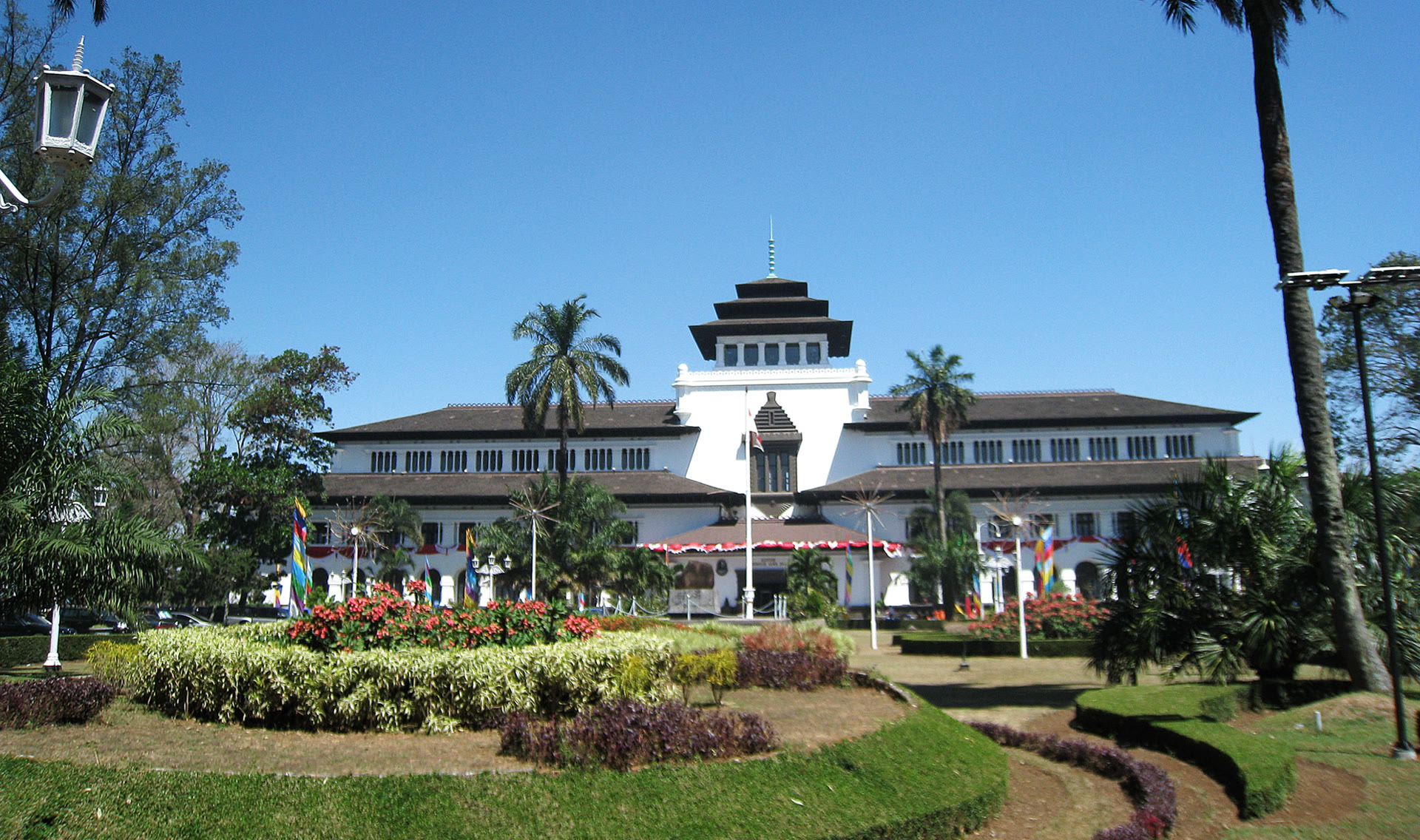
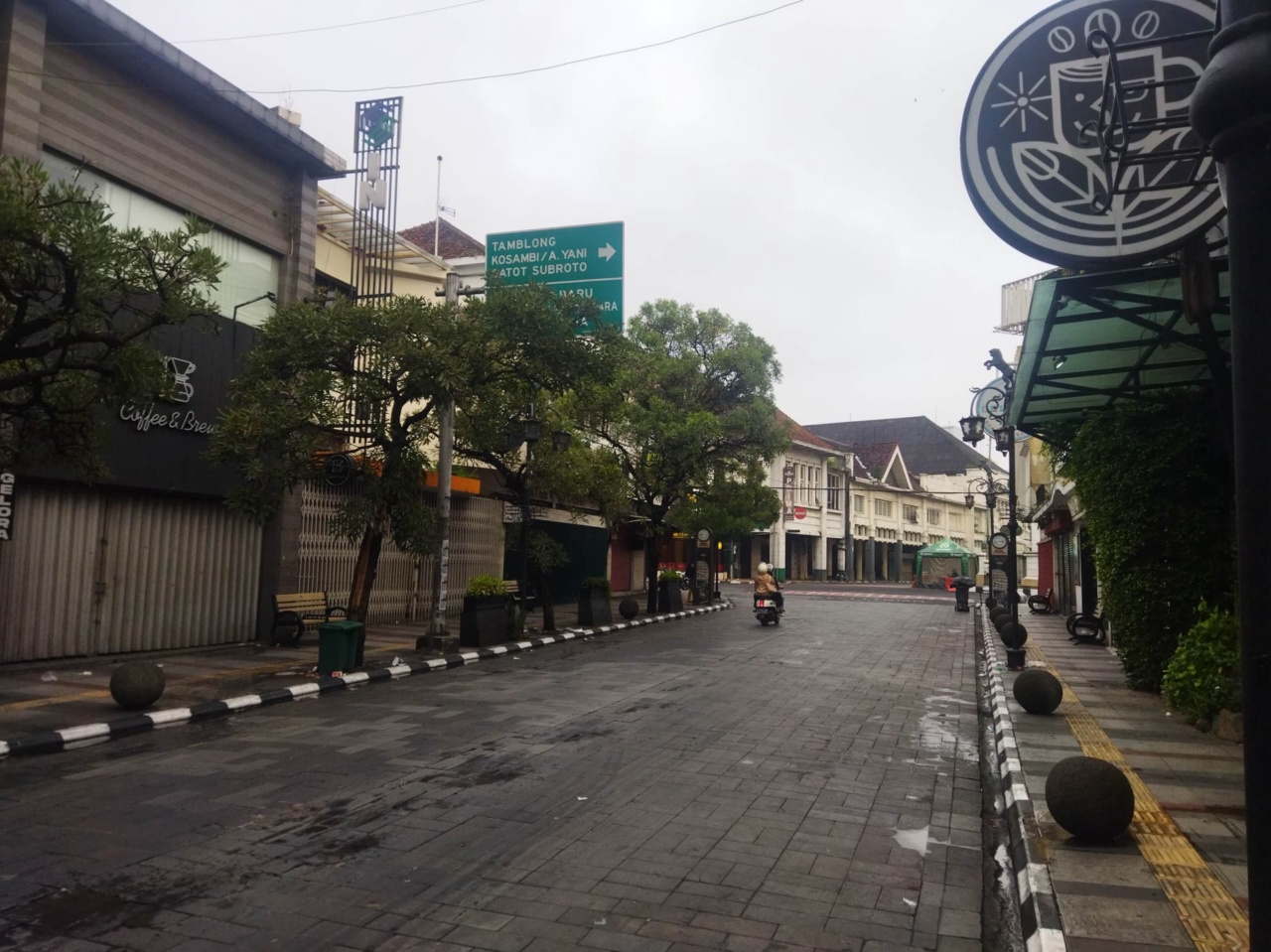
Jalan Braga is the city's most atmospheric street, lined with art deco facades, galleries, and coffee shops. The area around Alun-Alun (the central square) and the nearby Gedung Sate government building forms the historic heart. This is the best base for walkers who want to explore heritage architecture, street food stalls, and nightlife on foot.
Dago (Ir. H. Djuanda)
Running north from the center into the hills, Jalan Dago is Bandung's cafe and restaurant strip. The upper reaches climb toward Dago Pakar and the forested highlands. Stay here for easy access to both city dining and nature trails, though traffic on the main road can be gridlocked on weekends.
Riau and Ciumbuleuit
Jalan Riau (RE Martadinata) is the factory outlet shopping corridor. Ciumbuleuit, further uphill, is a quieter residential area near the Institut Teknologi Bandung (ITB) campus with good mid-range hotels. Both are solid choices for families or anyone wanting a calmer base.
Setiabudhi and Lembang
The northern corridor climbing toward the Lembang plateau holds many of the volcanic attractions, strawberry farms, and resort-style accommodations. Staying up here puts you close to nature but far from the city center, so it suits travelers with their own transport who prioritize highland scenery over urban exploration.
Pasteur and the West
The area around Jalan Pasteur and the toll road entrance is mainly useful for transit. Several chain hotels cluster here for convenience, but there is little reason to linger.
Things to Do
Offers are only loaded from GetYourGuide after you click. GetYourGuide can then process your IP address and set cookies. Privacy Policy
GetYourGuide partner offers. GoAsia may earn a commission if you book through these offers. Check whether tickets or transfers are included, and follow the attraction's official booking and admission rules.
Best Time to Visit
Bandung's elevation keeps temperatures between roughly 18 and 28 degrees Celsius year-round, making it comfortable in any season. That said, timing still matters.
| Season | Months | Weather | Crowds | Notes |
|---|---|---|---|---|
| Dry Season | May - September | Sunny mornings, cool evenings, minimal rain | Moderate | Best overall for volcano hikes and outdoor activities |
| Wet Season | October - April | Heavy afternoon downpours, lush greenery | Lower | Mornings often clear; bring rain gear |
| Peak Weekends | Year-round (Fri-Sun) | Varies | Very High | Jakarta exodus clogs roads; visit midweek if possible |
The single most important timing tip for Bandung: avoid weekends and Indonesian public holidays. Traffic from Jakarta can turn a 2.5-hour drive into a 6-hour ordeal, and popular attractions become uncomfortably packed. A Tuesday-to-Thursday visit gives you a completely different, far more pleasant city.
Ramadan is worth noting: many street food stalls close during daytime fasting hours but the evening iftar scene is vibrant and festive. The week around Eid ul-Fitr sees the city empty out as residents return to home villages, but roads in and out are jammed.
Getting There and Getting Around
Arriving in Bandung
Check the airport code on your ticket rather than assuming arrival near central Bandung. Scheduled jet services were transferred from Husein Sastranegara (BDO) to Kertajati (KJT) on 29 October 2023. Kertajati is in Majalengka, not next to the city centre, so arrange an onward transfer and check the current service with your airline. Do not use the old short BDO transfer estimate for a KJT arrival. Kemenhub
For Jakarta to Bandung, compare the Whoosh high-speed train with conventional rail and road services. Whoosh serves Halim and Padalarang; allow additional time for reaching the departure station and continuing to central Bandung. Check current departure times and connecting transport with KCIC. The high-speed rail journey alone is not your door-to-door travel time. Conventional trains, buses and cars offer different arrival points and costs; check the service and fare for your date. KCIC
Getting Around the City
Bandung's public transport is limited. The Trans Metro Bandung bus system covers some main corridors but is infrequent and confusing for visitors. Angkot (colorful minivans) run fixed routes and cost pennies, but figuring out routes requires local knowledge or a lot of patience.
Grab and Gojek are your best friends here. Ride-hailing is ubiquitous, cheap (a 20-minute car ride typically costs $1.50-3), and the apps handle payment and navigation. Gojek motorbike taxis are the fastest way to cut through traffic. Walking is pleasant in the Braga and Dago areas but impractical for covering the spread-out city, as sidewalks are inconsistent and distances are deceptive.
Renting a car with driver for a full day (typically $25-40) makes sense for volcano day trips and hitting multiple attractions outside the center.
Top Sights and Experiences
Must-See Attractions
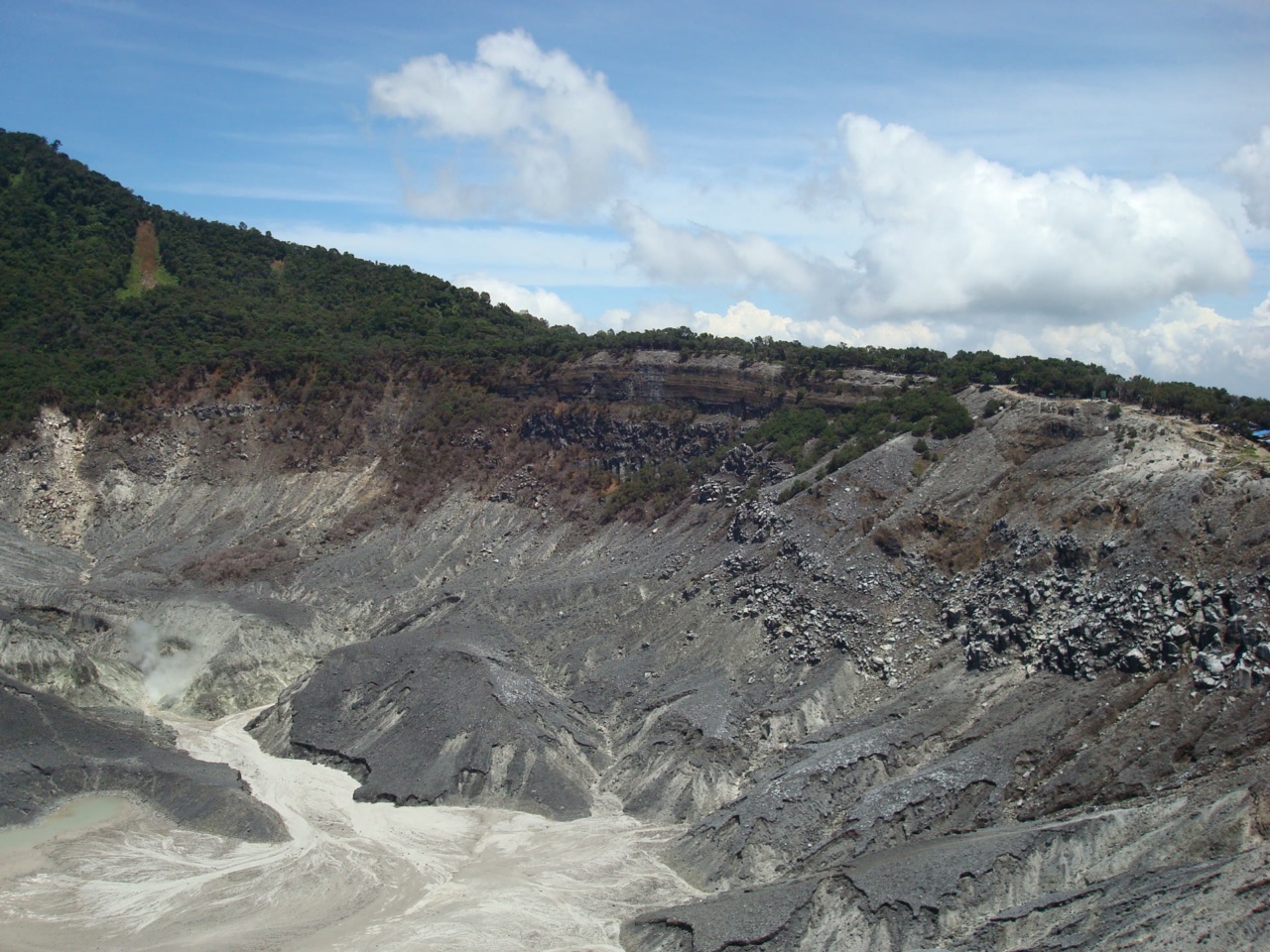
Tangkuban Perahu Volcano: The most accessible active volcano near any major Indonesian city, just 30 km north of Bandung. You can drive right to the crater rim and peer into the steaming, sulfurous Kawah Ratu (Queen Crater). Arrive early morning for clear views before clouds roll in. Entry costs around $5 for foreigners. Budget about 2 hours including the drive. Watch out for aggressive souvenir vendors and self-appointed guides near the crater; a polite but firm refusal works.
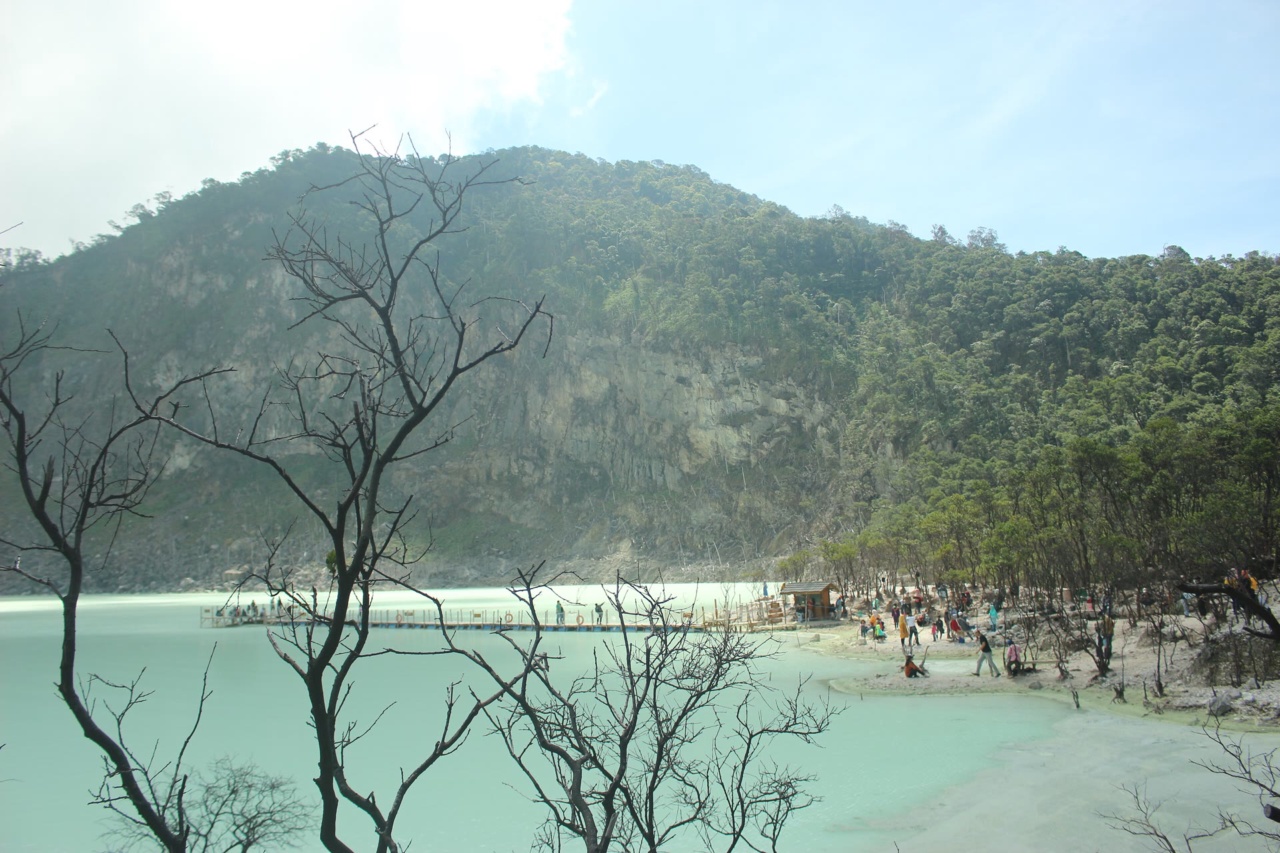
Kawah Putih (White Crater): A stunning turquoise volcanic lake about 50 km south of the city. The milky blue-green water set against white sulfuric cliffs is genuinely otherworldly. The sulfur smell can be intense, and the site occasionally closes due to elevated gas levels. Entry is around $5 for foreigners. Go on a weekday morning for the best combination of clear skies and thin crowds. The drive takes about 90 minutes each way.
Gedung Sate: Bandung's most iconic building, a grand colonial government office topped with satay-skewer-shaped ornaments on its central spire. The exterior is the main draw, but the small museum inside offers a decent overview of West Javanese history. Free entry. Fifteen minutes is enough unless you are deeply into Dutch colonial architecture, in which case pair it with a walking tour of the surrounding government quarter.
Jalan Braga Heritage Walk: Stroll this atmospheric street lined with 1920s and 1930s art deco buildings, many now housing cafes, galleries, and boutiques. The architecture is genuinely impressive and well-preserved by Indonesian standards. Visit the Braga area in the late afternoon when light hits the facades beautifully and the street food vendors begin setting up.
Saung Angklung Udjo: A cultural workshop and performance venue dedicated to the angklung, a traditional Sundanese bamboo instrument recognized by UNESCO. The interactive evening show lets visitors play along and is genuinely fun rather than cheesy. Tickets cost around $5-8. Plan for about two hours. Book ahead on weekends.
Hidden Gems
Tebing Keraton: A clifftop viewpoint about 20 minutes north of the city offering panoramic views over the highland forest canopy, especially magical at sunrise when mist fills the valley. The short trail from the parking area takes about 15 minutes. Weekday mornings are serene; weekends draw Instagram crowds.
Taman Hutan Raya Ir. H. Djuanda (Tahura): A forested park with walking trails, colonial-era caves (Japanese and Dutch wartime tunnels), and a waterfall, all within the city limits. Entry is around $1. It is an excellent morning escape that most international visitors overlook. Allow 2-3 hours for a relaxed walk.
Pasar Baru Trade Center: Not a tourist attraction but an enormous textile and fabric market where Bandung's fashion industry sources materials. Wander the narrow aisles for batik, lace, denim, and custom tailoring at rock-bottom prices. Even if you do not buy, the sensory overload is memorable.
Overrated Spots
Farmhouse Lembang: A faux-European themed park with hobbit houses and Dutch windmills. It is designed for Indonesian domestic tourists seeking photo ops and feels like a theme park rather than a genuine attraction. Skip it unless you are traveling with young children who will enjoy the novelty.
Floating Market Lembang: Despite the name, this is essentially an outdoor food court on a pond with paddle boats. The food is mediocre and overpriced compared to actual Bandung street food. The setting is pleasant enough but does not justify the crowds or the drive.
Trans Studio Bandung: An indoor theme park attached to a mall. Perfectly fine if you need to entertain kids on a rainy day, but it has nothing to do with experiencing Bandung and could be anywhere in the world.
Food and Drink
Bandung is one of the great eating cities of Southeast Asia, and Sundanese cuisine deserves far more international recognition than it gets. The food here leans toward fresh, herbal, and slightly sweet compared to the heavier flavors of Central and East Java.
Signature Dishes
| Dish | Description | Where to Find | Typical Price |
|---|---|---|---|
| Nasi Timbel | Steamed rice wrapped in banana leaf, served with fried chicken, sambal, tempeh, tofu, and lalab (raw vegetables) | Sundanese restaurants throughout the city; look for warung with banana-leaf-wrapped parcels on display | $1.50-3 |
| Mie Kocok | Beef tendon and noodle soup with bean sprouts in a rich, peppery broth | Street stalls near Pasar Kosambi and along Jalan Astana Anyar | $1-1.50 |
| Batagor | Fried fish dumplings with tofu, drenched in peanut sauce - Bandung's most beloved snack | Street vendors everywhere; the most famous stalls cluster near Jalan Burangrang | $0.50-1 |
| Surabi | Sundanese coconut milk pancake, served sweet (with chocolate, banana, jackfruit) or savory (with oncom fermented soybean) | Night stalls along Jalan Setiabudi and near Alun-Alun | $0.30-0.75 |
| Soto Bandung | Clear beef soup with radish, lemongrass, and bean sprouts - lighter and more fragrant than Javanese soto | Warung around Jalan Braga and the central market area | $1-1.50 |
| Karedok | Raw vegetable salad with spicy peanut dressing - essentially Sundanese gado-gado but with uncooked ingredients | Any Sundanese warung or rumah makan | $0.75-1.50 |
| Seblak | Spicy, chewy wet crackers cooked with egg, sausage, and various toppings in a fiery broth - a Bandung street food obsession | Street carts throughout residential neighborhoods, especially near university areas | $0.50-1 |
Eating Culture
Street food is the backbone of Bandung dining. The best stalls often operate from simple carts or shopfronts with plastic chairs, and the quality can be extraordinary. Jalan Cibadak is famous for its Chinese-Indonesian food stalls. The area around Alun-Alun comes alive at night with vendors selling everything from grilled corn to nasi goreng kambing (goat fried rice).
For sit-down Sundanese dining, look for restaurants serving in the lesehan style, where you sit on mats and choose from an array of dishes displayed in a glass case. A full meal with rice, fried chicken, several vegetable sides, sambal, and iced tea rarely exceeds $3 per person.
Bandung's cafe scene is genuinely impressive. The city has more creative, well-designed coffee shops per square kilometer than almost anywhere in Indonesia. Expect good single-origin West Javanese coffee (from nearby plantations in Pangalengan or Malabar) for around $1.50-3 per cup. Many cafes double as coworking spaces and are open late.
Mid-range restaurants serving international or fusion food cluster along Jalan Dago and Jalan Riau, with mains typically running $3-8. Upscale dining exists but is rare; even the fanciest Sundanese restaurants rarely charge more than $15 per person for a lavish spread.
Where to Stay
Budget (Under $20 per night)
Hostels and guesthouses around Jalan Braga and the Kebon Jati area offer clean, basic rooms for $8-15 per night. Some include breakfast. The area is walkable to the main heritage sights and street food zones. Expect simple rooms with air conditioning and shared or private bathrooms.
Mid-Range ($20-60 per night)
Boutique hotels and well-maintained chain properties concentrate along Jalan Dago, Jalan Riau, and Ciumbuleuit. Many occupy renovated colonial-era buildings with genuine character. Rooms at this level typically include breakfast, reliable Wi-Fi, and comfortable furnishings. This is the sweet spot for most travelers.
Upscale ($60-150+ per night)
Several international-brand hotels operate in the Dago and Setiabudhi areas, and a handful of highland resorts sit in the Lembang corridor with mountain views, swimming pools, and spa facilities. For a unique experience, look for converted plantation houses or villa-style accommodations in the hills north of the city, where you wake up to tea plantation views and temperatures cool enough to skip air conditioning entirely.
Practical Tips
Safety: Bandung is generally safe for tourists. Petty theft (bag snatching from motorbikes) is the main risk, particularly in crowded market areas. Keep valuables in front pockets or a cross-body bag. Solo female travelers report feeling comfortable here, though conservative dress is appreciated, especially outside tourist zones.
- Money: Cash is still king for street food, angkot, and small shops. ATMs are everywhere and accept international cards. Mid-range restaurants and hotels accept credit cards. GoPay and OVO (digital wallets linked to Gojek and Grab) are widely used and worth setting up if you have an Indonesian phone number.
- Tipping: Not expected at street stalls or casual eateries. At restaurants, a 5-10% tip is appreciated but not mandatory. Hotel porters appreciate around $1.
- SIM Cards: Buy a local SIM at the airport or any phone shop. Telkomsel has the best coverage in the highlands. A tourist SIM with ample data costs around $3-5. You will need to show your passport.
- Language: English is limited outside hotels and tourist-facing businesses. University students often speak some English and are happy to help. Learn a few Bahasa Indonesia phrases (terima kasih for thank you, berapa for how much) and your interactions will improve dramatically. Google Translate works well for menus and signs.
- Dress Code: West Java is predominantly Muslim and relatively conservative. Cover shoulders and knees when visiting mosques or government buildings. In tourist areas and cafes, casual wear is fine, but very short shorts and revealing tops will draw stares outside the Dago cafe strip.
- Traffic: This cannot be overstated. Bandung's traffic, especially on weekends and holidays, is among the worst in Java. Build extra time into every plan involving a car, or use motorbike taxis for shorter distances.
- Altitude: At 768 meters, Bandung is not high enough to cause altitude issues, but the temperature drop from coastal cities catches people off guard. Bring a light jacket for evenings, especially if heading to Lembang or the volcanic areas where it can dip below 15 degrees Celsius at night.
Day Trips
Ciwidey and Kawah Putih
The Ciwidey area south of Bandung holds the spectacular Kawah Putih crater lake, Ranca Upas deer park, and Situ Patenggang lake. A full day trip combining these stops is one of the best excursions from the city. Distance is about 50 km; allow 90 minutes each way by car. Hire a car with driver for around $25-35 for the day.
Pangalengan Tea Plantations
About 40 km south, the Pangalengan highlands are carpeted with emerald tea plantations at roughly 1,400 meters elevation. Visit a working tea factory, walk through the rows of tea bushes, and enjoy the cool mountain air. The Situ Cileunca lake nearby offers kayaking. This is a genuinely beautiful area that sees very few international tourists. Allow a full day.
Garut and Papandayan Volcano
Garut, about 65 km southeast, is the gateway to Gunung Papandayan, an active volcano with a dramatic crater field you can hike through in about 3-4 hours. The trail passes steaming fumaroles, sulfur deposits, and dead forest. It is more adventurous and far less crowded than Tangkuban Perahu. Start early and bring layers. The drive takes about 2 hours each way.
Maribaya Hot Springs and Waterfall
Just 20 minutes north of the city center in the Dago Pakar area, Maribaya offers natural hot spring pools and a pleasant waterfall in a forested valley. It is an easy half-day trip that pairs well with a visit to Tebing Keraton viewpoint. Entry is around $2-3. Weekdays are far more peaceful.
Kampung Naga Traditional Village
About 90 km southeast near Tasikmalaya, this traditional Sundanese village has preserved its ancestral way of life, with bamboo houses, no electricity in the main compound, and strict adat (customary law). The 300-step descent into the valley and the village itself are genuinely fascinating. Allow a full day for the round trip. This is worth it for travelers interested in living culture rather than just scenery.
Sample 3-Day Itinerary
Day 1: The City
Morning: Start with a walk along Jalan Braga, admiring the art deco facades. Grab coffee at one of the heritage-building cafes. Continue to Gedung Sate for photos, then explore the Bandung Planning Gallery or the nearby Geology Museum, which has an impressive collection of fossils and volcanic rock samples (entry under $1).
Afternoon: Head to Pasar Baru for textile browsing, then take a Grab to Jalan Cibadak for a late lunch of Chinese-Indonesian noodles or bakso. Walk off lunch in the ITB campus area, which has interesting public art and a pleasant tree-lined atmosphere.
Evening: Dinner at a Sundanese lesehan restaurant for nasi timbel and fried chicken. Afterward, explore the night food stalls around Alun-Alun for surabi pancakes and grilled corn. If you want drinks, the Braga area has several rooftop bars and live music venues.
Day 2: Volcanoes and Highlands
Morning: Depart by 7 AM with a hired car to Tangkuban Perahu. Arrive early for clear crater views and thinner crowds. Spend about an hour at the rim.
Late Morning: Drive down to Maribaya Hot Springs for a soak and a short walk to the waterfall. Have lunch at one of the simple restaurants overlooking the valley.
Afternoon: Visit Taman Hutan Raya (Tahura) for a forest walk through the Japanese and Dutch wartime caves. The park connects to trails leading back toward Dago.
Evening: Head to Saung Angklung Udjo for the late afternoon or evening bamboo music performance. Dinner along Jalan Dago at one of the many restaurants or cafes.
Day 3: Southern Highlands
Morning: Early departure to Kawah Putih crater lake (leave by 7 AM to beat clouds and crowds). Spend about an hour at the lake, then continue to Situ Patenggang for a boat ride or lakeside walk.
Afternoon: On the return drive, stop in the Ciwidey area for strawberry picking or lunch at a highland restaurant. If time allows, detour to the Pangalengan tea plantations.
Evening: Back in the city, dedicate your last evening to a street food crawl. Start with batagor and mie kocok near Pasar Kosambi, move to seblak from a university-area cart, and finish with surabi for dessert. Pick up Bandung's famous brownies or banana-based pastries as edible souvenirs from one of the many bakery shops along Jalan Riau.
Budget Overview
| Category | Budget | Mid-Range | Comfort |
|---|---|---|---|
| Accommodation | $8-15 | $25-50 | $60-120 |
| Food | $5-8 | $10-18 | $20-35 |
| Transport | $3-5 | $8-15 | $20-35 |
| Activities | $3-5 | $8-12 | $15-25 |
| Daily Total | $19-33 | $51-95 | $115-215 |
Bandung is remarkably affordable even by Indonesian standards. Budget travelers eating street food and using Grab motorbikes can live well on $25 a day. Mid-range travelers staying in boutique hotels and hiring cars for day trips will find $60-80 per day covers everything comfortably. Even at the comfort level, Bandung rarely feels expensive compared to Bali or Jakarta.
Frequently Asked Questions
Absolutely, especially if you enjoy food, volcanic landscapes, and a city with genuine local character rather than tourist polish. Bandung offers some of Java's best street food, easy access to dramatic highland scenery, and a creative cafe culture that rivals any city in Southeast Asia. It is particularly rewarding for travelers who have already seen Bali and Yogyakarta and want something less visited.
Three days is the sweet spot: one day for the city and its heritage, one for the northern volcanoes and highlands, and one for the southern crater lakes and tea plantations. If you are a food-focused traveler or want to add a hike up Papandayan volcano, four to five days will not feel wasted.
Bandung is generally very safe. Violent crime against tourists is rare. The main concerns are petty theft in crowded markets and aggressive driving on the roads. Use common sense with valuables, stick to ride-hailing apps for transport, and you should have no issues.
Bandung is renowned for batagor (fried fish dumplings in peanut sauce), mie kocok (beef tendon noodle soup), surabi (coconut pancakes), and seblak (spicy wet crackers). Sundanese cuisine in general, featuring nasi timbel, karedok, and an emphasis on fresh vegetables and sambal, is the culinary backbone of the city.
Bandung is one of the most affordable cities in Southeast Asia. Street meals cost well under $1.50, Grab rides across town run $1.50-3, and comfortable hotel rooms start around $25. Even upscale dining rarely exceeds $15 per person. Budget travelers can manage on $20-30 per day.
The dry season from May to September offers the clearest skies for volcano visits and outdoor activities. However, the most important timing advice is to visit midweek rather than on weekends, when Jakarta tourists flood the city and traffic becomes severe. A weekday visit in any season beats a weekend visit in perfect weather.
English is limited outside hotels, upscale restaurants, and tourist-facing businesses. University students often speak conversational English. Learning basic Bahasa Indonesia phrases will greatly improve your experience, and translation apps work well for menus and signs.
For Jakarta to Bandung, compare the Whoosh high-speed train with conventional rail and road services. Whoosh serves Halim and Padalarang; allow additional time for reaching the departure station and continuing to central Bandung. Check current departure times and connecting transport with KCIC. The high-speed rail journey alone is not your door-to-door travel time. Conventional trains, buses and cars offer different arrival points and costs; check the service and fare for your date.
No, tap water is not safe to drink in Bandung. Stick to bottled water, which is cheap and available everywhere. Ice in restaurants and cafes is generally made from purified water and is safe. Refillable water stations (depot air minum isi ulang) are common if you want to reduce plastic waste.
For first-time visitors, the Braga and central area offers the best walkability and heritage atmosphere. Jalan Dago is ideal for cafe lovers and those wanting easy access to the northern highlands. Ciumbuleuit is quieter and suits families. The Lembang area works best for travelers with their own transport who want to stay close to volcanic attractions.