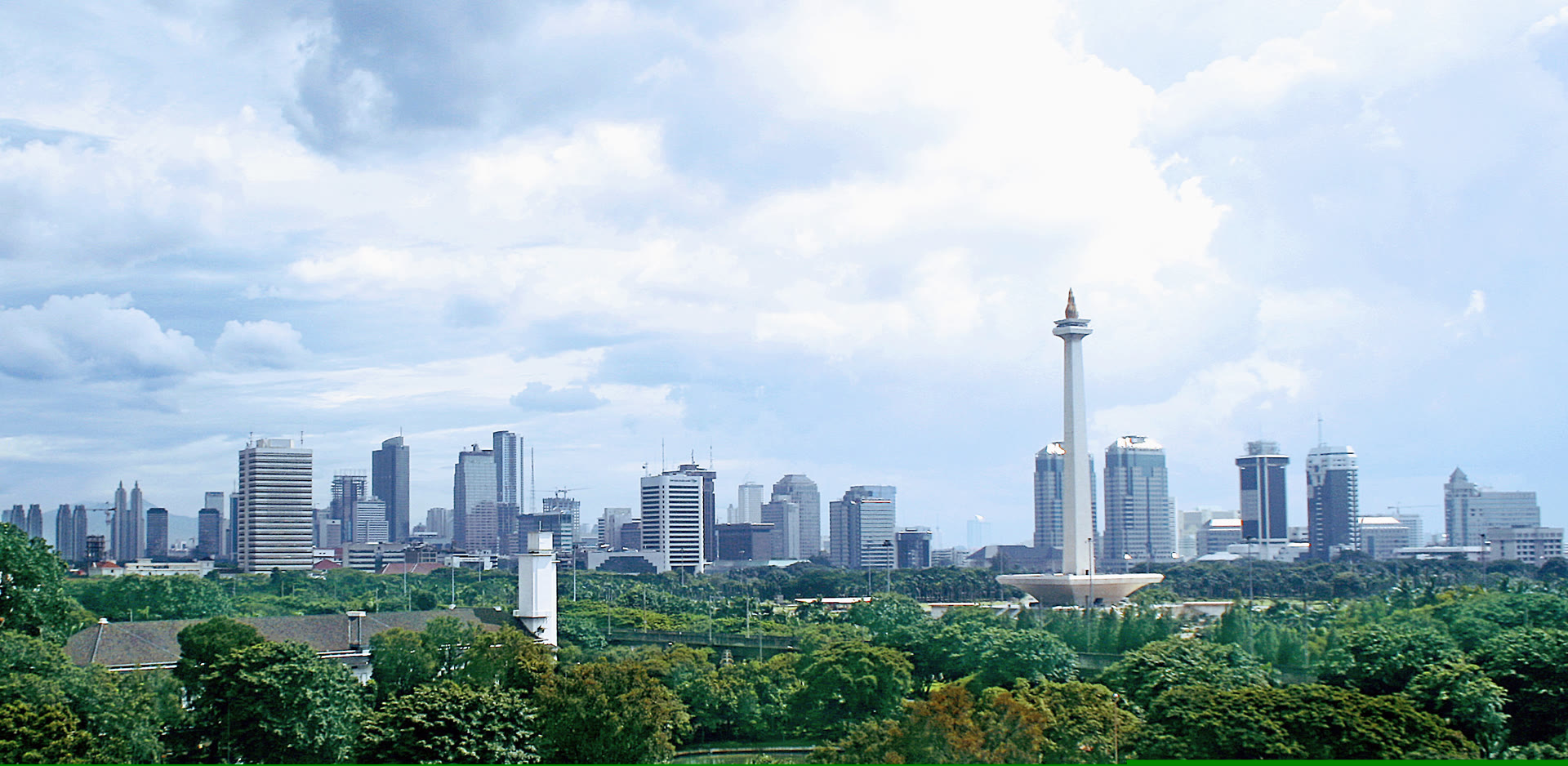
Jakarta is Indonesia's colossal, chaotic capital - a sprawling megacity of over 10 million people where gleaming skyscrapers tower above kampung villages, street-food vendors serve some of the best meals in Southeast Asia, and the energy never lets up.
The first thing you notice about Jakarta is the noise. Motorbikes weave through gridlocked traffic in impossible patterns, call-to-prayer echoes from thousands of mosques at dawn, and somewhere nearby a street vendor is clanging a pot to announce that soto betawi is ready. Indonesia's capital is not a city that eases you in - it grabs you by the collar and demands your attention.
Jakarta often gets dismissed as a place to skip on the way to Bali or Yogyakarta, and that reputation is undeserved. This is a city with genuine depth: centuries-old colonial architecture in the north, a contemporary art scene that punches well above its weight, shopping malls so enormous they contain indoor theme parks, and a street-food culture that could keep you eating something new at every meal for a month straight. The nightlife scene is among the best in Southeast Asia, with rooftop bars overlooking a glittering skyline that has transformed dramatically in recent years.
That said, Jakarta is not for everyone. Traffic is legendary - a 10-kilometer journey can take over an hour during rush hour. The tropical heat and humidity are relentless. Infrastructure outside the modern core can feel rough. But if you approach Jakarta with patience and curiosity, you will be rewarded with experiences that the polished tourist hubs of the region simply cannot offer. This is the real Indonesia, unfiltered and unapologetic.
Most visitors find that two to four days is the sweet spot - enough to explore the highlights without burning out from the city's intensity.
Orientation and Neighborhoods
Jakarta sprawls across a massive coastal plain on Java's northwest coast. The city runs roughly north to south, from the old port area down to the modern business districts, and understanding this axis is key to navigating it.
Kota Tua (Old Town)
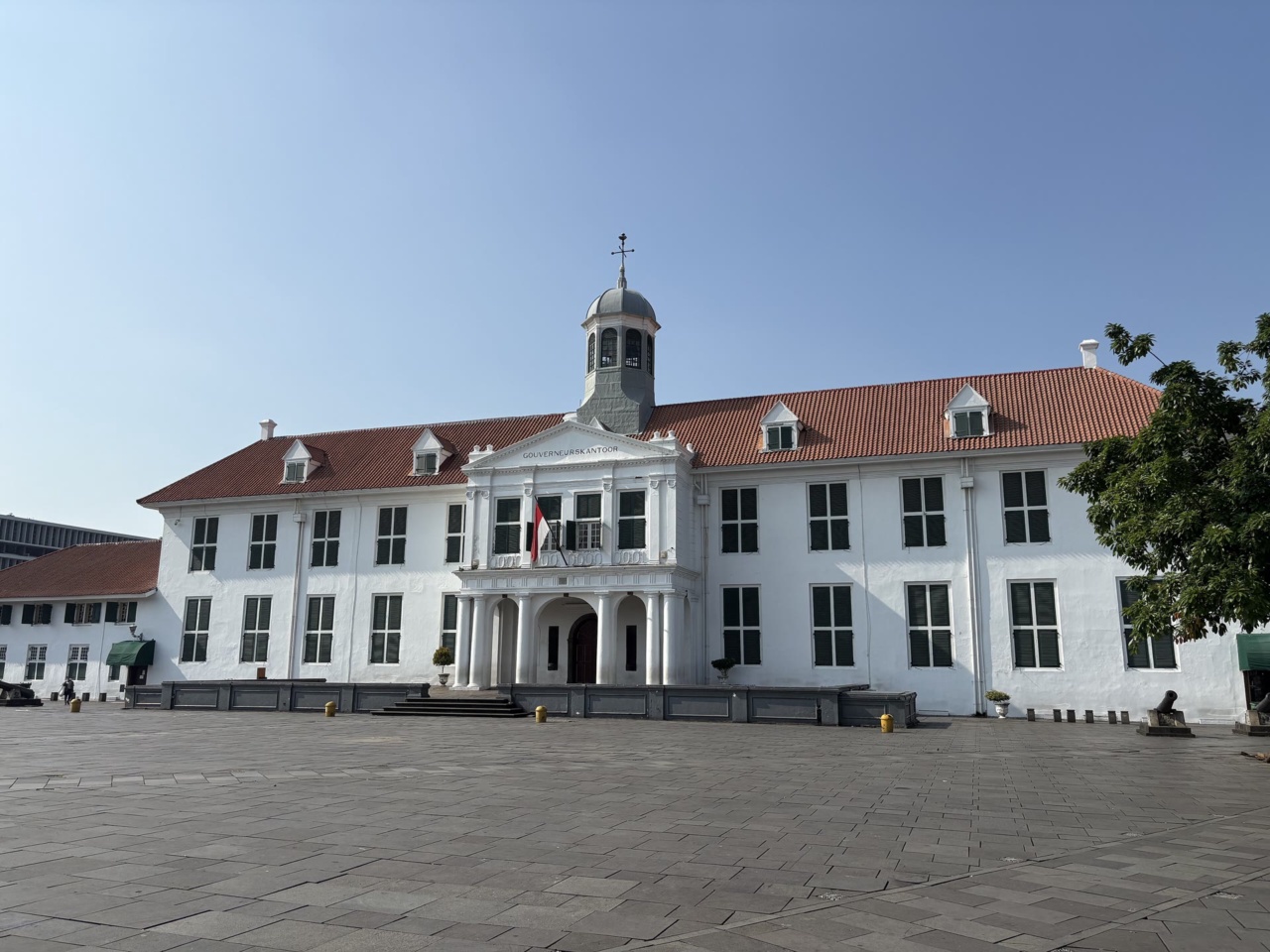
The historic heart of Jakarta, centered on Fatahillah Square. Dutch colonial buildings, museums, and a gritty waterfront atmosphere make this the cultural starting point. It gets crowded on weekends with local visitors but is quieter on weekday mornings.
Central Jakarta's leafy residential district with tree-lined streets, art galleries, and good mid-range dining. This area has a more relaxed pace and is home to several important museums. A solid base for culture-focused travelers.
Thamrin and Sudirman (Golden Triangle)
The business and commercial corridor defined by two major avenues. Here you will find the tallest skyscrapers, luxury hotels, upscale malls like Grand Indonesia and Plaza Indonesia, and the best rooftop bars. Stay here for convenience and modern comforts, but expect to pay more.
Kemang
South Jakarta's expat-friendly neighborhood with a concentration of international restaurants, bars, and boutiques. It has a more cosmopolitan, walkable feel than most of Jakarta, though traffic getting in and out can be brutal.
Blok M and Senopati
Adjacent neighborhoods in South Jakarta with excellent dining scenes. Blok M has a youthful, slightly alternative vibe with craft beer bars and live music venues. Senopati is more upscale with trendy cafes and restaurants.
Ancol and North Jakarta
The waterfront area with Ancol Dreamland amusement park and the departure point for boats to the Thousand Islands. Mostly worth visiting for a day trip rather than as a base.
Where to Stay by Priority
For nightlife and convenience, stay along the Thamrin-Sudirman corridor. For food and a local feel, choose Menteng or Blok M. Budget travelers should look at guesthouses in Cikini or Jalan Jaksa (though the latter has faded from its backpacker heyday). Families will be most comfortable in the serviced apartments around Sudirman or Kuningan.
Things to Do
Offers are only loaded from GetYourGuide after you click. GetYourGuide can then process your IP address and set cookies. Privacy Policy
GetYourGuide partner offers. GoAsia may earn a commission if you book through these offers. Check whether tickets or transfers are included, and follow the attraction's official booking and admission rules.
Best Time to Visit
Jakarta has a tropical monsoon climate - hot and humid year-round with temperatures hovering between 27 and 34 degrees Celsius. The real variable is rain.
Season
Months
Weather
Crowds
Notes
Dry Season
May - September
Hot, less rain, lower humidity
Moderate
Best overall period to visit
Wet Season
October - April
Heavy afternoon downpours, possible flooding
Lower
January-February sees worst flooding in low-lying areas
The dry season from May through September is the most comfortable time to visit. Rain still occurs but is less frequent and usually brief. The wet season brings dramatic afternoon downpours that can flood streets in low-lying northern areas - Kota Tua can become impassable during heavy rains in January and February.
Jakarta is a business city, so hotel prices often drop on weekends when corporate travelers leave. During Ramadan (dates shift annually based on the Islamic calendar), many restaurants close during daylight hours, though non-Muslim establishments and hotel restaurants remain open. The festive atmosphere during Lebaran (Eid al-Fitr) is worth experiencing, but the city empties as millions of residents travel home for mudik, making it both quieter and harder to find open businesses. Chinese New Year brings colorful celebrations to the Glodok (Chinatown) area.
Getting There and Getting Around
Arriving
Soekarno-Hatta International Airport (CGK) is Jakarta's main gateway, located about 30 kilometers northwest of the city center in Tangerang. The airport train (Commuter Line Basoeta) runs from the airport station to Sudirman Baru (BNI City) station in central Jakarta in roughly 45 minutes.[1] A ticket to Duri, BNI City or Manggarai costs Rp 70,000 (about $4) and can be booked in the Access by KAI app.[2] This is by far the best option during peak hours. A taxi to central Jakarta is slower and costs more than the train, so use the official Blue Bird taxi counter or book via Grab to avoid being overcharged. During rush hour, the drive can take two hours or more.
Getting Around
Jakarta's traffic is infamous, but the city has invested heavily in public transit in recent years.
MRT Jakarta: The north-south line runs 15.7 km from Lebak Bulus to Bundaran HI, with 13 stations.[3] Clean, air-conditioned, and fast - this is the best way to move along the Sudirman-Thamrin corridor. It runs from 05:00 to 24:00.[4]
TransJakarta (Busway): An extensive bus rapid transit network with dedicated lanes covering most of the city. A regular trip costs Rp 3,500 (about $0.20), or Rp 2,000 between 05:00 and 07:00.[5] Integrated fares across MRT, LRT and TransJakarta are capped at Rp 10,000 per 3 hours.[6]Buses can be crowded during rush hour but are a practical way to cover longer distances. The dedicated lanes help bypass some traffic.
LRT Jakarta: A newer light rail line serving parts of East Jakarta, useful primarily for reaching Velodrome or connecting neighborhoods in that area.
KRL Commuter Line: Suburban rail connecting Jakarta to Bogor, Depok, Tangerang, and Bekasi. Useful for day trips to Bogor. Fares are Rp 3,000 for the first 25 km plus Rp 1,000 for each further 10 km.[7]
Grab and Gojek: Ride-hailing apps are essential in Jakarta. GrabCar and GoCar provide metered car rides (around $2-8 for most in-city trips). GrabBike and GoRide (motorbike taxis) are faster and cheaper, typically $0.50-2 for short to medium distances, and they weave through traffic far more efficiently than cars.
Blue Bird Taxis: The most reputable metered taxi company. Always insist on the meter.
Walking is practical only within specific neighborhoods - the city is not designed for pedestrians, with inconsistent sidewalks and extreme heat. For detailed transport routes and schedules across Jakarta and other Indonesian cities, GoAsia.cc has comprehensive information.
Top Sights and Experiences
Must-See Attractions
Kota Tua and Fatahillah Square: The colonial-era old town centers on a grand Dutch square surrounded by the Jakarta History Museum (formerly the city hall), the Fine Arts and Ceramics Museum, and the Wayang (Puppet) Museum. Budget about two to three hours to explore all three museums and wander the surrounding streets. Entry fees are minimal, around $0.30-0.50 per museum. Visit on a weekday morning to avoid crowds. The nearby Sunda Kelapa old port, where traditional wooden pinisi schooners still dock, is a 15-minute walk north and provides stunning photo opportunities - tip the informal guides a dollar or two.
Istiqlal Mosque and Jakarta Cathedral: The largest mosque in Southeast Asia sits directly across the street from a neo-Gothic Catholic cathedral, and the juxtaposition is a powerful symbol of Indonesia's religious pluralism. Istiqlal is free to enter (modest dress required, coverings provided). The cathedral's interior is worth a look as well. Allow about an hour for both.
National Monument (Monas): The 132-meter obelisk in the center of Merdeka Square is Jakarta's most recognizable landmark. The observation deck offers panoramic city views, though the queue for the elevator can be long on weekends. The basement houses a series of dioramas depicting Indonesian history. Entry is around $1. Go early in the morning to beat both crowds and heat.
National Museum (Museum Nasional): Indonesia's premier museum, housing an extraordinary collection of Hindu-Buddhist stone sculptures, ethnographic artifacts from across the archipelago, and a stunning gold room. Recently renovated sections are well-curated. Budget two hours minimum. Entry is around $3.
MACAN Museum: Jakarta's modern and contemporary art museum in West Jakarta features rotating exhibitions of Indonesian and international artists. The building itself is architecturally striking. Tickets are around $7. Worth it for anyone interested in contemporary art.
Lesser-Known Gems
Glodok (Chinatown): Jakarta's Chinatown is a sensory assault of narrow alleys, traditional medicine shops, street food stalls, and ornate Chinese temples like Jin De Yuan. The Petak Sembilan market area is particularly atmospheric. Come hungry and explore on foot.
Taman Mini Indonesia Indah: A sprawling cultural park in East Jakarta with pavilions representing each Indonesian province. It sounds touristy, and it is, but it provides a genuinely useful overview of Indonesia's staggering cultural diversity. Best for families or travelers not venturing beyond Jakarta. Budget half a day.
Pasar Santa: A repurposed traditional market in South Jakarta that has become a hub for indie vendors, vinyl record shops, and small food stalls serving everything from Japanese curry to craft cocktails. It captures Jakarta's creative energy perfectly.
Menteng Park and Suropati Park: Two adjacent green spaces in central Jakarta that offer a rare respite from the concrete. On weekend mornings, local artists display paintings along the fence of Suropati Park. A pleasant spot for an early walk before the heat peaks.
Overrated Attractions
Ancol Dreamland: This aging waterfront amusement park is popular with local families but offers little for international visitors. The rides are dated, the beach is not swimmable, and the entry fees add up quickly. Skip it unless you are traveling with children who need a theme park fix.
Thousand Islands (Pulau Seribu): Often marketed as Jakarta's tropical island escape, the reality is mixed. The closest islands are underwhelming with murky water. The better islands (Pulau Macan, Pulau Putri) require a longer boat ride and resort-level prices. If you want Indonesian islands, save your time for the Gilis, Raja Ampat, or Flores.
Jalan Jaksa: Once the legendary backpacker street of Southeast Asia, it has largely lost its character. A few budget guesthouses and bars remain, but the atmosphere is a shadow of its former self.
Food and Drink
Jakarta is arguably the best food city in Indonesia, drawing dishes from every corner of the archipelago and adding its own Betawi (native Jakartan) specialties. Eating here is a highlight, not a sidebar.
Signature Dishes
Dish
Description
Where to Try
Typical Price
Nasi Goreng
Indonesia's iconic fried rice, served with a fried egg, crackers, and sweet soy sauce
Street stalls everywhere, especially along Jalan Sabang
$1-2
Soto Betawi
Creamy beef soup with coconut milk, potatoes, and tomatoes - a Jakarta original
Dedicated soto stalls in Kota Tua and Menteng
$1.50-3
Nasi Uduk
Coconut milk rice served with fried chicken, tempeh, sambal, and fried shallots
Morning street stalls across South and Central Jakarta
$1-2
Kerak Telor
Crispy egg and sticky rice omelet with dried shrimp and grated coconut - a Betawi specialty
Street vendors near Kota Tua and at festivals
$0.50-1
Sate Ayam
Chicken satay with peanut sauce, often served with lontong (rice cake)
Sate Khas Senayan restaurants or street vendors
$2-4
Gado-Gado
Blanched vegetables with rich peanut sauce dressing
Warungs throughout Menteng and Cikini
$1-2
Nasi Padang
Minangkabau-style rice with a spread of curries, rendang, and sambal
Padang restaurants on nearly every block - look for the stacked plate displays
$2-4
Bakso
Beef meatball soup with noodles and fried wontons
Pushcart vendors and dedicated bakso shops
$1-2
Where to Eat
Street food is king in Jakarta. Jalan Sabang (near Thamrin) transforms into a bustling food street every evening with dozens of stalls serving nasi goreng, martabak (stuffed pancakes), and grilled seafood. Pecenongan, nearby, is famous for its late-night Chinese-Indonesian food stalls. Blok M has excellent street food alongside its more formal restaurants.
Warungs (small local eateries) are where most Jakartans eat daily. A full meal at a warung rarely exceeds $2-3. Padang restaurants are a particular institution - you sit down, plates of various dishes are placed before you, and you pay only for what you eat.
Mid-range restaurants in areas like Senopati, Kemang, and Menteng offer excellent Indonesian and international cuisine for $8-20 per person. Jakarta's contemporary Indonesian dining scene is thriving, with chefs reinventing traditional recipes with modern techniques.
Upscale dining in Jakarta is surprisingly affordable compared to other major Asian capitals. A fine-dining meal with drinks might run $40-80 per person. Several Jakarta restaurants have appeared on Asia's best restaurant lists.
For drinks, Jakarta has a growing craft beer and cocktail scene concentrated in Senopati, Kemang, and the rooftop bars along Sudirman. Alcohol is available but relatively expensive due to high taxes - expect to pay $5-8 for a beer in a bar and $10-15 for cocktails. Indonesia is a Muslim-majority country, so drinking culture is more discreet than in Bangkok or Singapore.
Where to Stay
Budget (Under $25 per night)
Hostels and guesthouses in Cikini, Jalan Jaksa, and parts of South Jakarta offer basic but clean rooms. Capsule-style hostels have popped up near MRT stations. Expect air conditioning and Wi-Fi at this price point, but limited amenities. Booking apps often yield better rates than walk-ins.
Mid-Range ($25-80 per night)
This is Jakarta's sweet spot. Boutique hotels in Menteng and Kemang offer stylish rooms with pools and breakfast included. Business hotels along Thamrin and Sudirman frequently discount on weekends. Serviced apartments in Kuningan and Setiabudi provide excellent value for longer stays or families.
Upscale ($80-250+ per night)
Jakarta has an impressive collection of luxury hotels. International chains cluster along Sudirman and Thamrin, offering the full five-star experience at prices significantly lower than Singapore or Hong Kong. Some of these properties have exceptional rooftop pools with skyline views. Heritage boutique hotels in Menteng provide a more intimate alternative.
Practical Tips
Safety: Jakarta is generally safe for tourists, but exercise standard big-city caution. Petty theft (bag snatching, pickpocketing) occurs in crowded areas and on public transport. Avoid flashing expensive electronics on the street. Flooding during the wet season can create hazardous conditions in low-lying areas, particularly in North Jakarta. Protests occasionally occur near government buildings - keep your distance but they rarely target tourists.
Common scams: Unlicensed taxis at the airport overcharging dramatically. Always use the official taxi counter, the airport train, or Grab. Around tourist sites, friendly strangers may offer to be your guide then demand inflated payment - agree on a price upfront or politely decline.
Payment: Cash is still king for street food, warungs, and small shops. Indonesian Rupiah (IDR) is the currency - roughly 15,000-16,000 IDR to $1. ATMs are everywhere. Credit cards are accepted at malls, hotels, and mid-range restaurants. GoPay and OVO (digital wallets linked to Gojek and Grab) are widely used and worth setting up.
Tipping: Not expected at warungs or street stalls. In restaurants, a 5-10% service charge is often included. Rounding up or leaving small change is appreciated. Hotel porters and drivers appreciate tips of around $1-2.
SIM cards: Buy a local SIM at the airport or any phone shop. Telkomsel has the best coverage. A tourist SIM with data costs around $3-5 for a generous data allowance. You will need to register the SIM with your passport.
Language: Bahasa Indonesia is the national language. English is spoken in hotels, upscale restaurants, and malls, but rarely at street stalls, in taxis, or in older neighborhoods. Learning basic phrases (terima kasih for thank you, berapa for how much, mau ke for I want to go to) goes a long way. Grab and Gojek apps eliminate most language barriers for transport.
Cultural notes: Dress modestly when visiting mosques - shoulders and knees covered, women should bring a headscarf (often provided). Remove shoes before entering homes and many small shops. Use your right hand for giving and receiving. During Ramadan, be respectful about eating and drinking in public during daylight hours, especially in more conservative neighborhoods.
Health: Do not drink tap water. Bottled water is cheap and available everywhere. Street food is generally safe if the stall looks busy and the food is cooked fresh. Bring mosquito repellent - dengue fever is present in Jakarta.
Day Trips
Bogor
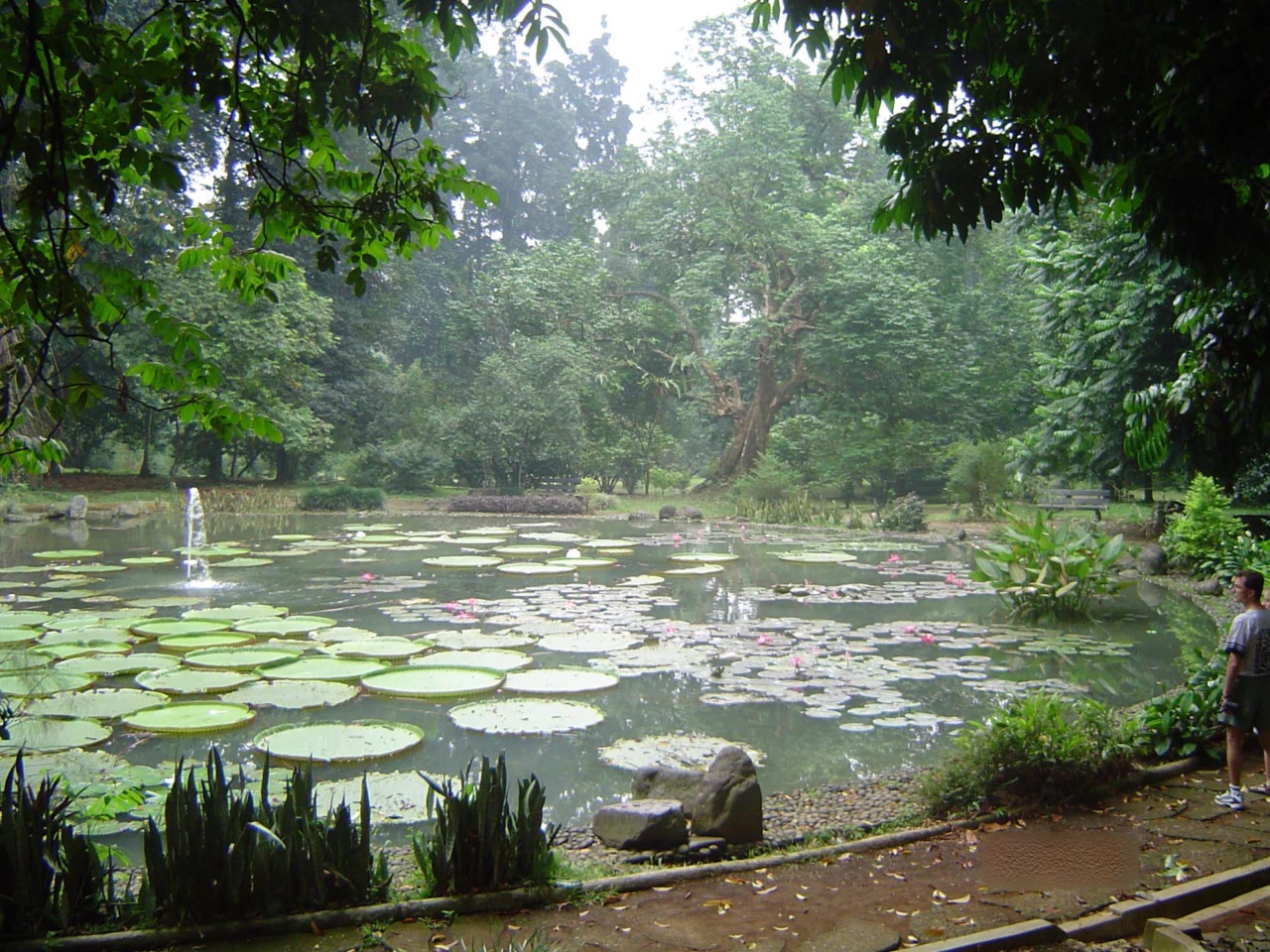
About 60 kilometers south of Jakarta, reachable in roughly one hour by KRL commuter train on the Bogor line.[8] Bogor is cooler, greener, and home to the magnificent Bogor Botanical Gardens - 87 hectares of tropical plants, ancient trees, and a presidential palace. The town also has excellent Sundanese food. A relaxed half-day or full-day trip that provides welcome relief from Jakarta's heat.
Around 150 kilometers southeast, reachable in under an hour on the Whoosh high-speed train from Halim station, with a further transfer into the city from Padalarang or Tegalluar.[9]Bandung offers cooler highland temperatures, art deco colonial architecture, excellent factory outlet shopping, volcanic crater lakes (Kawah Putih), and some of Indonesia's best tea plantations. Worth an overnight if possible, but doable as a long day trip.
Pelabuhan Ratu
A coastal town on Java's rugged south coast, about three to four hours by car. The beaches are dramatic with powerful surf (swimming is dangerous at many spots), but the seafood is excellent and the scenery is a stark contrast to Jakarta. Best as an overnight escape.
Banten Lama (Old Banten)
The ruins of the once-powerful Banten Sultanate, about two hours west of Jakarta by car. The grand mosque, ruined palace, and small museum are fascinating for history enthusiasts. Rarely visited by tourists, giving it an authentic, unhurried atmosphere. Combine with a stop at Anyer beach on the way back, though the beach quality is modest.
Pulau Pramuka or Pulau Tidung (Thousand Islands)
If you do want to try the Thousand Islands, skip the closest options and head to Pulau Pramuka or Pulau Tidung - about a two-hour speedboat ride from Ancol marina. Snorkeling is decent, the pace is slow, and it is a genuine escape from the city. Best as an overnight trip. Boats depart early morning; book through local operators or your hotel.
Sample 3-Day Itinerary
Day 1: Old Jakarta and Cultural Core
Morning: Start early at Kota Tua before the heat builds. Explore Fatahillah Square, visit the Jakarta History Museum and the Wayang Museum. Walk north to Sunda Kelapa port to see the wooden schooners.
Afternoon: Head south to Istiqlal Mosque and Jakarta Cathedral (a short TransJakarta ride or Grab). After, visit the National Monument (Monas) - aim to arrive by early afternoon to beat the observation deck queue.
Evening: Walk to Jalan Sabang for a street food dinner. Try nasi goreng, martabak manis (sweet stuffed pancake), and es cendol (iced coconut drink). If you have energy, grab a drink at a rooftop bar along Sudirman.
Day 2: Museums, Neighborhoods, and Food
Morning: Visit the National Museum for its exceptional collection - arrive when it opens. Then stroll through Menteng's tree-lined streets and stop at Suropati Park.
Afternoon: Take the MRT south to Blok M. Explore the neighborhood, browse Pasar Santa, and have a late Padang lunch. Alternatively, head to MACAN Museum if contemporary art is your interest.
Evening: Dinner in Senopati or Kemang - try contemporary Indonesian cuisine at one of the area's well-regarded restaurants. Explore the bar scene in the same neighborhood.
Day 3: Day Trip or Deep Dive
Option A - Bogor Day Trip: Catch an early morning commuter train to Bogor. Spend the morning in the Botanical Gardens, have a Sundanese lunch (try nasi timbel with grilled fish), and return to Jakarta by mid-afternoon. Spend your last evening at a rooftop bar or exploring Glodok's Chinatown for dinner.
Option B - Jakarta Deep Dive: Morning at Taman Mini Indonesia Indah to explore the provincial pavilions. Afternoon shopping at Grand Indonesia or Plaza Indonesia mall. Evening farewell dinner at a seafood restaurant in North Jakarta or a final street food crawl through Pecenongan.
Budget Overview
Category
Budget
Mid-Range
Comfort
Accommodation
$10-20
$35-60
$80-150
Food
$5-10
$15-25
$30-60
Transport
$3-5
$8-15
$15-30
Activities
$3-5
$10-15
$20-35
Daily Total
$21-40
$68-115
$145-275
Jakarta is remarkably affordable for a capital city. Budget travelers who stick to street food, public transport, and basic guesthouses can get by on $25-35 per day. Mid-range travelers will find Jakarta offers excellent value, with comfortable hotels and diverse dining for well under $100 daily. Even at the comfort level, Jakarta is significantly cheaper than Singapore, Kuala Lumpur, or Bangkok's luxury tier. The biggest variable is alcohol - if you drink regularly, expect your food budget to increase substantially due to Indonesia's high alcohol taxes.
Frequently Asked Questions
Is Jakarta worth visiting?
Yes, especially for travelers interested in food, culture, and urban exploration. Jakarta is often skipped in favor of Bali or Yogyakarta, but it offers world-class museums, one of Southeast Asia's best street food scenes, and a vibrant nightlife. It is not a beach destination or a relaxing retreat - it rewards those who enjoy the energy of a massive, complex city.
How many days do you need in Jakarta?
Two to three days is ideal for most travelers. This gives you enough time to explore the old town, visit key museums, eat your way through several neighborhoods, and enjoy the nightlife. Add a fourth day if you want to include a day trip to Bogor or the Thousand Islands.
Is Jakarta safe for tourists?
Jakarta is generally safe for tourists exercising normal big-city precautions. Petty theft like bag snatching can occur in crowded areas, so keep valuables secure. Use reputable taxis or ride-hailing apps, avoid isolated areas at night, and stay away from political demonstrations. Violent crime against tourists is rare.
What food is Jakarta famous for?
Jakarta is famous for Betawi specialties like soto betawi (creamy beef soup), kerak telor (crispy egg omelet), and nasi uduk (coconut rice). As Indonesia's capital, it also draws the best regional cuisines - Padang food, Javanese sate, and Chinese-Indonesian dishes are all exceptional here. Jalan Sabang and Pecenongan are top street food destinations.
Is Jakarta expensive?
Jakarta is one of the more affordable major capitals in Southeast Asia. Street food meals cost $1-2, public transport is extremely cheap, and even mid-range hotels are well under $60 per night. The main exception is alcohol, which is heavily taxed - expect to pay $5-8 for a beer in a bar. Budget travelers can comfortably spend under $35 per day.
Can you drink tap water in Jakarta?
No, do not drink tap water in Jakarta. Stick to bottled water, which is cheap and widely available at every convenience store. Ice in restaurants and established food stalls is generally safe as it is made from purified water, but use your judgment at very small or informal vendors.
How do I get from the airport to the city center?
The best option is the airport train (Commuter Line Basoeta) from Soekarno-Hatta Airport to BNI City station in central Jakarta, taking about 45 minutes. Alternatively, use the official Blue Bird taxi counter or book a Grab car, which is slower and costs more than the train, especially during rush hours.
Is English widely spoken in Jakarta?
English is spoken at hotels, malls, and upscale restaurants, but not widely at street stalls, in local taxis, or in older neighborhoods. Younger Jakartans in business and tourism sectors often speak good English. Learning a few basic Bahasa Indonesia phrases helps enormously, and ride-hailing apps like Grab eliminate most language barriers for getting around.
What is the best neighborhood to stay in Jakarta?
The Thamrin-Sudirman corridor is best for first-time visitors due to its central location, MRT access, and concentration of hotels and malls. Menteng suits culture-focused travelers who prefer a quieter, more residential atmosphere. Kemang and Senopati are ideal if nightlife and dining are priorities. Budget travelers should look at Cikini for affordable guesthouses near central attractions.
What should I avoid in Jakarta?
Avoid unlicensed taxis at the airport - they overcharge dramatically. Do not attempt to drive yourself as traffic is chaotic and rules are loosely followed. Avoid walking long distances in the midday heat as sidewalks are inconsistent and temperatures are punishing. During the wet season, steer clear of flood-prone areas in North Jakarta, and always check conditions before visiting Kota Tua after heavy rain.
Sources and background
Numbers in the text such as [1] refer to these sources.